The top three tiers of Italian football have 100 clubs, spread from the Dolomites in the far north to Sicily in the deep south. Surprisingly, however, cities boasting more than one club are not as common as you might think.
But here, in the fifth part of our 49 Italian Trips You Must Make series, are seven that should be on the radar of every calcio tourist.
1. Milan
Italy’s fashion and business centre, Milan is also undisputedly its footballing capital. Between them, AC Milan and Inter have won 40 Scudetti and 10 European Cups/Champions Leagues, all while playing in one of the most iconic stadiums in world football – San Siro.
But the clock is ticking on the Giuseppe Meazza, which is set to be replaced by a new arena to be built in the car park.
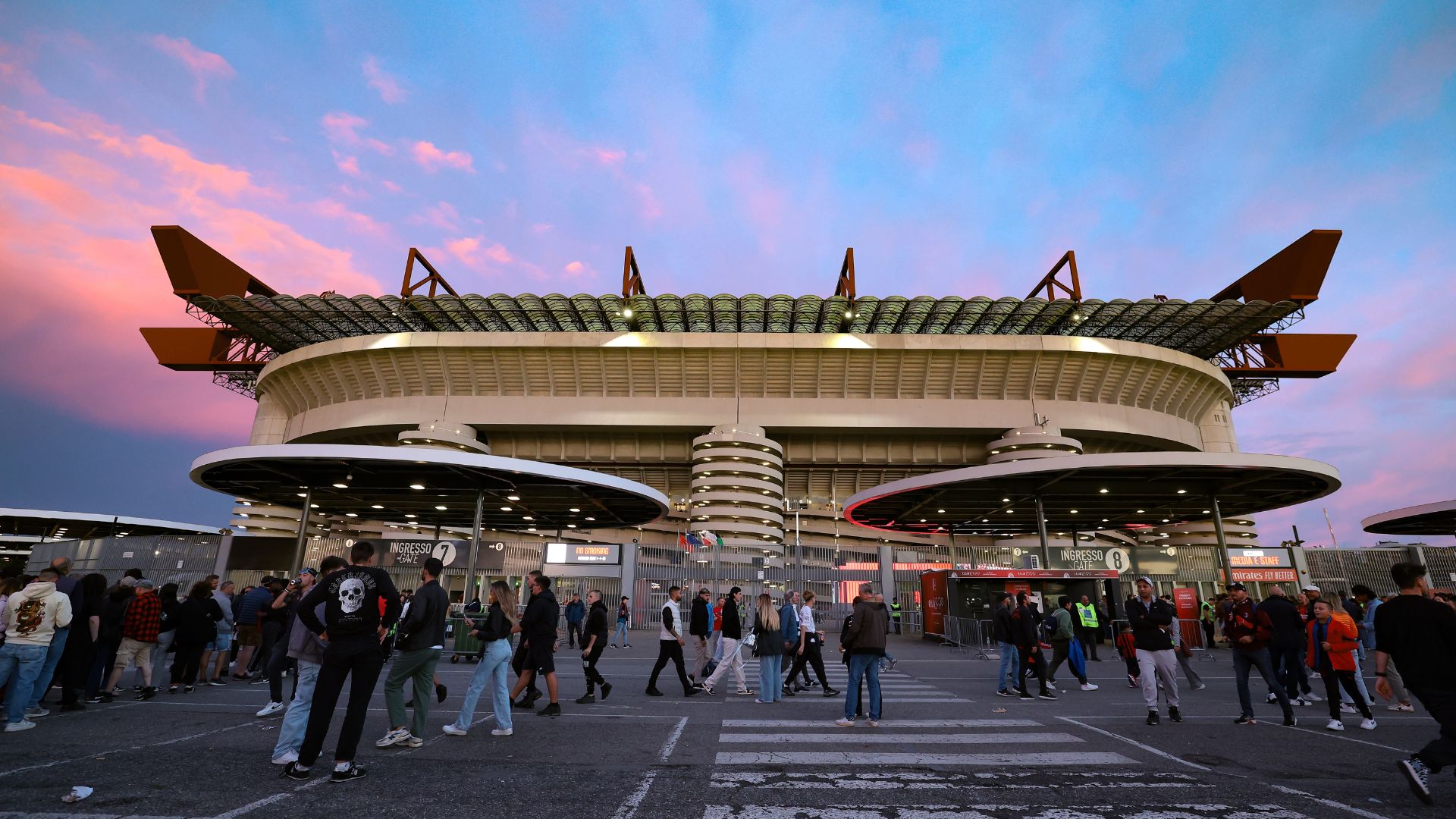
And while the football romantics may argue otherwise, Milan will remain a bucket-list trip for any calcio fan even once the Rossoneri and Nerazzurri move into their new home.
A cosmopolitan city which manages to remain uniquely Italian, Milan oozes history and style, from the Sforza Castle to the high-end shops on Via Montenapoleone and the stars that descend on the city for fashion week.
But there is more to Milan than the glitz and glamour, such as small the bars by the Navigli that never seem to close, pubs entirely dedicated to football and restaurants serving delicious food.
2. Rome
The Eternal City has been home to the champions of Italy only four times, with Roma and Lazio winning two titles each. Despite the relative lack of success, Rome remains on the agenda for every football fan and there are few better atmospheres in world football than a packed Stadio Olimpico for the Derby della Capitale.
There are, of course, countless reasons to visit Rome. The Italian capital is one of the most popular destinations in the world, its mixture of extraordinary history, magnificent buildings and iconic sights proving irresistible to millions of tourists each year.
But there are parts of Rome that are still relatively off the beaten track. Getting yourself to Trastevere is the best way to experience the city like the locals do, from an espresso in a bar covered in Roma stickers to a generous bowl of homemade amatriciana in one of the traditional restaurants dotted around the neighbourhood.
Whatever you do and see in Rome, one visit won’t be enough and the city will have you coming back for more. That applies to the football too.
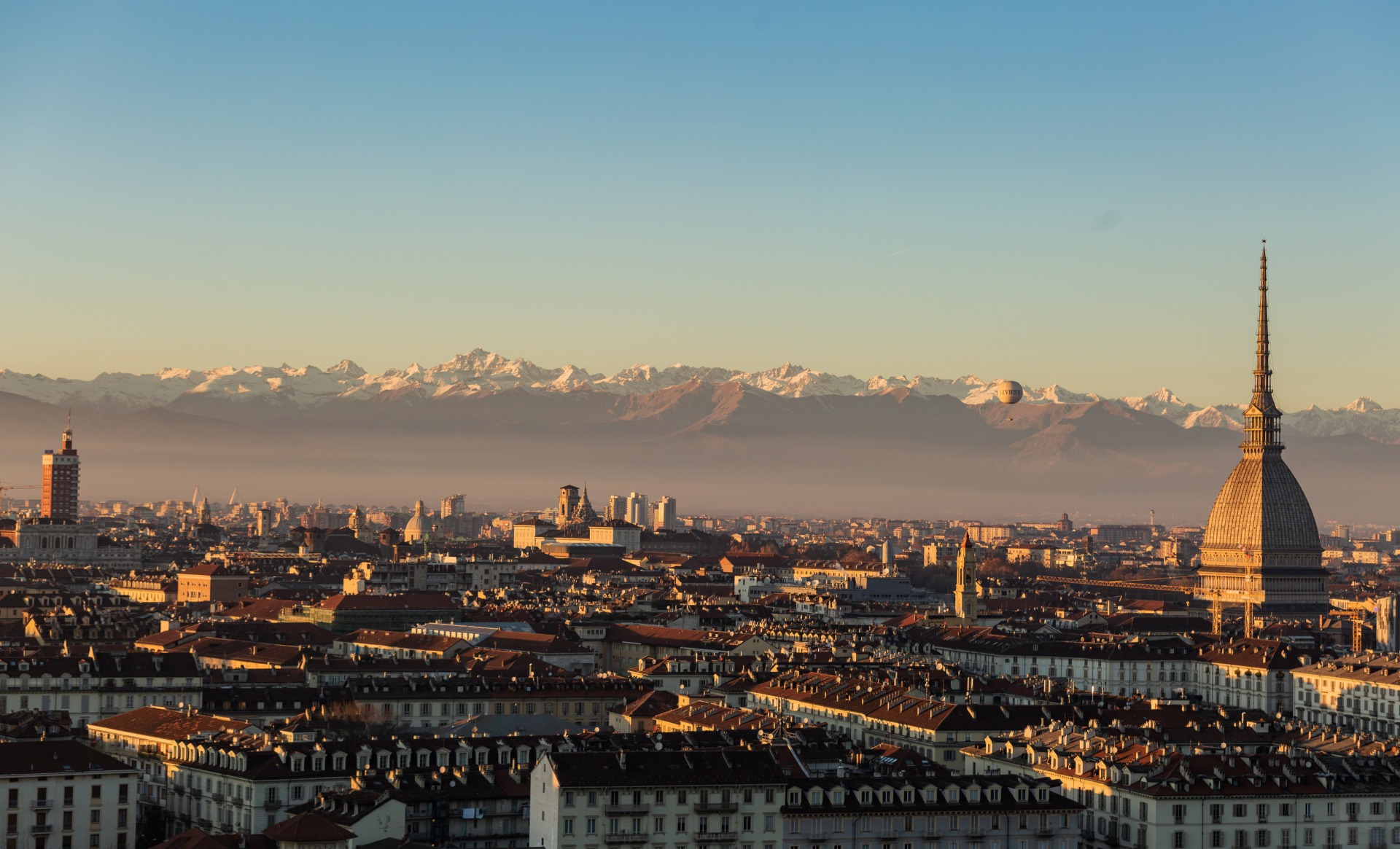
3. Turin
Italy’s first unified capital, once the country’s biggest industrial hub and home to automotive giant FIAT, Turin has transformed into a vibrant city, where history, culture and culinary tradition blend seamlessly alongside music festivals and the national cinema museum at the iconic Mole Antonelliana.
Turin may no longer be the industrial powerhouse it once was, but neither is it Milan’s poor cousin. The host city of the 2006 Winter Olympics can feel almost as cosmopolitan as its fellow northern giant, while simultaneously retaining its Piedmontese roots.
Walk along the River Po, stop to marvel at the Royal Palace, which housed the Savoy family, and explore the city’s famous cafes. You won’t get bored in Turin.
And then, of course, there is the football. Juventus, Italy’s most successful and best supported club, play at the Allianz Stadium on the edge of town, while Torino are based at the Stadio Olimpico Grande Torino in the south of the city. There is no love lost between them and the city breathes and lives football like few others.
4. Genoa
Football is as quintessential to Genoa as its maritime and musical traditions, pesto, and focaccia. With the exception of Manchester and Liverpool, it is hard to think of a city where the love for football and music burns brighter than in the Ligurian capital.
Reminders of Genoa’s infatuation with the beautiful game are ubiquitous across the city, from a Rossoblu flag fluttering on the picturesque little bay of Boccadasse, to Blucerchiati stickers by the Lighthouse Tower that gives the Genoa derby its name.
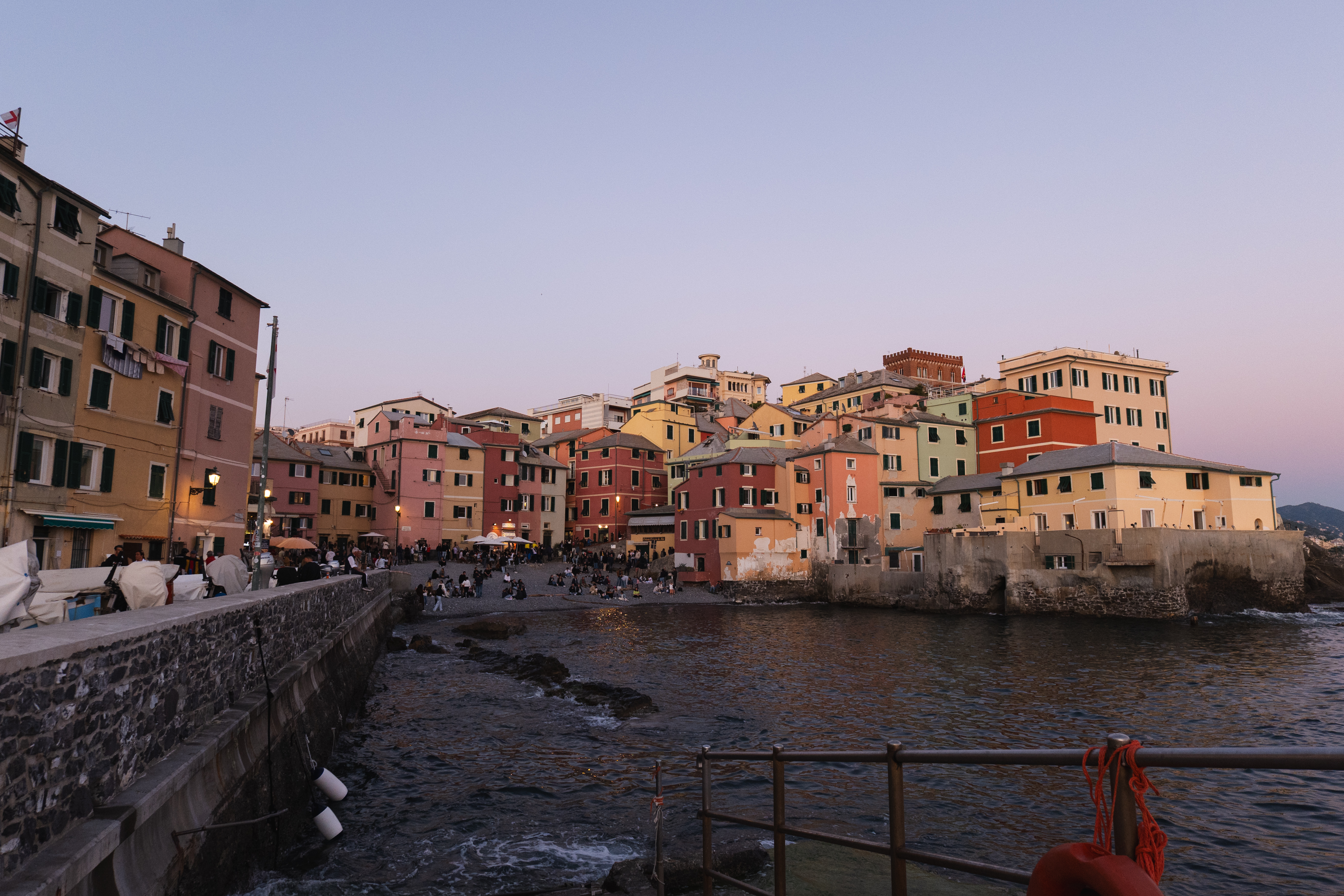
Like the Stadio Luigi Ferraris, Genoa can at first seem slightly dated and rugged around the edges, but don’t let initial appearances put you off. From its rich history, to fantastic views over the Ligurian Sea and stunning culinary offerings, the city should be a must-visit for every calcio aficionado.
The birthplace of pesto, focaccia and of the oldest club in Italian football. If that’s not the perfect hat-trick, it’s very close.
5. Reggio Emilia
Technically not quite a two-team city, as Sassuolo the town is 25 miles to the south, but the Neroverdi and Reggiana share the same ground in Reggio Emilia.
Whether you refer to the arena as the Mapei Stadium, as Sassuolo do, or the Stadio Citta del Tricolore, Reggiana’s preferred name, says a lot about your allegiances.
The birthplace of the Italian flag, hence the Citta del Tricolore name bestowed upon the ground when it was built to replace the old Stadio Mirabello, Reggio Emilia is often overlooked in favour of nearby Parma and Bologna. But it’s an underrated gem.
Rich in history, the city’s culinary tradition is even richer. From Parmigiano Reggiano to Lambrusco wine and delicacies such as the gnocco fritto, a trip to Reggio Emilia is the perfect combination of football and food.
And while there is much to do in the city – from ancient picturesque squares to modern cocktail bars – the countryside around it also has so much to offer, with stunning towns, castles and more amazing food.
6. Verona
The setting for William Shakespeare plays, home to one of the most stunning squares in Italy and a near-perfectly preserved Roman amphitheatre, Verona needs no introduction.
Whether strolling along the River Adige to Piazza delle Erbe or catching an opera at the Arena and admiring Juliet’s balcony, Verona has few equals, even within Italy’s incredibly rich tapestry.
It is also football-mad, even though Hellas Verona and Chievo have fallen on hard times from their heydays of playing Serie A derbies at a packed Stadio Bentegodi.
Hellas still play at their huge home, a host venue at Italia 90, while Chievo now play across the road at the much smaller Stadio Aldo Olivieri after going bust in 2021 and reforming.
7. Catania
Sitting at the foot of Mount Etna on Sicily’s east coast, Catania can be bustling, loud and at times slightly chaotic, but it offers a quintessential Sicilian experience. There are no tourist frills or gimmicks here, Catania is raw and genuine.
From its famous black-and-white Baroque architecture crafted from dark volcanic rock, to a stunning culinary scene that draws on Sicilian classics such as pasta alla Norma, arancini and incredible seafood (that tends to be far cheaper than in more touristy places), Catania has plenty to shout about.
It is also the ideal base to explore the likes of Taormina, Syracuse and Mount Etna.
As for the football, Catania is home to two clubs. Catania are in Serie C, while Atletico Catania, who were once in the third tier themselves, have plunged all the way down to Promozione, the sixth tier of Italian football.
Related Topics
Related Articles
Related Articles
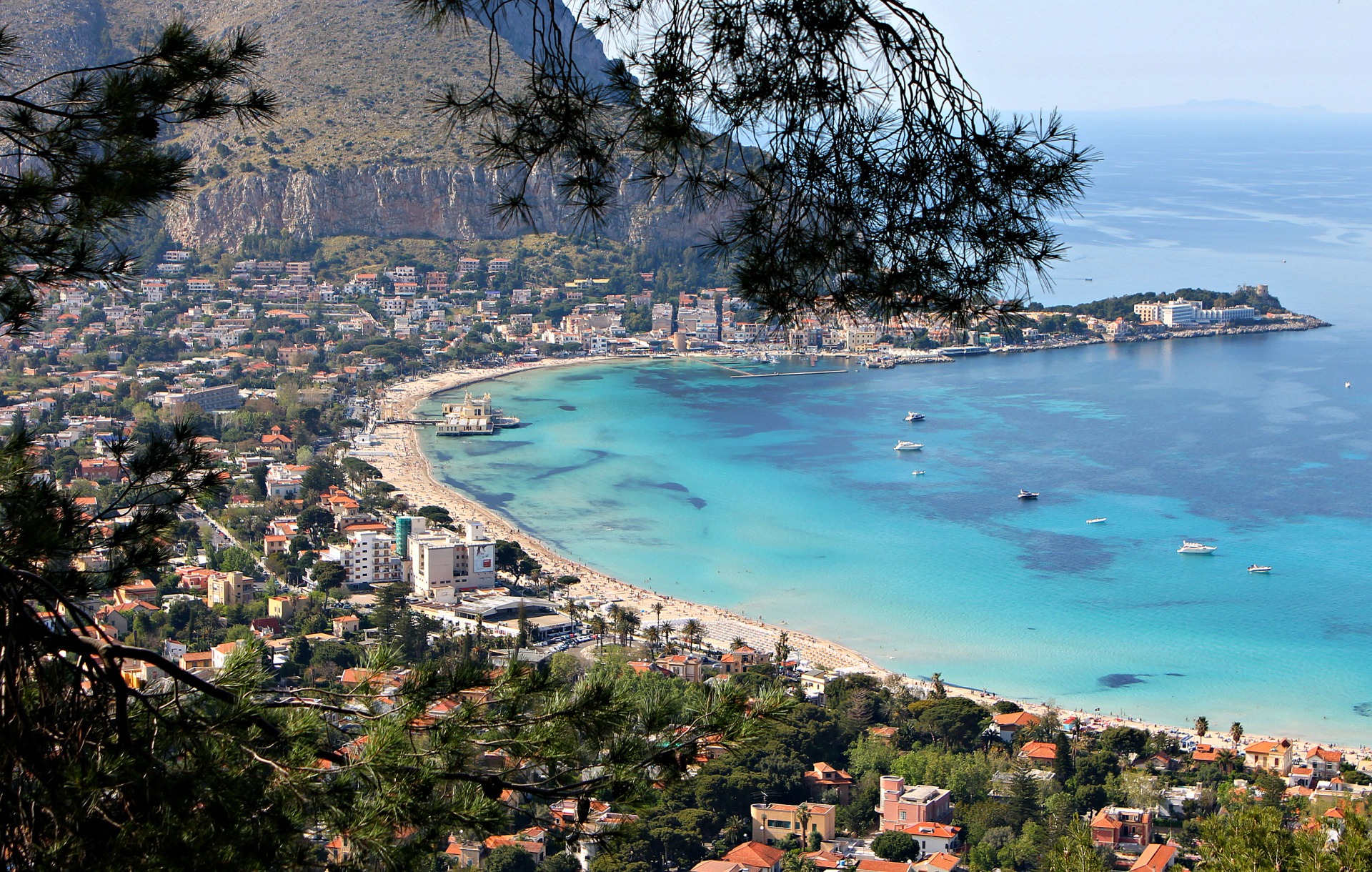
Pristine beaches, dramatic clifftops and crystal-clear waters. Italy's coastline varies enormously depending on the region.
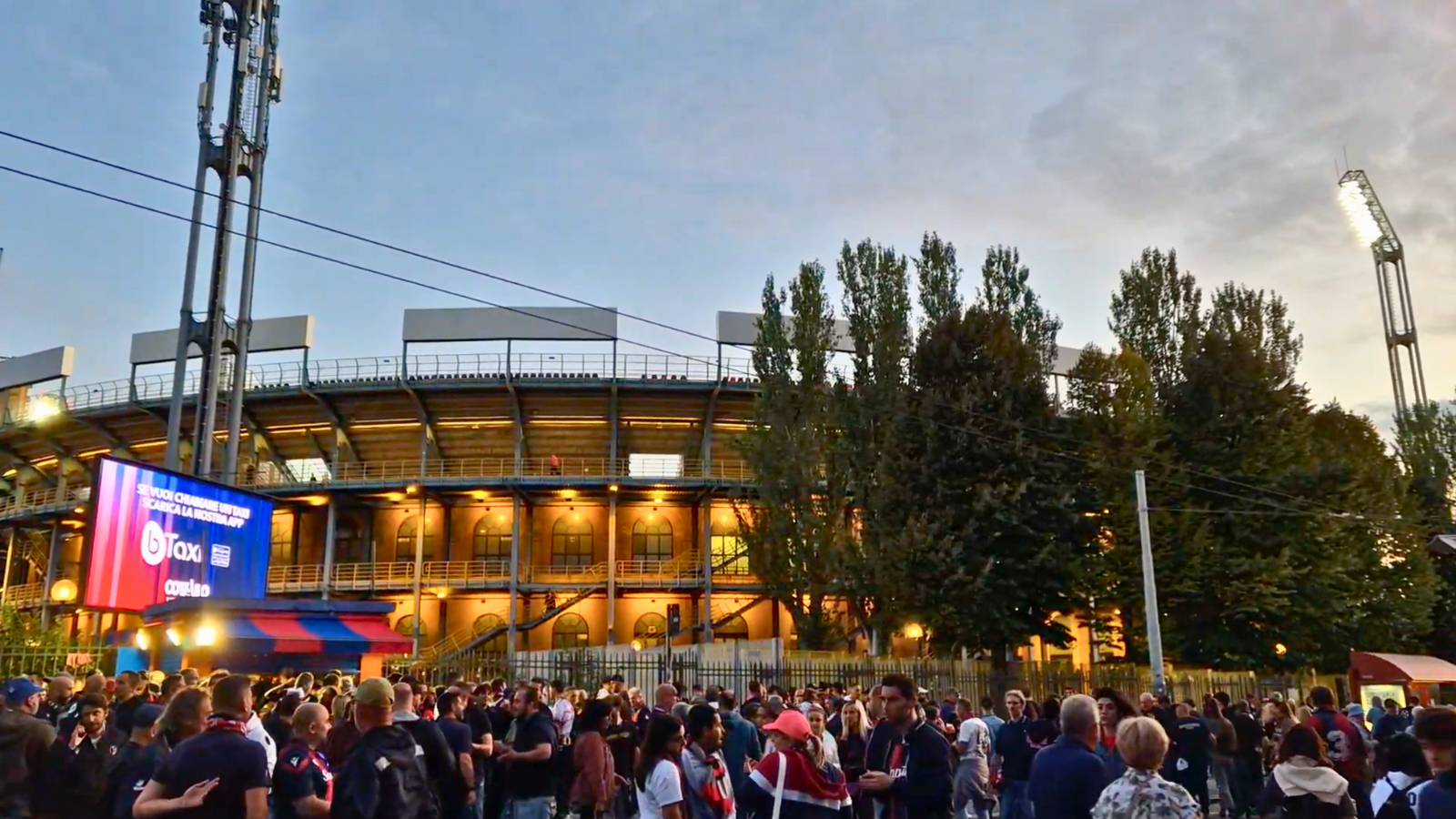
Club football may be on hold when the international breaks kick in but that doesn't mean calcio trips have to be put on the back burner.
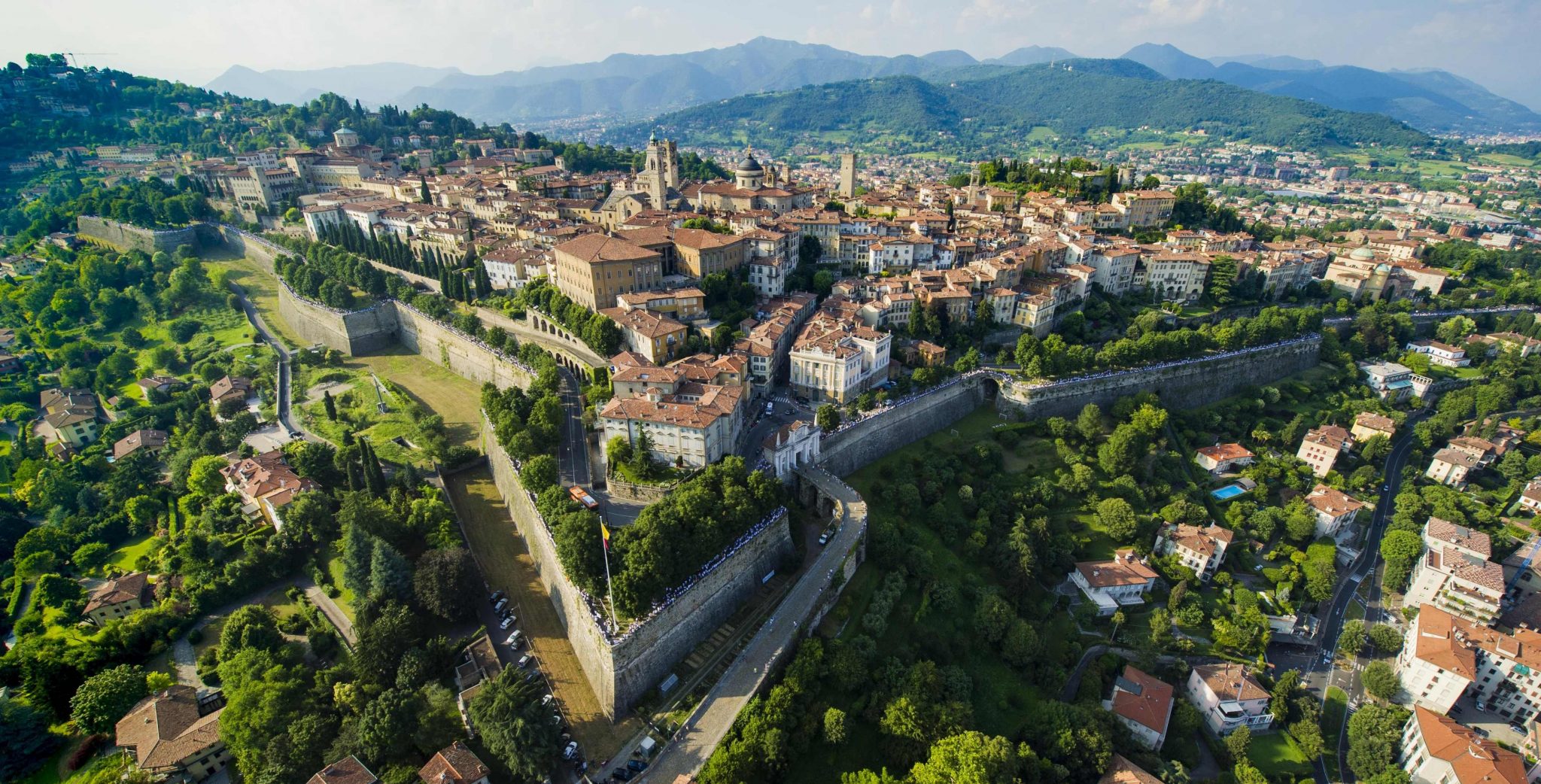
From the Roman Empire to the Renaissance to the modern day, Italy can often seem like a living museum.