
Pristine beaches, dramatic clifftops and crystal-clear waters. Italy’s coastline changes enormously depending on the region, much like its culinary traditions and its football.
Combining calcio with a weekend by the beach is one of life’s great pleasures, but the sheer number of locations to choose from can make it seem like a daunting experience.
Here, in the fourth part of our 49 Italian Trips You Must Make series, we’ve picked out seven of our favourite destinations by the sea.
22. Amalfi Coast
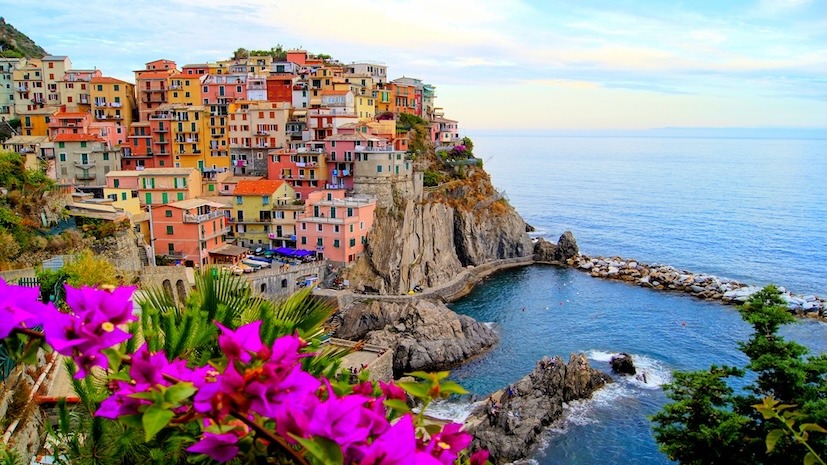
One of the most stunning parts of Italy, the Amalfi Coast stretches more than 30 miles along the Tyrrhenian Sea and the Gulf of Salerno in Campania. From Amalfi to Positano and from Ravello to Praiano, the towns and villages make for postcard material, with their cliffs and pastel-coloured houses.
The food is just as spectacular. From the traditional local lemons used to make limoncello, to fresh seafood, spaghetti alle vongole and scialatielli ai frutti di mare – a thick, short homemade pasta native to the coast and tossed with mixed seafood – the culinary variety is as breathtaking as the natural beauty.
The Amalfi Coast is hugely popular, which can mean big crowds and long queues, but the near-perfect weather means you can still enjoy a swim in May and October, when it’s not as busy.
And while Campania is a footballing hotbed, the only two clubs based on the Amalfi Coast – FC Costa D’Amalfi and San Vito Positano – play in Eccellenza, the fifth division. Sorrento, plying their trade in Serie C, are not too far from the coast and neither is Salerno, the home of Salernitana.
23. Cagliari
Sardinia’s capital is defined by its dramatic coastline, headlined by Poetto Beach – a five-mile ribbon of fine white sand and turquoise Mediterranean water. It remains a magnet for visitors all year round, buzzing with water sports and beach volleyball, a genuine island obsession.
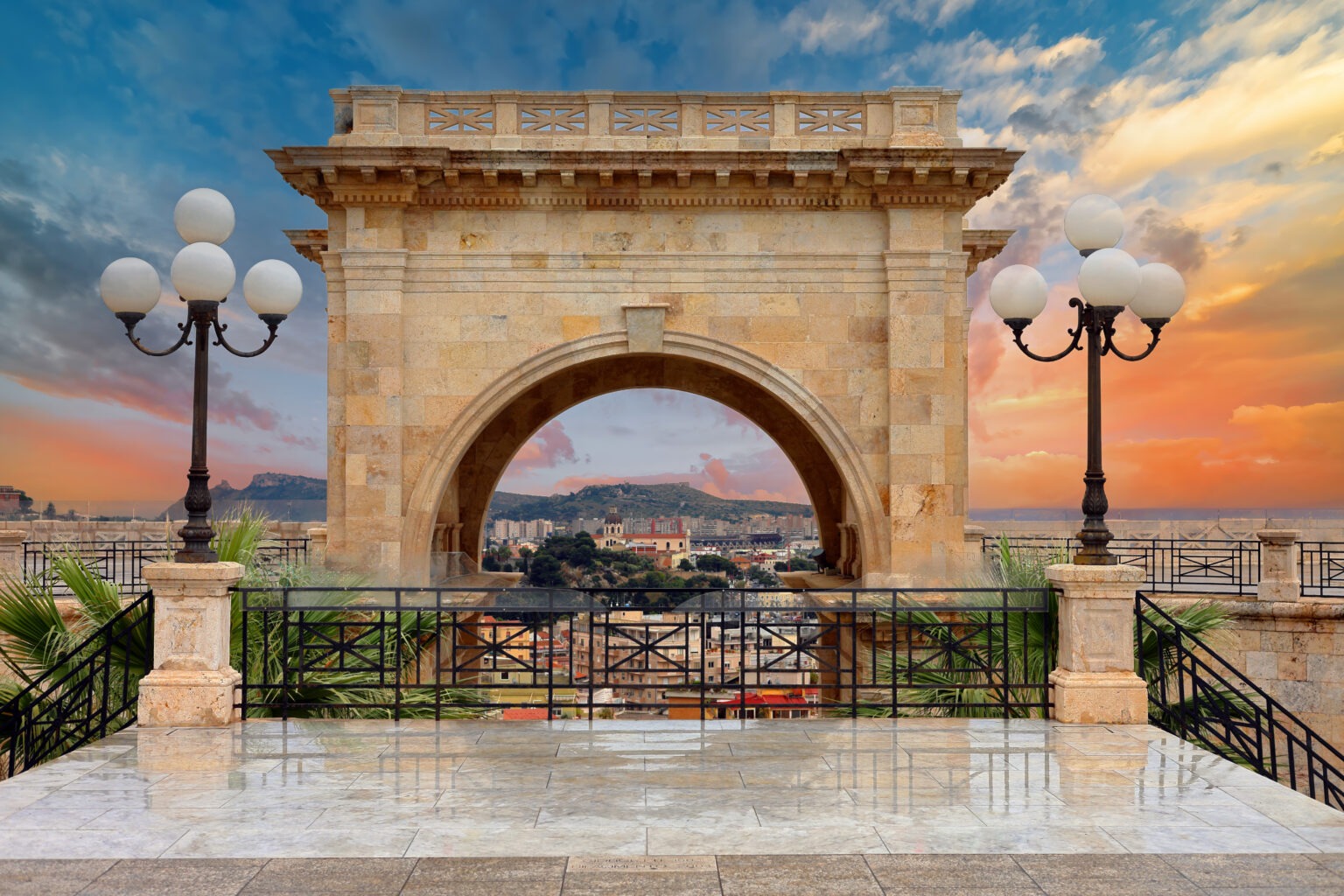
Rising above the bay, the medieval Castello district is the city’s centrepiece. Fortified by the Pisans in the 13th century, this hilltop citadel is a maze of narrow cobblestone alleyways and gleaming white limestone ramparts offering sweeping views across Cagliari.
It houses the city’s iconic landmarks: the defensive Torre dell’Elefante, the Cattedrale di Santa Maria, and the grand Bastione di Saint Remy with its monumental staircase.
From a culinary standpoint, Cagliari and Sardinia offer an experience with few equals, even by Italy’s lofty standards. From fresh seafood to suckling pigs slow-roasted over a wood fire, and from fregula – a semolina pasta known as Sardinian couscous – to the famous pecorino cheese, the fare in Sardinia is as plentiful as it is varied.
Serie A regulars in the 1990s, the Rossoblu have been a top-flight mainstay since winning promotion back in 2023. The days of Gianfranco Zola and Enzo Francescoli may be gone, but the future is bright for Cagliari, who should at last open a new stadium in time for Euro 2032 to replace the Unipol Domus, which has been their temporary home.
24. Palermo
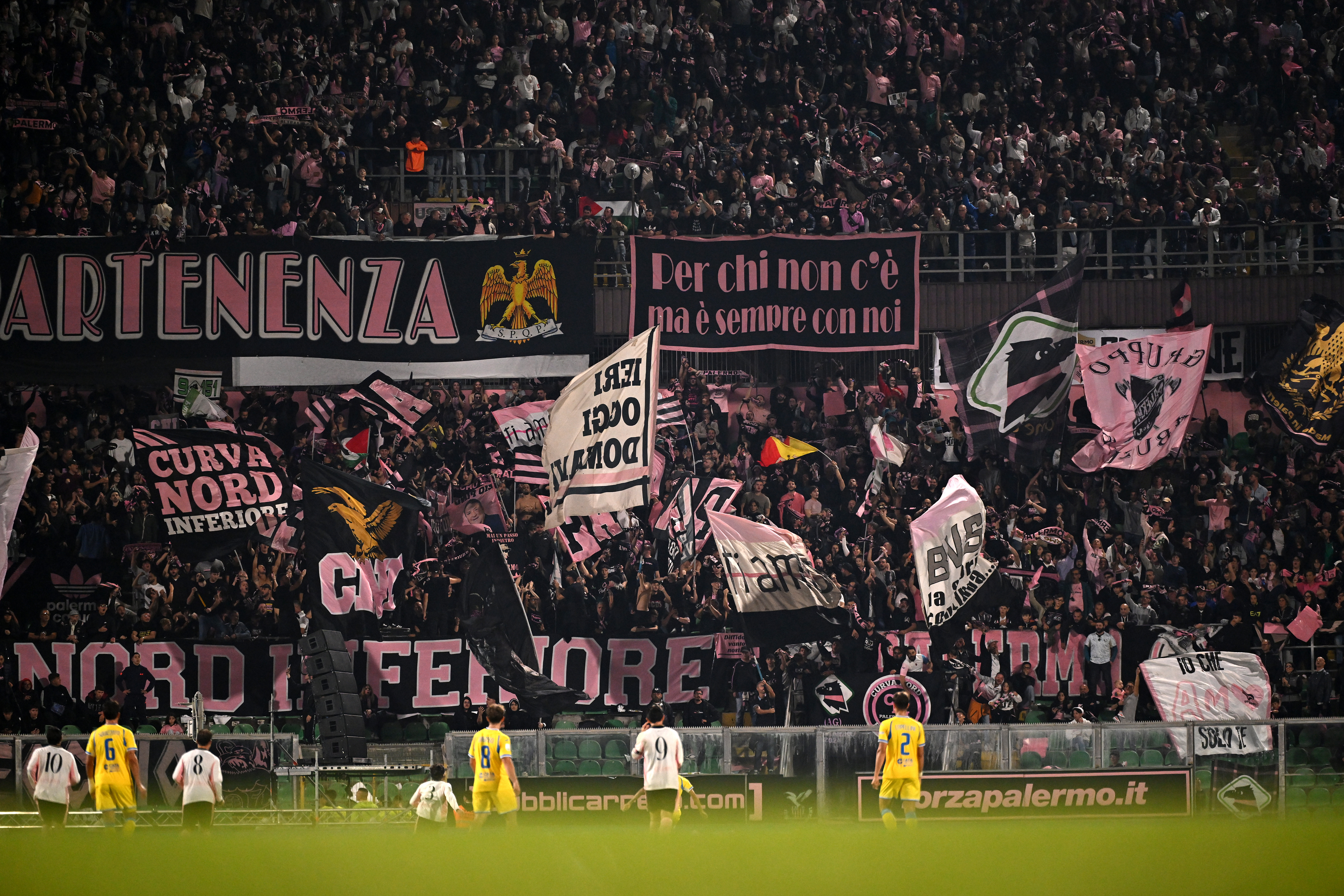
A rich history, stunning views, incredible cuisine and one of the most passionate fanbases in Italy. Palermo ticks every box when it comes to the ideal destination to take in some calcio.
From its Phoenician origins through Greek and Roman colonisation, the city’s identity was forged by centuries of Arab and Norman conquest, and almost all of it can still be admired today.
From the Teatro Massimo – Italy’s largest theatre and the third-biggest opera house in Europe behind the Palais Garnier in Paris and the Vienna State Opera – to the Cathedral and the famous Quattro Canti octagonal square, history is around every corner in Palermo.
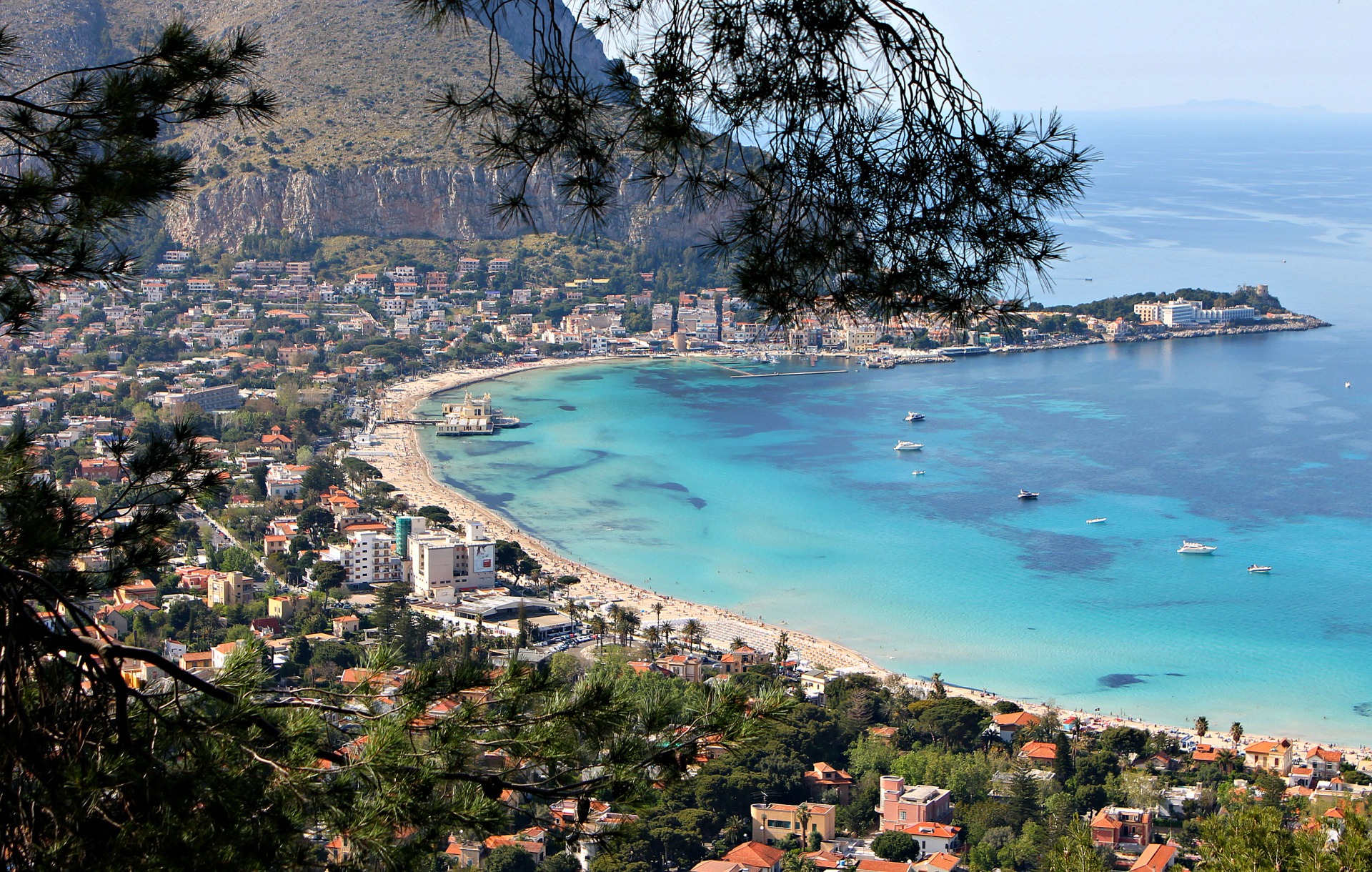
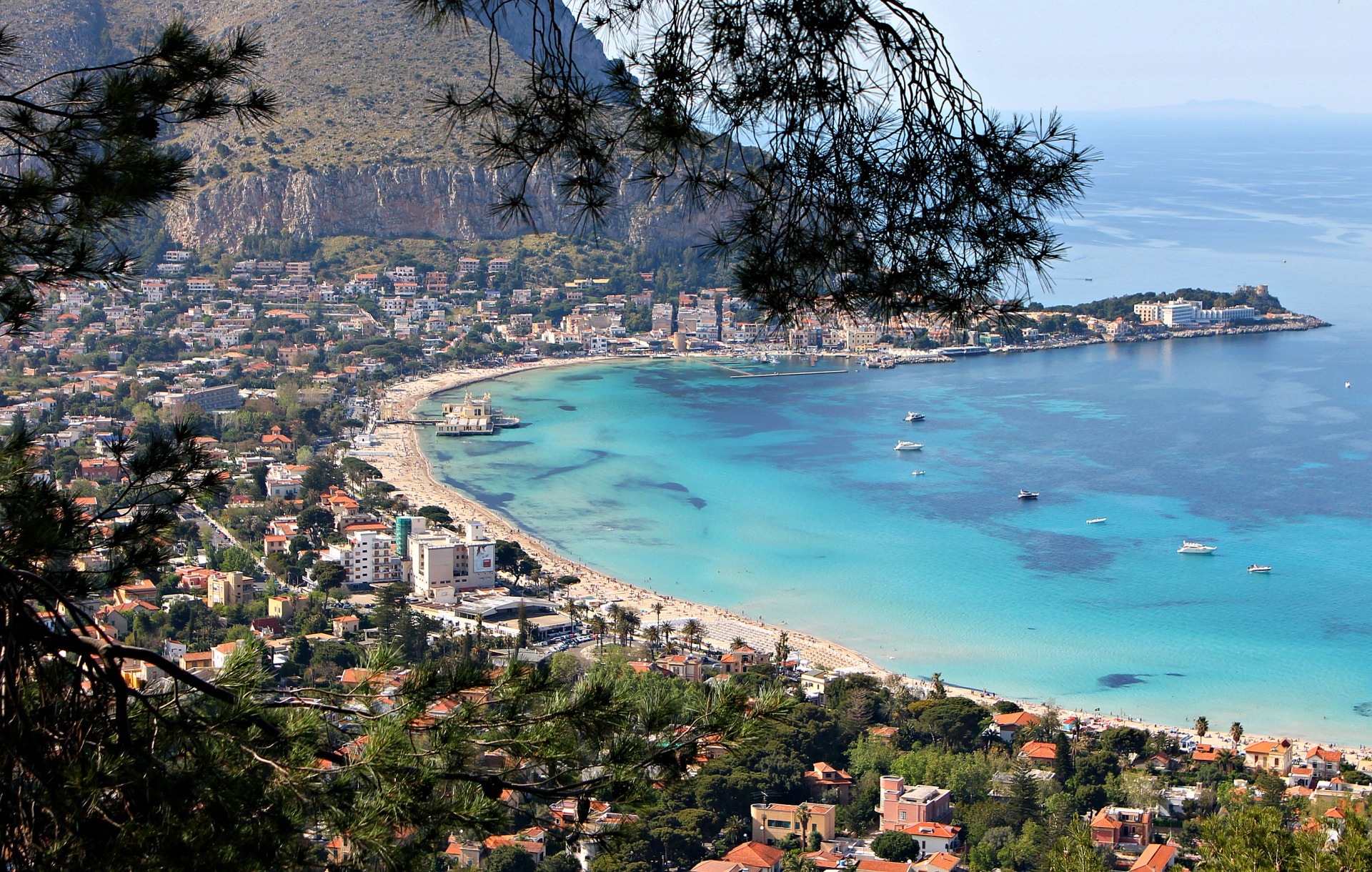
And then, of course, there is the food. From pasta alla Norma to arancini and from seafood to a granita, Sicilian cuisine will leave your head spinning, much like negotiating traffic in Palermo at rush hour. Mondello, conveniently located between the centro storico and the airport, is a lively seaside town stacked with bars and restaurants.
As for the football, Palermo is Italy’s largest city without a top-flight club. The Rosanero last graced Serie A a decade ago and are desperate to return to calcio’s upper echelon, sitting top of Serie B heading into the first international break of the season. Under City Football Group’s ownership, they have built a state-of-the-art training ground, while plans to completely renovate the Renzo Barbera in time for Euro 2032 are moving forward at pace.
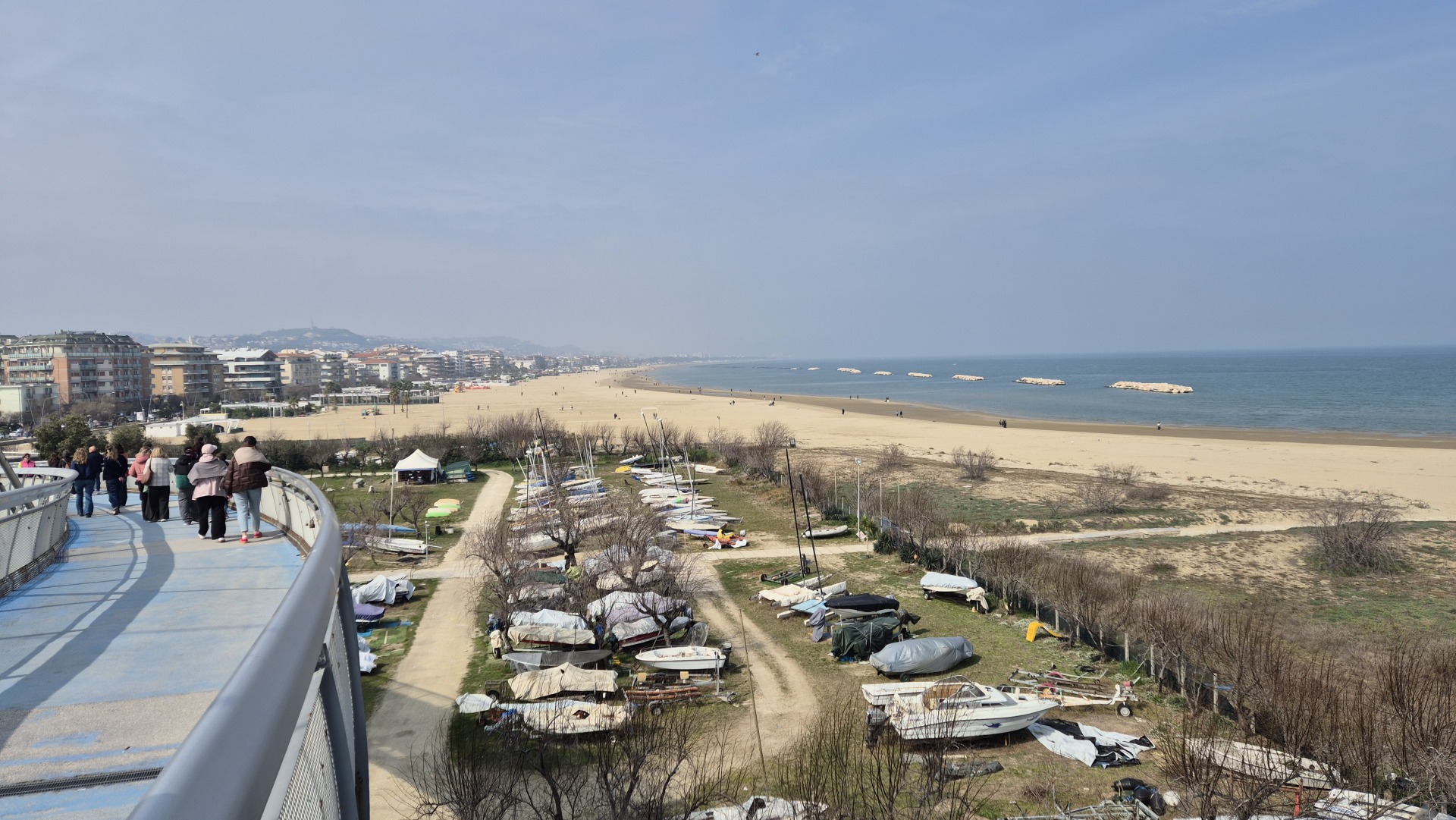
25. Pescara
Nestled on the Adriatic coast, about two hours east of Rome, Pescara is a city of contrasts. Heavily bombed during World War II, it lacks the rustic medieval charm of inner Abruzzo and is instead defined by a modern, grid-lined aesthetic dominated by the sweeping, 466-metre Ponte del Mare – a sleek pedestrian cable-stayed bridge spanning the heart of the city.
Yet the city is also distinctly Abruzzese at heart, a place where the waters of the Adriatic meet the Maiella mountain range.
Its broad seafront promenade, lined with bustling cafes and trattorias, becomes the hub of city life in summer, when the city also hosts the renowned Pescara Jazz Festival, which has welcomed legends such as Miles Davis, Ella Fitzgerald and Natalie Cole since its inception in 1969.
Abruzzo’s largest city is football-mad, with Pescara retaining unwavering support at the Stadio Adriatico, despite treading water across Serie B and Serie C for the best part of a decade.
26. Reggio Calabria
Reggio Calabria is often overlooked by tourists to southern Italy in favour of Naples and Palermo, but it deserves to be on every itinerary.
From museums such as the National Archaeological Museum, where you can admire the Riace Bronzes, to beautiful coastal views, Reggio Calabria is one of Italy’s hidden gems.
Here, visitors are rewarded with a much more authentic experience than in some of Italy’s more famous spots, as Reggio Calabria caters to locals rather than tourists. It is also a lot easier to get around, with no queues and a more relaxed vibe.
The food itself is worth the trip – from delicious seafood, to the typical ‘nduja sausage and fileja – a hand-rolled local pasta shape traditionally served with rich meat ragù sauce – Calabrian food is an attraction in itself.
Serie A regulars in the second half of the 1990s and the early 2000s, Reggina have fallen on hard times and have been marooned in Serie D for the past four seasons after going bust in 2023.
27. San Benedetto del Tronto
Located in the Marche region, approximately an hour north of Pescara, San Benedetto is strangely overlooked by tourists. Spanning almost four miles, its seafront is one of the longest continuous beaches in the country – a palm-lined coast of shallow waters and wide, sun-drenched sands. It has held continuous Blue Flag status since 1998, a testament to its pristine environmental standards.
Then there’s the seafood. Open-air trattorias hugging the shoreline serve exceptional local catches in an effortlessly relaxed setting, making San Benedetto an ideal coastal refuge from the frenetic pace of Italian city life.
And what of the football? Sambenedettese may have last graced Serie B in 1989, but they have retained a following that belies their third-division status, as we experienced for ourselves when we attended the derby against Ascoli last season. The atmosphere was worthy of San Siro or the Stadio Olimpico.
Better still, the Stadio Riviera Delle Palme is a mere 10-minute walk from the beach.
28. Salerno
Anchored at the eastern tip of the Amalfi Coast, Salerno is often dismissed as a mere base for exploring the region thanks to its direct rail links to Rome and Naples. But to treat it as a transit stop misses the point – Salerno has a distinct, working-city pulse that sets it apart from its tourist-heavy neighbours.
Its palm-shaded promenade hugging the Tyrrhenian Sea is popular with locals and fellow Campanians, while the beaches around Salerno attract tourists from across southern Italy, no mean feat considering the many options available south of Rome.
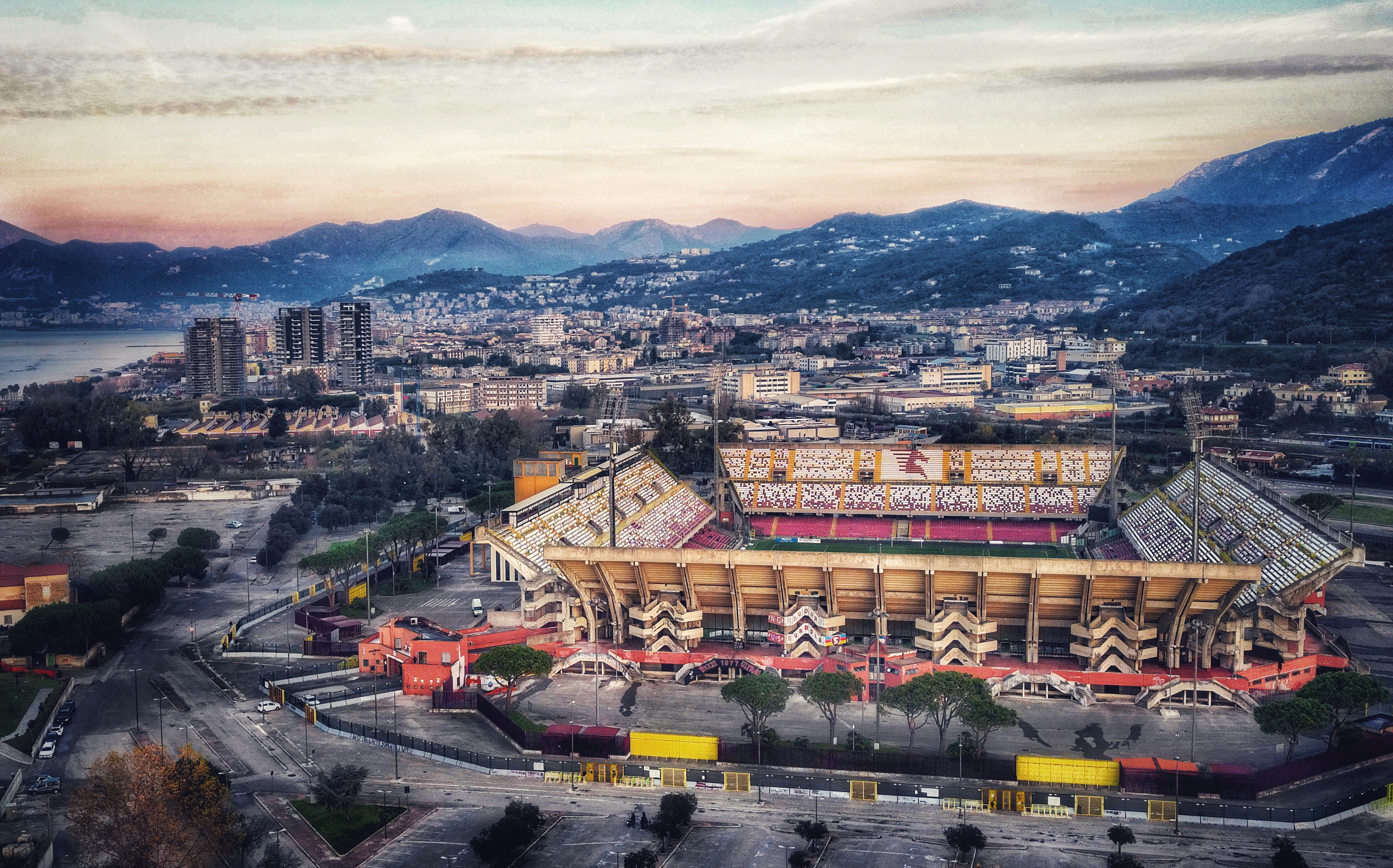
In football terms, Salernitana have long played second fiddle to Napoli, much as the city exists in the shadow of Naples. But the fire for the beautiful game burns brightly in Salerno, where support for the Granata has remained constant despite the club’s rollercoaster history.
One of the most atmospheric grounds in Italy, the Stadio Arechi, where fans sing their own version of Mike Oldfield’s Moonlight Shadow, is set for a €150m facelift in the hope of being a host venue for Euro 2032.
Related Topics
Related Articles
Related Articles
Club football may be on hold when the international breaks kick in but that doesn't mean calcio trips have to be put on the back burner.
From the Roman Empire to the Renaissance to the modern day, Italy can often seem like a living museum.
You would be hard pressed to find a country with more postcard-worthy views, from lakes and mountains to cute villages and volcanoes.