
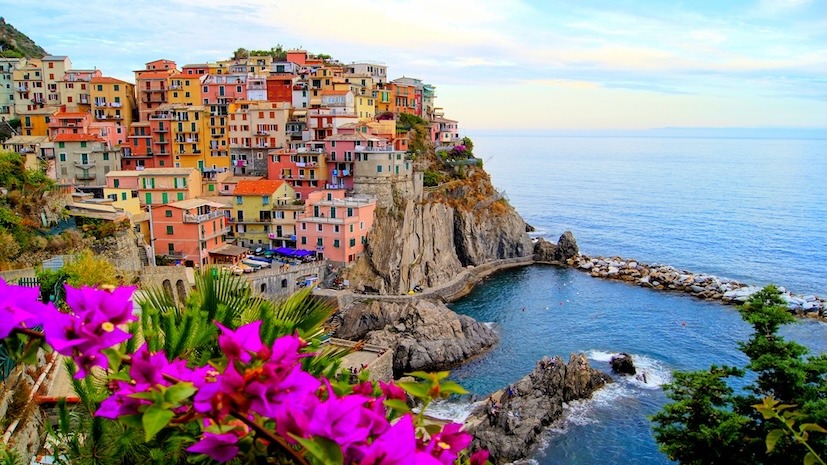
Italy doesn’t come up short for beauty spots. You would be hard pressed to find a country with more postcard-worthy views – from lakes and mountains to cute villages and sleeping volcanoes, from north to south, it’s all there.
Here are seven of the most picturesque places on the peninsula, and how to work in the beautiful game.
8. The Lakes
Perhaps no landscape embodies northern Italy more than area along the foothills of the Alps. Lake Como, Lake Garda and Lake Maggiore take most of the plaudits, and rightly so.
The lakes cover a vast area, stretching across the regions of Piedmont through Lombardy, Veneto and Trentino, all of them offering breathtaking views. Lake Garda and Lake Como, especially, are tourist hotspots. Garda is largest while Como is famous for its deep blue water and gorgeous mountain backdrop. There are lakeside hotels, villages up in the hills, while boat trips and seaplane tours offer the chance to experience everything the area has to offer.
There’s plenty of opportunities to intertwine beauty with football. Going to see a Como game on the shores of the lake is, of course, a given, yet with Milan less than an hour away, catching one of the San Siro giants isn’t a stretch. Or how about Lecco, Como’s closest rivals who are two leagues away in Serie C.
From Lake Garda, Hellas Verona and Brescia are close at hand, while Desenzano FC is on the banks of the lake.

9. The Dolomites
With their pale limestone peaks giving off a pinkish glow at sunset, this mountain range is one of the most visually impressive wonders of nature in Europe.
Spread cross three Italian regions, from Trentino to Venezia-Giulia via Veneto in the northeast of the country, and named after 18th-century French geologist Deodat Gratet de Dolomieu, the Dolomites is arguably the place in Italy to go skiing.
Val Gardena is often cited as the best valley due to its UNESCO World Heritage peaks and famous Sella Ronda circuit, while Cortina d’Ampezzo hosted the Winter Olympic Games in 1956 and 2026.
As ever, football isn’t far away for the calcio fanatic, even when in mountains. Bolzano, known as the gateway to the Dolomites, is where Sudtirol play and is about an hour from Val Gardena. Depending on the kick-off time, Serie B and skiing on the same day is doable.
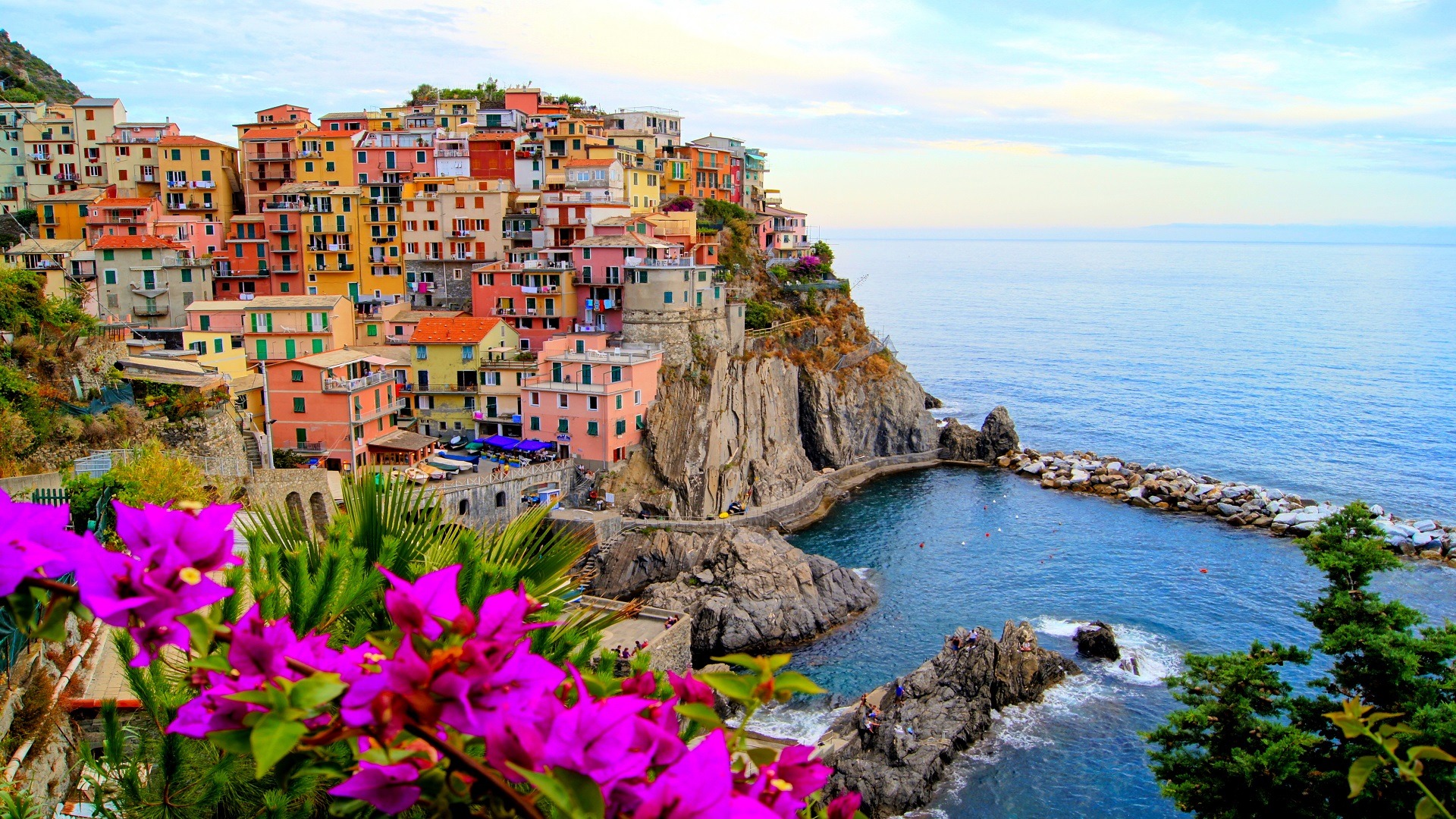
10. Cinque Terre
Cinque Terre needs little introduction. The name translates to ‘Five Lands’ relating to five colourful fishing villages – Riomaggiore, Manarola, Monterosso al Mare, Vernazza and Corniglia – and the four million tourists who visit each year cannot be wrong.
According to cinqueterre.eu.com, Riomaggiore is regarded as the most romantic, Manarola is probably the most famous, Monterosso al Mare the largest, while Vernazza is the prettiest and Corniglia the most genuine.
Located to the west of La Spezia, the villages and their brightly coloured houses hug the Ligurian coastline. A UNESCO World Heritage site, they offer stunning views of the sea, quaint alleyways and friendly people.
The best time to visit is undoubtedly in the shoulder seasons to avoid mass queues, given the small size of each village.
If using La Spezia as a base for a trip to the Cinque Terre, then a trip to the Stadio Alberto Picco to see Spezia in action is an option. They are now in Serie C, but the Picco is one of the nicer stadiums in the country, having been renovated fairly recently. It offers outstanding views of the port from some seats in the Tribuna.
11. Val d’Orcia
The rolling hills of southern Tuscany offer a great escape from the region’s tourist meccas of Florence and Pisa. By car is the best way to see Val d’Orcia, with rural landscapes on either side as you travel from Florence.
So idyllic is the area that it’s been used in numerous films over the years, from Federico Fellini’s 1963 classic 8 ½, to Stealing Beauty by Bernardo Bertolucci and Ridley Scott’s Gladiator in 2000.
The town of Pienza is the jewel in Val d’Orcia’s crown. Known as the Ideal City, it was built by Pope Pius II and became the first example of ‘human urbanist planning’ of a town in the 15th-century, a concept that was later emulated across Italy and the rest of Europe. It became a UNESCO World Heritage site in 1996, with the entire Val d’Orcia Valley being given similar status in 2004.
Football is hard to come by in this part of Tuscany. Pienza Calcio are an amateur outfit, so Fiorentina or Pisa would be the picks, or if you like your Serie D action, Siena is around a half an hour away.
12. Lecce
Christened the Florence of the South due to its Baroque architecture, Lecce is one the many delights to be found in Puglia. A city of close to 100,000 people, it welcomed around 420,000 visitors in 2025, the third-most visited city in the region after Bari and Vieste.
As Puglia continues to develop into a major tourism location for international travellers, those figures will likely grow in the coming years. And it’s easy to see why.
Famous for its particular kind of limestone, Lecce Stone, the city is known for its olive oil and wine production, in addition to the local treat, pasticciotto – an oval-shaped shortcrust pastry filled with lemon or vanilla and custard.
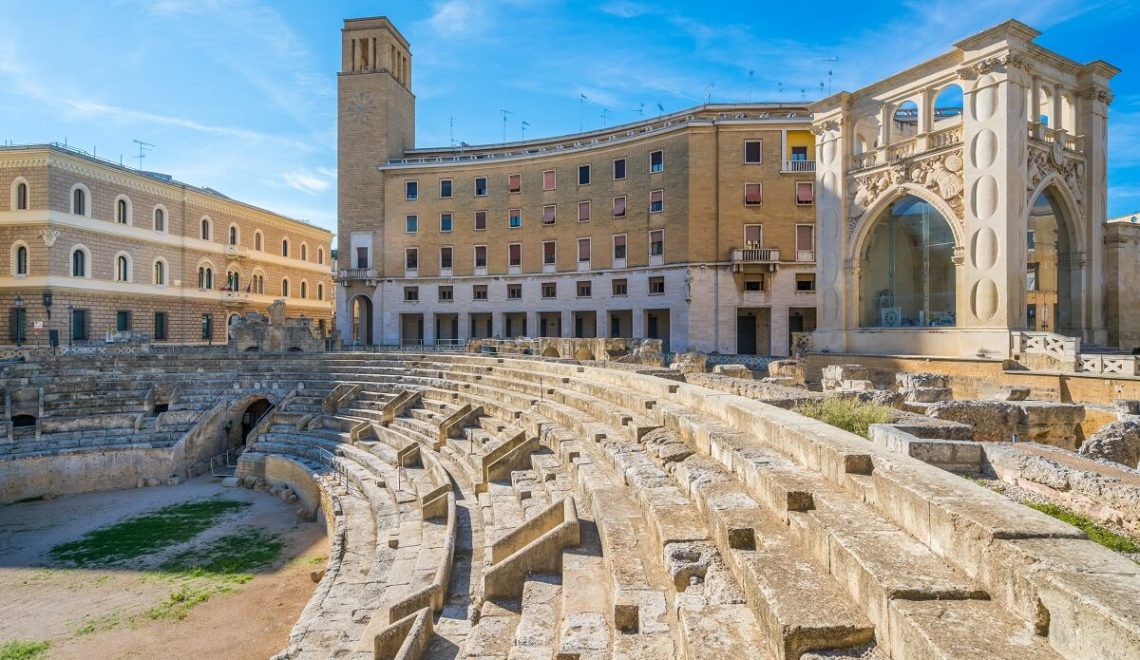
Lecce is a fantastic destination for a weekend stay, with plenty to do, such as visiting the Roman Amphitheatre – which dates to the second century – and the Basilica di Santa Croce.
There’s also the added benefit of catching Serie A action, with Lecce in the Italian top flight for the fifth consecutive campaign and averaging crowds of over 25,000 for home games at the boisterous Stadio Via del Mare.
No visit to Puglia is complete without spending time in this gorgeous city.
13. San Gimignano
Another pearl in the Tuscan region, San Gimignano is a beautiful hilltop town that’s often called the Medieval Manhattan, due to its cluster of tall stone towers in the historic centre that bear a canny resemblance to modern skyscrapers.
At the city’s economic height in the Middle Ages, San Gimignano boasted of having around 72 structures that towered above its citizens. Today, 14 are left.
Around an hour’s journey from Florence, San Gimignano is famous for its wine. Vernaccia di San Gimignano is a white, crisp drop that has been produced in the region since the Renaissance. The city is also a top producer of saffron.
A UNESCO World Heritage site since 1990, the city has a football team called San Gimignano FC who play in the regional divisions at amateur level. Football likely won’t figure too highly on a trip to San Gimignano, but with Florence not far away and Siena also close by, there are other alternatives.
14. Gargano National Park
Italy isn’t short on national parks, and one of the very best in the country can be found in northern Puglia. Gargano National Park is in the province of Foggia and offers stunning views of the Adriatic Sea amid its tall white cliffs.
About 20 minutes from the city of Foggia, the park amounts to 120,000 hectares of exquisite nature, from wetlands to offshore islands to the Umbra Forest.
A common sight in the park is the traditional fishing platforms known as trabucchi, an ancient wooden machine that looks spider-like. Many of these are still used by local fishermen but some have been transformed into charming seafood restaurants.
Hikers will cherish a trip to the park, with coastal trails and mountain treks such as Monte Calvo, which rises over 3400 feet above sea level.
As for the football, Foggia isn’t far away. Despite playing in Serie C, they are known for their fiery fanbase, with average attendances somewhere between 4000 and 5000 in recent years.
Barletta, another team in Serie C, is within range, giving you another lower-tier option on a trip to the less-visited half of Puglia.
Related Topics
Related Articles
Related Articles
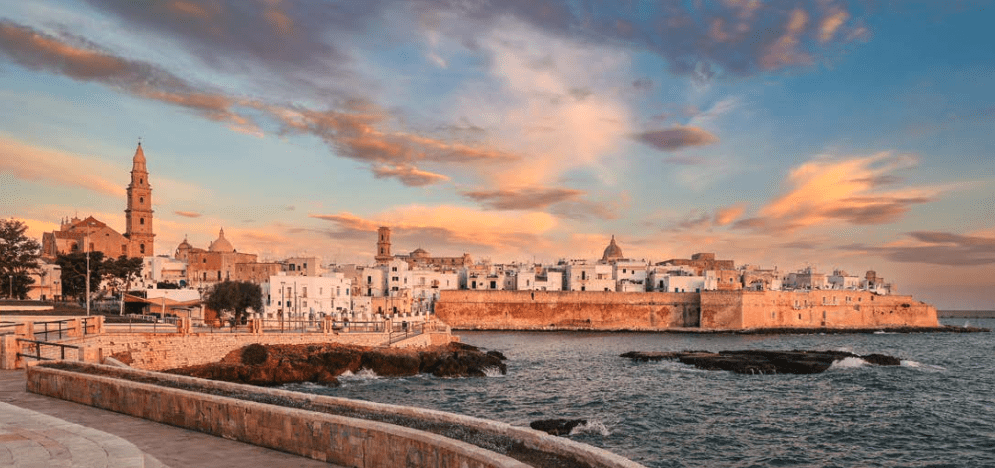
Italy is full of towns that are often ignored in favour of their bigger, more famous neighbours. But there are real gems to be found.
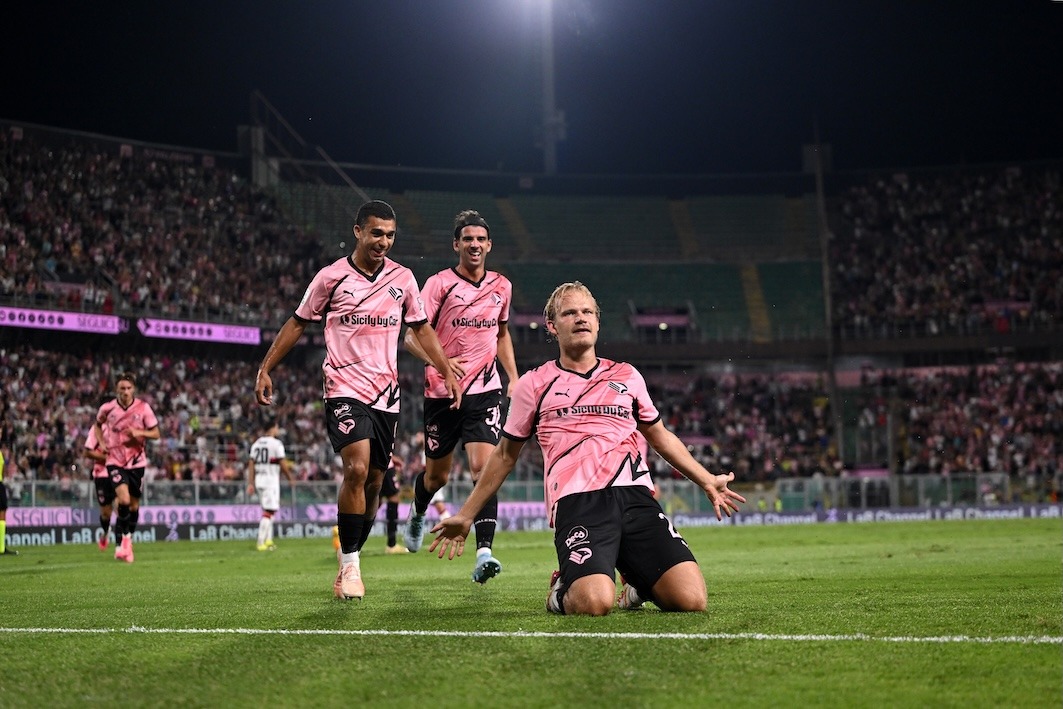
We will be showing 18 Serie B matches LIVE and for FREE in October and November between the two international breaks.
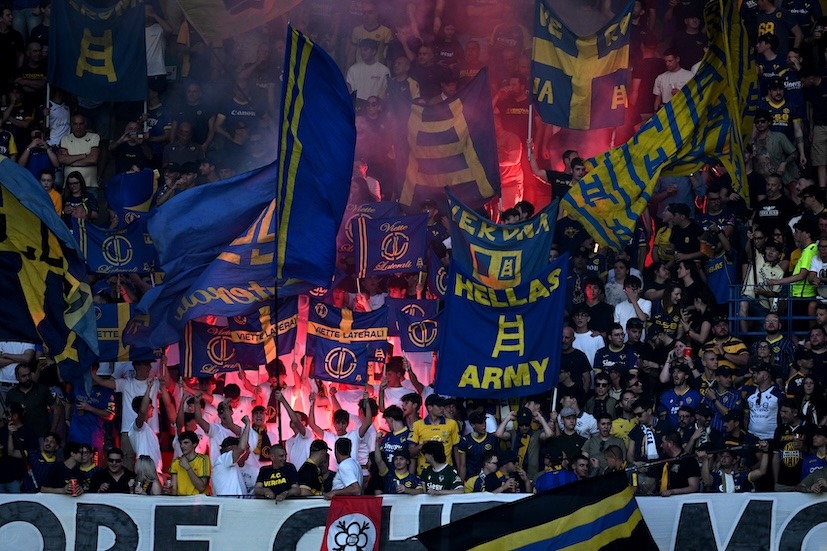
The biggest derby in Veneto headlines the latest triple-header of Serie B fixtures live on Destination Calcio TV.