
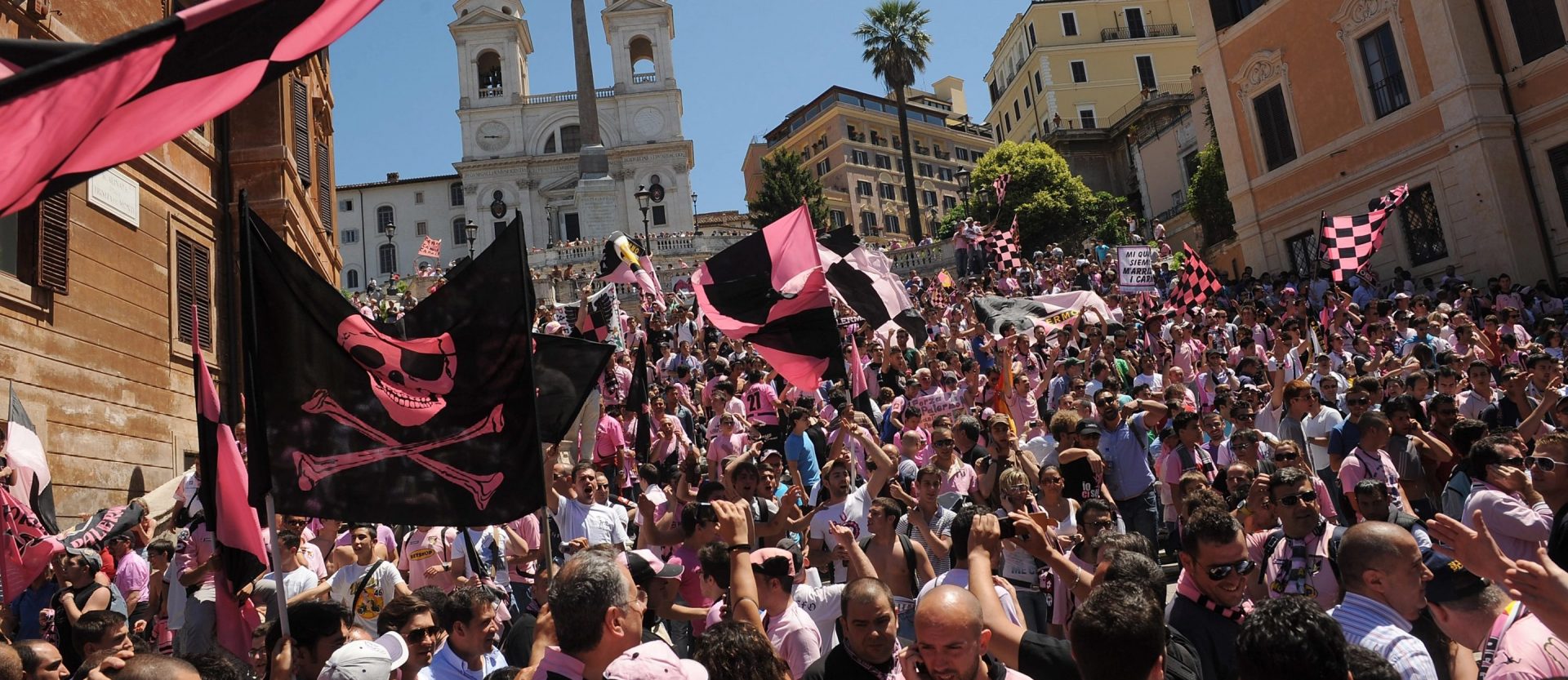
Palermo, Catania and Messina… Discovering Sicily’s Soul Through Football
By Dan Cancian
The iconic Pro Evolution Soccer 6 made an unexpected and spectacular return to the spotlight this month after a version allowing users to play the legendary video game directly in a browser became available.
Suddenly, social media was awash with clips of cover star Adriano rifling a piledriver into the top corner and Francesco Totti slipping past defenders in that magnificent Roma kit manufactured by Diadora.
Italian football was in a very different place when Pro Evo 6 was released in April 2006.
The full extent of the Calciopoli scandal was still two weeks away from being revealed and Luciano Moggi was still the most powerful, if controversial, executive in Serie A.
Juventus had just won a second consecutive league title under Fabio Capello, Italy were three months away from a first World Cup triumph for 24 years and Sicily boasted two clubs in Serie A, Palermo and Messina. Catania were due to join them after finishing second in Serie B and winning promotion to Serie A for the first time in two decades.
By the time Italy won their next major piece of silverware in 2021, Juventus had won nine Scudetti in a row and two of the sentences against Moggi had been annulled.
Sicily, meanwhile, had no representatives across the top two tiers of Italian football and has not had a team in Serie A since Palermo’s relegation in 2017.
The Rosanero secured three consecutive top-six finishes between 2005 and 2007 and looked on the verge of disrupting calcio’s status quo much as Atalanta, Bologna and Como have done of late.
Palermo’s recipe was simple, yet incredibly successful. They signed rough diamonds such as Paulo Dybala, Javier Pastore, Luca Toni and Edinson Cavani, polished them, and sold them on for a profit, having surrounded them with a cast of excellent players in the mould of Fabrizio Miccoli, Andrea Barzagli, Simone Barone and Josip Ilicic.
It worked a treat until it didn’t, with the club bankrupt by 2019. City Football Group’s arrival on the scene three years later steered the Sicilians back to Serie B.
Promotion to Serie A has remained frustratingly elusive, but Palermo are by far the region’s likeliest candidate to return to the top flight and are currently top of the second division under Filippo Inzaghi.
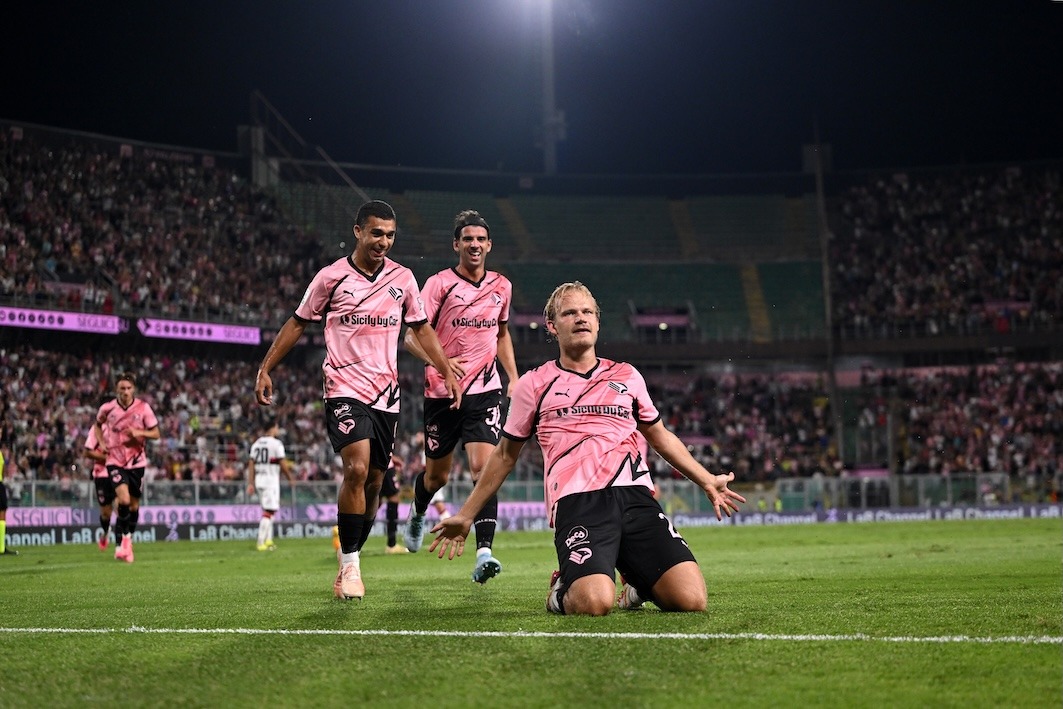
Bankrolled by CFG, the Rosanero have been Serie B’s big spenders over the past three seasons, have built a state-of-the-art training ground and have submitted plans to renovate the Stadio Renzo Barbera.
Which is more than Catania and Messina can say for themselves.
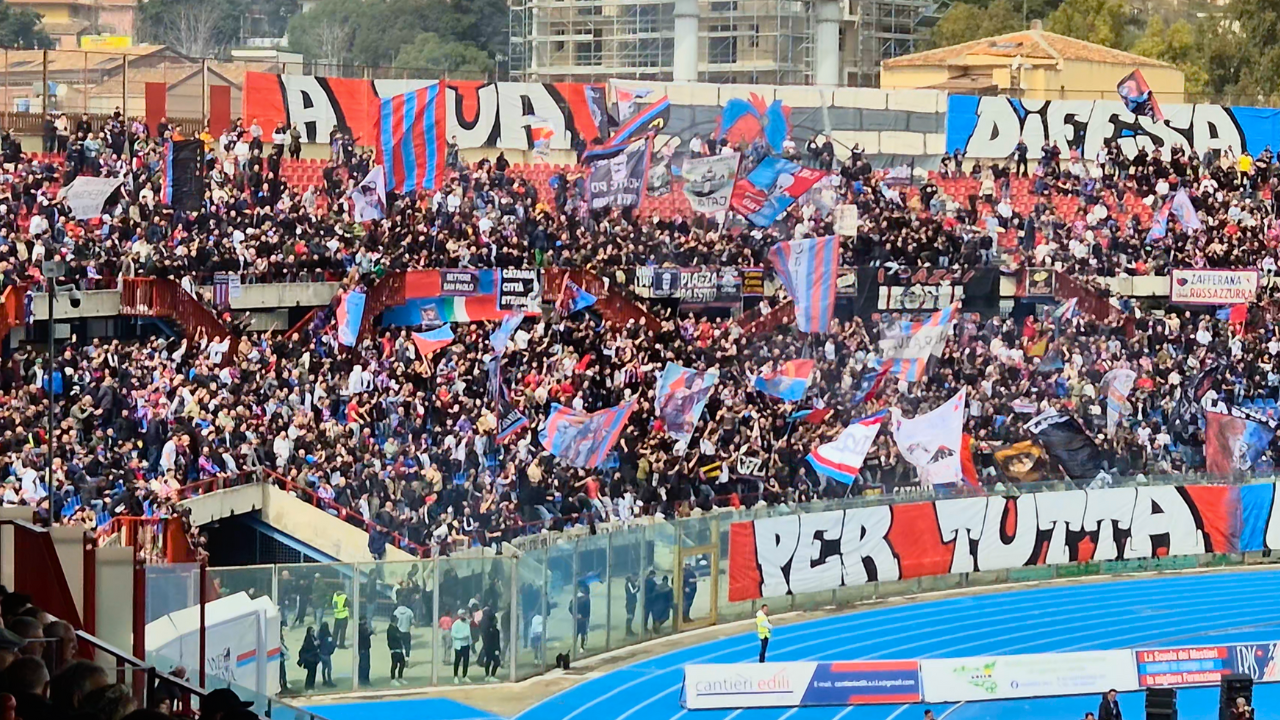
Of the two, the former has arguably the brighter future – and indeed, the brighter present. The Elephants are one of calcio’s fallen giants, with a fanbase far too big for Serie C and an average attendance of 17,000 last season, by far the biggest in the division.
The boisterous Stadio Angelo Massimino is regularly full and Catania can lay a legitimate claim to having one of the most passionate followings in southern Italy, which is no mean feat, considering how crowded that particular field is.
As for Catania the city, it would make for a welcome trip for most visiting supporters.
Perched at the foot of Mount Etna on Sicily’s eastern coast, the island’s second-biggest city is loud, intense, and gloriously chaotic – a place that feels unmistakably real.
There is no tourist gloss here, just unvarnished Sicilian life along with an exceptional culinary scene serving up island staples such as pasta alla Norma, arancini, and fresh seafood at a fraction of the prices found in flashier resort towns.
The city and the Massimino may have to wait a while longer to welcome back Serie A, where Catania spent eight straight seasons from 2006-07, finishing as high as eighth in the process with the likes of Giuseppe Mascara and Papu Gomez pulling the strings.
Under the ownership of Australian-Italian entrepreneur Ross Pelligra, the Rossoblu are on a solid financial footing after years of mismanagement and won promotion back to Serie C three years ago after falling out of professional football.
Third in Girone C last season, they made it as far as the semi-finals of the play-off marathon before coming unstuck, and they are gearing up for another tilt at promotion to Serie B.
It is something Messina can only dream of. The Peloritani are in a parlous state – and not for the first time in their eventful history. In fact, you could argue that no other club across Italian football has done chaos quite like Messina.
Located just across the water from mainland Italy on the Sicilian side of the Strait of Messina, the island’s third-biggest city is most famous for the bell tower housing the world’s largest mechanical and astronomical clock, and the Messina Cathedral – a stunning Norman basilica rebuilt after the violent earthquakes that have beset the region.
But the football tradition has been just as deep-rooted.
The Giallorossi had gone through 12 name changes, including a merger and a split by the time they returned to Serie A for the first time in 39 years in 2004.
Messina finished seventh in their first campaign in the top flight in almost four decades, just missing out on qualification to the UEFA Cup. They did reach the Intertoto Cup, but failed to obtain the UEFA licence required to participate in the tournament.
That was as good as it got. Within two years Messina were relegated and declared bankrupt in 2009. They bounced around Serie D and Serie C for the next decade, before going bust again.
The Peloritani now find themselves marooned in Eccellenza, the fifth tier of Italian football. And yet, much as is the case with Catania, the fanbase remains passionate even though the days of packing the Stadio San Filippo – by far the biggest stadium in the division at north of 35,000 seats – are long gone.
Ironically, Sicilian football was at its best when Italian football was at its lowest ebb. It’s an apt metaphor for the relationship between the island and the mainland.
Related Topics
Related Articles
Related Articles
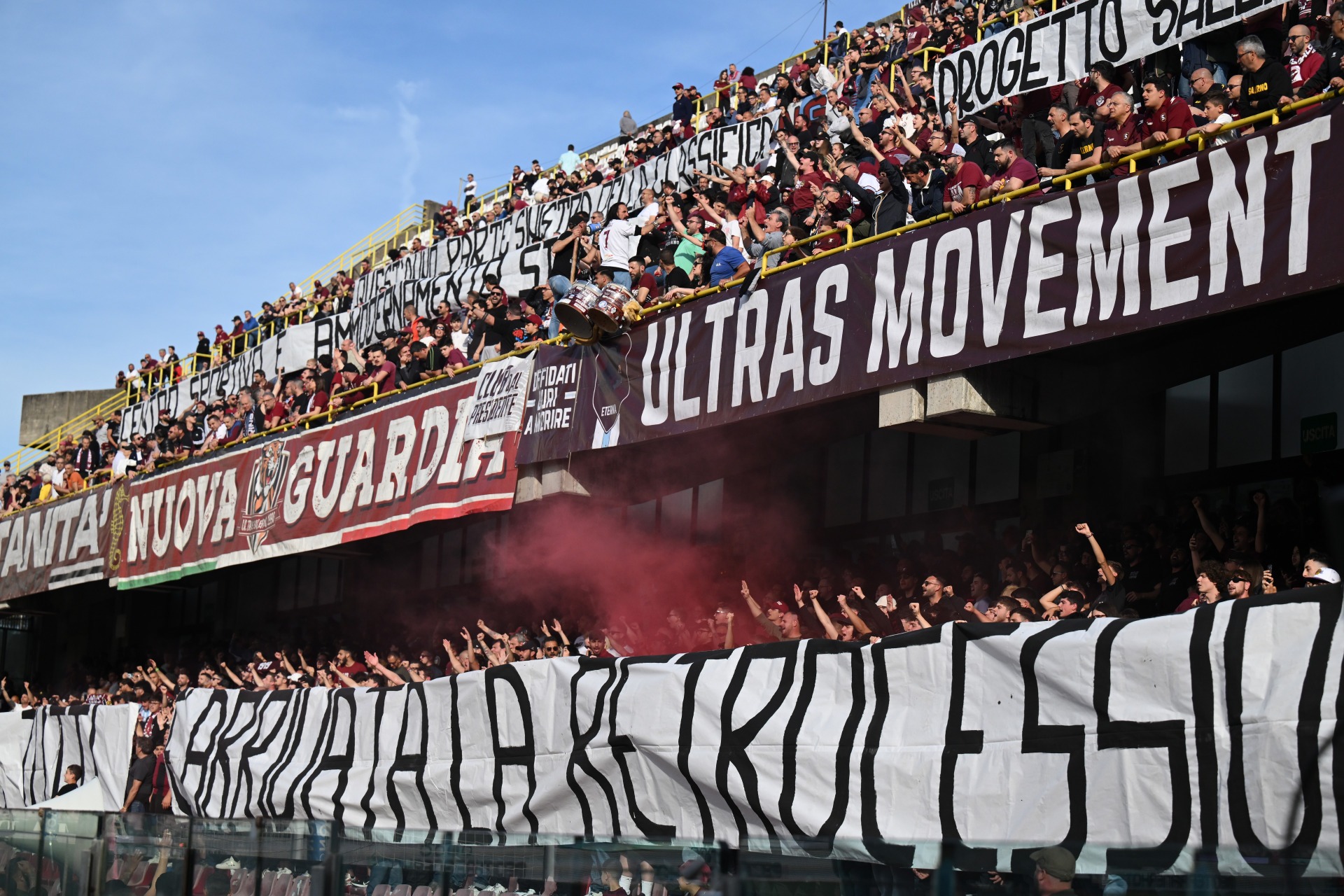
Salernitana have spent just five seasons in the top flight but their corner of Campania is the perfect setting for a proper calcio experience.
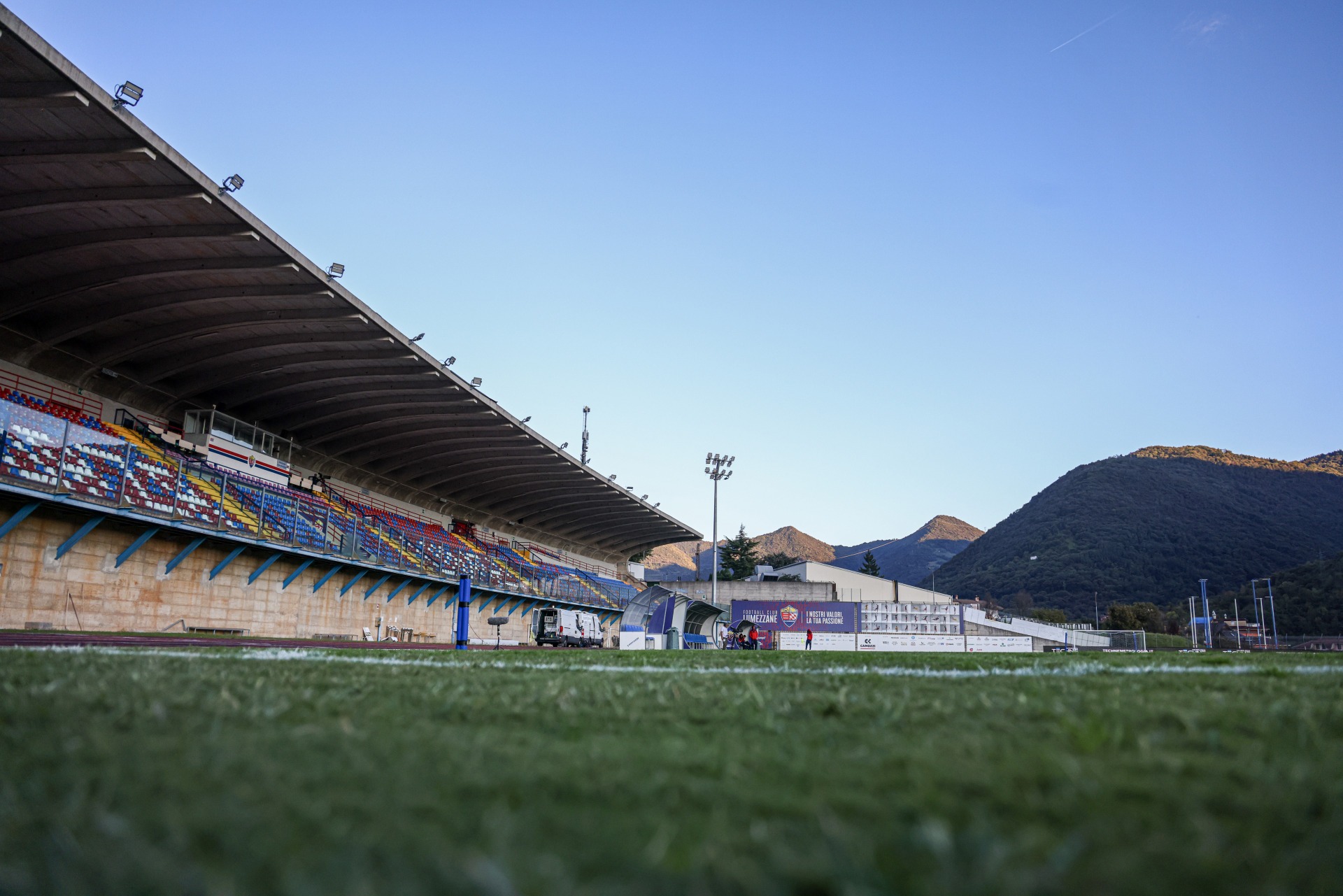
This working town of around 22,000 people, built on metal and manufacturing, has a club with a local, loyal fanbase.
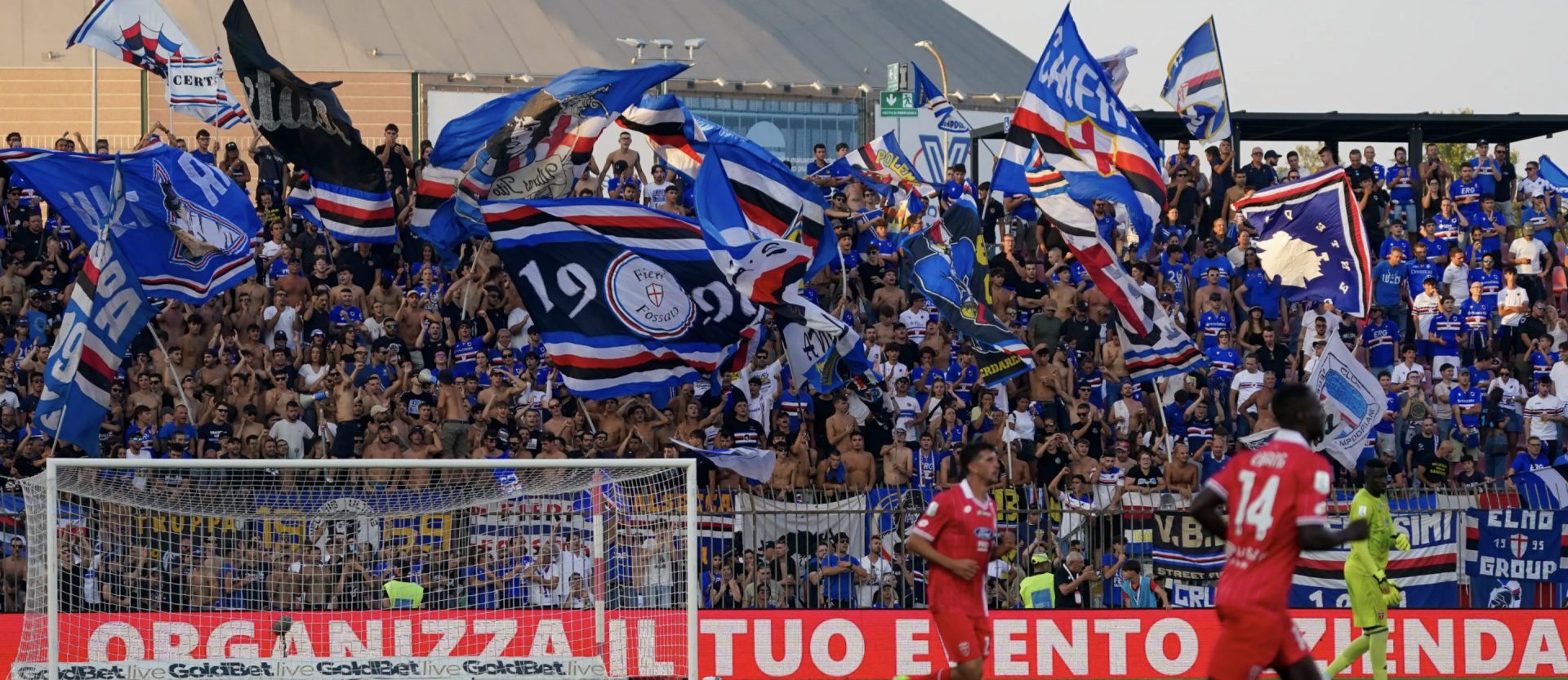
Palermo's trip to Empoli headlines the latest triple-header of Serie B fixtures live and free on Destination Calcio TV.