From Bari to Catania and Perugia… Why Serie C is the Land of the Fallen Giants
By Emmet Gates
The bigger they are the harder the fall and that is certainly true in Italian football.
Teams can plummet from Serie A to the third tier in no time, and the struggle to get back up can be the ruin of them.
There are 60 teams split into three groups in Serie C. Here are five of the biggest and reasons why they are worth visiting.
Bari
In terms of city size, there is no bigger fallen giant than Bari. The Puglian capital is the largest city in the country not to have a side in the top two levels of the Italian game, following relegation in May.
The Galletti had been close to a return to Serie A as recently as 2023, but the play-off final defeat by Cagliari in the dying moments sent the club into a tailspin from which they have never really recovered.
They finished 17th last season amid protests from fans surrounding the club’s ownership, with Aurelio De Laurentiis, who also owns Napoli, being accused of lacking the ambition to put significant investment into the club.
De Laurentiis must sell Bari by the summer of 2027 due to FIGC rules forbidding dual club ownership, and it is now a race against time to find a new benefactor.
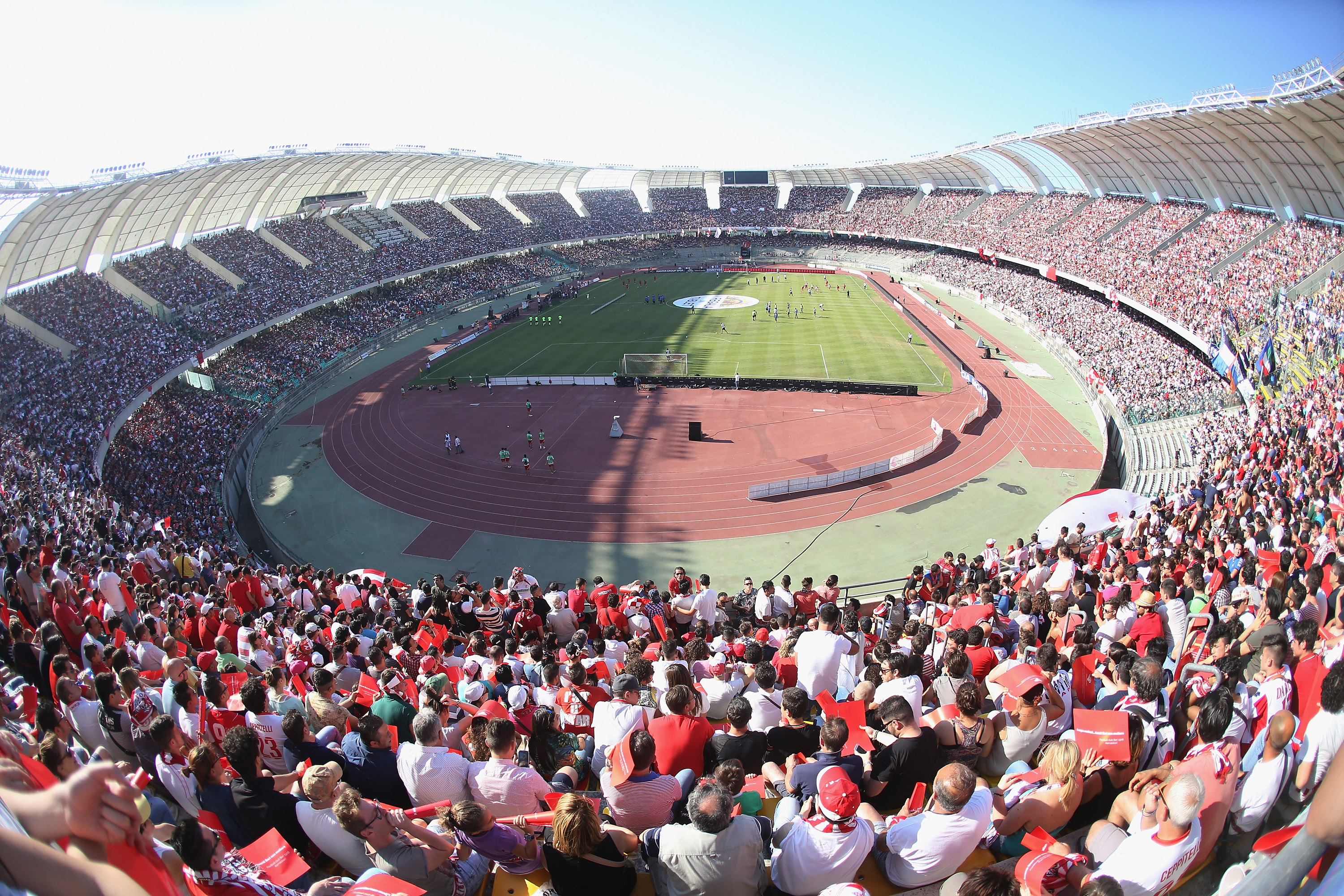
Opposing teams, used to playing in smaller, more intimate stadiums, will get a taste of the cavernous Stadio San Nicola, which can hold 58,000 fans. Built for Italia 90, the San Nicola is rarely full, which doesn’t help Bari, but for the likes of Casertana, Potenza and Picerno, it will be a spectacular day out. And the same goes for the calcio tourist as tickets for Bari games are easy enough to get.
Whether Bari can bounce back into the familiar terrain of Serie B at the first attempt remains to be seen, and much will depend on how ambitious the De Laurentiis family will want to be with their second team.
Catania
If Bari is the biggest city in the division, Catania is next. The Elefanti have been struggling to get out of Serie C and are about to begin their fourth attempt in a row since promotion from Serie D.
Under the ownership of Australian-Italian entrepreneur Ross Pelligra, Catania are on solid financial footing after years of mismanagement.
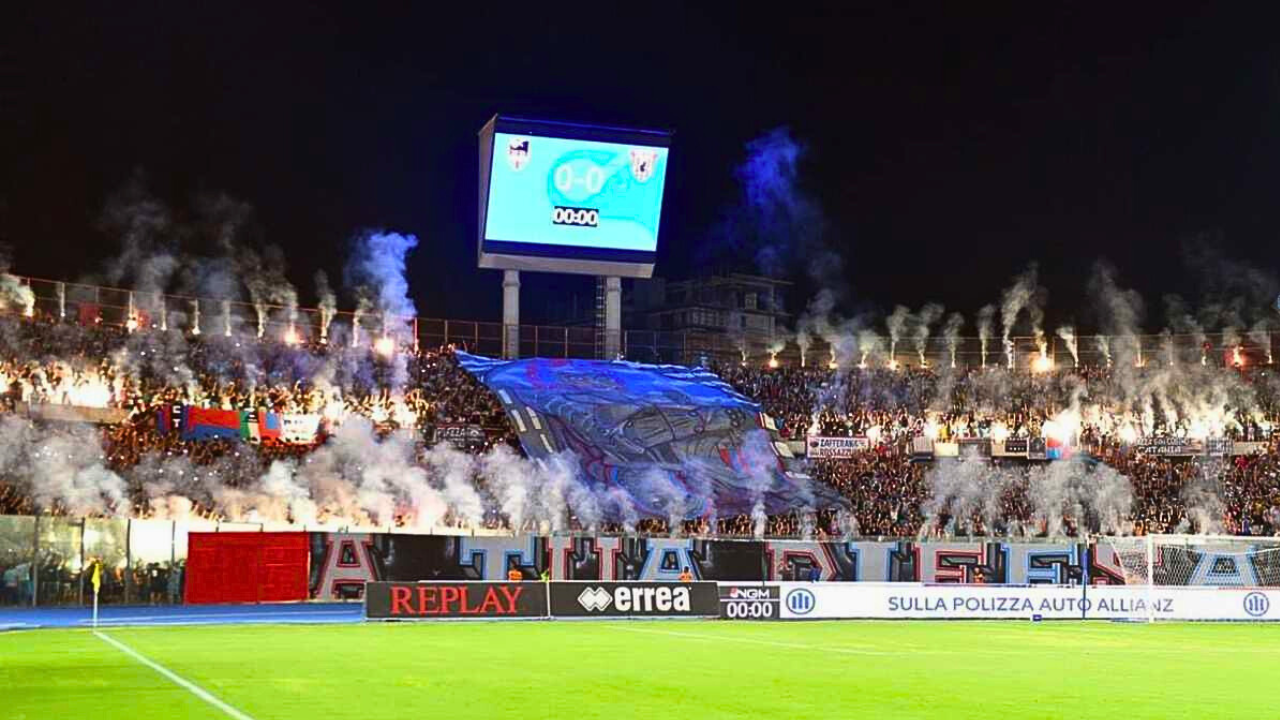
A Serie A mainstay for the second half of the 2000s and early 2010s, they have one of the best fanbases in the country, with the boisterous Stadio Angelo Massimino regularly full.
Such has been the dedication from the fans that Catania had an average attendance of nearly 17,000 in Serie C last season, unheard of for a team in the third tier. The next best was Vicenza on 10,000.
The Sicilians finished third last season and made it as far as the semi-finals in the play-off marathon. This season they will want to do better and a matchday in Catania is hard to beat.
Salernitana
The Campania outfit suffered successive relegations, going from the bright lights of Serie A to Serie C in the space of two short years.
Salernitana have been up among the big boys a handful of times but have spent most of their existence in Serie B or C.
So why are they on this list? The main reason is their fans, who have long been known to be among the most vociferous in Italian football.
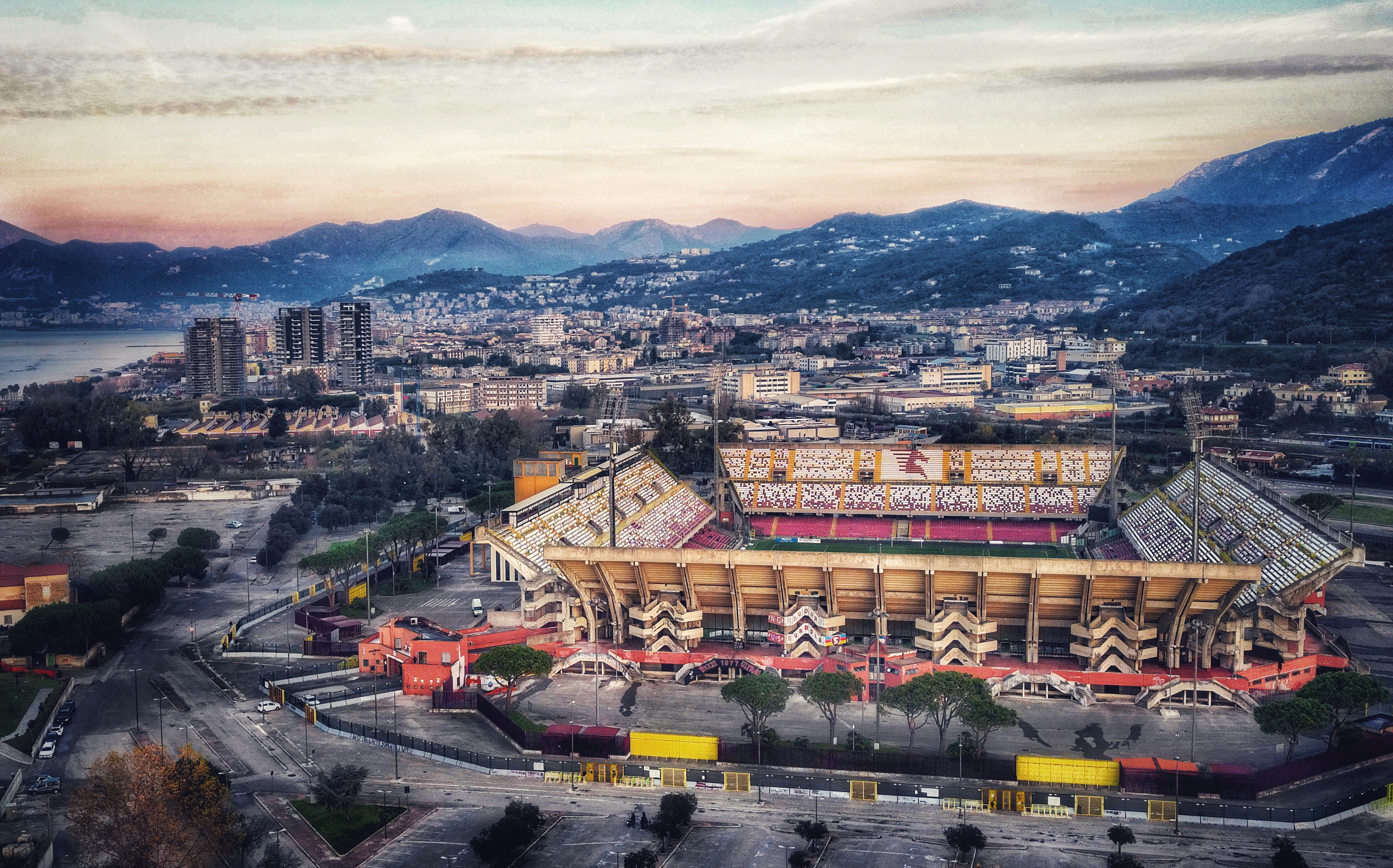
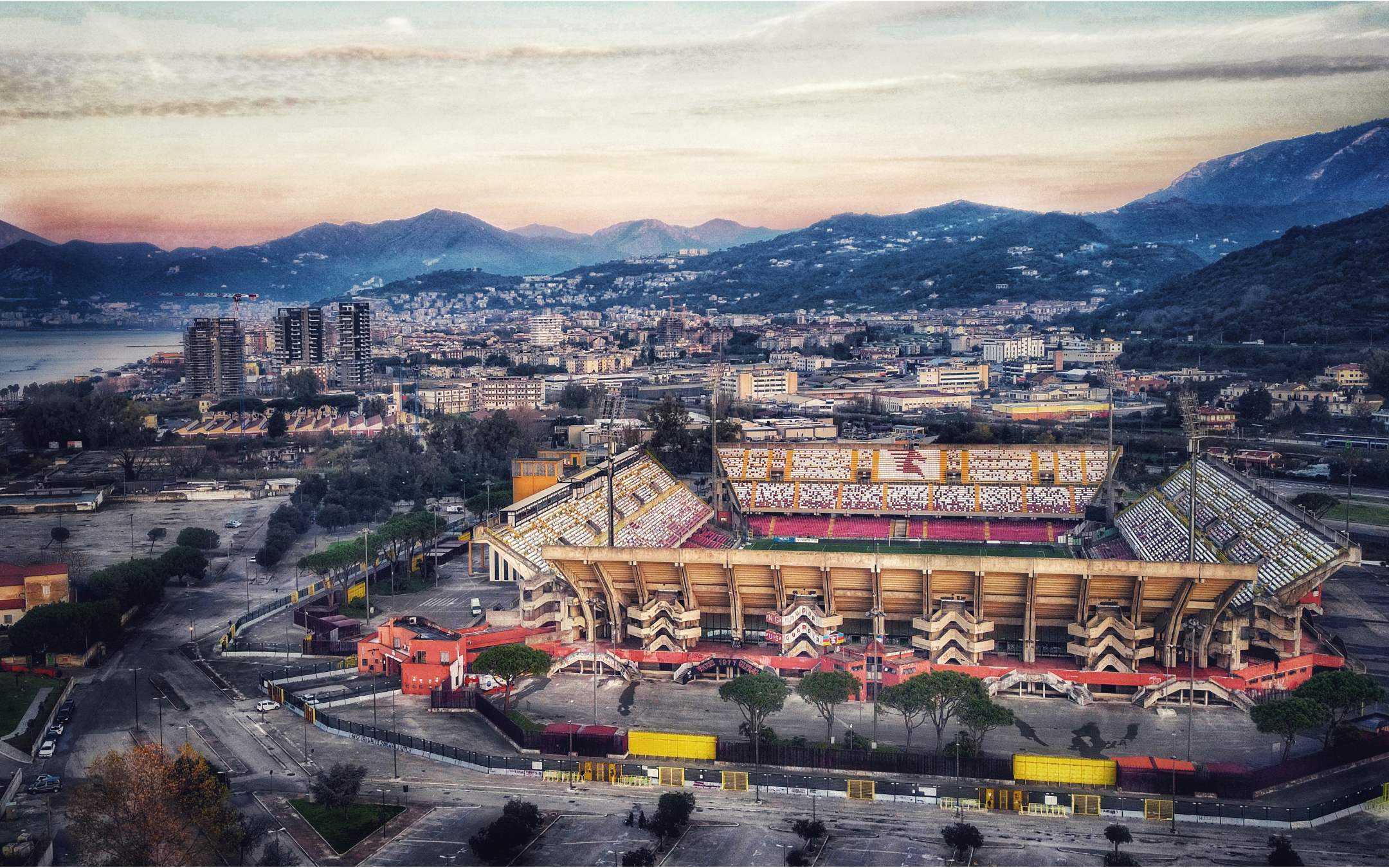
Moreover, the boxy 37,000-seater Stadio Arechi is an old but still thriving, ground even when not full. Salernitana had an average attendance of just over 10,000 last season, the third-highest of all 60 teams in Serie C. Salerno itself is a great beach city with tremendous food, and well worth a trip.
They finished third in their group last season and made it as far as the play-off semi-final, where they lost to Brescia. They’ll be among the more fancied teams in Group C to go one better this season and, with their rapturous fans providing a hostile atmosphere for visitors, will be looking to use the Arechi to their full advantage.
Perugia
The name Perugia conjures up memories of the late 1990s and early 2000s: Hidetoshi Nakata blazing a trail for Japanese players in Europe; Juventus losing the Scudetto in biblical conditions on the final day of the 1999-00 season; club owner Luciano Gaucci sacking Ahn Jung-hwan for having the audacity to score a golden goal for South Korea against Italy at the 2002 World Cup.
Perugia, who won the Intertoto Cup in the summer of 2003, fell through the Serie A trapdoor in 2004 after losing a relegation play-out with Fiorentina. They have never been back. Since those heady days they have spent most of their time in Serie B, bar twice starting again from scratch in the old Serie C1 after declaring bankruptcy.
Yet the Biancorossi remain one of the bigger names in Serie C. The Renato Curi is one of the largest stadiums in the division, with 23,000 seats, it is behind only Bari and Salernitana.
Perugia find themselves in the third tier for a fourth consecutive year, yet a club of their size, in a one-team city, should be playing at a higher level. But given their recent turbulent history, Serie C could be as good as it gets for some time.
Union Brescia
A name and a club that tugs on the heartstrings of calcio fans of a certain age. Brescia became many casual observers’ favourite club at the beginning of the 2000s due to the presence of Roberto Baggio. The Divine Ponytail saw out his career with the Rondinelle, keeping the Lombardy side in Serie A for four consecutive years before walking off into the sunset in 2004.
Since then, it’s been more bad news than good for the Little Swallows. They reverted to type following Baggio’s retirement, yo-yoing between Serie A and B.
However, they made headlines at the end of the 2024-25 campaign when they went to the wall under controversial owner Massimo Cellino, lost the use of their name and merged with another club, Feralpisalo, to form Union Brescia.
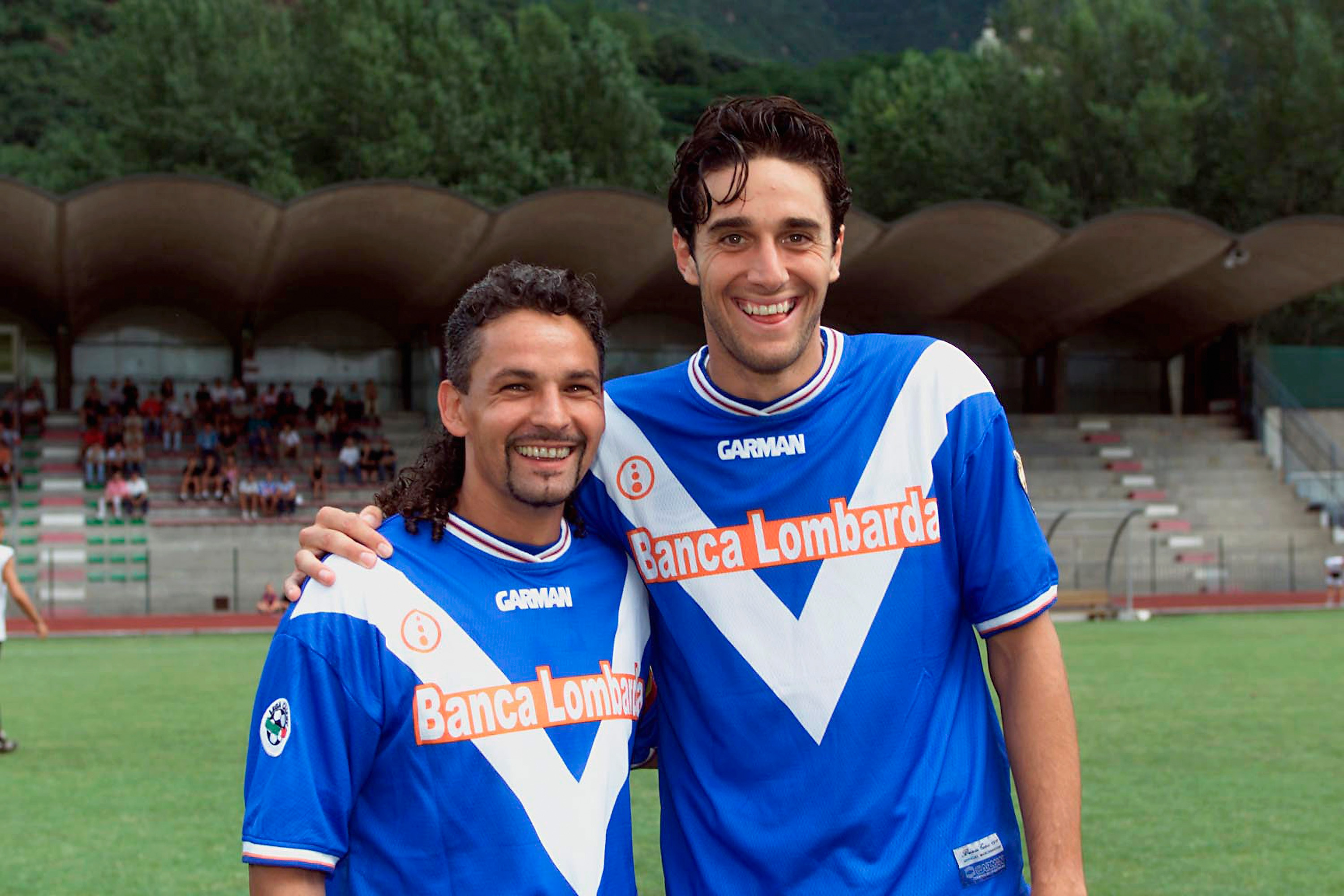
Despite the chaos, the new version nearly made it out of Serie C at the first attempt, losing in the play-off final to Ascoli over two legs. Eugenio Corini, who was in charge last season, stayed put and there is a strong chance Brescia could be there or thereabouts once again.
The name might be slightly different and for all intents and purposes it is a new club. But Brescia remain one of the biggest fish in the Serie C pond.
Related Topics
Related Articles
Related Articles
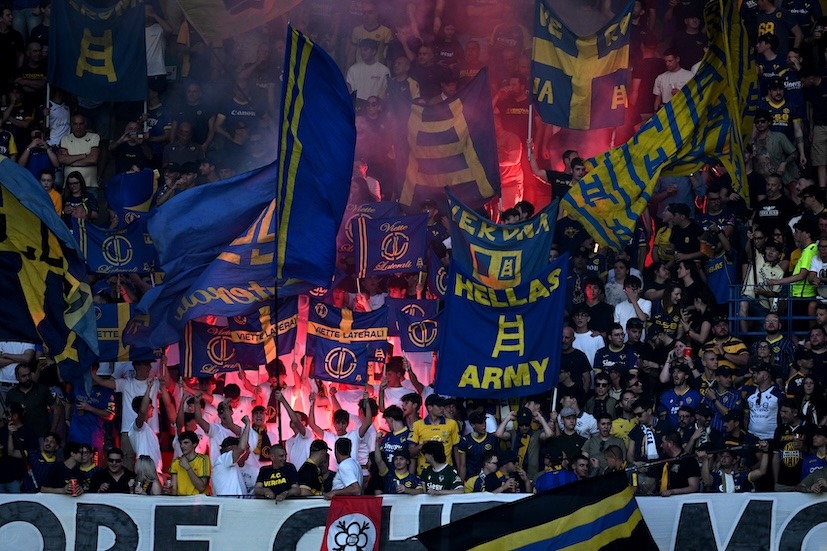
The biggest derby in Veneto headlines the latest triple-header of Serie B fixtures live on Destination Calcio TV.
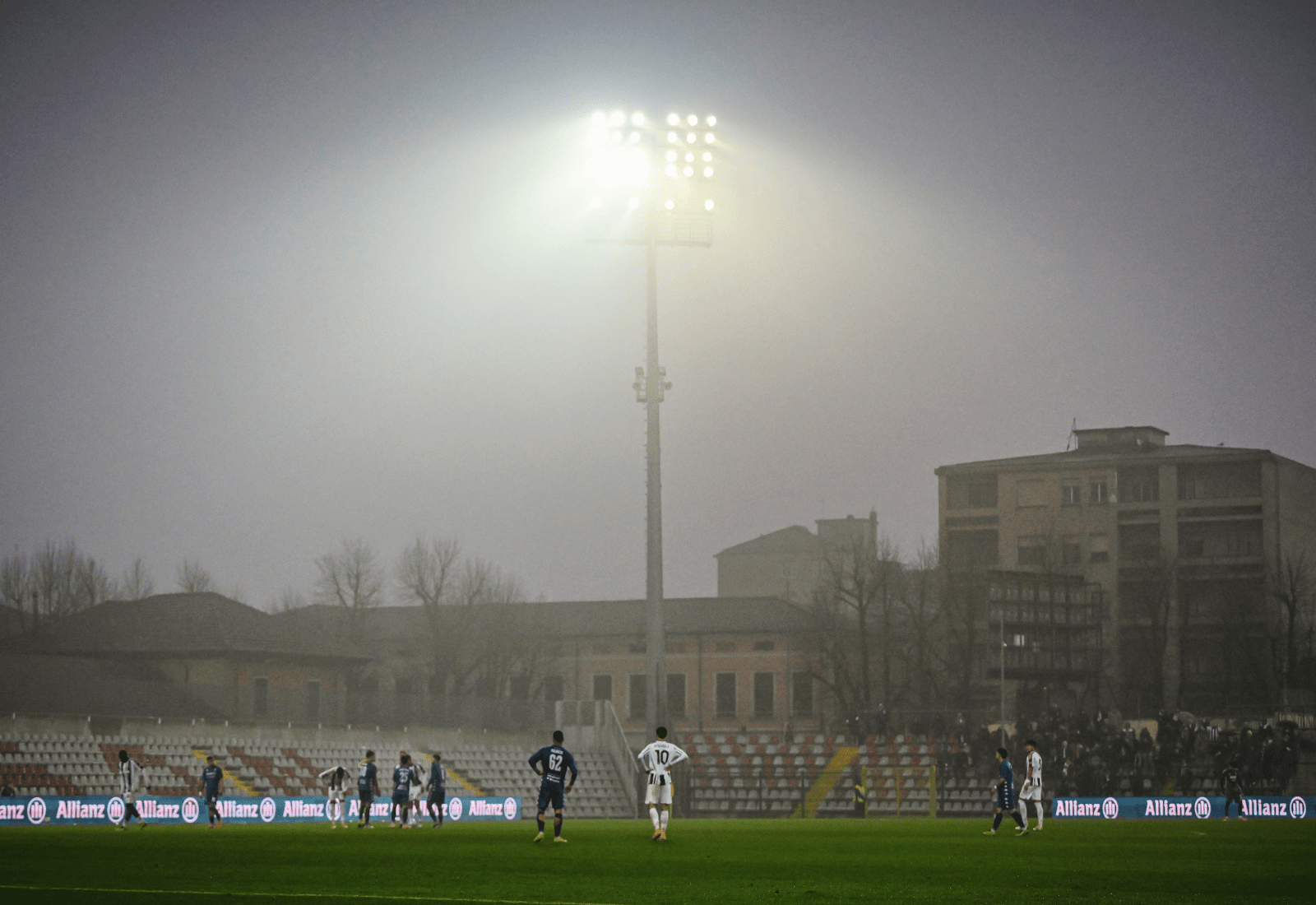
The U23s play a full professional season in the same division as clubs founded in 1900 with ultras, debts and towns behind them.

Milan has five teams playing league football inside the metropolitan area and all of them are reachable on public transport.