
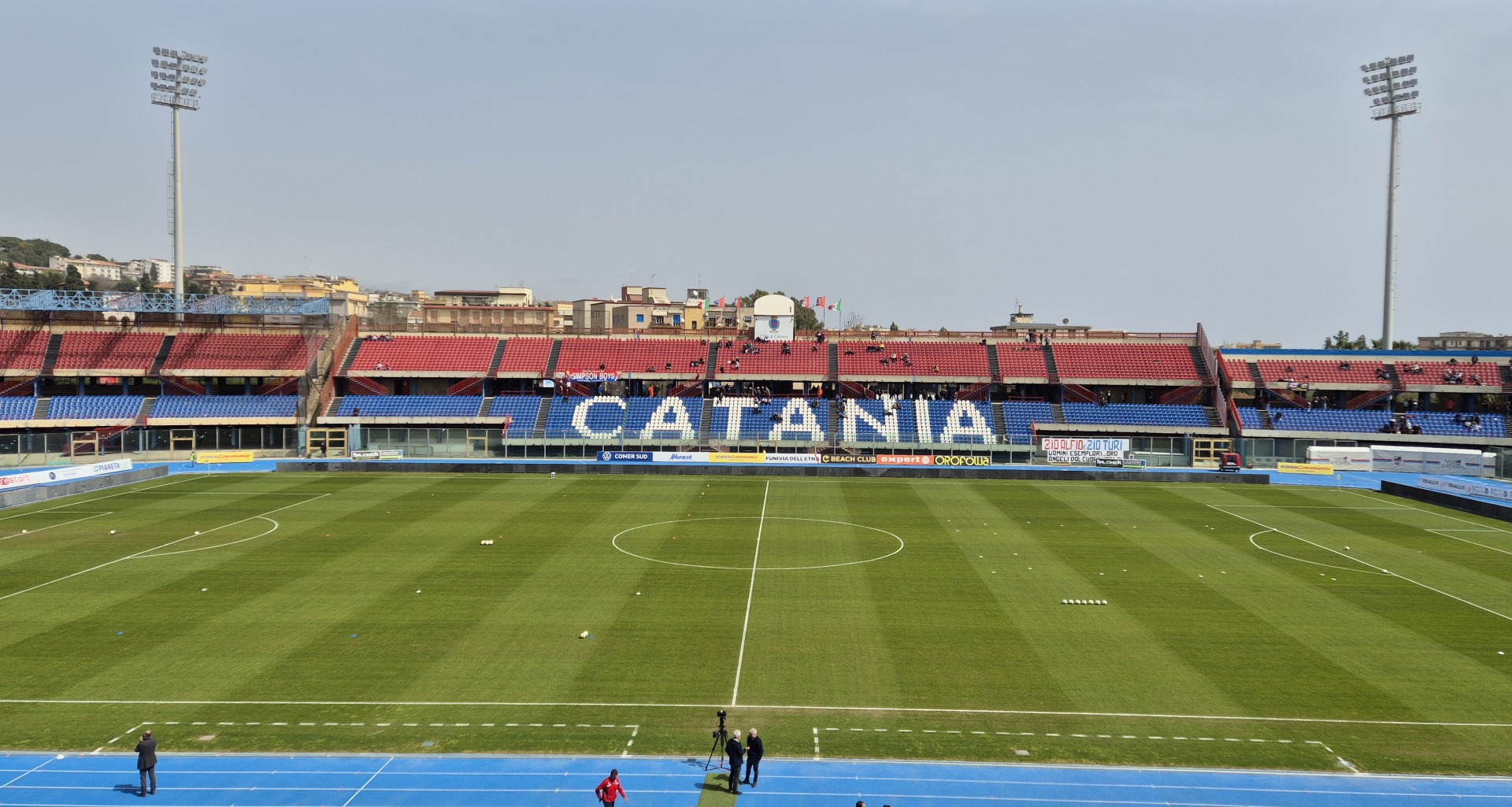
To most of Italy, it is the Angelo Massimino. To most of Catania, it will always be the Cibali – named after the neighbourhood in which it has stood since 1937 and bound, above all, to the words Sandro Ciotti broadcast to the nation on June 4, 1961: Clamoroso al Cibali!
In 2002, in recognition of one of the most charismatic and iconic figures in Catania’s football history, the stadium was named after Angelo Massimino, the legendary president of Calcio Catania. Massimino, who led the club on and off for over 30 years, is remembered for his passion, his dedication to the red and blue cause, and his unbreakable bond with the city.
Here is all you need to know.
What Makes It Special
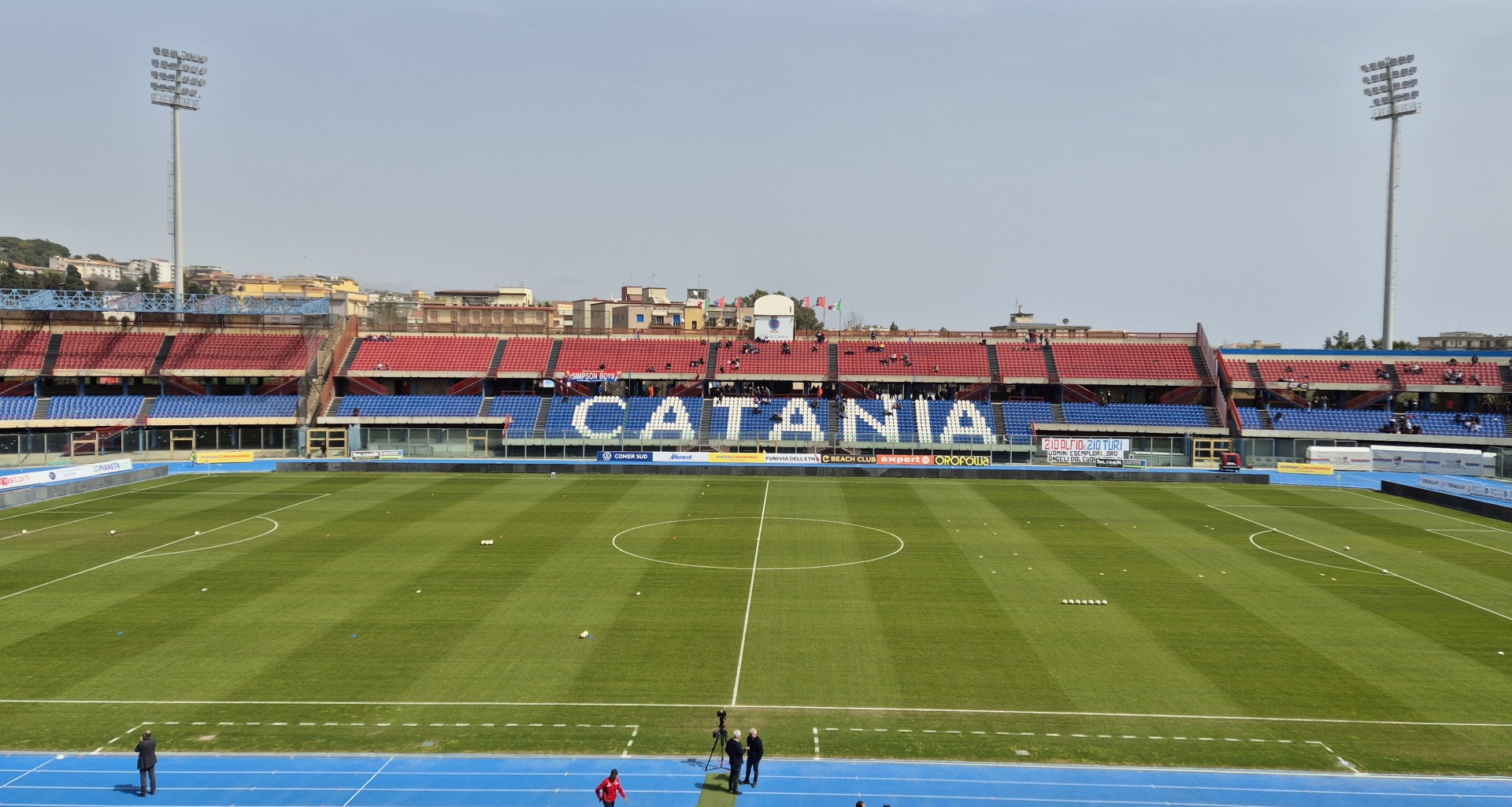
The Massimino is, by any rational assessment, an imperfect ground. The athletics track that rings the pitch, eight lanes wide, keeps the spectators further from the action than they would prefer. The stands are steep, some of them ageing. The sightlines are not what a modern stadium would produce. And yet it works, in the way that only a stadium with genuine history can work.
On a full matchday – and in Serie C, the Massimino regularly fills to a level most third-division grounds in Europe can only imagine – the noise is disproportionate to the physical distance between supporter and pitch. The Curva Nord, where the most organised groups gather, generates the kind of sustained atmosphere that makes the athletics track seem to disappear. First-time visitors talk about it, long after.
Before entering, walk around the outside of the ground. On the walls of the Curva Sud and Tribuna B along Via Cifali, a sweeping mural tells the story of the club in portraits. Commissioned by the City of Catania and painted by local artist Andrea Marusic, the work – titled 50 Volti per il Cibali – depicts 50 figures who shaped the Catania story from 1929 to the present day. Players such as Papu Gomez, Giuseppe Mascara and Claudio Ranieri. It is a journey through the club’s history, rendered on the brick and concrete of the ground itself.
One more thing. When the players emerge from the tunnel, watch for a figure standing at the edge of the walkway. An historic ultras member performs a ritual that has been observed at the Massimino for decades: a handful of salt is thrown over the players as they step onto the pitch, a gesture of good fortune carried forward from one generation of Catanese supporters to the next. It is football as folk culture – strange, specific, and not witnessed anywhere else.
How To Get There
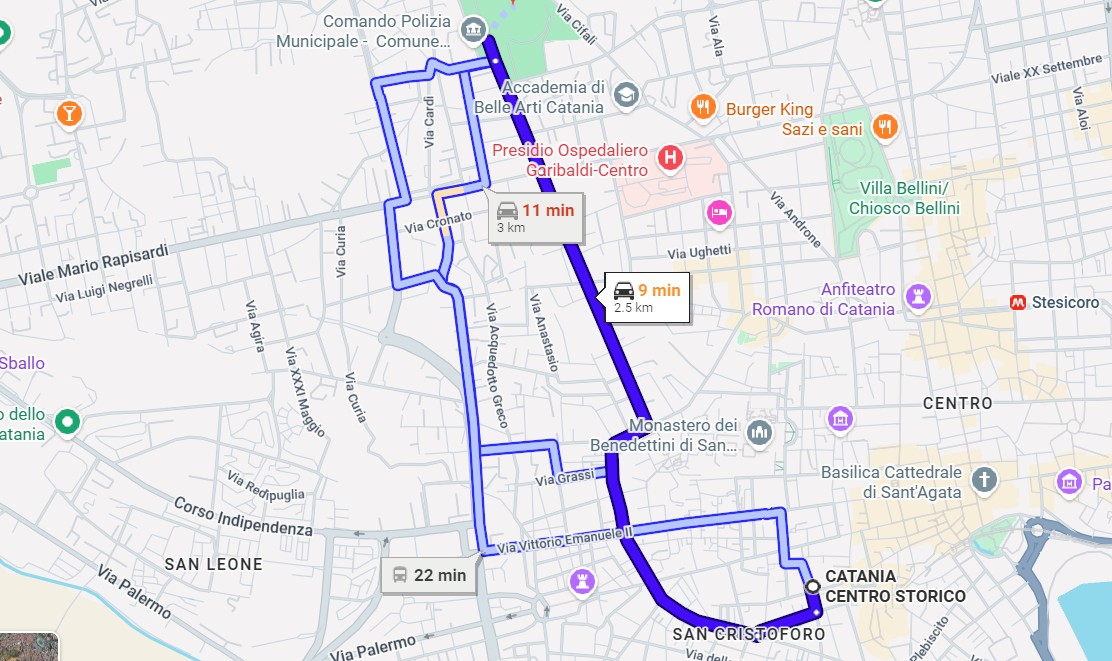
The stadium is in the Cibali district, approximately 2.5 kilometres north west of Catania’s historic centre – a half-hour walk from Piazza del Duomo along Via Etnea, or a short journey on the AMT Line 4-7 circular bus from Catania Centrale railway station. The route stops at Piazza Spedini, directly outside the stadium’s main entrance.
Map
Neighbourhood Tips
The main organised supporters’ groups split along the two home ends. Piazza Dante is the gathering point for the Curva Nord groups, while Castello Ursino serves the same function for the Curva Sud. Both squares fill up in the 90 minutes before kick-off.
Need To Know
Curva Nord is home to the most organised and vocal supporters. The atmosphere here is exceptional and where any visiting fan seeking the full experience should head. Curva Sud has its own organised groups, including some of Catania’s historic ultra formations. Several groups gather at Castello Ursino before moving to this end. Access via Via Cifali.
Tickets
Tickets can be bought beforehand or at the stadium on matchday, starting from €12 depending on the opposition. Our guide has all the information.
Related Topics
Related Articles
Related Articles
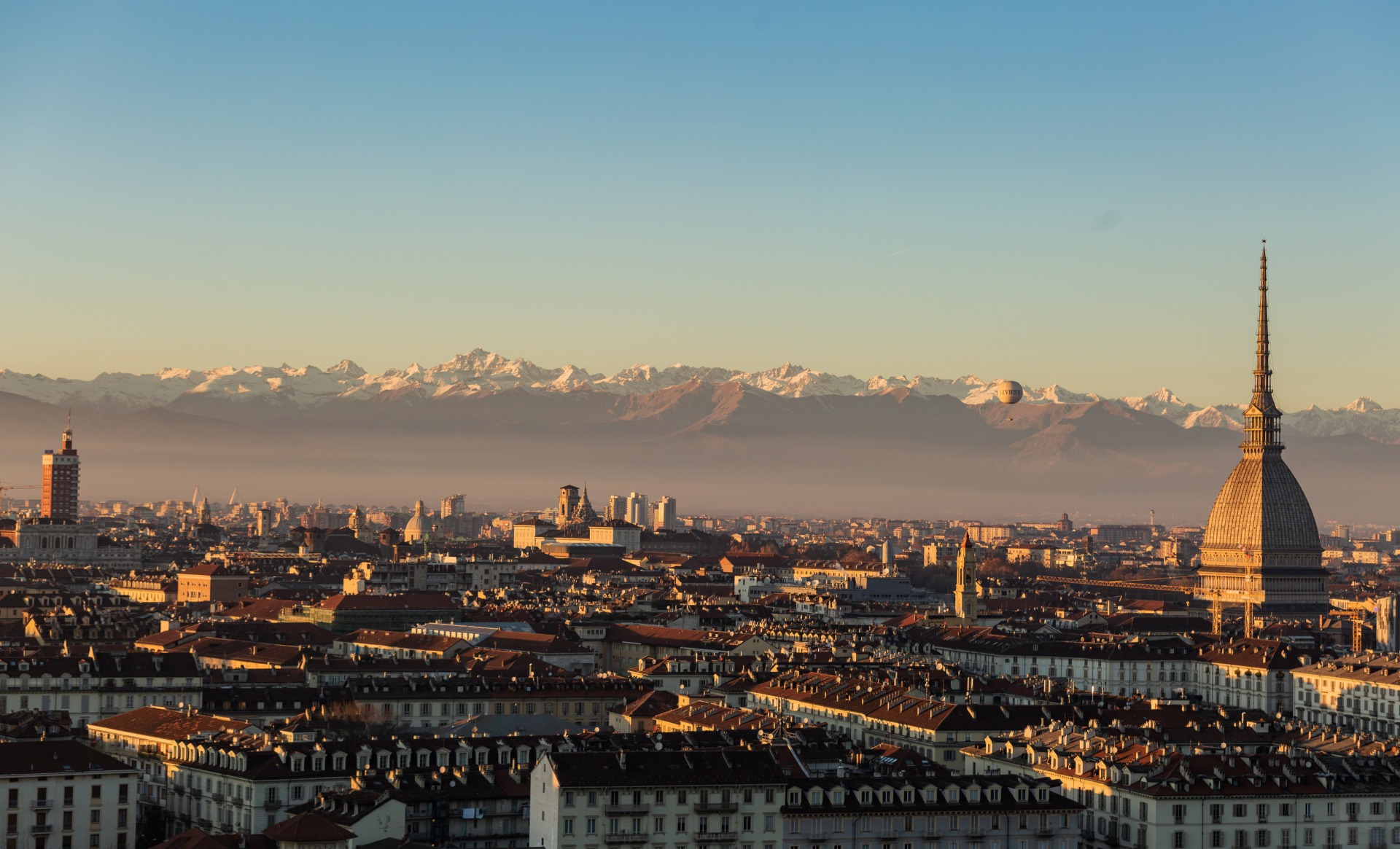
From top-flight derbies to neighbours leagues apart, here are seven Italian cities with two teams and so much more.
From the Alps in the north to the heel of the boot, past medieval towns and the odd volcano, every corner of the country is covered.
There are 60 teams split into three groups in Serie C. Here are five of the biggest and reasons why they are worth visiting.