Fireworks, Football and Italy’s Smaller Festivals Flying Under the Radar
By Dan Cancian
When you think of Italy’s festivals, the mind immediately races to the Venice Carnival, the Umbria Jazz Festival and maybe the Scoppio del Carro in Florence.
But away from these world-famous events, there is an entire universe of smaller, more local festivals, each of them with their unique traditions and history. And each offering visitors the opportunity to catch some calcio at the same time.
Ivrea’s Historic Carnival
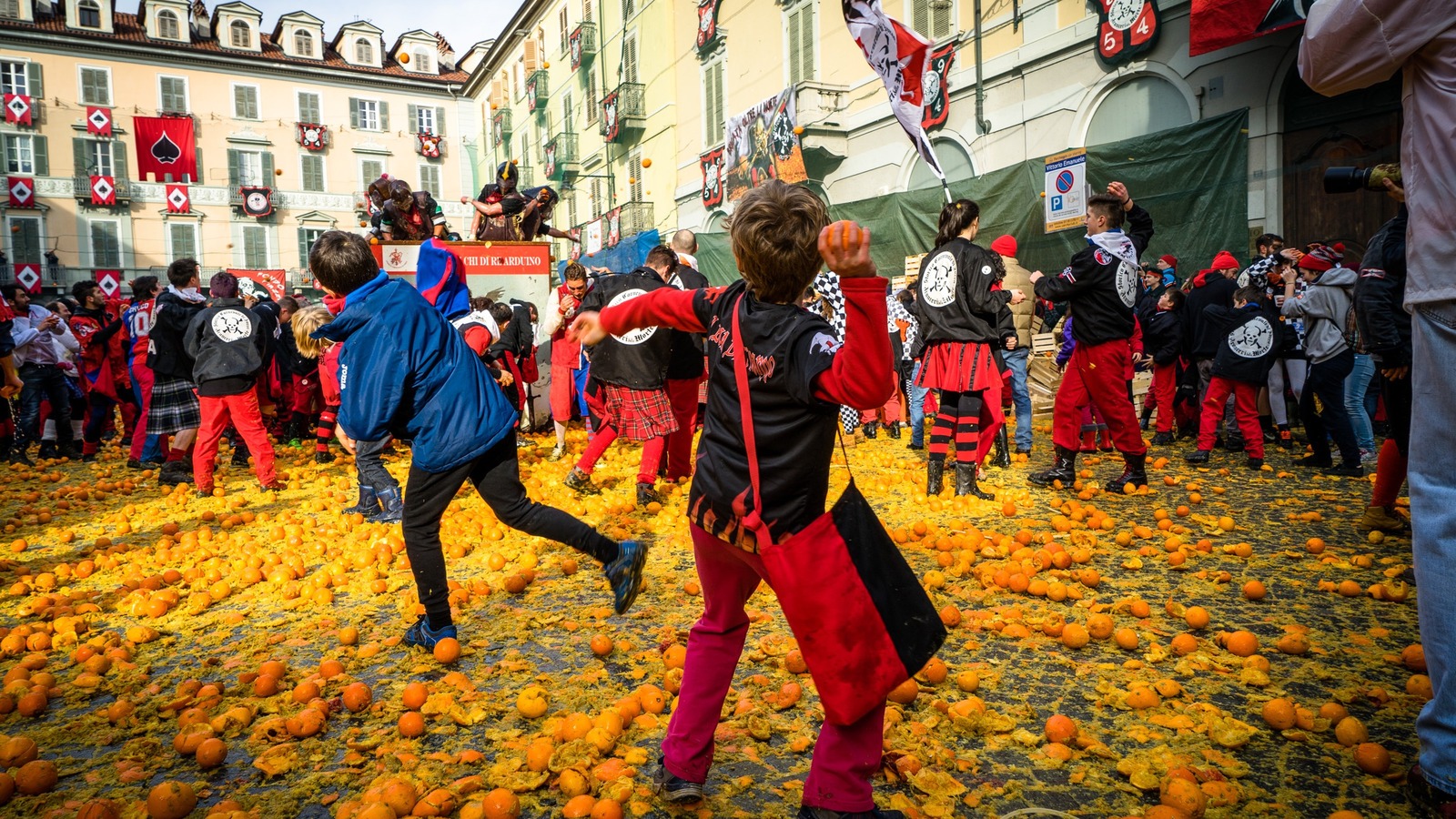
What if we told you that every year thousands of people gather 30 miles north-west of Turin to hurl oranges at each other? Odd as it may sound, that is exactly what the citizens of the medieval town of Ivrea get up to in February.
The Historic Carnival of Ivrea runs from January to Ash Wednesday and culminates in the famous Battle of the Oranges, where teams of orange-throwers in historic costumes face off in organised battles on Shrove Tuesday and the two preceding days.
Each team is made up of 10 or 12 members standing on horse-pulled carriages, while hundreds of townspeople return fire from the streets and squares of Ivrea.
Don’t worry, you don’t have to partake and can simply stay on the sidelines to watch it all unfold. If you do choose to get involved, wear old clothes and goggles.
“There’s nothing that prepares you for it,” Enrico, a Turin resident whose family are from Ivrea, told Destination Calcio. “People think that being hit by fruit is nothing, but it can be very painful. If you want to take part, buy some protections, as the locals do.”
As for the football, Ivrea play in Eccellenza, the fifth tier of Italian football. Torino and Juventus, however, are just over an hour away by train and the same goes for Serie C rivals Pro Vercelli and Novara.
Piancastagnaio’s Chestnut Festival
When it comes to nominative determinism, few towns can rival Piancastagnaio. The name roughly translates to Chestnut Plain, and so it is only fitting that every October the town gets together for the Crastatone, to celebrate the latest harvest of the local product.
The oldest chestnut festival on Monte Amiata, at the southern end of the Siena province, it has been held for the past 58 years and ran between October 30 and November 1 this year.
Piancastagnaio is also the smallest town to host a professional football club in Italy this season, as it is home to Serie C side Pianese, who are struggling in Girone B.
With a capacity of 1500, the Stadio Comunale can accommodate almost half of the town’s population, but tickets are almost always available, even at short notice.
Alba’s White Truffle Festival
What is typical of Piedmont and will cost you a fortune? No, not a ticket to the Allianz Stadium, but Alba’s world famous white truffle.
Every year this charming town, which is also home to the Ferrero conglomerate that produces Nutella, comes together to celebrate its most famous export, and has done so to varying degrees for almost a century.
Each year the fair has a different central theme, but three key events remain at its core: a recreation of the medieval tradition of appointing a chief magistrate, a beauty contest to name the Queen of the Langhe – the world famous wine-producing region Alba sits in – and the donkey derby known as Il Palio Degli Asini, a race similar to Siena’s very own Palio.
Yet, there is more to the International White Truffle Fair than one of the most expensive ingredients in the world. Wine and cheese for a start, along with several cultural initiatives that are worth checking out.
And then there is the football. Alba’s two clubs – Alba Calcio and Albese Calcio – are battling it out in Eccellenza, along with regional neighbours Cuneo. Juventus and Torino, meanwhile, are around a one-hour drive away.
Viareggio Carnival
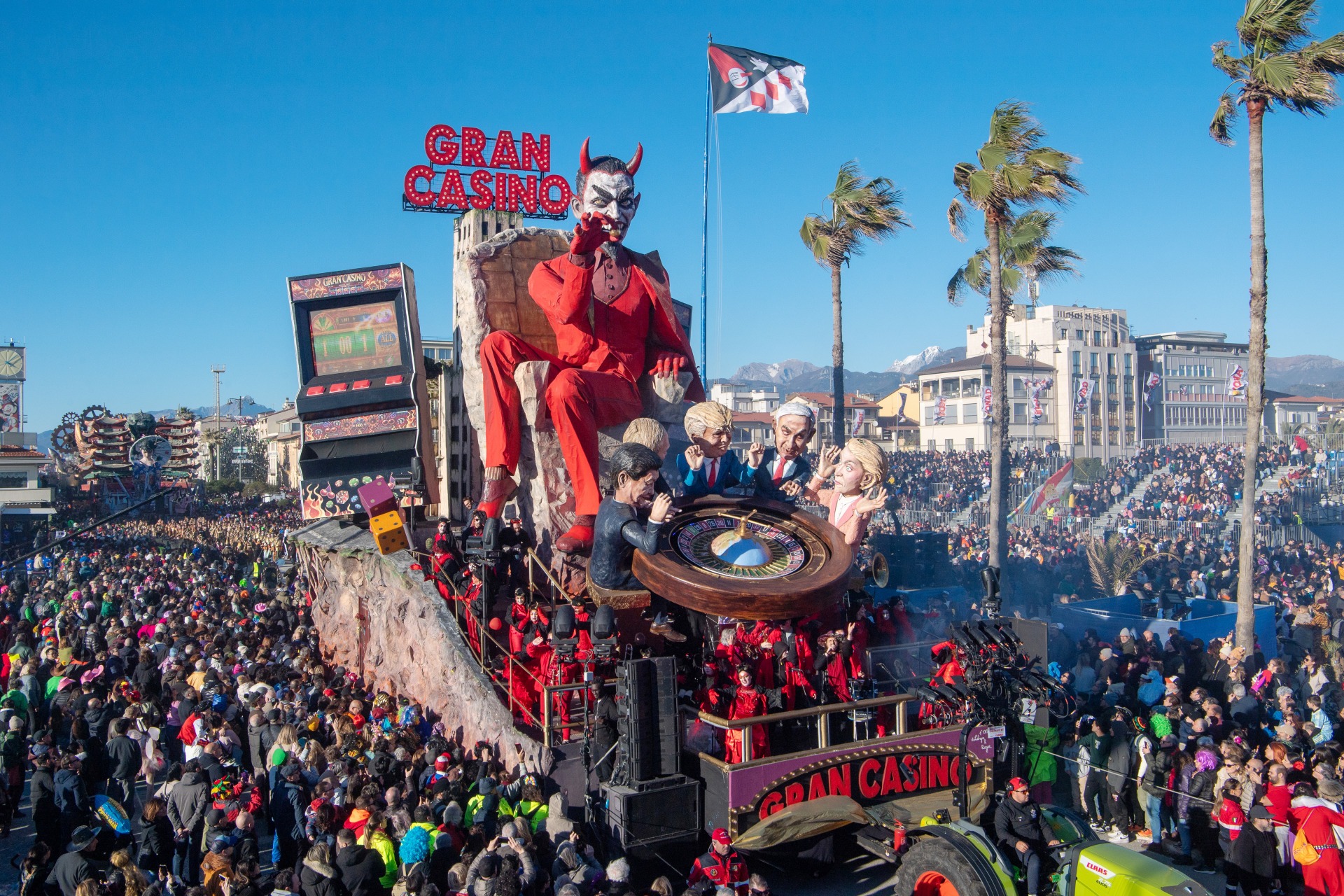
Forget the quiet elegance of Venice’s masquerades—the Viareggio Carnival is loud, satirical, and fiercely political. Every year, local artisans turn presidents, prime ministers, and autocrats into giant targets, confronting climate change and global conflict through biting satire.
Held every February since 1873, the festival’s hallmark is its jaw-dropping papier-mâché work (cartapesta). Inside the dedicated Cittadella del Carnevale, artists spend the best part of a year constructing mobile colossi that top 20 metres and weigh up to 40 tons. Powered by internal crews that steer and animate them from the inside, these giant sculptures roll down the town’s Art Deco oceanfront promenade in one of Europe’s greatest cultural parades.
But Viareggio, a seaside resort on Tuscany’s coast close to Liguria, is also a crucial post for Italian football. It was here that in 1926 the eponymous charter was published, ushering in the era of professionalism and a single national championship, bringing regional leagues to an end.
Viareggio, of course, is also home to the Torneo di Viareggio, one of the oldest and most prestigious youth football tournaments in the world. Known as the Coppa Carnevale – Italian for Carnival Cup – it is held every year during the Carnival season and is the perfect footballing foil for Viareggio’s biggest attraction.
An Italian football enthusiast from Liverpool, Mark stumbled upon the Torneo di Viareggio by chance a couple of years ago.
“It’s a great way to watch football and very affordable too,” he told Destination Calcio. “But stay in La Spezia, as it’s much cheaper than Viareggio during the Carnival and you can take the train down in 30 minutes.”
San Colombano’s Grape Festival
Italy is all about good food and football. The Sagra Provinciale dell’Uva allows visitors to do enjoy both.
Since 1957, local groups have come together to build allegorical floats for the fair, which is held every fourth weekend of September in San Colombano al Lambro, straddling the Milan and Lodi provinces and home to the eponymous San Colombano DOC, one of Italy’s most famous red wines.
From wine tasting to food markets and from the parade to the fireworks, the two-day festival has something for everybody. Milan with its two Serie A behemoths is less than 90 minutes north by train, while Lodi and Pavia are around an hour away and both offer the chance to dip down the divisions.
Lodi-based Fanfulla ply their trade in Promozione, the sixth tier of the pyramid, while Pavia are in the fourth tier.
“You can watch Milan or Inter every week,” Pavia fan Filippo told us. “If you are attending the festival, take in a game in Pavia. It’s cheaper and different.”
Related Topics
Related Articles
Related Articles
It's not every day you find a famous rapper serving coffee. Or a horse race slap-bang in the middle of an historic town square.
League leaders Palermo headline the latest triple-header of Serie B fixtures live on Destination Calcio TV, when they travel to face Ascoli.
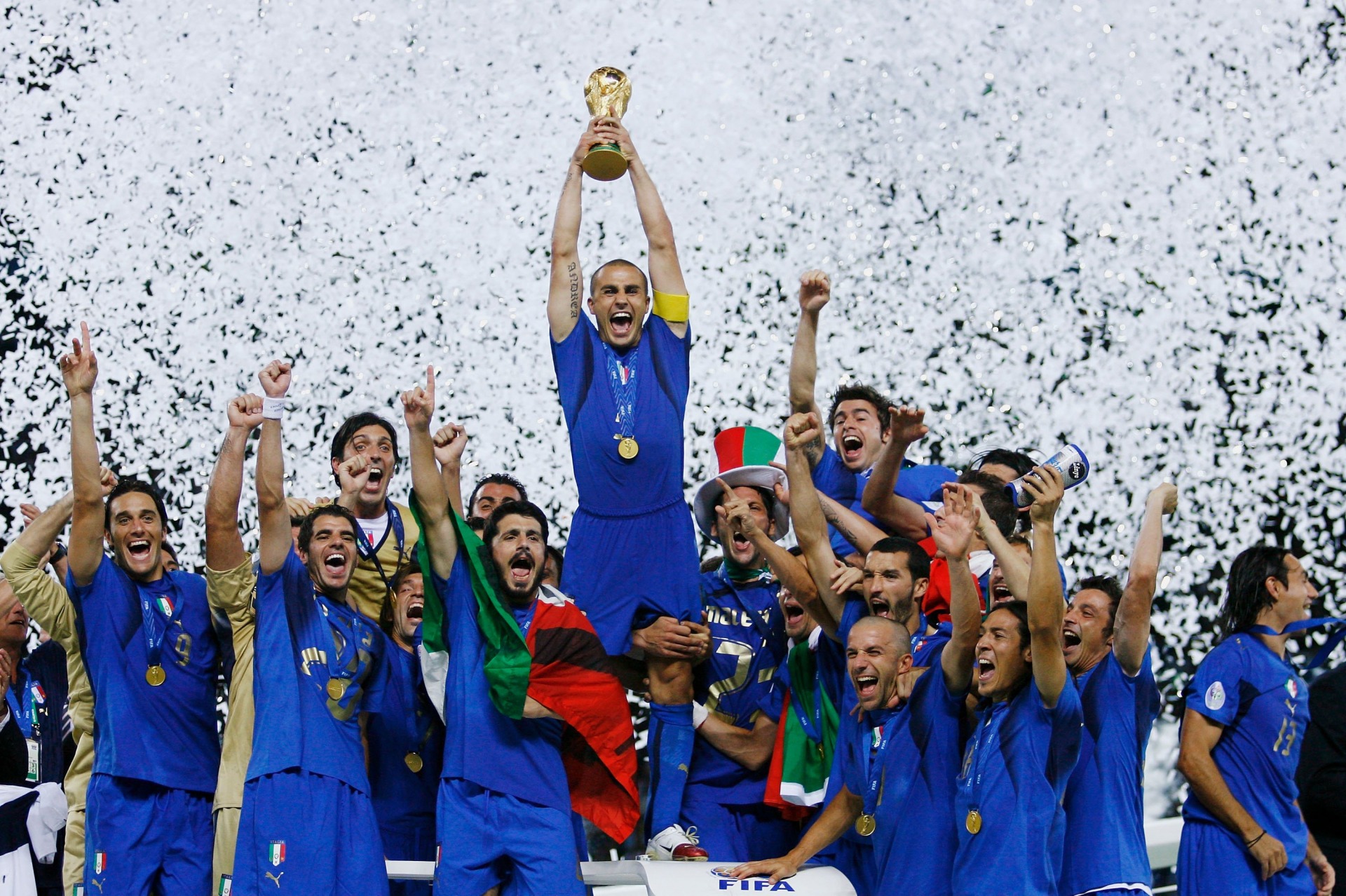
Two decades have passed since an Italian name was engraved on the Ballon d'Or trophy.