Carnivals, Coastline and the Birthplace of Serie A… Welcome to Viareggio
By Dan Cancian
Italian football is defined by places. Think Naples and Milan, or Genoa’s famous Marassi and the Stadio Olimpico in Rome.
But there is another location, somewhat tucked away, but just as important as the Maradona murals and the San Siro. Because without Viareggio, calcio as we know it may never have come to pass.
A seaside resort on Tuscany’s coast close to Liguria, Viareggio is best known for its carnival which dates back to 1873, and before that for being the only sea port of the since-defunct Republic of Lucca in the first half of the 16th century.
But it was in 1926 that the city became central to the development of Italian football following the publication of the Viareggio Charter.
The charter was a foundational text for calcio, ushering in the era of professionalism and a single national championship, bringing regional leagues to an end.
Until then, Italian football was split with a northern league featuring the two Milanese giants, Genoa, Torino and Juventus among others, while the southern division housed the likes of Napoli and Lazio.
The move towards a unified national title was far from casual, for it echoed the fascist regime’s rhetoric and eliminated the prospect of seeing southern teams being routinely thrashed by their northern counterparts in the finals, as had been the case under the north/south split.
Yet the divide was still clear as 17 of the 20 teams that made up the first ever National Division were from the north, with just Napoli, Alba Roma and Fortitudo Roma representing the south.
There were two other major changes heralded by the Viareggio Charter. The first was a ban on foreign players, who were limited to two per club – with only one on the pitch – for two years from the publication of the document and then banned outright from 1928, again to fall in line with the rhetoric of the time.
The other was the plethora of mergers which gave birth to, among others, Fiorentina, Roma and Ambrosiana, which later returned to its original name of FC Internazionale Milano – Inter as we know them today – following the fall of fascism.
The fascist regime is also why reminders of the Viareggio Charter are scarce in the city, which like most of its Italian counterparts swiftly moved to erase any connections to the Benito Mussolini era.
The Charter, of course, is far from Viareggio’s only contribution to Italian football. The city is also the hometown of World Cup winner Marcello Lippi, who turned Juventus from a fallen giant in Serie A to the best team in the world in the 1990s and early 2000s, winning five league titles and the Champions League. He was Italy manager when in 2006 they won football’s greatest prize.
The town is also home to the Torneo di Viareggio, one of the oldest and most prestigious youth football tournaments in the world.
Officially the Viareggio Cup World Football Tournament, it is known as the Coppa Carnevale – Italian for Carnival Cup – as it is held every year during the Carnival season.
The final takes place at the recently reopened Stadio Torquato Bresciani, home to the local fifth-tier football team and a venue for the Italy age-group sides. The Under-20s played Portugal there last year and the U16s faced Denmark in April this year.
Since 1949 the biggest clubs in Italy and a number of foreign teams have showcased their best prospects at the tournament Viareggio.
Long before details of every young player in the world were just a click away, scouts from across Europe descended on the Tuscan resort to cast their eyes over the most promising talents in European football.
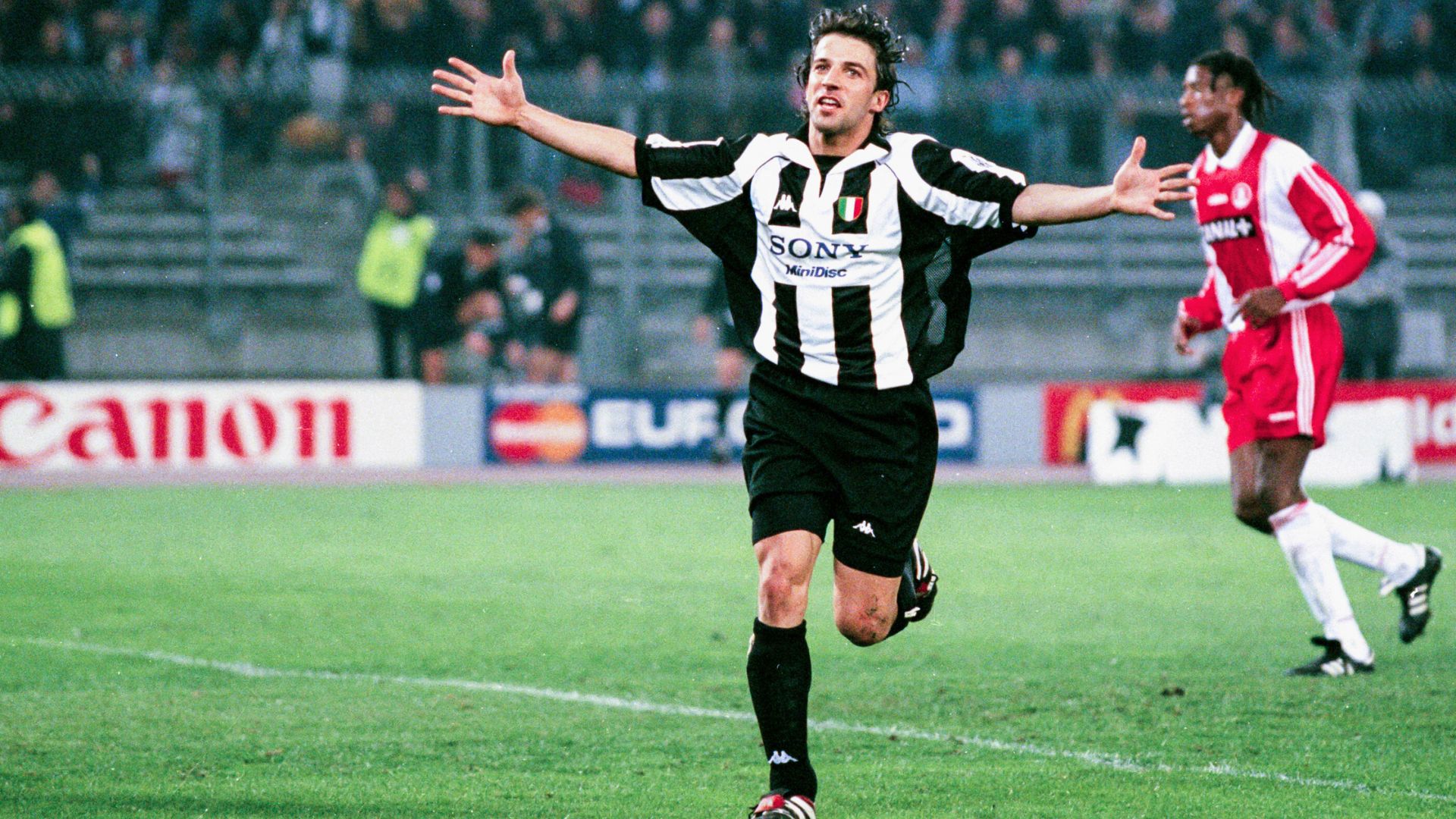
Franco Baresi, Paolo Rossi, Alessandro Del Piero, Francesco Totti and Andrea Pirlo all played at the tournament before making the leap to senior football and former Italy internationals Ciro Immobile and Bryan Cristante won the Golden Boy Award reserved for the best player of the tournament.
It remains a red-letter event in youth football’s calendar and central to the town’s rhythm, along with the carnival, which attracts approximately 500,000 visitors each year.
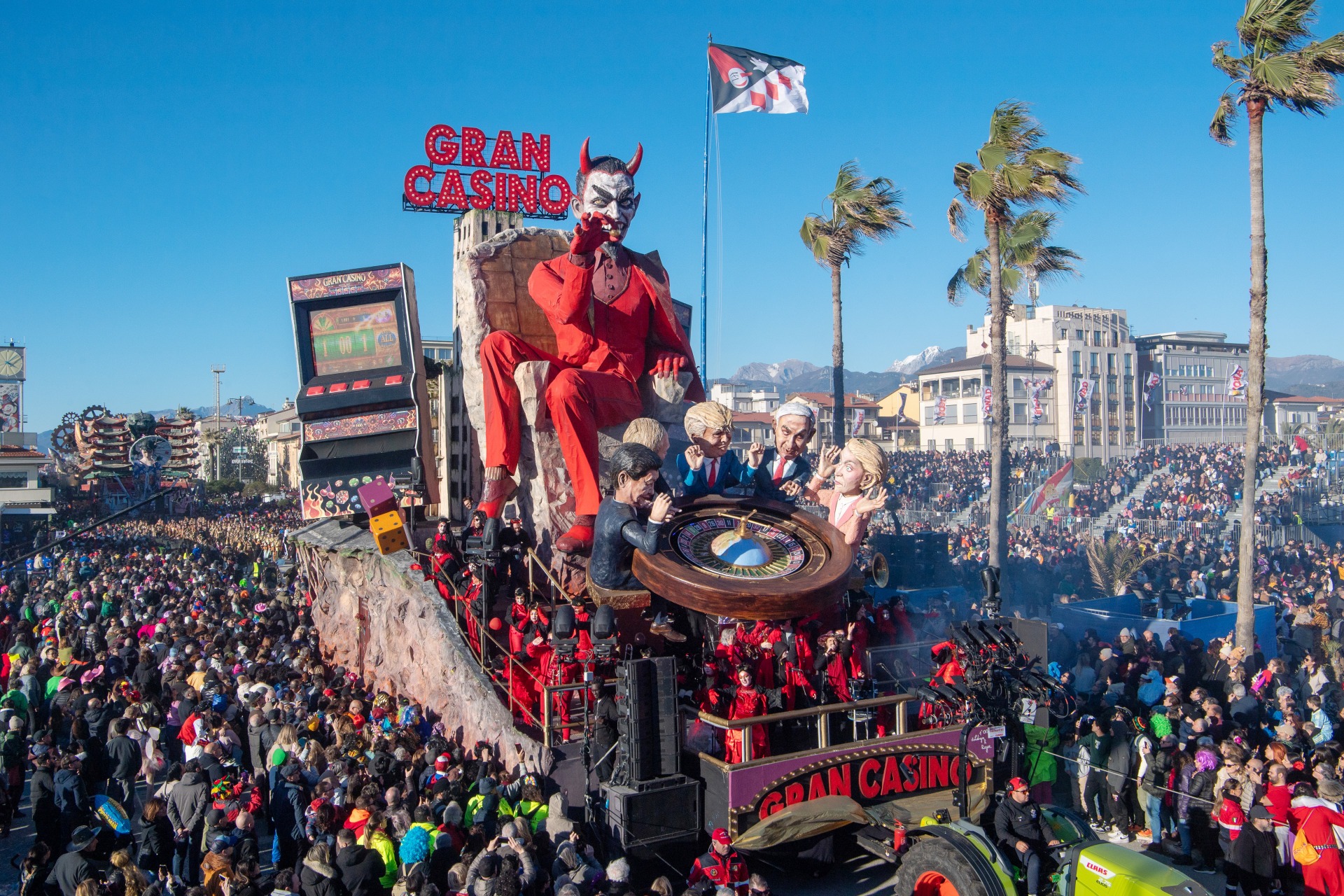
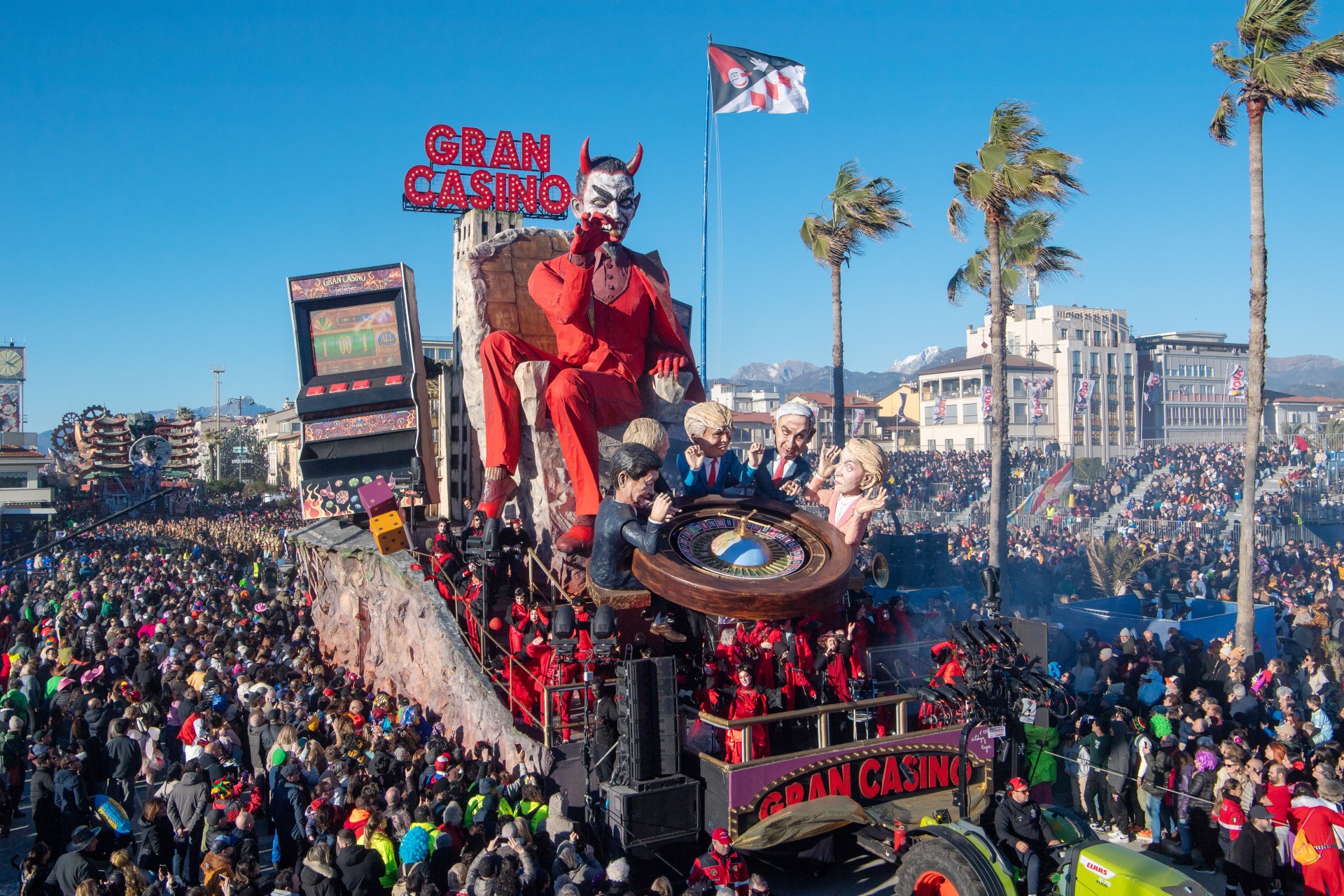
One of Europe’s most spectacular and culturally significant festivals, with its satirical floats, the Viareggio Carnival is drastically different from its counterpart in Venice, which is renowned for elegant masks and aura of mystery.
Presidents, prime ministers and dictators are targets of the artists, who use the carnival to shine a light on issues such as global conflicts and climate change.
The floats are made out of papier-mâché – Viareggio is considered the world capital of what Italians call cartapesta – and are extremely complex structures. Artists spend the year in a dedicated complex called the Cittadella del Carnevale (Carnival Citadel) building these masterpieces, which can be over 20 metres tall, weigh a jaw-dropping 40 tonnes and are fully mobile.
Teams of people are housed inside the floats to move them and turn them, as they parade along the Viali a Mare, the town’s promenade lined with Art Deco buildings and seafood restaurants.
And while the place comes alive during the February celebrations, summer is when it fully blooms.
The composer Giacomo Puccini was born in nearby Lucca and lived in Torre del Lago, just a couple of miles from the beaches of Viareggio. Every year in July and August open-air performances of his operas are staged at a festival in his honour.
Viareggio and Torre del Lago are popular destinations for Italian families on holiday while Marina di Pietrasanta and Tonfano also draw the crowds in summer. Forte dei Marmi is just a few miles away and has a real old-money feel. It has attracted wealthy Milanese and Florentine families for generations and is a magnet for footballers and figures from the Milan fashion world.
Head inland a few miles from there and you’ll discover Pietrasanta, a real gem where artists have lived for years. It is the place Michelangelo stayed when visiting quarries in nearby Carrara to choose the marble for his statues.
Viareggio is also a starting point for a stage of the Giro d’Italia and as for the football, the area is a bit of a hotbed. Lucca are down in the Eccellenza – the fifth tier – while Pisa will be back in Serie B from August and Livorno are half an hour away in Serie C. But if it has to be Serie A, Fiorentina is the nearest team in the top flight at one hour and 20 minutes on the fast train.
Related Topics
Related Articles
Related Articles
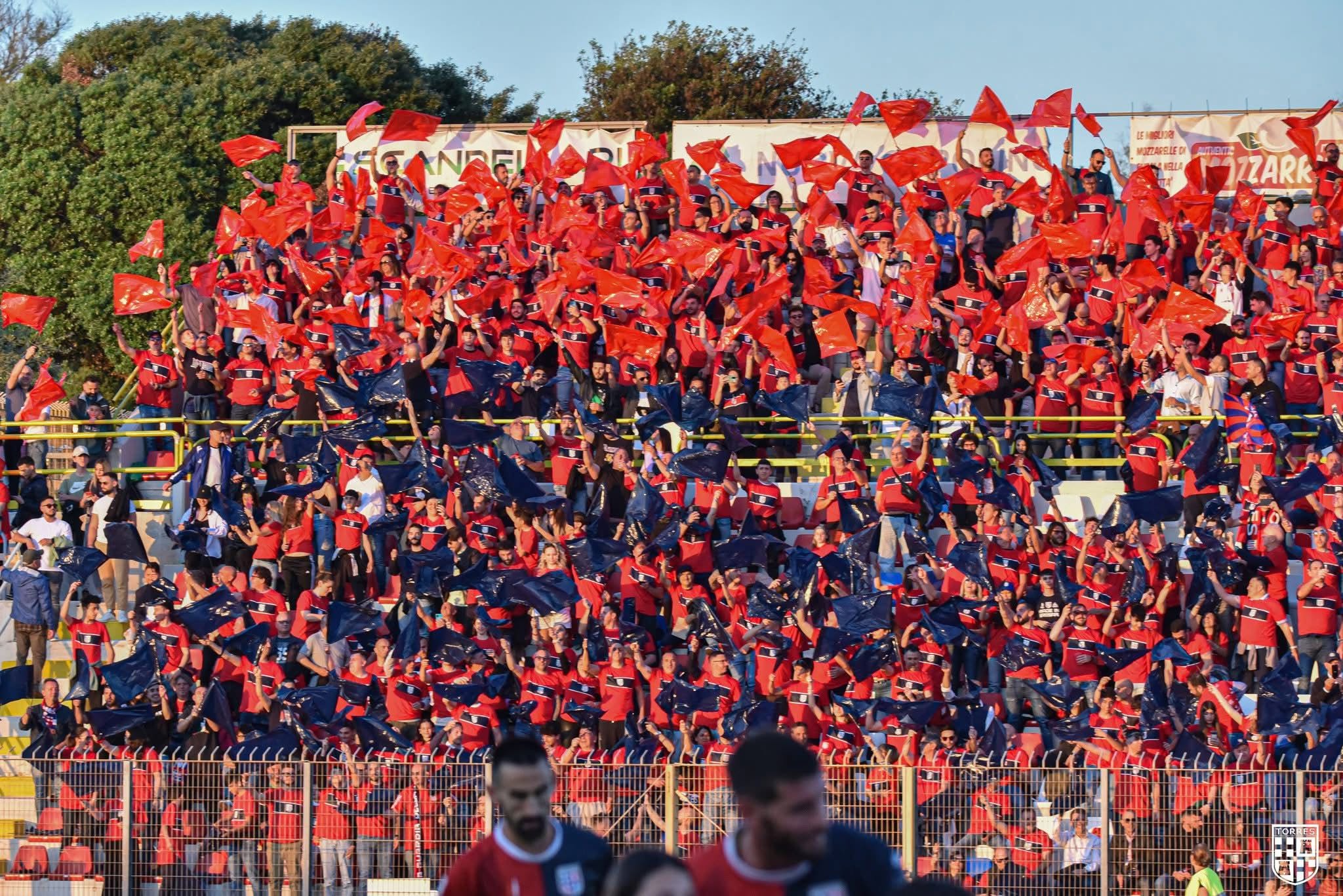
Sassari is Sardinia's second city and Torres, playing in red and blue at the Stadio Vanni Sanna, remain its clearest sporting focal point.
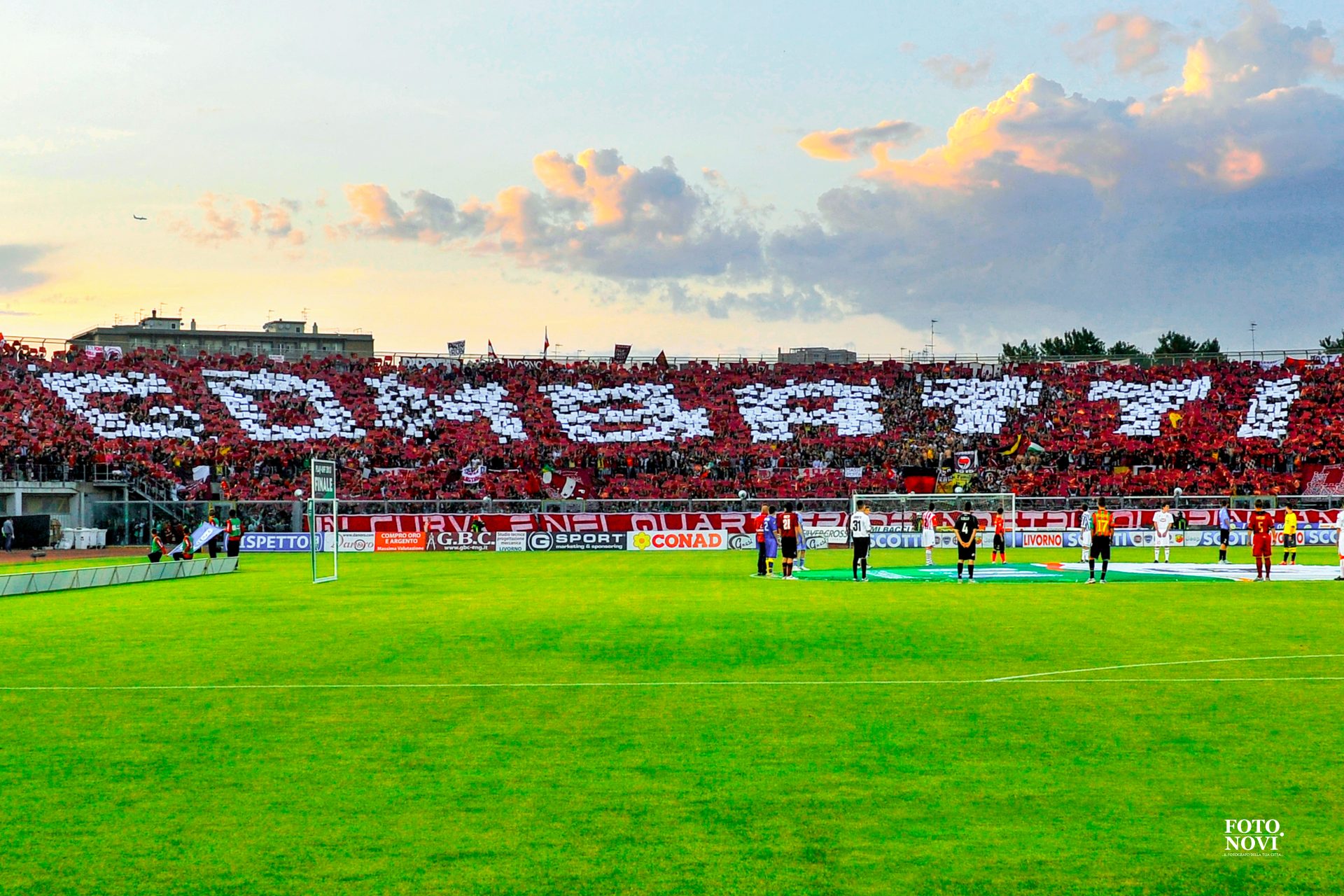
All the information on where and when to buy your tickets to watch Livorno in action in one of the third tier's liveliest atmospheres.
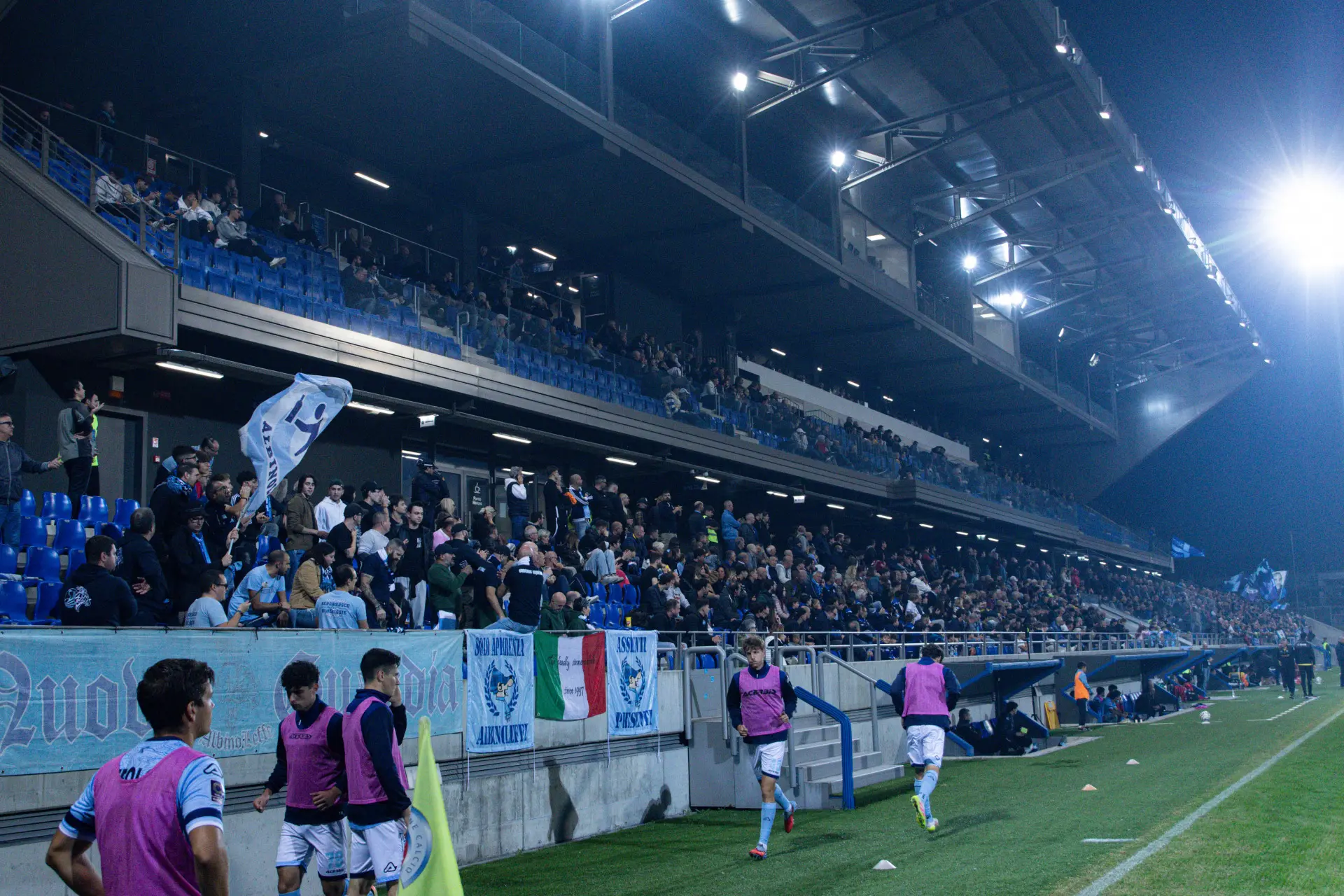
Roberto Mancini’s first game back as Italy boss ended in defeat. For one club near Bergamo, though, the result was almost a footnote.