
The 2001-02 Serie A season served up one of the most memorable final days in modern football history.
It started with Inter Milan top of the table and 90 minutes away from a first Scudetto since 1989. After years of spending money like water and bringing in some of the game’s greatest talents to no avail, Inter’s much-suffering owner Massimo Moratti was close to emulating his father Angelo in bringing a title back to the black-and-blue half of Milan.
Juventus were second, a point behind, with Roma third just two points off top spot. All three had a chance.
The state of play was this: Inter faced Lazio in the capital; Juve were away in Udine and Roma had a trip to Turin to square off against Torino. What transpired in the course of 90 minutes entered Italian football’s history books as simply ‘5 Maggio’ (May 5).
Goals from Alessandro Del Piero and David Trezeguet saw Juve ease past Udinese, while Roma saw off a dogged Toro side. Inter, meanwhile, lost their heads at the Stadio Olimpico. Despite taking the lead through Christian Vieri and drawing 2-2 by half-time, their confidence evaporated in the second 45 minutes. They lost 4-2, with Ronaldo – in his final game for the club – sitting on the bench sobbing, tears running through his fingers as the title returned to Juve for the first time in four years.
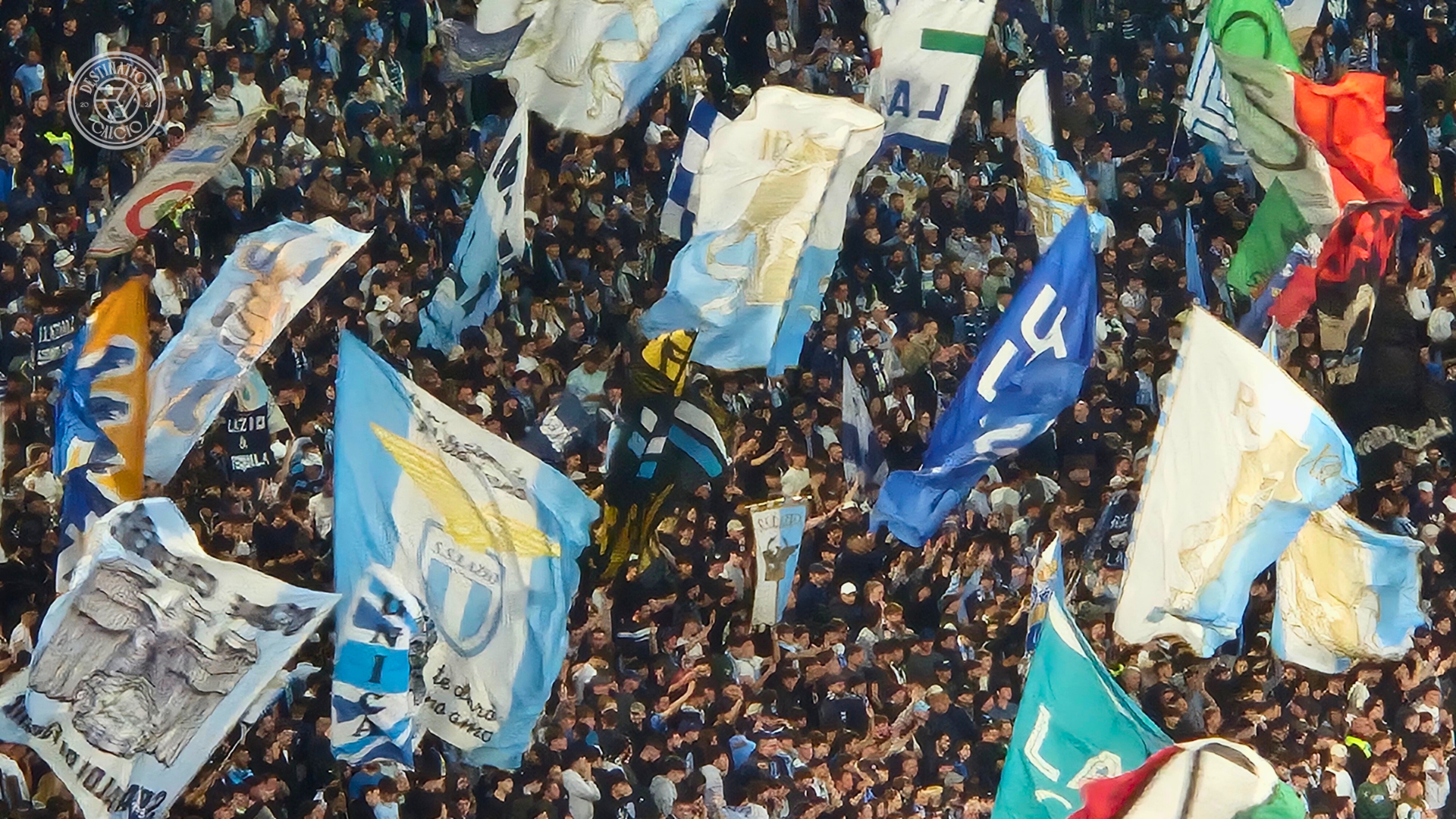
A disconsolate Ronaldo became the defining image of 5 Maggio. Yet many don’t remember the actions of Lazio fans that afternoon. Despite it being a home game, the entire stadium was decked out in black and blue, with Lazio fans fully in support of the Nerazzurri cause. ‘The Olimpico is one black-and-blue banner, neither Juve nor Roma, Inter champions’ screamed a banner in the Curva Nord.
Each of Lazio’s four goals that afternoon was punctuated by deafening silence, or boos from their own fans. They feared Roma retaining their title, yet they also supported Inter because the two sets of supporters have been bonded by twinning, or gemellaggio, for decades.
What is gemellaggio?
The concept stretches back to the late 1970s, with the first documented case of ultras being twinned coming from a game between Vicenza and Pescara. During a Serie B match between the two in January 1977, Pescara produced an away performance so dominant the home fans stood up and applauded. The next time the two sides played, a banner was raised with the words, ‘Vicenza-Pescara: no difference’ written on it. The two groups of supporters have been paired since, and the bond remains Italy’s oldest gemellaggio.
Other famous twinnings over the years include Roma and Napoli, Genoa and Napoli, Fiorentina and Hellas Verona, AC Milan and Brescia, Atalanta and Ternana, Juventus and Avellino and Parma and Sampdoria.
Of course, bonds are formed and then broken. The link between Roma and Napoli started to fray in 1987 when Napoli midfielder Salvatore Bagni made what’s been described as an ‘ugly gesture’ towards Roma fans during a match, and things never really recovered. It was broken for good in 1993 when clashes between the two sets of fans resulted in a spate of injuries. The bad blood continued into the 2010s, when Napoli supporter Ciro Esposito was shot and killed by Roma fan Daniele De Santis on the eve of the 2014 Coppa Italia final between Napoli and Fiorentina in the capital.
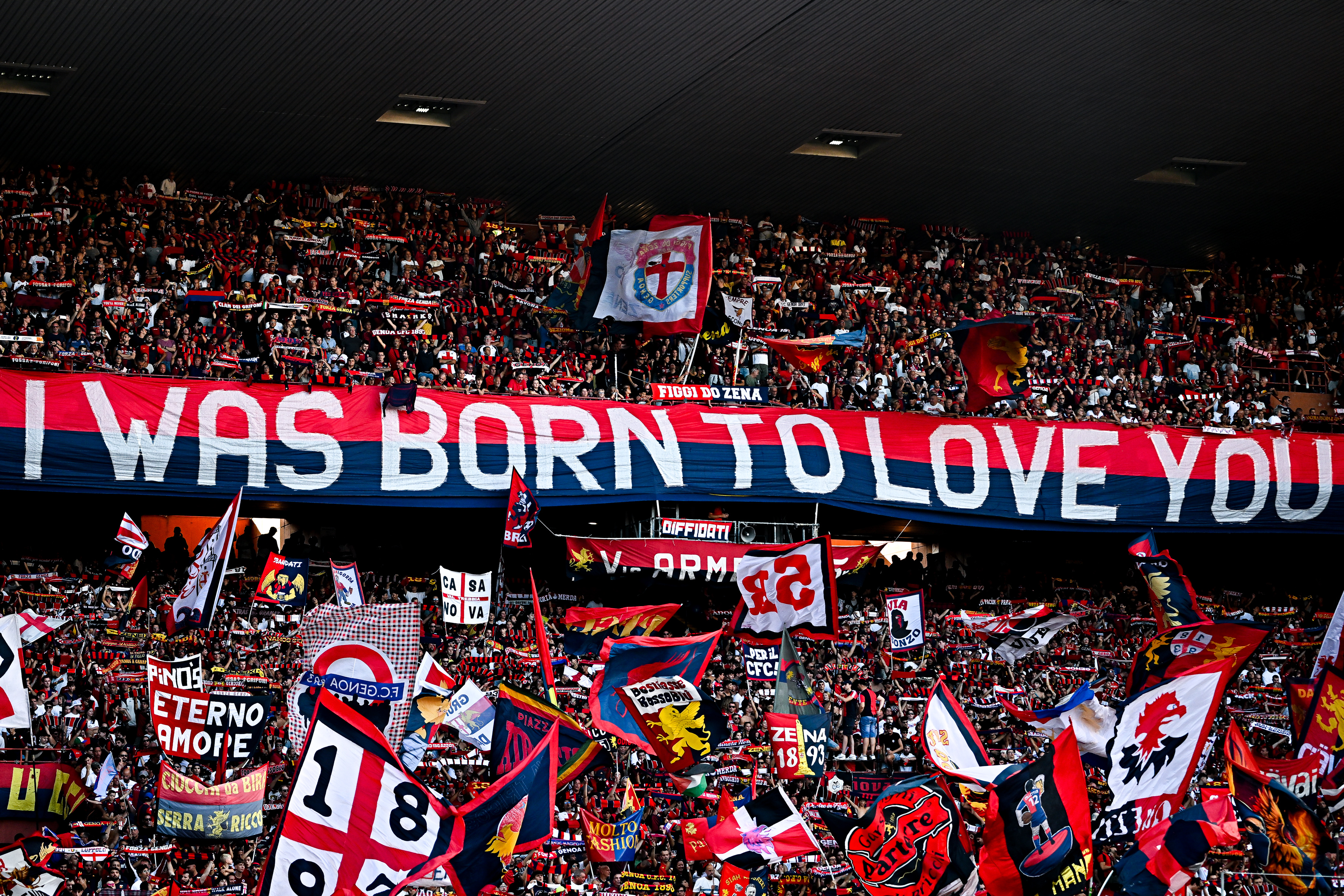
Napoli’s connection with Genoa is another that shattered in recent years. They had been twinned since 1982, when Napoli drew with Genoa on the final day of the season, a result that kept the Rossoblu in Serie A and relegated Milan.
The clubs won promotion together to Serie A at the end of the 2006-07 campaign at the Stadio Luigi Ferraris, and celebrated as one, the Marassi invaded by both sets of fans with hugs, tears of joy and every player stripped of their clothing as supporters grabbed souvenirs.
Yet the ultra world is ever-evolving, and the beginning of the end came in late 2018 when Inter fans ambushed Napoli supporters in the hours before a Serie A fixture between the two clubs. Daniele Belardinelli, a Varese ultra, travelled to Milan that night to help Inter’s ultras, due to their clubs also being twinned. Belardinelli died in the trouble.
The end of the relationship came when Genoa faced Inter at the Marassi four months later and displayed a banner in tribute to Belardinelli. This is common practice amongst all ultras, no matter the allegiance. Napoli’s Curva A, the main ultra group, didn’t see it that way and felt betrayed.
An official communique was released days after the game dissolving the relationship. Genoa, in turn, released their own, also terminating the link. Over time the ice has melted and despite the twinning being officially over, when Napoli won their first Scudetto in 33 years in 2023, Genoa fans toasted their triumph.
The enemy of my enemy is a friend
Many of the gemellaggi within Italy come from a shared political or cultural ideology such as Lazio and Hellas Verona who, while not having an official connection, have a mutual understanding through shared political beliefs and similar fan styles. Atalanta and Ternana groups share a bond because of their left-leaning views.
Pairings can also come about through a shared dislike. This is certainly the case with Fiorentina and Torino, whose common bond is their hatred for Juventus. Milan and Brescia meanwhile, are twinned due to their feelings towards Atalanta.
Yet pairings stretch across the political spectrum and aren’t confined to one side or the other. Fiorentina’s fanbase is traditionally left-wing and Verona’s is notoriously right, yet they enjoy a more than cordial relationship.
Moreover, twinning isn’t restricted to Italy, leading to some scarcely believable connections. Juve and Dutch side Den Haag; Sambenedettese and Bayern Munich; Sampdoria and Marseille; Modena and Sevilla; Juve Stabia and Paris Saint-Germain, for example, are all pairings.
Then you have the somewhat more believable ones, such as Inter with Nice and Valencia; Lazio with Real Madrid, West Ham and Real Betis; Milan with Partizan Belgrade and CSKA Sofia; Napoli with Celtic and Red Star.
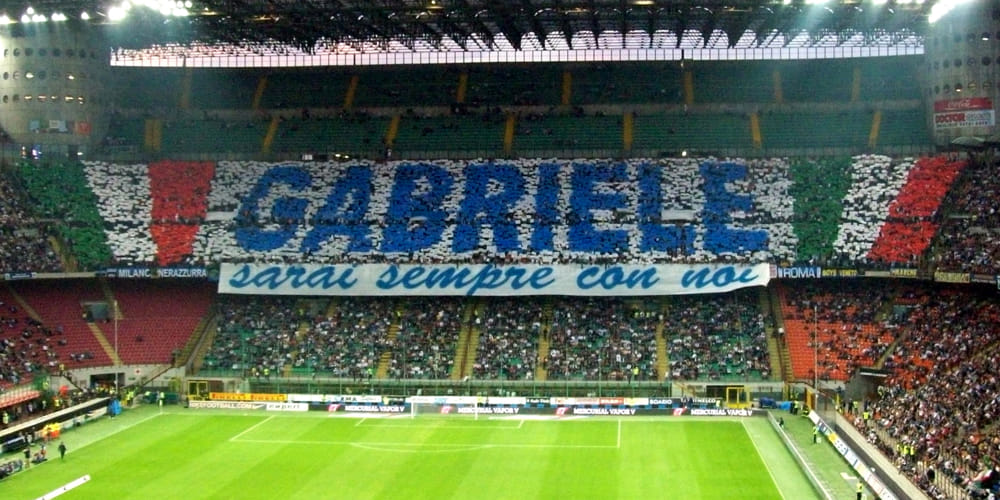
On a domestic level, the bond between Inter and Lazio appears to be the strongest and most well-known. When Lazio fan Gabriele Sandri was killed by a policeman on the way to a fixture between the two teams in November 2007, after a scuffle broke out between Lazio and Juventus fans at a service station near Arezzo in Tuscany, Inter’s main ultra group – Boys-San – produced a huge tribute to Sandri in a fixture between the pair 18 months later.
When Jose Mourinho’s Inter were battling Roma for the Scudetto in 2009-10 and facing Lazio in the business end of the campaign at the Stadio Olimpico, Lazio’s infamous Irriducibili urged the Biancocelesti to essentially lay down arms and allow Inter a win.
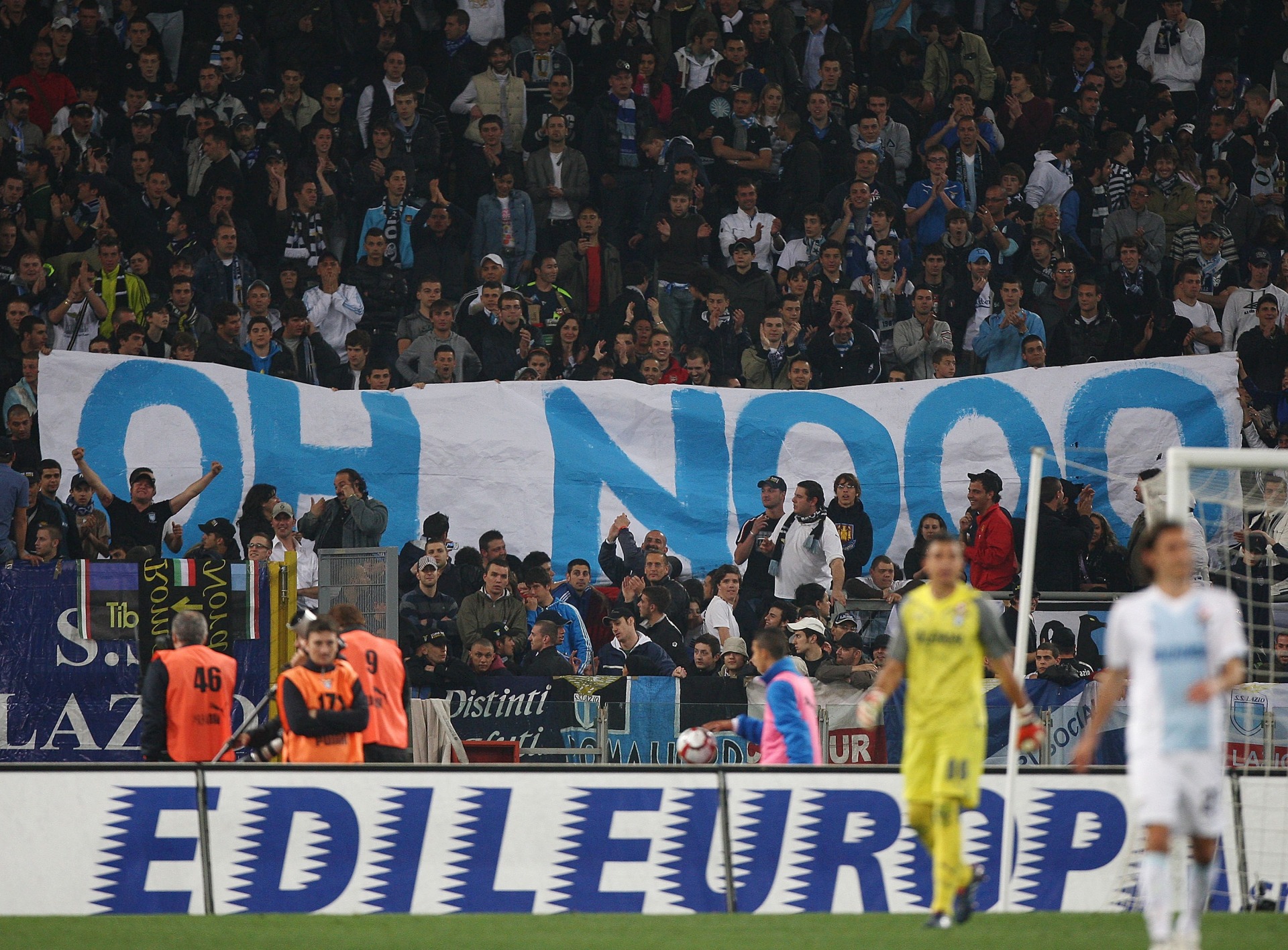
“Win, and we’ll beat you,” they chanted towards their own players. When Inter’s Walter Samuel scored, the roar from the Curva Nord was vociferous. Upon the full-time whistle and with a 2-0 win for the Nerazzurri secured, the Irriducibili unleashed a banner dripping with sarcasm, reading, ‘Oh Noooo’.
The phenomenon of twinning is a distinctly European thing, with the concept entirely alien to an English football audience, where tribalism is deeply entrenched. While it is gaining traction on the continent, it’s mostly prevalent in Italy.
The ultra world often makes headlines for all the wrong reasons, but without them games in Italy wouldn’t be half as colourful, half as loud or half as intoxicating. It’s a world under constant pressure to reform by the Italian authorities, but within it real bonds are formed, no matter political agendas.
The gemellaggio element is just one more interesting facet of a lifestyle most don’t fully understand but it is certainly worth taking into account ahead of travelling over for a game.
If being in the middle of a white-hot atmosphere is the deal-breaker, a match between twinned teams probably shouldn’t top the list. If a gentler calcio experience is the order of the day, then that’s different.
In Italian football, there really is something for everyone. You just have to know where to look.
Related Topics
Related Articles
Related Articles
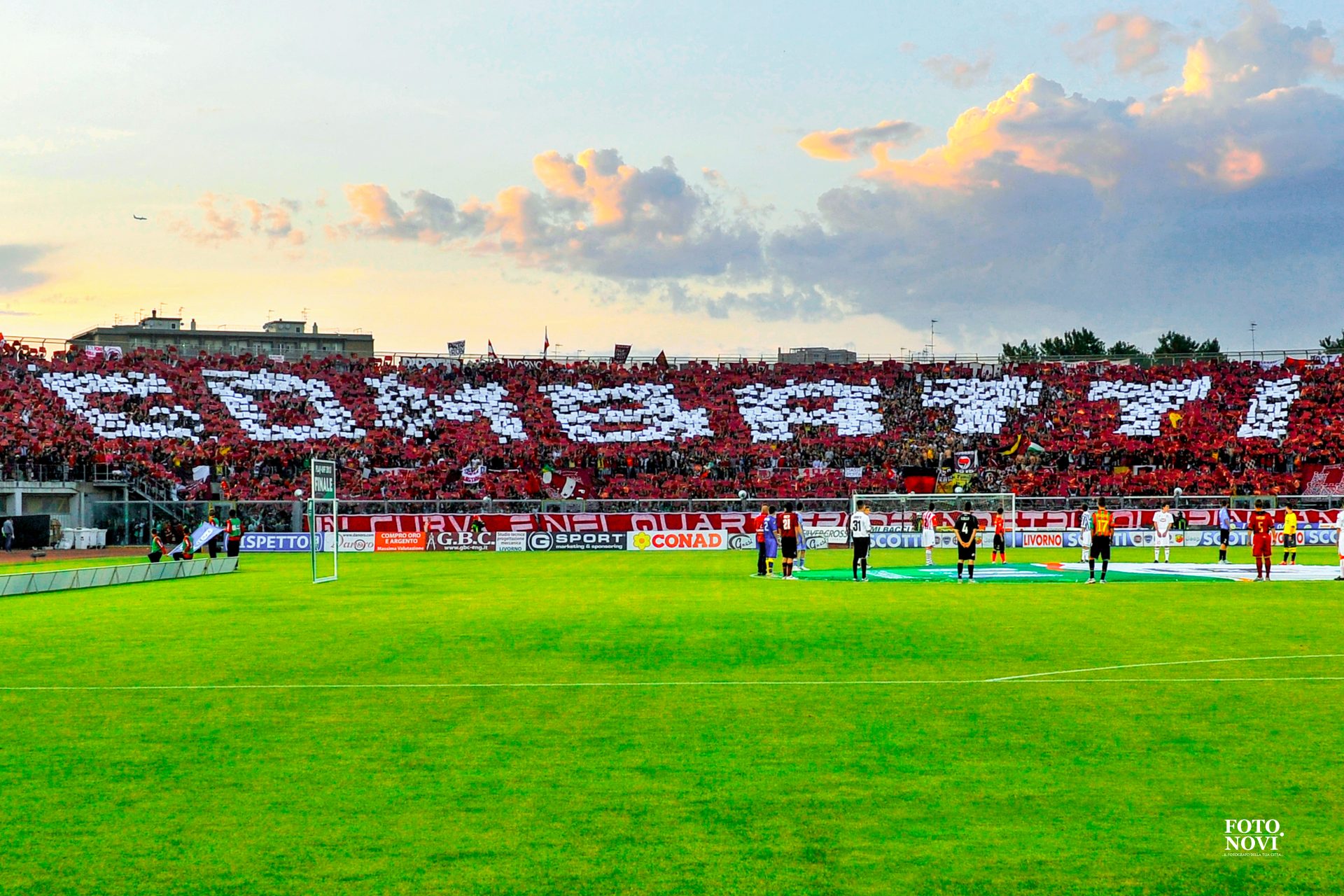
All the information on where and when to buy your tickets to watch Livorno in action in one of the third tier's liveliest atmospheres.
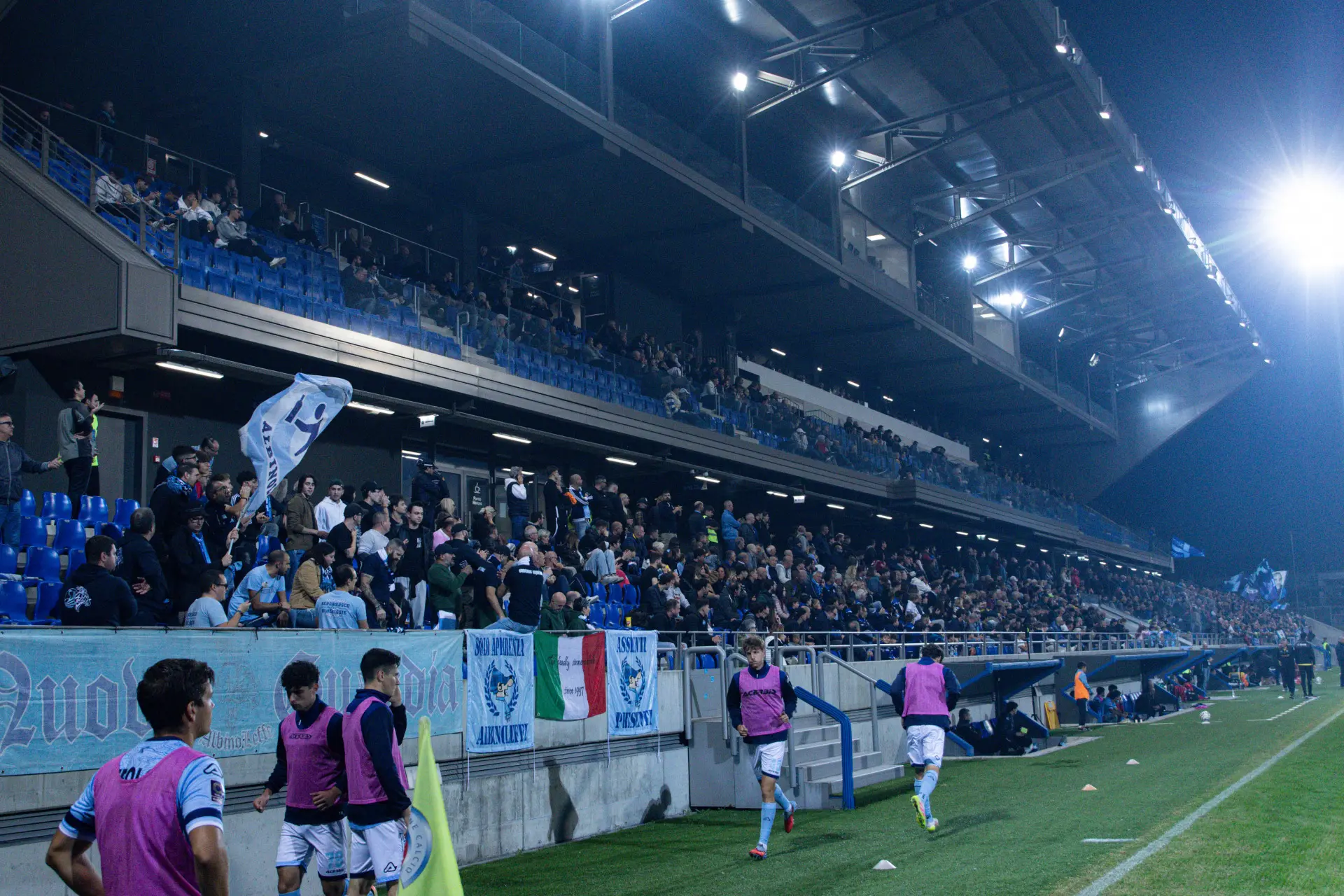
Roberto Mancini’s first game back as Italy boss ended in defeat. For one club near Bergamo, though, the result was almost a footnote.
The three brothers all grew up in Castellammare di Stabia, a city around half an hour's drive from Naples.