The 49 Italian Trips You Must Make: Nos 1-7… Cities and Towns Off the Beaten Track
By Emmet Gates
From the history of Rome to the lagoons of Venice and the Renaissance of Florence, Italy’s biggest cities are among the most-visited places on earth. Millions of visitors flock to the peninsula year after year.
But what about those that aren’t so well known? Italy is full of towns that are slightly off the radar for most travellers.
Here, we take a look at seven you might have missed.
Siena
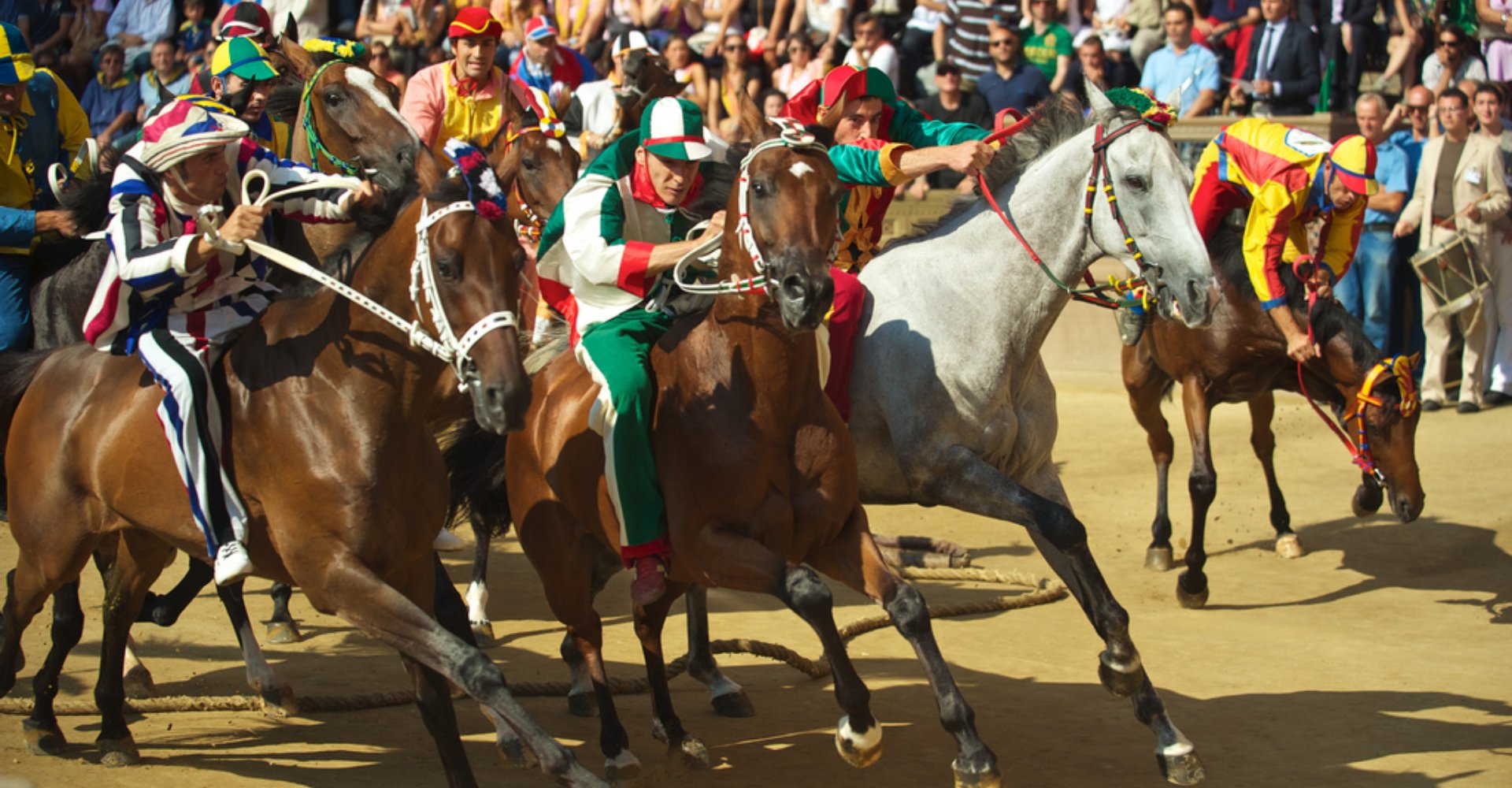
This really is a true gem. A gorgeous medieval hillside city, famous for its orange-infused roofs, 14th-century Torre del Mangia bell tower, Piazza del Campo with its shell-shaped design and, of course, the Palio, a historic horse race that happens twice every year, in July and August.
But this is more than just a race. This is one of the region’s most eagerly anticipated events. It takes place in Siena’s main square, brings everyone together, and has origins going back centuries. The race itself, with jockeys riding bareback, is wild and quick, but the days around it involve neighbourhood feasts, church blessings and a festival atmosphere that takes the whole year to organise.
As for the local football team, Siena were semi-regulars in Serie A in the 2000s, having the likes of Enrico Chiesa and Tore Andre Flo in their squad. The club has fallen on hard times in recent years and find themselves in Serie D.
Carrara
Located on the very northwestern tip of Tuscany, Carrara is famous for its marble, with over 600 quarry sites in the area. The Roman Empire used Carrara’s marble to build the Pantheon and Trajan’s Column in the Eternal City, and it was also used by artists, including Michelangelo.
Yet Carrara is just more than just marble. Like just about all cities and towns throughout the peninsula, it has a duomo dating back to the 12th century.
The real jewel in the city’s crown is the Palazzo Cybo Malaspina, constructed in medieval times and later becoming the mainstay of the Malaspina dynasty, a noble family from the Lombardy region. Nowadays the palazzo is used as a home for the Academy of Fine Arts.
This is very much a working city, perhaps not as polished as its more famous Tuscan neighbours, but with that marble cut into the Apuan Alps, the Liguarian Sea close by and a real local food culture – pork is aged in marble basins – it holds huge appeal.
It is also home to Carrarese, who are in Serie B and punching above their weight.
Matera
The region of Basilicata is one of the least-visited in the country. However, that is slowly changing. In 2025 Basilicata surpassed one million tourists – mostly domestic visitors – for the first time. The undoubted star of the region is the ancient city of Matera.
It rose to worldwide prominence as the setting for films such as Mel Gibson’s The Passion of the Christ in 2004 and Daniel Craig’s final outing as James Bond in No Time to Die.
The city’s true claim to fame, though, are the ancient cave dwellings, known locally as the Sassi. The houses, with evidence showing that people first lived in them as far back as 7000 BC, are dug into calcarenitic rock, a kind that is a characteristic of the Basilicata and Puglia regions.
People lived in the Sassi until the second half of the 20th century, when the Italian government declared them inhabitable and forced all of its residents into modern housing. Yet they’ve been mostly preserved and are now a UNESCO World Heritage site, with the city awarded the European City of Culture in 2019.
The city has a football club, Matera 1933, but they’ve never managed to scale up the pyramid and are out of the professional ranks entirely. Yet that shouldn’t put you off booking a trip to a true marvel of a city.
Perugia
Like Basilcata, Umbria is a region that flies under the radar for most international travellers. Situated right in the heart of the country, Perugia is the region’s capital and is described as the ‘chocolate capital of Italy’ due to its Perugina factory and the Eurochocolate Festival that takes place every year, usually in October or November.
Perched on a hillside in the Tiber Valley, Perugia is a university town, with its University for Foreigners drawing in people from all across the world. The city also has a university for Italians, which has been in existence since 1308.
Known for its Etruscan history, Perugia has large ancient walls that can be walked along, offering sublime views of the town. Every July the city hosts the Umbria Jazz Festival. James Brown, Prince, Alicia Keys and Lady Gaga have performed over the years.
The city’s football team are known for their memorable spell in Serie A in the late 1990s and early 2000s. Now, they find themselves in Serie C after a turbulent recent history, but the Stadio Renato Curi can be an atmospheric ground when full.
Monopoli
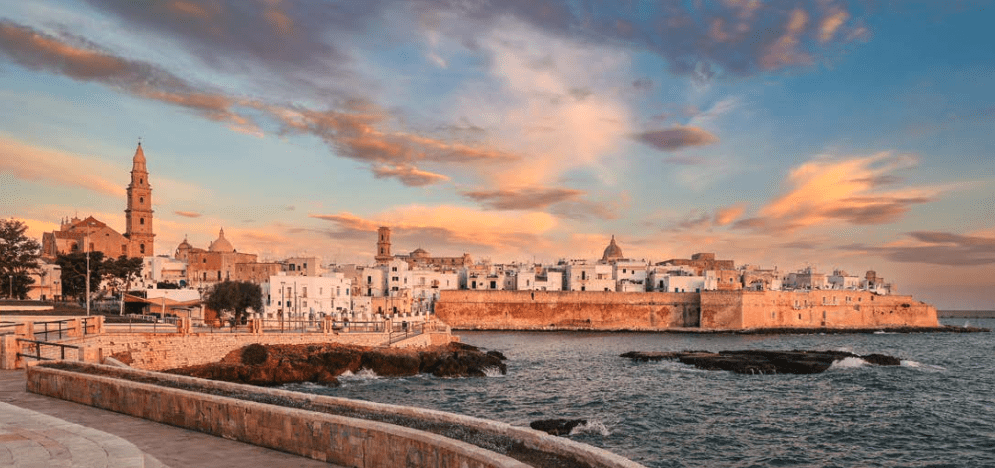
A coastal town 25 minutes by train from Bari, Monopoli is a real delight from the minute you arrive. Brushed with the same whitewashed buildings that are a common sight in this part of the boot, Monopoli is very easy on the eye.
The old town is a maze of pedestrian-only alleys, teeming with shops, cafes and restaurants. While Monopoli isn’t packed full of things to do, that’s part of its charm. It’s all about the slow travel here.
After exploring Castello Carlo V and the Basilica of the Madonna della Madia, head down to the city’s old port – Portico Antico – and enjoy a gelato while people-watching as the sun glistens off the water that feeds into the Adriatic Sea.
Monopoli, like many towns in Puglia, also has a beach that is popular with locals from May right through to October.
As for the football, Monopoli are in Serie C, where they have played for the better part of the last decade.
Lucca
The walled city of Lucca is another within Tuscany that often gets overlooked for the region’s more well-known hotspots. Around 70 minutes by car or train from Florence, it is a delightful city that, like Siena, offers so much.
Known as the City of Art, Lucca’s historic centre has mostly been kept intact over the centuries, with its Piazza dell’Anfiteatro, Guinigi Tower and Torre delle Ore the highlights within the walls. Visitors can walk or cycle on top of the 2.5 miles of walls that enclose the old town, and enjoy the spectacular views over the rest of the town.
Lucca receives nowhere near the volume of traffic that Florence or Pisa gets, and so depending on the time of year, it is possible to walk around around the city hassle free, avoiding long queues to get into the tourist attractions. Life in Lucca is undoubtedly slower than in the bigger Tuscan cities, and that’s not a bad thing.
On the pitch, Lucchese generally tend to play in the lower echelons of the pyramid, having last been in Serie B in 1999. They’re now in Serie D.
Trieste
Trieste is in many ways a curious place. Due to its close proximity to Slovenia, Croatia and its role in the Habsburg monarchy from the 1300s to 1918, the city is an eclectic mix of Italian, Slavic, Germanic and central European influence.
The result is that Trieste feels different from other Italian cities. The architecture is different and the city is home to a wide range of ethnic groups and religious communities, with the town having everything from Catholic cathedrals to Greek and Serbian Orthodox churches to synagogues. Yet this is exactly the reason to pay Trieste a visit.
With the Canal Grande and the massive Piazza Unita d’Italia two of the main attractions, there is no shortage of things to see and do. Located in the Venezia-Giulia region, Trieste doesn’t pull in anything close to the number of tourists that nearby Venice does, and so the city offers a respite from the chaos.
Heading down to Molo Audace to catch the sunset with very few tourists around sounds like an ideal way to end a trip after a few days in Venice. The city’s team, Triestina, are facing financial hardship but their Stadio Nereo Rocco is one of the best in the country, a 26,000-seat arena that’s super modern, having been renovated in 2019.
Related Topics
Related Articles
Related Articles
We will be showing 18 Serie B matches LIVE and for FREE in October and November between the two international breaks.
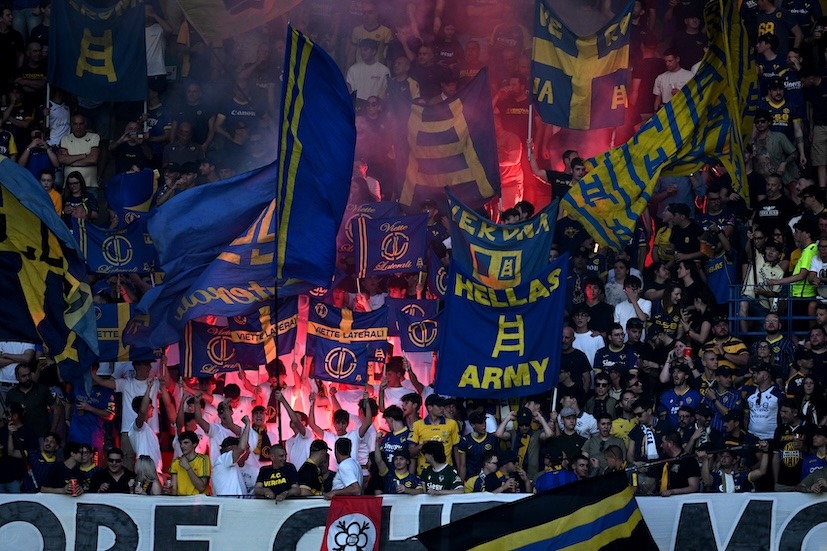
The biggest derby in Veneto headlines the latest triple-header of Serie B fixtures live on Destination Calcio TV.
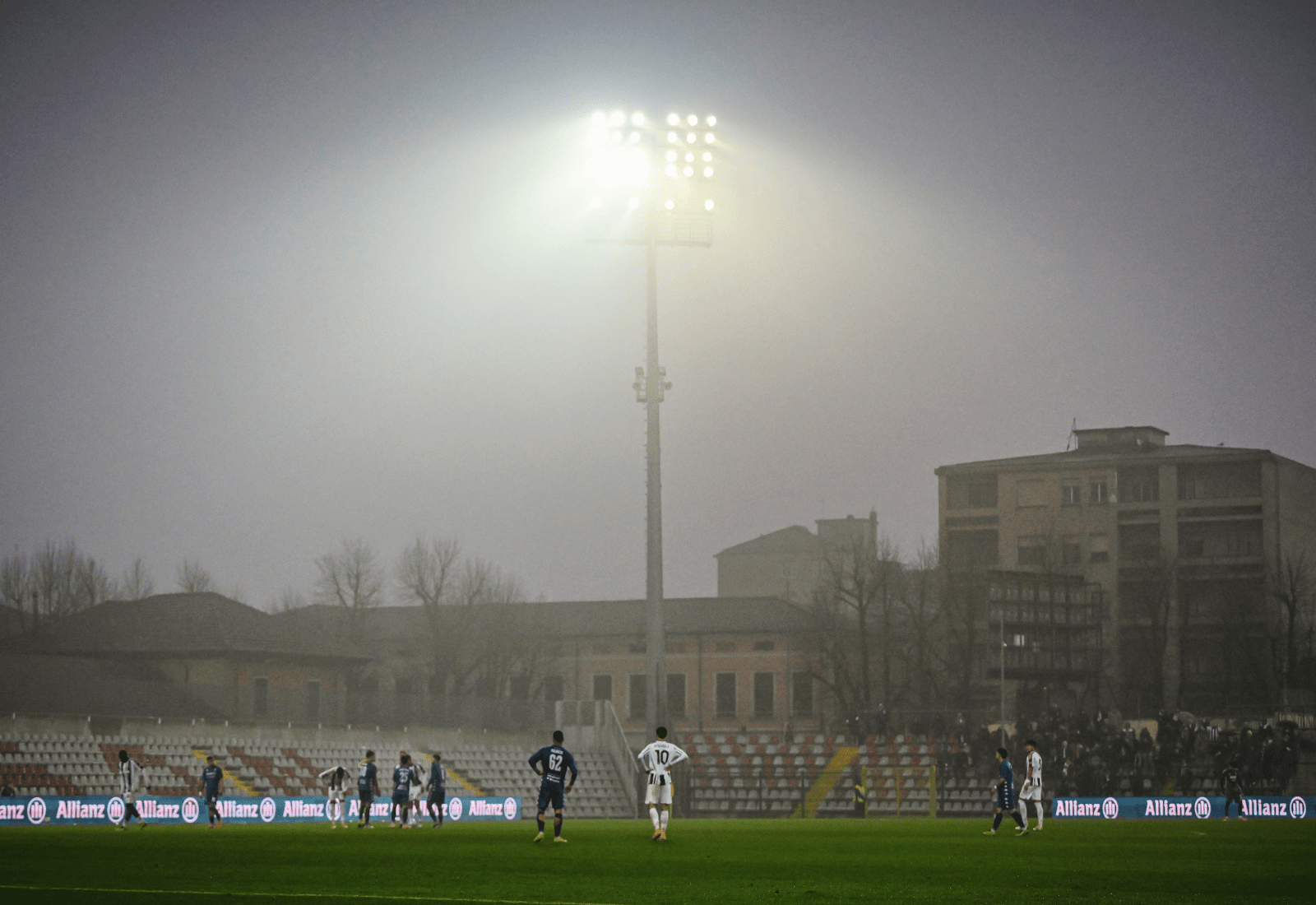
The U23s play a full professional season in the same division as clubs founded in 1900 with ultras, debts and towns behind them.