
Brits Abroad: What Souness, Gascoigne and Hateley Wrote About Life in Italy
By Emmet Gates
To celebrate BookCity Milano, we have featured the best books about Italian football, highlighted some of the most entertaining autobiographies on the shelves, and revisited the Miracle of Castel di Sangro 30 years on.
Here, we take a look at what some of Britain’s finest players wrote about their time on the peninsula.
Graeme Souness
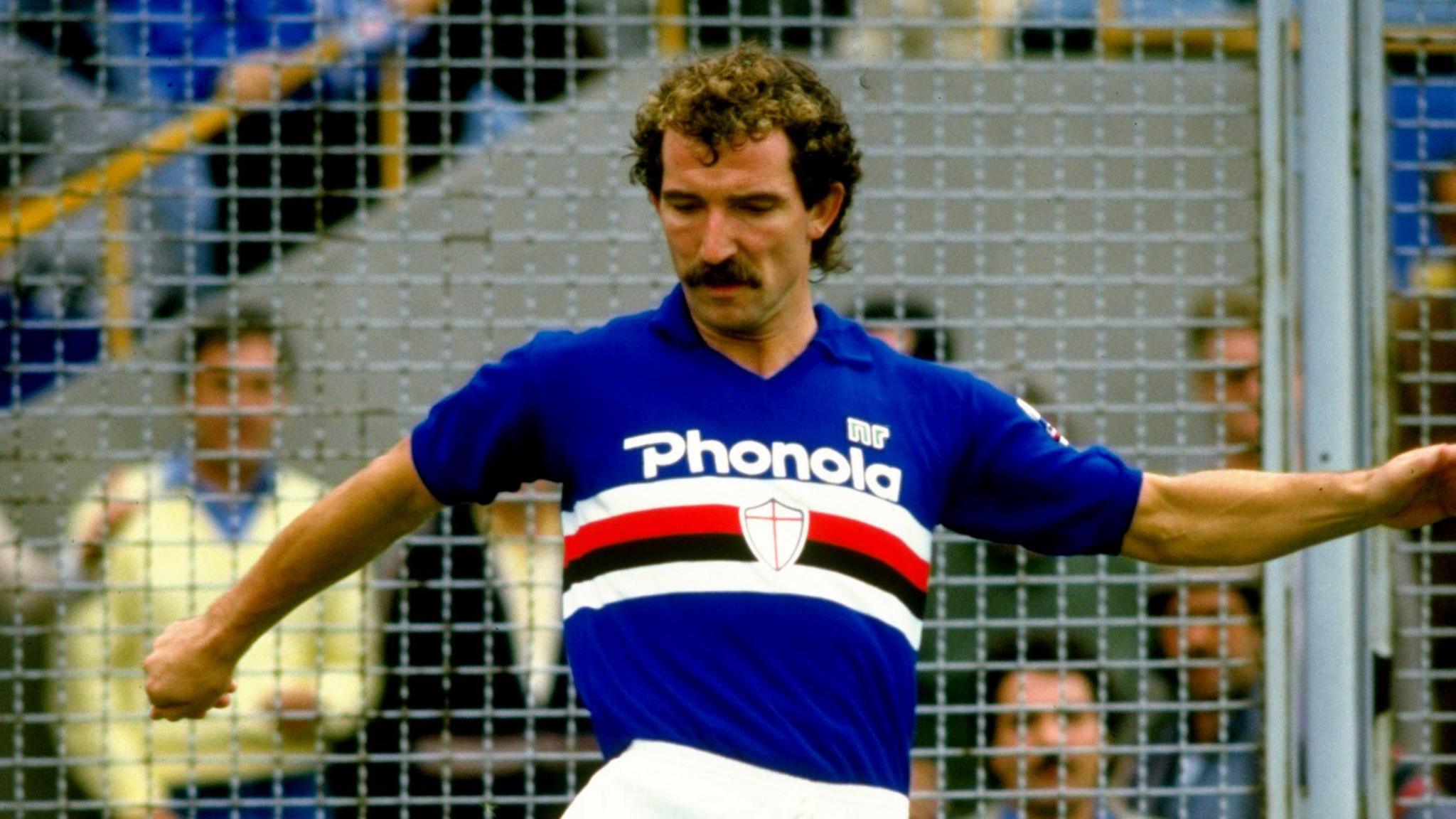
One of Scotland’s greatest-ever midfielders, Souness won everything there was to win in the game with Liverpool. Aged 31 and seeking a new challenge following a third European Cup triumph, against Roma at the Stadio Olimpico, Souness turned down an approach from Barcelona and opted for Sampdoria and Serie A.
“The globetrotting had brought me to the idyllic Italian seaside town of Nervi, along the coast from Genoa, the home of Sampdoria,” he wrote in his 2026 book My Rangers: How I Changed Scottish Football For Ever.
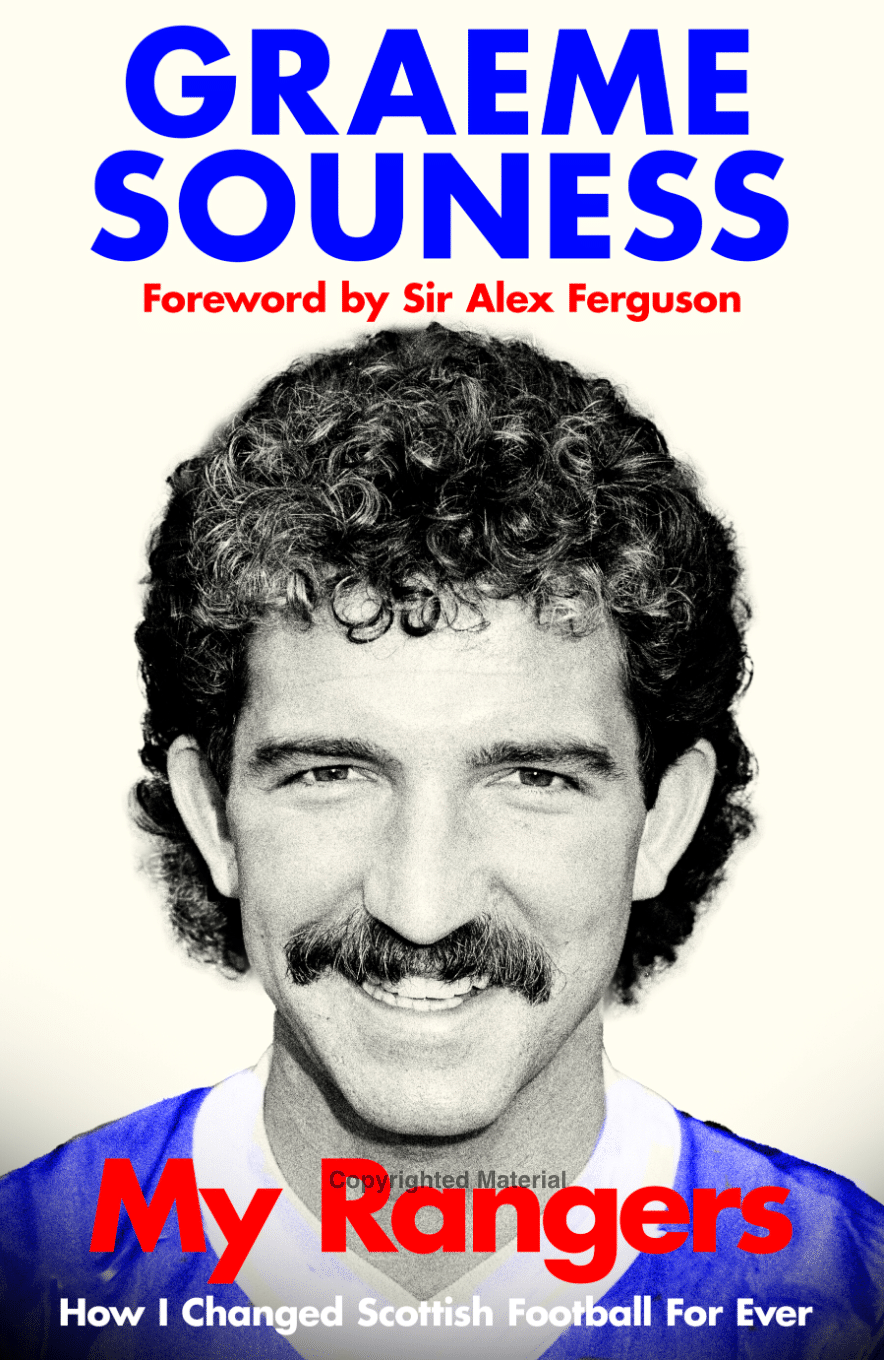
“I had a beautiful house and a garden that went all the way down to the Mediterranean. It had been a traditional fishing village but was now a chic small town with trendy boutiques and fabulous restaurants. Some claim that it was the birthplace of Christopher Columbus.”
After Liverpool, Genoa felt like a different world to Souness. “I absolutely loved it. What a place to call home. It was a stunning setting. Lovely. La dolce vita.”
Tasked with being an older, wiser head in a young side containing Roberto Mancini and Gianluca Vialli, he helped Sampdoria win their first major trophy, the Coppa Italia in 1985, beating AC Milan over two legs. Souness believed he would be calling Genoa home for the next few years.
“Nothing, I thought, can alter this course. Aye, very good, Graeme. I was to discover that life does not always work out the way you think it will,” he explains in the book.
Rangers came calling in the summer of 1986 with the offer of a player-manager role. Souness accepted, and his Italian adventure finished after two years. Yet he cherishes the time he spent in Serie A. Although it was brief, he never forgot it.
Paul Gascoigne
The English midfielder’s move to Lazio in the summer of 1992 changed lives, and the butterfly effect was the introduction of Gazzetta Football Italia on Channel 4, bringing the world’s best football to UK screens for free throughout the rest of the decade.
The anticipation surrounding Gazza’s debut against Genoa was enormous. He hadn’t played any competitive football for 16 months due to injury, and at the Stadio Luigi Ferraris, received an early welcome from a Genoa player.
“Just before half-time, Mario Bortolazzi whacked me in the knee and I went down like a sack of spuds,” the Englishman wrote in Gazza: My Story. “The crowd fell silent, thinking I’d been badly injured, but I got up and shook the guy’s hand. ‘Thanks, mate,’ I said. In Italian.”
His three years in the Eternal City were troublesome, to say the least, punctuated by injuries and off-field issues. By the time he left Lazio to sign for Rangers in 1995, he had played only 43 Serie A games, scoring six times.
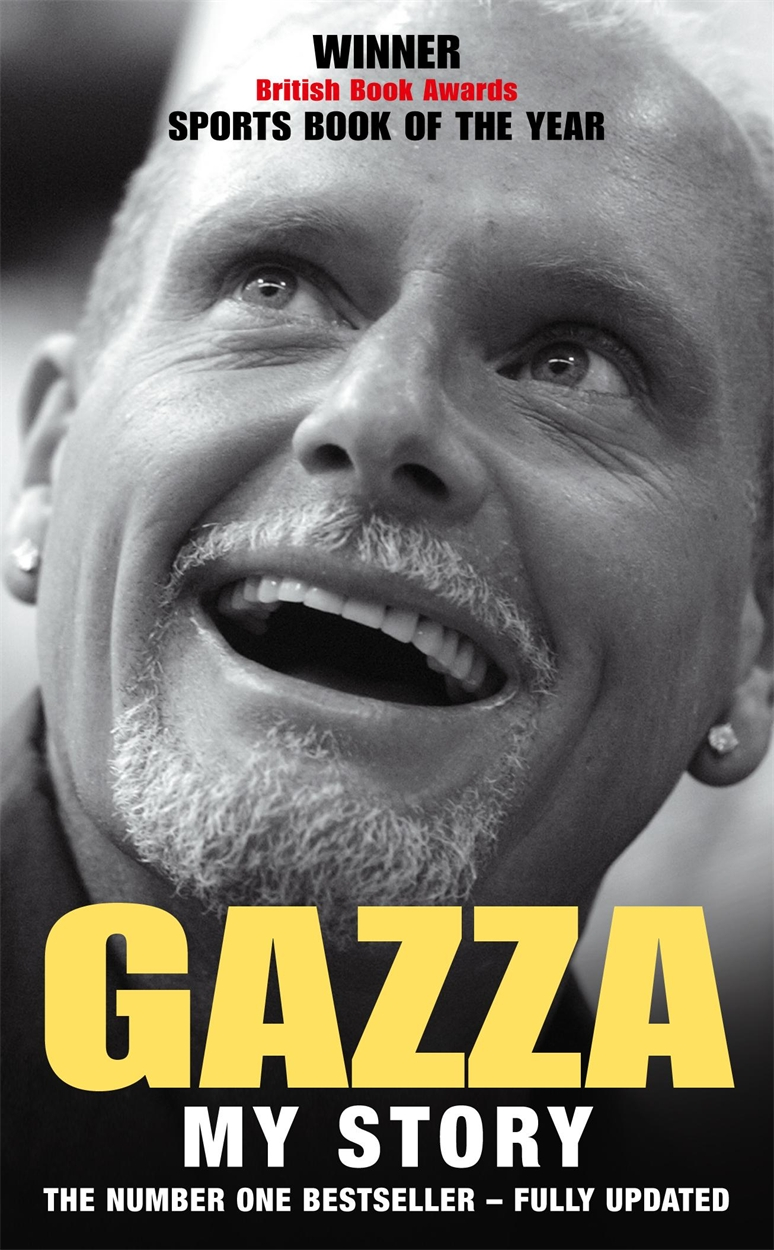
Yet, like Souness, Gascoigne looks back on his time in Italy with fondness. “Much as I loved Italy and Lazio, I had had enough of (coach) Zdenek Zeman, and he had probably had enough of me,” he wrote.
“All my injuries buggered up a lot of my time at Lazio, but the Lazio fans never turned against me. So all in all, I have very fond memories of Italy and no regrets about moving to Lazio.”
The Rome chapter in the book is full of tales of brilliance on the pitch, mixed with pranks and stories off it. He talks about the time he jumped into a fish tank in a Roman restaurant to hand the waiter the lobster he wanted.
In the years since, Gascoigne has received a thunderous ovation whenever he returns to the Stadio Olimpico to watch Lazio. “Welcome back Gazza. Lionheart, headstrong, pure talent, real man: still our hero,” read a banner from the Curva Nord when the Biancocelesti played Tottenham in a Europa League tie in 2012.
Mark Hateley
Hateley joined AC Milan in the summer of 1984 alongside fellow Englishman Ray Wilkins, as the Rossoneri looked to consolidate their position back in Serie A.
He entered Milan folklore when he scored the winner in his first Derby della Madonnina – a majestic header that instantly earned him cult-hero status, after he leapt high above Inter defender Fulvio Collovati to power home the cross.
Milan hadn’t won a derby in nearly a decade, and the image of Hateley’s header decorated teenage bedrooms across the red-and-black half of the city for years, becoming almost a symbol of a club’s rebirth.
Hateley’s candid 2021 autobiography, Hitting the Mark: My Story, dedicates a chapter to his life in Milan, delving into the lifestyle differences and the club during those pre-Silvio Berlusconi years.
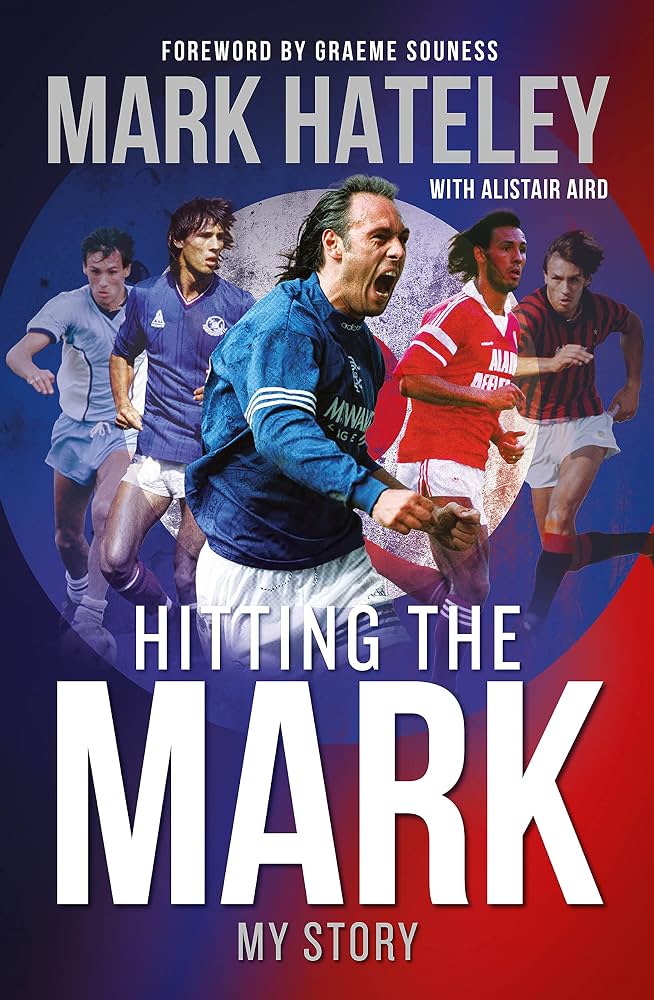
“There was 92,000 people in, I’m going to say, a 78,000 stadium, no word of a lie, you couldn’t see any of the exits,” Hateley said of his first derby experience to Undr the Cosh podcast recently. “I’ve got pictures of it and all you can see is people’s faces. It was hairs-on-the-back-of-your-neck stuff.”
Hateley’s goal meant even more to the Rossoneri faithful because of who he had out-jumped that day. Collovati had left Milan for Inter following club’s relegation in 1982.
“It is an iconic goal. I think it was voted one of, if not the best ever, Milan derby goal. I’m happy that I could achieve that. That goal will live with me forever. It’s good memories,” he said.
He was forced to make way in the summer of 1987 for the incoming Marco van Basten. Despite his progress being interrupted by injury, he loved his three years in Italy and this comes across in the book, which also features contributions from Milan legends Paolo Maldini and the late Franco Baresi.
And thanks to his goal in the derby, he’ll forever be associated with kick-starting Milan’s rise back to the top.
Related Topics
Related Articles
Related Articles
To celebrate BookCity Milano, we've picked out three of the best reads from the world of Italian football.
Here are the essential reads for anyone looking to understand or fall in love with Italian football.
Black Friday has been given a red and blue tint at San Siro after the Milan giants lowered their ticket prices as part of the promotion.