
Baggio, Pirlo and Ancelotti… The Calcio Autobiographies You Must Read
By Emmet Gates
BookCity Milano returns for a 15th edition this month. The event lasts a week and has plenty of smaller sub-events within the overall festival, such as the Sprint Milano Art Book Fair.
Over the years, the BookCity Milano initiative has hosted thousands of authors. The aim of the event is to ‘bring books to where the readers are’, with similar events popping up in other parts of the Lombardy region including Como, Cremona, Lodi, Monza, Pavia and Sondrio.
The events run from November 23-29 across libraries, theatres, museums, and cultural spaces in the city. So, with books in mind, we’ve decided to take a look at some of the best autobiographies from the world of calcio.
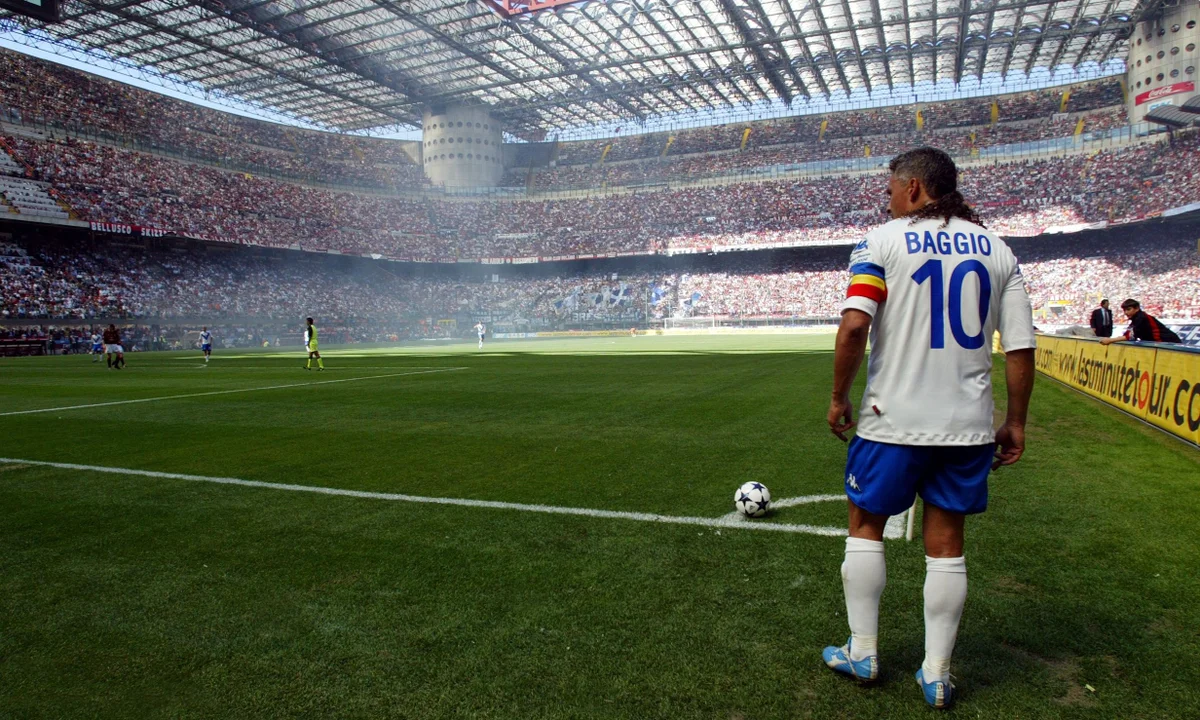
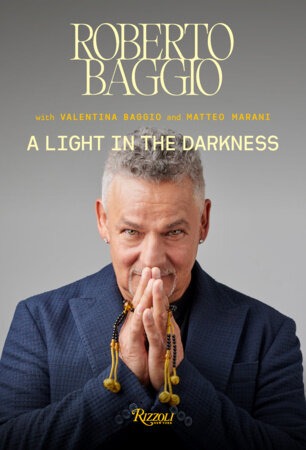
Roberto Baggio – Una Porta nel Cielo (A Door in the Sky)
Arguably Italy’s greatest-ever talent has written two books, the first of which was released in 2001 when he was still a player at Brescia.
Una Porta nel Cielo walks the reader through Baggio’s life and the key moments in it: his start at Vicenza, the punishing knee injuries that almost curtailed his career before it even started, his ascent at Fiorentina and conversion to Buddhism, Italia 90, the controversial move to Juventus, that penalty miss and his difficulties with some of Serie A’s best coaches.
“Perhaps they (Italian coaches) were a bit jealous as everybody used to love me, even opposing fans,” Baggio wrote. “Was I stealing the show, denying them the role of protagonists they were desperately claiming for themselves? Modern football is increasingly dominated by the coaches and their narcissism.”
Born in Caldogno, a small town near Vicenza, Baggio recalls a childhood spent outdoors. “The endless challenges with my schoolmates, cousins, friends,” he recalled. “We’d come home, grab a quick bite to eat, and then we’d be back on the field.
“We played every single day, endlessly, until darkness or our parents’ yelling forced us to go home. Tired. Exhausted…”
After playing for Vicenza, he moved to Fiorentina in the summer of 1985 and it is perhaps in Florence that he truly felt at home. “I’m very grateful to the city and the fans of Fiorentina because they’ve always wished me well,” he said. “I practically didn’t play for two years and I’d go to pick up my salary, but didn’t have the courage to put it in the bank.
“I felt the love of the people and I still hadn’t played. That stayed with me.” Baggio revealed that he didn’t want to leave Fiorentina for Juve in the summer of 1990, because he felt he owed the Tuscan city a debt of gratitude.
From the old Stadio delle Alpi and San Siro to the more intimate Stadio Renato Dall’Ara and the tight Stadio Mario Rigamonti, Baggio called these stadiums home throughout a nomadic career. Yet he somehow managed to win the hearts of fans all across the nation, no matter their allegiance.
The book is a tremendous and authentic journey through Italian football at the height of its dominance, outlined by a player who was one of its brightest stars in a galaxy full of them.
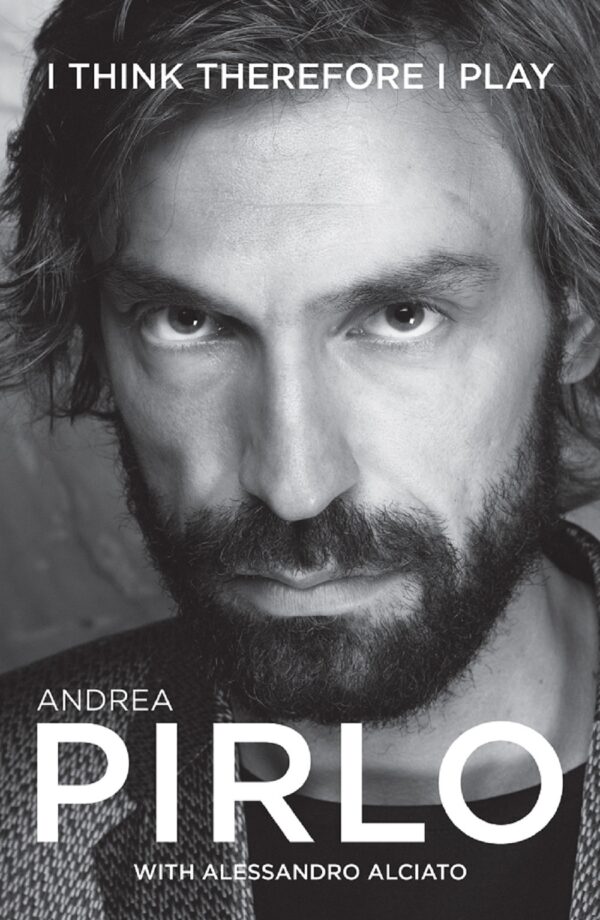
Andrea Pirlo – I Think Therefore I Play
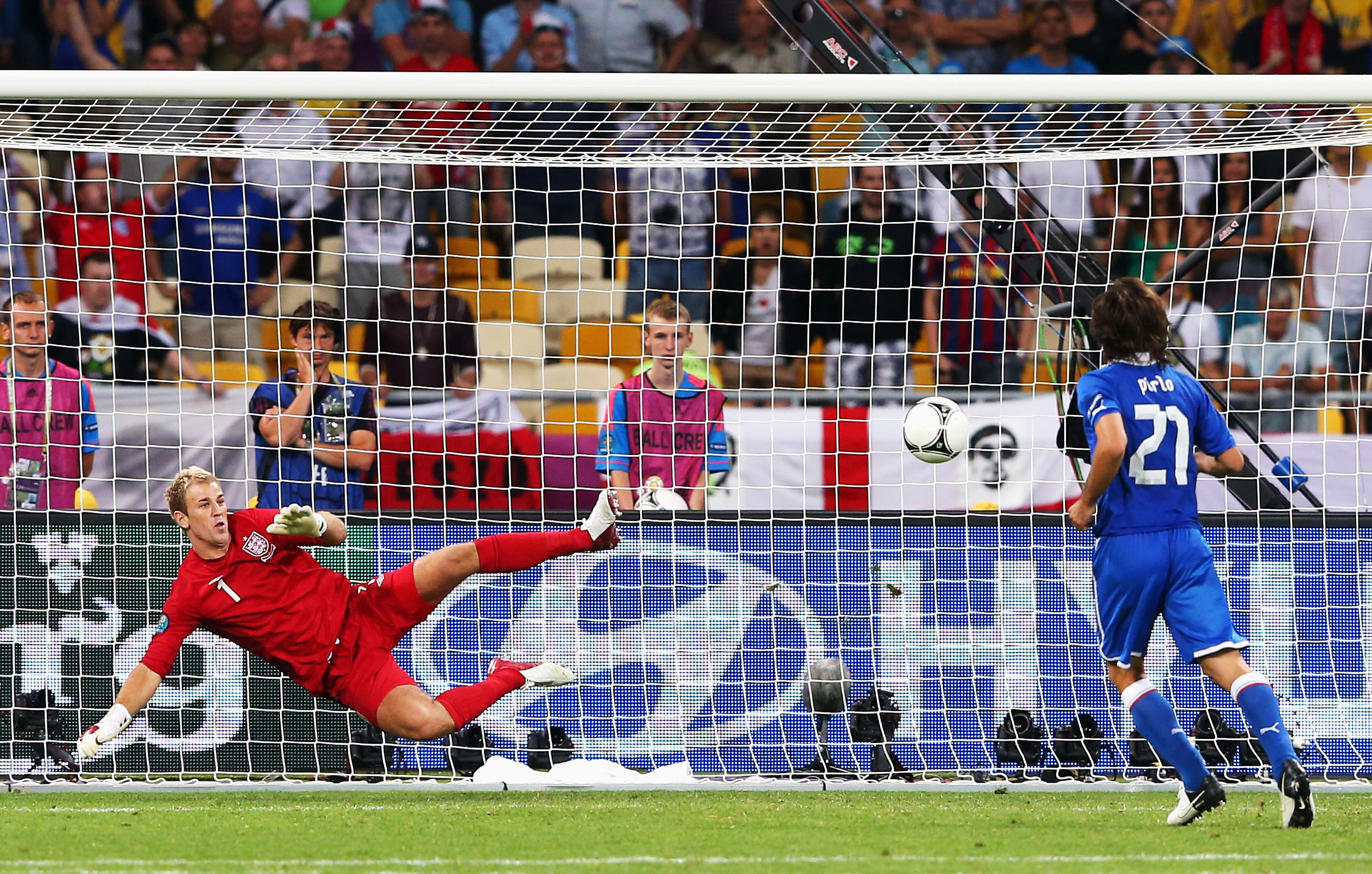
The majestic midfielder’s book was released at perhaps the peak of his popularity in the UK. Arriving about a year after his masterclass performance against England in the quarter-final of Euro 2012, Pirlo’s book, co-written with Alessandro Alciato and subsequently translated into English, was a big hit upon release.
Born in Flero, in the province of Brescia, Pirlo’s book is a window into the personality of the man: intelligent, witty and with a sharp sense of humour. I Think Therefore I Play is an enjoyable read as he takes the audience through his multi-club career.
Pirlo reveals in the book that he knew he wasn’t like other kids. “Who does that kid think he is? (Diego) Maradona?” was what he recalled his mum hearing about her son. “That’s the line they used most often. Spurred on by their jealousy, they’d say it deliberately loudly, trying to provoke a reaction. They didn’t seem to realise they were actually paying me the biggest compliment.”
Pirlo began his career with Brescia in the mid-1990s, and he returned there on loan from Inter after a difficult spell at San Siro. It was under Carlo Mazzone that Pirlo ostensibly became Pirlo, with Mazzone shifting him further back into a deep-lying playmaker role, known in Italy as a regista. The move changed the course of his life.
That six-month loan spell reignited his career and soon he was off to AC Milan and glory. The book is full of wonderful tales: from being man-marked to within an inch of his life by Manchester United’s Ji-Sung Park during a Champions League game to playing PlayStation with Alessandro Nesta and sleeping in the hours leading up to the 2006 World Cup final, Pirlo is a man who doesn’t stress. “I don’t feel pressure, I don’t give a toss about it,” he said.
Pirlo, like Baggio, played for all three of the northern giants. Yet while Baggio is chiefly associated with Juve, Pirlo is forever linked to the Rossoneri, and in the book there is a sense of pain over his exit after a decade’s service.
“Even the fans maybe wanted a bit of relief. For so many years they’d applauded me at San Siro of a Sunday, they’d got used to the things I did, my movements, my creations,” he wrote. “They weren’t awestruck any more. In their eyes, the extraordinary was in real danger of becoming normal.
“You can’t be Pirlo any more. That was a difficult idea to accept.”
I Think Therefore I Play is an easy and humorous read and, in just 200 pages, manages to capture the essence of the man on and off the pitch: a jokester with elegant feet and an even sharper mind.
Carlo Ancelotti – The Beautiful Games of an Ordinary Genius
One of the greatest managers in the history of the game is quite the writer and has released several books.
However, Ancelotti’s first one remains the best. Published in 2009, the year he joined Chelsea, and translated into English a year later, it gives an honest account of his life up to that point and, like Pirlo’s, is full of sarcasm, funny anecdotes and self-deprecating humour.
“I scarf food down like a horse, and no one is happier than me. The champion of Italy, Europe, and the world; just take me to a trattoria, stand back, and watch,” Ancelotti wrote.
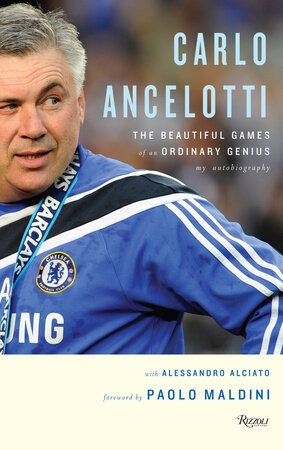
Born and raised in the small village of Reggiolo near Reggio Emilia, Ancelotti comes from a family of farmers, and his love of tortellini and pigs makes for humorous reading. “We raised pigs, took care of them for a year, slaughtered them in the heart of winter, and then stuffed ourselves on pork,” he said. “It was good meat, we ate it 365 days a year, and no one ever had problems with cholesterol.”
Ancelotti’s CV reads like a world tour of great cities. As a player, he called the Stadio Olimpico and San Siro home. As a coach, he spent time on the bench in places such as Turin, Parma, Naples and Milan, and further afield in London, Madrid and Paris. All the while racking up trophies and working with a who’s who of football legends.
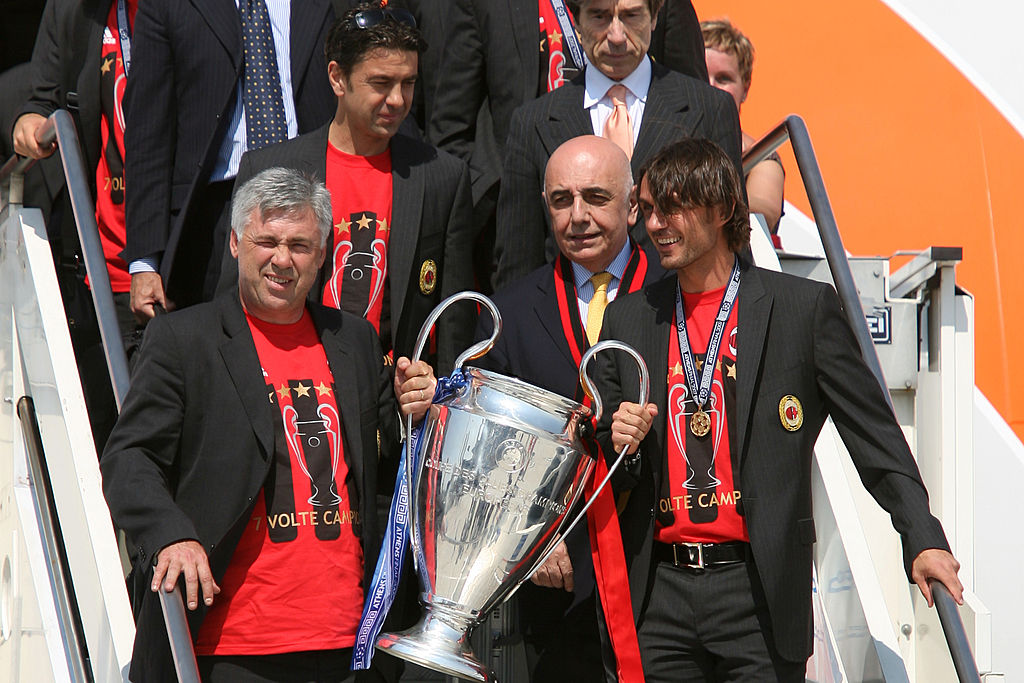
But one player stands out above the rest for Ancelotti: “(Zinedine) Zidane was the greatest player I ever coached – the sole inhabitant of a very different planet,” he wrote. It was through Zidane that Ancelotti, then a very strict 4-4-2 man and an Arrigo Sacchi disciple, pivoted in order to accommodate the Frenchman. He never looked back.
Yet, despite the teams, the stadiums, the world-class players and the slew of trophies, the topic of food is never far away. No matter where Ancelotti goes in the world, he remains forever tied to Emilia-Romagna, and one of his favourite restaurants is Trattoria Squeri, on the outskirts of Parma and a Destination Calcio favourite.
Don Carlo is, much like Pirlo, a man with a great sense of humour, and this comes across throughout the book. The Beautiful Games of an Ordinary Genius is a fantastic read.
Related Topics
Related Articles
Related Articles
Here are the essential reads for anyone looking to understand or fall in love with Italian football.
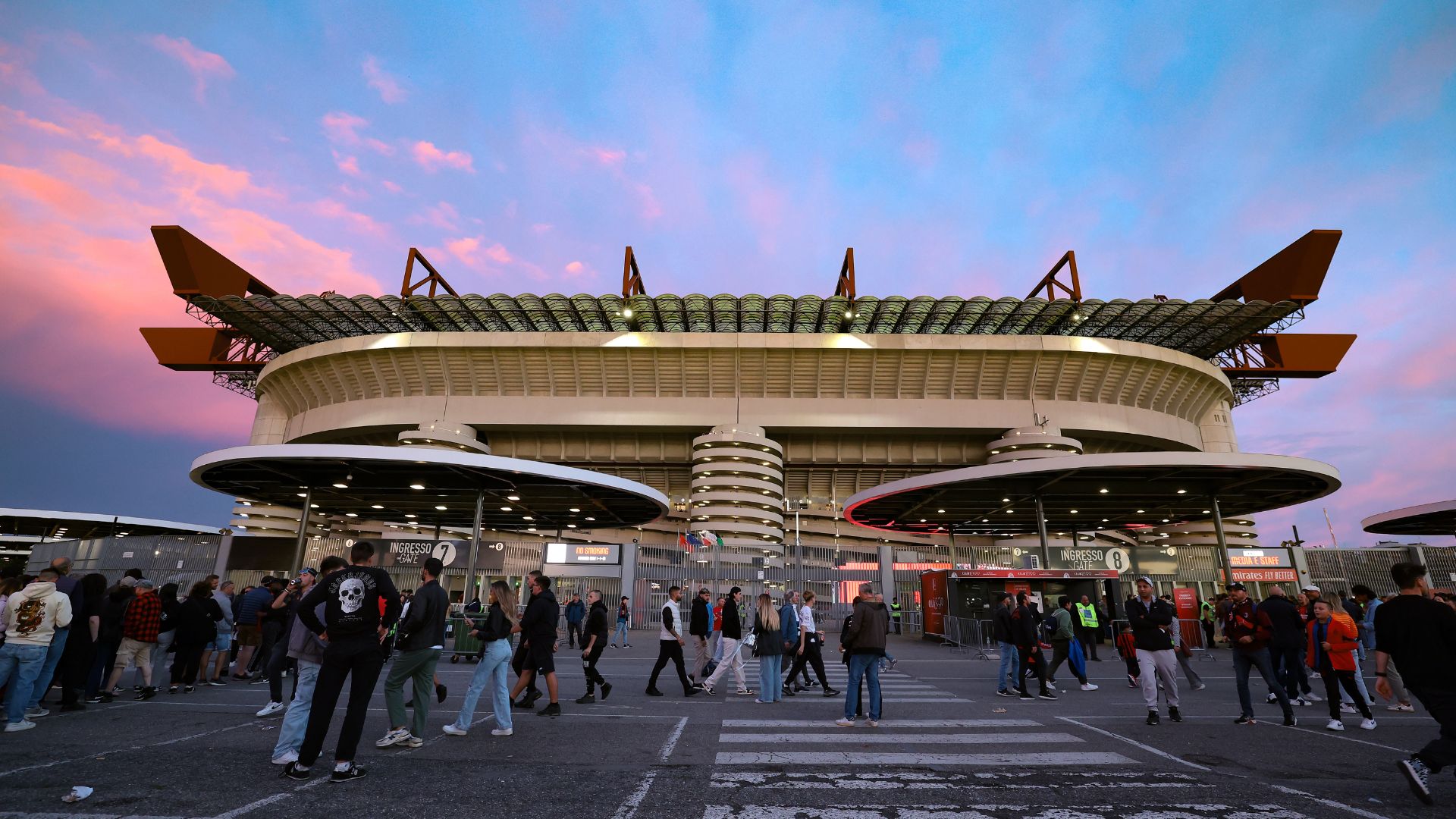
Black Friday has been given a red and blue tint at San Siro after the Milan giants lowered their ticket prices as part of the promotion.
This is one of the most unbelievable stories in Italian football, told in the brilliant book written by Joe McGinniss.