
Foggia is a city and a football team that will be familiar to some. Tucked away in the north of Puglia, they were intermittent participants in Serie A from the mid-1960s until the end of the 1970s.
Relegation to Serie B at the end of the 1977-78 campaign was followed by another drop to Serie C1. The club would then yo-yo between the second and third tiers for the next decade, until a figure from Czechoslovakia returned for a second stint in the summer of 1989 and became a calcio cult hero.
Zdenek Zeman had managed Foggia in 1986-87 but was sacked before the end of the season. Two years later he returned, and this time things would be different.
Adopting a 4-3-3 system, a formation light-years ahead of its time in the tactically conservative world of 1980s Italian football, Zeman’s Foggia blitzed through sides: following a positive first season, his second saw the Rossoneri storm to the top of the table and never look back. They won promotion at a canter, scoring 67 goals in 38 games, 14 more than the league’s second-highest scorers, Udinese.
After helping Toto Schillaci on the way to superstardom at Messina, Zeman would do the same for a host of characters, including Beppe Signori, Francesco Baiano, Gigi Di Biagio and Igor Kolyvanov over the next five years.
Christened the ‘Miracle of Foggia’, Zeman’s men punched well above their weight in the cut-throat world of Serie A during the first half of the 1990s, securing victories over the likes of Lazio, Fiorentina and Napoli in their first season and later against Juventus, thanks to a combination of smart recruiting, vomit-inducing levels of physical fitness and the canny repositioning of certain players.
One of them was Signori. A pint-sized winger with an explosive left foot, Signori had been let go by Inter Milan as a teenager for being too small. He was toiling in the lower reaches of the pyramid when Zeman brought him to Foggia in the summer of 1989. Signori recalls walking to training on his first day when Zeman shouted, “Welcome, bomber.” Signori said: “He had more confidence in me than I had myself. It was a great feeling.”
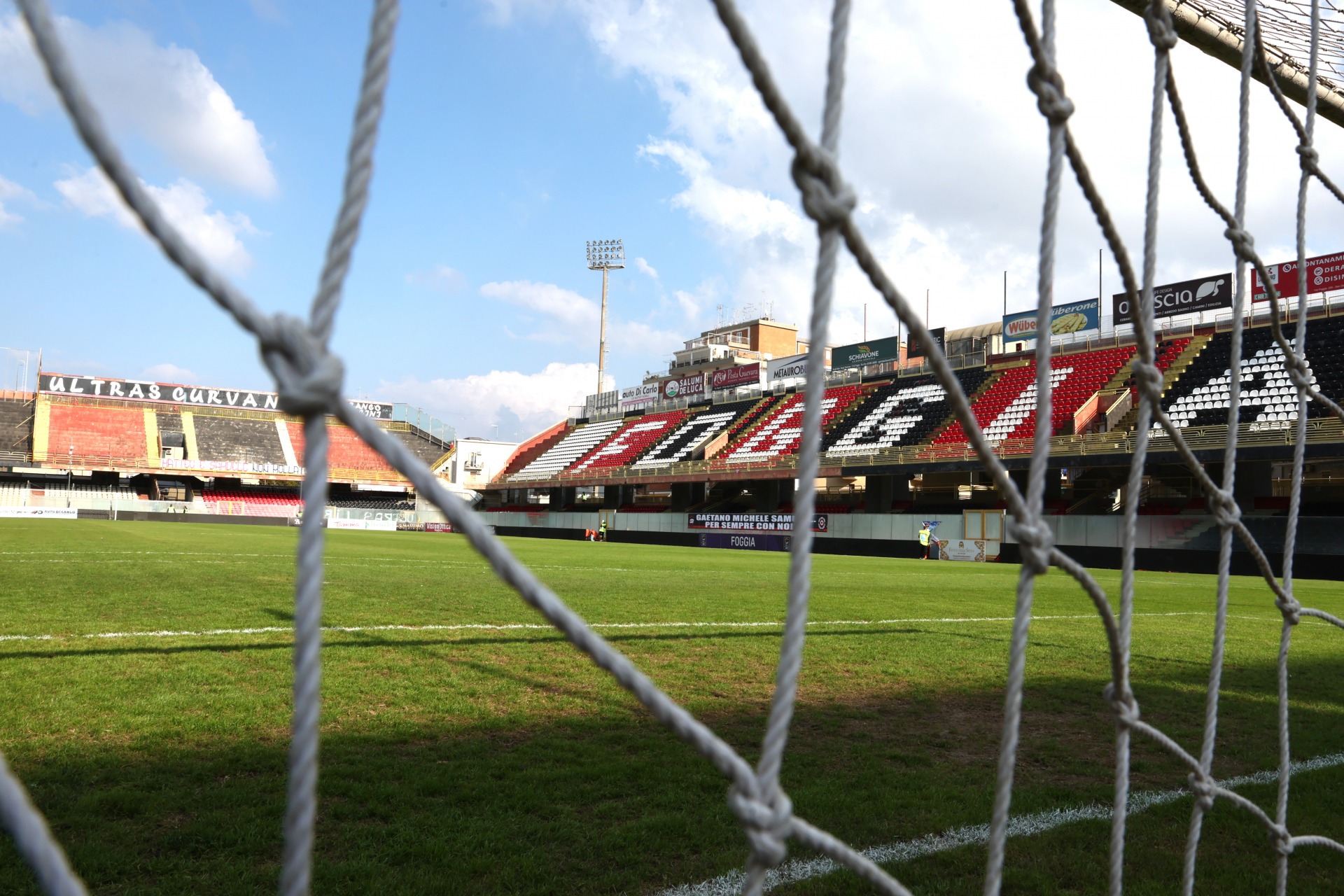
Repurposed as a striker, Zeman unlocked the brilliance in Signori, and his career took off. He and Baiano rattled in the goals during that first Serie A season in1991-92, and Foggia were powerless to keep hold of them as the big boys swooped in the summer. This was always the problem. New talent would be unearthed, and then lost after a productive season or two.
So good was Zemanlandia, a term that came to characterise this period of the club’s history and has since entered the Italian football lexicon, that Foggia had a real run at European qualification in 1993-94 before falling short.
Zeman left for Lazio in the summer of 1994 after keeping the club safe in the top flight for yet another season. However, it was only a matter of time before the inevitable happened, and it came 12 months later when Foggia finished 16th and dropped down to Serie B. They have never returned.
Yet they didn’t vanish from view entirely. Despite their fortunes fluctuating in the aftermath of the Zeman years, bouncing between Serie B, C and bankruptcy over the following two decades, a 2009 documentary celebrated the golden age of Foggia and Zemanlandia.
A year later, former owner Pasquale Casillo – who had bankrolled the golden years – repurchased the club alongside other local entrepreneurs and Zeman was brought back for an emotional third stint in charge. The reunion lasted just a year, during which the Satanelli (Little Devils) finished sixth, failed to qualify for the Lega Pro play-offs and Zeman left for Pescara.
Today, Foggia are back in Serie C after a long struggle with financial issues. The likes of Delio Rossi, Roberto De Zerbi – who also played for the club in the early 2000s – and Giovanni Stroppa have passed through, aiming to return the club to its former glories.
They are still cheered on by the legendary nonno Ciccio, the 101-year-old Foggia fan who could very well be the oldest ultra in the world. His real name is Francesco Malgieri, and he has been watching the club since 1937 and has been the subject of several documentaries.
Known as the ‘granary of Italy’ due to its location on the Tavoliere delle Puglie plain, a major agricultural hub for wheat production, Foggia isn’t celebrated as a tourist destination and very much lives in the shadow of Puglia staples Bari, Lecce and Vieste.
With the region’s visitor numbers growing exponentially year on year, Foggia offers an authentic Puglian experience away from the sea of tourists. It is in Foggia that you can truly live and breathe the slow-paced, southern Italian way of life.
The city, while not overflowing with attractions, has its own delights. Foggia is home to the UNESCO-recognised Palazzo Dogana, a stunning 15th-century former customs centre. The first floor is now a modern and contemporary art museum, while the second houses the region’s national archive.
Another must-see is Passo di Corvo, an archaeological site just outside the city centre that comprises the remains of one of Europe’s oldest and largest Neolithic agricultural settlements, dating back to 7000 BC. Piazza Umberto Giordano, meanwhile, is a great place to sit with a coffee or gelato and people-watch in the large square dedicated to the city’s famous opera singer.
Moreover, Foggia acts as a gateway to Gargano National Park, one of Italy’s finest natural environments, with its sprawling 120,000 hectares offering breathtaking views of the Adriatic Sea plus a selection of hiking paths.
Like just about every city in Italy, Foggia has its own culinary treats. A must-try is the purea di fave con cicoria (mashed beans with chicory), a local dish that has served residents of the city for generations. If you want a sweet treat, look for sospiro biscuits, a pastry containing sponge cake filled with cream and topped with smooth sugar glaze.
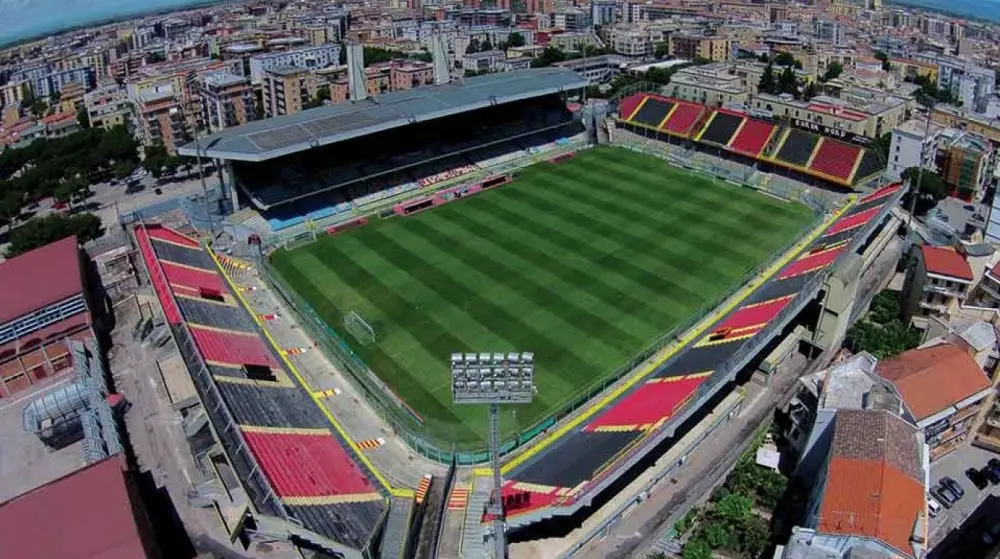
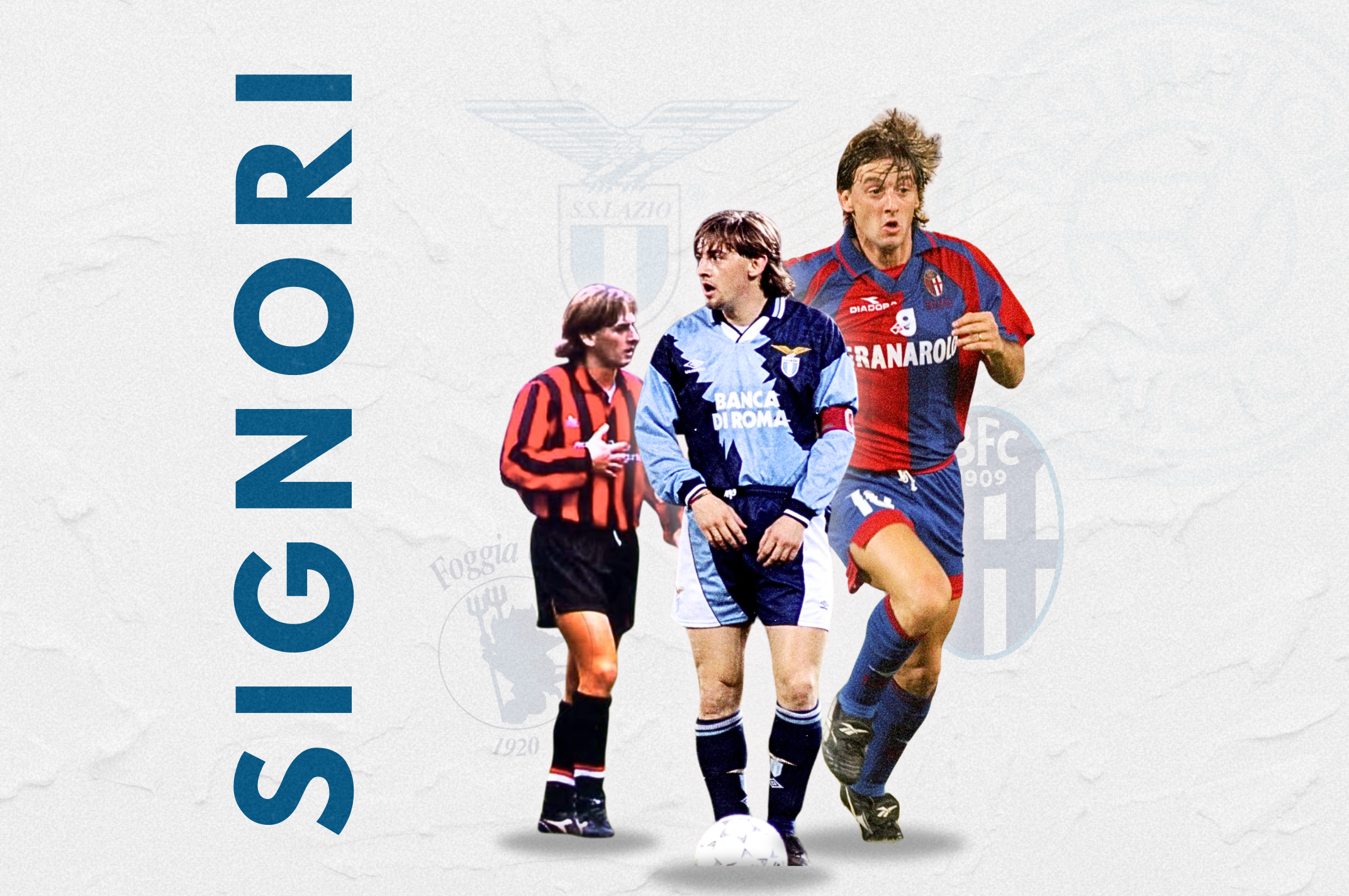
Yet undoubtedly the city’s selling point is the team. The Stadio Pino Zaccheria, in the south-west of Foggia, offers a rough-and-raw experience that gives the club the reputation for having some of the best fans in the country.
“I went to see Juventus Next Gen against Foggia in Serie C two years ago and the atmosphere was incredible,” says Fabio Albanese, a Puglia native who hails from Molfetta. “Foggia won and the passion of the crowd was unbelievable and certainly helped them.”
Foggia’s Gino Lisa Airport serves only domestic flights, so Bari is the best option when travelling from abroad. From there, a car journey or train ride will get you to the city within an hour to an hour-and-a-half.
Related Topics
Related Articles
Related Articles
The home kits looked to tradition and the away kits went retro. The third kits are where Serie A clubs take more risks.
A top-of-the-table clash between Mantova and Palermo headlines the latest triple-header of Serie B fixtures live on Destination Calcio TV.
The team had a miraculous escape several years ago and has a claim to being Calabria's oldest club.