Even within the rich and complex tapestry of Italian football, there is nothing quite like Serie C.
From the number of teams to its geographical spread, the third division is out on its own, and that is before we even delve into the play-offs and the small issue of teams disappearing mid-season.
Year on year, it is one hell of a journey. And it is one worth making if you want to discover Italy through a calcio lens. From the Alps in the north to the heel of the boot, passing through medieval towns, beach resorts and the odd volcano, every corner of the country is covered.
Chaos, confusion and plot twists reign supreme in this league. Consider this: the 2026-27 season starts on August 21, but the make-up of the three regional groups was not confirmed until July 29. As for the fixtures, they were released the following day, with kick-off times following 24 hours after that.
Serie C seems to exist in a permanent state of flux, and for good reason given that over the past two seasons alone, three clubs — Trapani, Turris and Rimini — went bust midway through the campaign.
From a territorial standpoint, the third division covers almost all of Italy, with representatives from 19 of the country’s 20 regions making up the 60 clubs, which are split into three regional gironi (groups).
Lombardy has 13 teams, while Campania has six, including Savoia — more on them later — and Cavese.
Cavese were the subject of Make Cavese Great Again, an Amazon Prime documentary released in 2025, they are the only team to beat AC Milan at San Siro in the 1981-82 Serie B season, and the only Italian team referenced in five different movies.
Elsewhere, Tuscany and Emilia-Romagna have four teams each, while Piedmont has three representatives.
This geographical split guarantees derbies galore and they don’t come much bigger than Foggia vs Bari in Apulia, or Novara vs Pro Vercelli in Piedmont.
Throughout August, Foggia is hotter than almost everywhere else in Italy but the heat will be cranked up in March 2027 for the Derby d’Apulia at the Stadio Pino Zaccheria, while the Rice Derby between Novara and Pro Vercelli is sure to hit boiling point.
Among the newcomers, much interest surrounds Vado, Ostiamare and Savoia. Ligurian side Vado won promotion from Serie D in May, but initially declined to move up as financial constraints meant they would not be able to bring their facilities up to the requirements of professional football.
Vado have since reversed that decision and will play in the third tier for the first time in 78 years, but their home fixtures will take place at the Stadio Sivori in Sestri Levante, 65 miles to the south.
Owned by former Roma captain and current Genoa manager Daniele De Rossi, Ostiamare are back in Serie C for the first time in 35 years. Their 1000-seat Stadio Anco Marzio is 40 minutes from the centre of Rome and a 10-minute walk from the beach. What’s not to like?
Savoia make their return to professional football for the first time in a decade. Based in Torre Annunziata, they are part-owned by Emanuele Filiberto of Savoy, the grandson of Umberto II of Savoy, the last King of Italy. Savoia is Italian for Savoy and the club’s badge is a stripped-down version of the House of Savoy’s coat of arms.
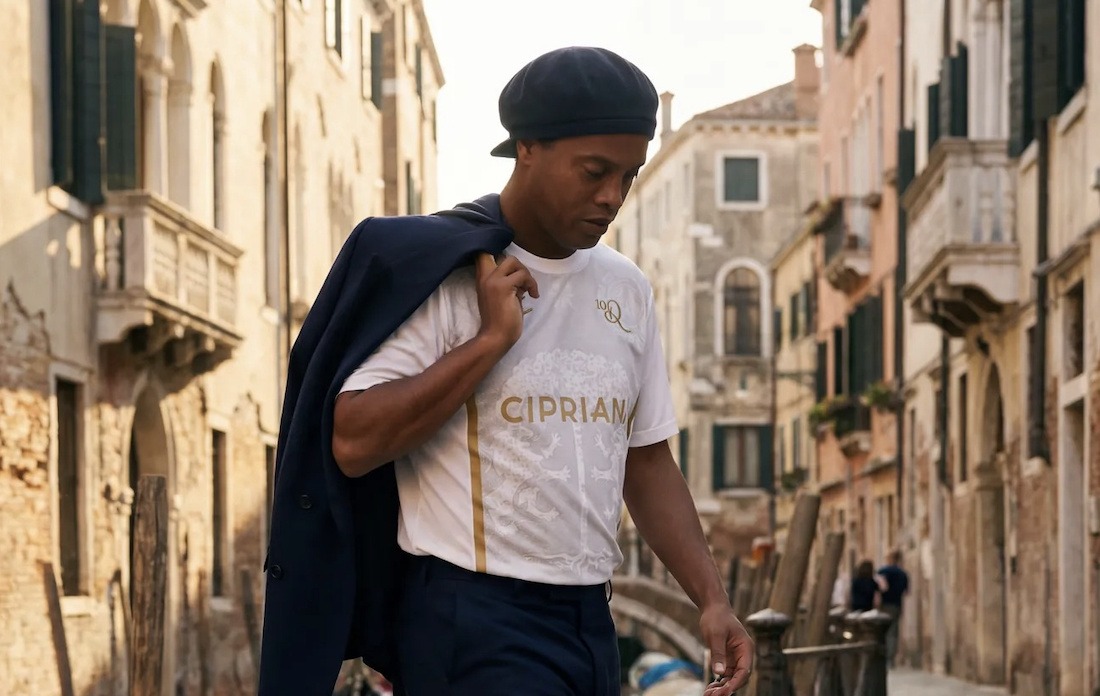
And on the subject of royalty, albeit the footballing kind, Ravenna signed World Cup and Ballon d’Or winner Ronaldinho, with club president Ignazio Cipriani adamant that the former Barcelona star will play at least one game for the club. The 46-year-old Ronaldinho has also joined the board.
The Giallorossi returned to the third tier a year ago for the first time in 15 years and will start the upcoming season among the favourites in Girone B, after narrowly missing out on back-to-back promotions last season.
Union Brescia also came within a whisker of going up, losing the play-off final to Ascoli less than 12 months after ceasing to exist, while beaten semi-finalists Catania and Salernitana are far too big for the division. Salerno wants to be a host city for Euro 2032 while Catania had an average crowd of just under 17,000 last season — by far the highest in the league.
Another team punching below their weight is Perugia, who have been marooned in Serie C for the past three seasons after reaching the Serie B play-offs as recently as 2022. Theirs is a cautionary tale that Reggiana, Bari, Pescara and Spezia will do well to heed.
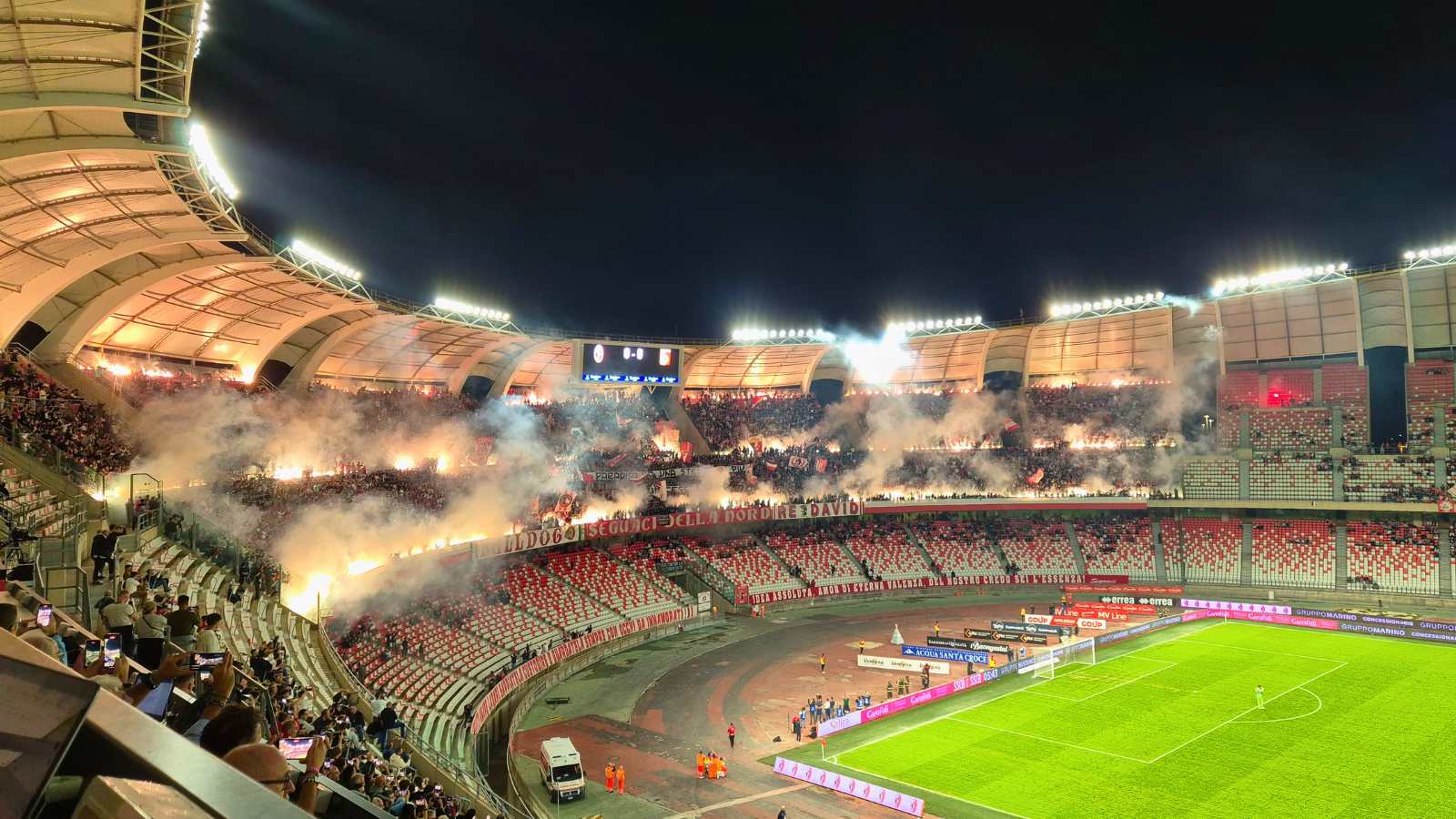
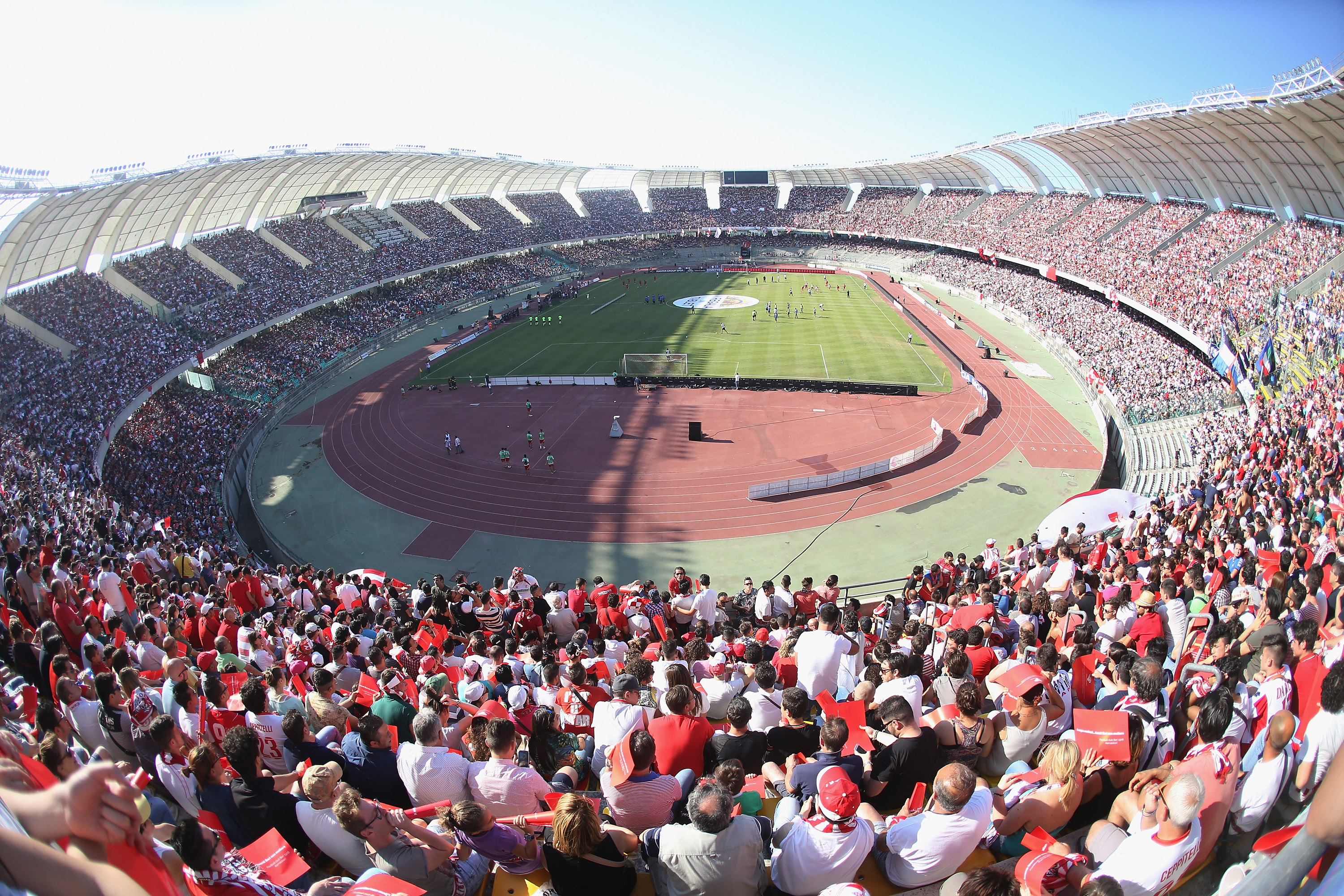
In terms of history, stadiums and facilities, that quartet should not be in the third division. The San Nicola in Bari is Italy’s third-biggest stadium behind San Siro and the Stadio Olimpico, while the Stadio Adriatico in Pescara has a capacity north of 20,000 and Reggiana share the Mapei Stadium with Serie A regular Sassuolo. Reggiana used to own the ground, but that’s another story.
Bari’s stadium is one of the worst to get to, plonked in the middle of nowhere, but this enormous reminder of Italia 90 is worth the effort, and easy to get tickets for.
The contrast between grounds such as the San Nicola and the tiny municipal arenas with just one stand is Serie C in a nutshell… a bit of everything, and then some.
From town to town and city to city, the accents change, the scenery changes and, most importantly, so does the food. Think Ligurian pesto, Sicilian arancini and everything in between.
But one thing remains the same — escaping Serie C is tough.
The post-season
The three group winners are automatically promoted to Serie B, while the bottom team in each girone are relegated to Serie D. So far, so straightforward.
The remaining promotion spot is contested among 28 teams, 27 who finished between second and 10th in their respective regional groups, with the remaining spot going to the winner of the Coppa Italia Serie C.
If the cup winner has already secured a play-off spot through their league position, their place will go to whoever finished 11th, as was the case last season with Potenza and Atalanta Under-23.
The play-offs are split into two stages, the regional phase in which teams face opponents from their own group, and then the national phase.
The first round of the regional phase begins with the teams that finished between fifth and 10th. Fifth plays 10th, sixth faces ninth, and seventh meets eighth.
The higher-ranked teams are at home and the ties are played over 90 minutes, with the higher-ranked team going through if scores are level at full-time.
The winners of the three ties in each group progress to the second regional phase, where they are joined by the teams that finished fourth in their respective gironi during the regular season.
The teams that finished third in the three gironi during the regular season join the fray in the first round of the national phase, along with the Coppa Italia Serie C winners.
The ties, two-legged now, are determined by a draw, with the five seeded teams playing the second leg at home. If scores are level after 180 minutes, the higher-ranked teams go through.
The five winners from the first round of the national phase progress to the quarter-finals, where they are joined by the teams that finished second during the regular season. The four winners are then drawn to face each other in the semis, with the two winners squaring off over two legs for the final Serie B spot.
And breathe…
The format is similarly convoluted at the other end of the table, where the bottom team in each group is relegated and teams finishing between 16th and 19th square off against their group opponents in the relegation play-offs, or play-out as it is known in Italy.
The relegation play-offs, however, only take place if the gap between the 16th and 19th-placed teams is bigger than eight points. Otherwise, the 19th-placed team will be automatically relegated. The same goes for the 17th and 18th-placed teams, with the latter automatically relegated if the gap between the two is nine points or bigger.
Convoluted, dramatic and ultimately impossible to take your eyes off. Welcome to Serie C.
Related Topics
Related Articles
Related Articles
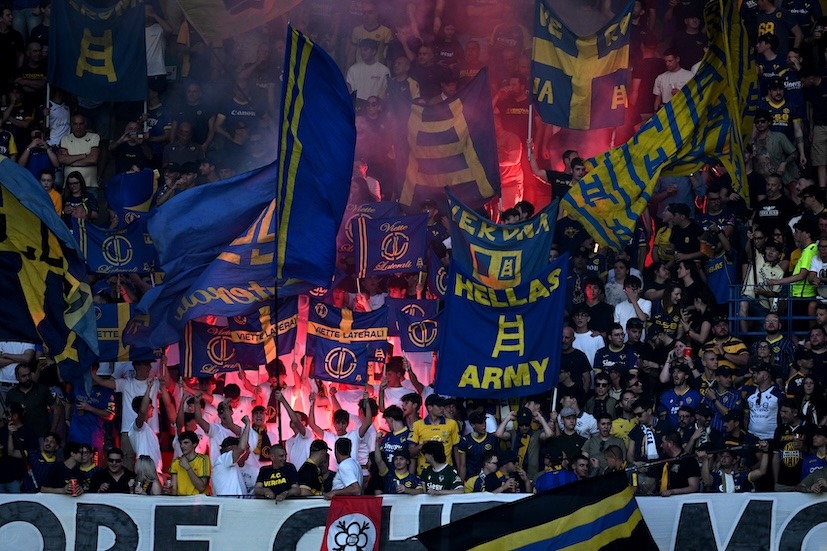
The biggest derby in Veneto headlines the latest triple-header of Serie B fixtures live on Destination Calcio TV.
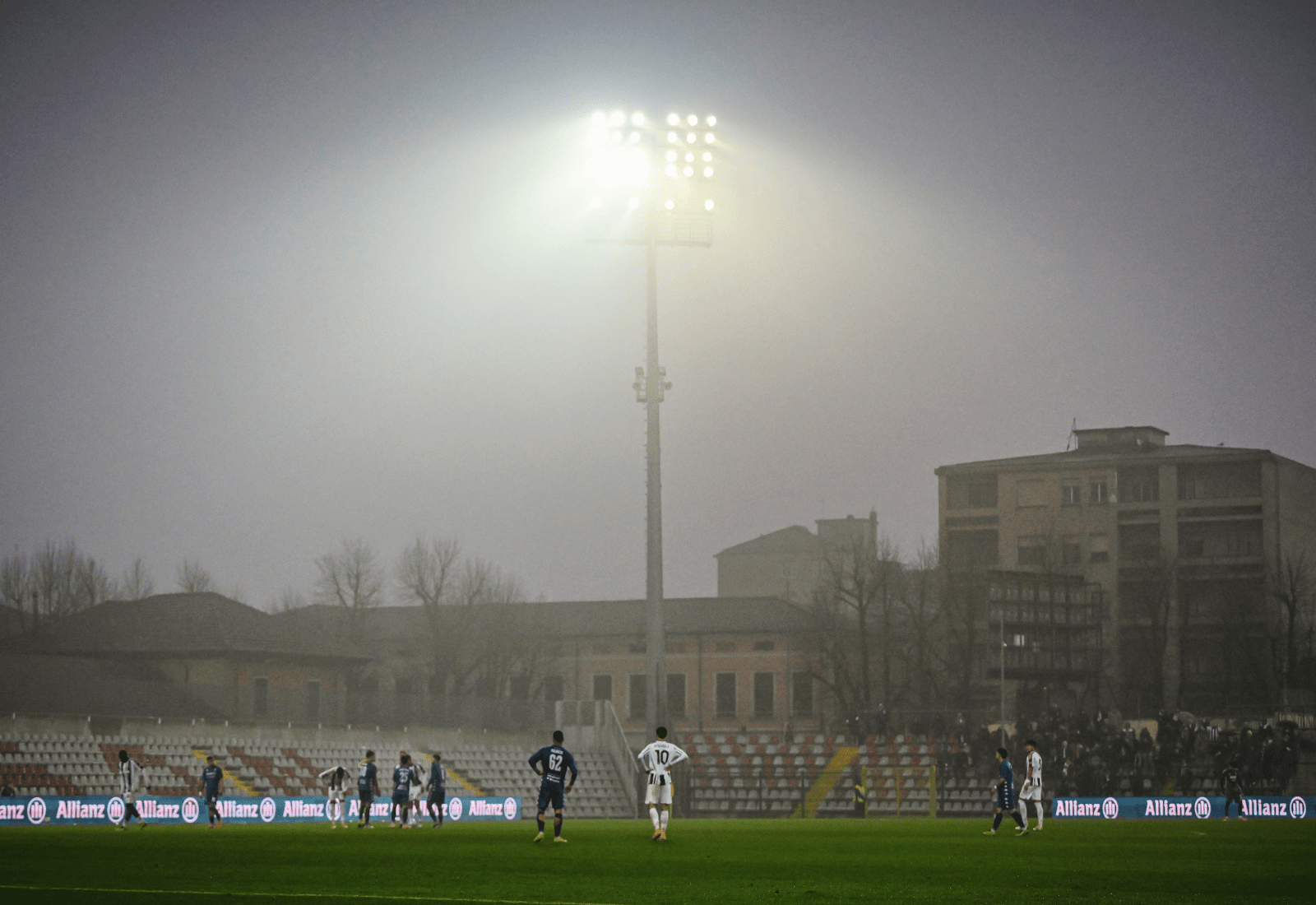
The U23s play a full professional season in the same division as clubs founded in 1900 with ultras, debts and towns behind them.

Milan has five teams playing league football inside the metropolitan area and all of them are reachable on public transport.