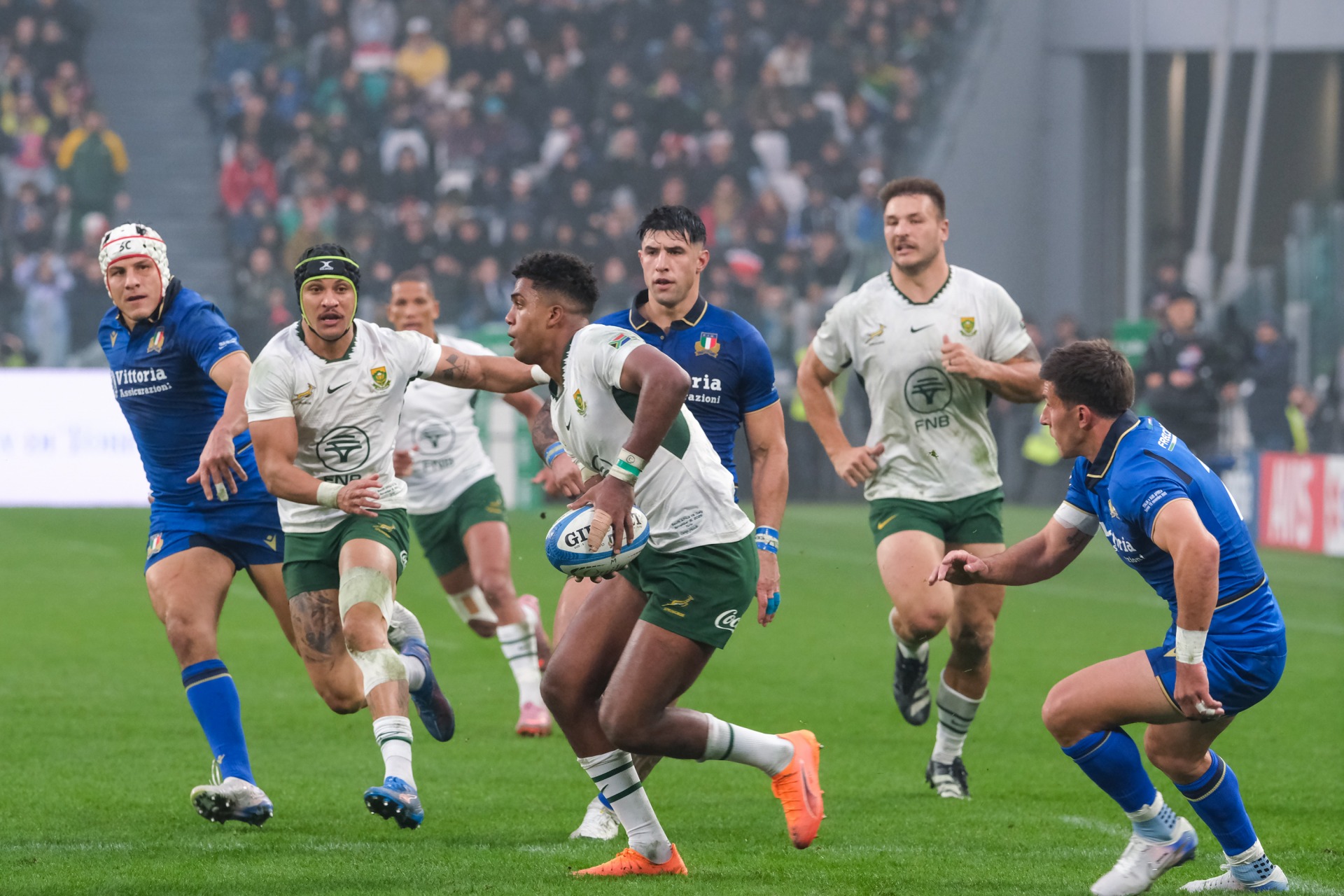
Some of the world’s top sports stars will descend on Turin in November with the city hosting international rugby and the season-ending ATP Finals.
Italy’s rugby team takes on world champions South Africa in the first of three autumn internationals, before Flavio Cobolli flies the home flag as the tennis season draws to a close. Jannik Sinner has won the last two editions but the world No 2 is sidelined through injury.
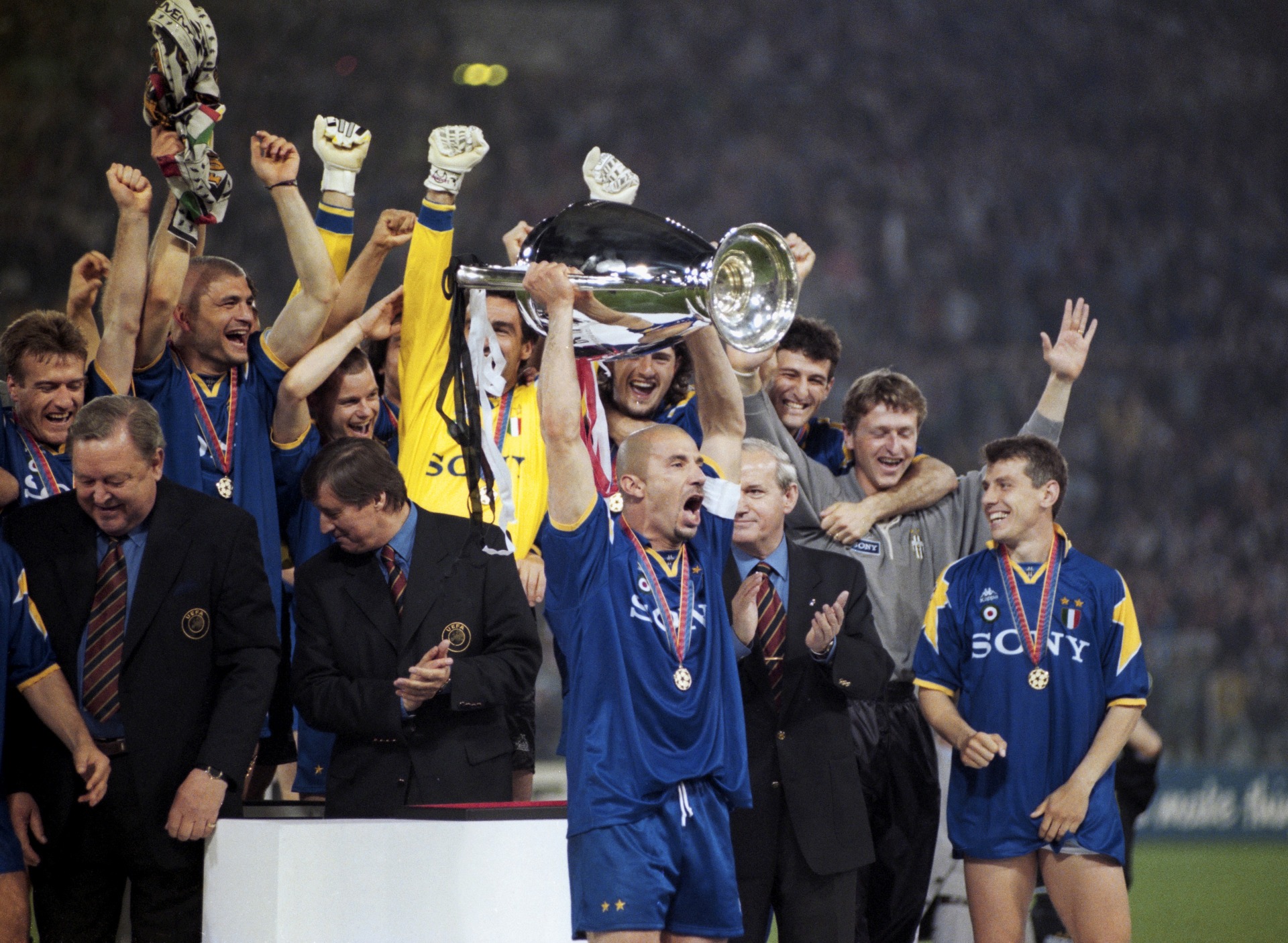
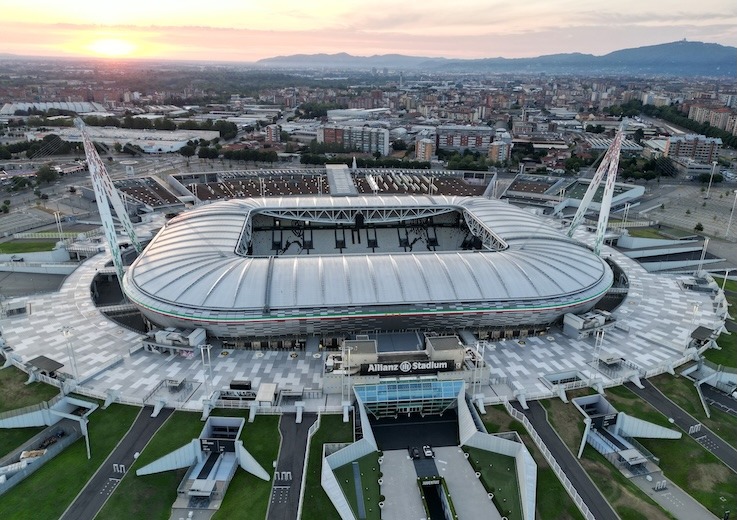
The Springboks clash takes place at the Allianz Stadium, home of Juventus, and there was a time when Turin’s biggest football team represented the pinnacle of the beautiful game. The year was 1996, Will Smith’s Independence Day would become the biggest box-office film worldwide; five English twenty-somethings called the Spice Girls conquered Britain, and La Vecchia Signora were the dominant side in world football.
However, it all started with Marcello Lippi two years earlier. Lippi had arrived to make Juventus feared again. The Bianconeri had gone eight years without a Scudetto and appeared helpless in the face of AC Milan’s winning machine under Fabio Capello – three Scudetti on the bounce and little sign of a let-up.
Lippi managed to topple the Milan dynasty in a single season, securing a league and cup double in his first campaign as his well-drilled and finely balanced outfit finished 10 points clear of Parma and Lazio.
In what feels like a lifetime ago, the Champions League was still only available to the winners of Europe’s various divisions in 1995. Juve hadn’t competed in the competition since 1986 but were among the favourites to win it, owing to Serie A’s reputation as the best league in the world.
After strolling through the group stage, Juve pushed past Real Madrid then saw off Nantes in a semi-final thriller to set up a blockbuster final against Louis van Gaal’s swashbuckling young Ajax side, who were also the reigning champions.
The showpiece event in Rome’s Stadio Olimpico simmered without ever sizzling. Fabrizio Ravanelli’s goal from the tightest of angles is arguably the abiding memory of the final. The game went into extra-time and then to penalties. Vladimir Jugovic stepped up after Sonny Silooy’s spot-kick had been saved by Angelo Peruzzi, if the Serb scored, Juve would be European champions for a second time.
Jugovic blasted the ball low and hard into the right-hand corner of Edwin van der Sar’s goal. “In those moments your only hope is to see the ball hit the back of the net,” Jugovic told The Guardian in 2021. “I made my choice (on where to place it) relatively easy.”
Lippi had taken the club from perennial underachievement to the best on the continent within two short years. Many of the side, including the likes of Gianluca Vialli, Paulo Sousa, Pietro Vierchowod and Ravanelli, were moved on. In came Christian Vieri, Alen Boksic and a relatively unknown French midfielder called Zinedine Zidane as replacements. Yet the winning didn’t stop. Six months after the victory in Rome, Juve boarded a plane to Tokyo for the Intercontinental Cup against a very good River Plate side, where a scrappy game was decided in the final 10 minutes by Alessandro Del Piero.
Del Piero, who was Juve’s golden boy during the period and had usurped fellow Venetian Roberto Baggio as their No 10, won the best player award and has since described the game as a personal favourite. “Alex, today you have become the best player in the world,” Juve midfielder Alessio Tacchinardi remembers telling Del Piero after the match in an interview with Juventus’ official website.
High praise, indeed, but what cannot be disputed is that Juve were now the best team on the planet, the measuring stick for everyone else.
With the game still in the early days of the post-Bosman era, the majority of the Bianconeri players were Italian. The team’s key men: Peruzzi, Ciro Ferrara, Antonio Conte and Del Piero hailed from various parts of the peninsula.
The burly Peruzzi was born in the small town of Blera in the Lazio region and he played for both Roma and Lazio without being hated by either side. Ferrara is a son of Naples and is still considered a club legend in his hometown despite moving to hated rivals Juve in 1994.
Conte was born and raised in Lecce and honed his skills playing in the courtyard of his local church – only once his duties were completed. Del Piero, like his No 10 predecessor Baggio, comes from Veneto and is one of many players on a stellar list to originate from this fertile part of the boot.
Juve conquered the world in 1996, but they weren’t the first side from Turin to be considered world beaters. The Grande Torino side of the 1940s was one of the greatest teams in the sport’s history. Their run was tragically cut by the Superga air disaster in May 1949.
Turin’s world beaters aren’t just limited to football. Francesco Bagnaia is a two-time MotoGP world champion and a native son of the city. The same applies to Giuseppe Farina, who became the first Formula One world champion back in 1950. Meanwhile, Lorenzo Sonego has won multiple ATP singles titles in tennis, and Giuseppe Delfino was one of Italy’s greatest Olympic fencers, winning four gold and two silver medals across four Olympic Games in the 1950s and 1960s.
Related Topics
Related Articles
Related Articles
Italy welcome some of world's sport biggest stars this month, with the ATP Finals and rugby's Nations Championship.
Up and down the country, each stadium is unique and every single one has its own charm. This is our top nine.
Some of the biggest grounds in the country must be replaced or renovated before the European Championship kicks off.