

Twenty-eight teams, six rounds and a tournament kicking off in early May and stretching into June. That is not FIFA’s latest bizarre suggestion for a money-spinning competition, but the format of the Serie C play-offs.
The post-season in the Italian third tier has a legitimate claim to being the most complicated and protracted of any league across Europe, and possibly beyond. But it also delivers further opportunity to catch some thrilling calcio action.
Top-flight-chasing Palermo navigated this path a few seasons ago while Pisa, who have just been relegated from Serie A, went up through the play-offs in 2019. Como, flying high in Serie A as they aim for the Champions League, also have a Serie C play-off win on their CV, as recently as 2015.
This time around the first whistle blows on Sunday May 3, so here’s how it works.
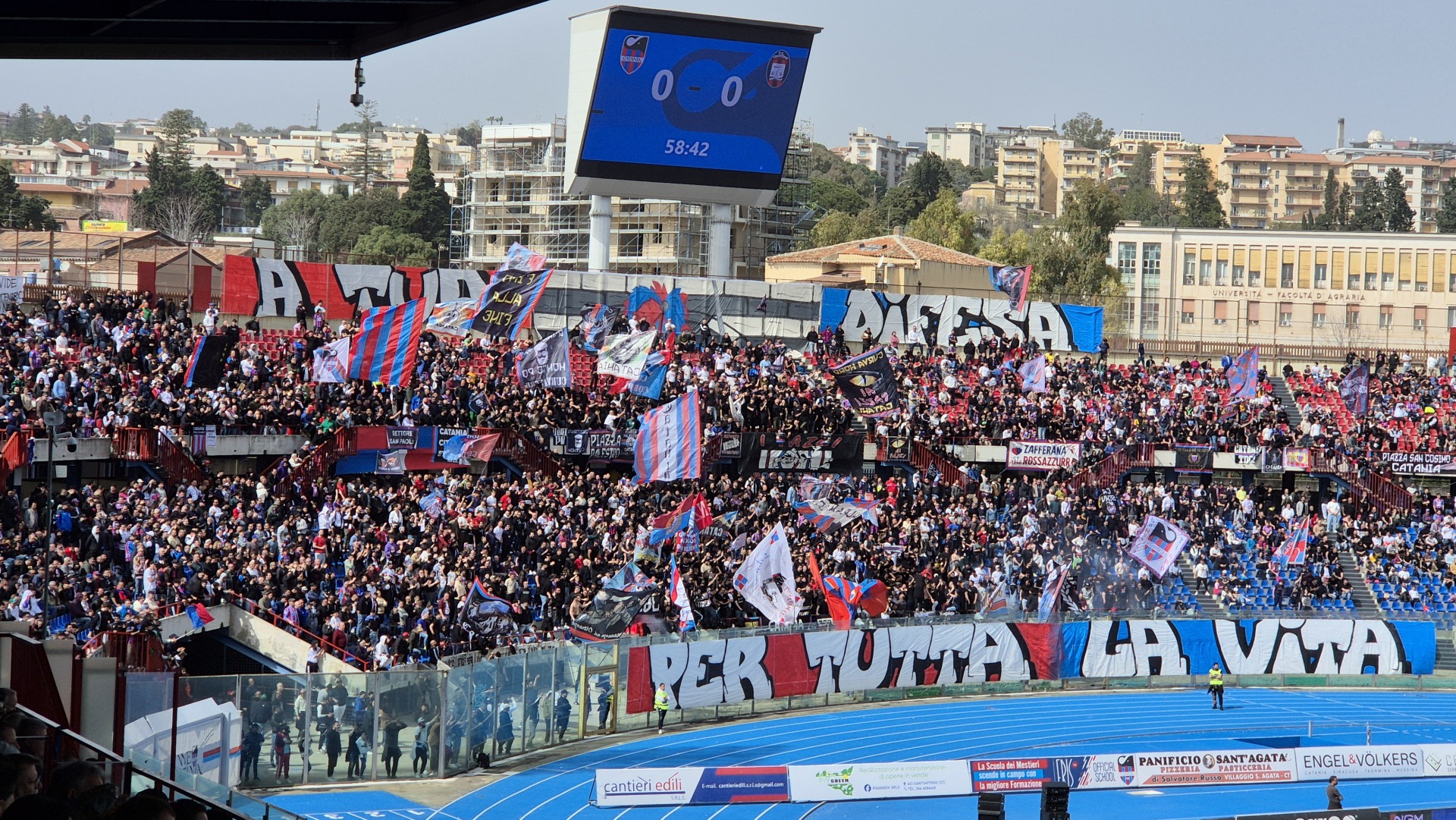
Which teams are taking part?
Serie C is split into three groups of 20 teams, with the winners of each gaining automatic promotion to Serie B. This season that is Vicenza, winner of Girone A, Arezzo and Benevento, who topped Girone B and Girone C respectively.
The remaining promotion spot is contested among 28 teams, 27 of which finished second to 10th in their respective regional groups, with the remaining spot going to the winner of the Coppa Italia Serie C.
That was Potenza, who would have been guaranteed a play-off spot anyway after finishing 10th in Girone C, meaning 11th placed Atalanta U23s will also take part in the post-season.
How do the the play-offs work?
The Serie C play-offs are split in two stages, the regional phase in which teams face opponents from their own group, and then the national phase.
The first round of the regional phase begins with the teams that finished from fifth to 10th taking part. Fifth plays 10th, sixth faces ninth, and seventh meets eighth.
The higher-ranked teams are at home and the ties are played over 90 minutes, with the higher-ranked team going through if scores are level at full-time.
This is what it means this season:
Girone A
Trento (5) vs Giana Erminio (10)
Cittadella (6) vs Arzignano (9)
Lumezzane (7) vs Alcione (8)
Girone B
Juventus Next Gen (5) vs Vis Pesaro (10)
Pianese (6) vs Ternana (9)
Pineto (7) vs Gubbio (8)
Girone C
Casertana (5) vs Atalanta Under 23 (11)
Crotone (6) vs Audace Cerignola (9)
Monopoli (7) vs Casarano (8)
The winners of the three ties in each group progress to the second regional phase, where they are joined by the teams that finished fourth in their respective gironi during the regular season.
So, in comes Lecco from Girone A, Campobasso from Girone B and Cosenza from Girone C. These three will face the lowest-ranked team from the winners of round one in their groups, while the top-ranked team out of the winners of the first round takes on the second-ranked team.
Again, the higher-ranked teams are at home and the ties are played over 90 minutes, with the higher-ranked team going through if scores are level at full-time.
With the two regional rounds in the books, the national phase gets underway on May 10 when the teams that finished third in their regional groups enter the frame. That is Renate from Girone A, Ravenna from Girone B and Salernitana from Girone C. And they are joined by Serie C Coppa Italia winners Potenza.
The quartet are seeded along with the team that finished highest in the regular season among the winners of the second round. The ties, two-legged now, are determined by a draw, with the five seeded teams playing the second leg at home. If scores are level after 180 minutes, the higher-ranked teams go through.
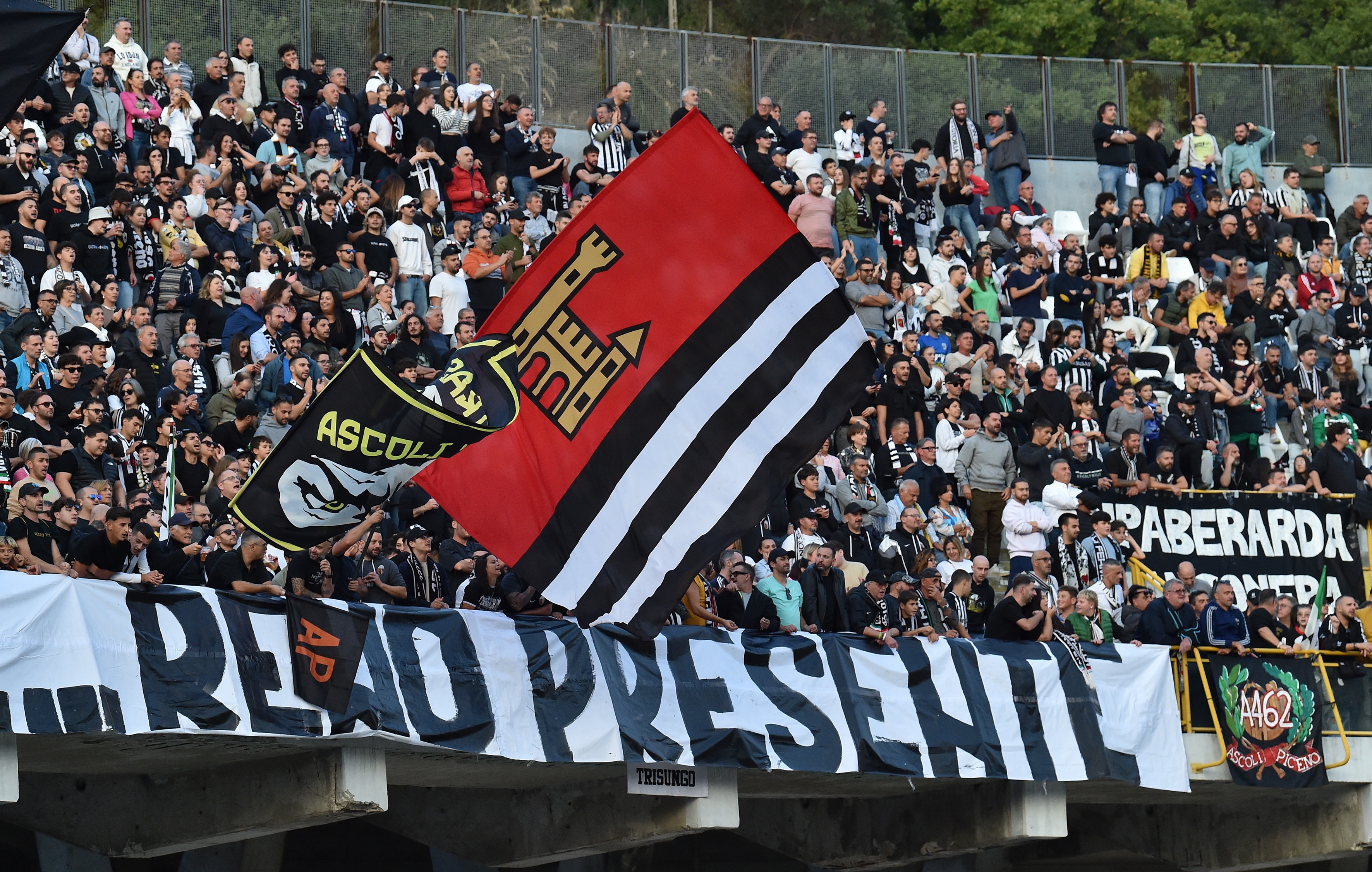
The five winners from the first round of the national phase progress to the quarter-finals, where they are joined by the teams that finished second during the regular season – that is Union Brescia from Girone A, Ascoli from Girone B and Catania from Girone C.
The trio are seeded along with the team that finished highest in the regular season among the winners of the previous round. Again, the ties are determined by a draw, with the seeded teams playing the second leg at home. And again, if scores are level after 180 minutes, the higher-ranked teams go through.
The four winners are drawn to face each other in the semi-finals over two legs, with extra-time and penalties to follow if the scores are level after 90 minutes.
The two winners meet in the final over two legs on June 2 and June 7 to determine who will join Vicenza, Arezzo and Benevento in Serie B.
Click HERE for the full schedule.
Related Topics
Related Articles
Related Articles
Fans of Verona and Palermo are in for a treat after the Destination Calcio TV live Serie B fixtures were announced.
This is authentic calcio stripped back to its essentials. No tourist spectacle, no inflated prices. Just football, community and passion.
The full schedule was revealed at the Teatro dei Filarmonici in Ascoli ahead of the big kick-off on the weekend of August 22.