
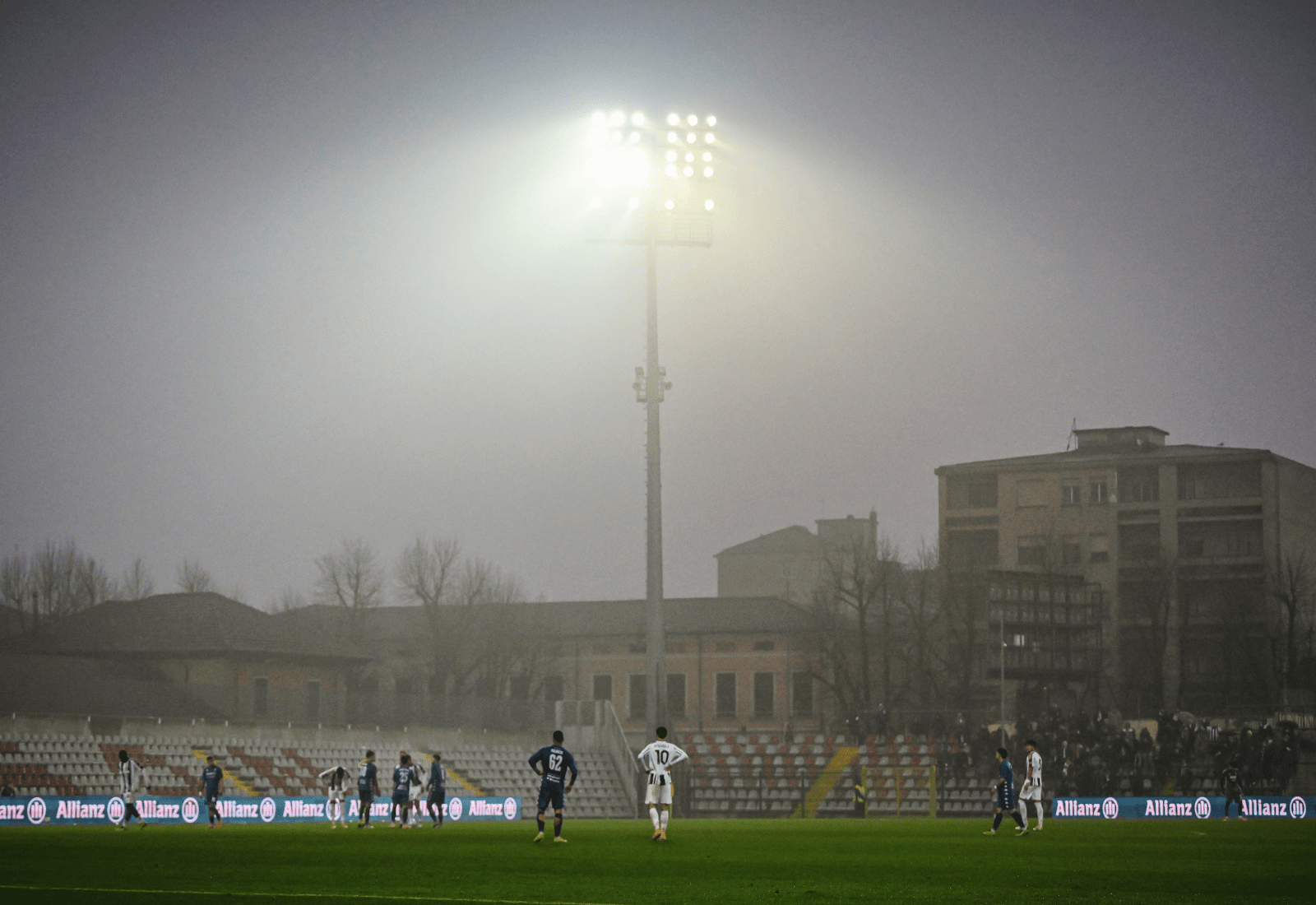
Italy has four reserve sides playing men’s league football. Juventus Next Gen, Atalanta U23 and Inter U23 are in Serie C. Milan Futuro is in Serie D, the fourth tier, and is the only reserve team of a Serie A club to end up in amateur football.
They are not youth teams in the English sense. They play a full 38-game professional season in the same division as clubs founded in 1900, with ultras, debts and towns behind them.
Here is how the system works, and what to expect if you go to watch.
In through the back door
None of these team earned their place on the pitch. Every one of them entered Serie C to fill a vacancy left by a club that collapsed.
Juventus came first, when the FIGC opened the third tier to reserve sides in 2018. Atalanta joined in 2023, taking the slot left by Siena. Milan followed in 2024 in place of Ancona. Inter arrived in 2025 when SPAL failed to register.
The second-team project is written into the rules as a way of filling holes in a division that loses clubs to bankruptcy most summers.
The group lottery
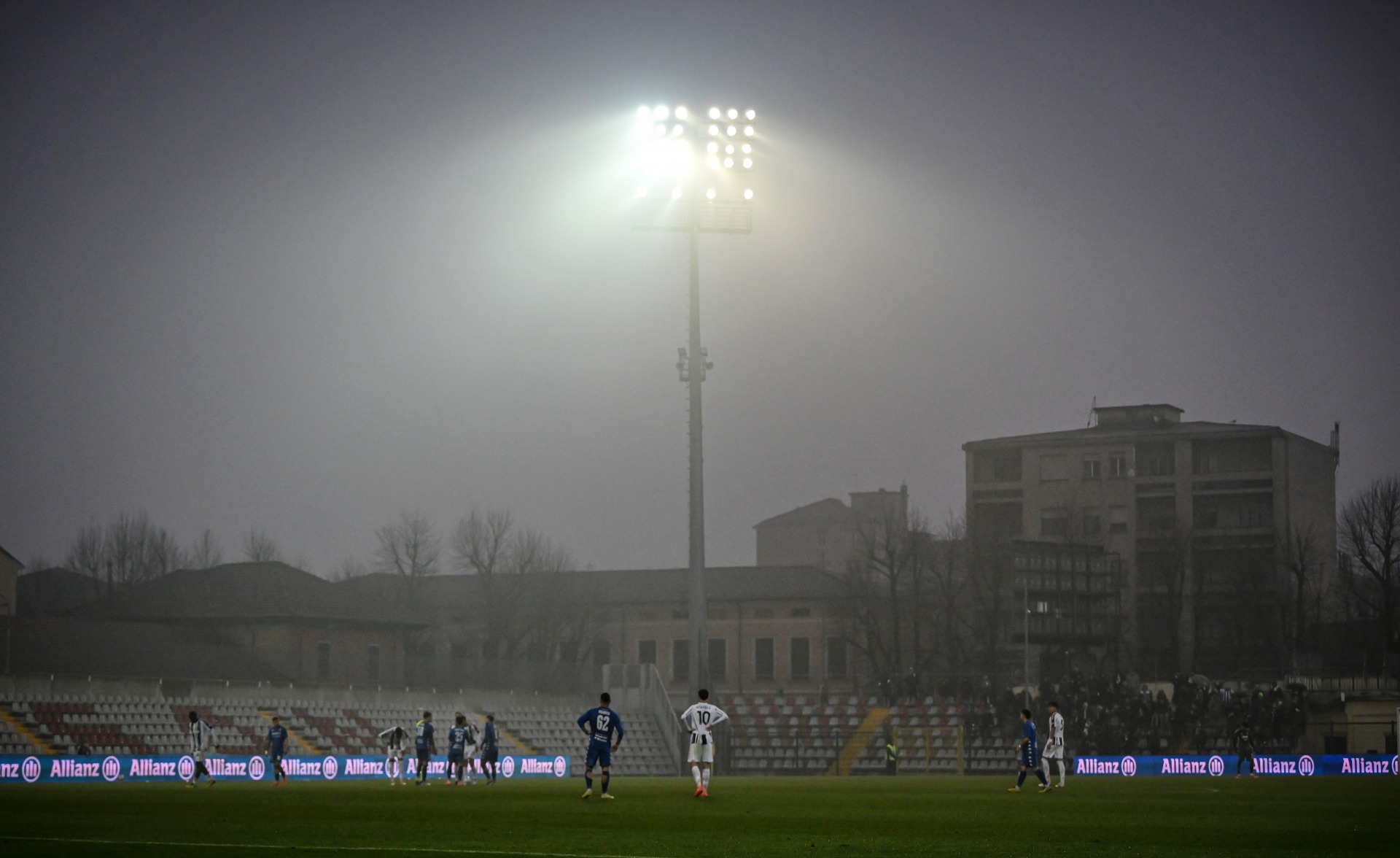
Serie C has three groups of 20, divided roughly by geography: A in the north, B in the centre, C in the south. Composition is decided each July by the Lega Pro board, and for the second teams, it works differently.
They are rotated. The effect is visible this season. Juventus Next Gen are in Group A, having spent 2025-26 in Group B and 2024-25 in Group C. Atalanta U23 are in Group B for the first time, after two seasons in A and one in C. Inter U23 have gone from A to C, which means a side based in Milan now travels to Catania, Bari, Crotone and Salerno for away games.
The logic is that no second team acquires a permanent territory, and that the extra travel is shared out rather than dumped on one region every year. The consequence for a visitor is simple: do not assume a second team will be in the same group next season.
The promotion rules are stranger than most people expect. A second team can be promoted to Serie B. What it can never do is play in the same division as its parent club, or above it, so the ceiling is Serie B for as long as the first team is in Serie A.
Relegation is real too, as Milan discovered: after finishing 18th in Group B in 2024-25 and losing the play-out to SPAL, Milan Futuro went down to Serie D and became the first reserve side of a Serie A club to play in the amateur game.
Playing away from home, every week
None of the four plays in their parent club’s stadium. Juventus Next Gen play at the Stadio Giuseppe Moccagatta in Alessandria, about 90 kilometres from Turin, a 1929 ground shared with Alessandria’s own club.
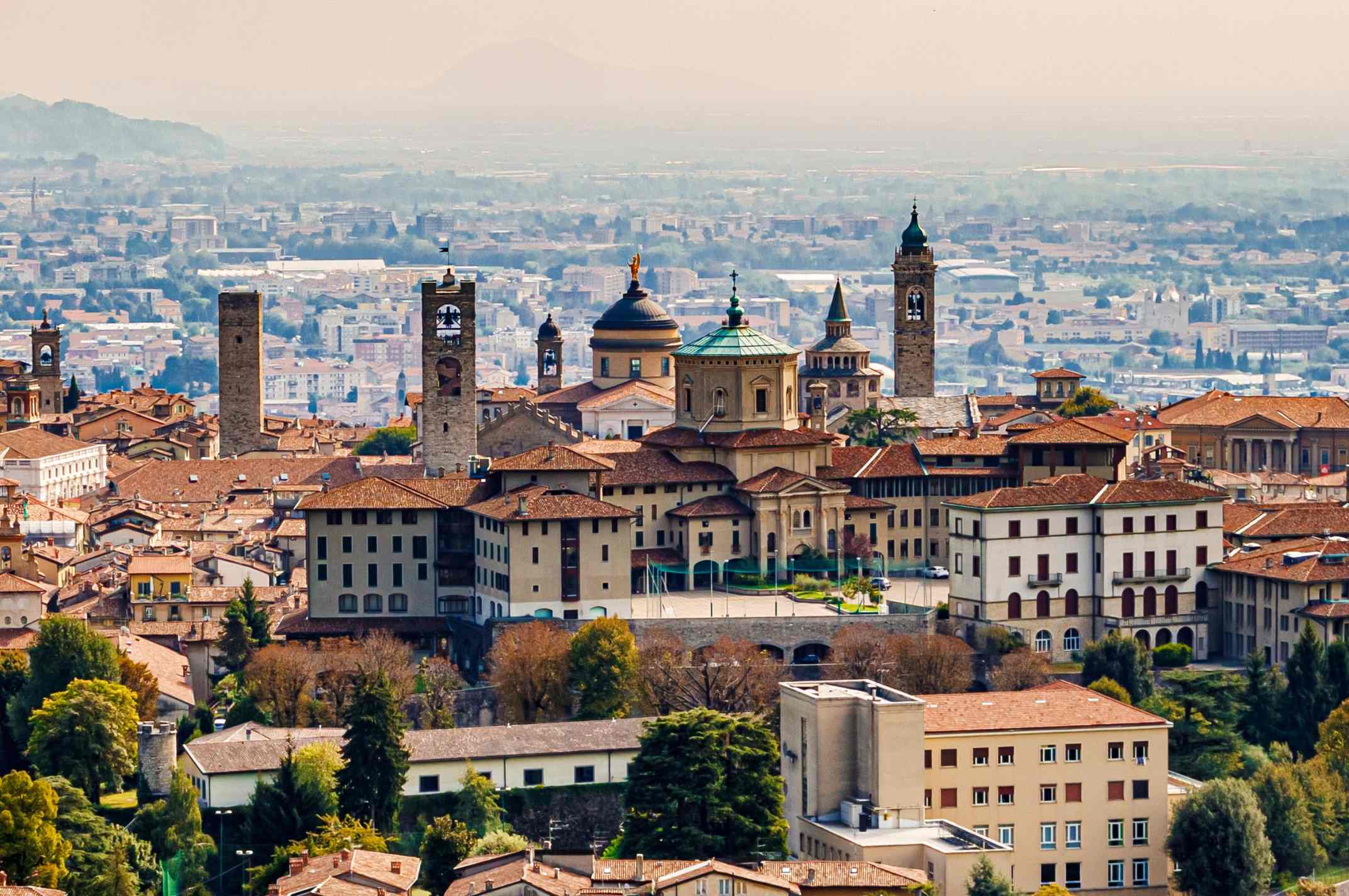
Atalanta U23 play at Caravaggio, a small town that gave its name to the painter and holds one of the biggest Marian sanctuaries in northern Italy. The team trains at Zingonia, alongside the first team.
Inter U23 spent their first season in Monza and have moved this year to the Stadio Ernesto Breda in Sesto San Giovanni, while Milan Futuro play at the Stadio Felice Chinetti in Solbiate Arno, in the province of Varese, roughly 45 kilometres from Milan and closer to Malpensa Airport than to San Siro.
What they actually produce
The Juventus numbers are the reason the other clubs followed. Since 2018, 37 players have gone from the Next Gen to a Juventus first-team debut, among them Nicolò Fagioli, Fabio Miretti, Matías Soulé, Dean Huijsen, Radu Drăgușin, Koni De Winter, Samuel Iling-Junior, Nicolò Savona and Kenan Yıldız.
The second effect is financial: by summer 2025, the club had taken in around €244million from selling players who came through the project, with Soulé, Fagioli and Huijsen the three largest sales.
Atalanta run the model differently. Where other clubs sign experienced over-age players to steady the team, Atalanta fill those slots with players from their own academy, and their best Serie C run, reaching the second round of the national play-offs in 2024-25, the furthest any Italian second team has gone, was done that way.
Inter took the opposite route in year one, buying four over-age professionals to hold a young side together. They finished 12th. The return was quicker than the league position suggests: six players from the U23s were used by Cristian Chivu in the first team during the same season.
Milan Futuro is the cautionary tale. The first season cost a reported €12m and produced relegation, two managers and three highly rated teenagers, Francesco Camarda, Mattia Liberali and Kevin Zeroli, whose development was pulled in three directions at once between the first team, the reserve side and the youth team. Camarda scored, including a brace in the decisive weeks, and was still shuttling upstairs for Serie A and Champions League squads while his team went down.
The lesson the other clubs drew was about clarity: a second team works when everyone agrees what it is for.
Second teams vs small-town teams
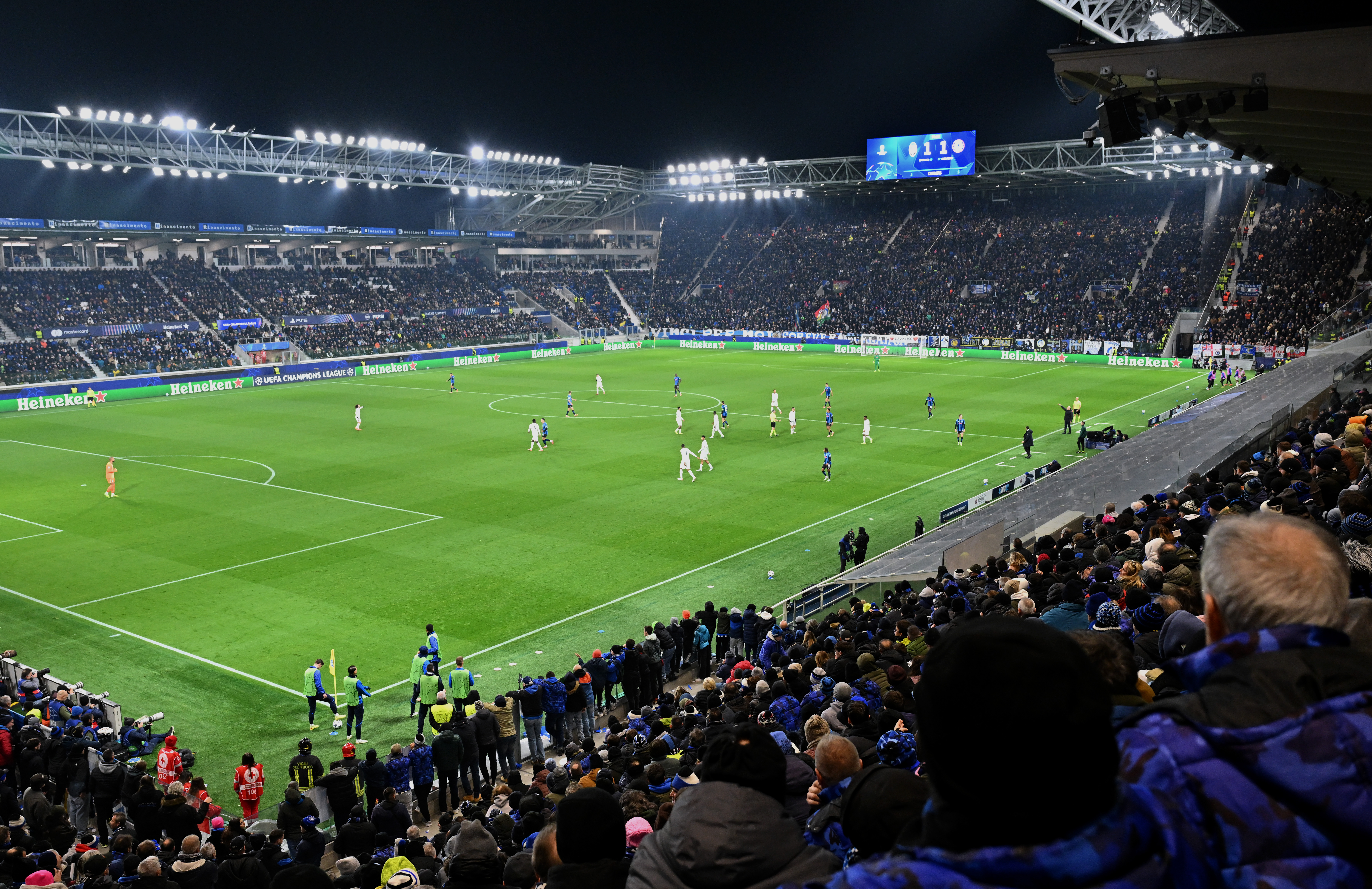
These clubs are young in every sense. They have no history in the towns they play in, no season-ticket base and no travelling support, so home crowds are counted in hundreds.
The away end is usually the busier one, because the visiting club is an old one with supporters who have made the trip. The atmosphere is inverted: the noise comes from the opposition, and the home side plays in a borrowed stadium in front of scouts, families and a few dozen locals who have adopted them.
That inversion is at the heart of the debate about the whole system. Supporters’ groups across Serie C have argued since 2018 that a club fighting relegation with a town behind it should not be facing a side for whom the result is a development exercise.
The clubs, and a growing number of sporting directors, answer that Italian football spent 20 years producing teenagers with nowhere to play between the youth league and a professional debut, and that the second teams have closed that gap. Both things are true at once, and the numbers are now on the second argument’s side: dozens of players have reached Serie A having already played a full season against grown men in front of hostile crowds.
For a visitor, the case is straightforward. Tickets are cheap, the grounds are small and easy to reach, and you are watching players who in three years may be worth eight figures.
Caravaggio, Alessandria and Sesto San Giovanni are not on anyone’s football itinerary, which is exactly the point. Go on a Sunday afternoon and you will see the Serie A of 2030 before anyone else does.
Related Topics
Related Articles
Related Articles
The biggest derby in Veneto headlines the latest triple-header of Serie B fixtures live on Destination Calcio TV.

Milan has five teams playing league football inside the metropolitan area and all of them are reachable on public transport.
A weekend can easily hold two matches across two cities. And there is so much to see in this pocket of northern Italy.