
Speaking last year, Arrigo Sacchi lamented the fact Italy were based on the east coast at the World Cup in the United States more than three decades ago.
The Azzurri manager at the time of USA 94, Sacchi told the FIGC – the Italian FA – that the heat and humidity of the eastern seaboard would make for terrible conditions during the tournament.
“I was told Italy would have to play between New York, Boston and Washington as those were the areas with the highest number of Italian immigrants, which would mean huge support for us,” he told La Gazzetta dello Sport.
“Instead we played at Giants Stadium in our tournament opener and Ireland fans vastly outnumbered the Italians.”
While Sacchi’s claims passes the eye test, there was a logic behind the FIGC’s desire. New York and New Jersey are famous for their Italian lineage.
Robert De Niro, Al Pacino and Martin Scorsese were all born in New York City to Italian families, while New Jersey’s most famous son, Bruce Springsteen, was born to an Italian mother.

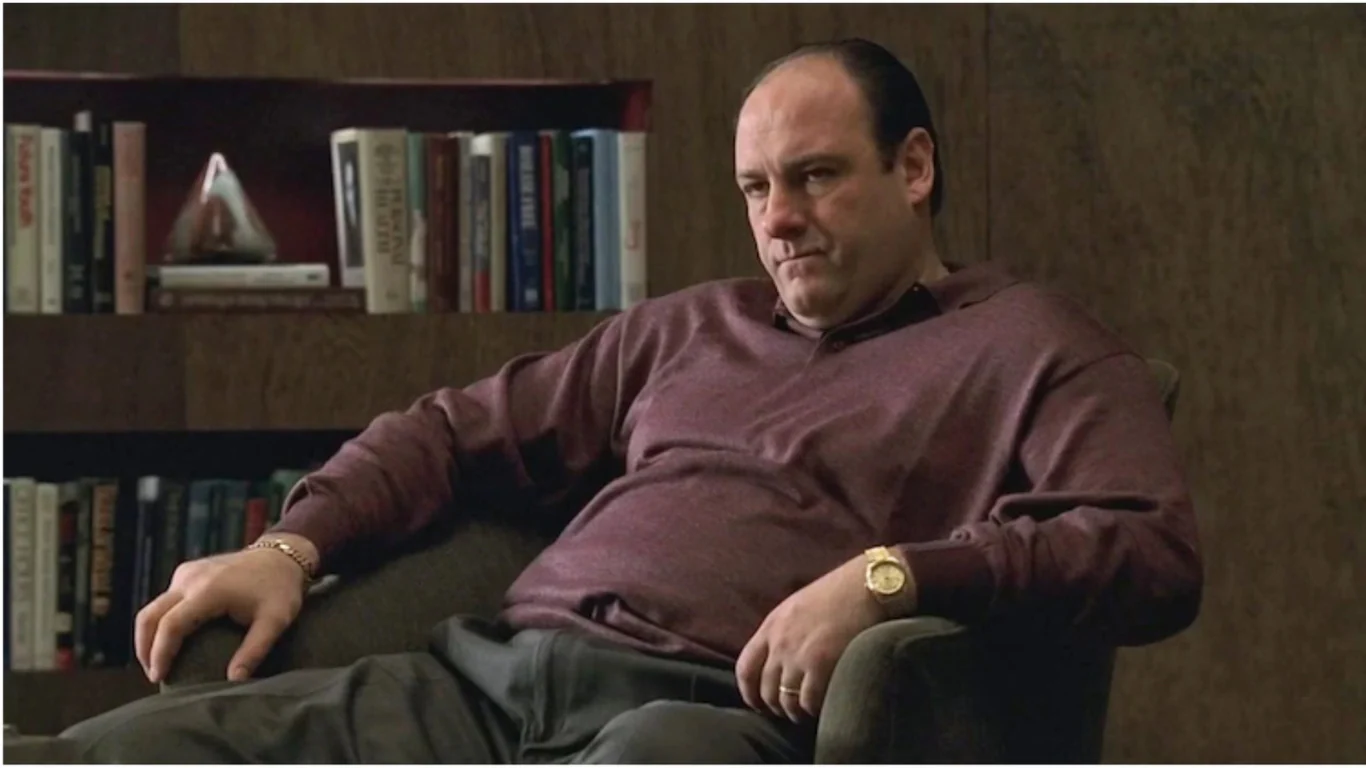
And yet, the Garden State’s most famous connection to the old country may just be a fictional one, namely Tony Soprano, the main character of HBO’s TV series The Sopranos.
Tony lives in Essex County in New Jersey, but his grandfather hailed from Avellino, a city 30 miles east of Naples, as he mentions in the first series.
His Uncle Junior goes into even more detail during In Camelot in season five, when he reveals that ‘the whole village of Avellino’ settled in Essex County at the beginning of the 20th century.
Tony famously visits Naples in the second season but never ventures as far as Avellino, which is most certainly not a village but a city of around 52,500 inhabitants as per the latest census in 2021.
And it is certainly worth a visit. Avellino retains some of its Romanesque architecture despite a series of violent earthquakes and disastrous volcanic eruptions from Mount Vesuvius.
Almost reduced to rubble by the devastating earthquake that hit the Irpinia region in November 1980, which caused almost 3,000 deaths, the Clock Tower has been entirely rebuilt and stands proud as the city’s symbol.
And what of the football? The Lupi – the Wolves – returned to Serie B last summer for the first time in seven years and not only cemented their status in the Italian second tier but finished eighth, clinching a play-off spot before losing to eventual finalists Catanzaro in the first round.
The appointment of Alessandro Nesta as manager speaks to the club’s ambition. The 2006 World Cup winner led Perugia to the play-offs in 2019 and repeated the feat with Frosinone 12 months later, falling short of promotion on both occasions.
Serie A regulars across the late 1970s and 1980s Avellino have had quite the rollercoaster ride since being founded in 1912. After six decades bouncing around the lower echelons of Italian football, they got their first taste of Serie B in 1973 and climbed to Serie A five years later.
A decade in the top flight followed with Avellino punching mightily above their weight to finish eighth in 1982 and 1987, before relegation in 1988 set in motion a slow but inexorable decline. Bankrupt in 2010, they came back under a different name just months later as they began life in non-professional football, before eventually reclaiming their badge, name and historic results five years later.
The respite proved to be short-lived, as Avellino fell on hard times again and were excluded from Serie B in 2018 after going to the wall once more. Another slow climb from the non-professional game ensued, but they are at last back in calcio’s second tier.
The Irpini have also been a staging post for several calcio icons, who have gone onto better and bigger things. Stefano Tacconi spent three seasons at the Partenio before joining Juventus, while Andrea Carnevale and Sandro Tovalieri arrived in Campania in the early stages of their careers before becoming prolific scorers elsewhere.
Avellino’s heydays in the 1980s coincided with a number of flamboyant signings at the Partenio, namely Brazil internationals Juary and Dirceu, who became cult heroes in Campania. The same goes for Austrian centre-forward Walter Schachner, who scored 13 league goals in 48 games across three seasons after joining from Torino.
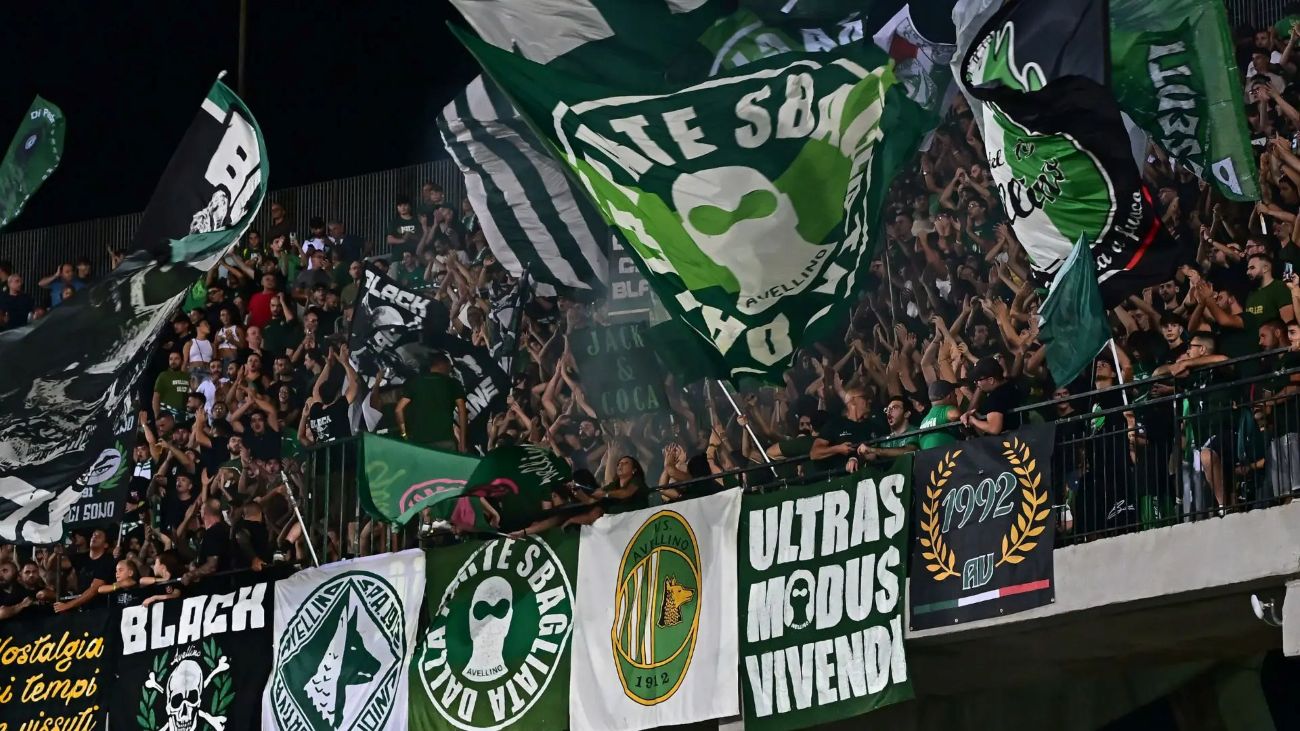
Football in Campania may be dominated by Napoli, but the Biancoverdi retain a prominent spot in calcio’s folklore and not just for the array of young talent they have nurtured. You could watch both teams on the same weekend – the quickest train from Naples takes just over half an hour.
Avellino retain a strong fanbase and their average home crowd of just under 9,500 was the seventh-best in Serie B last season, an impressive figure considering the Partenio’s capacity is just under 11,700.
Which is a fraction of Met Life Stadium in East Rutherford, New Jersey, the venue the World Cup final next month. The ground replace the historic Giants Stadium and like its predecessor it’s just a 25-minute drive away from Tony Soprano’s home.
Related Topics
Related Articles
Related Articles
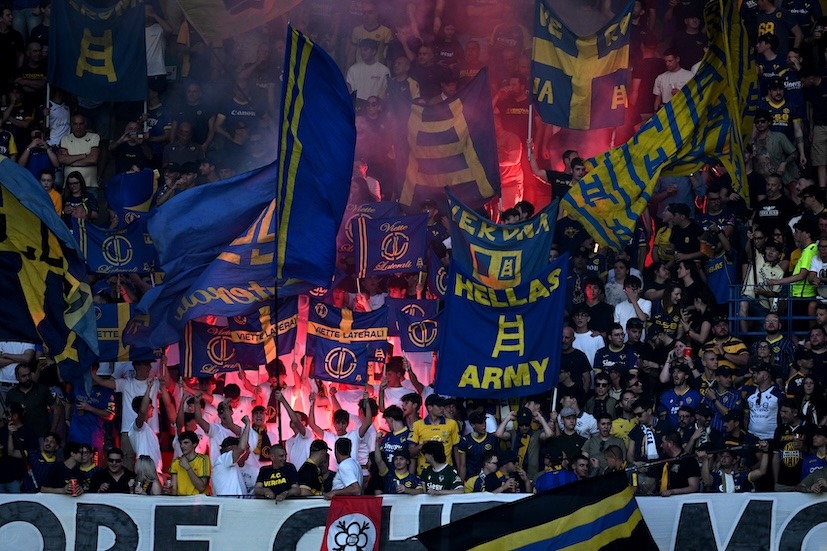
The biggest derby in Veneto headlines the latest triple-header of Serie B fixtures live on Destination Calcio TV.
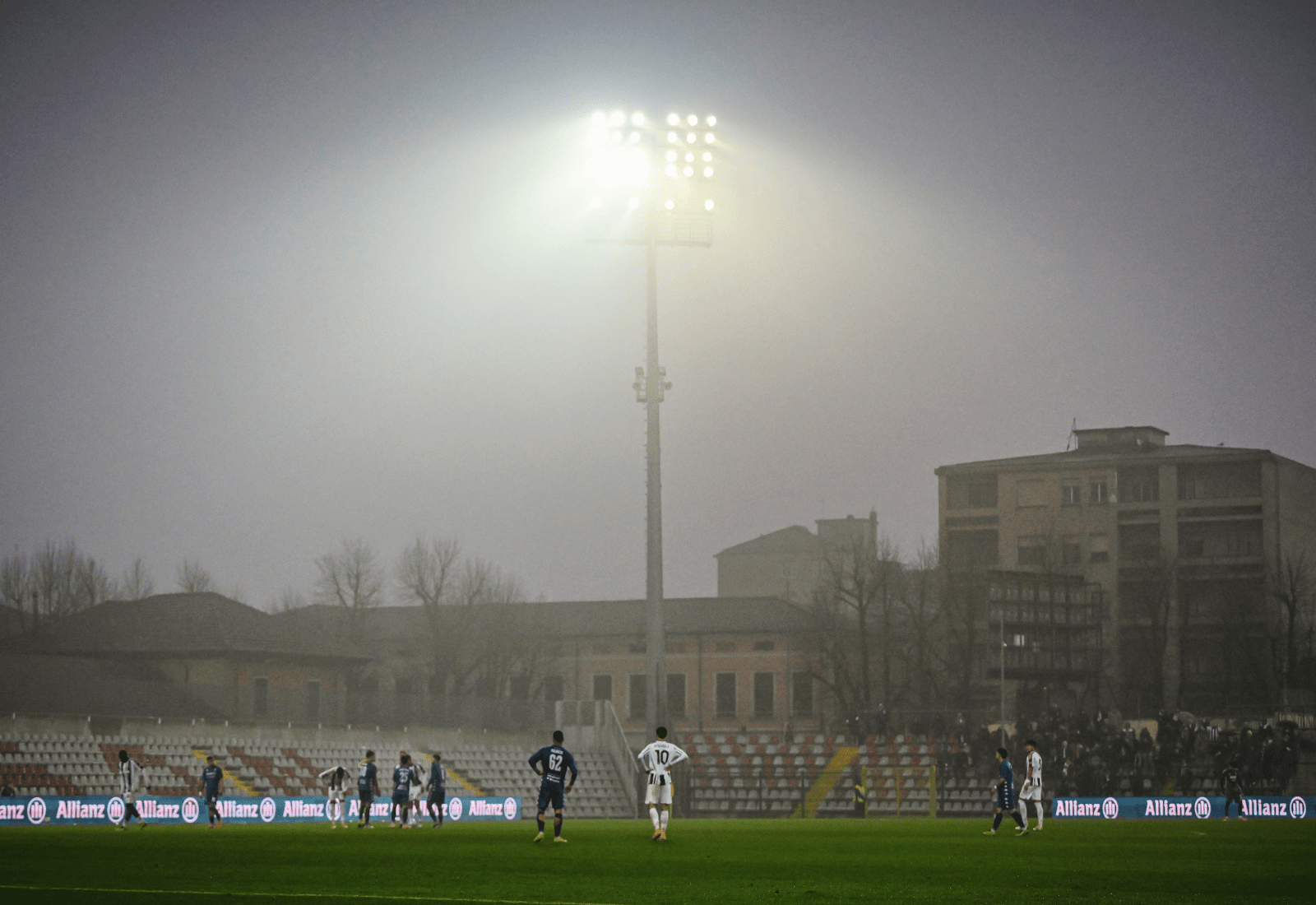
The U23s play a full professional season in the same division as clubs founded in 1900 with ultras, debts and towns behind them.

Milan has five teams playing league football inside the metropolitan area and all of them are reachable on public transport.