
The Man, the Story and the Town Behind Italy’s Iconic World Cup Photo
By Dan Cancian
Marco Tardelli wheeling away in celebration, screaming at the top of his lungs. Enzo Bearzot hoisted aloft by his players, his gruff facade finally giving way to a smile. Dino Zoff lifting the World Cup at the age of 40.
Italy’s triumph against West Germany in the 1982 final is signposted by a series of iconic snapshots. And yet, the most iconic of them all was not a wide-eyed reaction to a goal or a beaming captain with his hands on the trophy.
President of Italy back then, Sandro Pertini made his own headlines as the tournament reached its thrilling finale in Madrid’s Santiago Bernabeu. Having limited himself to polite applause when Paolo Rossi opened the scoring, he leapt out of his seat when Tardelli doubled the Azzurri’s lead.
Fists clenched, the ever-stylish Pertini had time to button his suit before continuing his celebration as a bemused King Juan Carlos of Spain looked on.
“We are celebrating together with President Pertini,” RAI commentator Nando Martellini shouted excitedly as Italy went 2-0 up.
There is, of course, nothing particularly extraordinary about a head of state celebrating his team scoring in the World Cup final. Except Pertini by then was two months short of his 86th birthday and sat next to the West German chancellor Helmut Schmidt.
Just hours earlier, when informed by RAI journalist Giampiero Galeazzi that “your counterpart Schmidt” would also attend the final, Pertini had snapped back with mock severity.
“‘Counterpart?’ You must be joking,” he quipped. “Schmidt is a chancellor, whereas I am the President of the Republic.”
By the time Alessandro Altobelli had put Italy three goals to the good, any vestige of diplomacy had completely disappeared from Pertini. Stood up in the royal box, he informed those around him that: “They (the Germans) won’t catch us”.
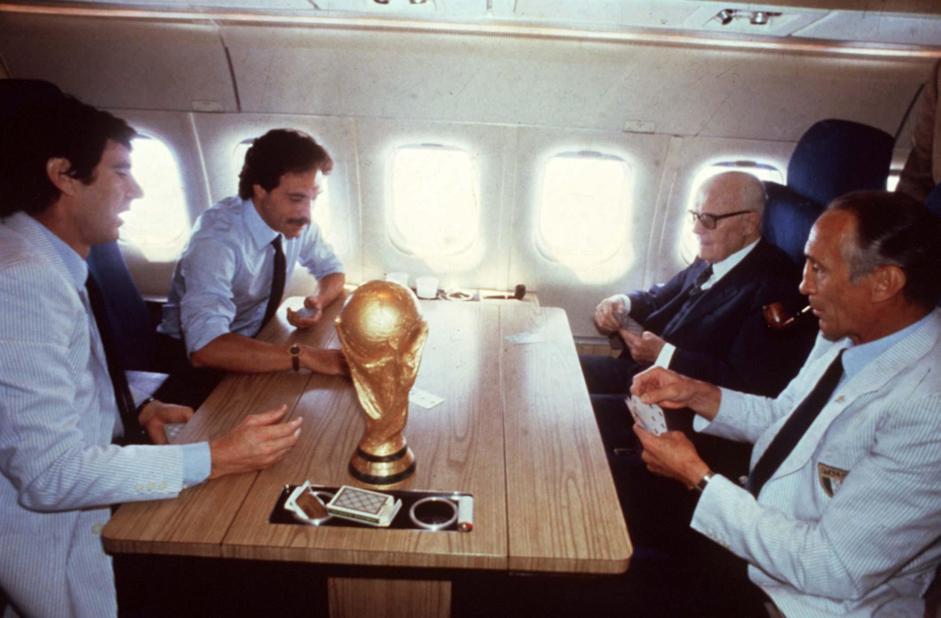
And no, the Germans did not come back. But Pertini and the World Cup did, along with the Azzurri. The picture of Pertini playing cards with Zoff, Bearzot and midfielder Franco Causio on the flight back to Italy with the trophy sat on the table has gone down in Italian football folklore. The played scopone – a popular game in Italy, particularly among older men in bars, with four people in teams of two. The president was known to be a keen card player and the image gave a hint of the warm, informal and easy relationship he had with the squad. The game was set up for no other reason than to pass the time on the journey.
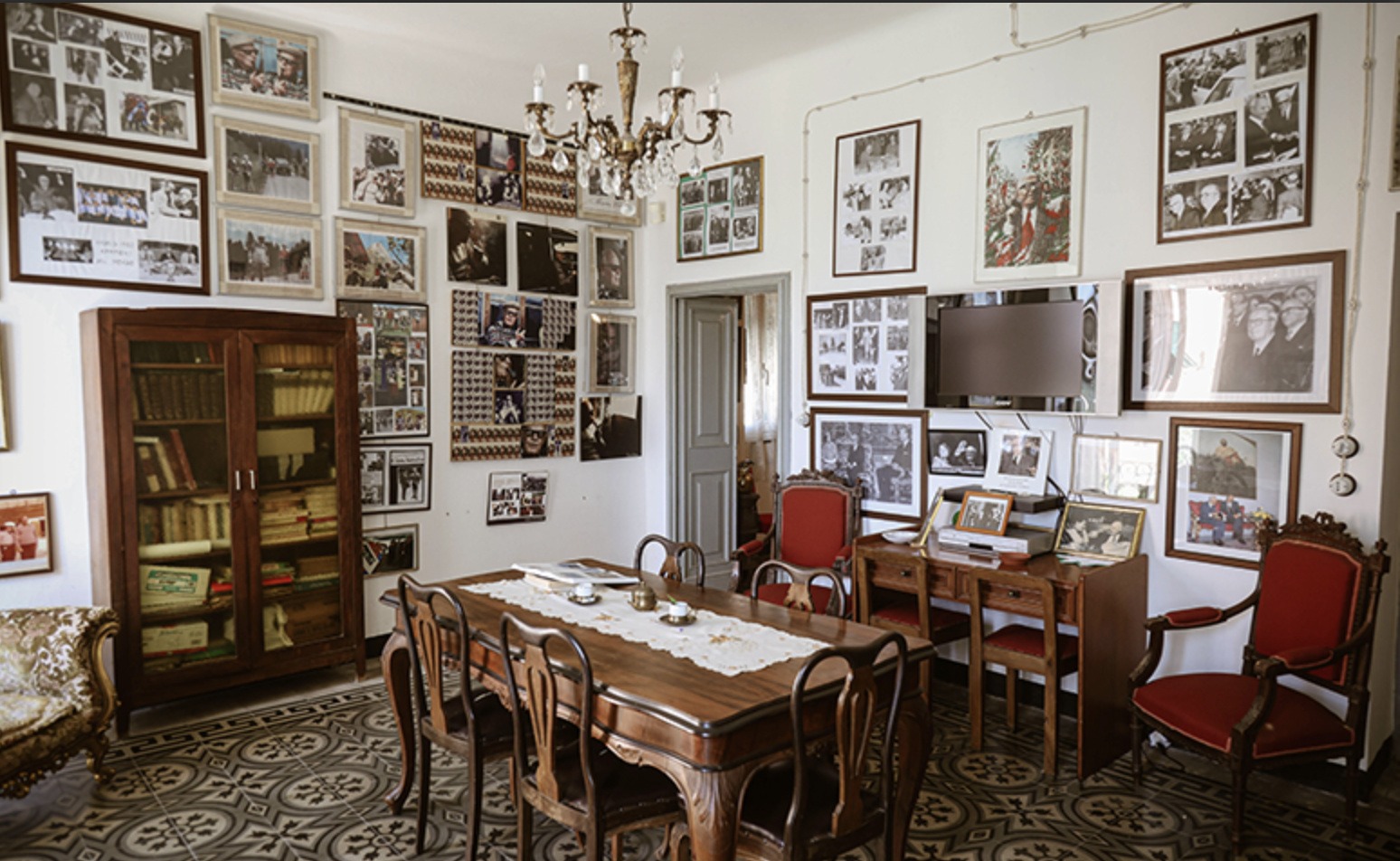
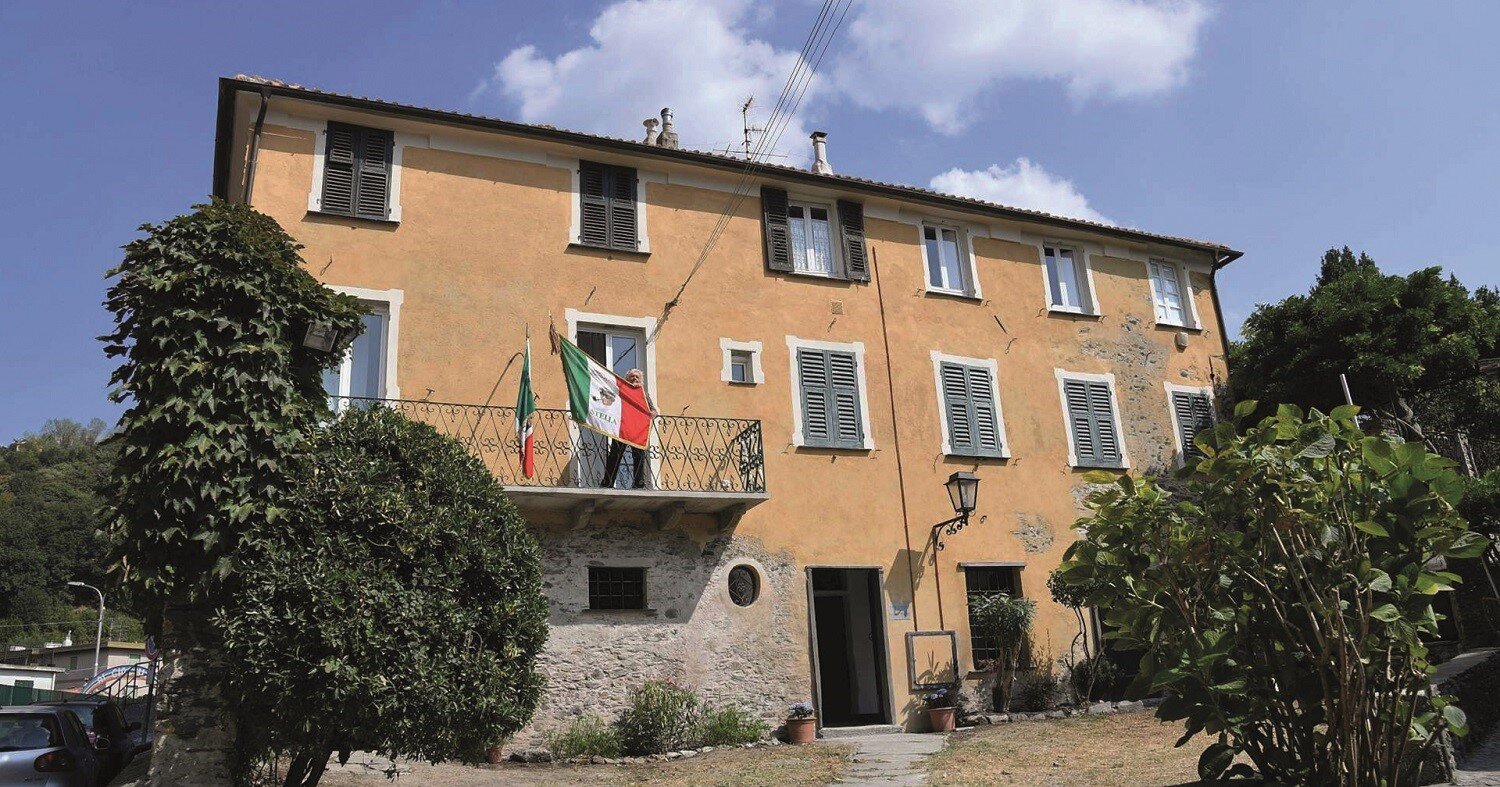
A copy of the picture can be seen at the museum Casa di Sandro Pertini in his native San Giovanni, a hamlet within the municipality of Stella, a small town of just over 3,000 in the province of Savona in Liguria.
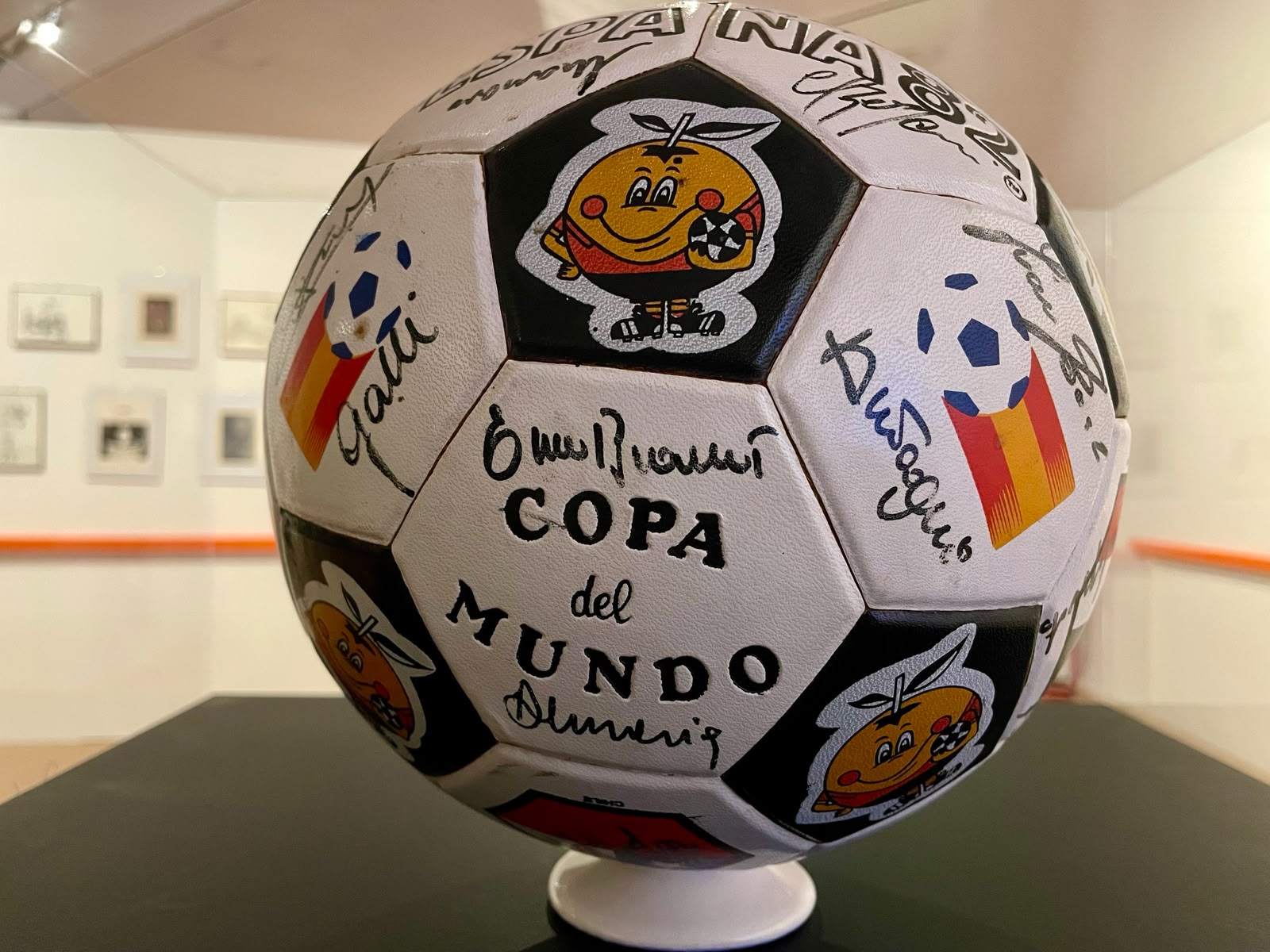
Meanwhile, at the M9 – Museum of the 20th Century in Mestre, just outside Venice, an exhibition on Pertini, which runs until August 31 next year, features a football from the 1982 World Cup signed by the Italy squad.
Pertini’s love for football was never about political opportunism. Whether he was following the fortunes of the national team or tracking clubs in European competitions, he did so with the genuine curiosity of someone who simply wanted to see merit rewarded.
He once declared that he loved the sport because “the game reveals the true character of men.”
After being elected president in 1978, Pertini revealed he used to like Genoa in his youth, but once he became a head of state he had eyes only for the national team.
The Stadio Luigi Ferraris is less than an hour’s drive from his hometown of Stella and both Genoa and Sampdoria draw support from way beyond the city’s boundaries.
In a region famous for its football clubs, from the two Genoese giants along with, to a lesser extent, Virtus Entella and Spezia, Savona has always been something of an outlier.
The local club plays in Promozione, the sixth level of the Italian football pyramid, after going bankrupt four times in the past two decades.
While Savona’s biggest achievement remains winning promotion to Serie B in 1966, a young Marcello Lippi turned out for them in the 1969-70 season, followed by Walter Zenga a decade later.
Zenga rivals Valerio Bacigalupo for the accolade of most famous goalkeeper in Savona’s history. Bacigalupo played one season for them before joining Torino in 1945 and establishing himself as Italy’s greatest keeper of the post World War II era.
A native of Vado Ligure, Bacigalupo lost his life along with the rest of the Grande Torino team in the Superga air disaster in 1949 and the stadium in Savona has been named after him since.
The Biancoblu have been forced to relocate to Vado Ligure, incidentally Bacigalupo’s home town, approximately 15 miles south of Stella on the Ligurian coast.
As for Pertini, he remained fond of his Ligurian roots. A leading figure of the anti-Fascist movement during World War II, he was captured by the SS and sentenced to death in 1944, before escaping Rome’s Regina Coeli prison.
One of the leaders of the Resistance, Pertini helped organise the liberation of Milan in 1945 and in the same year played a crucial role in ensuring deposed Fascist leader Benito Mussolini was sentenced to death by a people’s tribunal.
“I am proud to have ordered the execution of Mussolini,” he recalled in a speech in Genoa in 1960.
When he was elected president in 1978, Pertini’s first thought went to the region he called home. “I send my warmest, most heartfelt greetings to all Ligurians,” he said in his opening remarks. “In this moment, I am filled with emotion remembering that my journey as a free man began right here, in my beloved Liguria.”
When he returned to the region for an official visit in January 1979, he insisted on staying not at the official prefecture as protocol dictated, but in the most spartan guesthouse possible.
It was a trend that defined his presidency, for Pertini never actually lived in the Quirinale Palace, the traditional residence. Instead, he chose to rent a small attic apartment near Rome’s Trevi Fountain.
Pertini is often referred to as Italy’s most beloved president and he was never shy about his favourite day in the role.
“Italy winning the World Cup was the greatest moment of my seven years as President,” he said.
Related Topics
Related Articles
Related Articles
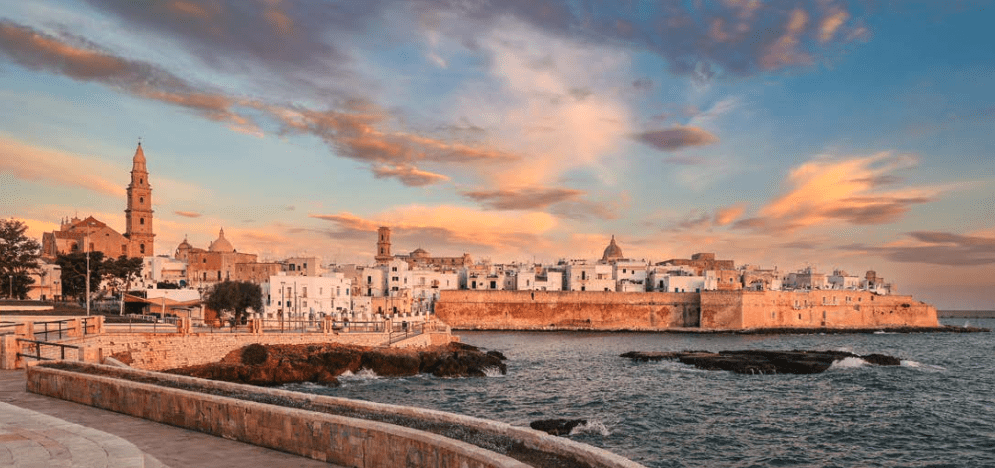
Italy is full of towns that are often ignored in favour of their bigger, more famous neighbours. But there are real gems to be found.
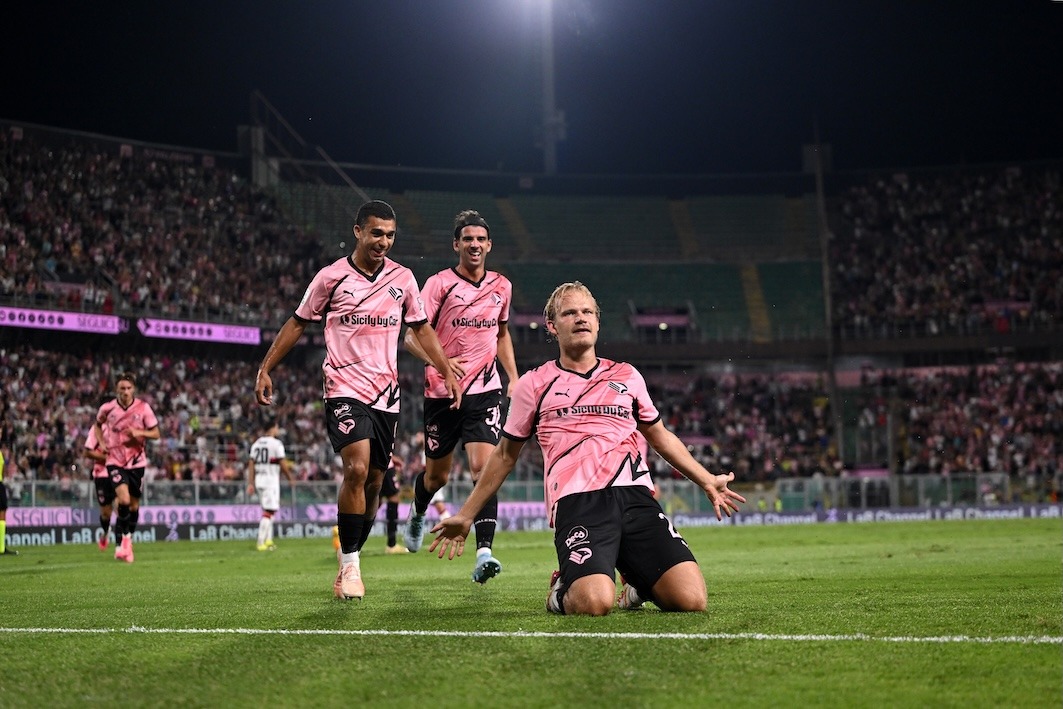
We will be showing 18 Serie B matches LIVE and for FREE in October and November between the two international breaks.
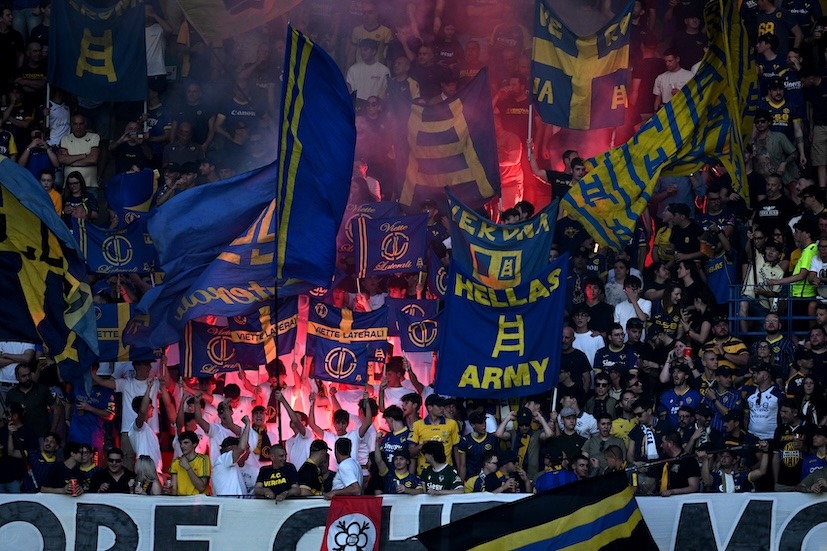
The biggest derby in Veneto headlines the latest triple-header of Serie B fixtures live on Destination Calcio TV.