
Long before Lionel Messi and Cristiano Ronaldo made it their personal quest to defy the passing of years, Dino Zoff was locked in an arm wrestle with Father Time.
The Friuli-born goalkeeper was an ever-present figure in Italian football for almost half a century, first as a player then a manager. He made his debut with Udinese in 1961 and left his last managerial role at Fiorentina in the summer of 2005.
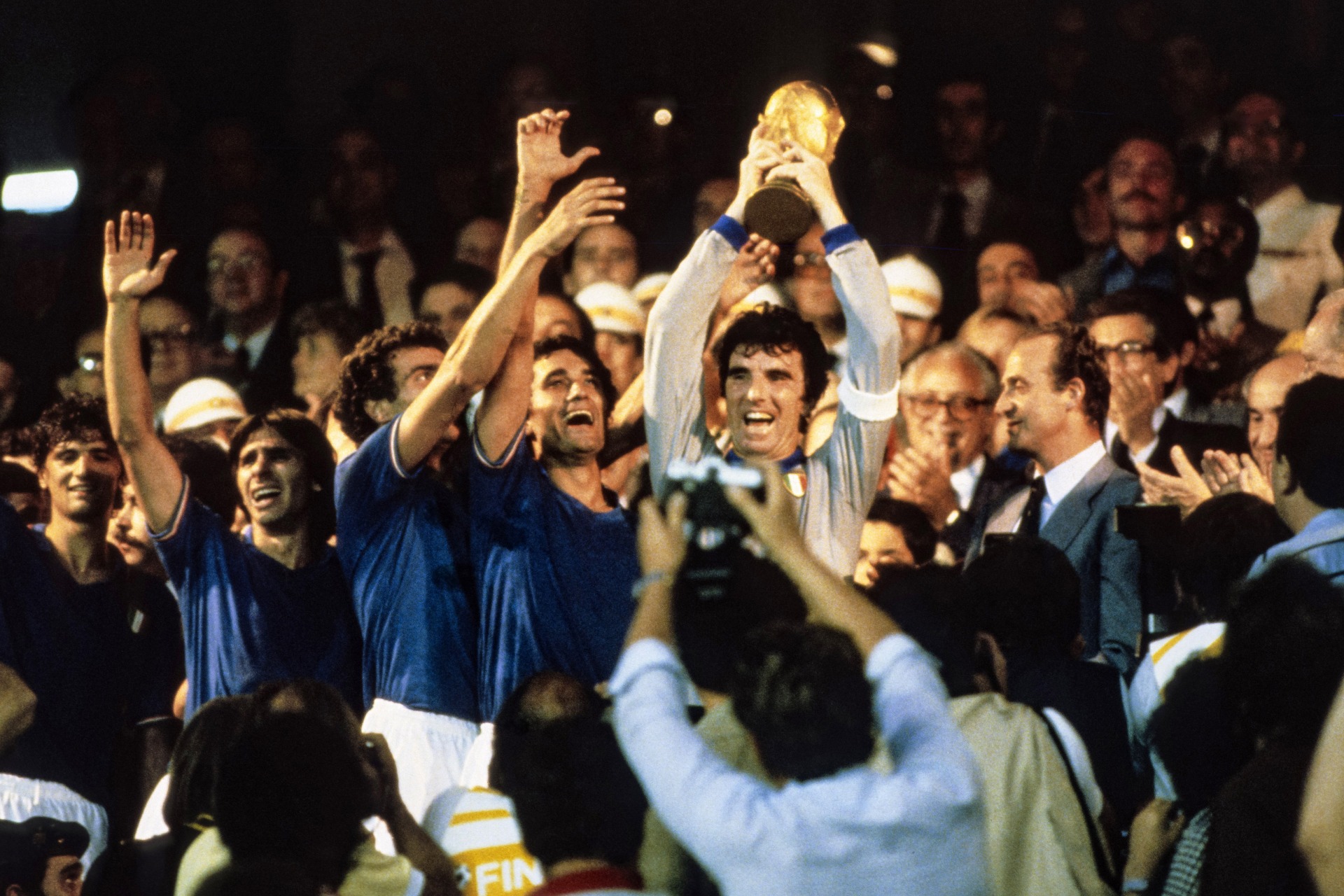
The oldest World Cup winner in history when he captained Italy to glory in 1982, a few months after his 40th birthday, Zoff is the only Italian to win both football’s biggest tournament and the Euros. And he was a whisker away from leading the Azzurri to continental glory as a manager at Euro 2000, denied in the cruellest of fashions by France.
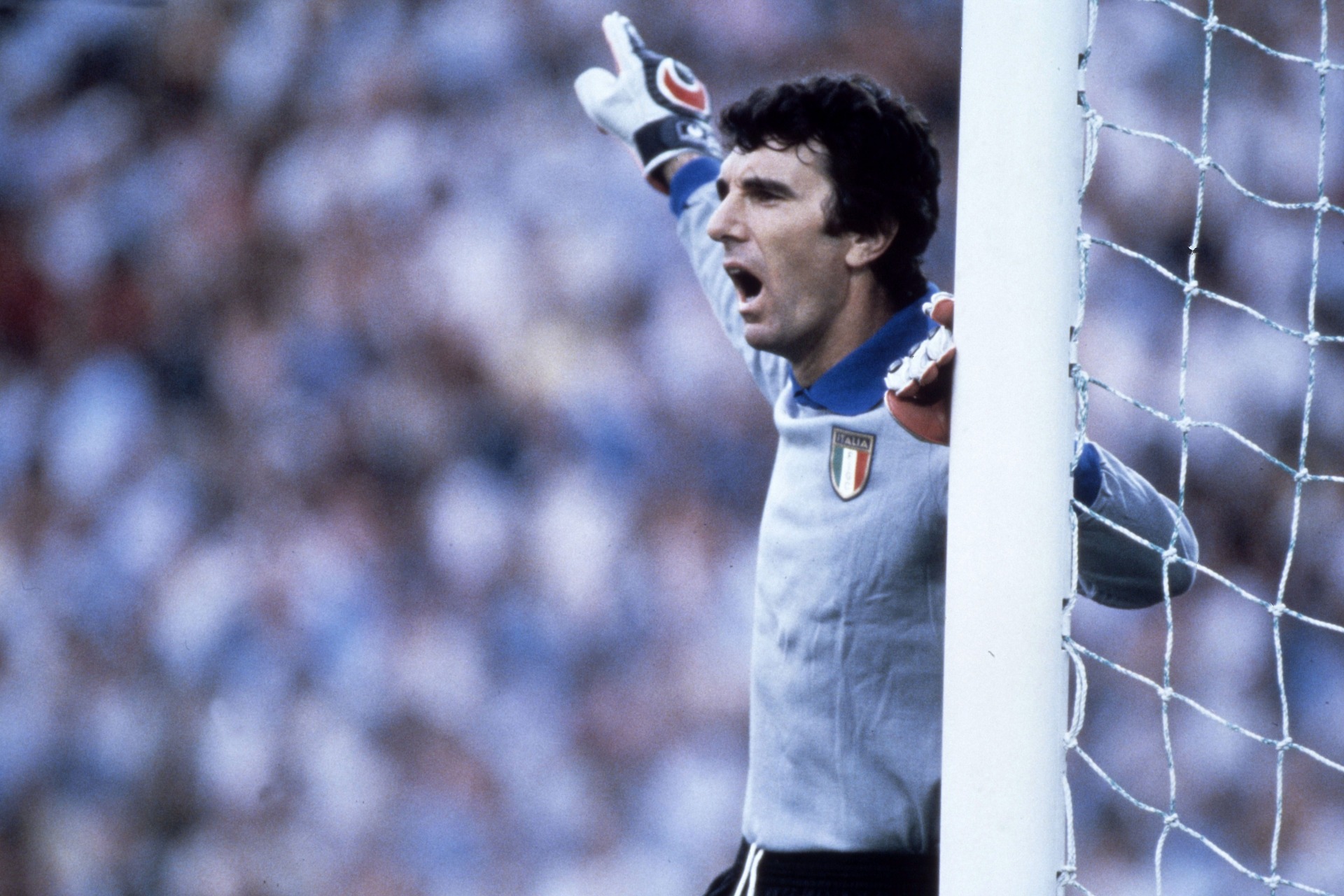
His record of not conceding a goal in an international fixture for 1142 minutes still stands and Zoff is Italy’s eighth-most capped player.
Domestically, he won six Serie A titles with Juventus, the Coppa Italia twice and the UEFA Cup, finishing on the losing side in the European Cup final in 1973 and 1983. He lifted the Coppa Italia and the UEFA Cup as Juventus manager in 1990.
The secret behind such longevity? His rural upbringing in Friuli.
“My Friulian roots and farming heritage instilled a core philosophy in me: to savour every single moment,” he told Udine-based newspaper Il Gazzettino.
Hard-working, unassuming and quiet to the point of almost aloof, Zoff is one of Friuli’s most famous sons and embodies the region’s qualities better than most.
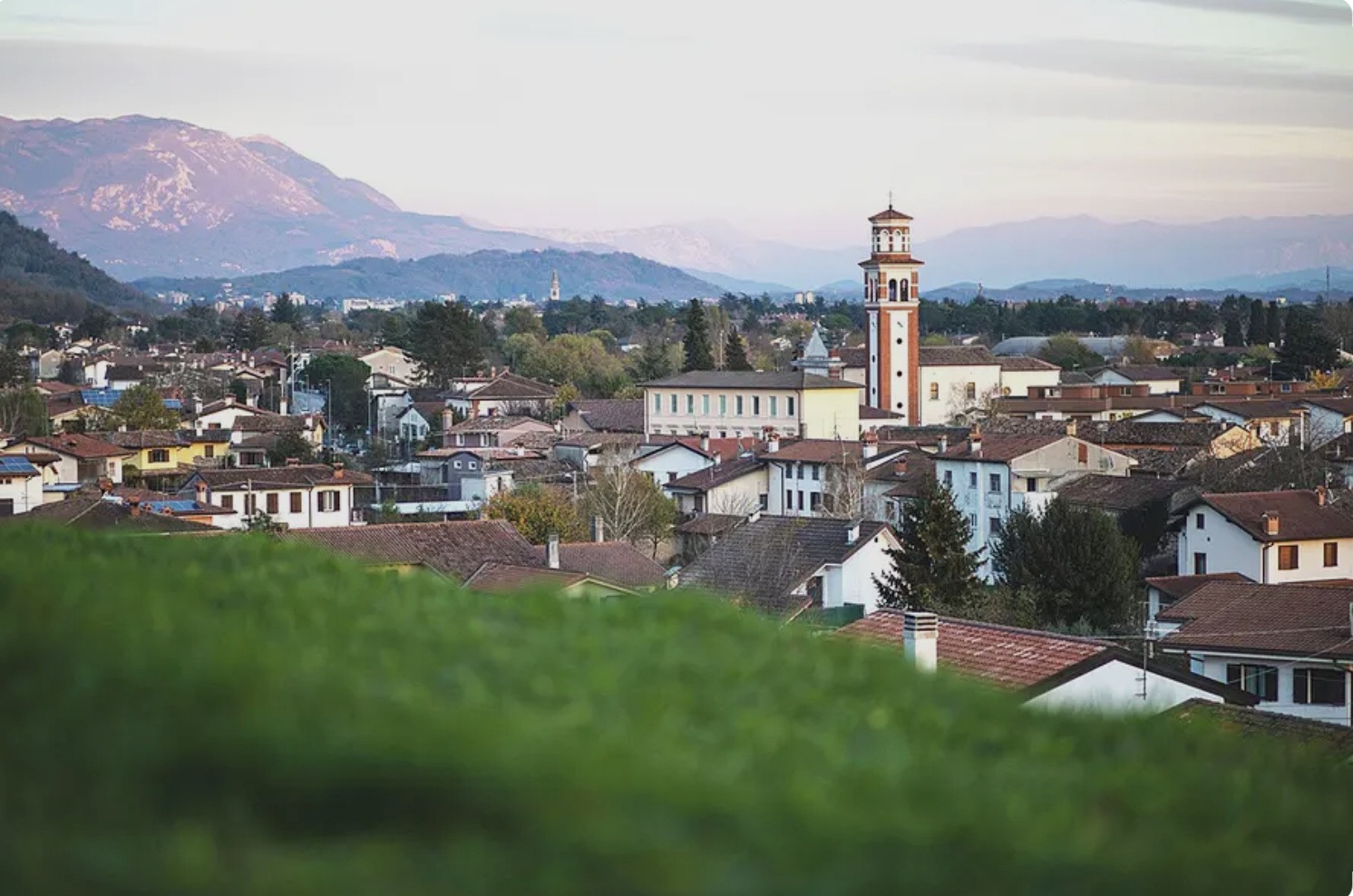
It could hardly have been otherwise for young Dino, who was born in a farming family in Mariano del Friuli, a small town of just over 1300 inhabitants in the Gorizia province, about 15 miles south of Udine.
“I came from a family where whatever you did, it had to be done properly,” he recalled on Italian TV show L’Ora Solare a few years ago.
“My dad always told me that you have to do a good job. It wasn’t important what kind of work you did, as long as you did it well. That was the key. In those days, we didn’t speak much, but those values were clear as day. There were absolutely no excuses in my household.”
The region’s rolling hills are dotted with vineyards producing exceptional wines such as Refosco, Ribolla Gialla and Picolit. And Friuli is also home to some of the best food.
Frico – a pancake-like dish made from fried cheese and potatoes, crispy on the outside and soft on the inside, and cjarsons – a sweet and savoury stuffed pasta, are two specialities, along with the San Daniele ham – a slightly spicier version than its Parma counterparts.
But Zoff owes his career development to a somewhat more basic culinary staple, namely the eggs his grandmother insisted he incorporated in his diet after he was turned down by Inter Milan and Juventus aged 14 on account of being too short.
“I was a bit fussy with my food and didn’t like a lot of things, and back then you didn’t have a ton of choices anyway,” he told the TV show. “But my grandma stepped in with eggs, and for about two years I basically lived on two or three eggs a day, so there was definitely no shortage of energy.”
Not that being a footballer was the future Zoff’s family had planned. Having studied to become a mechanic at nearby Cormons, the hometown of legendary RAI commentator Bruno Pizzul, he began working in a garage after signing for Udinese.
Again, his upbringing in Friuli was crucial to keep him level-headed.
“Being a professional footballer didn’t really fit into the family plan, but I carved out my own path and strove to give it my best. Staying grounded was fundamental. Once, I tried to justify a goal I’d let in by arguing that I hadn’t expected the shot. My father snapped back, ‘You’re a goalkeeper, not a pharmacist’.”
Zoff moved to Mantova in 1963 and joined Napoli four years later. His family’s support never wavered and neither did that of the people of Mariano del Friuli, who rallied behind their most famous son.
“Back in my hometown, people were really proud of that,” he said. “At first, things didn’t go too well on the pitch, but eventually, everything clicked. So I’d say my parents followed my progress, but they always maintained a certain healthy distance.”
Zoff played all three of Italy’s matches at the 1968 European Championship, saving two penalties in a shootout in the semi-final, and keeping a clean sheet in the replay of the final as Italy won the tournament for the first time on home soil.
An unused substitute during the 1970 World Cup behind AC Milan’s Enrico Albertosi, Zoff joined Juventus two years later and would go on to make 474 appearances in all competitions – eighth in the club’s all-time list.
With 685 games under his belt, Gianluigi Buffon is the only goalkeeper to have played for Juventus more times than Zoff.
They both, of course, lifted a World Cup, with Buffon part of the team that triumphed in Berlin 24 years after Zoff had captained the Azzurri to glory in Spain.
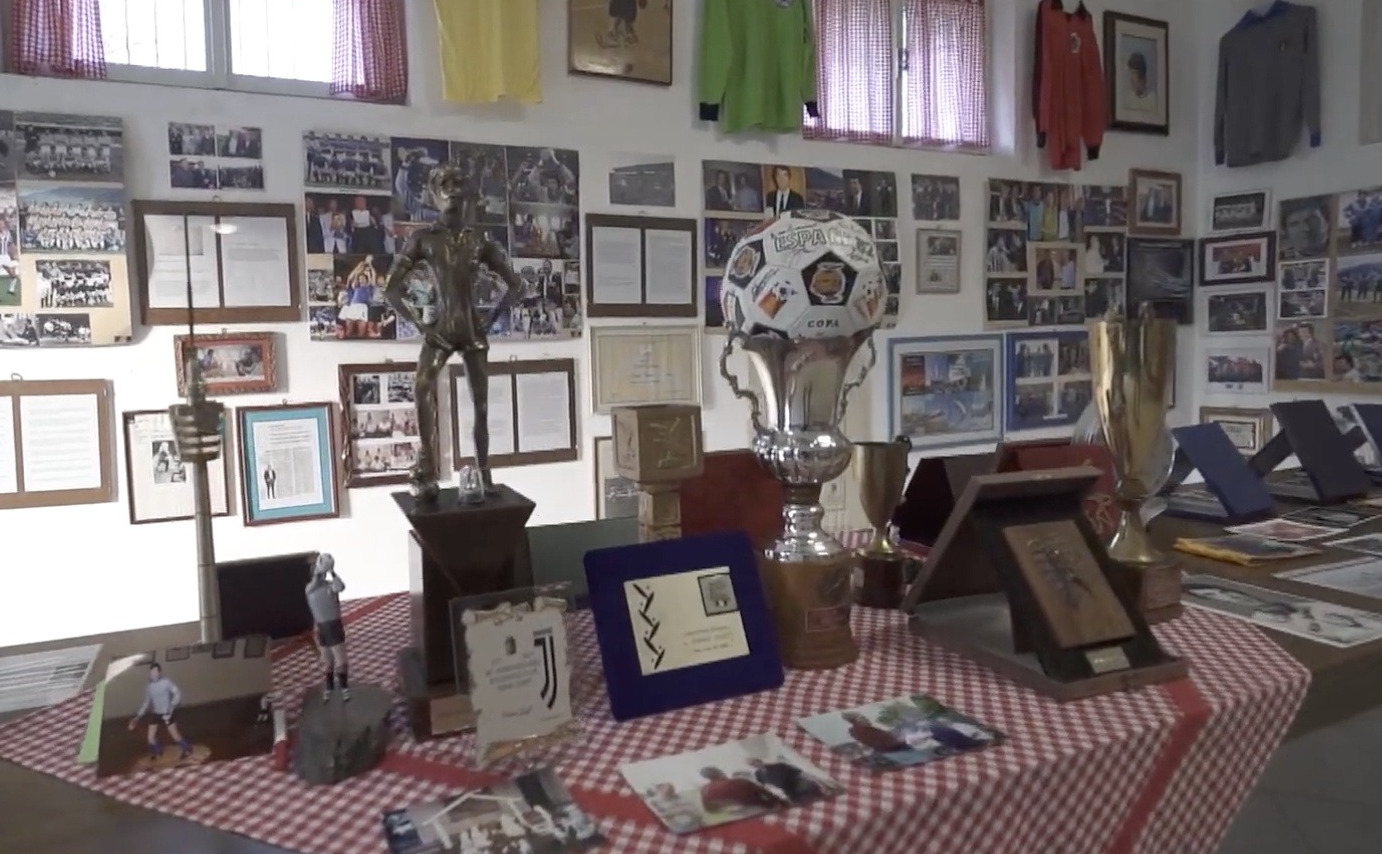
The 1982 World Cup triumph features prominently in a small, intimate museum in Mariano del Friuli, housed in what used to be the cellar of Zoff’s childhood home.
The exhibition is the brainchild of Felice Tofful, one of Zoff’s best friends, who first ran into him at a bus stop while he was playing in Udinese’s youth ranks in 1957 and from then on decided to drive him to training instead.
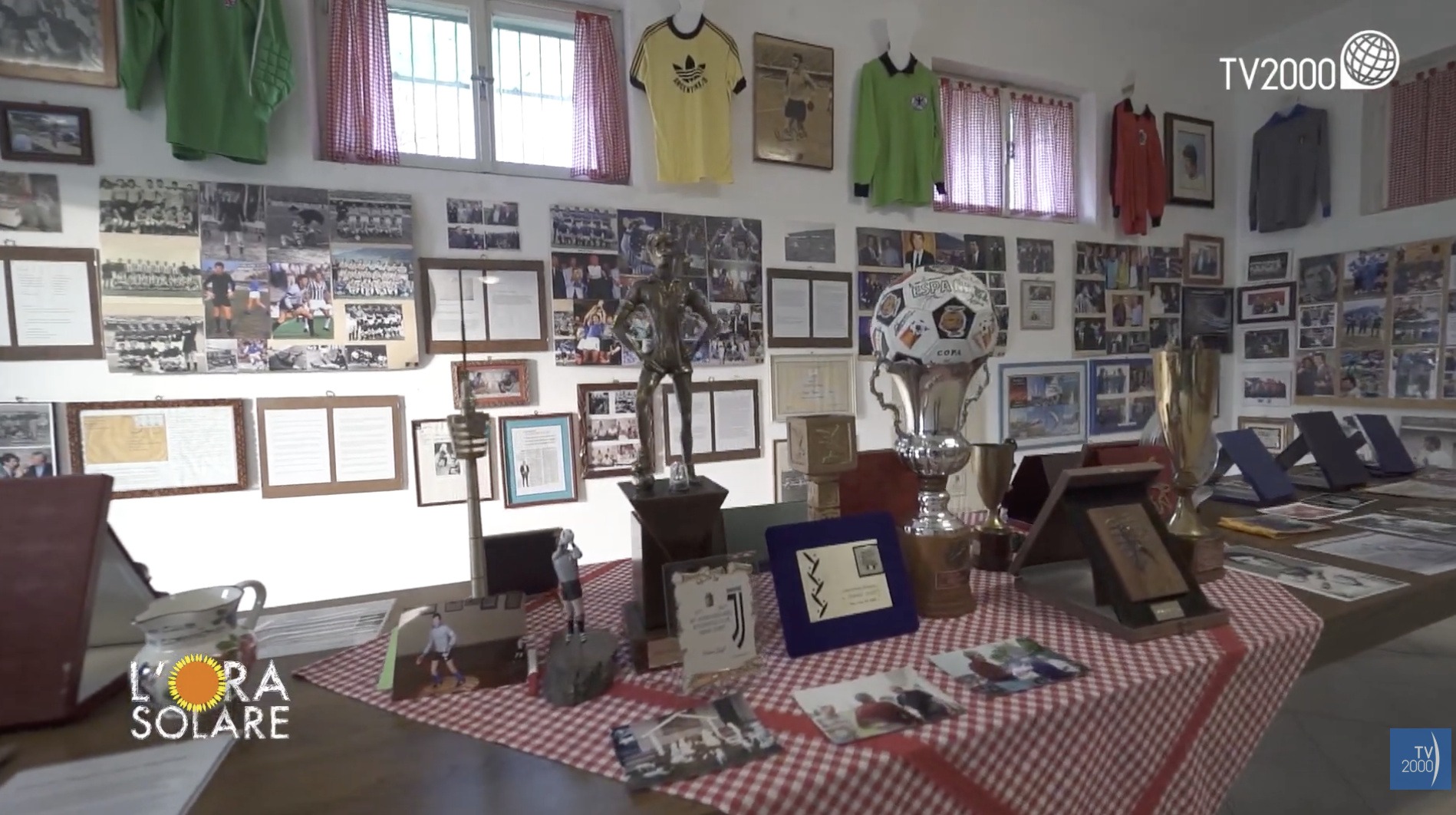
A lifelong friendship was formed, with Tofful, 14 years Zoff’s senior, acting as a mentor for the Italy legend, who still regularly calls him on a weekly basis to “check in on me and speak to me in Friulian dialect.”
Zoff’s shirts from Euro 1968 and the 1982 World Cup are framed alongside the classic black Juventus goalkeeper kit from the 1981-82 season, while several pictures from his career hang on the walls. Some of his medals and trophies are neatly laid out on a table in the main room, along with a telegram from then-Italian president Sandro Pertini congratulating Zoff on his retirement.
The museum, which is entirely run by volunteers, is free to visit and Zoff is occasionally on site when he returns to his hometown from Rome.
“I come back to recharge my batteries a bit with friends—I’ll always be a Friulian at heart,” he told Friuli daily Il Piccolo last year.
You can take the man out of Friuli, but it seems you cannot take the Friuli out of the man.
Related Topics
Related Articles
Related Articles
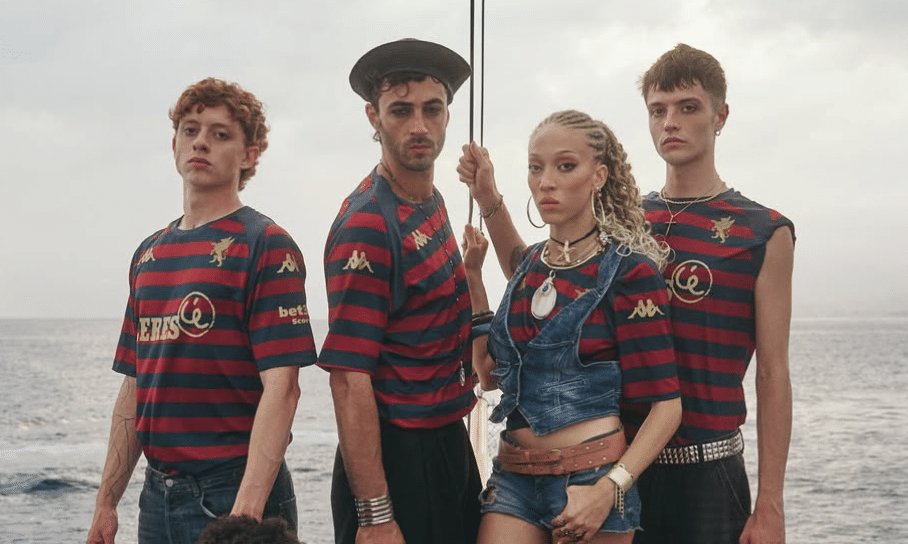
The home kits looked to tradition and the away kits went retro. The third kits are where Serie A clubs take more risks.
From Milan's Athens tribute to another fantastic fashion statement in Venice, here are the kits calcio stars will be wearing on the road.
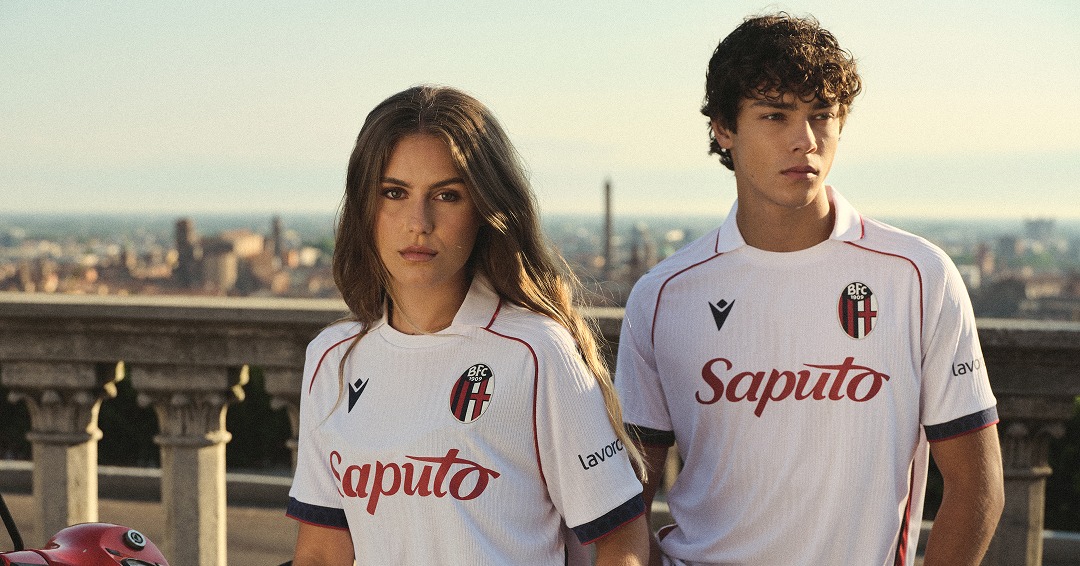
From traditional designs reimagined to some truly spectacular unveilings, check out all 20 Serie A home kits.