A UNESCO Creative City, Carrara has been the global capital of white marble since the Roman Empire. Its mountain quarries supplied the stone for ancient Roman monuments and famously provided the raw material for Michelangelo’s Renaissance sculptures.
It is from this rugged, majestic backdrop that Gianluigi Buffon emerged. While he achieved footballing immortality in Parma and Turin, to understand the celebrated goalkeeper’s rock-solid resilience, you have to look to the heart of his hometown.
The demanding labour conditions in the quarries shaped the town’s history and its food. Carrara’s signature culinary export is Lardo di Colonnata, a cured pork fatback seasoned with sea salt, black pepper, rosemary and garlic. It is aged for at least six months inside solid marble basins (conche) in the mountain village of Colonnata.
But despite the region’s culinary specialities, Buffon explains in his autobiography that his passion for food originated in Udine. He spent many summers during his early years living with his uncle Gianni, his aunt Maria and his grandmother Lina. “I always had a full stomach. My favourites were sandwiches with mortadella, which I devoured at an industrial pace!” he remembered fondly.
Carrarese defiance
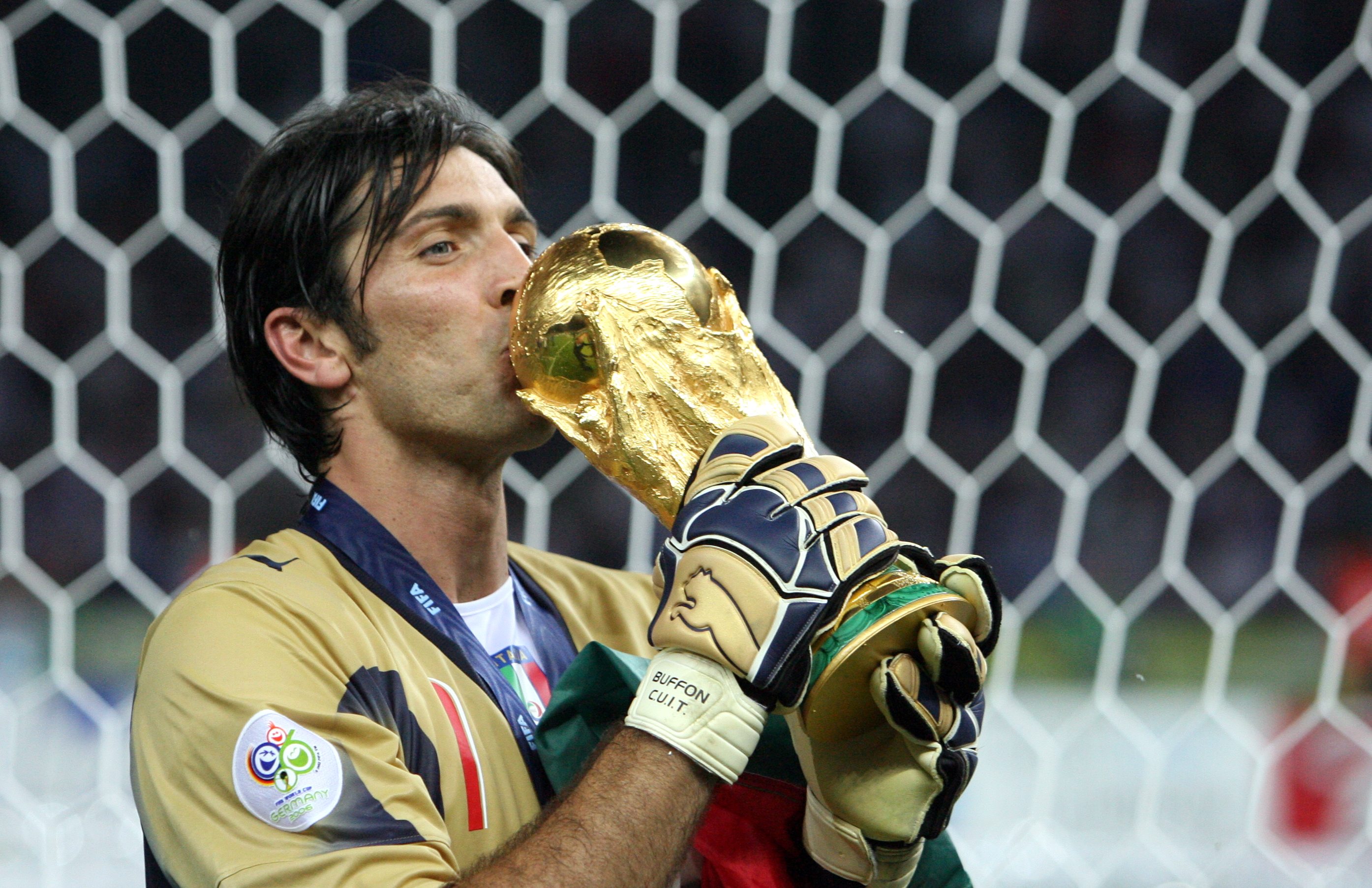
Carrara is widely considered the anarchist capital of Italy, a political identity forged by 19th-century marble quarry workers who fought brutal labour conditions. Buffon grew up immersed in this fiercely independent local culture, and it famously manifested on his professional gear.
Throughout his career, Buffon wore gloves featuring the acronym ‘C.U.I.T (Commando Ultrà Indian Tips), the name of the hardcore, historically left-leaning, and anarchist-influenced ultra group of his hometown club, Carrarese Calcio.
“I’m one of very few players who had a past as a hardcore fan,” he told the Guardian earlier this year. “The ultra-world is often at the centre of controversy, thanks to acts of criminality and violence, but it is also a world that is little-known. Many of those fans adhere to strong moral codes, and among the ultras there are organisations that do work for charity.”
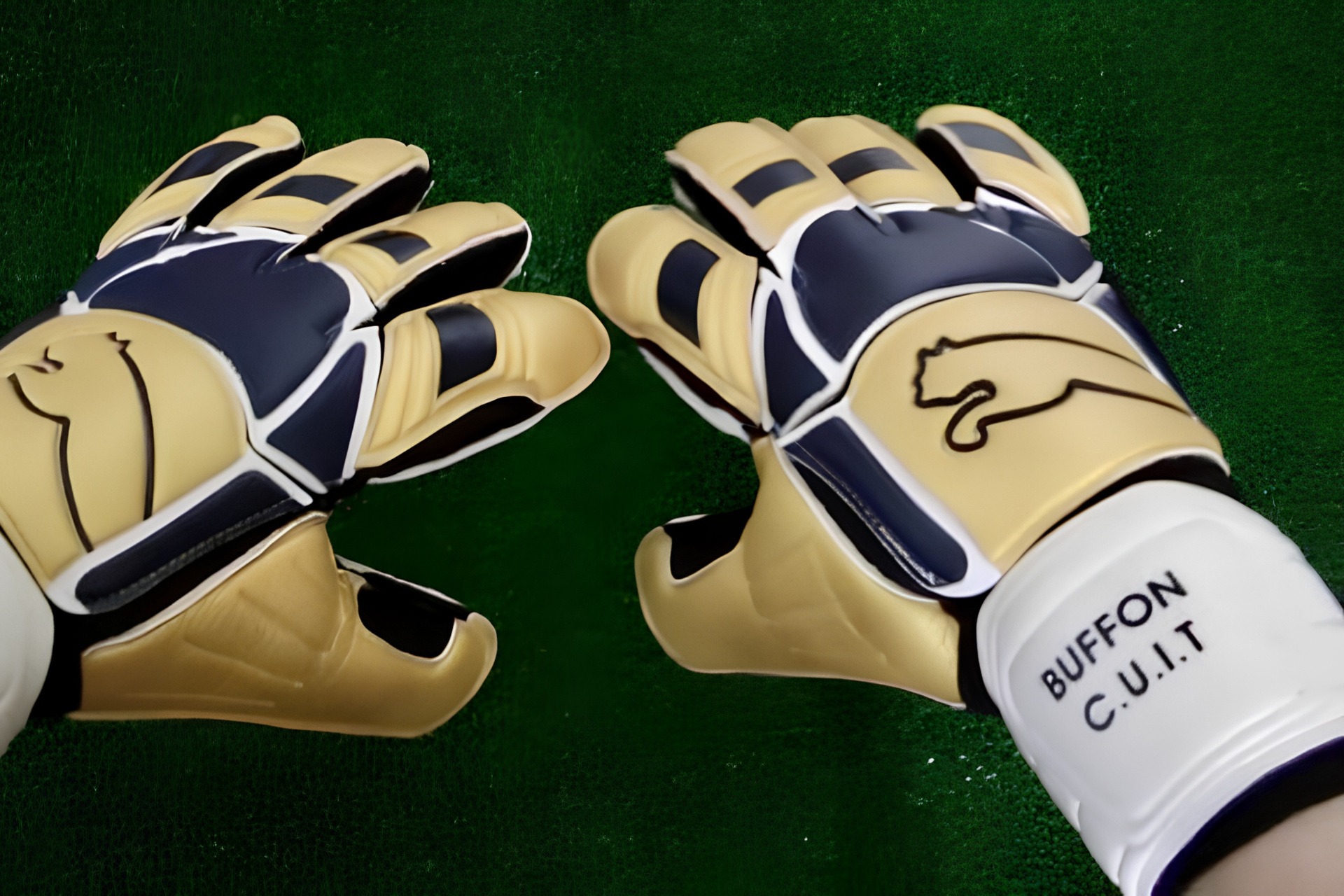
Even at the height of his global fame playing in World Cups, Buffon proudly displayed the symbol of his terrace roots, showcasing the classic Carrarese defiance against football’s heavily sanitised corporate image.
In 2010, when the local club, Carrarese Calcio 1908, was on the brink of financial collapse, Buffon stepped in. After joining a consortium to buy his hometown team to save them from bankruptcy, he became the sole owner in 2012 through his family company (GVG Immobiliare) before selling his majority stake in 2015.
The family hotel and its local roots
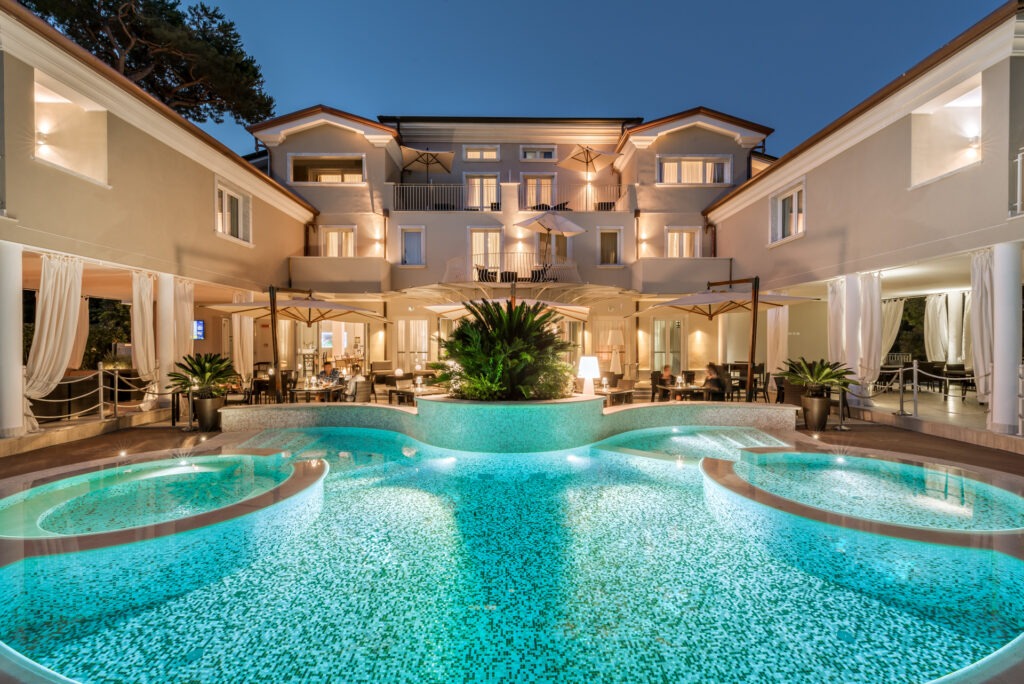
Buffon’s love for his hometown led him to open a hotel of his own. His family owns and operates the Stella della Versilia, a prominent four-star hotel and resort located in Marina di Massa, just a few minutes down the road from Carrara’s city centre.
Unlike many modern football icons who migrate permanently to the affluent districts of Milan or choose a more international base to call home, Buffon’s heart has always remained in the rugged Tuscan-Ligurian border, a place where he is viewed not just as a global celebrity, but as a local boy made of the city’s famous, unbreakable stone.
Related Topics
Related Articles
Related Articles
Italian teams have, over the years, been involved in some epic encounters on the continental stage. Here are seven of the best.
Up and down the country, each stadium is unique and every single one has its own charm. This is our top nine.
We've picked out five calcio crackers you could take in this winter, including Sampdoria, Palermo and a couple of derbies.