
Statues and Anniversary Games in the Tiny Towns Behind Italy’s World Cup Win
By Emmet Gates
Italy’s World Cup win in 1982 was more than a bit of a shock. The Azzurri had not been among the favourites to lift the trophy in Spain as Serie A was still coming out the other side of Totenero – the betting scandal that landed Paolo Rossi a two-year ban from football.
But football is full of surprises and Rossi, Marco Tardelli and Alessandro Altobelli fired their side to a 3-1 victory over West Germany in the final, having taken care of Brazil and Argentina in the second group stage on their way to Madrid.
Rossi was the tournament’s top scorer and best player and the win helped usher in the rebirth of Serie A as the strongest domestic league in the world.
And while it is no shock that Rossi, Tardelli and Altobelli played much of their football in northern powerhouses Turin and Milan, all three started off somewhere very different, in much smaller towns flying well below the tourist radar.
Prato
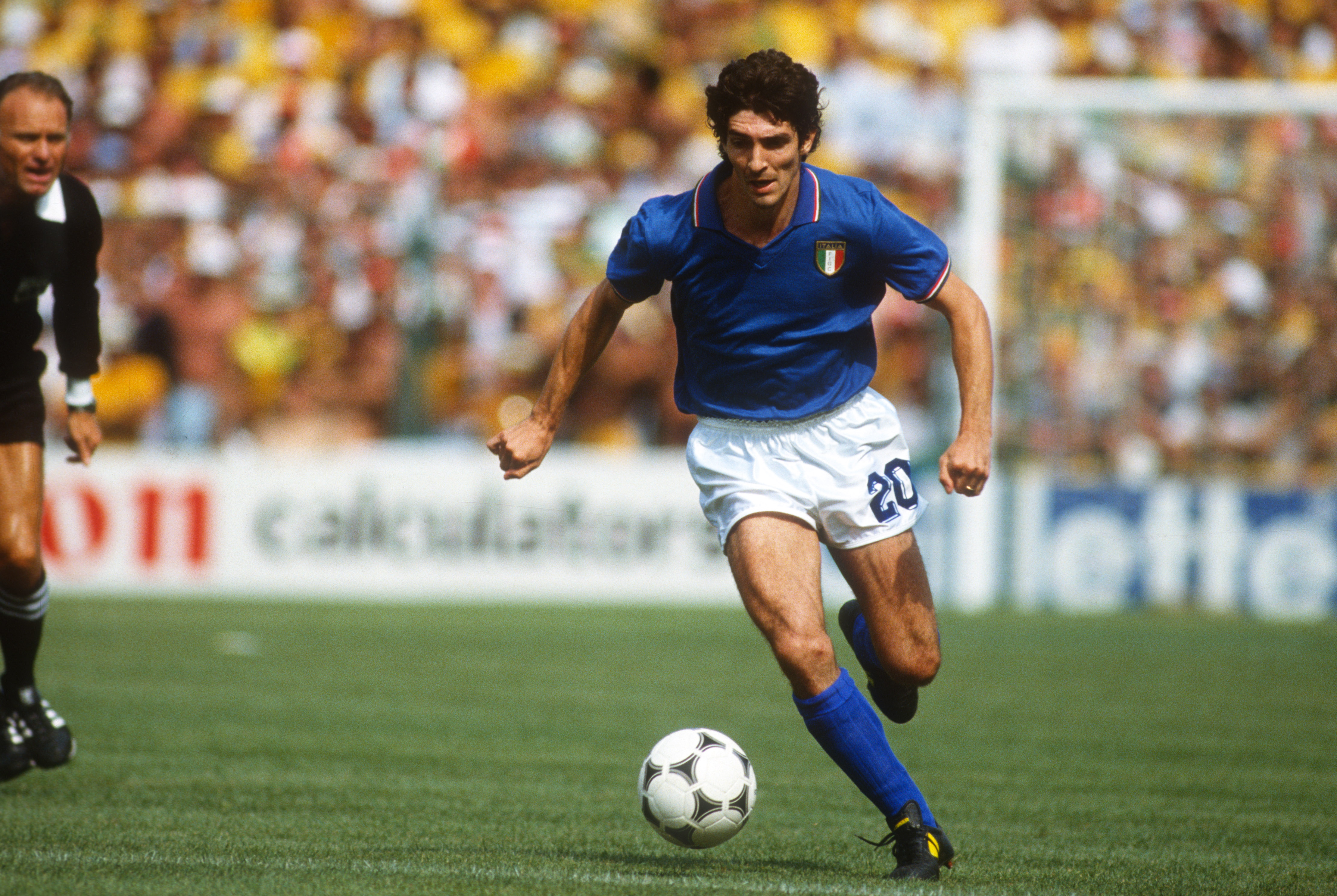
Located on the eastern fringes of Tuscany and about 40 minutes from Florence, Prato is the birthplace of the man who scored six goals in Spain, including a hat-trick in a thrilling 3-2 win over the Brazilians.
With a population just shy of 200,000, it is the second-largest city in Tuscany.
The local football team, AC Prato, have spent the majority of their existence in the lower echelons of the pyramid, last playing in Serie B in 1964. While club alumni include Christian Vieri, Massimo Maccarone, Massimo Oddo and 1982 World Cup-winning manager Enzo Bearzot, it is Rossi who remains its most famous son.
Prato is known for its textile industry, large Chinese community and baked goods. Cantucci, a type of biscotti invented during the Middle Ages, is still produced in the city and shipped across the country.
Despite his fame, playing for Juventus and a Ballon d’Or win on his CV, Rossi never forgot where he came from. “I think that a piece of the World Cup remains here in Prato,” he said after returning to the city following the success in Spain.
Rossi died in December 2020 at the age of 64. A year later a statue, created by Florentine artist Elisa Morucci, was unveiled in Prato at Piazzale della Cipresseta.
Morucci told La Gazzetta dello Sport: “I’ve been a huge football fan since I was very young, and Paolo Rossi was my first great, platonic love as a child. I was five years old in 1982, and I learned to love this wonderful sport thanks in part to him. When I learned he had left us, I was deeply moved, memories flooded back, and the desire to pay tribute to him was natural.”
Careggine
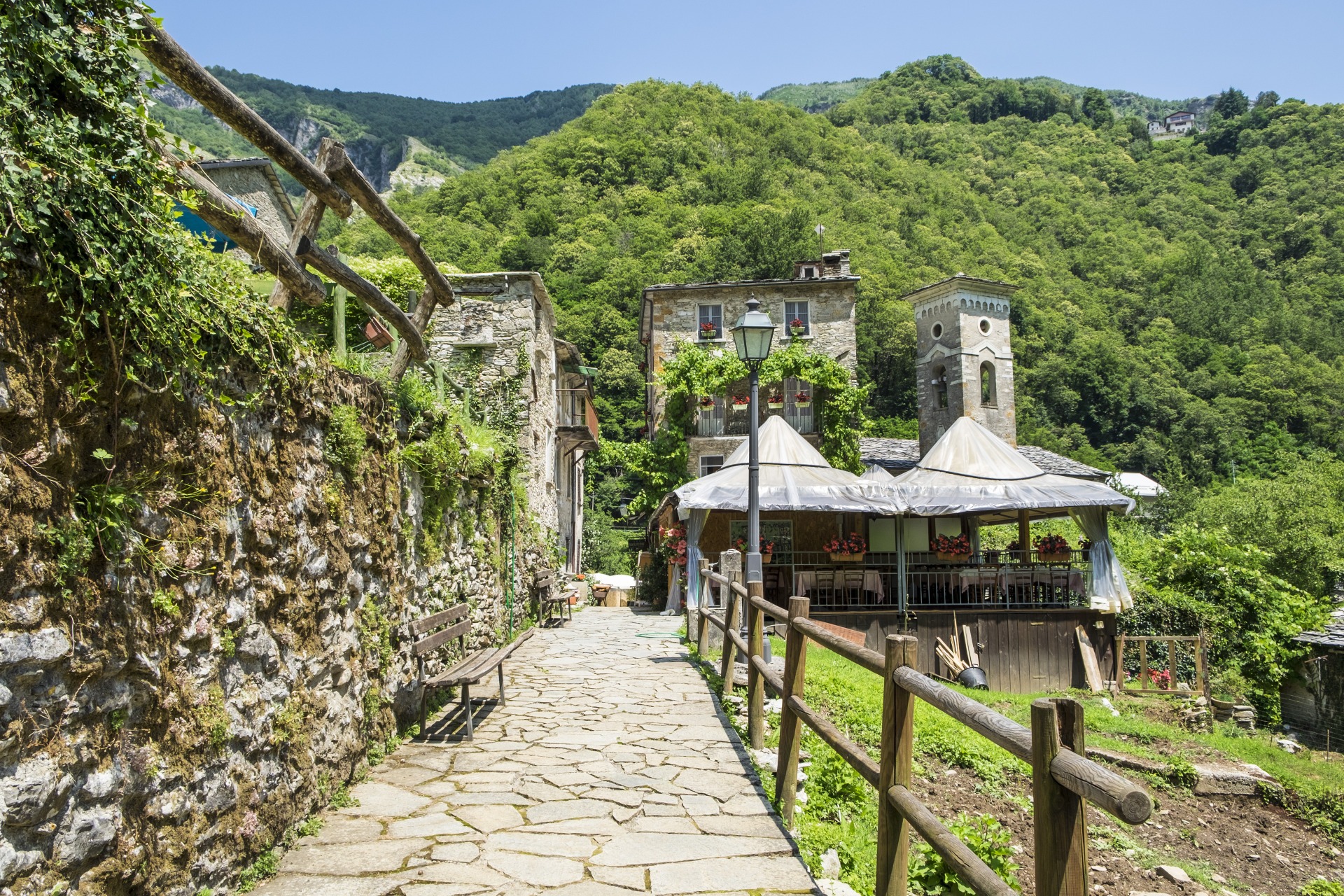
A small town in the province of Lucca in Tuscany, Careggine’s claim to fame is being the place where Tardelli was born.
The Juventus midfielder was a vital cog in Bearzot’s midfield in the 1982 side, and he has gone down as one of Italy’s greatest in his position.
Yet he started life in the humble surroundings of Careggine. A mountain town on the slopes of Monte Sumbra and notable for its access to the Apuan Alps Regional Park, it has a population of about 500 people. It is getting smaller, but still holds a rustic charm.
It seems a world away from the wild, screaming celebration Tardelli marked his World Cup final goal with, but there is a link. A very strong link.
“Inside me was all the joy of the boy from Careggine, the small village in the province of Lucca where I came from, who had managed to surpass himself,” he told Corriere della Sera. “To do what he would never have even dreamed of doing.
“Because it’s hard to imagine playing in a World Cup and winning it, even scoring in the final.”
Sonnino
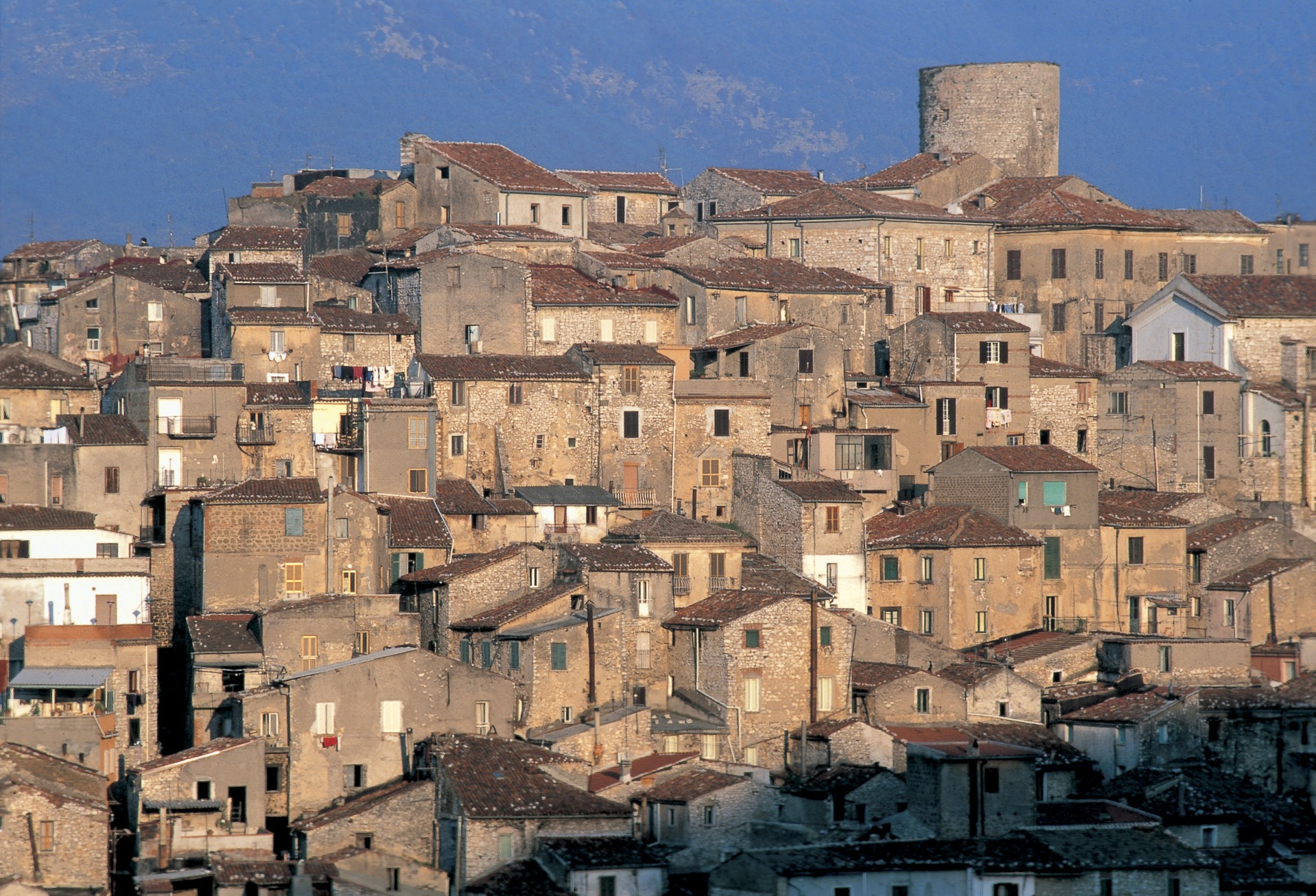
A commune in the province of Latina, in the Lazio region of Italy, Sonnino is where Altobelli took his first steps towards becoming one of the best Italian strikers of the 1980s.
Nicknamed Spillo (needle in English) for his ability to slip through opposition lines, he scored the third in the Madrid showpiece. Playing for Inter Milan at the time, he was one of the most prolific forwards in Serie A, rattling in 128 league goals over an 11-year stretch.
A quaint village perched on the Ausoni Mountains, Sonnino has a population of around 7,500 and is notable for its olive oil, maritata soup and 18-feet limestone rock known as Rava di San Domenico.
Altobelli rose to superstardom at Inter and he lived in Brescia and Doha once his career ended in 1990. But he never forgot where he came from, and that feeling is mutual.
Sonnino has celebrated several milestones in Altobelli’s life, including his 60th birthday in 2015, the 40th anniversary of the 1982 World Cup win in 2022, and, most recently, his 70th birthday.
To mark the special occasion of the World Cup win, Altobelli returned home to Sonnino for a game of football with former team-mates such as Bruno Giordano and Bruno Conti present.
When the Italy squad returned following their triumph in Spain, Altobelli went home to Sonnino.
“This is my homeland, my life is here. My mother, my friends,” he said.
Related Topics
Related Articles
Related Articles
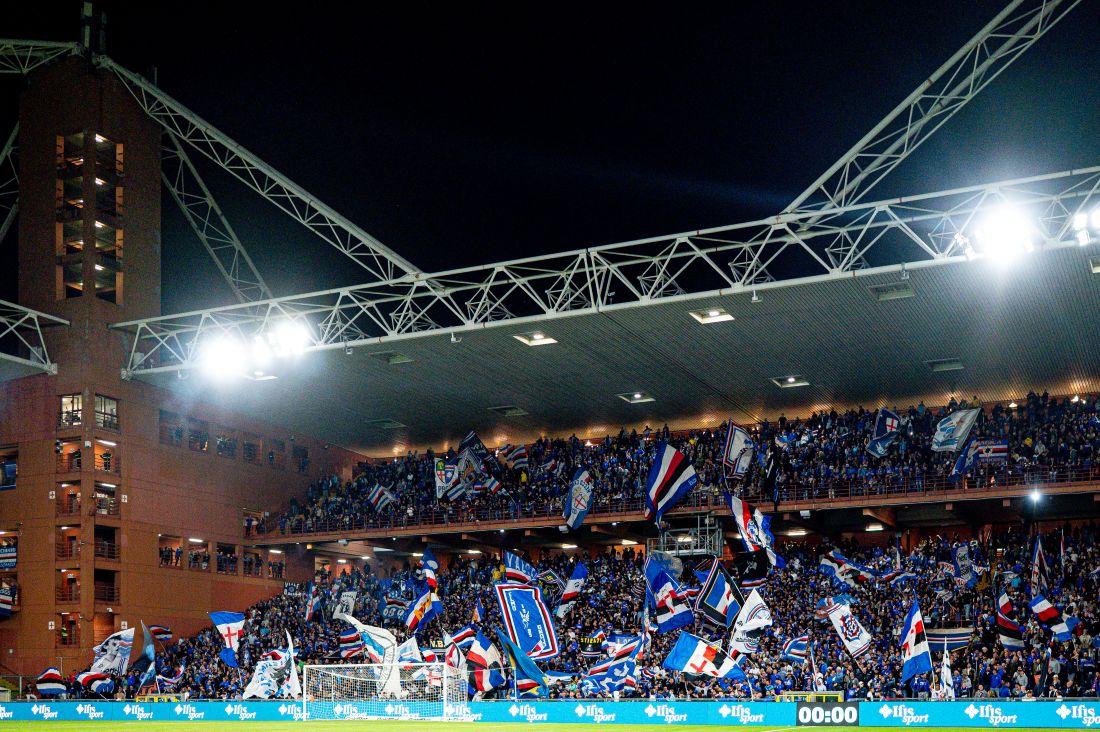
We've picked out five calcio crackers you could take in this winter, including Sampdoria, Palermo and a couple of derbies.
As the temperature dips, stadiums around Italy come alive with smoke, fog and fireworks cutting through the frosty air.
About five miles north of the Stadio Sinigaglia, in the stunning village of Torno, Il Sereno is perched right on the edge of Lake Como.