
Moonlight Shadow and Mayhem… Salernitana is the Other Beating Heart in Campania
By Dan Cancian
When one thinks of football in southern Italy, the mind immediately races to Naples.
Diego Maradona waltzing across the turf in that famous NR-manufactured light blue, the stadium that now bears his name an ocean of blue and white, the Neapolitans’ raucous support shaking its old, creaky foundations.
Add to the equation the stunning backdrop of the Gulf of Naples and the chance to taste pizza in its birthplace, and it’s little wonder that the city ranks high on the list of must-visit destinations for calcio fans.
But there is more to football in Campania than Naples alone. The region is a calcio hotbed, with nine clubs flying the flag across Serie B and Serie C this season. And none are as big as Salernitana.
Approximately 40 miles south of Naples, Salerno is a popular seaside destination for Italians from across southern Italy, who flock to the city during the hot summer months.
And yet, when compared to some of Campania’s more famous destinations, it offers a distinctly more authentic experience, owing to a much smaller number of tourists through its streets. Forget about throngs of influencers looking for the best Instagram shot, in Salerno you may have to swerve around locals sipping their espresso or carrying bags full of groceries.
Whether you are exploring the centro storico, visiting the Arechi Castle and the terraced Minerva Garden ,or simply walking along the palm-lined Lungomare, the city deserves a look. It is also significantly cheaper than the likes of Positano, Capri and Sorrento.
And then, of course, there is the football.
The fourth club from southern Italy after Napoli, Bari and Palermo to compete in Serie A in its current format when they made their debut in 1947, Salernitana have spent just five seasons of their 107-year history in the top flight. They are now scrapping away in Serie C.
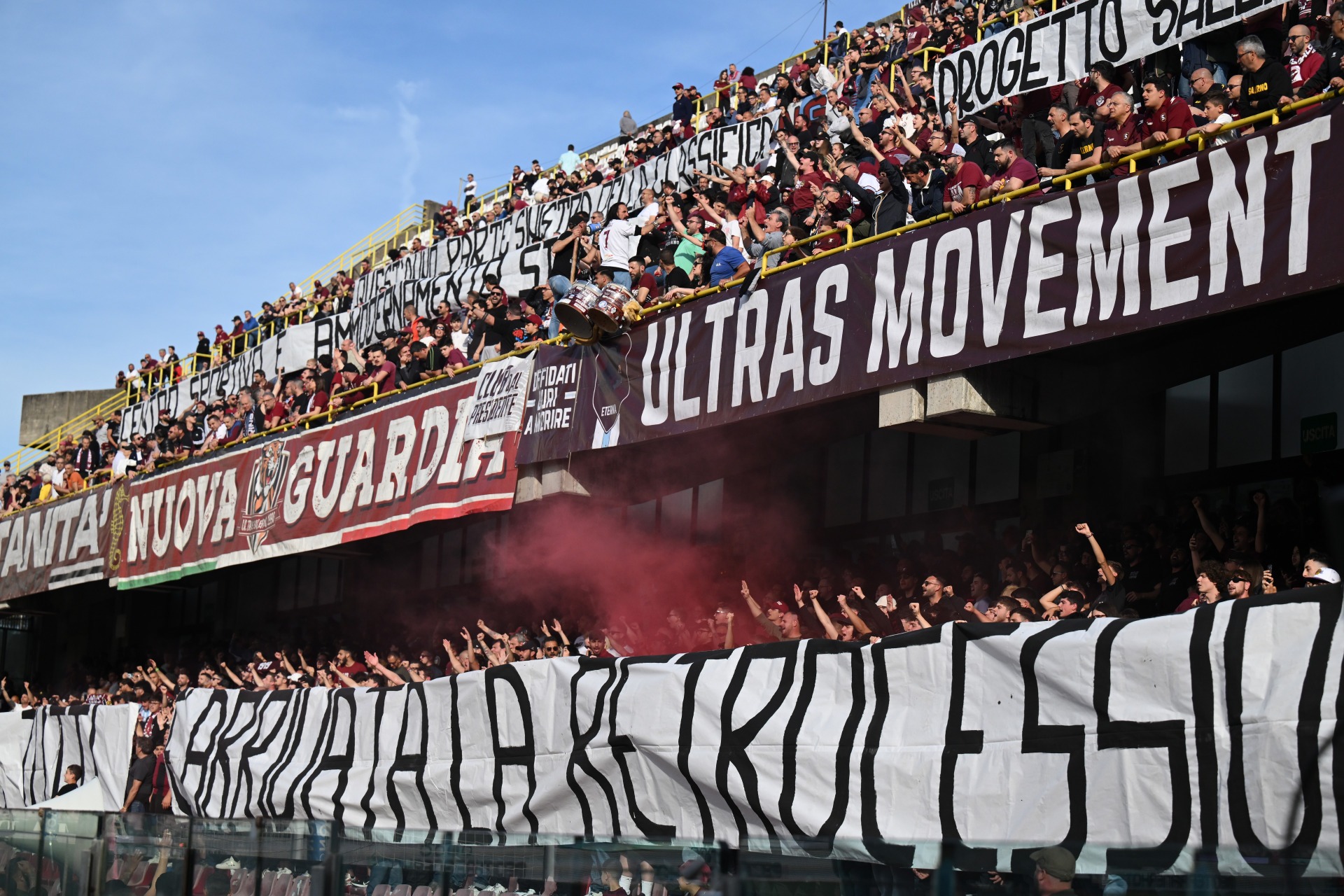
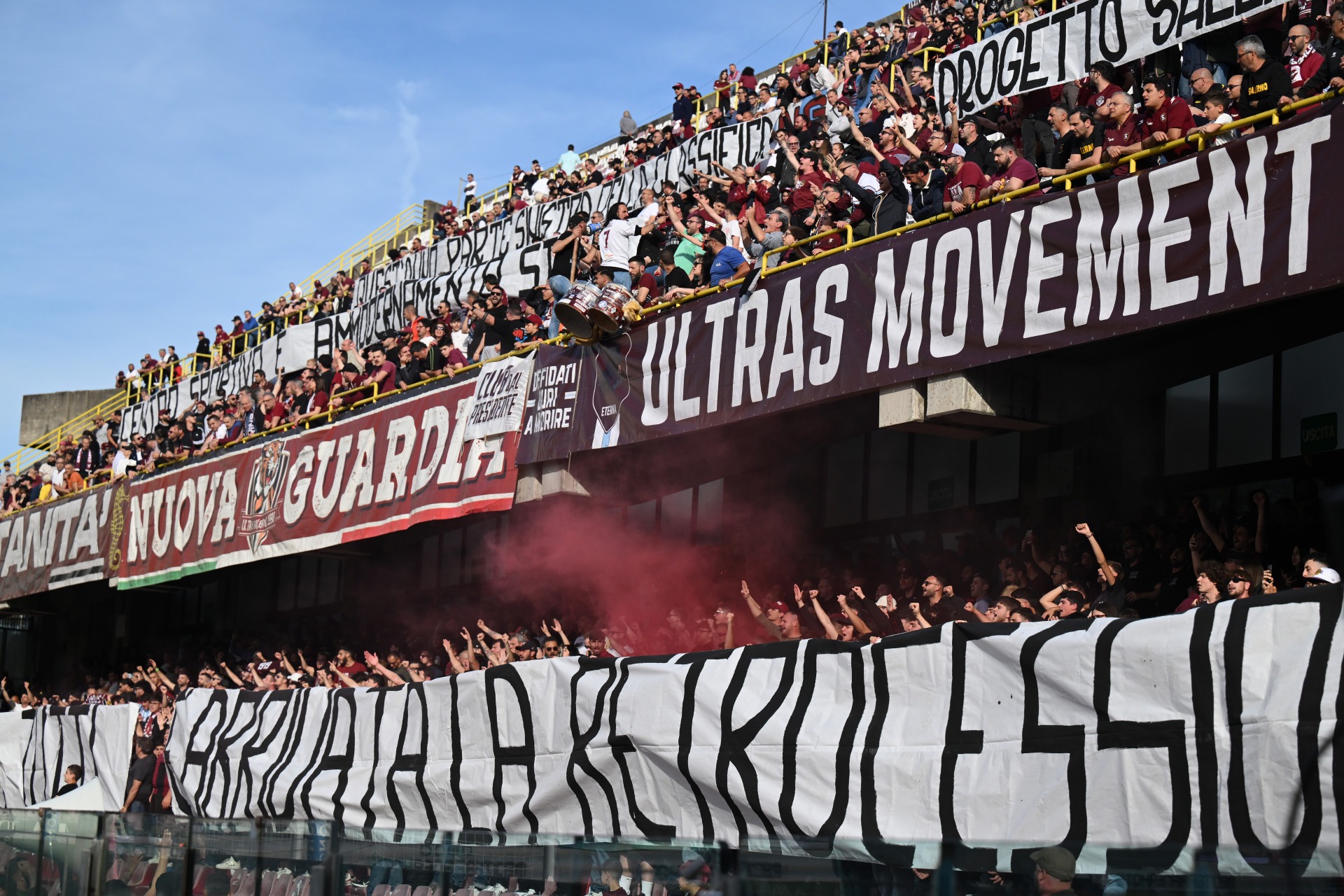
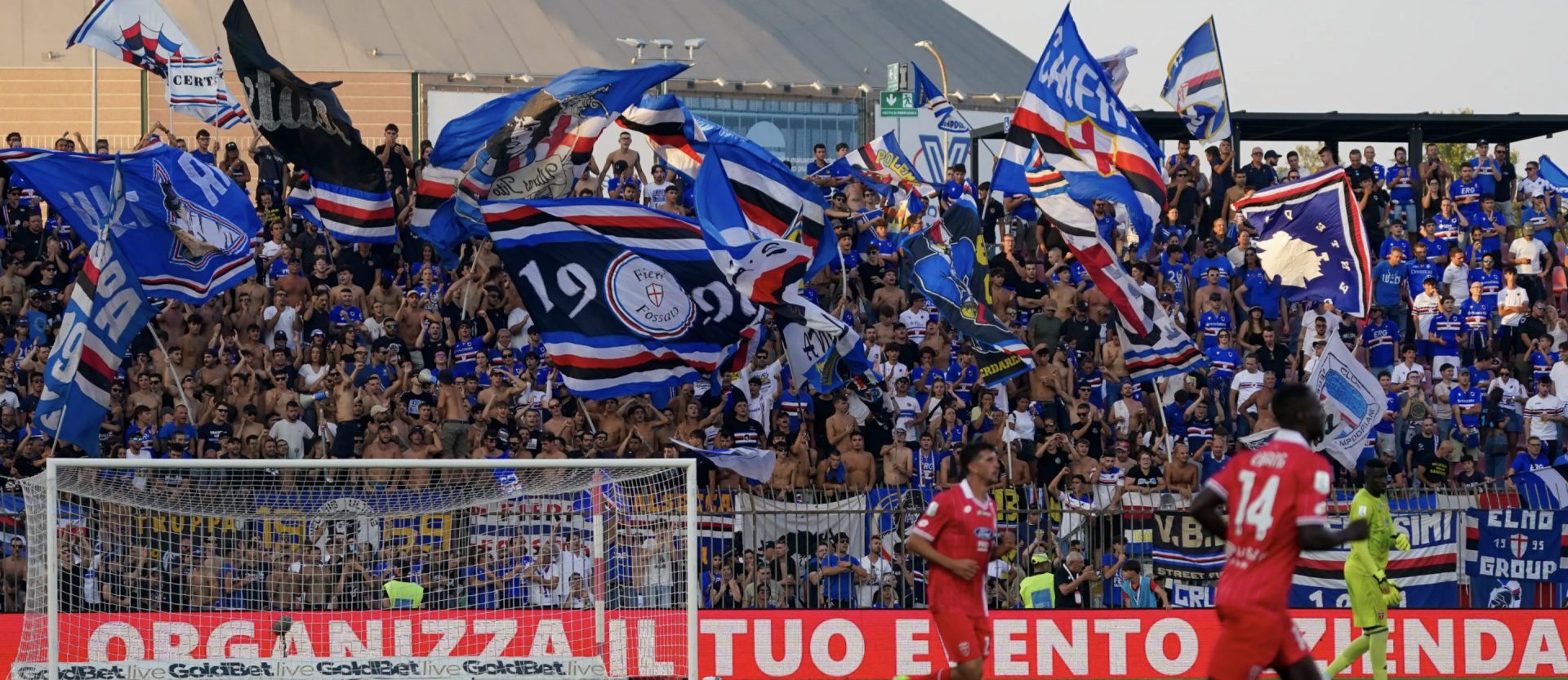
But not that you would know it by watching a fixture at the Stadio Arechi. Campania’s second-biggest stadium behind the Maradona, the Arechi is a cauldron of noise, its boxy structure providing the perfect setting for a proper calcio experience.
The Curva Sud Siberiano—named after legendary capo Carmine ‘Il Siberiano’ Rinaldi—is as passionate an end as any in Italy. On matchdays, massive tifo displays sway above the terrace amid thick plumes of flare smoke, all to the soundtrack of Mike Oldfield’s Moonlight Shadow.
“Do you know the only team for me?” the Curva Sud asks, before roaring out the answer: “Of course I know, it’s Salernitana.”
Is it a slightly curious choice for a football chant in Italy? Absolutely. Does it work? You bet.
The Arechi could soon look very different, with the city securing €140million from Campania’s regional government to finance a major facelift for the ground, which was opened in 1990 and renovated eight years later.
The stadium is already under partial demolition and will be renovated in stages, all with the hope of hosting games at Euro 2032, a bid which seems rather fanciful considering Naples will in all likelihood also be on the bill.
But there is more to Salernitana than a terrific atmosphere, a new stadium on the way and Moonlight Shadow.
The Granata may have been sporadic visitors to Serie A, but this is a club steeped in history. The common thread linking one of the pioneers of catenaccio to a nine-time Bundesliga winner, Roma’s first penalty taker in the 1984 European Cup final, and a former Italy manager.
The man behind Salernitana’s maiden promotion to Serie A in 1947, Giuseppe ‘Gipo’ Viani, is credited with being an inventor of an early form of catenaccio.
The story is a famous one. Walking alongside Salerno’s docks, Viani was mulling over his side’s lack of defensive solidity when he noticed fishermen hauling a huge net bulging with fish into their trawler, followed by the reserve net they had deployed behind it.
Legend has it that it was here Viani realised withdrawing a forward to bolster his defence was the key to his problems, and so an early form of catenaccio was born, or Vianema as the Italian press described it at the time. The name was derived from a play on words on English football’s preferred W-M formation, which was known in Italy as Il Sistema – the system – at the time.
Intriguing as the story is, it is also largely apocryphal. Viani was one of several managers to introduce the libero, but not the first. Salernitana’s debut season in Serie A ended with them relegated by a point, a fate which incidentally befell them when they returned to calcio’s upper echelon, just over half a century later.
Gennaro Gattuso was part of the team that dropped back to Serie B at the end of 1998-99, spending a solitary campaign at the Arechi following a season at Rangers.
And what of the late Agostino Di Bartolomei and Franck Ribery? The Roma captain and the Bayern Munich legend both finished their careers in Salerno, with the Frenchman then serving on the club’s technical staff for two seasons after his retirement.
There’s a world of football beyond Naples. It’s just waiting to be discovered.
Related Topics
Related Articles
Related Articles
It is a long, long time since Sicily had three teams strutting their stuff in the top flight of Italian football.
This working town of around 22,000 people, built on metal and manufacturing, has a club with a local, loyal fanbase.
Palermo's trip to Empoli headlines the latest triple-header of Serie B fixtures live and free on Destination Calcio TV.