Many of Italian football’s greatest players have come from the major cities up and down the peninsula. This is, of course, not a surprise considering the catchment area involved with the likes of Milan, Rome, Genoa, Naples and Turin.
Alessandro Nesta and Francesco Totti emerged from Rome; Paolo Maldini and Federico Dimarco hail from Milan, while the likes of Fabio Cannavaro, Ciro Ferrara, Antonio Di Natale, Vincenzo Montella and Gianluigi Donnarumma were born in Naples or its outer fringes. The province of Brescia can claim Andrea Pirlo and Franco Baresi.
However, some of the finest talent the country has produced come from lesser known parts.
Roberto Baggio – Caldogno (Veneto)
Arguably the greatest player in Italy’s history was born in a town not many outside of the country has heard of. Caldogno is in Veneto, about a 20-minute drive from Vicenza and with a population of just over 11,000.
Aside from being the place where the Divine Ponytail was born and raised, Caldogno is also home to the Church of San Giovanni, the biggest in the town, built in the 19th century with an imposing bell tower.
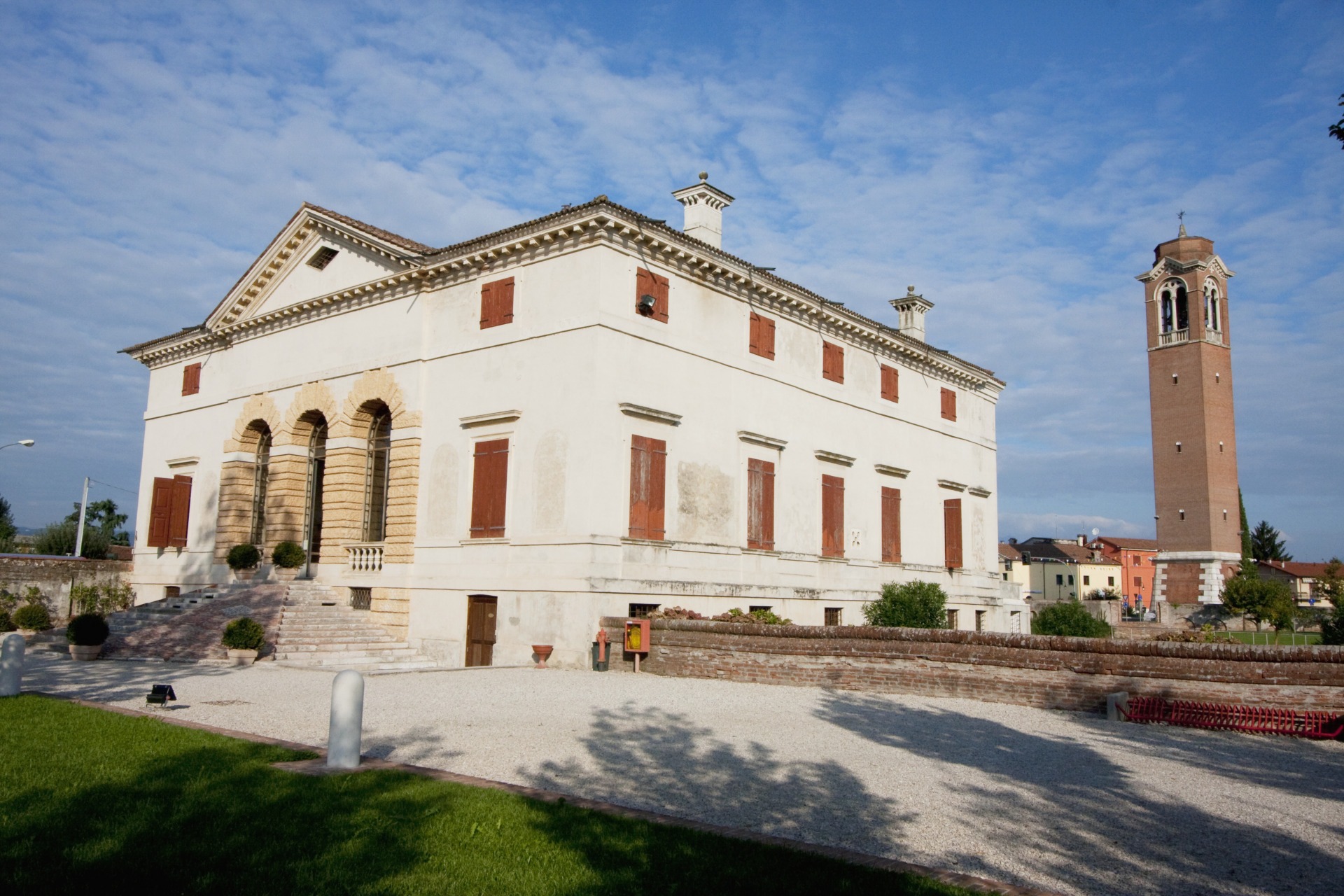
Villa Caldogno is the main architectural beauty. The Palladian villa dating back to the 16th century was owned by – coincidentally – a man called Losco Caldogno, an aristocrat from Vicenza who was also a silk merchant. The villa is a UNESCO World Heritage site and is still in operation today, with its beautiful array of frescoes on display.
If you want to visit something with a more recent history behind it, you can also take a look at The Bunker. Located behind the barchessa of Villa Caldogno, it was built by locals in 1944 during the latter stages of World War II on the orders of the Germans, who had occupied the town.
Initially constructed to house the wounded and be an operating theatre, The Bunker is now a permanent exhibition showcasing items from both World Wars.
While not the biggest of towns, Caldogno has more than enough in it to fill a day, and is worth the short trip up from Vicenza.
How to get there – Verona is the nearest airport to Caldogno, then a train to Vicenza is required.
Gianluigi Buffon – Carrara (Tuscany)
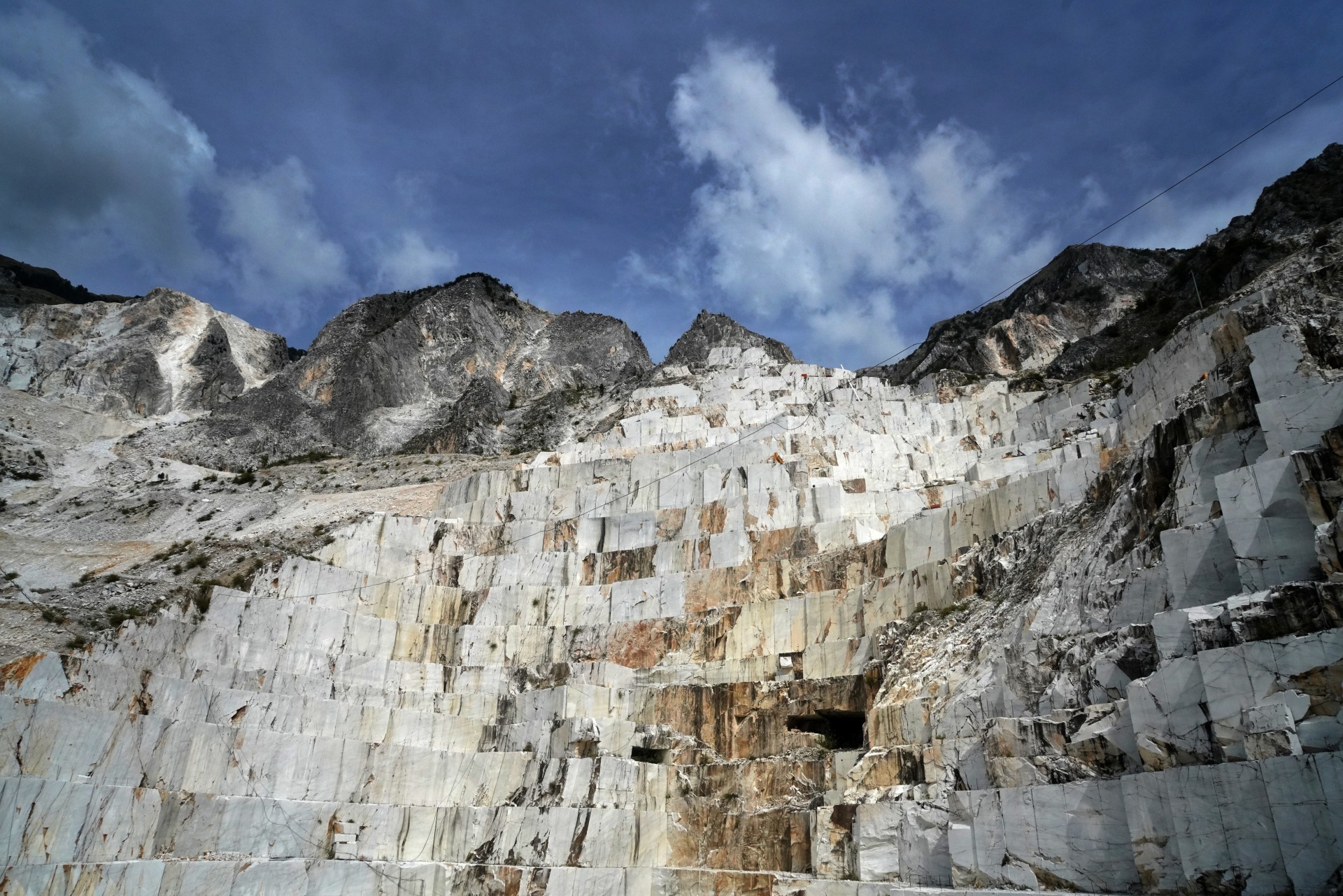
One of the greatest goalkeepers in the history of the sport hails from Carrara. Situated in the foothills of the Apuan Alps and known for its marble and art, Carrara is a wonderful destination for those wanting a mix of history, culture and nature.
On the Tuscan border with Liguria, Carrara is best known for its marble, with the white rock shipped around the world from local mines. Yet there’s much more to this place than legendary rocks – with and without goalie gloves.
Carrara’s Old Town is the heart of the city, with its ancient streets all leading to Piazza Alberica. The square is decorated with elegant porticoes and dominated at the centre by a magnificent statue of Maria Beatrice d’Este, Duchess of Massa and Princess of Carrara from 1790 to 1796. Piazza Alberica is a good place to sit with a coffee and people watch.
A 10-minute drive from the centre of Carrara is Marina di Carrara, a beach resort with plenty of bars, nightlife and a main square of its own – Piazza Menconi.
If you want to do something a bit more active, there’s always Apuan Alps Park, superb for hikers with its mix of underground caves, peaks and panoramic views from Monte Sagro.
However, the best thing to do in Carrara is unquestionably the reason why it’s known across the world: its marble quarries, with some of them open to taking visitors around on organised tours.
Cave di Marmo is the main site to see marble mining operations, and it should be top of your list should you plan to visit.
How to get there – Pisa is the nearest airport to Carrara, while Genoa is also not far away. Trains from either city are regular, but from Pisa you can be there within 70 minutes.
Alessandro Del Piero – Conegliano (Veneto)
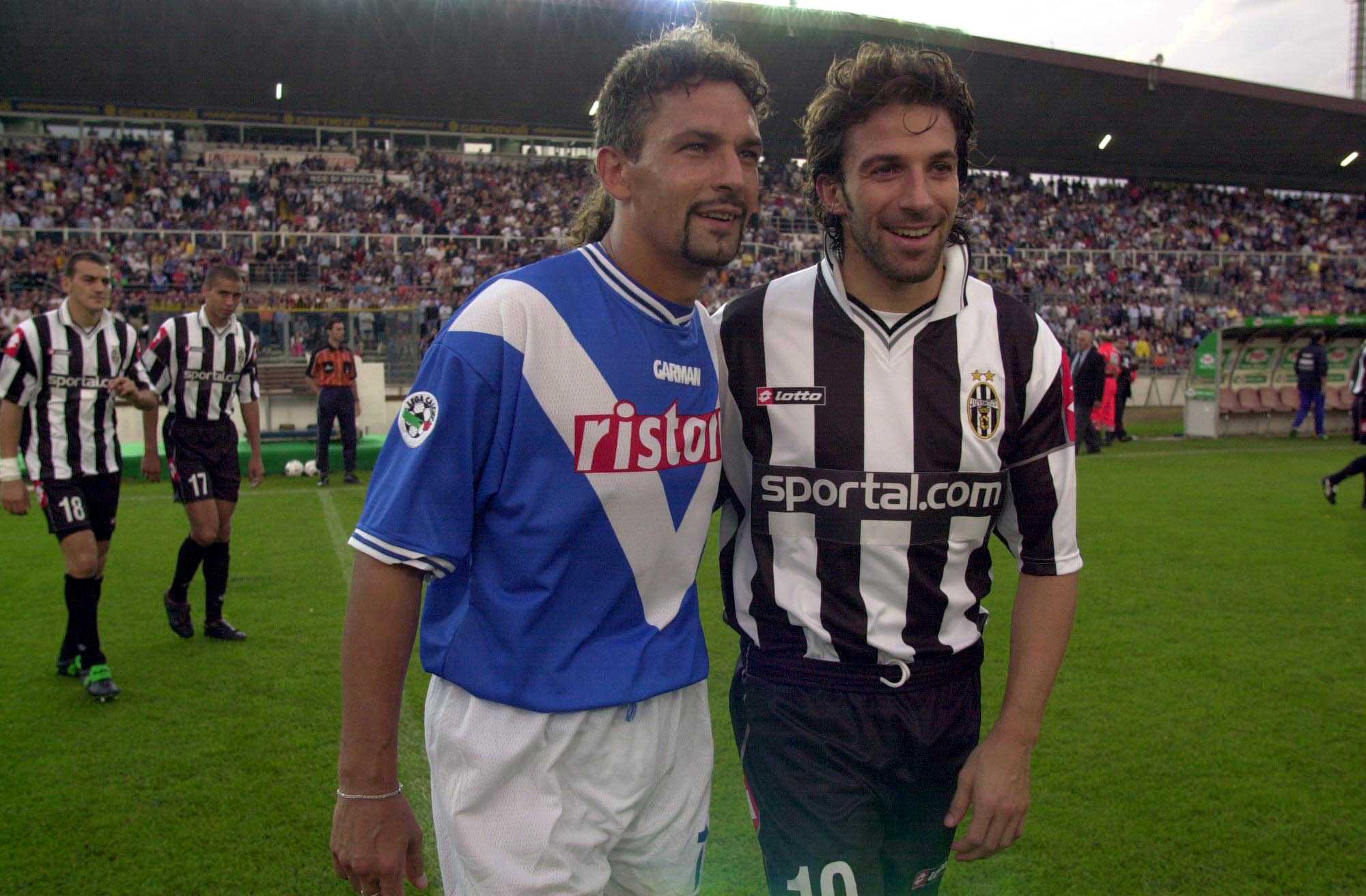
We’re back in Veneto and in the hometown of Juventus’ greatest player. Del Piero usurped Baggio at Juve in the mid-1990s and many believed there was animosity, but the two shared a deep bond. There’s only an hour’s drive between Caldogno and the town of Conegliano, and the players spoke to each other in Venetian dialect while together in Turin and with Italy.
Conegliano is about 20 miles from the city of Treviso, one that is more famous for its rugby team than any football side. A town of some 35,000 people, Conegliano is the heartland of Prosecco and is listed as a UNESCO World Heritage Site.
Known as the ‘city of wine’, Conegliano was, together with Valdobbiadene, awarded UNESCO status in 2019 due to its major role in the production of Prosecco.
Yet there’s more to Conegliano than just a glass of the bubbly. The 12th-century Castle of Conegliano is a must-do on any visit to the town. It dominates the area from the top of the Colle di Giano and offers stunning views over the city. Moreover, the castle doubles up as a museum, showcasing frescoes, Roman artefacts and items from the city’s history.
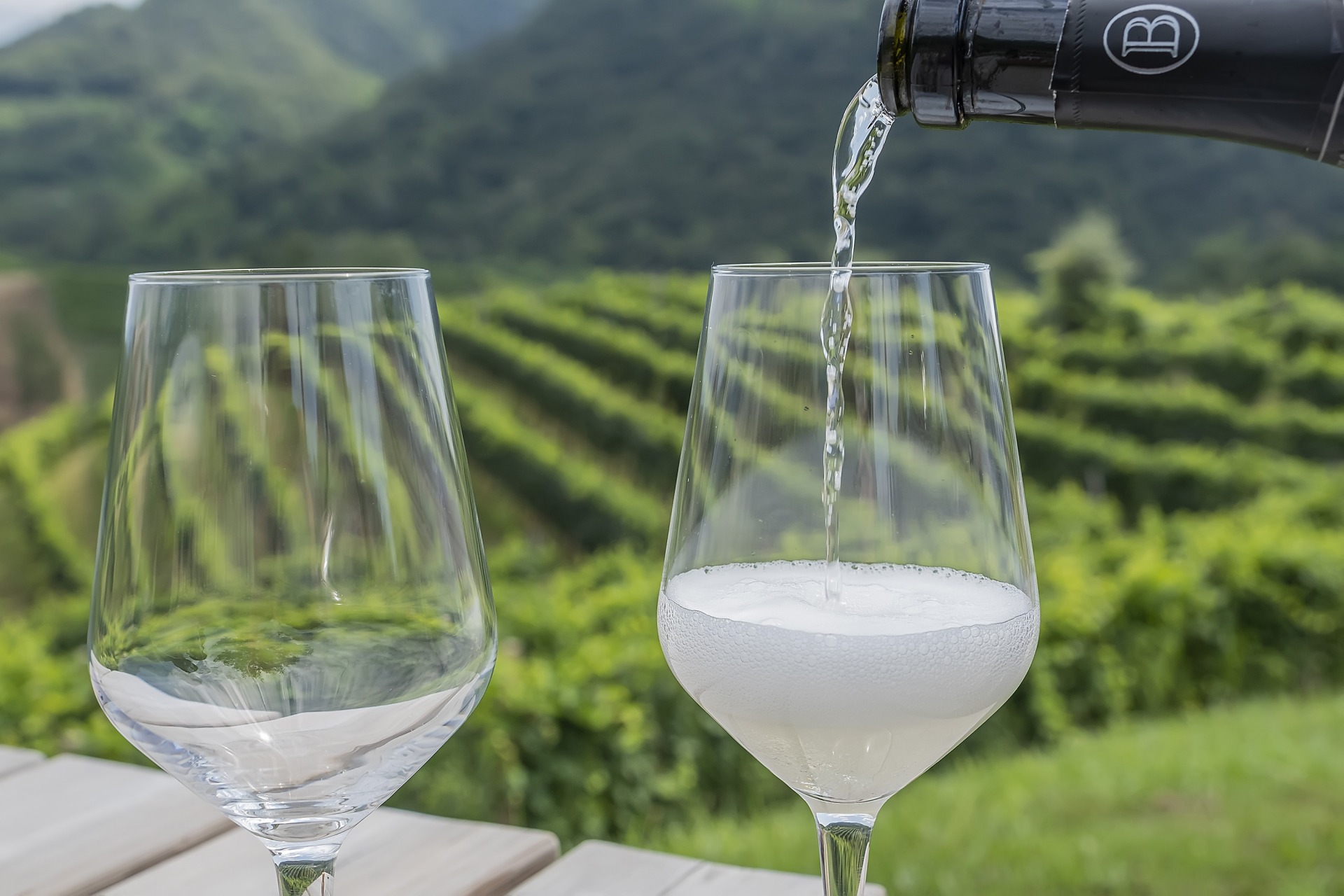
From churches to food to art, Conegliano has got you covered, yet it’s wine that makes the town sparkle. Tours allow visitors the chance to see the production of Prosecco and you can do it in various ways: from going to individual wineries to cycling along ‘wine roads’, a 90-kilometre stretch that includes landscaped hills covered with vineyards and beautiful views. Conegliano is home to the oldest wine-making school in Europe, with the GB Cerletti Wine School established in 1876.
A trip to Conegliano is a day well spent in one of Veneto’s most underrated towns.
How to get there – Venice is the closest airport, and a train from the city will have you in Conegliano in just over an hour.
Luca Toni – Pavullo nel Frignano (Emilia-Romagna)
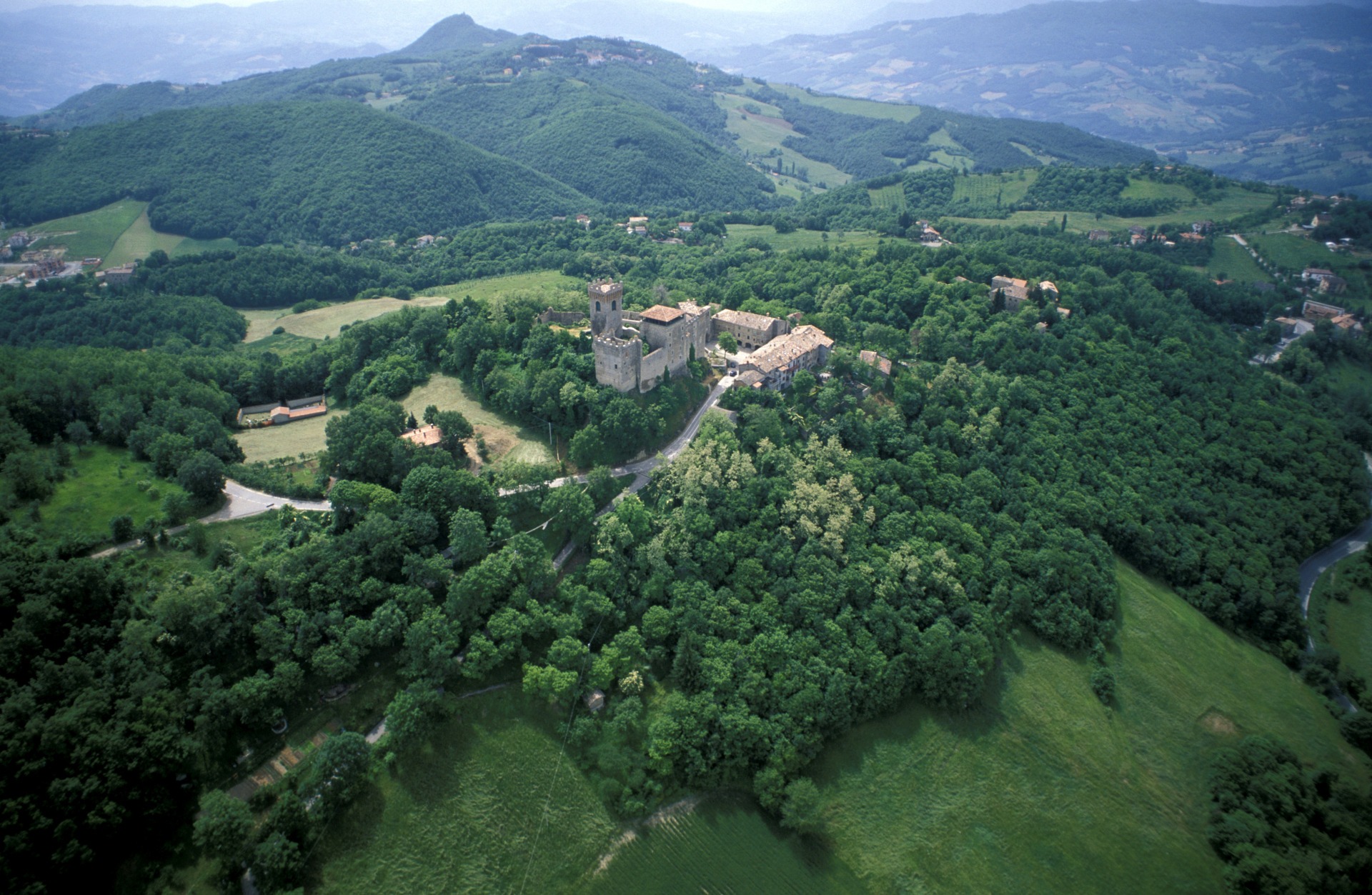
The last great Italian No 9 was born in a stunning town way off the tourist trail. Located in the province of Modena, Pavullo nel Frignano is about an hour’s drive from the city and situated in the foothills of the Modenese Apennines, itself part of the larger Tuscan-Emilian Apennines.
The jewel in the town’s crown is the breathtaking Montecuccolo Castle. Built in 12th century by Matilda of Tuscany to protect her interests from other lords, the castle overlooks the entire Pavullo nel Frignano valley and offers stunning views from the top.
Initially born as a watchtower a century before, the structure mushroomed into a castle but eventually fell into ruin over hundreds of years. It has been beautifully restored by the city over a period of 30 years and now has a museum, restaurant and guesthouse.
Because of its position halfway up the mountainside, Pavullo nel Frignano is a great place for hikers. Sassoguidano nature reserve is just outside the town and offers a three-kilometre stretch along the Lerna River. The area is protected by the beautiful calcarenite walls of the Cinghio di Malvarone and by the Sassoguidano ridge.
Palazzo Ducale and its beautiful park is another site not to miss. Built in 1830 by Duke of Modena Francis IV as a holiday home, it is now an art gallery. To enjoy the absolute best of of the town, visit between late spring and autumn, with much of the activities based on being outside and enjoying the scenery.
How to get there – Bologna is the nearest airport. From there get the train to Modena, and then a bus to Pavullo nel Frignano.
Fabrizio Ravanelli – Perugia (Umbria)
La Penna Bianca (The White Feather) is a native of Umbria’s capital, and while some of the entries on this list are unfamiliar towns, the city of Perugia will be known to many.
A university town nestled among the hills, Perugia also had a team who were Serie A regulars in the latter half of the 1990s and early 2000s under controversial owner Luciano Gaucci.
The city has a youth culture and cosmopolitan vibe to it, with students from all over the world attending the university. After a wander around Piazza IV Novembre and grabbing a coffee, you should head towards Porta Sole, the highest vantage point. Called the Sun Gate, Porta Sole offers 180-degree views over the city and gives a good idea on how it has been shaped by the rugged terrain.
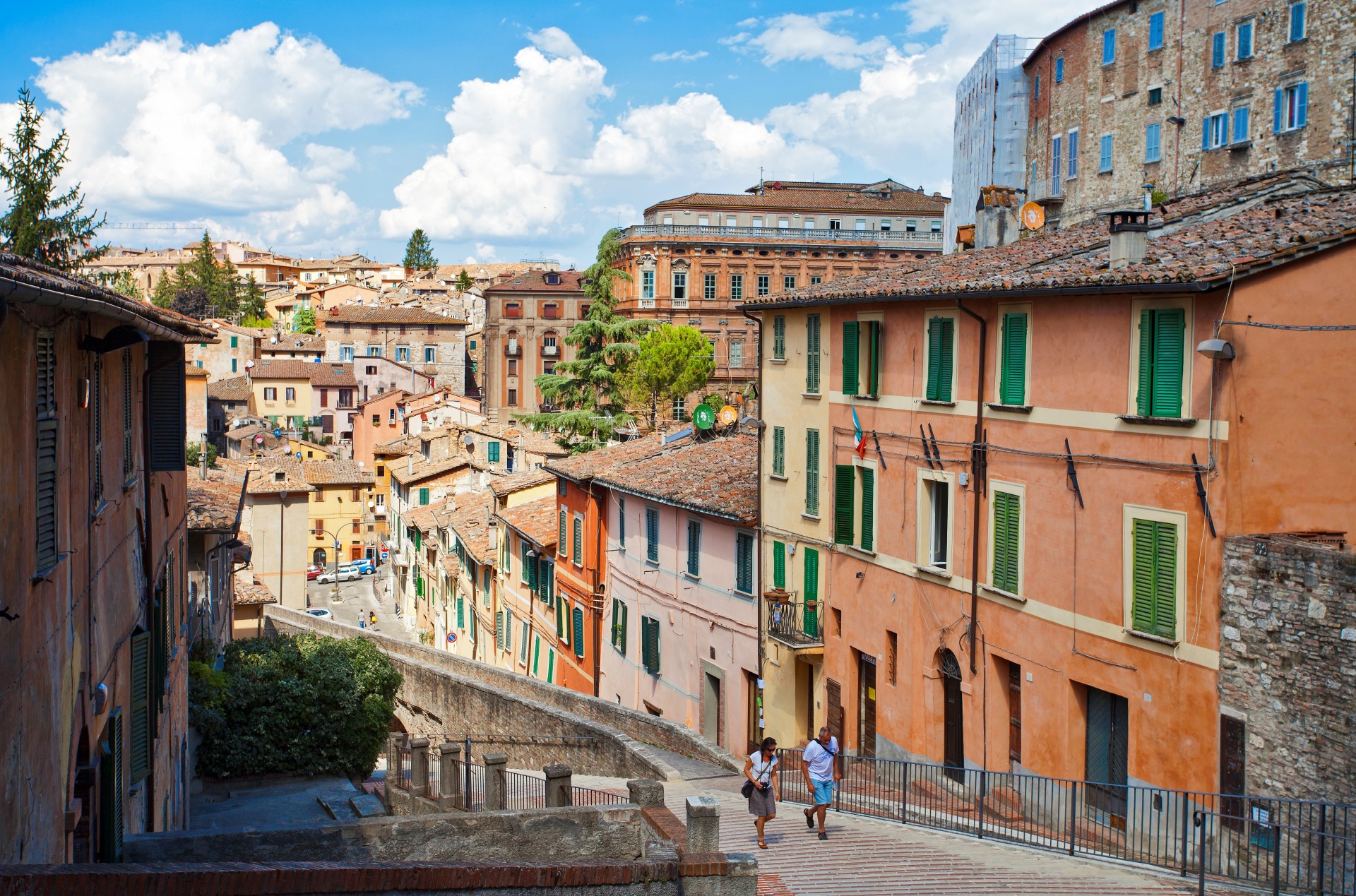
Another fun activity is walking along the Via dell’Acquedotto, which was built in the 13th century and runs for five kilometres through the centre of the city.
Sunset lovers should head to Giardini Carducci during golden hour to look out towards the majestic Umbrian countryside and beyond. Of course, there are a number of churches to see (this is Italy, after all), while the world-famous town of Assisi is a day trip from Perugia.
Perugia is more of a weekend break rather than just a day trip, and it’s well worth it.
How to get there – Perugia has an airport, but if coming from outside the EU, you’ll likely have to fly to Rome. If already in Italy, trains from Rome and Florence are regular.
Related Topics
Related Articles
Related Articles
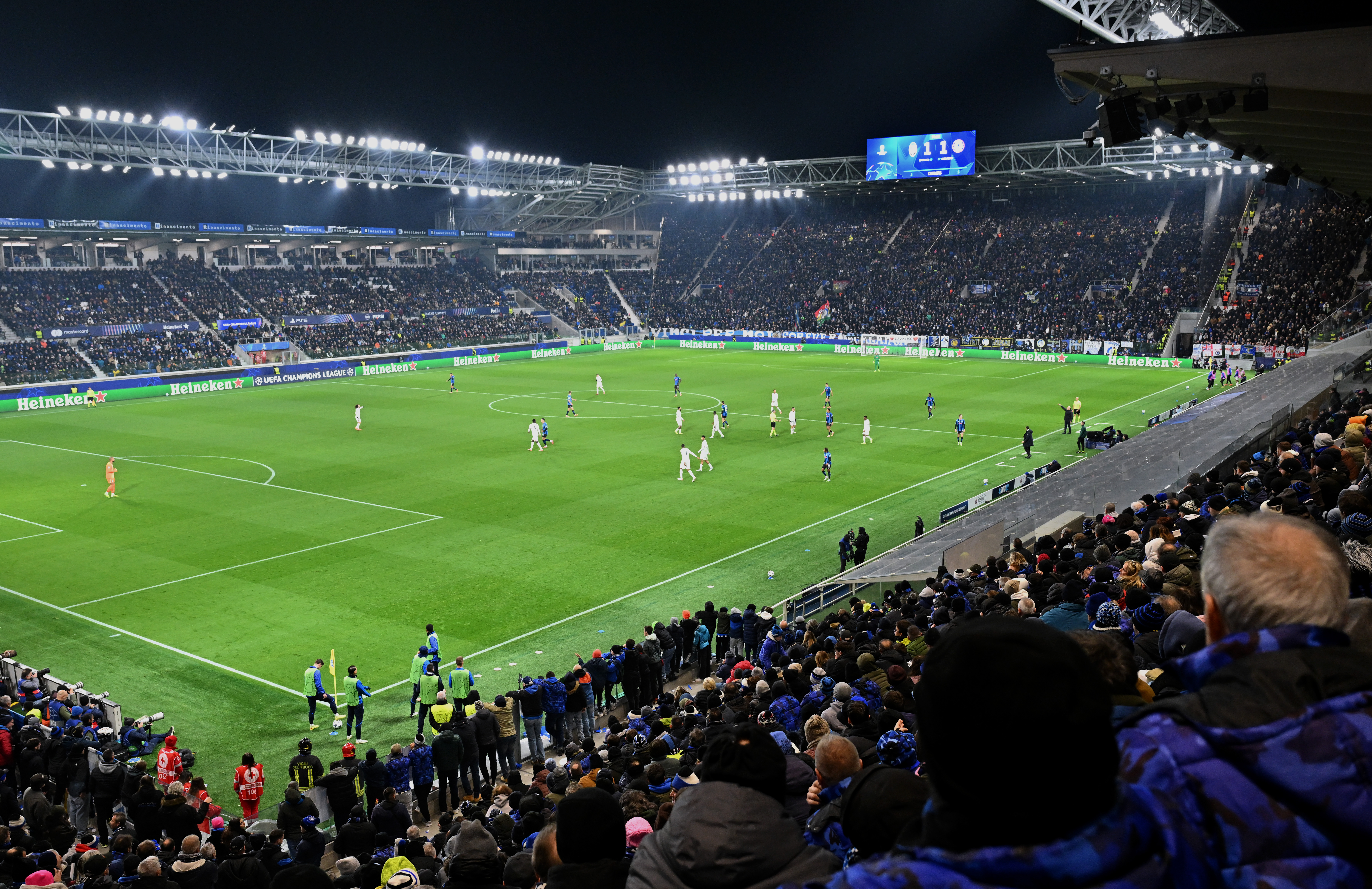
The calcio itch won't be properly scratched for a few weeks yet, but there are opportunities to watch Italy's top teams in action this summer.
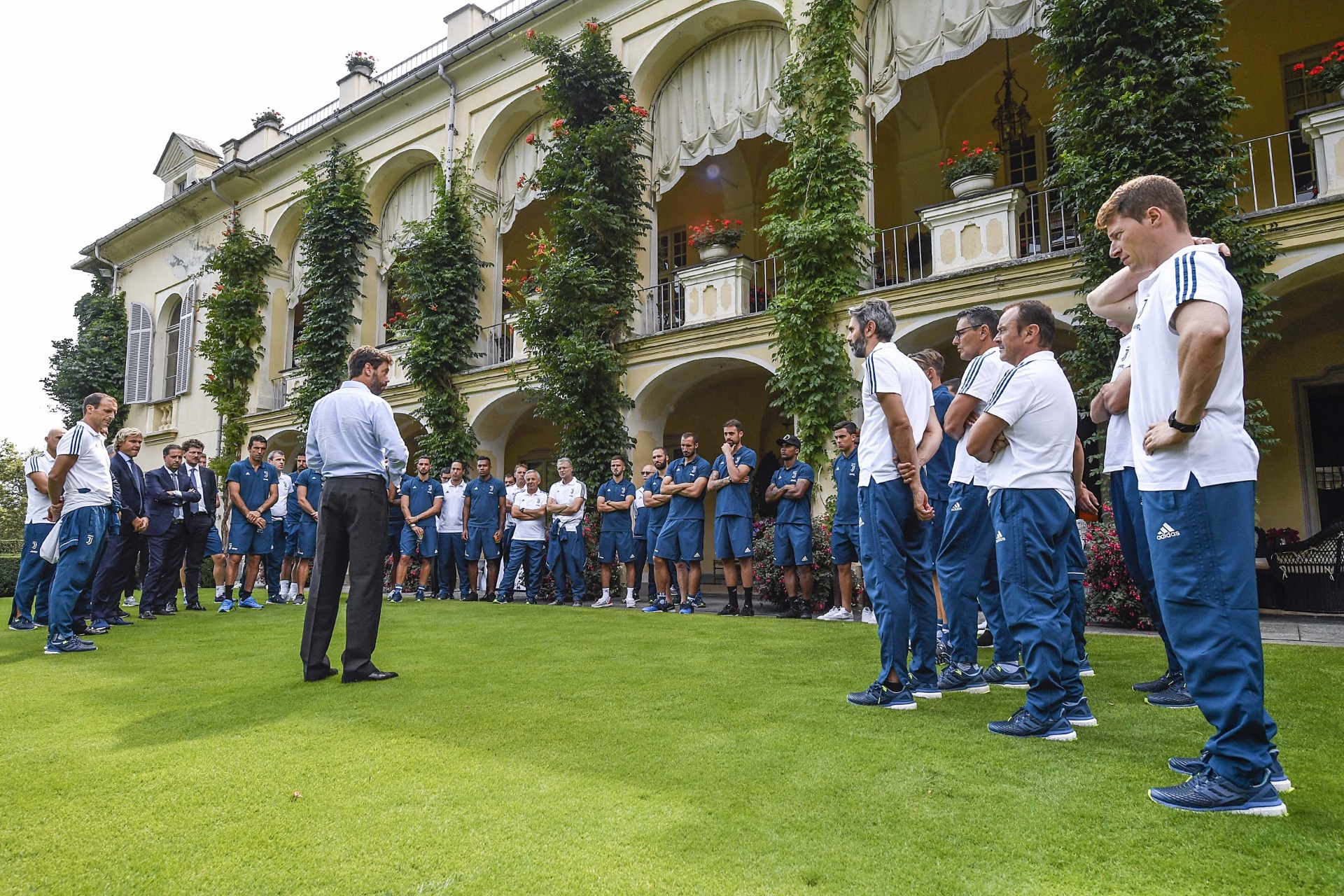
Year on year, one of the biggest teams in the world would descend on a quaint little town of just under 4,000 people.

As another World Cup without Italy reaches its climax, one small slice of the peninsula keeping a close eye on the final.