
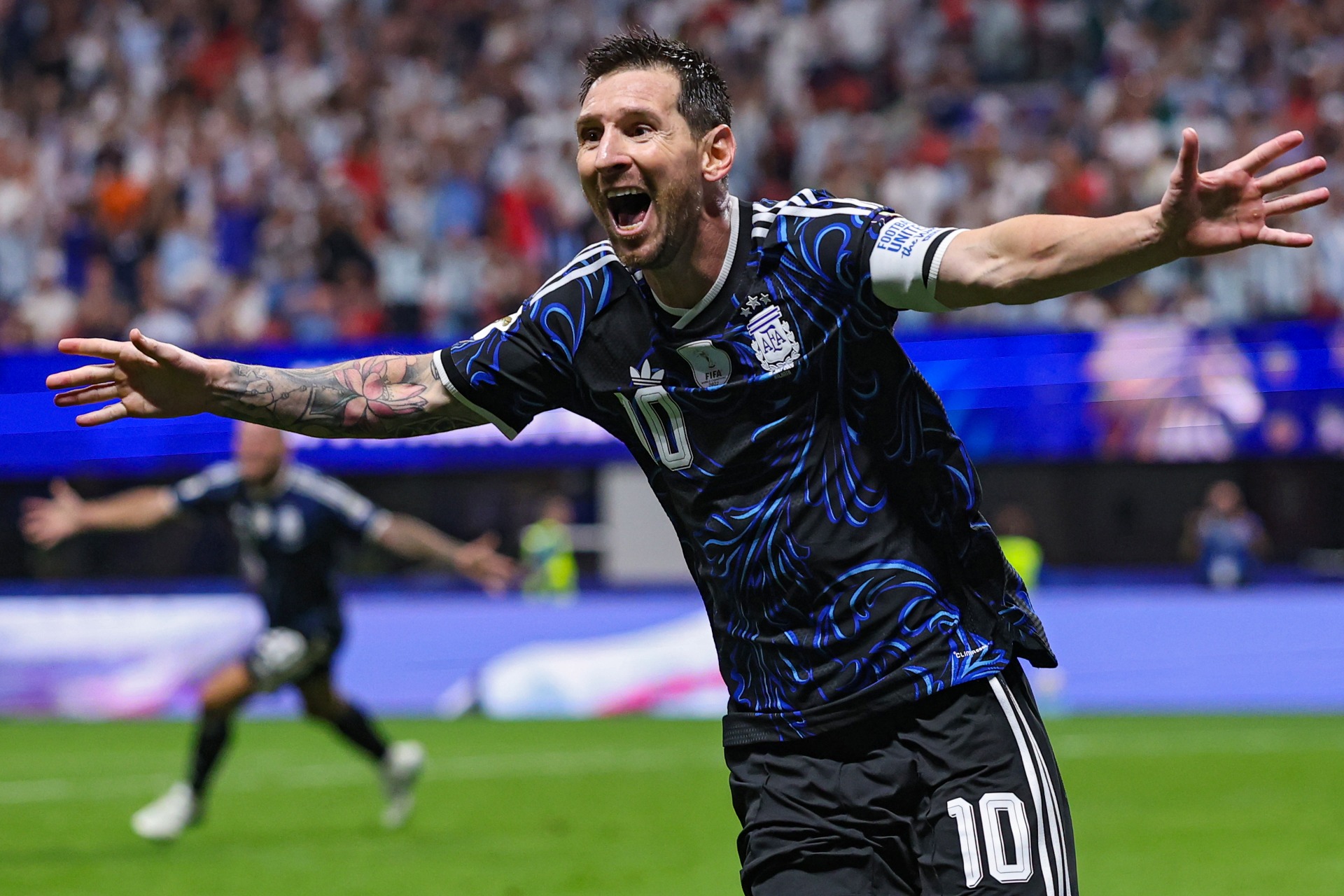
Why a Small Corner of Marche Will Be Supporting Lionel Messi in the World Cup Final
By Dan Cancian
As another World Cup without Italy reaches its climax, there will be at least one small slice of the peninsula keeping a close eye on the final between Argentina and Spain.
Lionel Messi was born in Rosario, central Argentina, but his parents, Jorge Messi and Celia Cuccittini, can trace their ancestry back to the Marche region of Italy on the Adriatic Coast.
Messi’s great-great-grandfather, Angelo Messi, was born in Recanati before he joined the wave of migration that defined the late 19th century in 1883. His son, also Angelo, was born in Recanati too.
In 2010, Messi’s father Jorge travelled to the town to secure Italian citizenship for the then-Barcelona star, ensuring he would be registered with EU status, which he also qualified for having obtained Spanish citizenship five years earlier.
“Leo’s dad came to our offices,” Francesco Fiordomo, the Recanati mayor at the time, told Il Corriere della Sera, Italy’s biggest daily, in 2019. “Researching his ancestors and applying for registration with AIRE (the register of Italians living abroad).”
In 2013, the governor of the Marche region, Gian Mario Spacca, considered enlisting Messi as the face of local tourism. Instead, they chose Hollywood actor Dustin Hoffman.
There are still families in Recanati with the surname Messi and the municipality was home to almost 3,000 Italian-Argentines by the end of the last decade.
The Marche region was also home to Messi’s maternal side as his mother Celia’s grandmother grew up in San Severino Marche, the town which gave Messi honorary citizenship four years ago.
Tracing Messi’s ancestors to this town of around 10,000 in the province of Macerata, however, was far from straightforward.
Celia Cuccittini, whose surname was Coccettini but was misspelled upon arriving in Argentina, emigrated to South America, first to Brazil and then eventually to Argentina. The issue only came to light after extensive work from Fiorenzo Santini, a journalist and sociologist from Marche.
“On one occasion, Lionel’s father asked me for information regarding his wife’s citizenship, but the surname Cuccittini doesn’t actually exist in Italy,” Santini told the town’s official website shortly before Messi received his honorary citizenship.
“Eventually, I had a hunch that the name might have been misspelled upon arrival when the family emigrated from our country years ago. And as it turns out, that’s exactly what happened.
“The family’s original name was actually Coccettini, and they hailed from San Severino Marche. I tracked down the historical records of the family, who had emigrated first to Brazil and then to Argentina, and this certificate perfectly matched an Argentine document provided by one of Lionel’s mother’s cousins.”
San Severino Marche is about 40 miles north of Magliano di Tenna, a town in the Fermo province which is the birthplace of none other than current Argentina manager Lionel Scaloni.
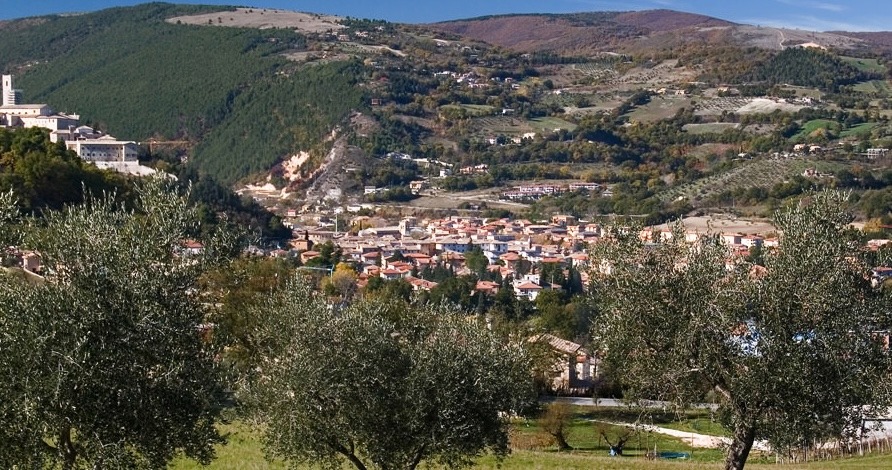
It is perhaps ironic that Messi’s ancestors hailed from an area with no particular football heritage. Macerata is a volleyball powerhouse, but the closest football links to Recanati and San Severino are Ancona and Fermo on the east coast and Perugia, which is 60 miles to the west.
Staples of Serie A in the 1990s, Ancona and Perugia are in Serie D and Serie C respectively, while Fermo’s club, Fermana, have tumbled down to Eccellenza, the fifth tier of Italian football.
Today, San Severino Marche is best known for its history and natural beauty, from the spectacular Piazza del Popolo and its neoclassic Feronia Theatre, to the Borgo di Elcito, a small hamlet 800m above sea level colloquially known as Marche’s Tibet. It is a natural wonder almost equal to the one born in Rosario in 1987, who could captain Argentina to back-to-back World Cups on Sunday.
Related Topics
Related Articles
Related Articles
The biggest derby in Veneto headlines the latest triple-header of Serie B fixtures live on Destination Calcio TV.
The U23s play a full professional season in the same division as clubs founded in 1900 with ultras, debts and towns behind them.

Milan has five teams playing league football inside the metropolitan area and all of them are reachable on public transport.