

Why an Old Stadium in Genoa is the Perfect Stage for a City’s Love Affair With Football
By Dan Cancian
Three decades is a long time. It’s even longer in football, just ask Sampdoria and Genoa. When the World Cup first landed in the USA in 1994, the Genoese rivals were represented by three players at the tournament.
The Rossoblu right-back Dan Petrescu was part of the brilliant Romania side that reached the quarter-finals, starting every game but missing a penalty in the defeat by Sweden.
Meanwhile, Blucerchiati icons Gianluca Pagliuca and Alberico Evani were with Italy as they lost the final to Brazil in Pasadena.
Evani started their opening fixture against the Republic of Ireland, before missing the next five games with a calf strain, but came off the bench to replace Dino Baggio during extra-time in the final and was one of only two Italy players, Demetrio Albertini was the other, to score in the shootout.
Pagliuca, meanwhile, started the tournament as the Azzurri’s No 1 goalkeeper, but was sent off 21 minutes into the second game against Norway for handling the ball outside the box.
He served a two-game suspension, before returning in the quarter-finals against Spain and saving Marcio Santos’ penalty in the final against Brazil.
Fast forward to 2026 and the ratio has flipped. Genoa have two representatives at the World Cup in Mexico’s Johan Vasquez and Norway’s Leo Ostigard, while Bosnia’s Dennis Hadzikadunic is the only Sampdoria player at the tournament, at least until his loan expires.
To put the figure into context, Sassuolo have more players at the World Cup than Genoa and Sampdoria combined.
While the number of representatives is the same as 32 years ago, the state of Genoese football has changed dramatically. Back in 1994 Genoa finished 11th in Serie A and were two years removed from a UEFA Cup semi-final. They finished 16th this season, securing survival for the third consecutive time.
The contrast is even starker for Sampdoria, who finished 13th in Serie B this season, 12 months after they were relegated to Serie C for the first time in their history, only to be rescued at the 11th hour by Brescia going bust.
The Blucerchiati finished third just before USA 94, six points behind champions AC Milan, and lifted the Coppa Italia, their seventh major trophy in nine years.
If the fortunes of both clubs have declined, what hasn’t changed is Genoa’s love for football. The Ligurian capital remains one of the best places in Italy to watch the beautiful game, Rossoblu and Blucerchiati fans packing the Stadio Luigi Ferraris week in, week out.
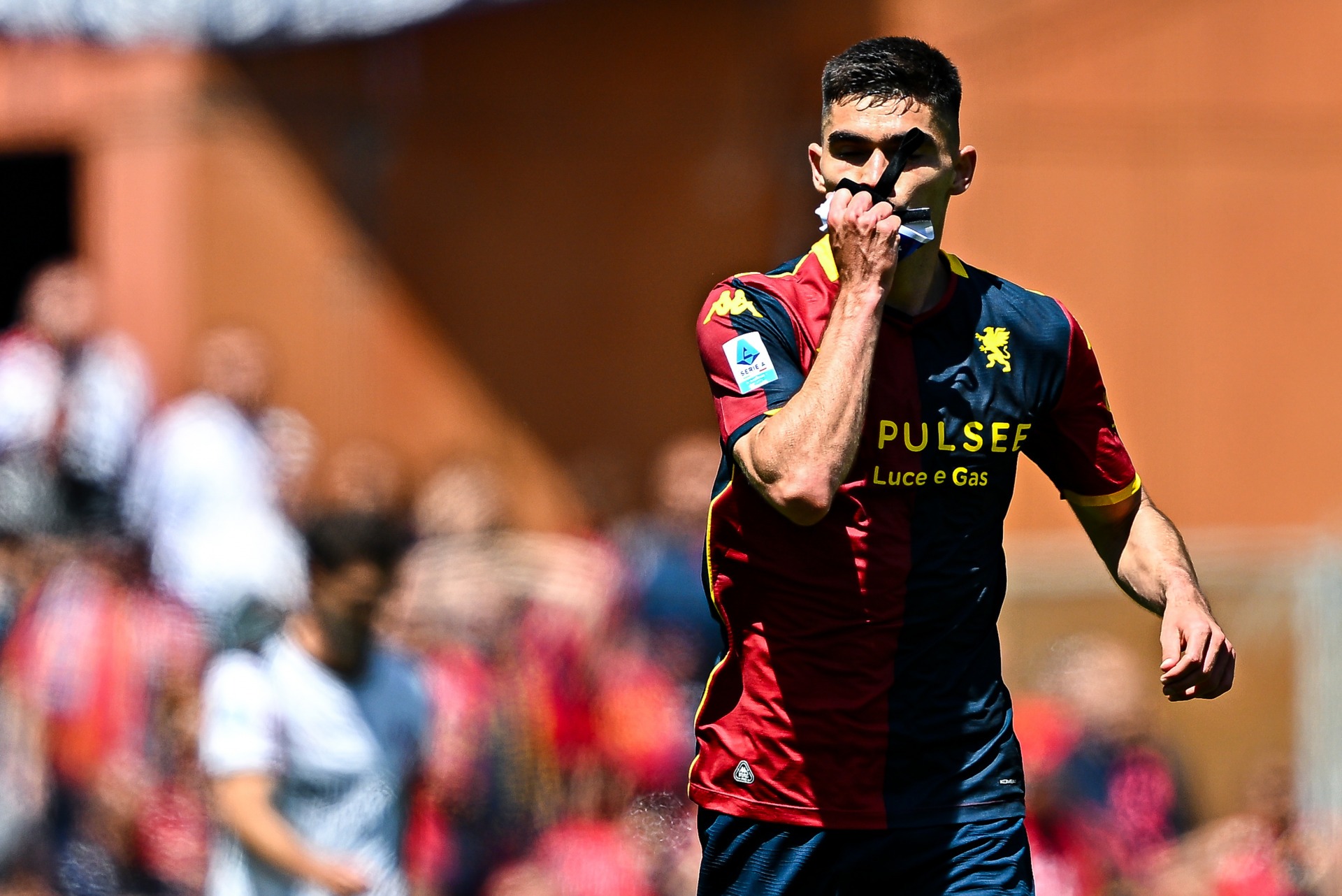
Italy’s oldest stadium in continuous use, Marassi, as it is known after the suburb it sits in, instantly conjures memories of Italia 90 and of calcio at its peak.
In the Ferraris, Genoa’s love affair with football has the perfect stage. It is instantly recognisable and has hardly changed in 30 years, standing out with its four separate stands, steep and so close to the pitch. An English stadium with an Italian address. Yet it is fiercely Genoese and still one of our favourite destinations, no matter what side of the city is playing at home.
“Maybe it’s a bit repetitive because I’ve said it many times, but I feel like I’m from Genoa,” Rossoblu captain Vasquez told Serie A’s YouTube channel back in February. “I feel Genoese.”
It wasn’t love at first sight for the Mexican, who admitted he struggled to adapt to Italian culture in his first season. Any problems are now behind him and he and his family have fully bought into the Genoese way of life, including the culinary staples.
“(Moving to Genoa) is the best choice I’ve made,” he said. “My daughter and my son eat trofie al pesto every day and they love it.”
To be fair, Genoa is the place for pesto. Yes, it’s made up and down the country but the Ligurian capital is its undisputed birthplace and real pesto alla Genovese is made with basil from this region. We loved Il Genovese, on Via Galata, not far from Via XX Settembre.
Now in his second spell with the Grifone, Ostigard is similarly fond of the city they call La Superba – the Superb One.
“I’m at Genoa because I like this club and this city,” he told Serie A’s YouTube channel this season. “The fans are amazing and the stadium is awesome.”
Speaking to Genoa-based newspaper Il Secolo XIX last month, he added: “My desire is to stay here and experience a fantastic season with Genoa. It’s not easy to find a club like this; it gives me so much emotion.”
Thirty years is a long time in football. But in Genoa, deep down, nothing has really changed.
Related Topics
Related Articles
Related Articles
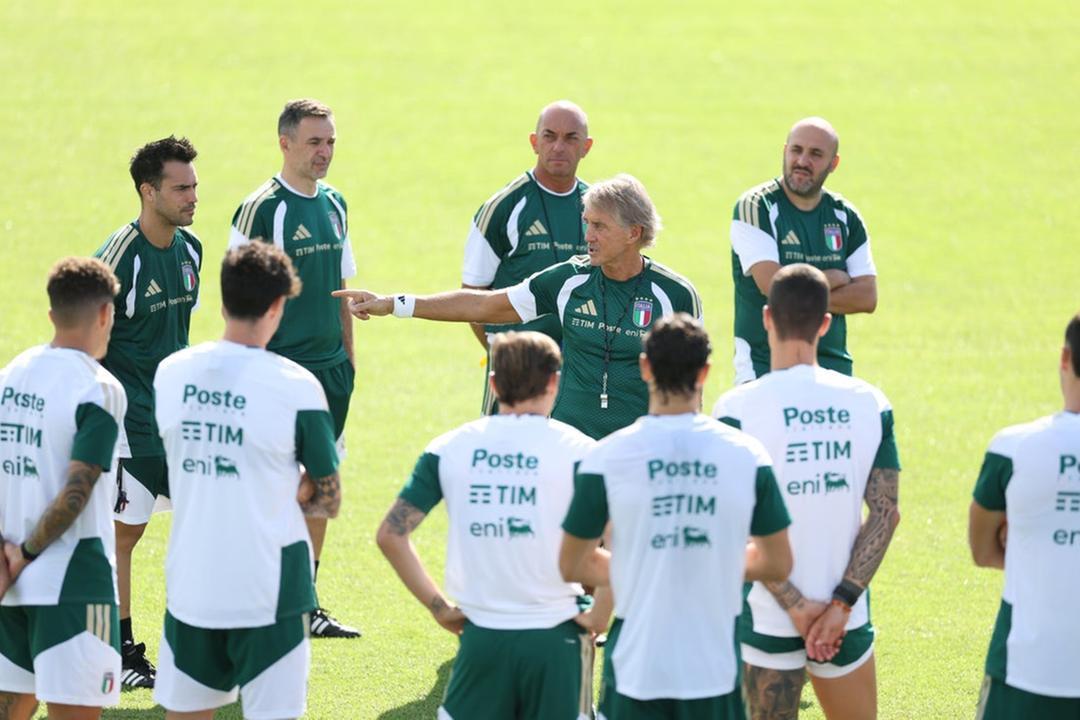
It wasn’t the most popular appointment but Roberto Mancini is back in the Italy hot seat - and is looking to recover from a losing start.
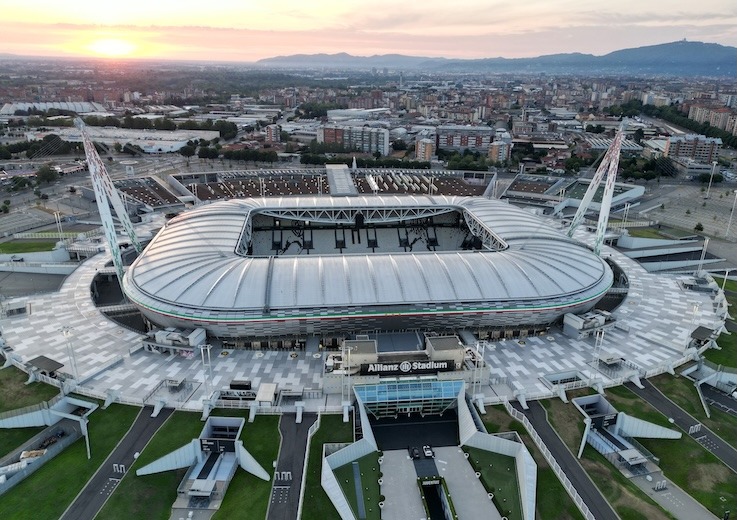
Some of the biggest grounds in the country must be replaced or renovated before the European Championship kicks off.
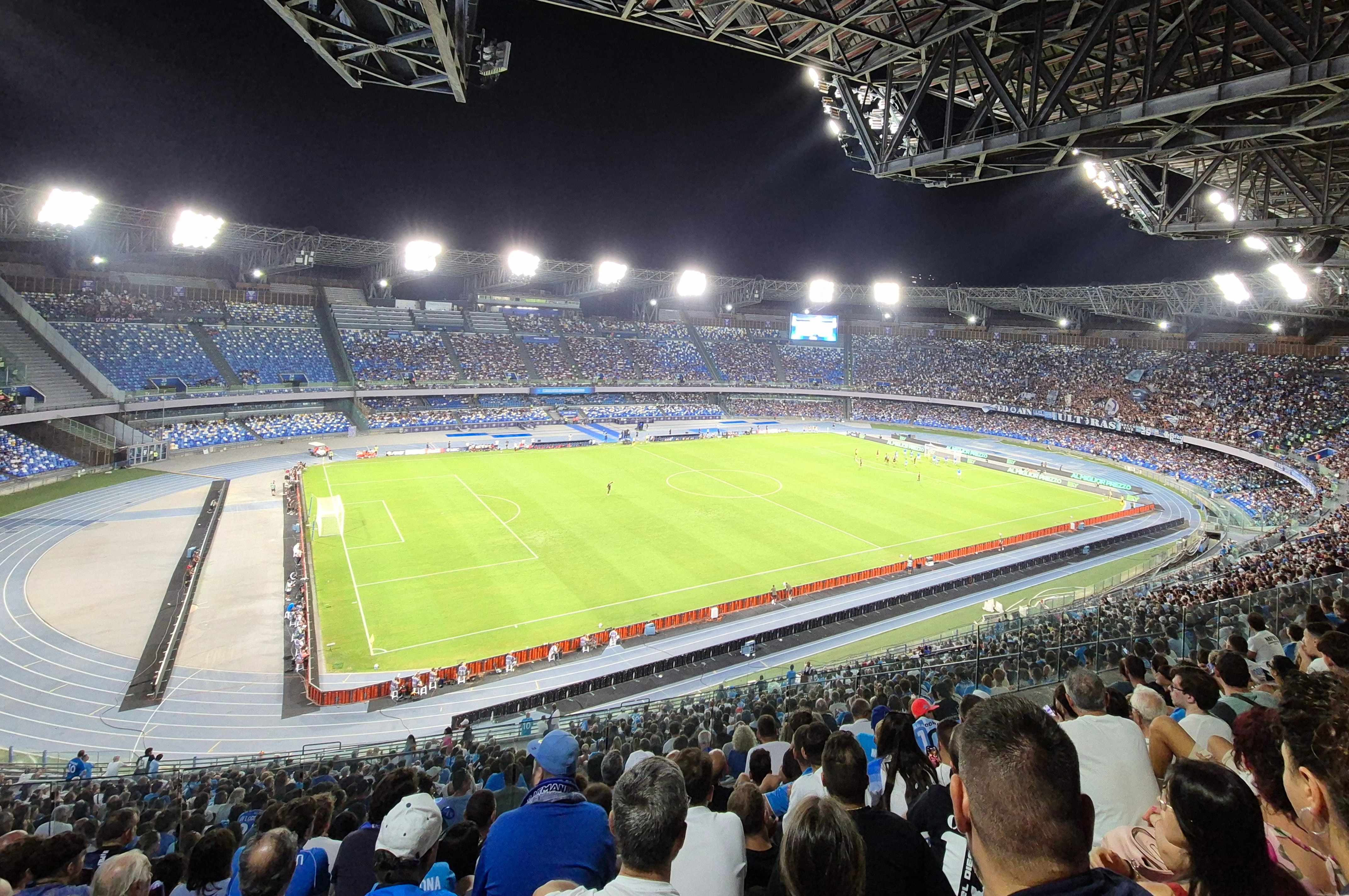
The Italy team take their home home games to all corners of the country but some of the high-profile destinations have been ignored.