
Why Ritiro is the Sacred Summer Ritual at the Heart of Italian Football
By Dan Cancian
Italy’s coastline, with its spectacular beaches and pristine waters, draws in millions of tourists each summer. From Calabria’s rugged and rocky shore to the Adriatic sandy beaches and Sicily’s stunning islands, the options are endless.
Unless, you are a professional footballer. While the rest of the country and foreign visitors bask in the sunshine and head for a swim, Serie A players are whisked away to the Alps for brutal pre-season camps.
The ritiro pre-campionato, as it is known in Italian, is a staple of football on the peninsula. It is a date marked in red on calendars, and a word that has become shorthand for gruelling training, having long lost its literal meaning of ‘retreat’.
First introduced by Catania manager Geza Kertész in 1934, the ritiro immediately paid dividends when the Sicilians were promoted to Serie B for the first time.
Kertész, who was killed by the Gestapo in 1945 for helping rescue Jewish families in his native Hungary, had players staying in a villa by the Stadio Cibali, which was then still being built.
And if spending time in a villa in Sicily doesn’t sound too taxing, the diet certainly got to the players, who complained of always being served “soup or pasta, fish or meat and a lot of fruit.”
Perhaps inspired by Catania’s success, Vittorio Pozzo got his Italy team together in a hotel in Roveta, close to Florence, to prepare for the 1934 World Cup. The Azzurri, of course, won the tournament for the first time.
The ritiro, however, only entered the mainstream conversation after World War II and became a staple of Italian football under Helenio Herrera and the Grande Inter team in the 1960s.
“The ritiro should be the springboard for the season,” team doctor Angelo Quarenghi famously reflected.
Inter would normally go to the Grand Hotel in San Pellegrino Terme, a quiet spa town 20 miles north of Bergamo. The hotel had hosted Queen Margherita of Savoy, after whom the pizza is named, and King Farouk of Egypt, but Inter players had little time to enjoy the posh surroundings.
One of the first managers to place emphasis on physical training, Herrera was maniacal about his players’ weight and eating habits, so much so he routinely had scales with him during ritiro and would fine players who were overweight.
When Inter legends Sandro Mazzola and Roberto Boninsegna made a beeline into town to treat themselves to a sandwich after training, Herrera met them outside the shop, took the sandwiches off them and threatened to send the pair home.
Legend has it that club captain Giacinto Facchetti would sneak into the hotel kitchen at night to help himself to a snack, while Gigi Riva and his Cagliari team-mates would hide salami and cheese in their suitcases.
San Pellegrino Terme was just one of the destinations on the map of pre-season camps across Serie A between the 1960s and 1980s. Looking back now, the map paints the picture of a bygone era as many clubs prefer lucrative tours to the USA or Australia.
But while places such as the ski resort of Roccaraso in Abruzzo or the stunning Umbrian town of Nursia, which is officially one of I Borghi più belli d’Italia (The Most Beautiful Villages in Italy), have been abandoned by Serie A clubs, they remain attractive destinations for teams down the calcio pyramid.
Bari will train in Roccaraso for two weeks, while Ascoli will hold their ritiro in Nursia, less than an hour away. Similarly, Sudtirol will spend two weeks in Vipiteno, 45 miles north of Bolzano.
Like Nursia, Vipiteno is officially one of I Borghi più belli d’Italia and the Trentino-Alto Adige region has long been one of the favourite destinations for pre-season camps.
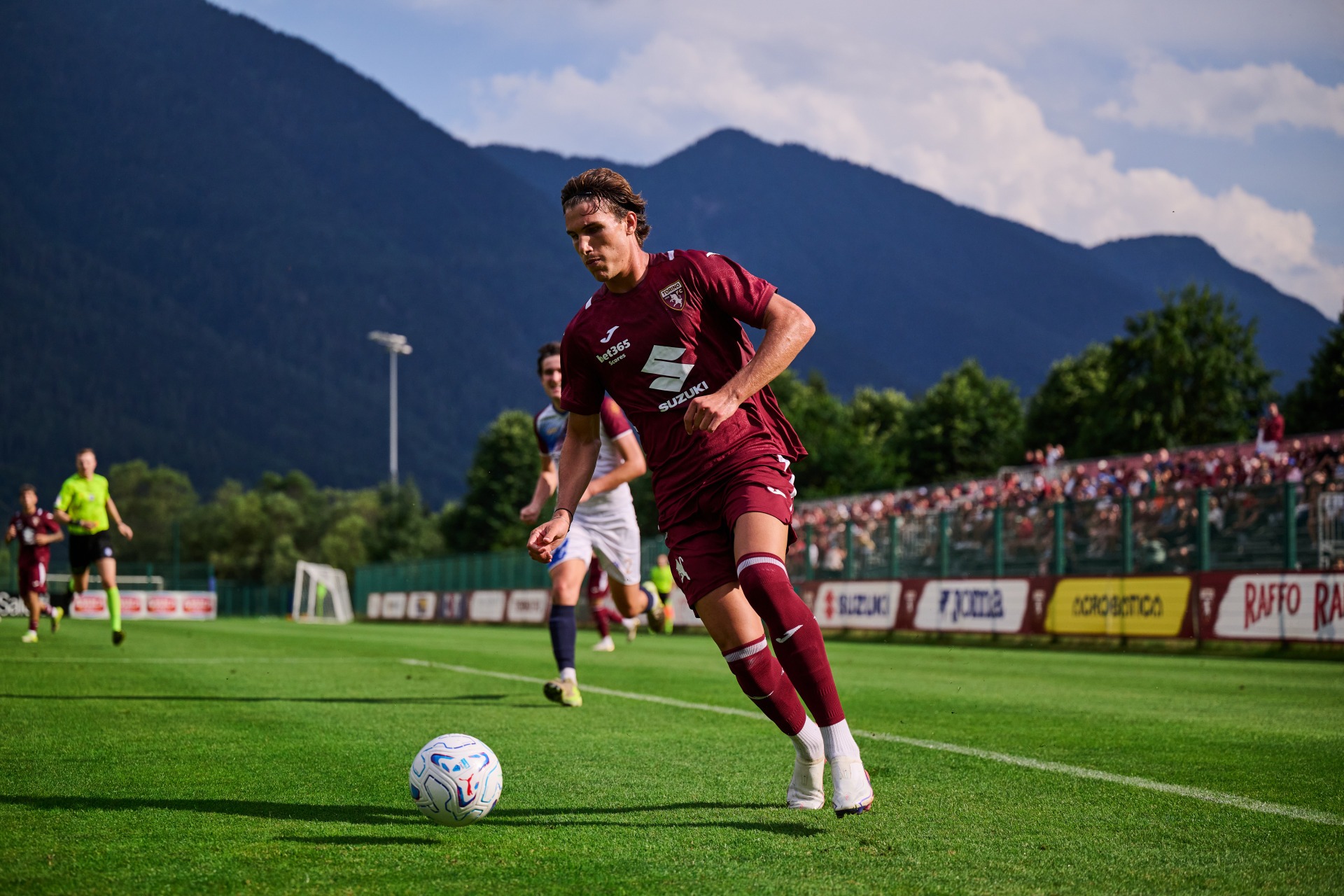
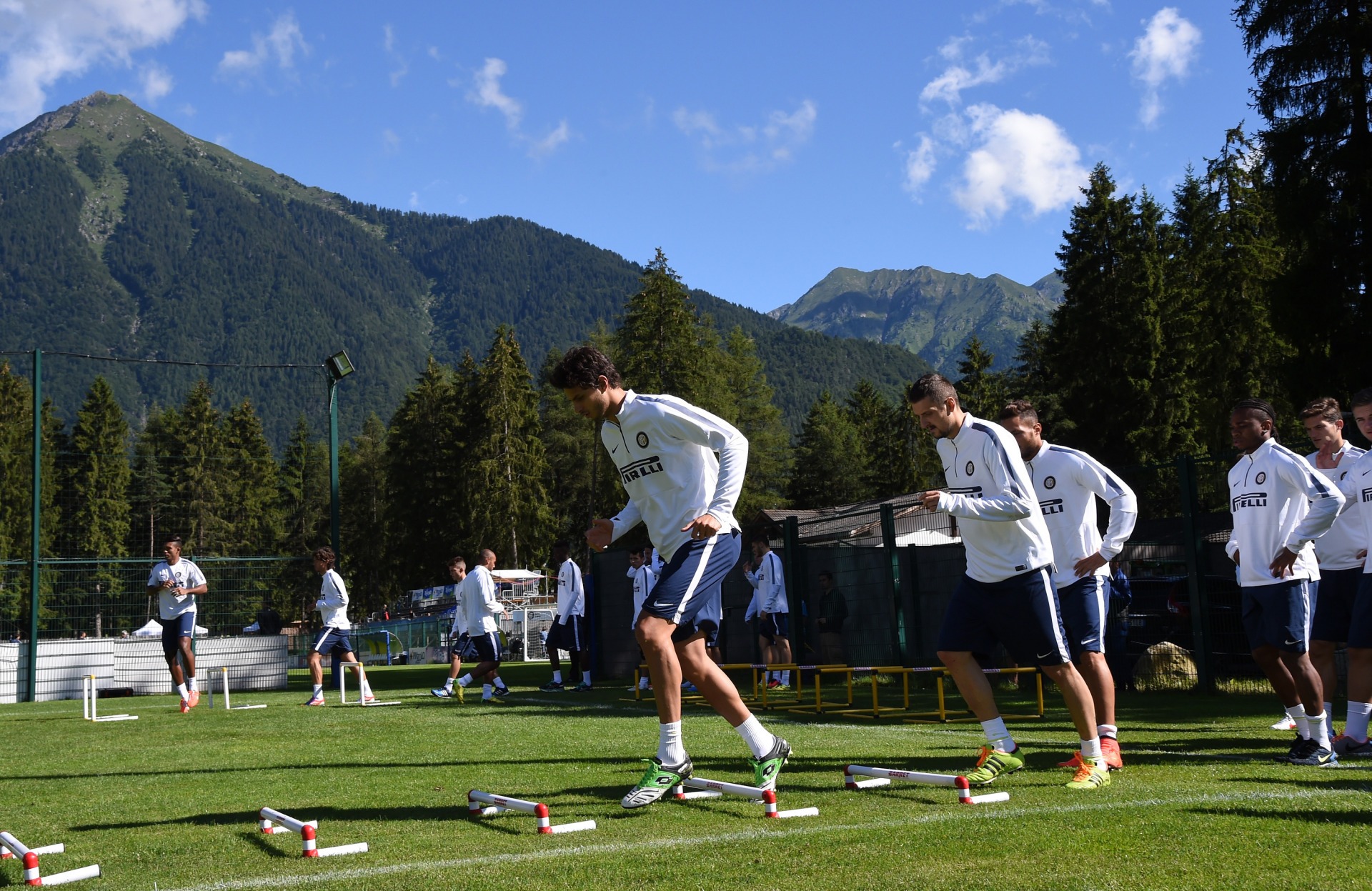
This summer alone, Napoli have trained at Dimaro, 20 miles north of Trentino’s provincial capital Trento, while Genoa and Torino are in ritiro in Val di Fassa and Pinzolo respectively. The latter was Inter Milan’s base for four consecutive summers between 2011 and 2014.
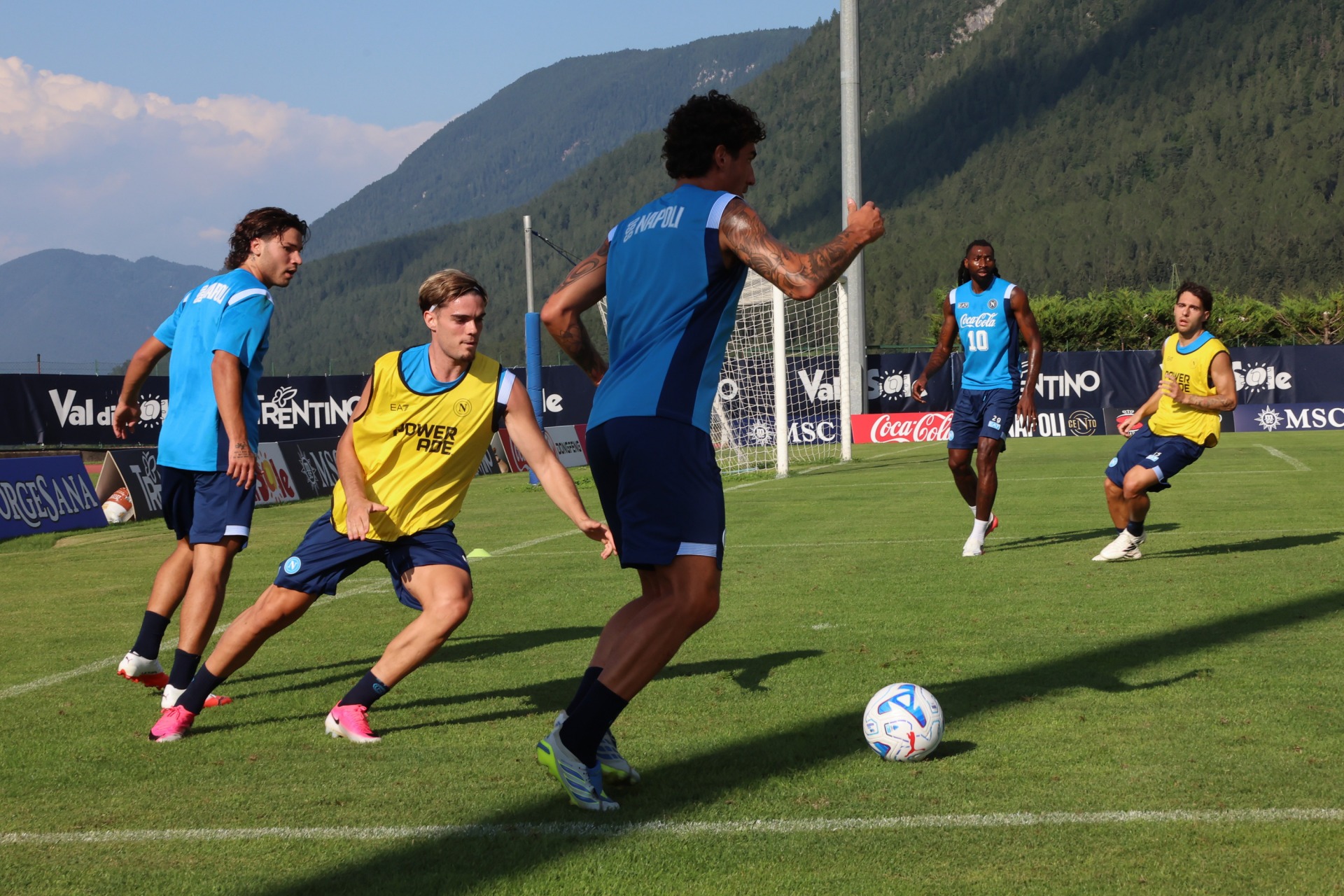
As many as eight Serie A clubs will be in ritiro in Trentino this summer. Excluding Lazio, who will be based at their training ground of Formello, Napoli and Frosinone are the only two clubs to have picked a location in central Italy for their ritiro.
The Partenopei will head to Castel di Sangro in Abruzzo for their second training camp after returning from Trentino, while Frosinone will train at the foot of the Monte Terminillo in Lazio.
It’s a similar scenario in Serie B where, aside from local boys Sudtirol, Padova, Modena and Hellas Verona have all travelled to Trentino to train at Peio, Mezzana and Folgaria respectively.
By comparison, back in the 1970s and 1980s, clubs were spread far more uniformly across Italy. Shortly after signing Diego Maradona in July 1984, Napoli headed for the Hotel Impero in Castel del Piano, in the Grosseto province in Tuscany.
The choice of heading up the mountains is far from casual. Training at altitude allows teams to swap hot and humid summers for cooler temperatures, which helps recovery.
“You have better air, oxygen,” former Napoli midfielder Gokhan Inler, now a technical director at Udinese, told BBC Sport. “You are more controlled with food and sleep. It helps build the group, new players come in faster.”
There is more to a ritiro than just training. Clubs regularly schedule friendlies during their pre-season camps and for many fans it’s the first chance to see new signings in action.
Even now, access to players in pre-season remains easier than during the campaign, when they are effectively off limits to most supporters for nine months.
A mountain setting for a ritiro, of course, comes with certain perils. In the summer of 1978, Napoli were in ritiro on the Tuscan Alps just outside Lucca when they got lost while hiking in the woods and had to wait several hours before being rescued.
Among the group was Giuseppe Savoldi, who had also got lost as he climbed Monte Pau on the Asiago plateau in Veneto while in ritiro with Bologna. To make matters worse, the Rossoblu had already taken hours to reach their base, due to traffic jams on the motorway.
Plush seats on intercontinental flights were still years away, but they are the norm the now for the biggest clubs. Inter, AC Milan and Juventus will travel to Hong Kong and Australia, while Fiorentina, Genoa and Roma will spend a week training in Britain.
And while heading up the mountains remains the preferred choice of many clubs, the training methods have evolved. The pre-season camps are seldom longer than two weeks, compared with an average of three weeks three decades ago, and players have a lot more options to fill their downtime.
Gone are the days when bored-looking footballers ambled around their hotel lobbies, politely signing autographs for enthusiastic kids or playing cards and table tennis with their team-mates. The more adventurous ones took great delight in throwing water balloons at their team-mates, although that too could go wrong.
Take Romano Cazzaniga, Torino’s back-up keeper, who ended up in hospital during the summer of 1977 after falling from a first-floor window at the team hotel. Attempting to prank his team-mates with a water bomb, he lost his footing and plunged nearly 25 feet onto the pavement. At 34, his career was brought to a sudden end by fractures to his pelvis, lumbar vertebrae, and a handful of ribs.”
These days, most players will make time for golf, while Patrick Vieira took his Genoa squad rafting last year.
It is a world away from the days when ritiro was, in the words of former Torino and Fiorentina midfielder Aldo Agroppi, “boredom, hard graft, and sex.”
He explained to La Gazzetta dello Sport: “Boredom because at times you had no idea what to do with yourself; hard graft because you trained like crazy; and sex because these places were always packed with female tourists and fans.
“At night, around 11 or midnight, you’d see players, and sometimes even coaches, sneaking out through the windows.”
How times have changed.
Related Topics
Related Articles
Related Articles
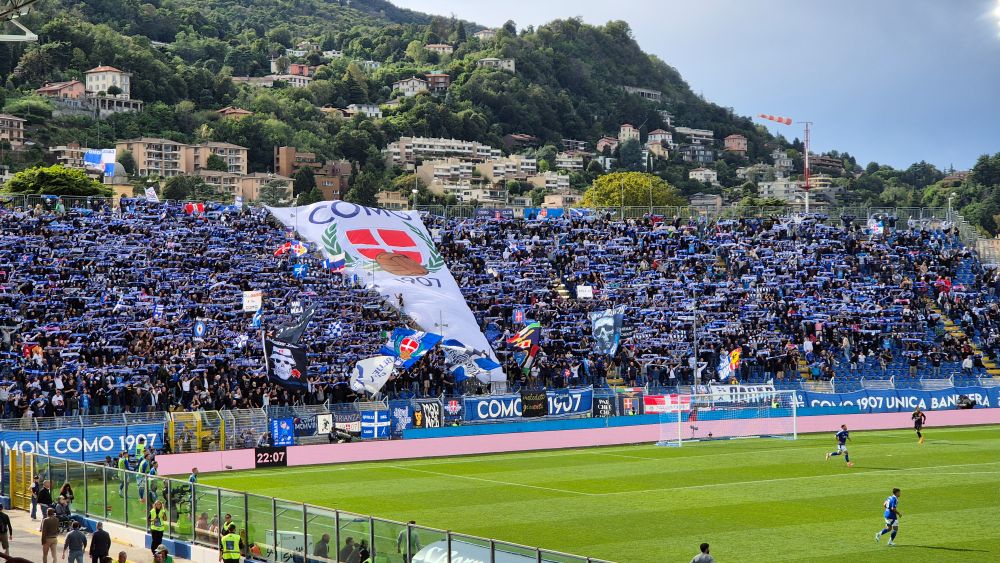
Six teams, from six countries, playing nine games, across four days, in one of the most picturesque stadiums in football.
The full schedule was revealed at the Teatro dei Filarmonici in Ascoli ahead of the big kick-off on the weekend of August 22.

Around Italy and up and down the top three divisions, several teams are trying to shake things up in their own way?