
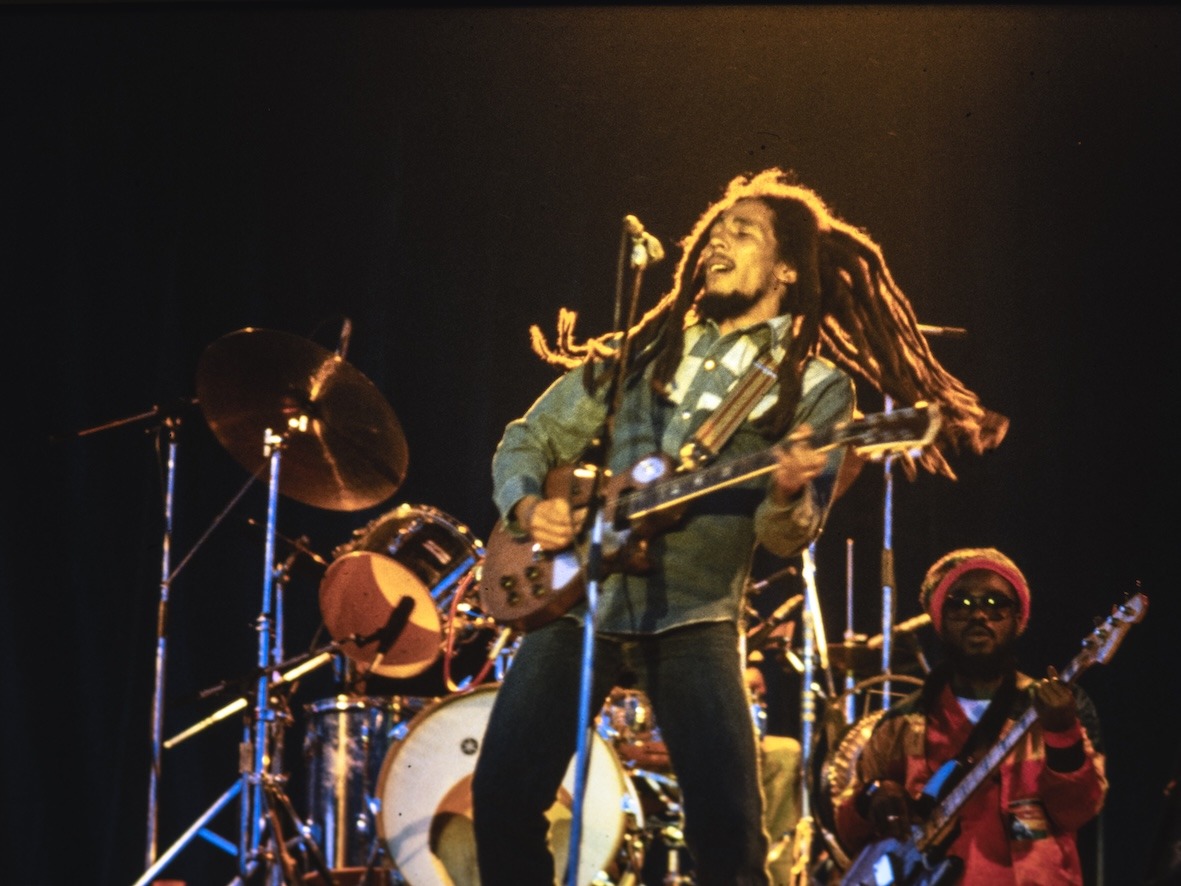
One Love at San Siro: The Night Bob Marley United a City in Calcio’s Greatest Cathedral
By Leo Moynihan
On the evening of June 27, 1980, Milan’s Stadio San Siro descended into darkness and the authorities drew their breath. The old stadium was housing a concert.
Bob Marley and his Wailers were playing and among the 110,000 people there that night (the official but conservative estimate) meant the police were concerned. Supporting the gig, The Average White Band had done their best to bring their brand of optimistic funk to proceedings but recent history had taught the Italian law and order forces that such occasions usually ended in trouble.
Just nine years earlier Led Zeppelin had headlined an all-day festival in the same city’s Vigorelli Velodrome, an event attended by conflicting factions that included communist and fascist groups which used the gig as an opportunity to politicise the crowd. Scuffles began outside and a huge police presence inside the venue only added to a growing tension that spilt into running battles.
As the trouble erupted and tear gas wafted across the arena, the band were forced from the stage just 40 minutes into their set and had to barricade their dressing-room doors as gangs of young Italians set about each other and the police. Stones, bottles and petrol bombs were soon unleashed in scenes that sent Led Zeppelin heading to the airport.
The band never returned to Italy and the event added to a list of concerts, which included the Rolling Stones and Chicago, that had been rocked by riots there, epitomising the extreme political violence the country had faced since the late 1960s.
They called it Anni di piombo (The Years of Lead), a time of bombings, riots and shootings that saw radical right and left-wing youths clash all over the country. The Hot Autumn strikes of 1969 had galvanised left-wing groups, whilst the Piazza Fontana bombing carried out by neo-fascists that killed 17 people in Milan later that same year only fuelled a growing sense of violent disconnect. Assassinations, murders and arson attacks accompanied more bombings as the nation’s youth treated the 1970s as their own bloody battlefield.
The country’s football stadiums, at matches and concerts, were the obvious place to both recruit and clash and so as the lights went down at San Siro to greet that night’s headline act, among the older and suited contingent the anticipation was very much of the worried variety.
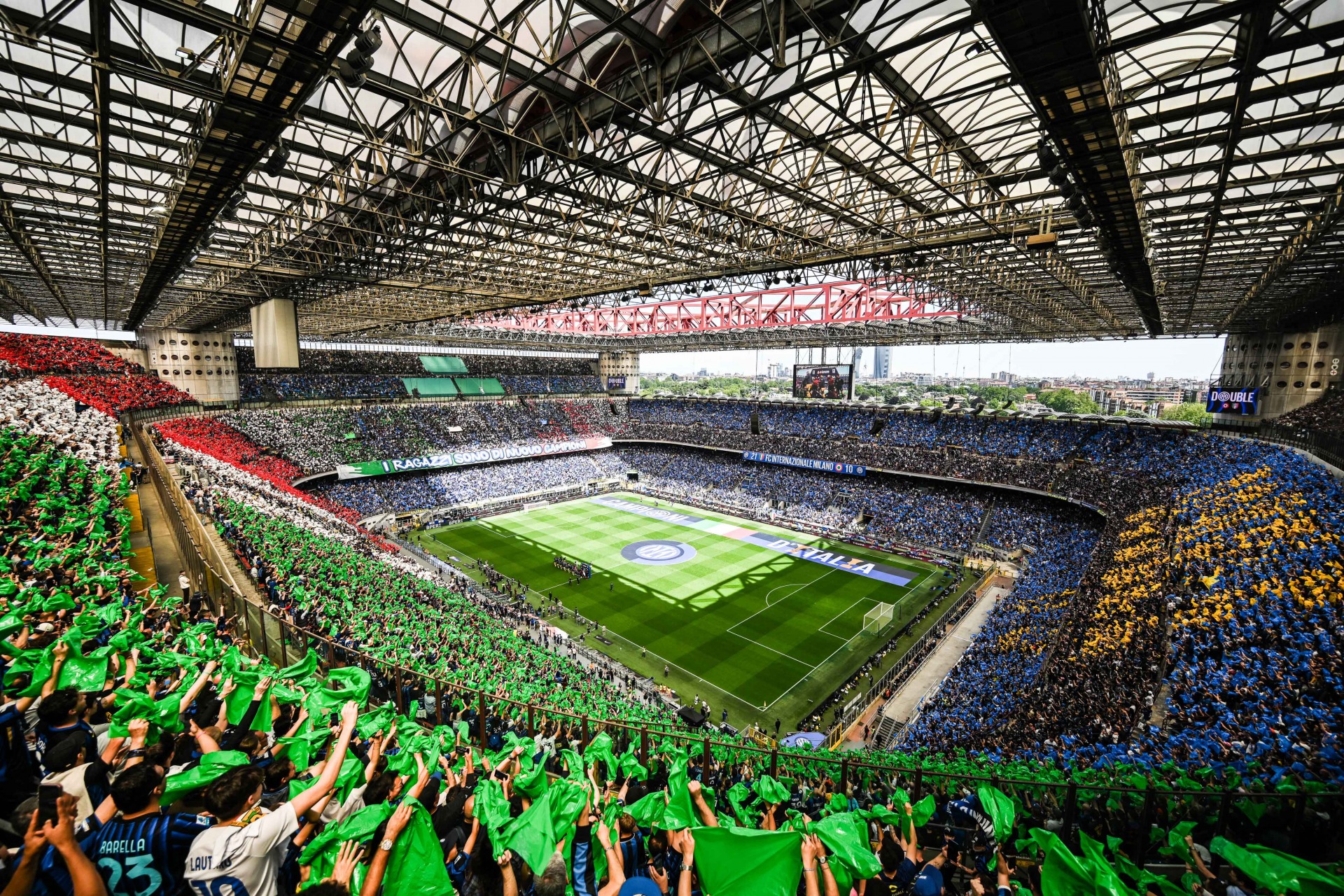
The Stadio Giuseppe Meazza, like Pavarotti and Gazza, gained its iconic status in global football in the summer of 1990. Redesigned and built in its present and distinctive shape for the World Cup, the stadium (a lesson in how to make concrete beautiful) was a symbol of football’s future.
If the 1990 World Cup itself became some sort of watershed for the game, San Siro was an indication of the sort of place that football (with all of its wealth and new-found style incoming) might be watched. And the setting seemed perfect. If Rome is Italy’s determination and Florence its heart, then Milan is very much its style.
Simon Inglis had it right when he wrote in his brilliant book, The Football Grounds of Europe, published on the eve of tournament, ‘For behold the new Giuseppe Meazza Stadium in San Siro, Milan; a gargantuan concrete, steel and glass temple to the great god of calcio, where on 8th June 1990 the 14th World Cup will open, and with it, a new chapter in the history of stadium design.’
AC Milan had first inhabited the San Siro area in the west of the city in 1926. Having played in four previous venues, the new ground, funded by their wealthy president, Piero Pirelli (he of tyre fame), had a suitably English feel to it.
The club had been formed in 1899 by the Englishman Alfred Edwards, and now unlike so many Italian stadiums this was a new rectangular venue, with no running track and therefore its pitch closer to the 37,000 capacity crowd. In time, the place and its allure began to grow.
The club were far from successful in the 1930s, during the 1934 World Cup in Italy their ground housed big occasions. Okay, so only 3000 people bothered to turn up for Germany’s 2-1 win over Sweden in the quarter-final, but a record 40,000 saw Italy’s 1-0 semi-final win over Austria. Italy won the tournament that summer and again four years later. Their star player was one Giuseppe Meazza, a hero to both Milan and Internazionale fans, and in 1979 the honorary name on the stadium door.
For the rest of the 1930s, the biggest crowds came to see the national team, with the record attendances coming for the Azzurri matches: 65,000 came to see the wartime international between Italy and its new ally Germany in May 1940, a figure that suggested any future plans for the stadium could be more than ambitious.
In 1947 Internazionale moved in with their city neighbours and those ambitions were realised in 1955 when a new stadium emerged, one that could hold 82,000 fans across two tiers. But it was its layered ramps allowing access to each tier that truly caught the eye. Nineteen of them, some 200 metres in length and three metres wide. It was a unique design conceived by the architect Armando Ronca and the engineer Ferruccio Calzolari that gave the new stadium its unmistakable look. When it was rebuilt for that 1990 World Cup, those ramps remained within free-standing towers on three sides of the stadium that now gave access to a third tier.
The two Milanese clubs had become powerful long before the 1990 remake and the stadium in which they played had become well known as one of the hardest to go and get a result in.
In 1965, Bill Shankly brought his Liverpool side to town for the second leg of the European Cup semi-final against Inter. Liverpool were 3-1 up from the first leg, but with the help of what Shankly later described as two illegal goals, the Italians ran out 3-0 winners. The Scotsman was taken by the venom of the ground. “The crowd in the San Siro was really hostile. They even had smoke bombs, purple things in jars that went up in smoke when they burst. One of these landed on the steps and Bob Paisley’s clothes were covered in the stuff.”
Those enthusiastic fans were watching world-class talent and their two respective trophy cabinets housed the European Cup on four occasions in the 1960s (Milan won it in 1963 and 1969, Inter took it in 1964 and 1965).
However, what made the new stadium in 1990 so much more exotic was the rivalry of the two clubs that had morphed by then into very much an international affair. Inter were a great side and had won Serie A in 1989 and were led by the German duo of Andreas Brehme and Lothar Matthäus before Jurgen Klinsmann later joined them. Despite their success they were overshadowed by their neighbours, who under Arigo Sacchi (and with the Dutch triumvirate of Frank Rijkaard, Ruud Gullit and Marco van Basten) won back-to-back European Cups in 1989 and 1990. Sacchi’s team caught the world’s attention, their red and black stripes a uniform for brilliance, the stadium the setting for so many moments of beauty and glory.
One such occasion was during the 1989 European Cup semi-final. Real Madrid were the visitors and the match took place just days after the Hillsborough tragedy. Suddenly the home supporters broke into song and their rendition of You’ll Never Walk Alone, as the players stopped what they were doing in a show of solidarity, would have changed Shankly’s mind about the stadium’s hostile inhabitants.
Not that the stadium was always the scene of such heartwarming moments. In the opening game of the 1990 World Cup, Cameroon’s 1-0 win over Argentina shocked the world but it was far from a clean affair, with some of the challenges from the eventual nine-man Cameroonian side firmly on the aggro side of agricultural. At the same tournament, The Netherlands’ last-16 defeat by the Germans (bubbling with Milan/Internazionale back stories) spilled into violence and the image of Rijkaard spitting at Rudi Völler is another memorable shot of a tournament full of them.
If it is local aggro that you are after then look no further than the 2005 Champions League quarter-final played out between the two Milanese clubs, and the second leg that after 73 minutes was abandoned by a referee who had seen enough of the Inter fans’ unrest. As the game ran away from their side, objects were thrown onto the pitch, the smoke from a sea of flares bellowed down onto the players and enough was enough. Inter were out.
Since then, suggestions that Inter would leave the old place were never far from local conversations. Talk of a move, however, changed to proposals to revamp the stadium but both clubs concluded this would be too expensive and instead plans (albeit amid the backdrop of the country’s notorious bureaucracy) are in place for a new stadium to be erected.
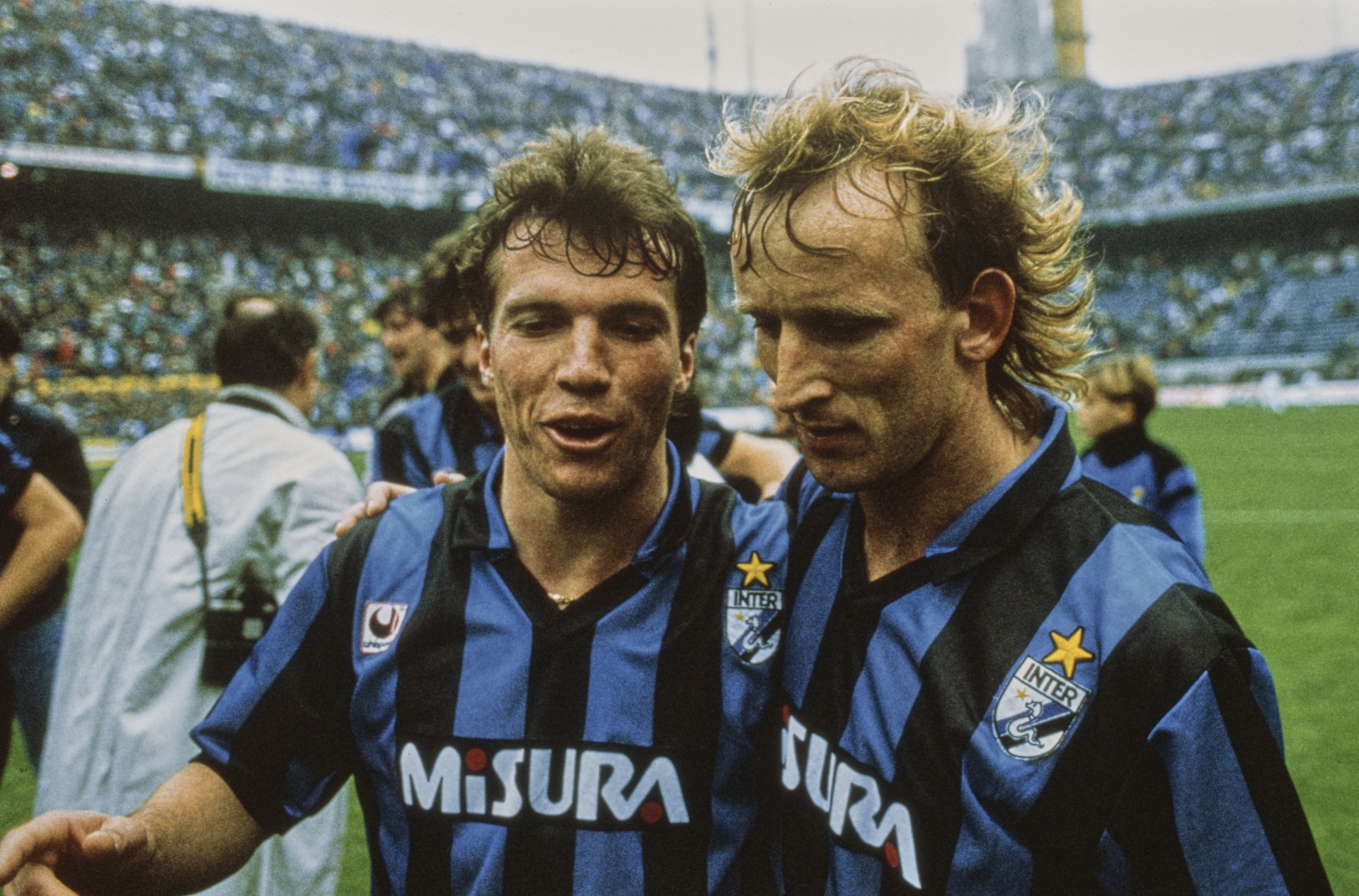
And so as the old stadium celebrates its centenary year, many people will see it as a relic of the past. That’s okay. The glory that once filled the place has waned, footballing fortunes can do that to even the grandest of venues, but whatever the future holds, those two words, ‘San Siro’ will forever warrant thoughts of the game played out on its most stylish of stages.
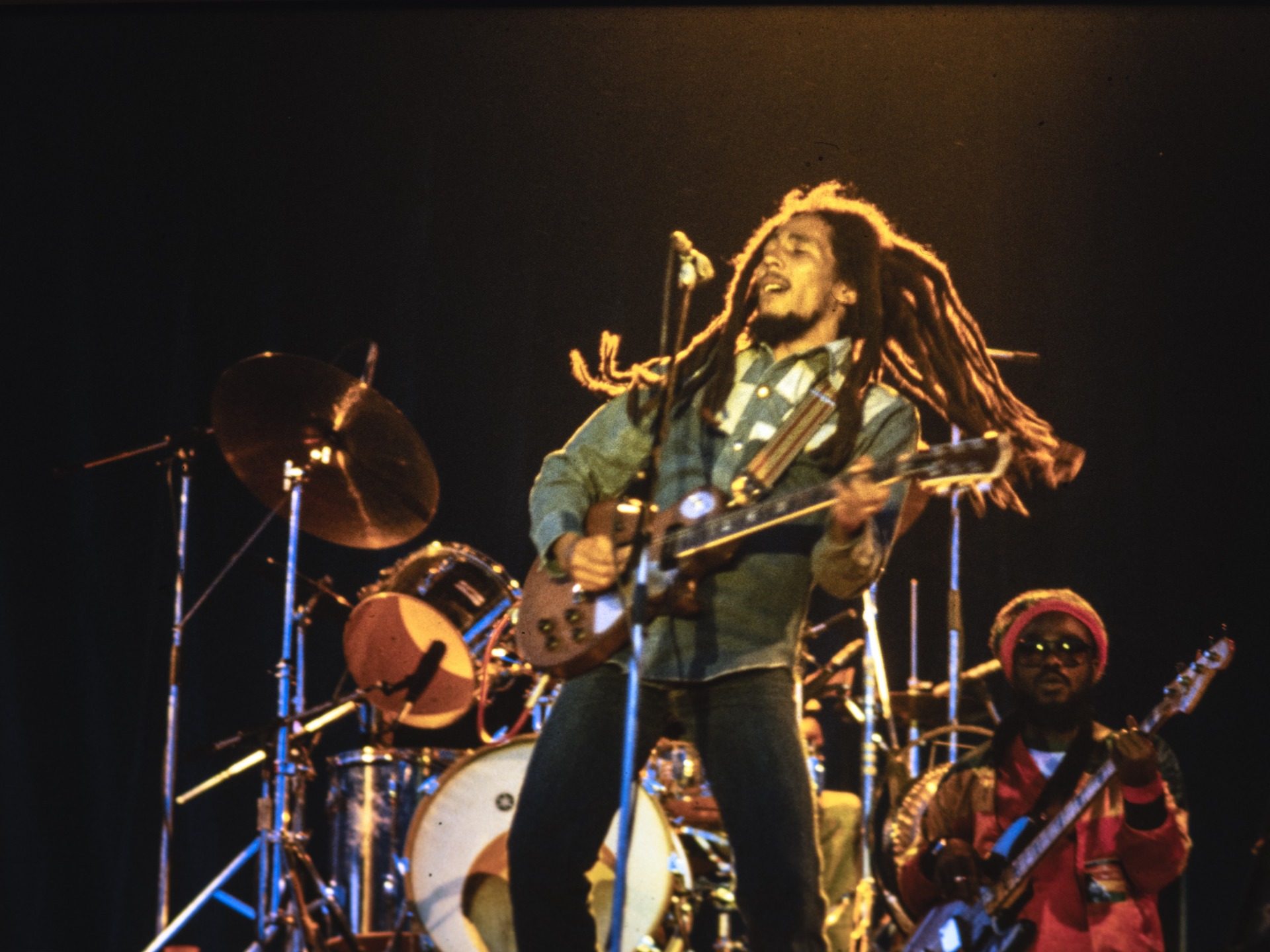
Darkness. Bated breath. Then a chant. ‘Marley….Marley’. On and on it went. And then a light, a light that unveiled the dreadlocked silhouette of a man, standing on the middle of the stage.
A silence suddenly broken by the man’s words. ‘Jah! Rastafari!’ Pandemonium followed, but not of the violent kind. A collective roar of togetherness filled the Milanese sky and as Bob Marley went through his set with effervescent fervour, those present began to think not of them and us but of the hitherto ignored but grand possibilities of unity.
Italian youth violence didn’t end that night but it began to recede until finally the troubles stopped. Many believe that Marley’s performance San Siro had brought on the most dramatic of social and cultural changes the country had ever seen. A stadium built for two, but the perfect setting for One Love!
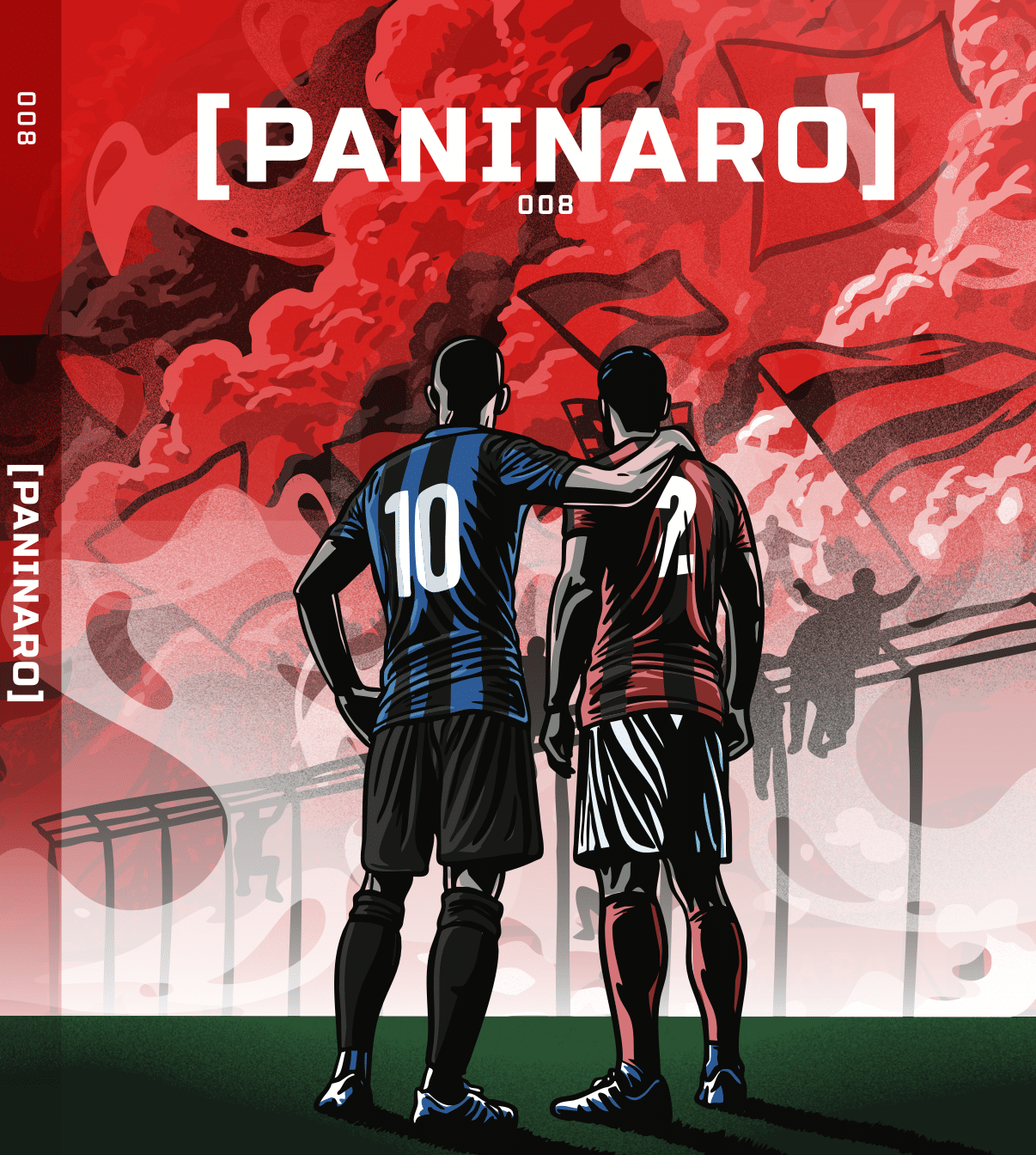
This article was originally published in Paninaro Magazine – where football, fashion and music collide. The latest issue (below) features articles on all things 1990, including the World Cup.
Related Topics
Related Articles
Related Articles
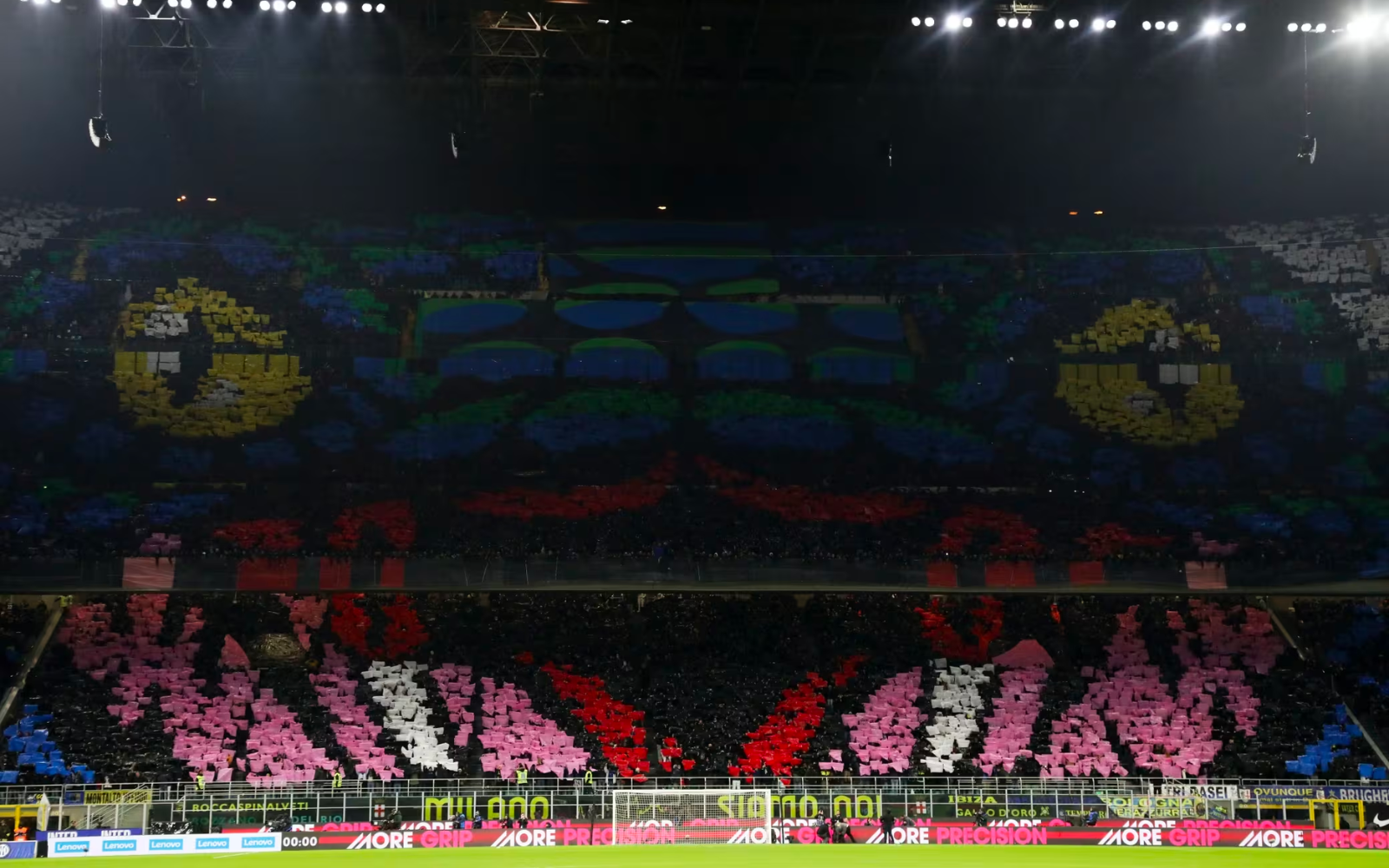
Inter and Milan. Black and blue. Red and black. Milan is a city of contrasts. None more so than on derby day, when San Siro becomes a giant canvas for the Curva Nord and the Curva Sud to establish local bragging rights with spectacular choreographies. Thanks to its phenomenal setting of Stadio Giuseppe Meazza, no
Up and down the country, each stadium is unique and every single one has its own charm. This is our top nine.
As the temperature dips, stadiums around Italy come alive with smoke, fog and fireworks cutting through the frosty air.