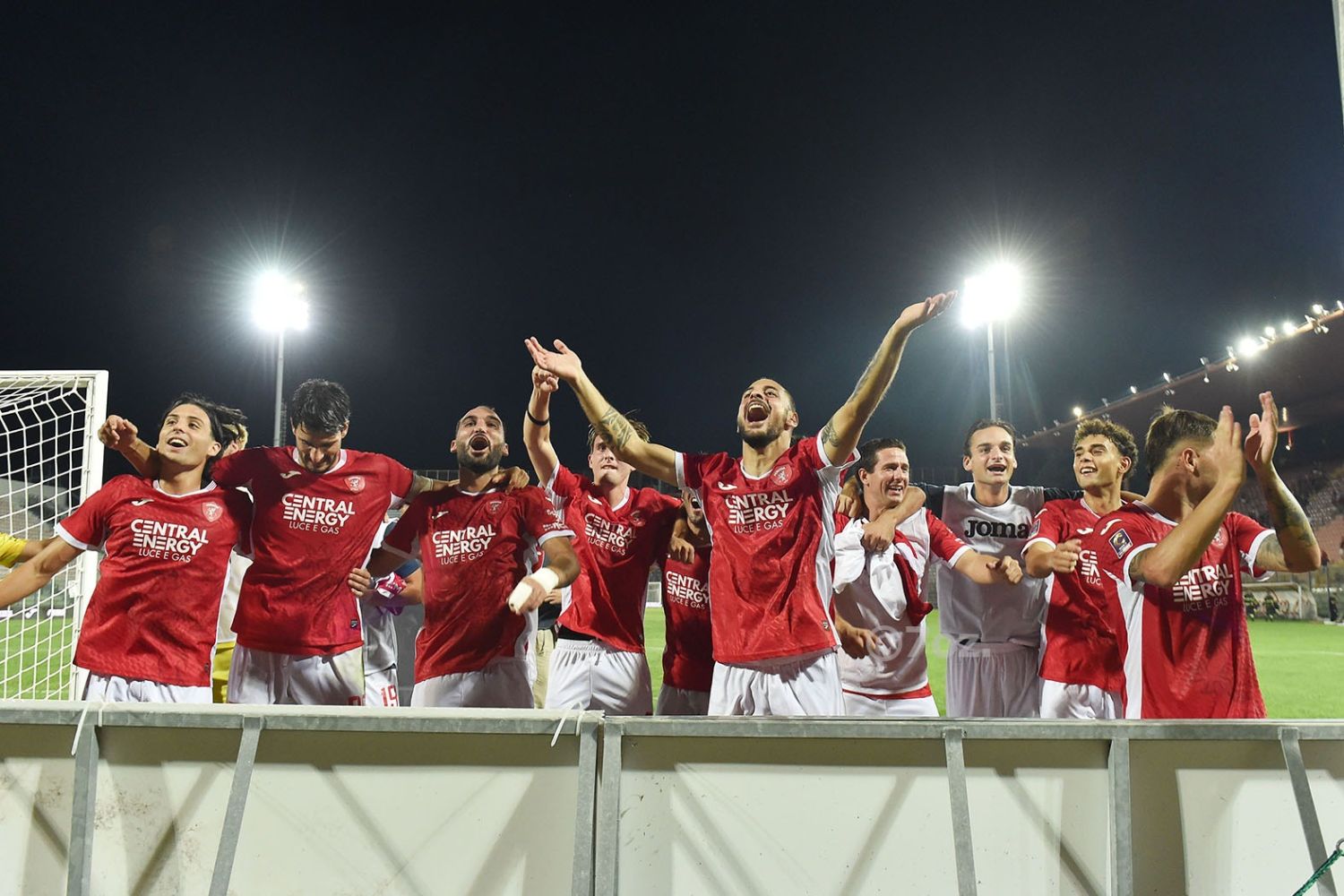
If one were to create an Italian football-themed pub quiz, Perugia alone could provide a whole round.
The only team to go unbeaten throughout a Serie A season without winning the Scudetto? Il Grifone in the 1978-79 campaign. The second Italian club to sign a Japanese player? Perugia, of course.
The club whose president sacked Ahn Jung-hwan live on air after the South Korean had knocked Italy out of the 2002 World Cup? Same.
And which top-flight outfit signed the son of Colonel Gaddafi? The team that beat Juventus after a 90-minute delay in torrential rain to deny the Bianconeri the title on the final day of the 1999-2000 season? You guessed it.
For over a decade from 1991 under the volcanic Luciano Gaucci, there was never a dull day in Perugia, with Il Grifone establishing themselves Serie A regulars.
Not that Perugia needed football to put it on the map. Umbria’s capital and one of Italy’s most picturesque cities, Perugia sits on a hilltop that is effectively smack bang in the middle of Italy, approximately 100 miles north of Rome and 90 miles south of Florence.
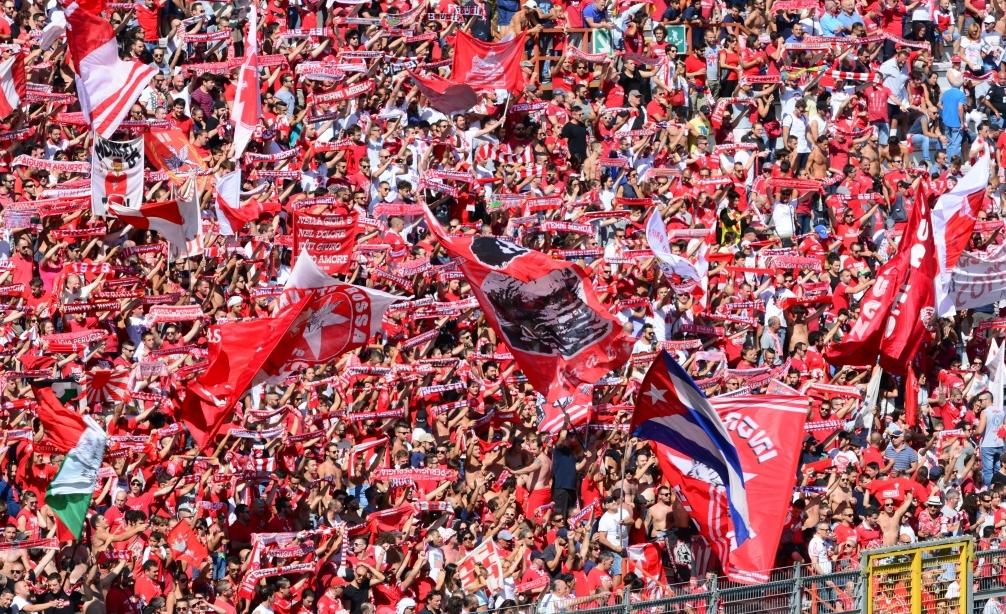
Perugia traces its origins to the Etruscan and later Roman eras and flourished during the medieval and Renaissance periods, as evidenced by the stunning architecture still dotted across the city on both sides of its historic walls.
From the iconic 13th-century Fontana Maggiore to the Cathedral of Saint Lawrence, and from Palazzo dei Priori, one of Italy’s grandest buildings, to the National Gallery of Umbrian Art, walking through Perugia is akin to visiting an open-air museum.
The home of one of the oldest universities in the world, Perugia is also the stage for the world-famous Umbria Jazz Festival. Held annually since 1973, the 10-day festival is one of the highlights of Italy’s cultural calendar and has welcomed the likes of Lady Gaga, Simply Red, Van Morrison, Sir Elton John and Phil Collins, among others.
In autumn, music makes way for chocolate, with the International Chocolate Exhibition attracting thousands of visitors and foodies from across Europe and beyond since its inception in 1994.
Perugia and chocolate go way back, all the way to 1907 to be precise, when local entrepreneurs Luisa and Annibale Spagnoli along with their business partners Francesco Andreani, Leone Ascoli and Francesco Buitoni set up Perugina.
The company has since developed into one of Italy’s biggest chocolate producers, with its world-famous Bacio – Italian for kiss – chocolates famous worldwide.
There was a far more bitter taste in the mouths of many in Perugia when Il Grifone fell just short of what would have been a sensational Scudetto in 1979, finishing three points behind champions AC Milan.
Perugia drew an astonishing 19 of their 30 games – Serie A was a 16-team league at the time – and conceded a meagre 16 goals in the process, only for the Rossoneri to seal the title with a game to spare.
Milan and Juventus are the only clubs along with Perugia to remain unbeaten over the course of a Serie A campaign, but crucially, both won the Scudetto in the process, the Rossoneri in the 1991-92 season and the Bianconeri two decades later.
The significance of Perugia’s fairytale extended far beyond its statistical brilliance, however. In October of the previous season, the club had been left devastated by the sudden death of midfielder Renato Curi, who died of a heart attack on the pitch at the age of 24 during a game against Juventus.
Curi had been a crucial cog in the machine Ilario Castagner had built over the previous five years, helping Il Grifone to win a maiden promotion to Serie A only two years before his passing.
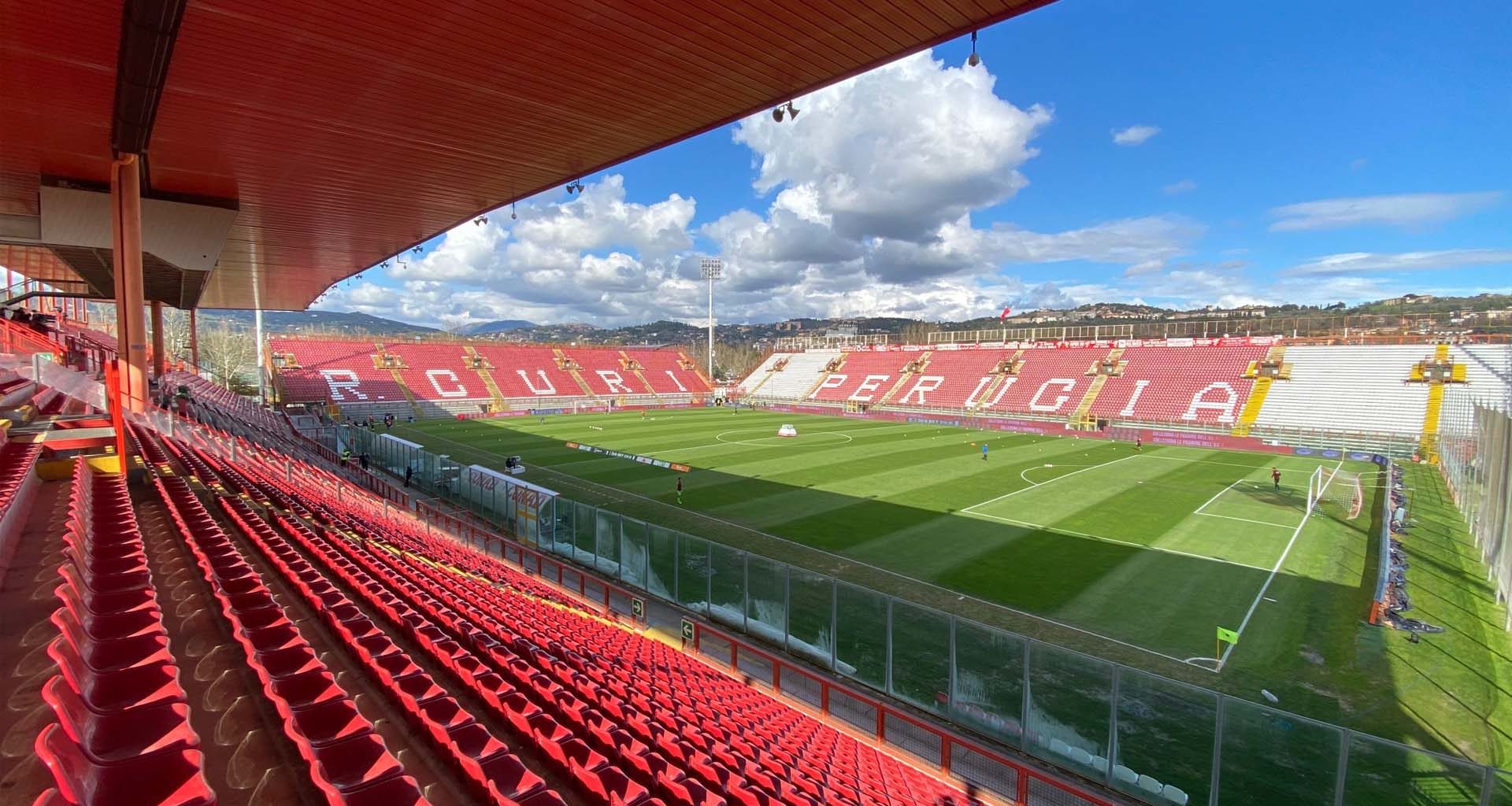
By a dramatic twist of fate, Perugia had celebrated the Serie B title by beating Novara 2-1 in their final game at the Stadio Santa Giuliana before leaving the stadium for the brand new Stadio Comunale di Pian di Massiano, which was renamed after Curi following his passing.
A smaller arena in the centre of Perugia, the Santa Giuliana, now carries Castagner’s name. A club legend, he made 84 league appearances for Perugia between 1961 and 1964, before returning to manage them a decade later.
Drawing inspiration from the Total Football philosophy exported by the Netherlands and Ajax, Castagner’s Perugia were built on an attacking brand of football and young players such as Curi and Paolo Sollier, a card-carrying member of the far-left group Avanguardia Operaia.
Scraggy hair and a beard vaguely reminiscent of George Best’s, Sollier routinely saluted Perugia fans with a clenched fist held aloft.
Politics and football were intertwined again at the Curi some three decades later, when Perugia president Luciano Gaucci welcomed Al-Saadi Muammar Gaddafi, the son of Libyan dictator Muammar Gaddafi, to the club.
A man whose penchant for political theatre and marketing gimmicks seldom had any boundaries, Gaucci defended the move and insisted Gaddafi was signed for footballing reasons, rather than as a publicity stunt.
History ultimately told a different tale, with Gaddafi shipped off to Udinese after just one appearance despite signing a two-year deal.
The Gaddafi brouhaha came a year after Gaucci had fired Ahn Jung-hwan live on TV after the South Korean’s golden goal had knocked Italy out of the 2002 World Cup.
“I am outraged. He only decided to act like a superstar when it came to playing against Italy,” the Perugia president thundered live on the Processo di Biscardi – a legendarily chaotic sports talk show where, as the name suggested, football was on trial.
“I am a nationalist, and I consider this behaviour not just an understandable blow to my pride as an Italian, but an insult to a country that opened its doors wide for him two years ago.
“With us, he always carried himself like a mediocre benchwarmer, and then he goes back home and starts playing like an absolute alien. I have no intention of continuing to pay the salary of someone who was the ruin of Italian football.”
Ahn, who scored only five goals in 30 appearances over the course of two seasons, subsequently revealed he had already agreed to leave the club before the World Cup.
The Gaddafi and Ahn fiascos were par for the course for Gaucci, one of the most controversial and colourful characters in the recent history of Italian football.
Born in Rome, he had made his fortune in the cleaning industry before taking over Perugia in 1991 with the club marooned in Serie C1, despite boasting young talents of the calibre of future Italy internationals Fabrizio Ravanelli and Angelo Di Livio.
Promoted to Serie A five years later, Il Grifone swiftly returned to Serie B before eventually returning to the top flight in 1998 under Castagner, now in his third managerial spell.
With the likes of Marco Negri, Marco Materazzi and Hidetoshi Nakata, only the second Japanese to play in Italy, Perugia punched above their weight in Serie A and won the now-defunct Intertoto Cup in 2003. More significantly, they had a huge role to play in two consecutive title races.
In 1999, Milan won 2-1 at the Curi on the final day of the season to beat Lazio to the Scudetto by a point. A year later, the Biancocelesti were again doing the chasing as Juventus arrived in Perugia needing a point from the final game of the campaign to seal the title having been nine points clear of Sven-Goran Eriksson’s men with eight games left.
While Lazio trounced Reggina 3-0 in Rome, the game in Perugia was halted for over an hour due to a deluge of biblical proportions and when the second half eventually kicked off on a pitch resembling a quagmire, an Alessandro Calori goal cost Juventus the title.
Gaucci, in typically understated fashion, described it as the “most satisfying win of my career” in an interview at full-time.
Within five years Perugia were bankrupt with Gaucci fleeing to the Dominican Republic, eventually negotiating a three-year plea bargain for bankruptcy fraud and tax offences – a sentence he never served as it was subsequently pardoned shortly before his death.
Bankrupt again in 2010, Perugia returned to professional football 12 months later and won promotion to Serie B in 2014, remaining in the second tier for six seasons, a run which included three play-off appearances.
Il Grifone have been marooned in Serie C ever since and are sixth in Girone B, nine points behind league leaders Spezia. And yes, there is a new Gaucci in town, with Luciano’s son Alessandro part of the consortium that took control of the club in August.
The more things change, the more they stay the same.
Related Topics
Related Articles
Related Articles
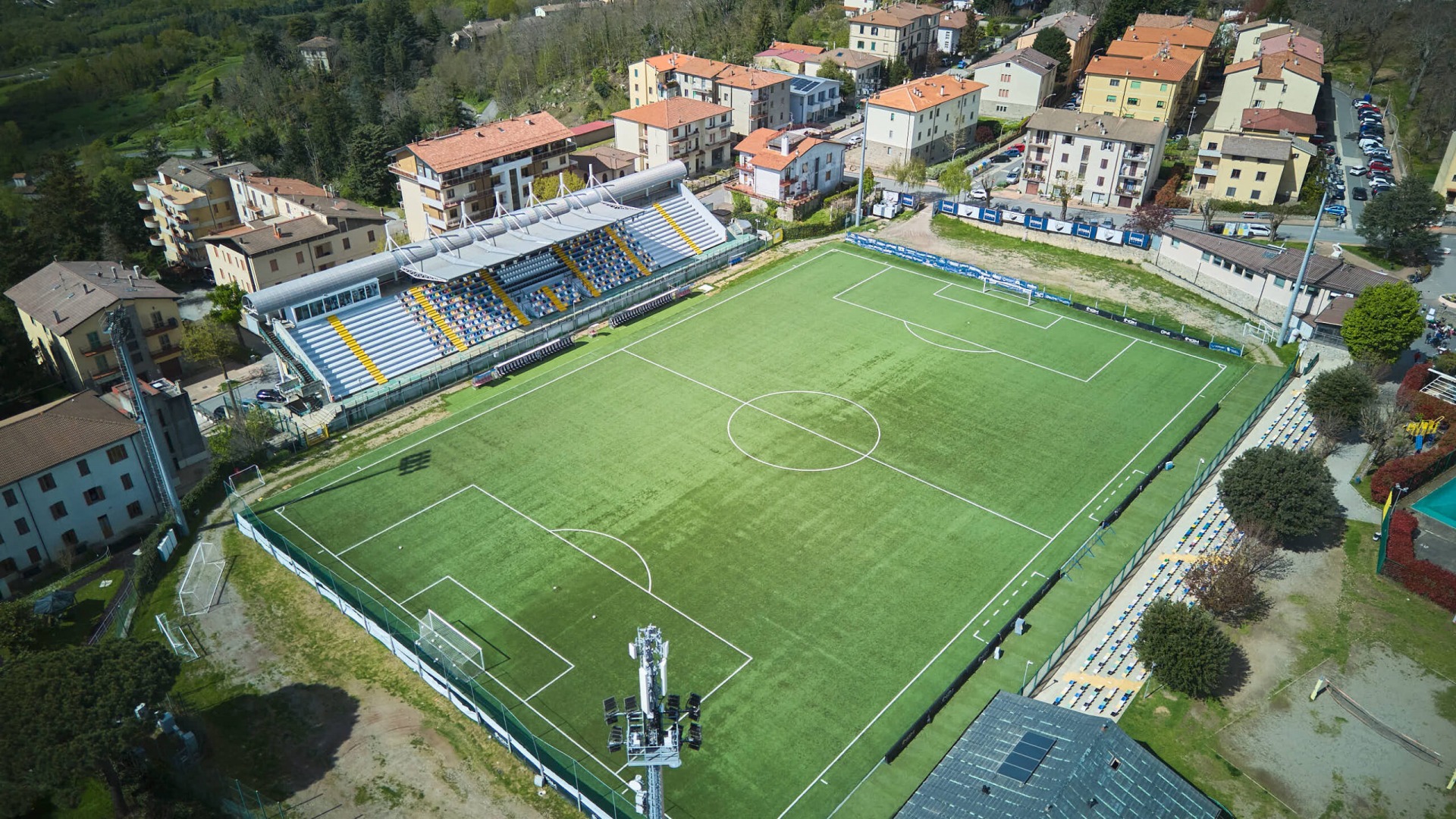
It is a speck on the radar, tucked away in the Tuscan hills at the southern end of the Siena province on the slopes of Mount Amiata.
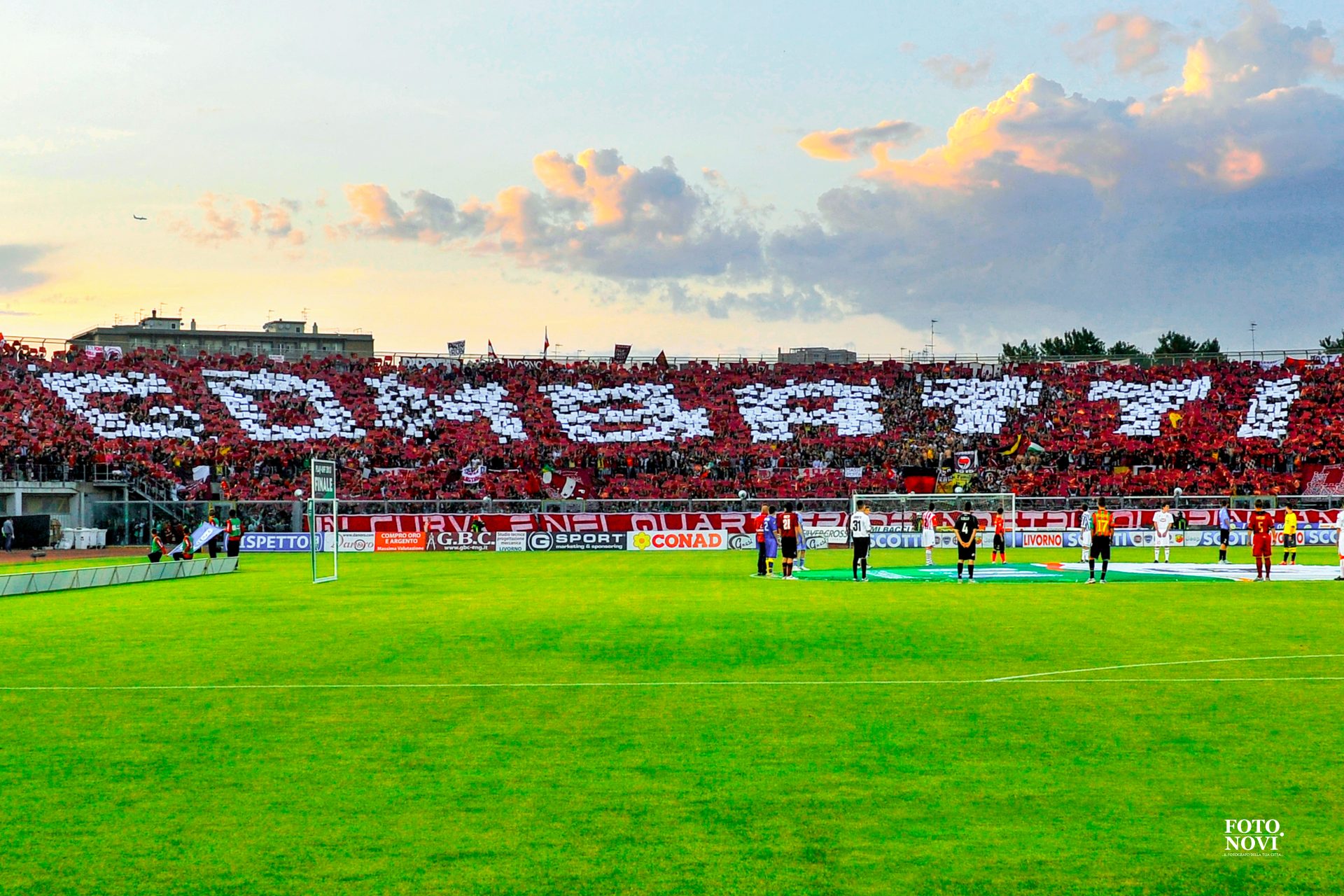
An aristocratic city famous for its art and education against a coastal, working-class port town.
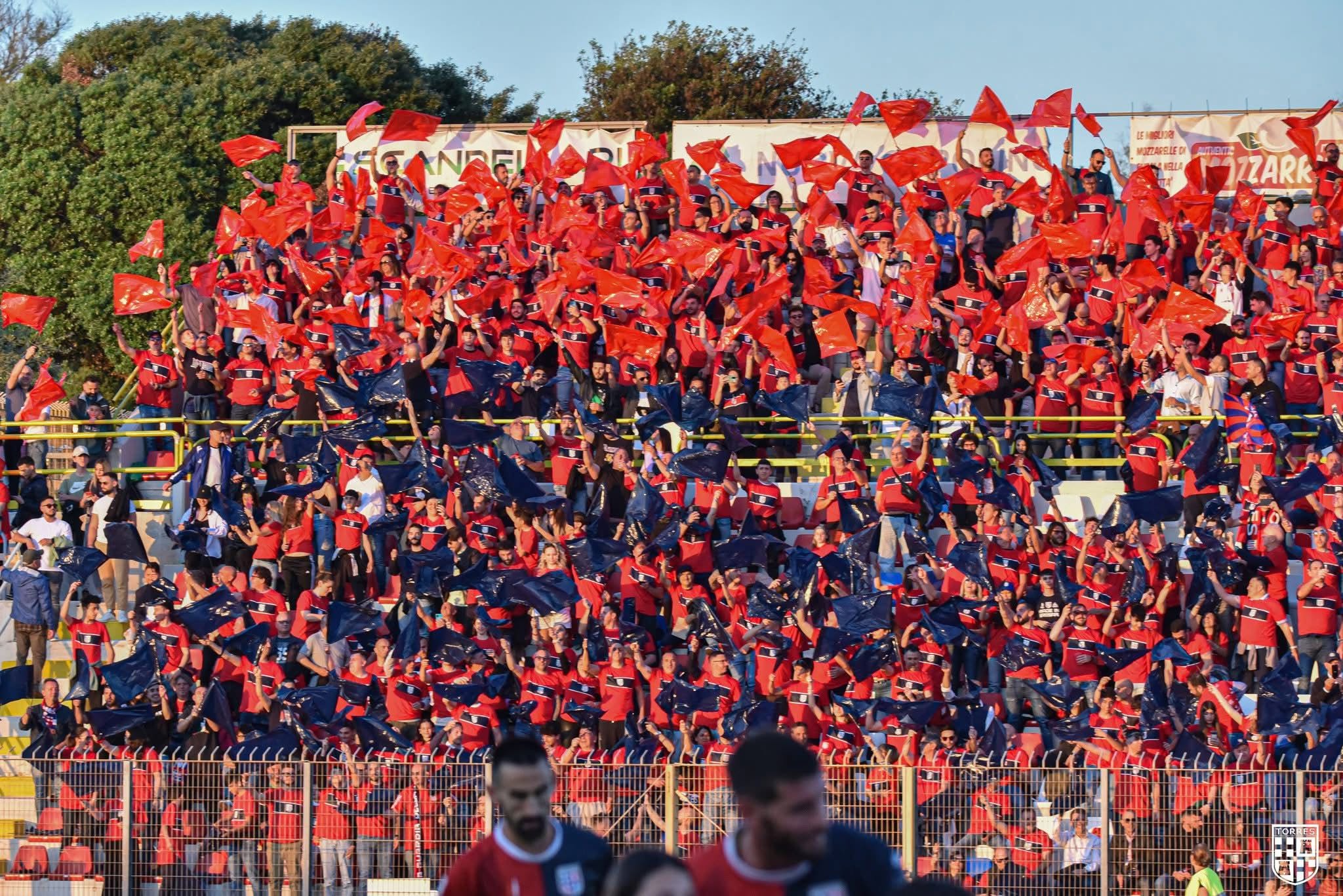
Sassari is Sardinia's second city and Torres, playing in red and blue at the Stadio Vanni Sanna, remain its clearest sporting focal point.