
From the Rose Bowl to Ravenna… Why Italy’s American Football Scene is Thriving
By Dan Cancian
When the World Cup first landed in the USA, 32 years ago, Italy charted their way across the east coast through some of the most legendary NFL venues.
The Azzurri opened their campaign at Giants Stadium in New Jersey, the former home of the New York Giants and the New York Jets, and also played at RFK Stadium in Washington.
Two of their knockout games were at Foxboro, where the Tom Brady-New England Patriots dynasty began before the franchise moved across the road to the plush surroundings of Gillette Stadium.
The Rose Bowl, where Italy lost the final to Brazil on penalties, has hosted five Super Bowls. Only two arenas – the Superdome in New Orleans and the Hard Rock Stadium in Miami – have hosted more.
With the Azzurri not at the World Cup this summer, a thread connecting gridiron and football remains, only this time it’s a lot closer to home as far as Italians are concerned, and in much smaller stadiums.
Just hours after Christian Pulisic and the US kicked off their World Cup campaign in the early hours of Saturday morning, Italy’s American Football League play-offs took place just outside Turin and in Ancona.
The Giaguari Torino thrashed Aquile Ferrara 42-10, while Dolphins Ancona beat Frogs Legnano 45-31, the pair of winners through to the semi-finals against Panthers Parma and defending champions Guelfi Firenze, respectively.
Nine teams compete in Italy’s top flight, Lazio Marines in Rome, Rhinos Milan and Warriors Bologna, plus the six above. The 10-team second division features one each from Turin and Milan along with three other franchises based in Lombardy – in Brescia, Monza and Busto Arsizio, in the Varese province.
Trentino and Liguria have one team each, with a team from Padova and one from Catania – two of Italy’s rugby hotbeds – completing the picture along with a side based in Cecina, Tuscany.
The winners of the two semi-finals will meet in the Italian Bowl, the title decider scheduled, of course, for July 4 in Ferrara at the Stadio Paolo Mazza. With its capacity of just north 16,000 you could fit the Mazza four times over into Levi’s Stadium in Santa Clara, the home of Super Bowl LX back in February.
Italy may be home to some of the biggest stadiums in Europe, but their American football games takes place in more intimate surroundings.
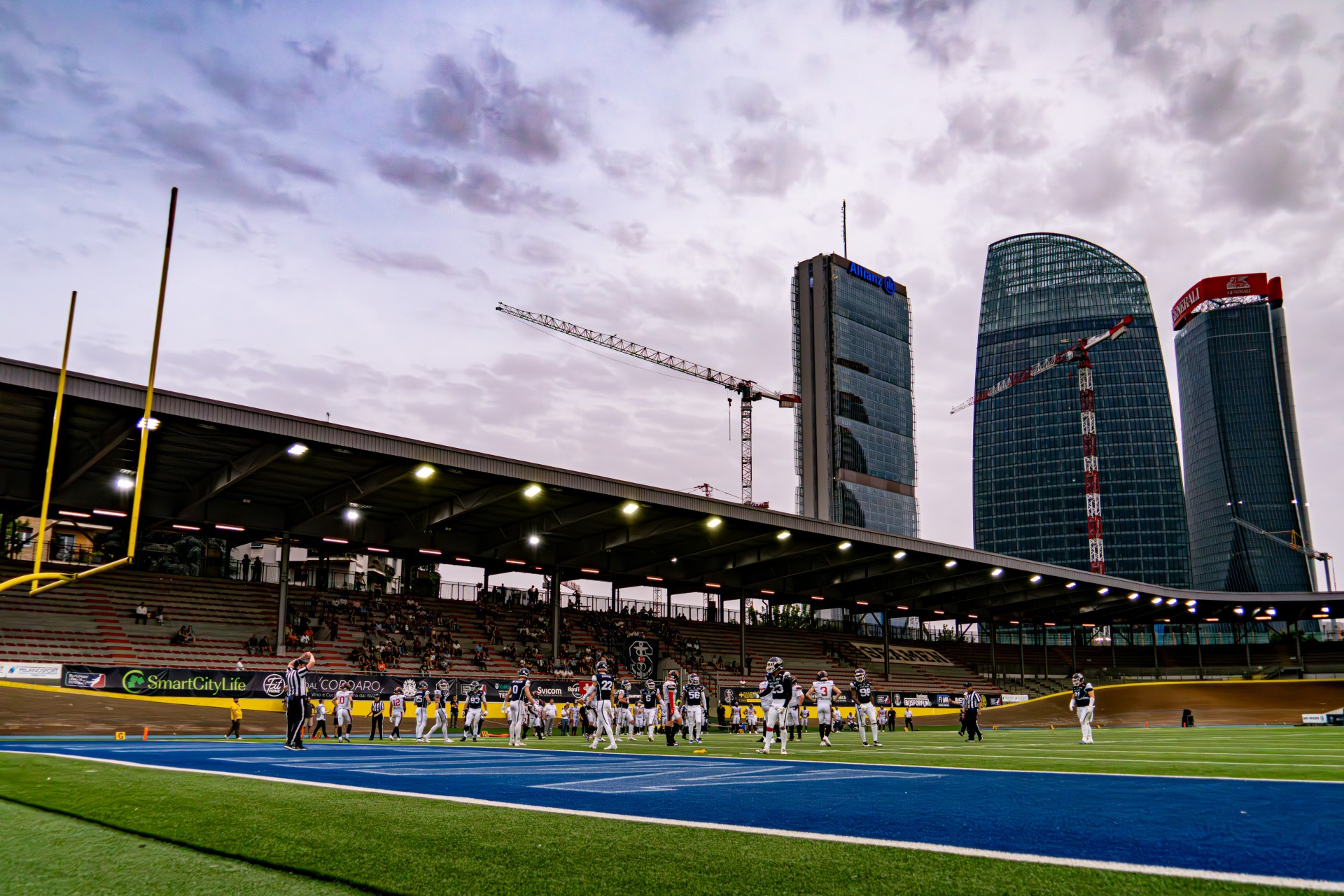
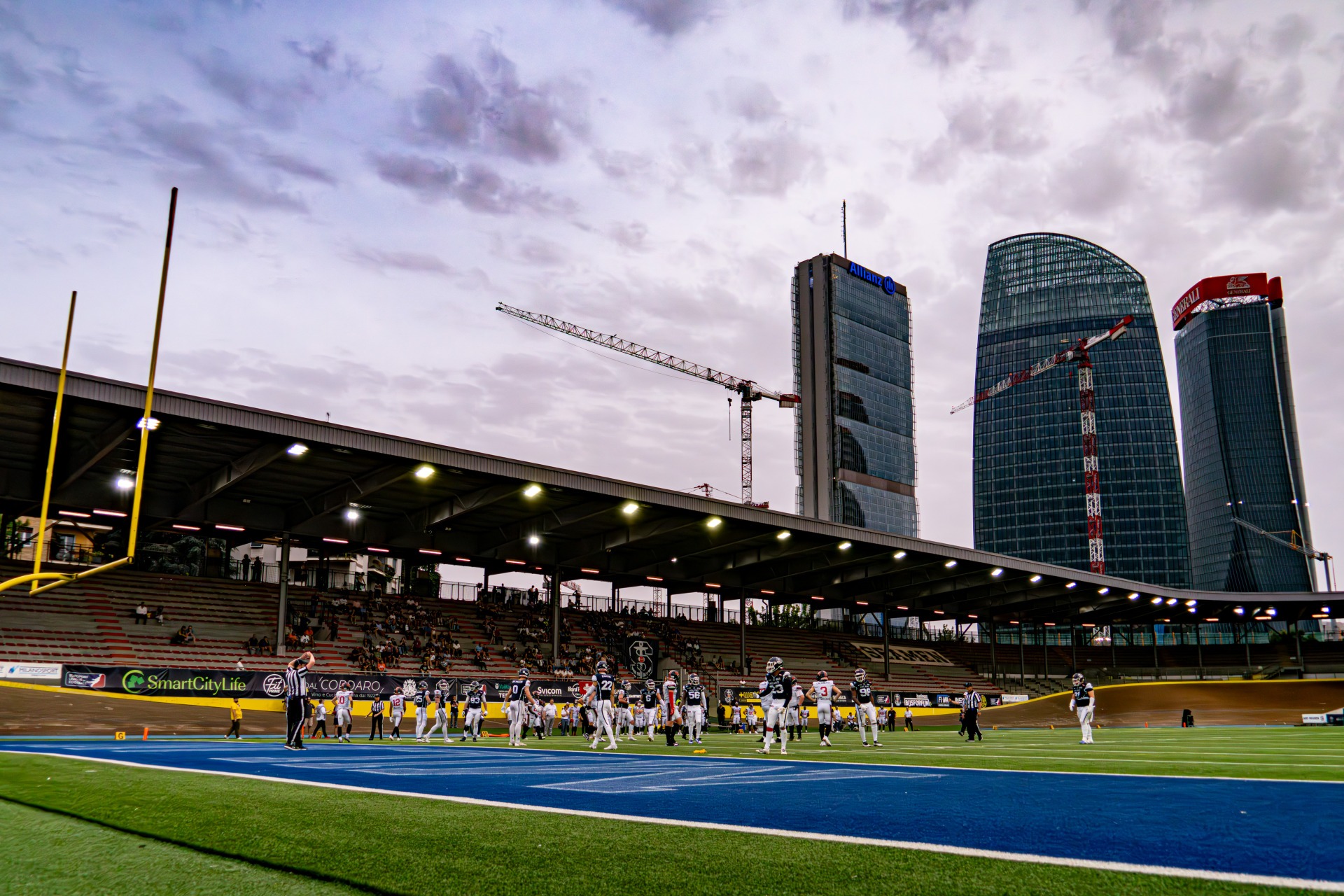
The Giaguari play just outside Turin in Beinasco, 15 miles south of where Juventus play, on a pitch that can be also hired by the general public. In Milan, the Rhinos play at the 8,000-capacity Velodromo Maspes-Vigorelli, a stone’s throw from CityLife, home to the Shopping District, luxury apartments and many restaurants with outdoor spaces which are very popular in the warmer months.
Bologna’s Stadio Renato Dall’Ara, home of the Serie A and Europa League regulars, has previously hosted the Italian Bowl, as has Ravenna’s Stadio Bruno Benelli, home of the city’s Serie C club.
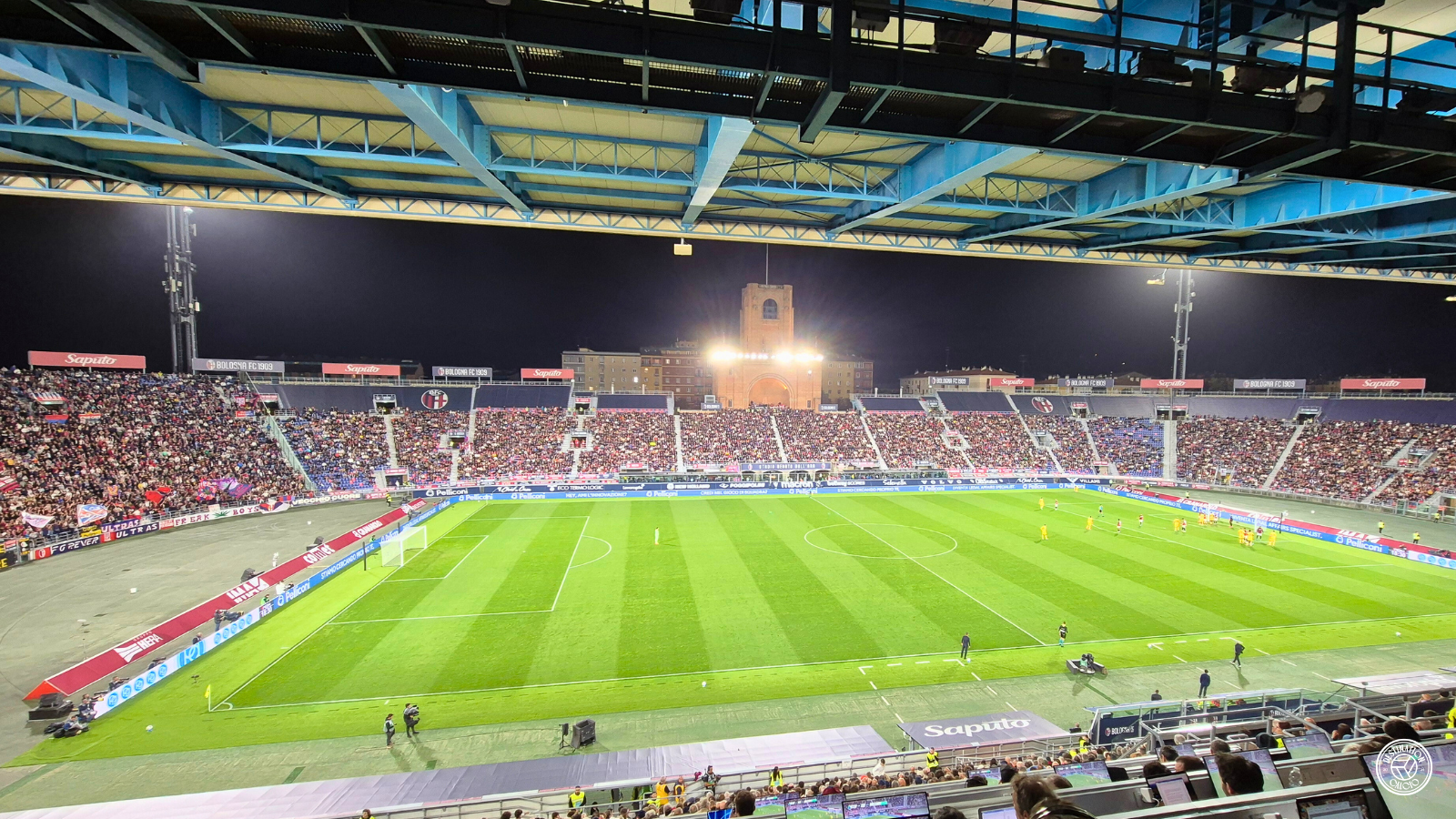
And while following American football in Italy may not take you to the great sporting cathedrals, it is the ideal add-on to any calcio trip and not just from a geographical standpoint – Milan, Turin, Bologna, Florence and Parma all feature top-flight teams in both sports, while Monza and Brescia have second-division sides in American football and their football clubs ply their trade in Serie A and Serie C, respectively.
Additionally, with the season running from mid-February until the end of June, visitors get to experience Italy when the weather is nice but not unbearably hot. Best of all, tickets can be picked up on the gate for about £5-10 depending on the team and the fixture.
From Vince Lombardi – whom the Super Bowl trophy is named after – to Joe Montana, coaches and players of Italian descent have left a major mark in the NFL, long after the seeds of American football were first sown in Italy.
According to the FIDAF, the Italian American football federation, teams of the crews of the USS Connecticut and the USS Kansas, belonging to the Atlantic fleet of the US Navy, faced each other in a game in Genoa on Thanksgiving Day 1913.
On New Year’s Day 1945 the first and only edition of the imaginatively-named Spaghetti Bowl took place in Florence between two teams of American soldiers, the 5th Army and the 12th Air Force. About 25,000 spectators packed into the Stadio Comunale, or the Stadio Artemio Franchi as it’s known now.
According to the Sunday edition of Stars & Stripes Magazine from the time, they were accompanied by ‘two bands playing 56 instruments and the cheerleaders’, who presumably braved the bitter cold.
Captain Cecil Sturgeon, a Philadelphia Eagles tackle, led the Army defensive line, while would be University of Toledo coach Eugene Stauber was Army’s back-up quarterback.
The Army shut out the Air Force 20-0 and while Stauber did not take any snaps, he was awarded a War medal from the Senate upon his return to the US, when he embarked on a successful coaching career. After coaching for three years at Toledo, he served as assistant coach at Michigan, Idaho, Nebraska and University of California Berkley.
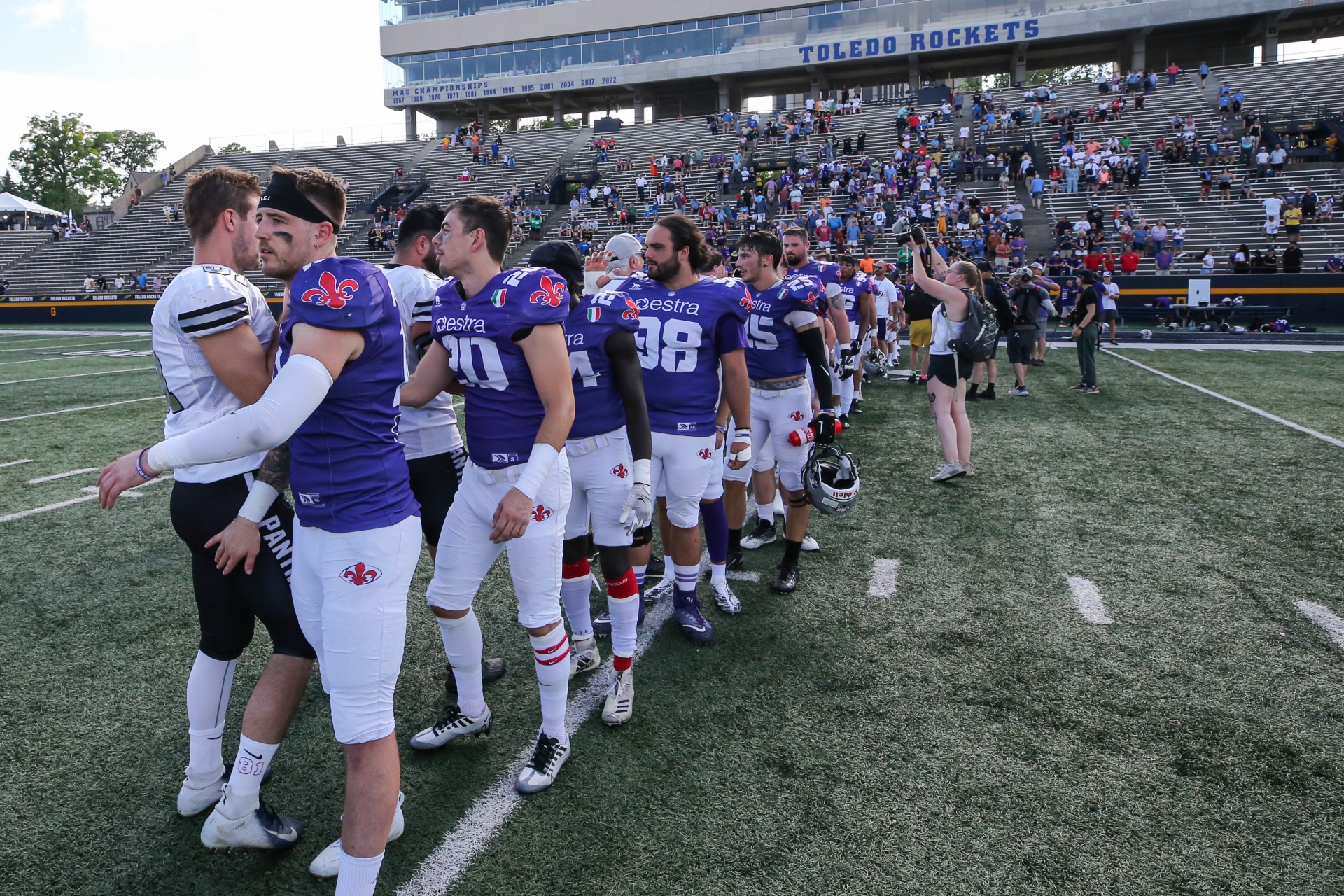
The Italian Bowl, Italy’s version of the NFL title decider, paid tribute to him when the event was staged in Toledo, Ohio in 2023 and 2025.
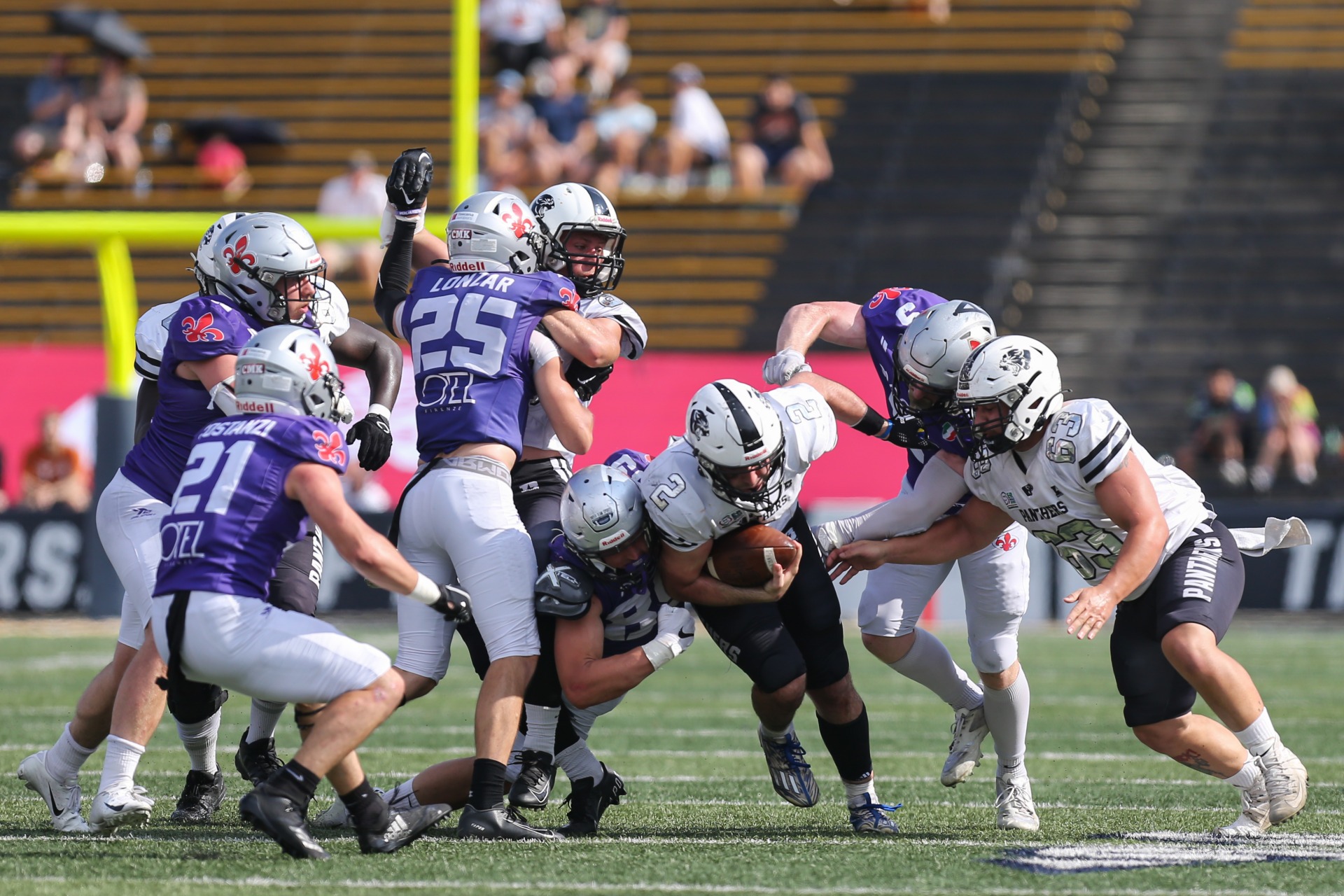
Back in Italy, the Italian Federation of American Football was formed in the 1972 as part of the push from the Intercontinental Football League to spread the sport in Europe. The IFL developed some teams in major European cities, but the experiment ultimately failed.
Still, American football made enough of a dent in some parts of Italy to retain a small but significant footprint. Most notably in Trieste and Vicenza, where American presence was significant due to NATO bases in the area. Similarly, the game’s popularity in Germany is largely due to the huge number of American soldiers stationed at military bases in Ramstein and Spangdahlem.
Unlike their NFL counterparts, players in Italy aren’t signed to contracts worth millions of dollars and effectively play for free, bar small reimbursements for travel expenses.
Each team is limited to a maximum of three American imports, who tend to come from small colleges in the US. What Italians lack in skills, they make up in enthusiasm.
“They do not have the years or fundamentals and the luxury of starting the sport at an early age like Americans do,” Guelfi linebacker Colin Schooler, who played at Arizona and Texas Tech, told the New York Times last year. “They are strong and fast, but just need help with the technical side of the sport.”
The eyes of the world may be on a football tournament held largely in the US this summer, but plenty in Italy will be watching American football instead.
Related Topics
Related Articles
Related Articles
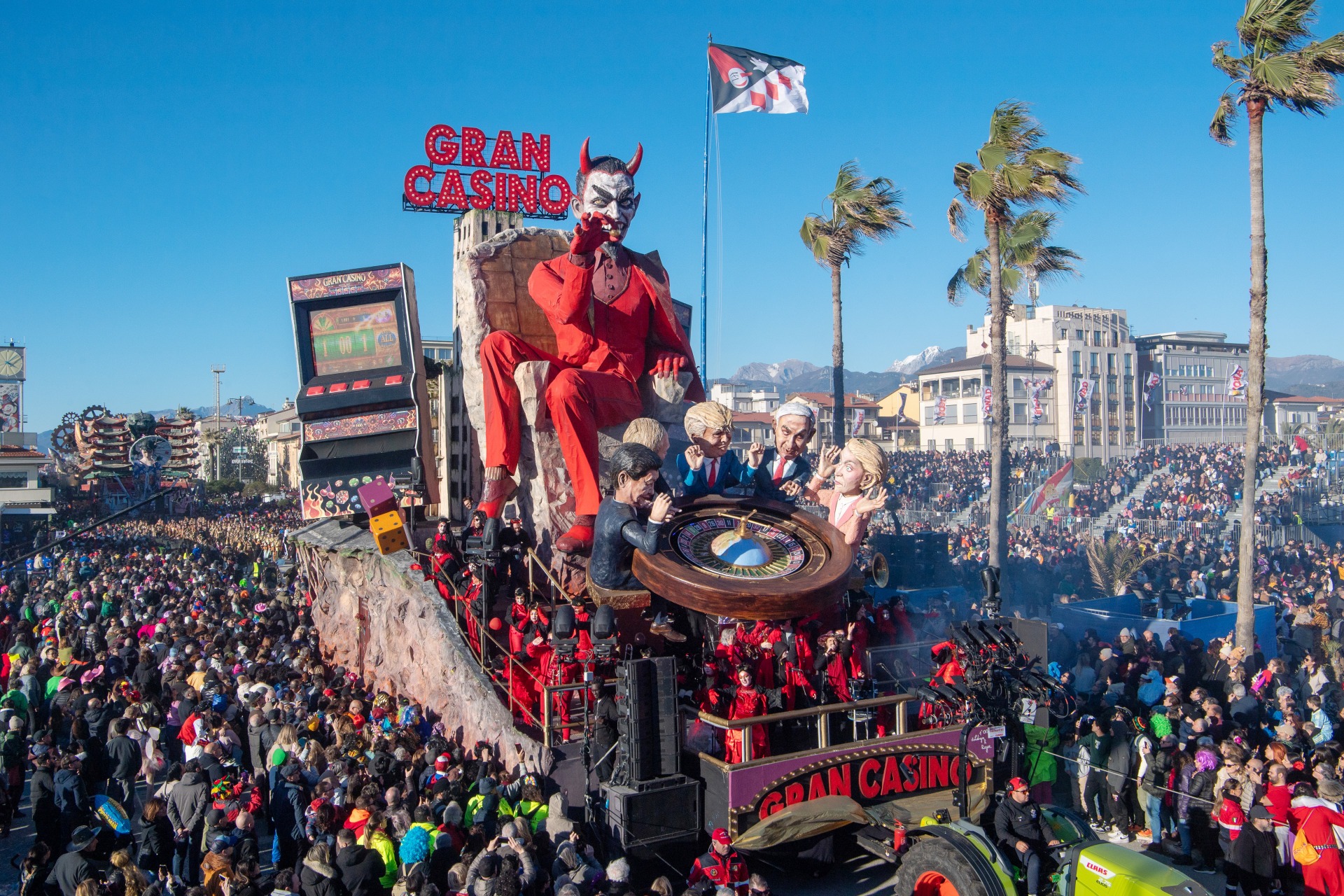
From fruit fights to festivals, check out the wonderful events in the sixth part of our 49 Italian Trips You Must Make series.
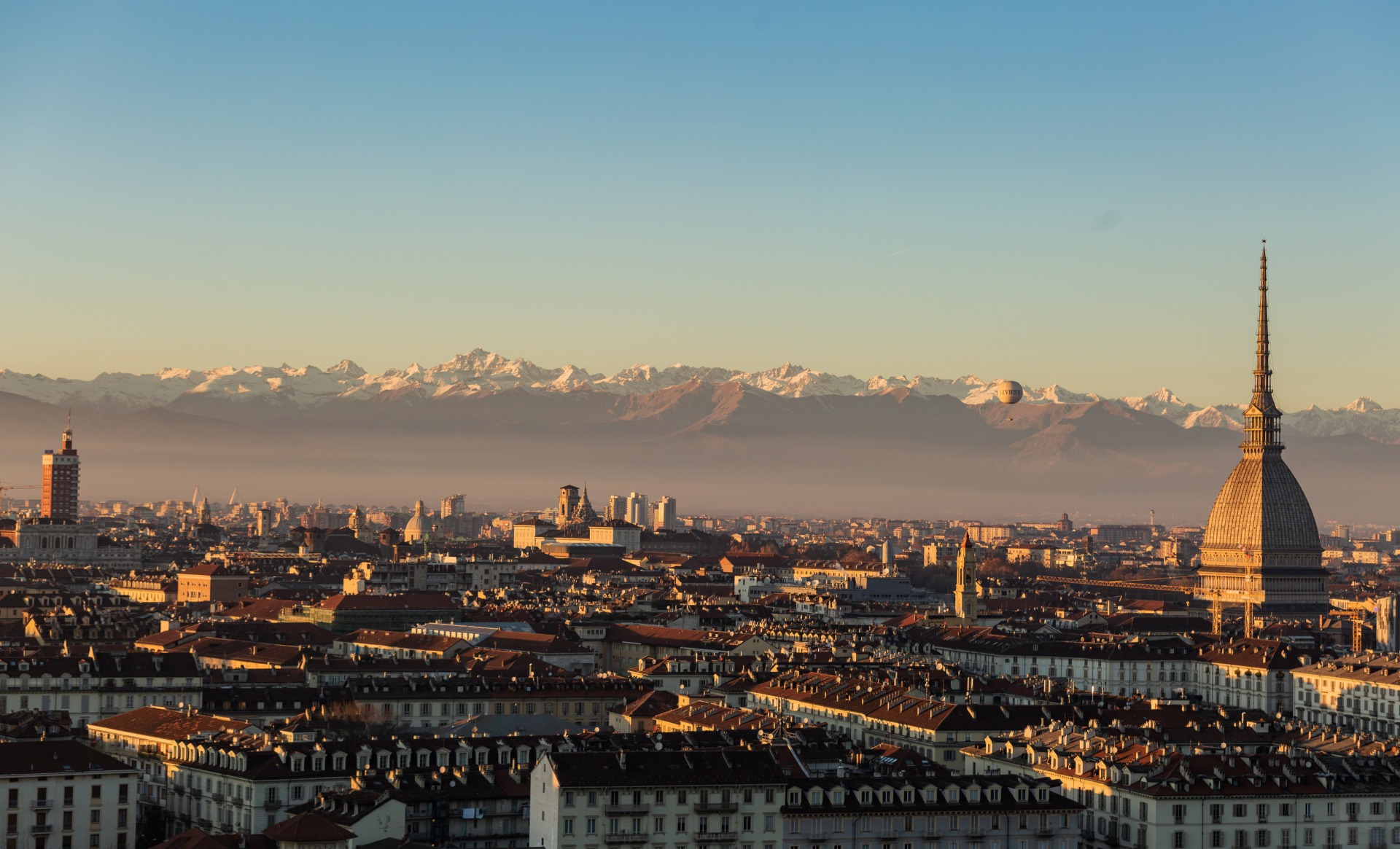
From top-flight derbies to neighbours leagues apart, here are seven Italian cities with two teams and so much more.
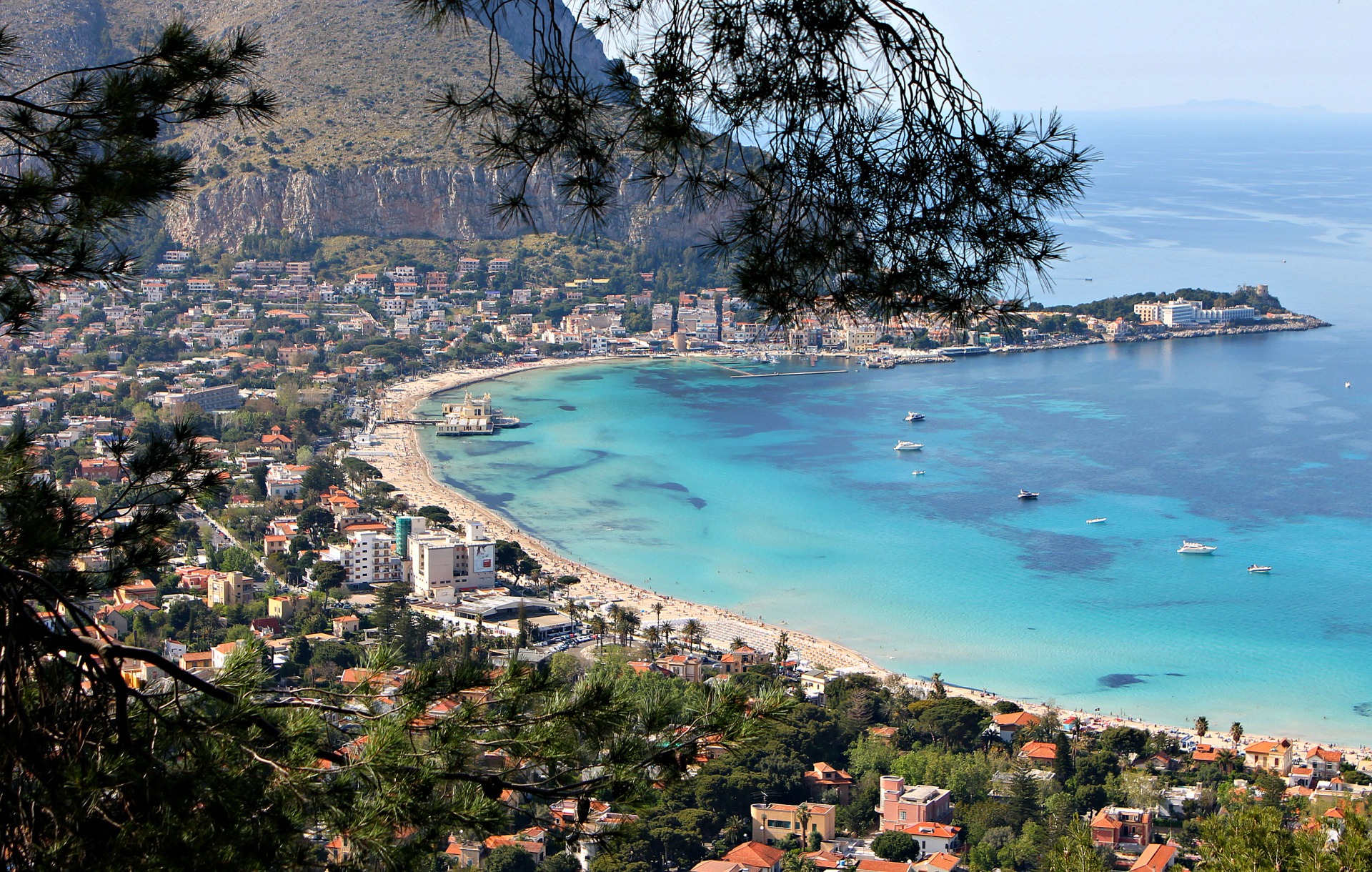
Pristine beaches, dramatic clifftops and crystal-clear waters. Italy's coastline varies enormously depending on the region.