
Euro 2032 Stadiums: Crunch Time for Italy as Co-Hosts Must Nominate Five Venues
By Emmet Gates
These are crunch times for Italian football. Roberto Mancini is back as Italy boss, three years after his controversial departure, and the Euro 2020 winner’s first squad includes a raft of new names in an effort to give the Azzurri a jolt of electricity.
With a series of big games against Belgium, France and Turkey on the horizon in the Nations League, Mancini needs an impressive showing from the off.
Moreover, the October 1 deadline is fast approaching for Italy to nominate five cities and stadiums ahead of co-hosting Euro 2032 with Turkey. Italy, as is so often the case, is leaving it close to the wire, but the feeling is that they will get there.
Thirteen cities from across the country, with a total of 16 stadiums, have put themselves forward as potential candidates for the FIGC to choose from. So, what is the state of play?
Turin
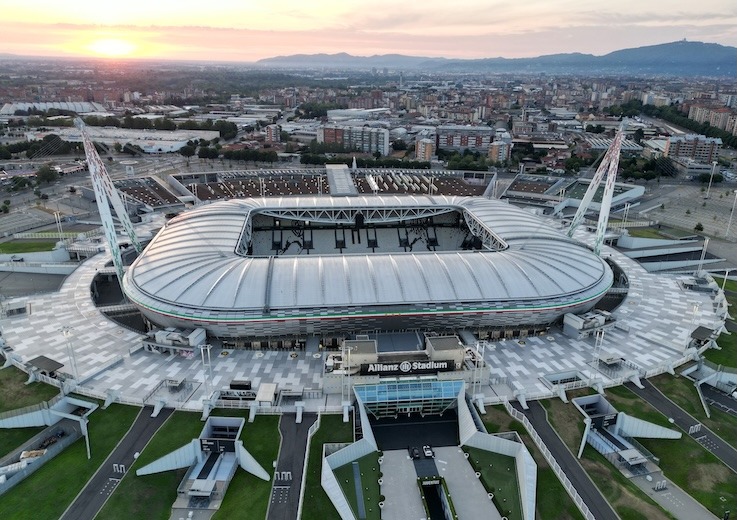
The Piedmont capital is the only guaranteed host at this stage, owing to the fact that Juventus’ Stadium is the only one currently deemed fit for purpose by UEFA. Compared with Turkey’s modern stadiums, the grounds across Italy are showing their age.
Turin’s Stadio Delle Alpi hosted the epic Italia 90 semi-final between England and West Germany and, with Juve’s current home sitting on the same site, the city will likely play a major part at Euro 2032.
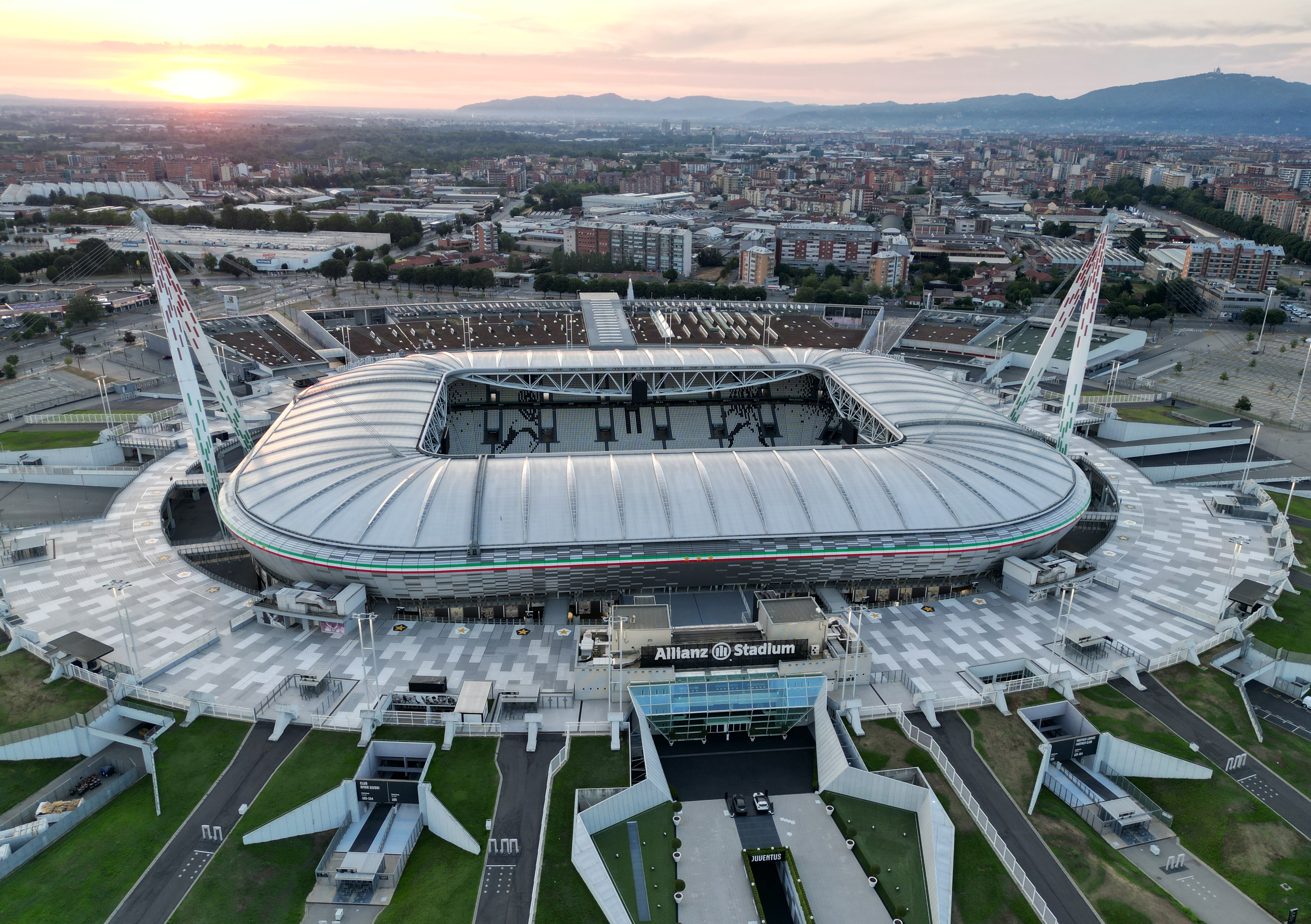
There is a fantastic transport system and the area around the Allianz Stadium is much more visitor-friendly than it was in the Delle Alpi days. There are bars, restaurants and the JHotel.
Turin often flies under the radar as a tourist destination but this is a city bursting with culinary delights and plenty to do, including Europe’s largest open-air market and the spectacular Mole Antonelliana.
Milan
It would be nothing short of shocking if Milan isn’t nominated but much will depend on AC Milan and Inter pushing through the necessary documentation for the new Giuseppe Meazza in time.
Italy’s most loved ground is below UEFA standards and would not make the cut as it stands. The clubs intend to build a new ground beside the iconic stadium, which recently celebrated its centenary, but stumbling blocks are aplenty. A rendered project is due to be released by the end of October, with authorisation expected to be completed in the summer of 2027 and construction beginning towards the end of the same year.

The stadium hosted six games at Italia 90, including Cameroon shocking Argentina in the tournament opener and West Germany’s battle with the Netherlands in the knockout rounds.
Milan is more than ready to host visitors from across Europe. Arguably Italy’s most cosmopolitan city, its reputation speaks for itself: a city of fashion, finance and top-tier nightlife.
Rome
The capital is very much in the same boat as Milan: not guaranteed at this stage but almost certain to be nominated. The preliminary list has included the current Stadio Olimpico and Roma’s new Stadio della Roma.
However, the Olimpico would need major refurbishment if selected. Roma’s new stadium at Pietralata is moving forward, with the first stone pencilled in to be laid in the spring of 2027.
Roma are closing in on gaining all the necessary green lights from the various institutions at government level and, once that stage is wrapped up in the coming months, the builders can begin.
As for the city, Rome needs little introduction. One of the great capitals of the world, there is no shortage of things to do. From the Colosseum to the Trevi Fountain and from eating local dishes like carbonara and cacio e pepe to sipping a Frascati Superiore white wine, the Eternal City has you covered.
Genoa
The port city hosted several games back at Italia 90 and is putting itself firmly in the running to do the same at Euro 2032.
Sampdoria and Genoa have come together to create a company specifically with the aim of modernising the Stadio Luigi Ferraris. The Marassi is one of the most atmospheric grounds in the country but, like many others, is in need of renovation.
A figure of around €110m has been mooted, with the clubs providing an equal share of the money needed to modernise the ground. The new Marassi would see the overall capacity reduced by a couple of thousand seats and in an attempt to avoid this, a new idea has been formulated by both sets of fans: a standing zone.
This would be something unique among big grounds in Italy, as all stadiums are required to have seats. Whether it gets the go-ahead or not remains to be seen.
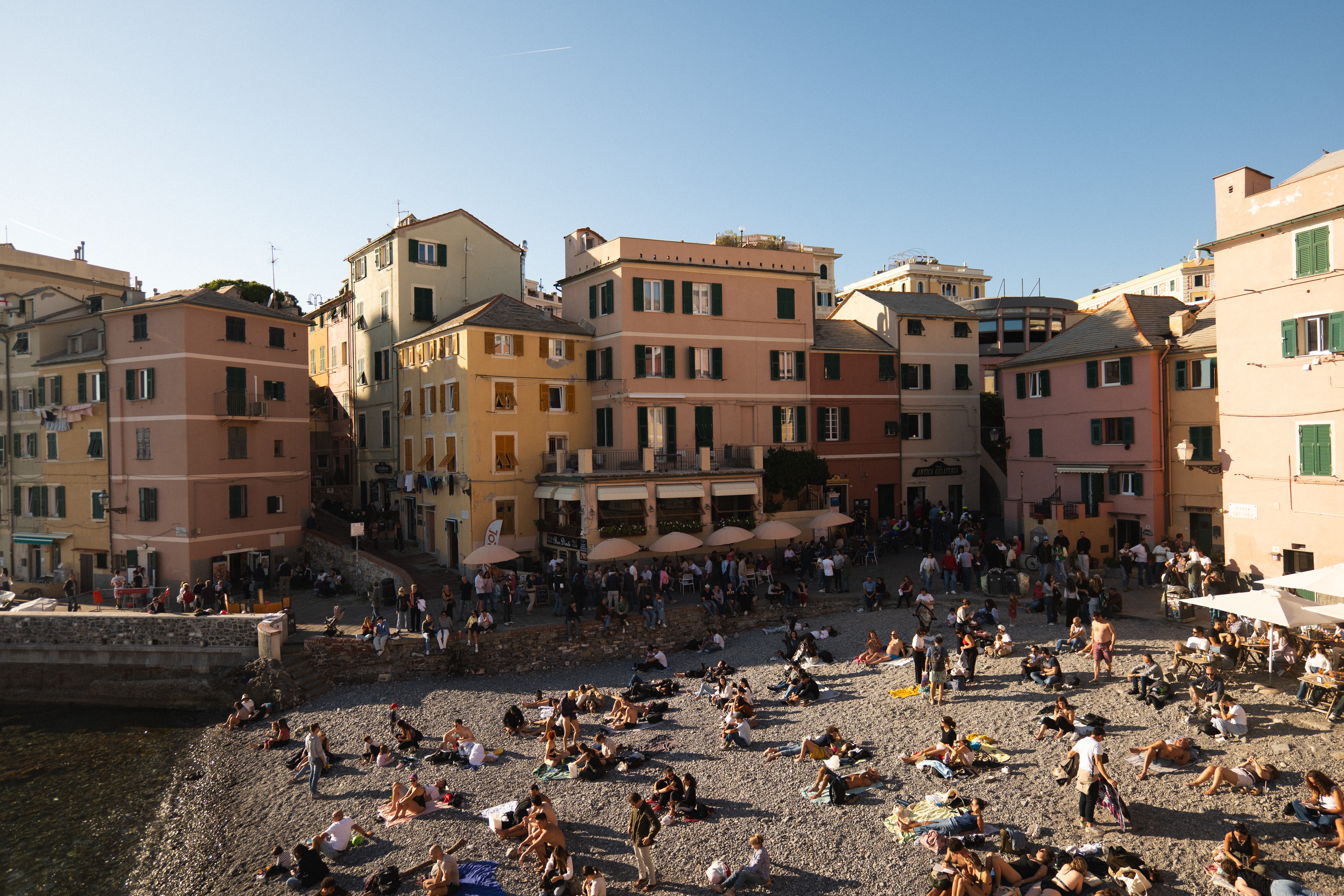
Genoa would make for a great choice of venue, considering the quality of its fresh fish, mouth-watering pasta such as trofie, the cute village of Boccadasse not far away and a city steeped in football heritage.
Yet as things often are in Italy, politics may get involved and handing northern Italy three of five venues could be problematic.
Florence
One of only two stadiums currently under consideration that actually has the bulldozers at work, the Stadio Artemio Franchi has been an eyesore over the past 18 months, but work is at least underway.
The new Curva Ferrovia is under construction, but problems are afoot, as around €55m is missing to complete the stadium’s overhaul. Talks between Fiorentina and the council over concession rights in exchange for funding are ongoing. However, there’s been no news regarding a breakthrough in negotiations over the past few months, leaving the city’s role in Euro 2032 in serious doubt.
Florence is, of course, one of the country’s great cities and would be a superb choice to host games. Visitors are spoiled for choice when it comes to where to go and what to eat, from Bistecca alla Fiorentina and Tuscan wine, to sitting in Piazzale Michelangelo and watching the sun go down. Florence has it all.
Being close to Pisa means it is highly accessible to international travellers.
Naples
The Stadio Diego Maradona looks set for a major facelift. Napoli president Aurelio De Laurentiis wants to build a new stadium but, facing opposition and a lack of genuine sites to construct an arena in the city, he may be forced into restyling the Maradona.
The council of Naples has unveiled a €200m renovation plan for the stadium, with the third tier being reopened for the first time in two decades, a host of new VIP boxes and an increase in capacity to 63,000 seats. Moreover, the athletics track, long unused, will be eradicated and the stands moved closer to the pitch.
“Naples deserves a modern stadium, worthy of its history and passion,” said mayor Gaetano Manfredi. “We cannot afford to miss the opportunity to host the 2032 European Championship: it is a milestone for the city, but also for the entire Campania region.”
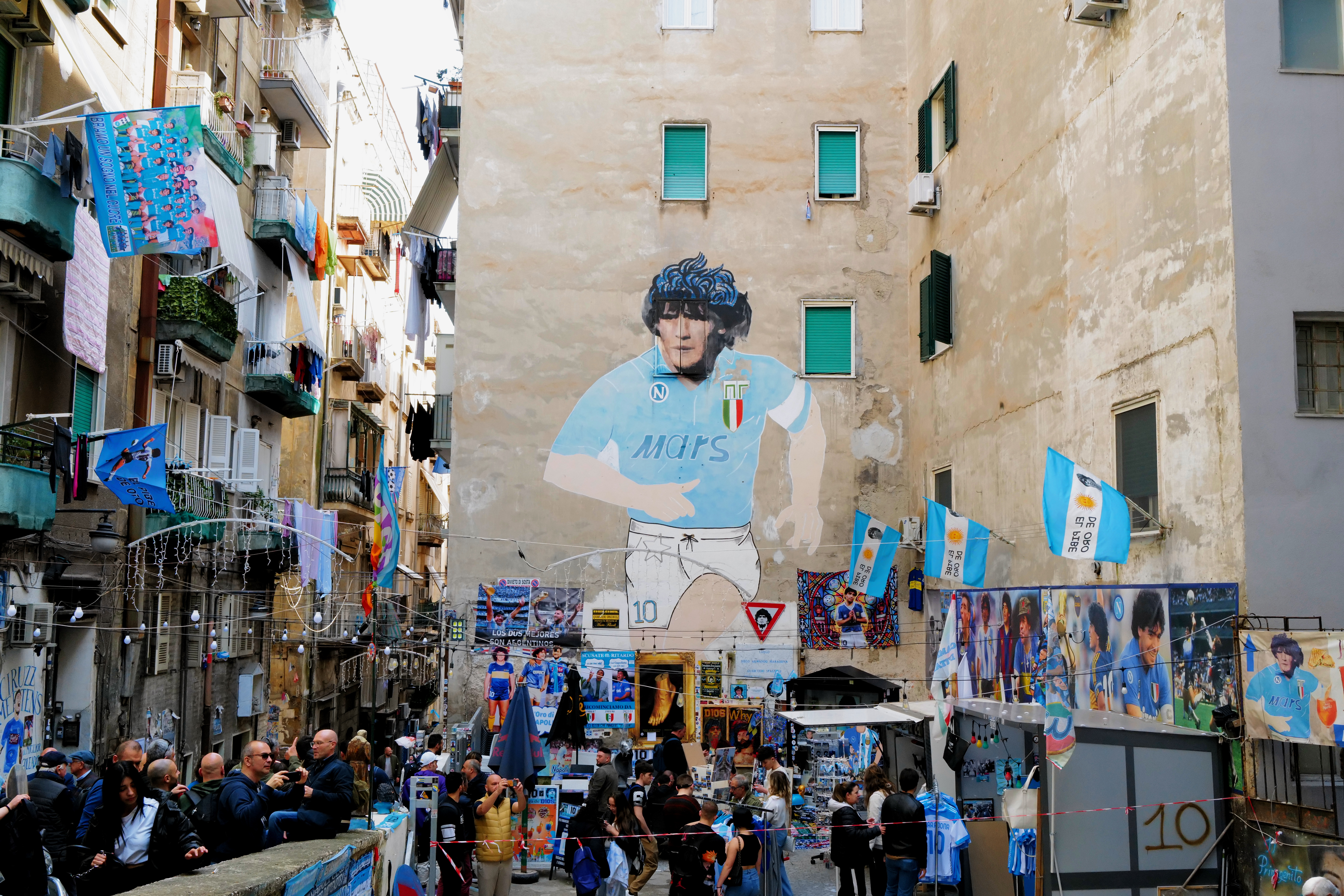
Should the go-ahead be given to renovate the ground, then Naples would almost be guaranteed Euro 2032 games, considering how wedded football is to the city. Moreover, Naples would be a great venue, from the Spanish Quarter and the murals of Maradona to the waterfront with its splendid view of Mount Vesuvius, not to mention the pizza, the coffee and Pompeii just a short trip away.
As a key representation of southern Italy, it would make sense for Naples to be a host.
Salerno
A bold choice, the seaside town has also put its foot forward as a potential host.
Salernitana don’t possess the sporting clout of their rivals, but fans of the Granata can make a racket inside the boxy Stadio Arechi.
With the city gaining around €140m in financing from the region of Campania, the stadium is already under partial demolition and will be renovated in stages, all with the hope of hosting games at Euro 2032.
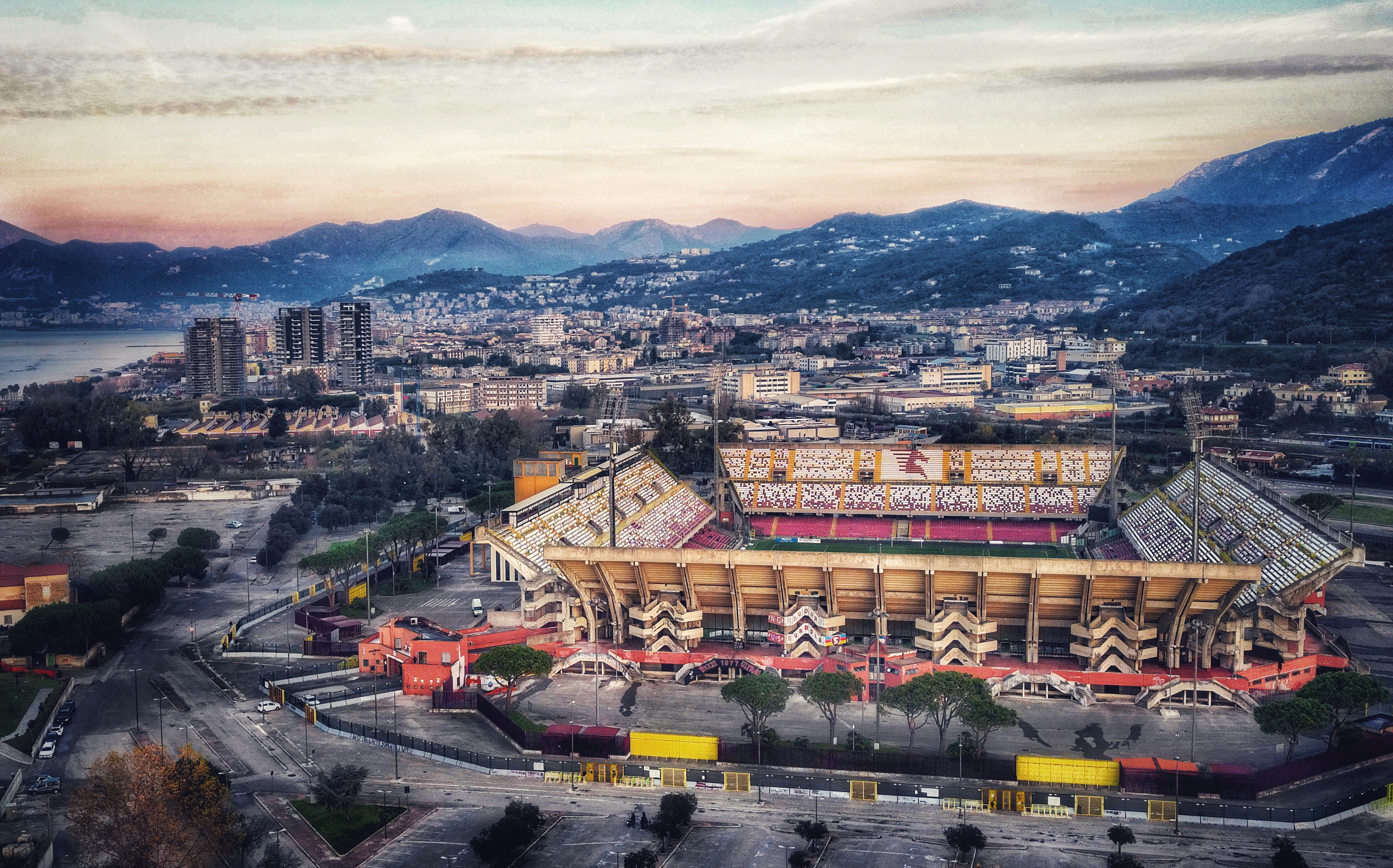
However, a stumbling block appears to have been hit in recent weeks, with documentation needing to be tweaked and sent off to the EU for verification that state aid is not being used to renovate the Arechi.
Salerno is a popular beach town for many Italians from across southern Italy, who flock to the city during the hot summer months. Selecting Salerno would give a nice blend of beach and football, which would separate it from many of the other host challengers.
But, if Naples is chosen, two from Campania would be highly unlikely.
Palermo
A kind of sleeping giant in calcio, Palermo have been out of Serie A for 10 years and, try as they might, still find themselves in Serie B.
Under the ambitious City Group, the ownership wants to modernise the boisterous Stadio Renzo Barbera and the surrounding area with a view to hosting Euro 2032 games. The council is fully on board with the plans, but everything still has to go through official channels. As of yet, nothing has materialised in terms of construction but it’s only a matter of time before work begins.
The renovation is expected to cost in excess of €380m, with the region providing €60m, and will be designed by Populous. “The new stadium is a clear statement of the club’s ambition and its commitment to its fans and the people of Palermo,” said Silvia Prandelli, senior principal at Populous Italia.
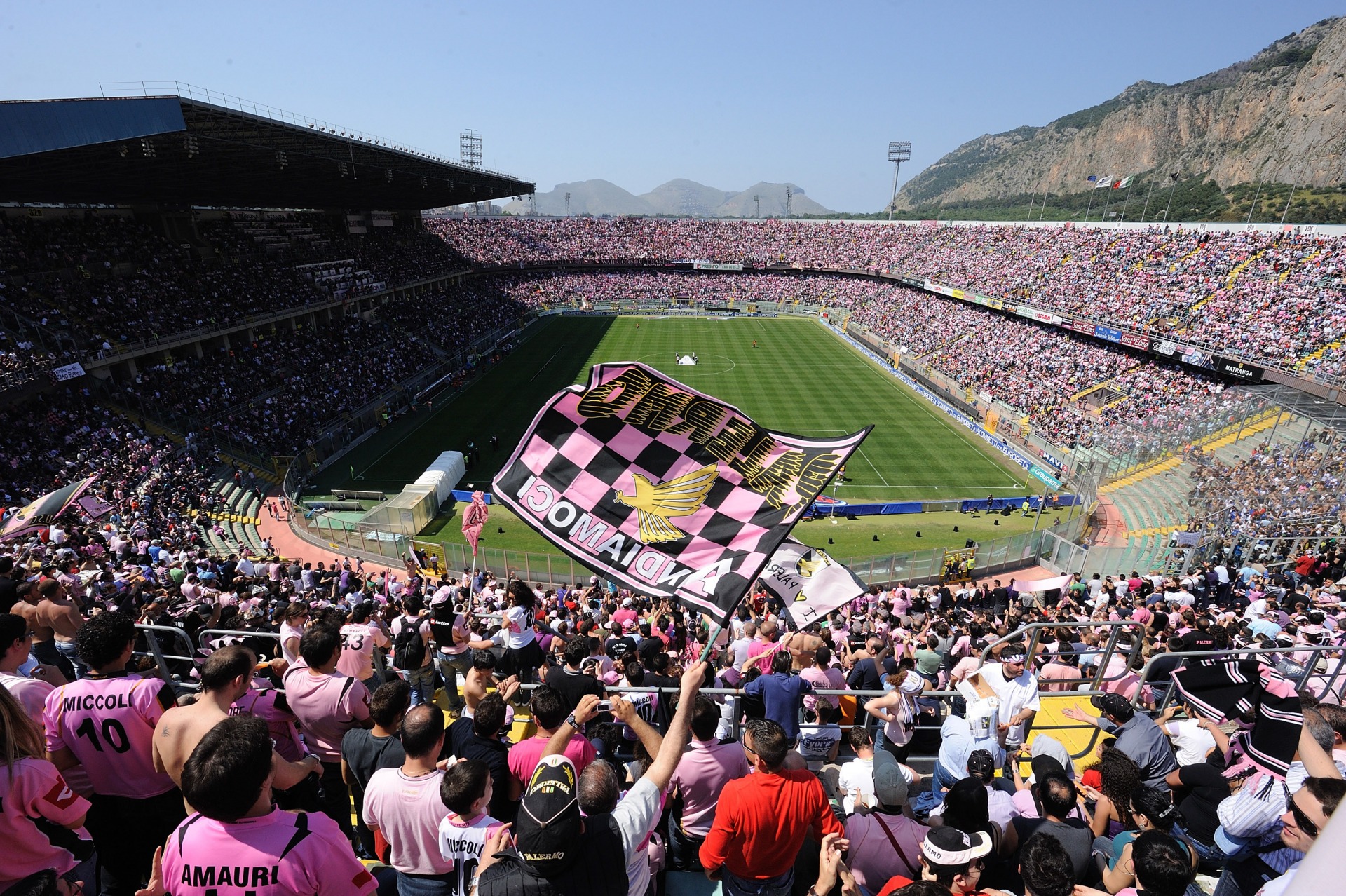
Palermo hosted games at Italia 90, and the city is a tremendous option for potential visitors, with Sicily a major tourist attraction in its own right. The island’s capital, Palermo is famed for its Mondello beach, sweet treats such as cannoli and granita, and the dish stigghiola, which consists of charcoal-grilled lamb or calf skewers seasoned with parsley, lemon and onions.
Palermo is a strong southern candidate.
Cagliari
Another island in the running, Cagliari’s plans to build a new stadium have been in the works for years, without significant movement.
Playing in a temporary structure next to the crumbling Stadio Sant’Elia, Cagliari intend to finally demolish the eyesore and build a new arena in its place. In early August the club released a statement saying the city council had approved the ‘declaration of public interest’ for the stadium, a significant development in the pre-construction stage.
The next hurdle is a public tender for the works, which would be expedited should Cagliari be chosen by the FIGC as one of the host cities. The old Sant’Elia will have to be demolished first, then construction on the new ground would begin.
The backdrop for all three of England’s group games at Italia ’90, Sardinia isn’t short of things to do for the potential visitor.
Cagliari is Sardinia’s capital and is dripping with history, food and beaches. The Castello area of the city is the jewel in the crown, with its medieval towers, Bastione di Saint Remy, Palazzo Regio and Cathedral of Santa Maria all must-see attractions.
If you want something more chilled, then Cagliari also has you covered. The city sits at the top of the Gulf of Angels and Villasimius, just an hour’s drive away, offers exquisite turquoise water and pristine sand.
As for food, you can’t go wrong with the local dish porceddu, a roasted suckling pig. Other delights include culurgiones (hand-braided ravioli), malloreddus (Sardinia’s version of gnocchi), fregula (semolina pasta cooked like risotto) and seadas (dessert made of fried pastry dough).
It’s doubtful whether the FIGC would select both Sardinia and Sicily to present to UEFA, yet one could be a realistic target for Euro 2032.
Bologna
It seemed like the city of Bologna was out of the running for Euro 2032, but they’ve put themselves back in the frame in recent months. The Stadio Renato Dall’Ara had been earmarked for a total overhaul for the past several years, but with the cost of construction materials rising due to world events, the club could no longer justify the outlay and put the plan of renovating the stadium on ice.
However the club is, together with Bologna Fiere, attempting to construct a new €300m multi-purpose arena on the outskirts of the city that would function 365 days a year. The city is in the frame for nomination through the Dall’Ara, but the plans are for Bologna the club and Bologna Fiere, a group that specialises in the exhibition centre sector, to share the costs in building a structure.
With the cost of renovating the Dall’Ara proving too costly, the club appears to be going all-in on this proposal. It’s been reported that the stadium would hold around 34,000-35,000 for football matches, but expanded up to 42,000 for concerts and other events. The city of Bologna would contribute around €25-to-€30 million with the hope of construction starting at some stage next year, with fewer procedural hurdles to overcome than renovating the current ground.
Bologna is, of course, one of the food capitals of Italy and is no stranger to hosting international football matches, having hosted several games at Italia 90.
Other options
Down in Puglia, Bari and Lecce have nominated the Stadio San Nicola and the Stadio Via del Mare as potential options. Yet these remain unlikely alternatives considering the San Nicola hasn’t been touched in decades and would need a substantial overhaul. Lecce, meanwhile, are putting on a new roof on the Via del Mare, but there has been little concrete talks on seriously renovating the ground.
The Stadio Flaminio in Rome, abandoned since 2011 and a mooted new home for Lazio, is also on the list but is continually finding renovation resistance from the Pier Luigi Nervi Foundation, who want to preserve the legacy of the original structure designed by the man whose name the foundation carries With planning very far behind and with the Stadio Olimpico and Roma’s potential new ground the more likely options, it’s highly unlikely the Flaminio will be selected.
In Naples, Aurelio De Laurentiis’ new project is also included, despite the Napoli owner not having a site to build on. De Laurentiis is of the opinion that the current stadium is no longer fit for purpose, regardless of any modern renovations, and wants to move Napoli to a newly-built arena in another part of the city. Like the Flaminio, this is unlikely to be chosen by the FIGC due to time constraints.
Verona is another city in the hat. Hellas Verona have been talking of modernising the Stadio Bentegodi for a number of years or moving to a new site. However, with the serious lack of progress, the idea of Euro 2032 coming to Verona is highly unlikely.
Related Topics
Related Articles
Related Articles
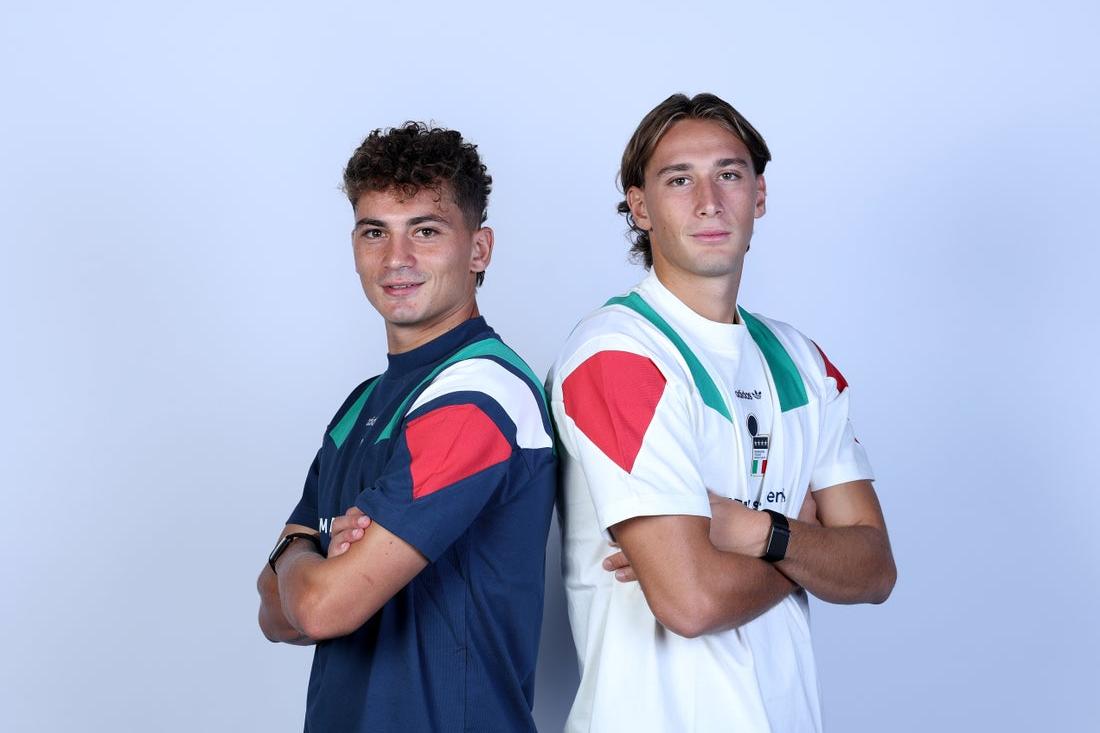
The three brothers all grew up in Castellammare di Stabia, a city around half an hour's drive from Naples.
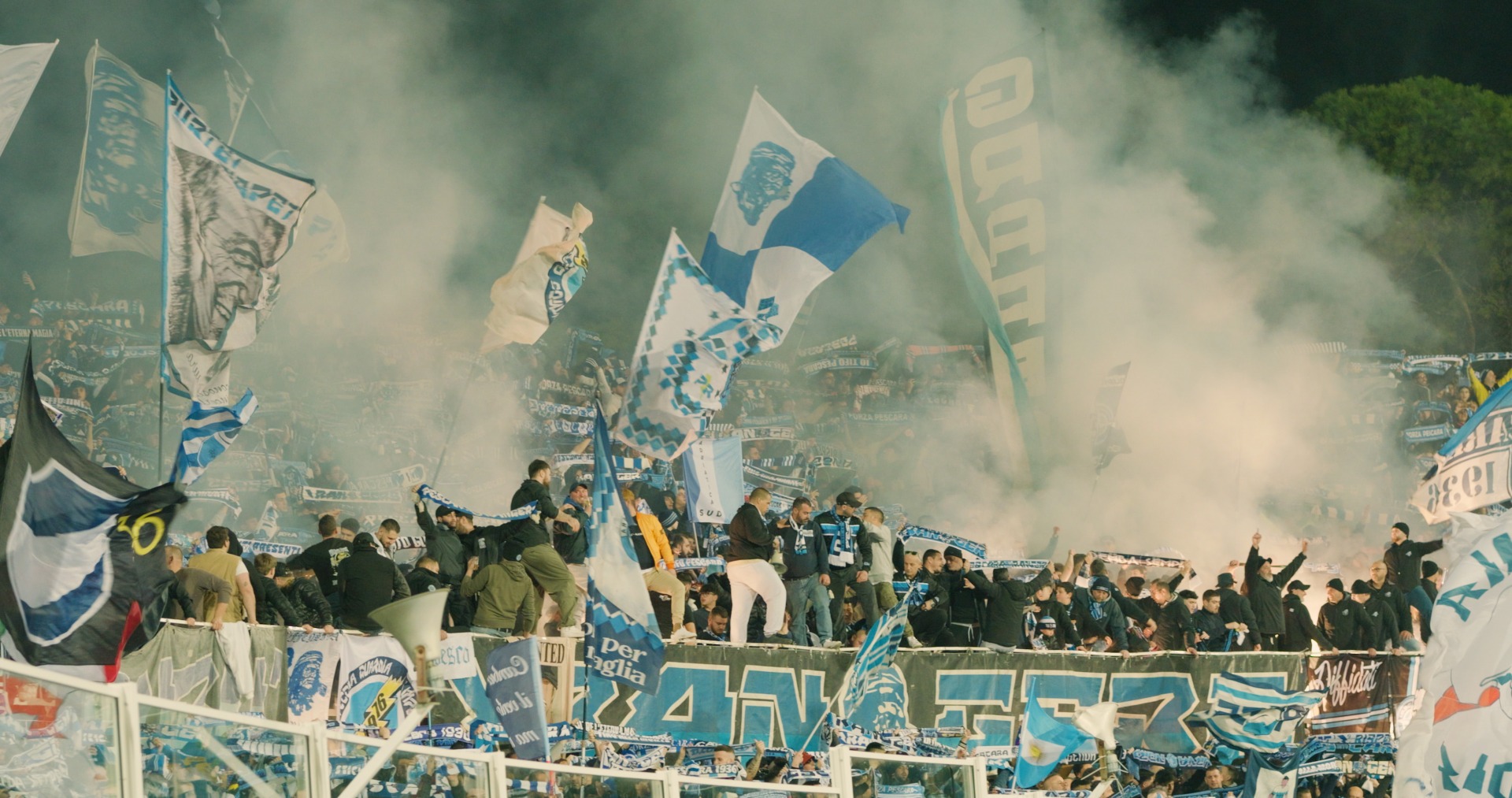
There is a buzz in Pescara ahead of Italy's U21 clash with Poland, and not just because it could be a winner-takes-all decider.
There are huge sporting events going on throughout the football season which, with a bit of planning, can be paired with calcio weekend.