
When the final whistle blows on a gruelling campaign, the Italian football landscape undergoes a sudden, predictable migration. The tactical whiteboards are packed away, and the sports media swap the stadium press boxes for sun loungers.
In Italy, tracking the summer movements of calciatori is a national sport in its own right, and while a younger crop of international players often jet off to the ultra-commercial mega-clubs of Ibiza or Dubai, a contingent of domestic stars and seasoned expatriates choose to remain within Bel Paese, the beautiful country.
Following the trail of these players is a great way to experience the country’s most spectacular destinations. From the rugged cliffs of the Tyrrhenian Sea to the vast golden sands of the Adriatic, Italy’s football elite split into distinct summer subcultures, seeking a balance of luxury, privacy, and traditional Italian nostalgia.
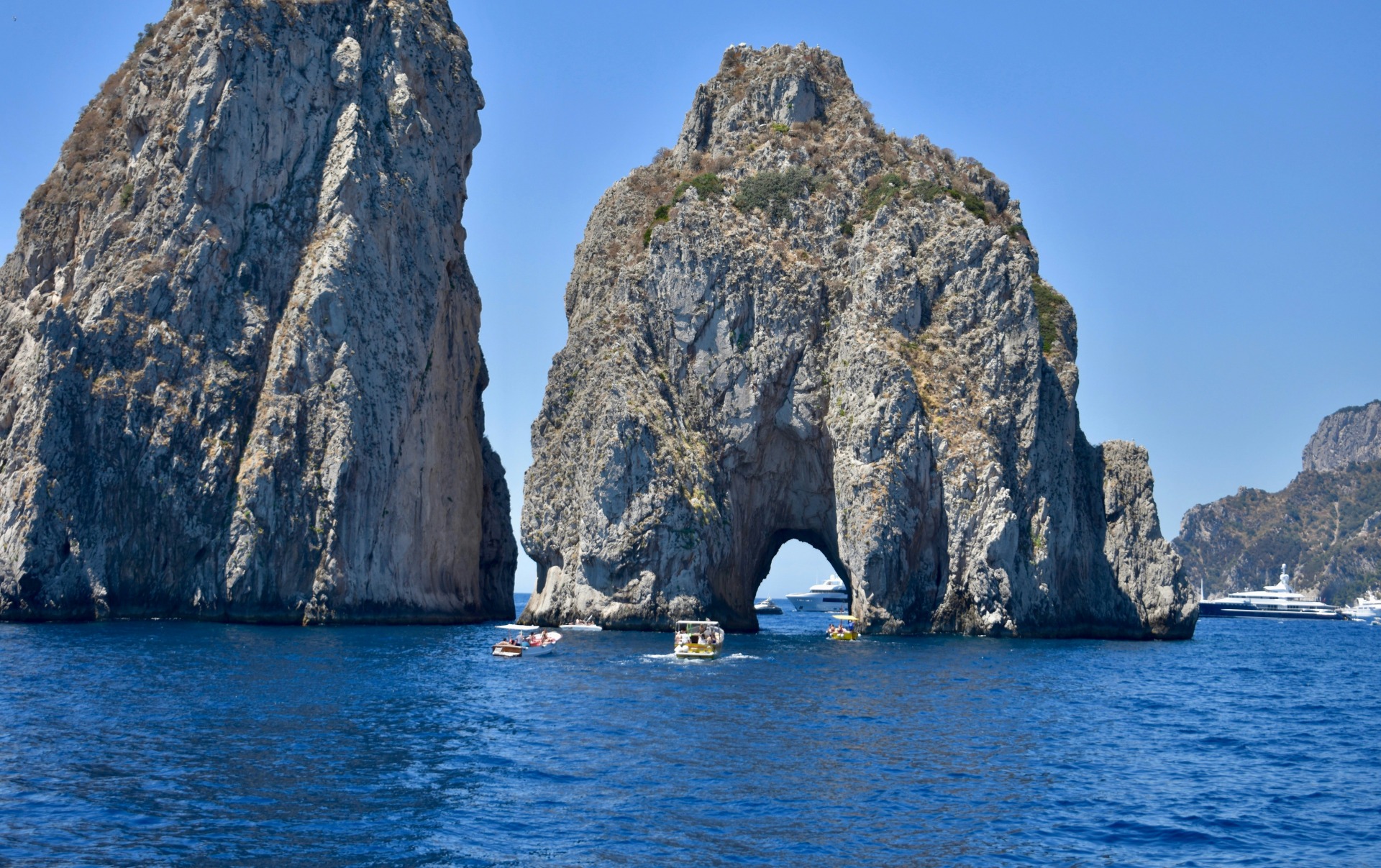
Capri and the Amalfi Coast
Think of La Dolce Vita, and Capri and the Amalfi Coast come to mind. Defined by dramatic vertical landscapes, hidden grottos, and steep hillsides blanketed in lemon groves, this region is the summer epicentre for players who want their relaxation with a side of high-profile glamour. Holidays revolve around morning boat rides past the iconic Faraglioni sea stacks, long lunches in Positano, and late-night dinners in the exclusive taverns of Capri town.
Rather than looking for complete isolation, the footballing crowd comes here to network. The social anchor of the summer is Capri’s long-running Vip Champion tournament, an upscale mixer where footballers swap their studs for rackets. The historic guest list features prolific top-flight marksmen like Fabio Quagliarella alongside modern league mainstays such as striker Patrick Cutrone and defender Romano Floriani Mussolini, who frequently trade volleys on the padel and tennis courts before heading out to sea.
To experience the coast like a Serie A star, bypass the congested public ferries and charter a traditional wooden gozzo boat from Sorrento. Floating beneath the Faraglioni at dusk, drink in hand, offers an unmatched view of the island before you head ashore into Capri’s bustling Piazzetta for an evening aperitivo.
Sardinia
If Capri is about being seen, northern Sardinia’s Costa Smeralda (Emerald Coast) is about disappearing. Developed in the 1960s as a secluded playground for international royalty, the landscape is defined by granite cliffs, hidden white-sand coves, and intensely turquoise water. It is the ultimate luxury fortress, offering deep-water anchorages for mega-yachts and an escape from the paparazzi, with Monza captain Matteo Pessina often taking advantage of the privacy.
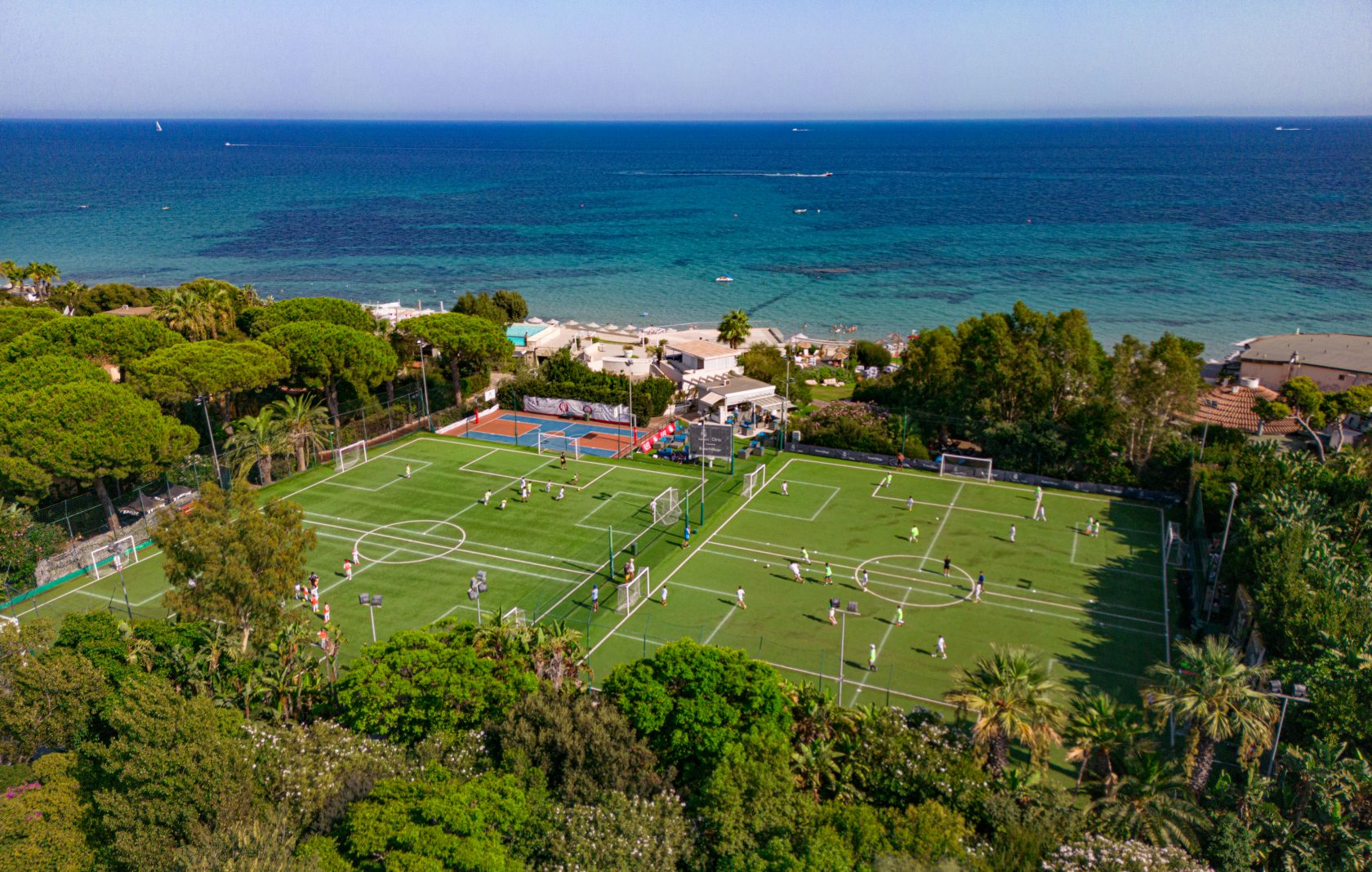
Further south, the ultra-private Forte Village Resort in Santa Margherita di Pula balances the desire for isolation with world-class sports infrastructure. Through its partnership with the Italian Football Federation, managers use it for “family detox” retreats, allowing players to bring their wives and children to build morale before major tournaments.
This legendary status was cemented after Italy’s Euro 2020 triumph, when defensive icons Leonardo Bonucci and Giorgio Chiellini fled the chaotic Rome celebrations to hide out in the resort’s private villas. Over the years, veterans such as Claudio Marchisio and managers, including Max Allegri, have used the resort as an informal summer clubhouse.
Away from the high-end boutiques of Porto Cervo, the real magic of Sardinia lies in the La Maddalena Maritime National Park. Hiring a small Zodiac boat allows you to navigate the translucent waters of Spargi or the protected pink sands of Budelli. For a true taste of the island, head inland to a traditional agriturismo for a rustic dinner of porceddu (Sardinian roast suckling pig) with a chilled glass of local Vermentino.
The Romagna Riviera
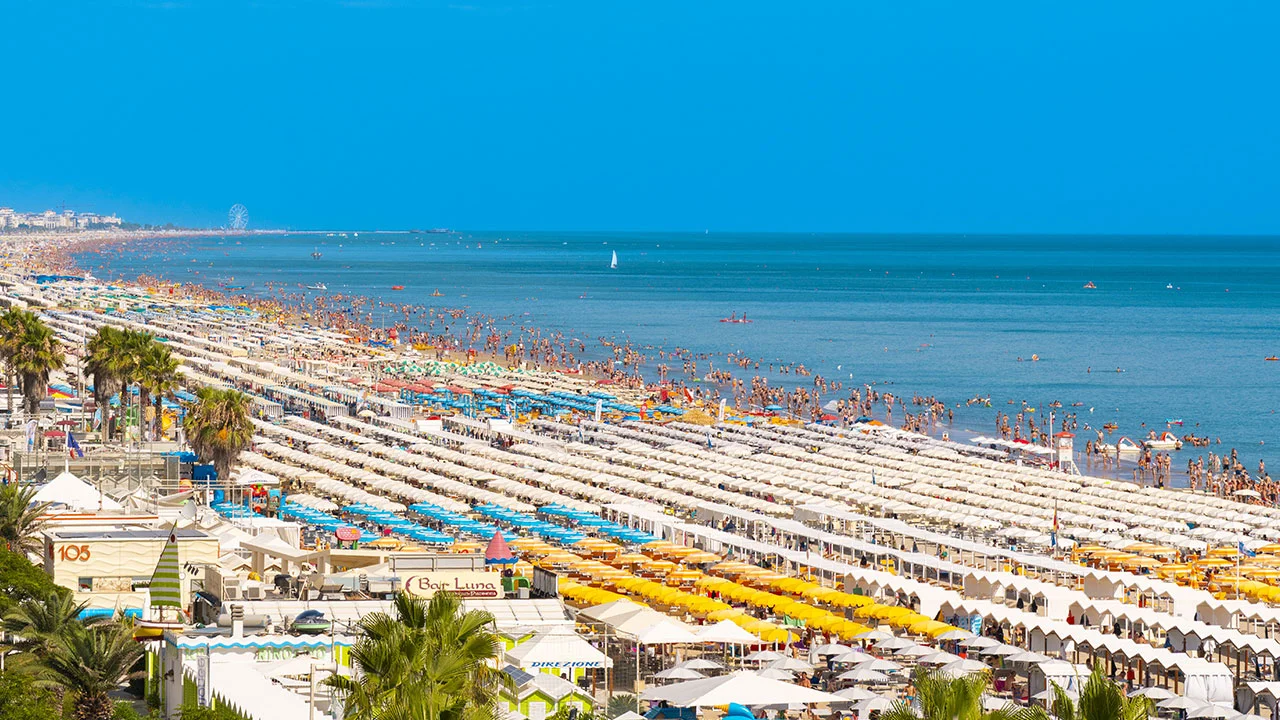
On the opposite side of the peninsula lies the Riviera Romagnola, stretching across the historic beach towns of Rimini, Riccione, and Milano Marittima, and offering some of the warmest hospitality in Italy.
The Adriatic coast is famous for its wide, endless stretches of golden sand, a high-octane beach sports culture, and is a magnet for players seeking the comforting familiarity of the traditional summer holidays they enjoyed as children. A prime example is Napoli’s Dutch defender Sam Beukema, whose deep connection to the region stems from his mother, Desi, who moved from the Netherlands to work in the local tourism sector. In a conversation with NSS Sports, Beukema revealed just how much the coast means to him.
“My mother had a house in Riccione for 15 years, so for me, Bologna, as well as all of Emilia Romagna, holds a different meaning,” he told the publication. “It’s really like a second home… I must thank Riccione for making me realise that summer in Italy is unparalleled.”
The Riviera’s famous beach clubs become vibrant hubs for summer sports. Here, the relaxed holiday vibe is peppered with athletic discipline, with visitors and off-duty top-flight players spending hours locked in high-intensity matches of calcio-tennis and teqball right at the water’s edge.
Riccione is best explored on two wheels. Rent a bicycle to cruise down the vibrant, tree-lined Viale Ceccarini for world-class shopping and artisanal gelato. When the sun goes down, retreat into the rolling hills of the Romagna countryside to explore the medieval fortress of San Leo or the castle of Gradara, capping off the night with a dinner of tagliatelle al ragù.
Whether they’re charting luxury yachts off the Emerald Coast or playing foot-tennis on the golden sands of the Adriatic, Italy’s football elite remain fiercely loyal to the timeless landscapes of their own country.
For these players, the summer break is more than just a holiday; it is a chance to decompress under the Italian sun, wrapped in the comforting embrace of la dolce vita.
Related Topics
Related Articles
Related Articles
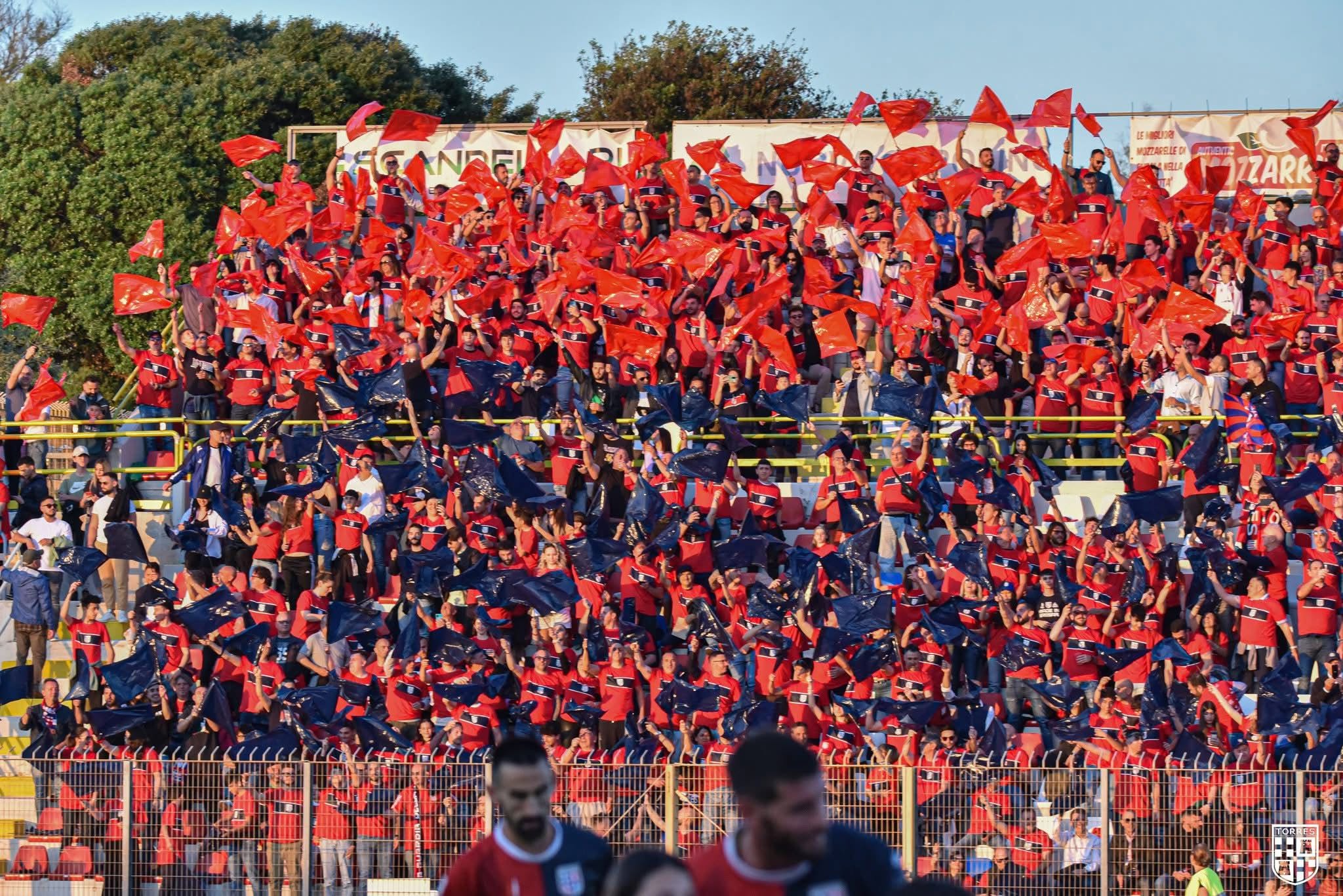
Sassari is Sardinia's second city and Torres, playing in red and blue at the Stadio Vanni Sanna, remain its clearest sporting focal point.
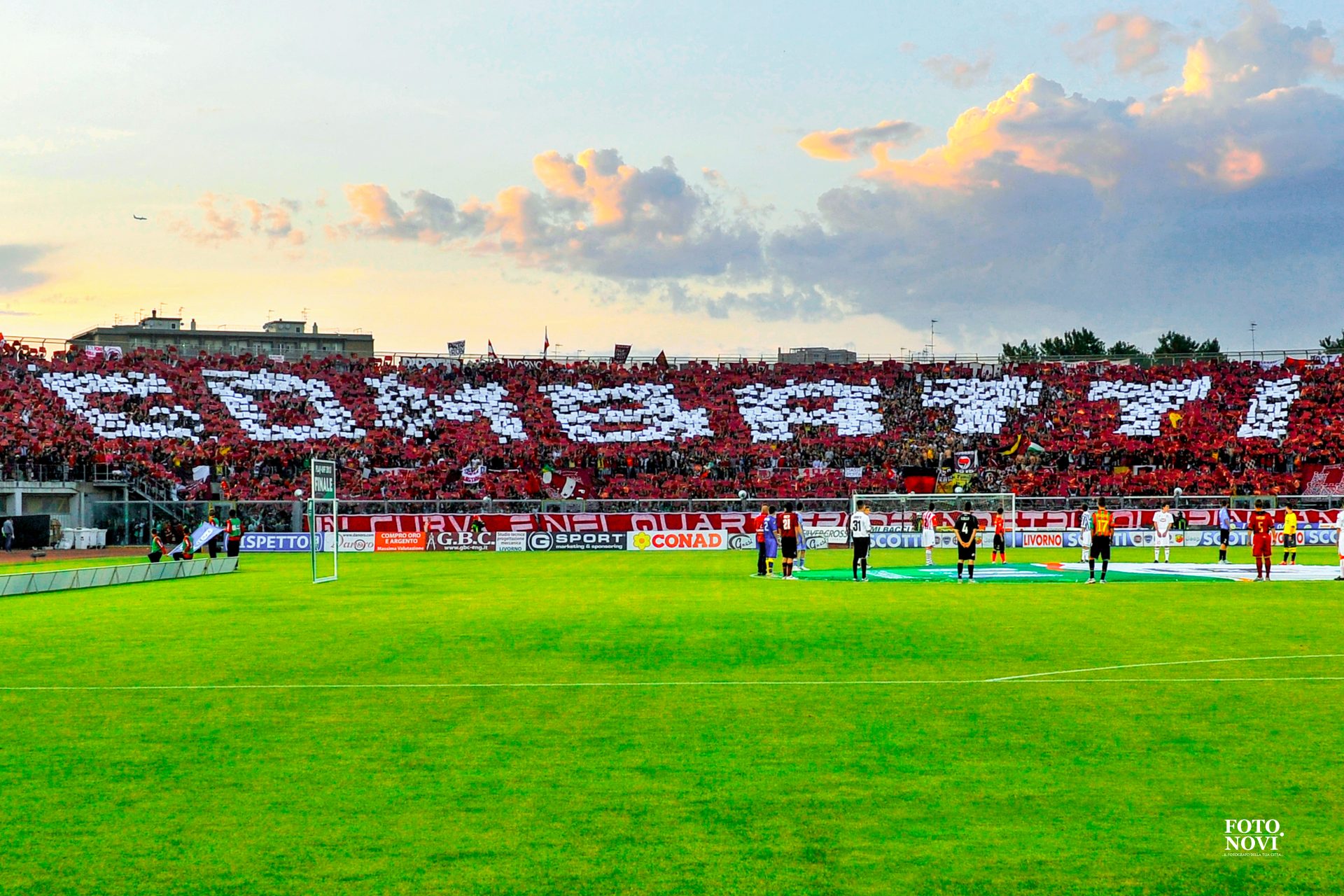
All the information on where and when to buy your tickets to watch Livorno in action in one of the third tier's liveliest atmospheres.
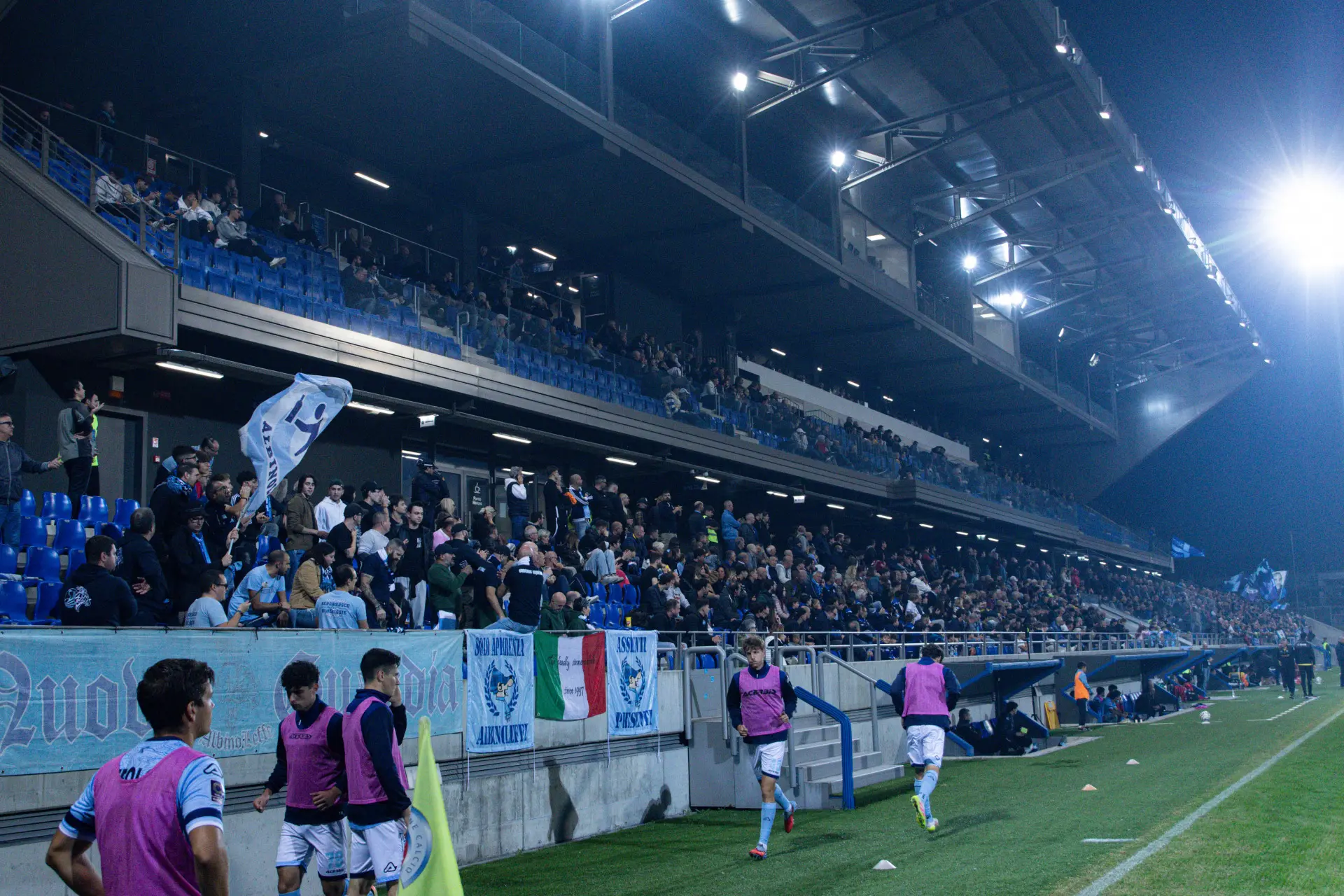
Roberto Mancini’s first game back as Italy boss ended in defeat. For one club near Bergamo, though, the result was almost a footnote.