
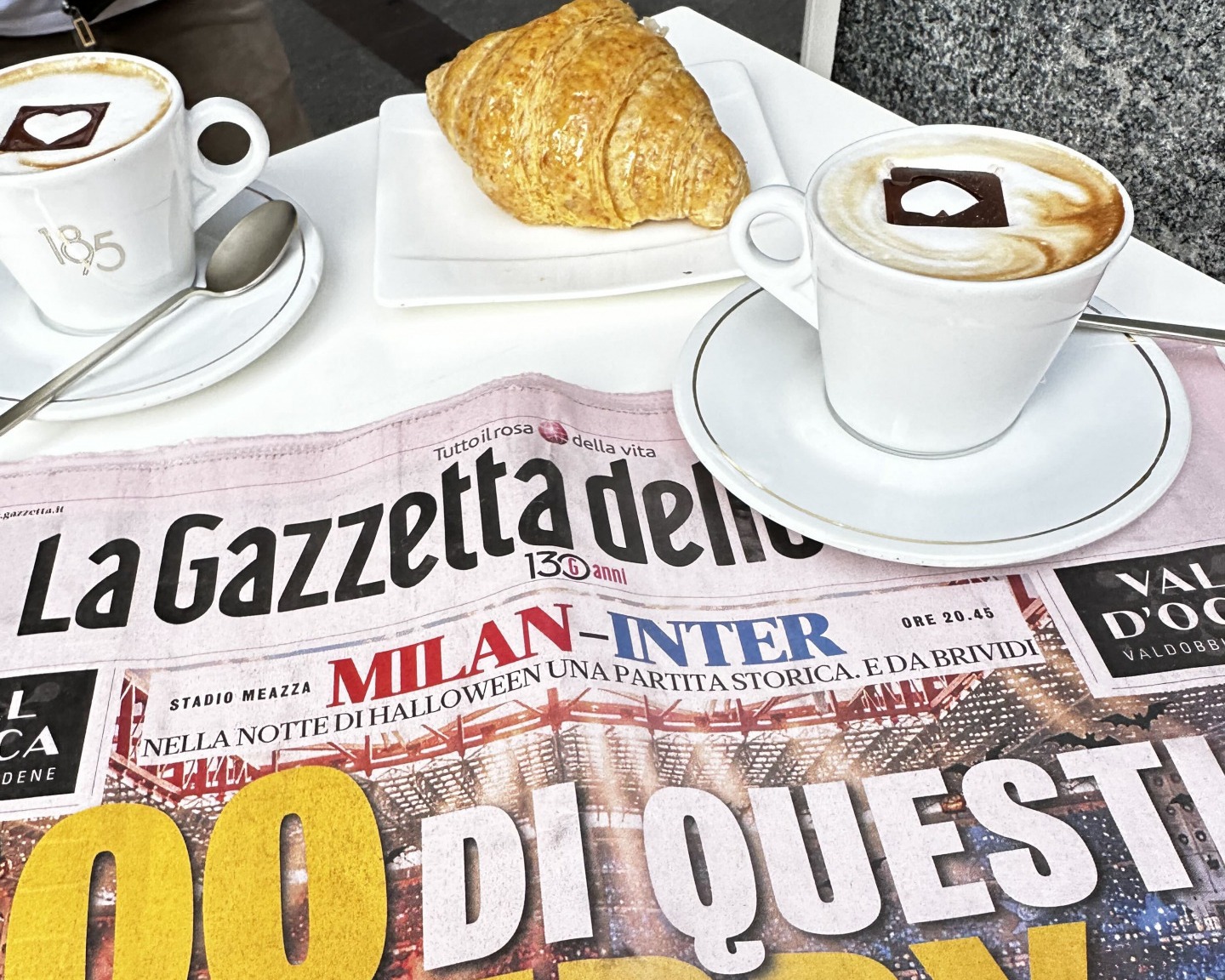
Italian sport is defined by its colours. The blue of the national team. Ferrari red. The black and red of AC Milan, the black and blue of Inter and the black and white of Juventus.
And yet, only one colour encompasses all of those hues: Pink. Or, to be specific, the iconic pink that has been synonymous with La Gazzetta dello Sport for almost 130 years, since Italy’s most famous newspaper abandoned green in favour of its now distinctive colour.
“You tell us that the colour green no longer has any reason to exist,” read an editorial on December 23, 1888. Then on January 2, 1899, the first pink edition of Gazzetta hit the newsstands.
The decision was driven primarily by economics – pink paper was cheaper to produce – but it proved to be a formidable marketing tool, making the paper instantly recognisable among the sea of white broadsheets.
By the time of the switch, La Gazzetta dello Sport was already established. The brainchild of Eugenio Camillo Costamagna and Eliso Rivera, the newspaper was born from the merger of Il Ciclista and La Tripletta on April 3, 1896 and based in Milan.
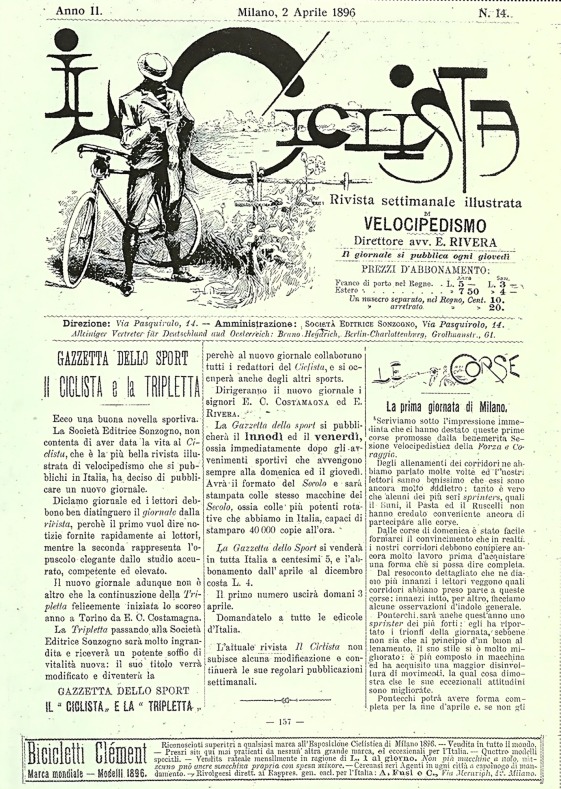
Both publications were dedicated to cycling, which at the time – alongside gymnastics and horse racing – was by far the most popular sport in Italy.
Cycling, of course, has been central to the newspaper’s ethos ever since. A decade after Gazzetta adopted its pink colour, Costamagna, along with fellow journalists Tullo Morgagni and Armando Cougnet, was one of the creators of the Giro d’Italia.
The second-biggest grand tour behind the Tour de France, the race has been intertwined with Gazzetta since its inception, with the newspaper represented by the pink jersey reserved for the race leader.
Gazzetta, of course, was also the driver behind the Giro di Lombardia in 1905 and of the Milan-Sanremo two years later. Both, like the Giro d’Italia, remain staples of the cycling calendar.
“To cover sport, therefore, one must feel capable of keeping pace with the times – to foresee, to arrive first,” Costamagna wrote in the editorial of the first issue.
“Sports newspapers must not merely report the news, comment on progress, or record success; no, they must predict, embrace the very risks inherent in everything at this turn of the century – they must get there.
“Will we get there? We modestly dare to hope so; in any case, it certainly won’t be on our part that willpower and singleness of purpose run dry.”
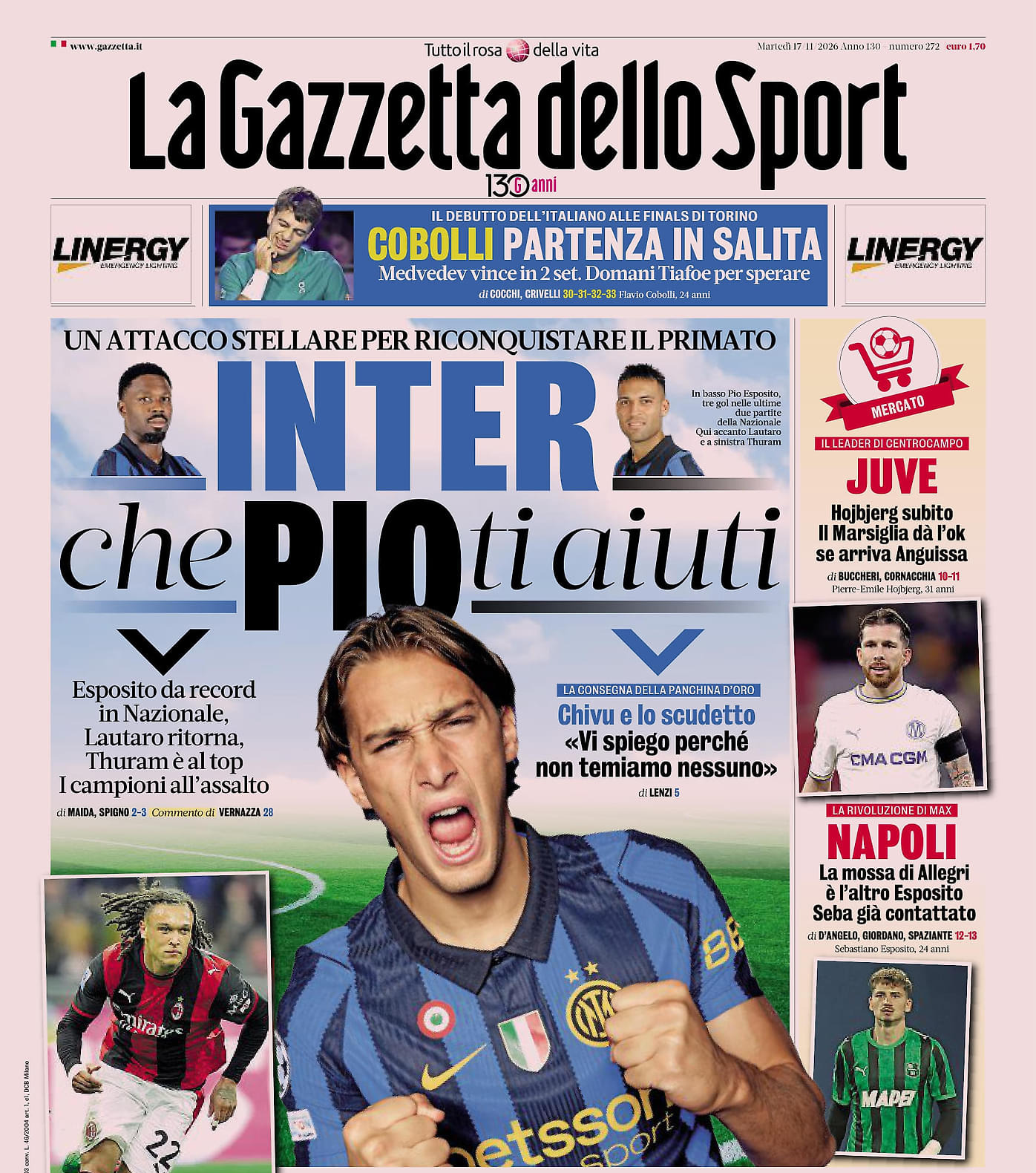
It’s safe to say that over the course of the past 130 years, Gazzetta did get there.
Originally a four-page issue published twice a week, Gazzetta is now the biggest-selling sports newspaper in Italy and the third-biggest selling daily in the country. These days, between 20 and 25 pages are dedicated to football and the newspaper, which costs €1.70, comes with a glossy magazine every Saturday.
La Rosea – the pink one – is far more than a newspaper; it’s a cultural icon.
“Over these decades, La Gazzetta dello Sport has chronicled emotions, feats that became the stuff of legend, triumphs, and defeats,” Italy’s president Sergio Mattarella wrote in a column last year to celebrate the newspaper’s 130th anniversary.
“It has captured snapshots etched into the collective memory. Traversing different eras, turbulent years, social revolutions, and technological shifts, the Rosea has turned daily reporting into a narrative heritage shared with the entire nation.
Legend has it that Renzo Genisio, a soldier in the Royal Italian Army, left a copy of La Gazzetta dello Sport in a newly captured Austrian trench back in 1918.
“This way, they’ll know better than to think the Italians are demoralised,” was his succinct explanation.
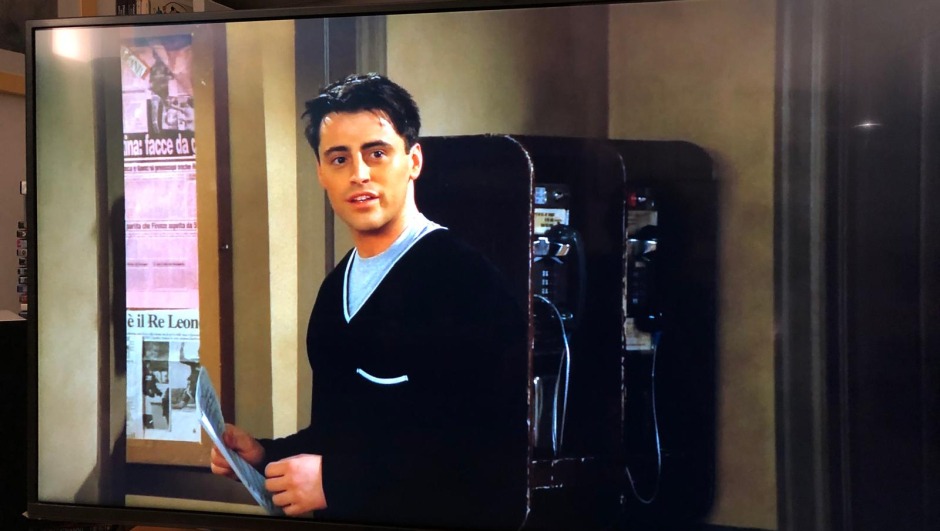
From newsstands to cafes and from TV shows to movies, the pink paper has been ubiquitous throughout Italian life for over a century. It even made it onto the hit American comedy Friends, framed behind Joey in ‘The One with All the Jealousy’, episode 12 of season three.
To the British public, Gazzetta is the paper James Richardson would always be reading with his coffee on Channel 4’s Gazzetta Football Italia, which became a pop culture icon in itself.
The legendary Julio Velasco, who has led Italy to three world titles, one Olympic gold and one Olympic silver medal across men’s and women’s volleyball, learned Italian by reading the paper after arriving in the country in 1983.
The newspaper has also played a crucial role in the rise of Fantacalcio, Italy’s version of Fantasy Premier League, by collaborating with the game’s creators from 1994.
Gazzetta hosted the game on its pages, providing the player ratings used to calculate fantasy team scores. The initiative was a major publishing success and played a decisive role in the game’s explosion in popularity: organisers initially projected around 10,000 participants, yet over the course of the year, sign-ups reached 70,000.
And then, of course, there are the front pages. From World Cups to the Olympic Games, the Calciopoli scandal, Valentino Rossi’s world titles, Marco Pantani’s tragic and untimely death, and Michael Schumacher’s triumphs.
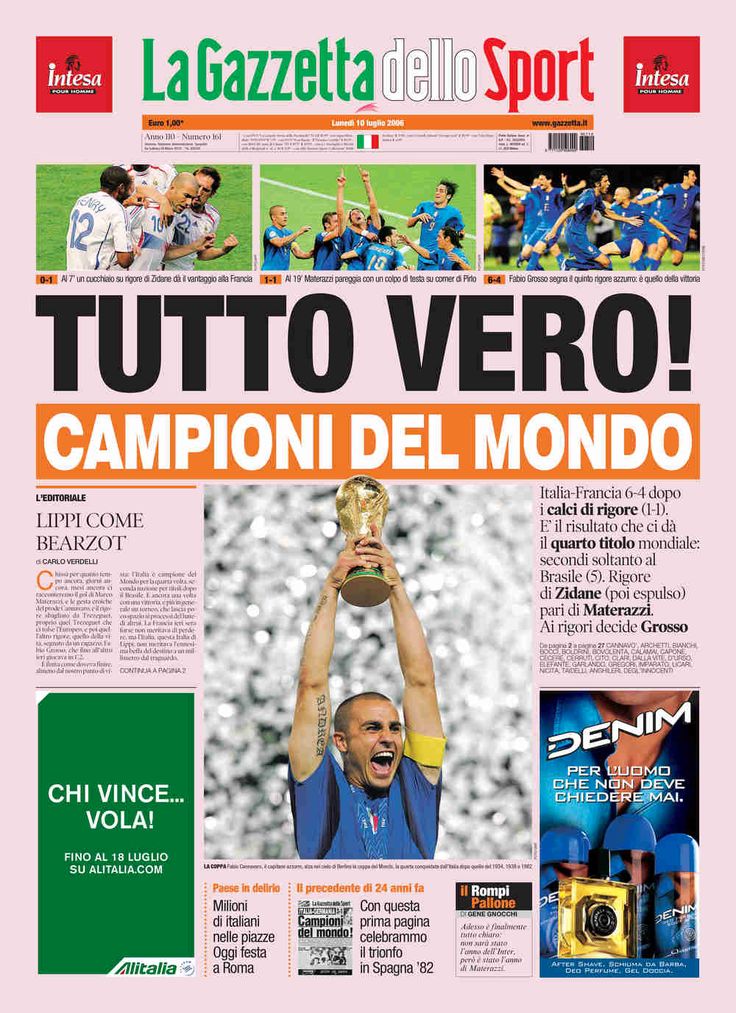
“Champions,” screamed the front page on July 12, 1982 celebrating Italy’s World Cup triumph. Gazzetta sold a record 1.47m copies that day, a milestone it surpassed 24 years later when the Azzurri beat France on penalties.
“It’s all true,” screamed the headline.
Which is a fitting metaphor for the newspaper itself. Some 130 years after Costamagna and Rivera gambled to realise their vision, it has all come true.
Related Topics
Related Articles
Related Articles
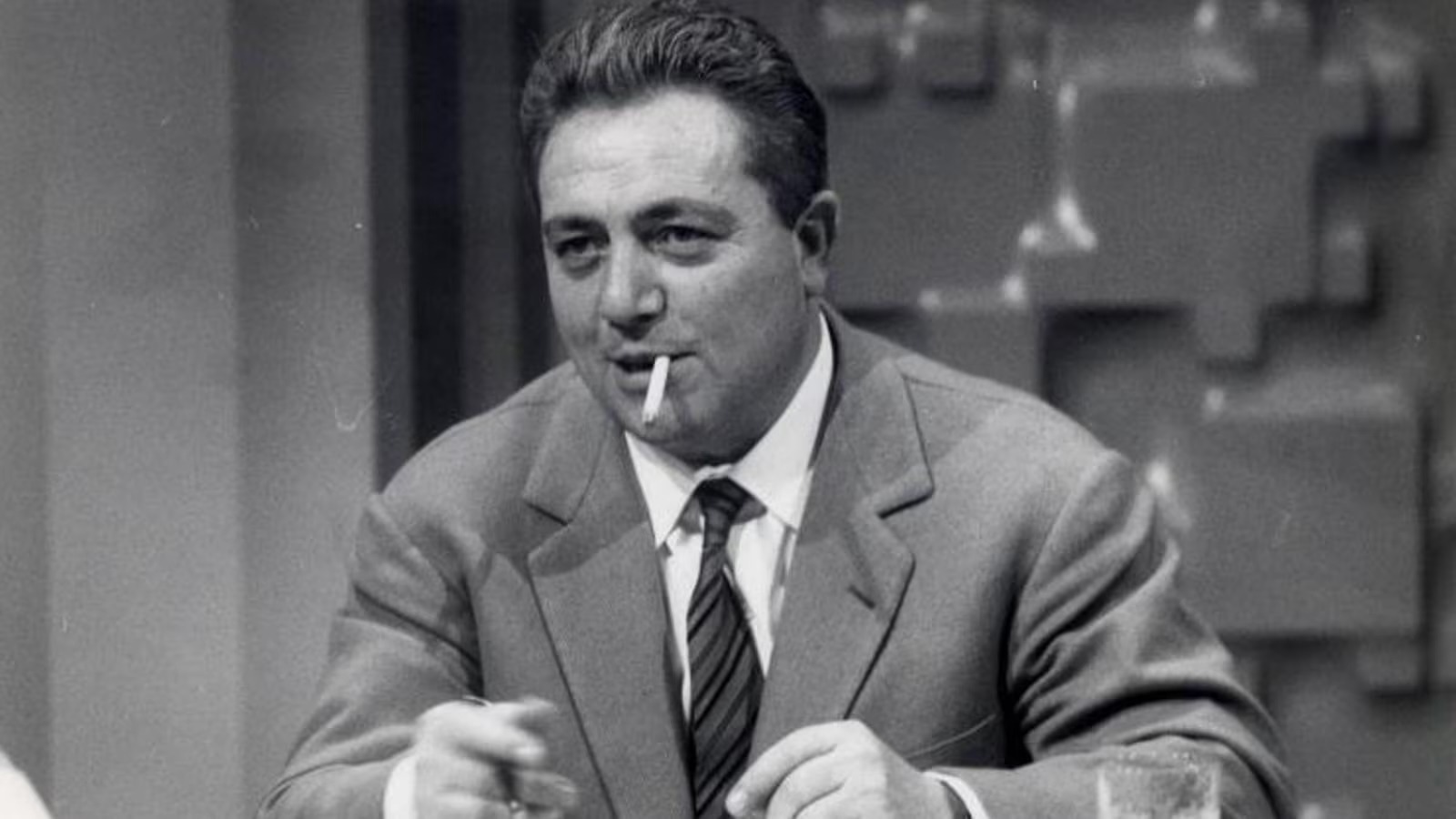
Brera was a champion for the more defensive side of football and had a love for the combative players of the era.
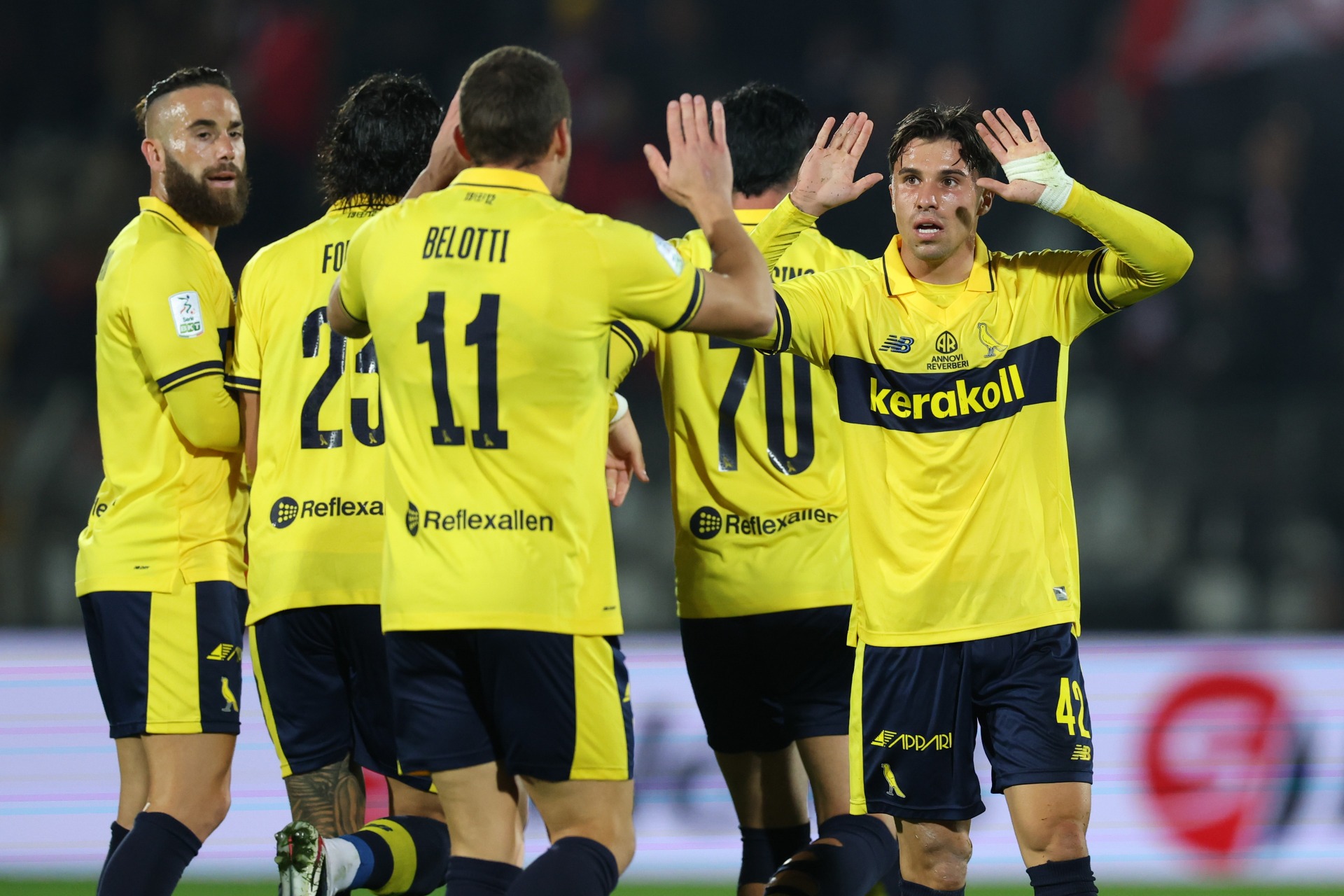
Promotion-chasing Modena and Pisa headline the latest triple-header of Serie B fixtures live on Destination Calcio TV.
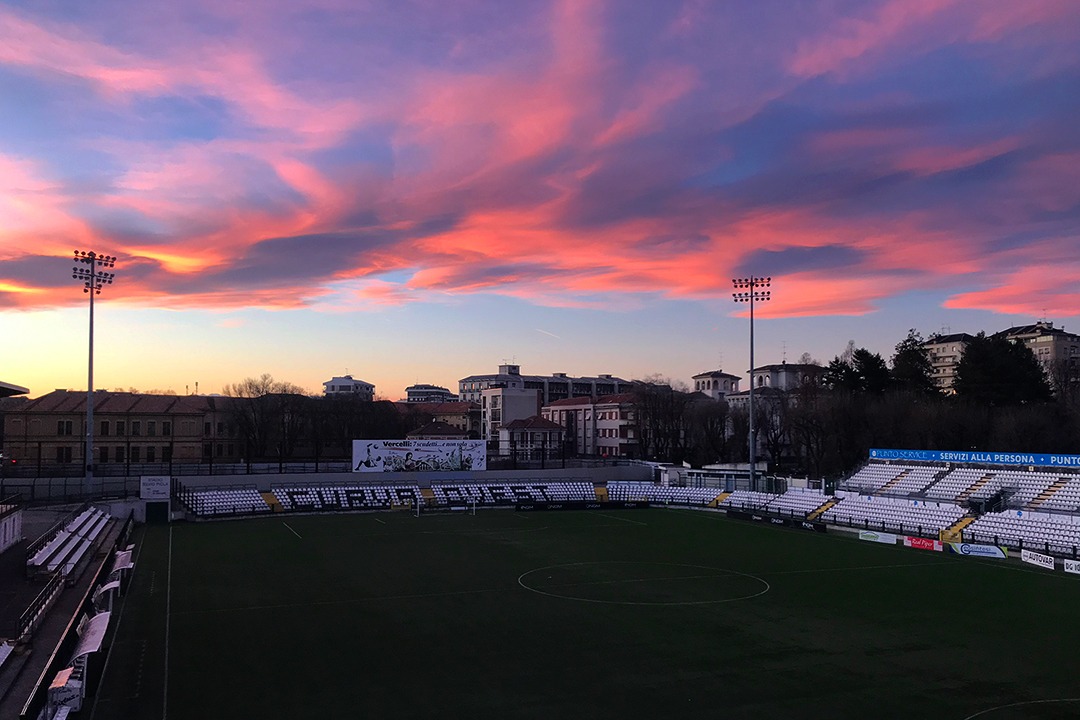
A few steps from the old town, Pro Vercelli's stadium carries as much history per square metre as any ground in the country.