The Italian Job: How a Car Factory Became the Symbol of a City’s Football Identity
By Dan Cancian
“Look for the bloody exit,” bristles Michael Caine as three Mini Coopers speed along the tarmac while being chased by a police car on the roof of a building.
It is one of the most iconic scenes of the 1969 movie The Italian Job and it is probably one of the most famous scenes ever shot in Italy. It is therefore entirely fitting that it was filmed in Turin, the city which now houses Italy’s National Cinema Museum.
There is, of course, a profound irony in the fact that a key part of a movie made famous by its Mini Coopers was filmed on top of the FIAT factory.
Opened in May 1923 in the Lingotto area of the city, from which it takes its name, the plant was both the largest car factory in Europe and groundbreaking from a structural standpoint.
Designed by architect Giacomo Mattè-Trucco, the factory was inspired by Ford’s assembly lines in Detroit and was built over five floors, each of which served a distinct purpose in the car production process.
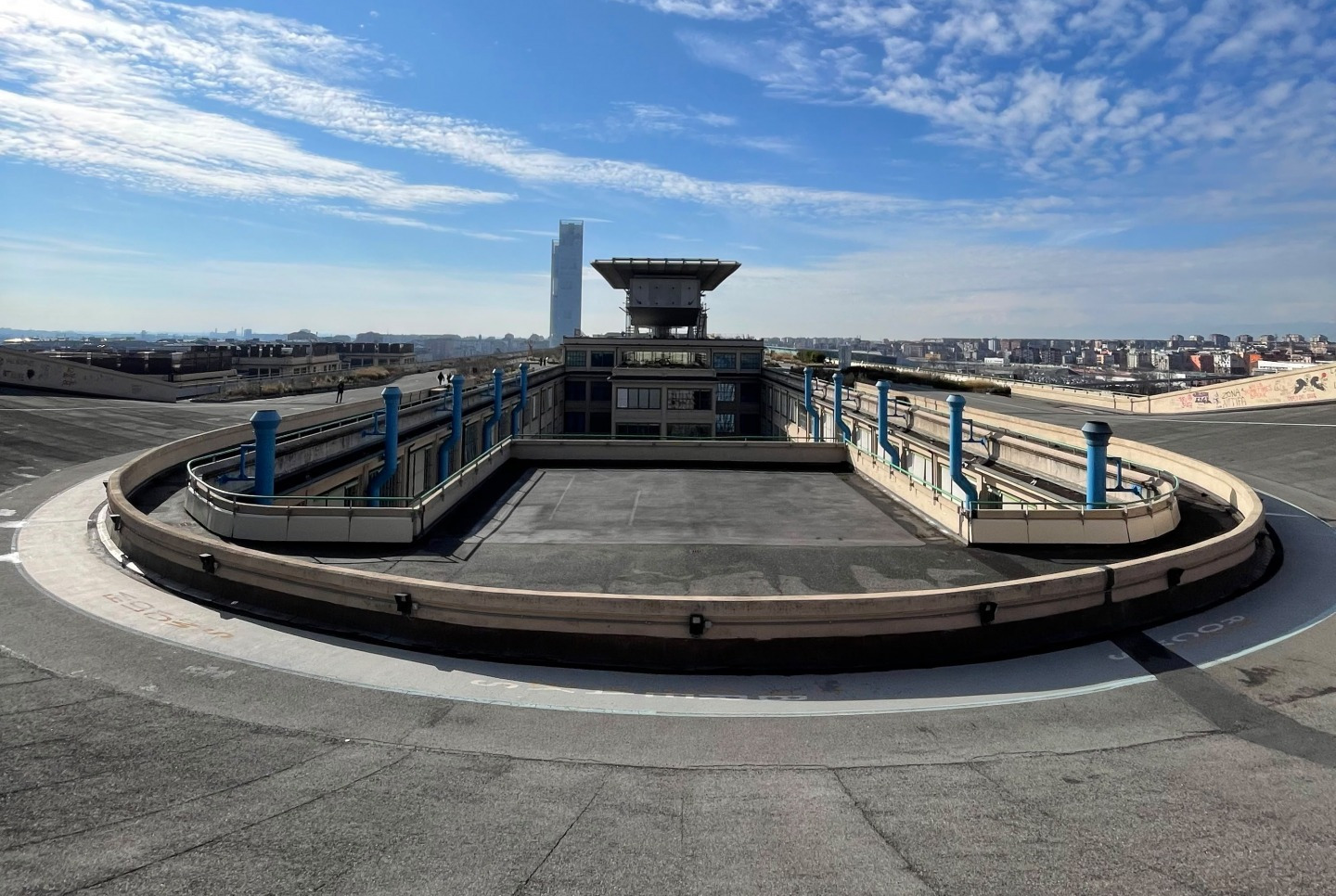
Raw materials entered at ground level, with the finished cars ready to be tested on the rooftop track, which measured just over a mile and was accessible to vehicles via two spiralling ramps at either end of the building.
Up to 50 cars could be tested simultaneously on the track, where they reached a maximum speed of just under 45mph. Bombed by Allied Forces during World War Two, the factory was swiftly rebuilt in the post-war years and produced around 300 cars per day at its peak.
One of the symbols of Italy’s economic boom across the 1950s and 1960s, more than 80 models of FIAT cars were produced at Lingotto before the factory shut down in 1982.
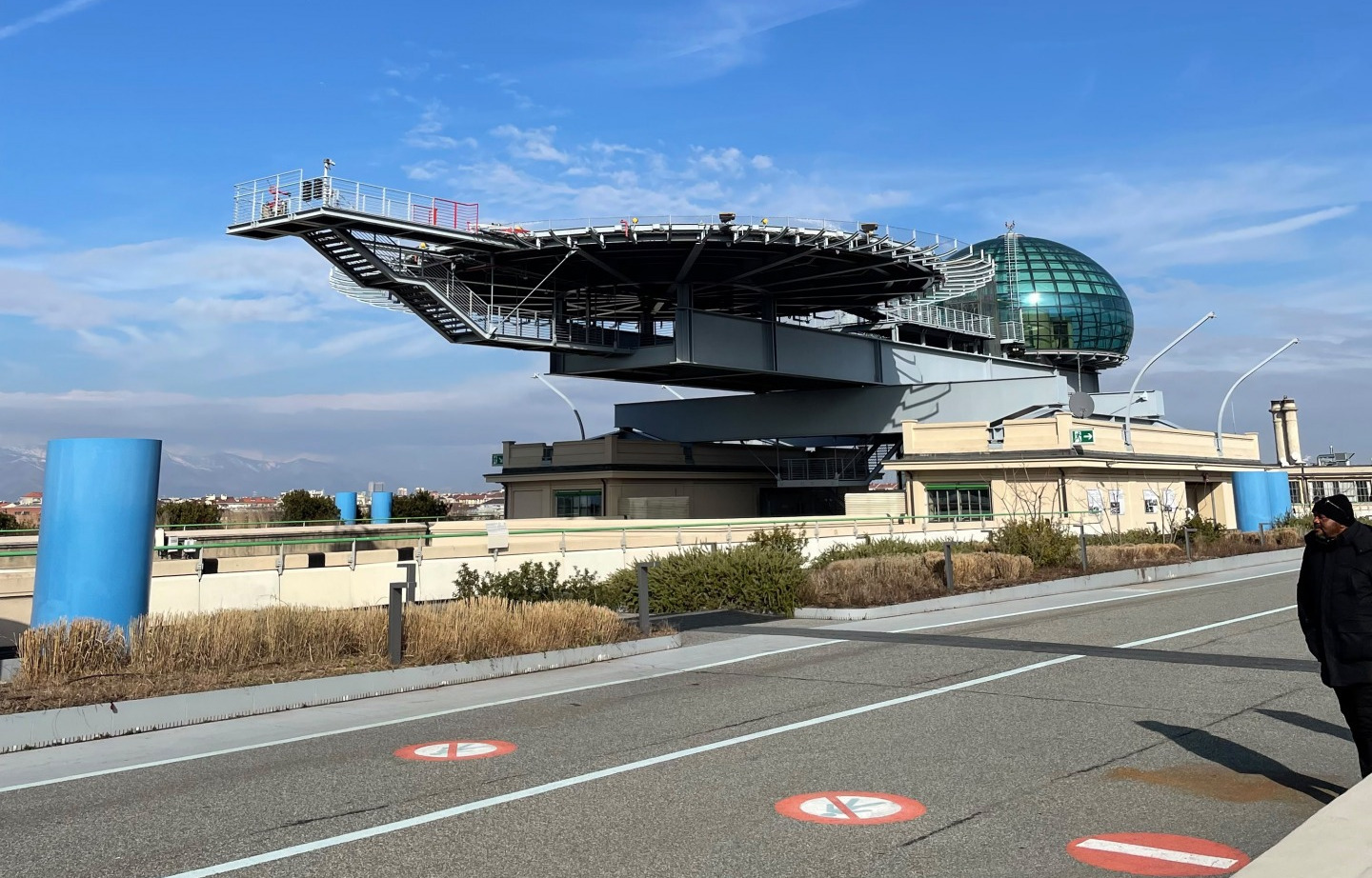
Almost a decade later, it underwent a drastic overhaul, inspired by architect Renzo Piano, the man behind The Shard and The New York Times Building, among others.
The plant has since been transformed into a multi-purpose venue which includes a convention centre, an art gallery, a shopping centre and a theatre, along with the DoubleTree by Hilton Turin Lingotto hotel.
The track, meanwhile, has been preserved and is open to the public. So, you can walk along it while admiring the stunning views over the Alps. There’s a rooftop bar and the largest roof garden in Europe – La Pista 500, which was designed by architect Benedetto Camerana.
And while FIAT still uses the track to test their electric cars, the automotive giant is little more than a guest these days on the premises it once called home.
Born in Turin in 1899, FIAT was founded by a consortium which included Giovanni Agnelli, who led the company. He died in 1945 and was succeeded two decades later by his grandson, Gianni Agnelli.
One of the richest men in modern Italian history, Agnelli was one of the country’s leading figures in the 20th century and his name was inextricably linked with Juventus, whom he served as president between 1947 and 1954 and then as honorary president for the next four decades.
Under his stewardship, the Bianconeri won 23 major trophies in 48 seasons, including 10 Scudetti, one European Cup, three UEFA Cups and four Coppa Italia.
And while Agnelli presided over two of Turin’s icons, he once admitted the city’s relationship with FIAT may have looked very different had he had his way.
“Turin and cars? Those weren’t choices,” he told journalist Jas Gawronski, as revealed in Italian magazine Panorama.
“If I could have chosen, I certainly wouldn’t have invested in Turin, and I certainly wouldn’t have invested in cars.”
But his family did invest in cars and Agnelli’s control of FIAT and Juventus meant the two often merged into the same entity in the eyes of the Italian public.
Juventus, so the wisdom went among their detractors, received preferential treatment from referees because of the Agnellis’ political and financial influence.
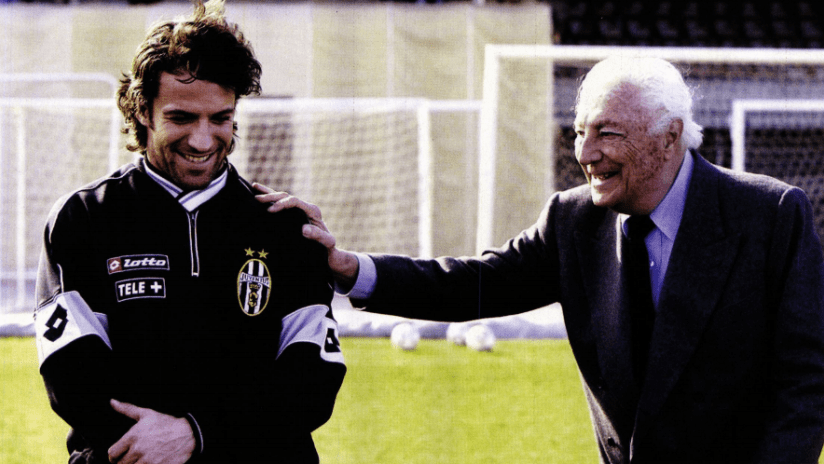
Juventus were also the team supported by vast swathes of FIAT factory workers in Turin – particularly the southern migrants who had traded an impoverished south for a new life in Italy’s industrial engine.
Yet FIAT plants employed plenty of Torino fans, too. If Juventus were defined by the glamour of the Agnelli dynasty and the labour of a migrant workforce, Torino remained the soul of the city’s native working class.
And while Turin itself faltered in its painful transition from industrial powerhouse to modern service economy, Juventus avoided a similar decline. Instead, the Bianconeri rebuilt their empire post-Calciopoli scandal, sweeping nine consecutive Serie A titles between 2011 and 2020 and reaching two Champions League finals along the way under the stewardship of Andrea Agnelli, the son of late Juventus chairman and Gianni’s brother, Umberto.
But since the younger Agnelli was ousted in the wake of the capital gains accounting scandal four years ago, the trophies have dried up for the Bianconeri, who are run by John Elkann, Gianni’s grandson.
Elkann is also the chairman of Stellantis, the automotive group formed by the merger of FIAT, Chrysler and Peugeot.
The Lingotto factory, Juventus and FIAT have all changed beyond recognition but the Agnelli connection just about continues.
Related Topics
Related Articles
Related Articles
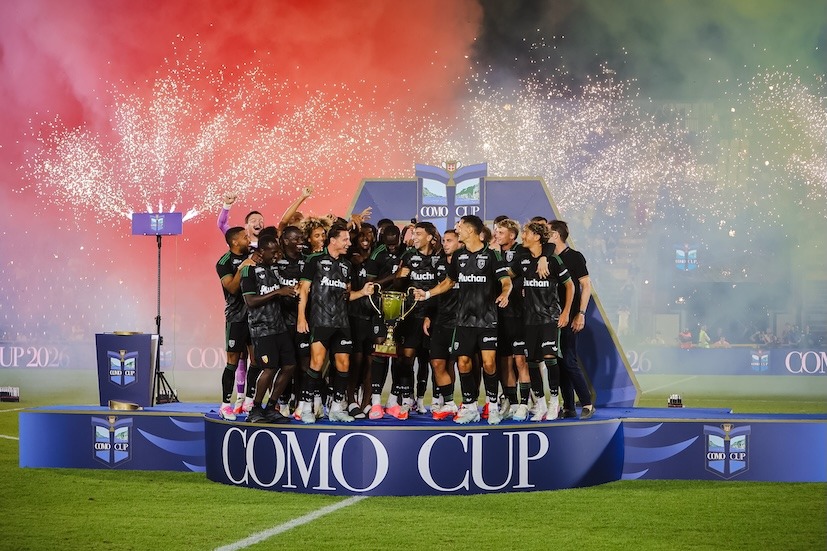
Italy has its fair share of sport-based festivals. From football on the lake to partying in the mountains, here are some worth checking out.
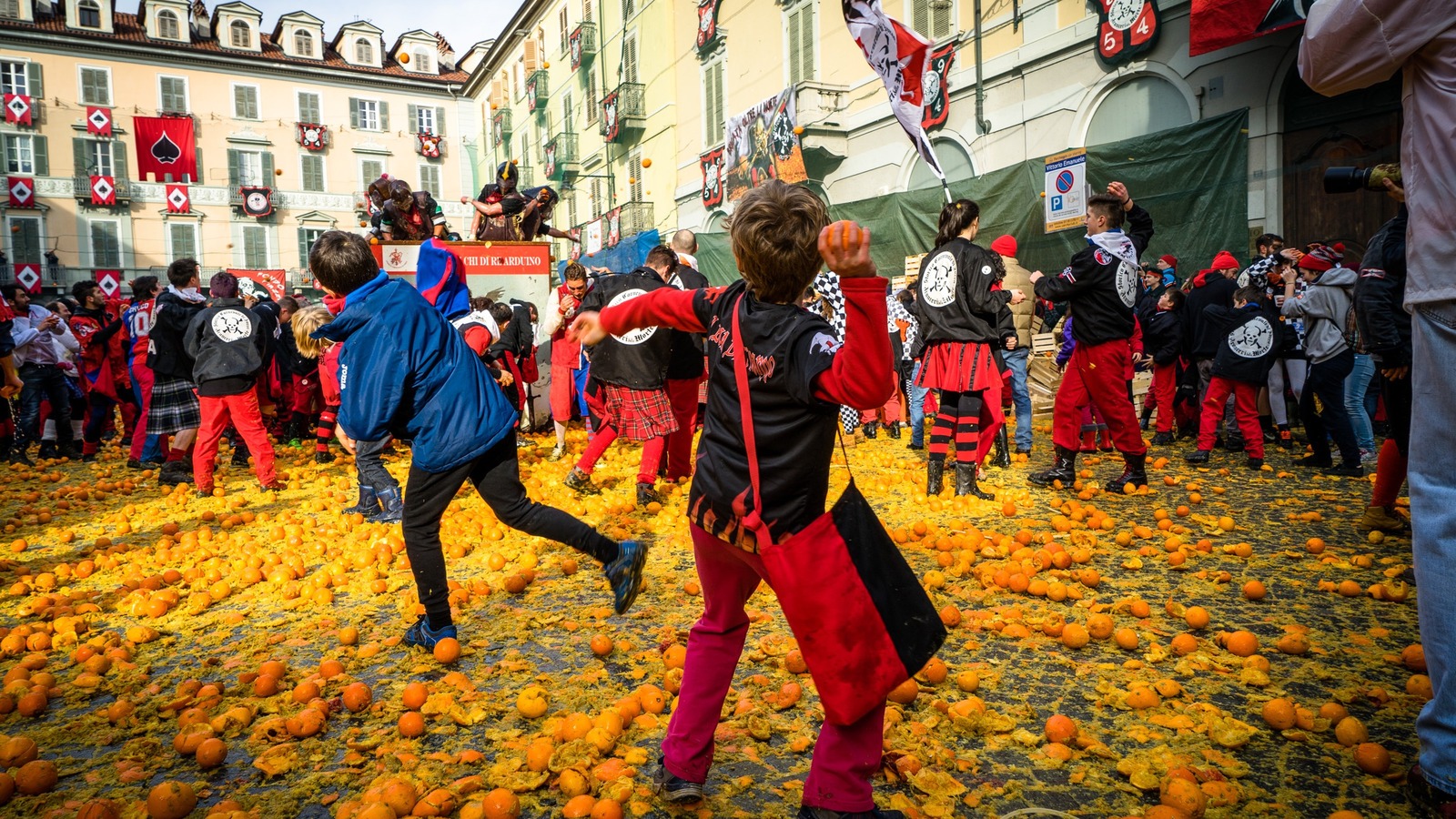
Away from the world-famous events in the biggest cities, there is an entire universe of smaller, more local festivals.
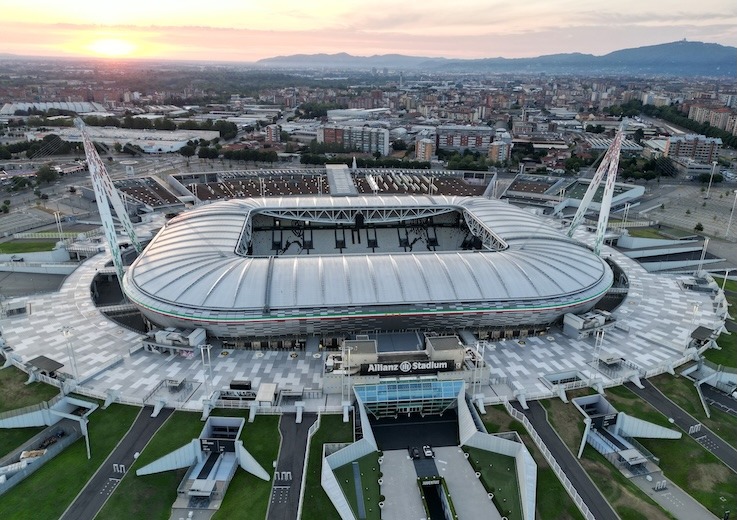
The shadows of Italian football giants loom large over Turin, but this wonderful city has more than just calcio on its sporting calendar.