
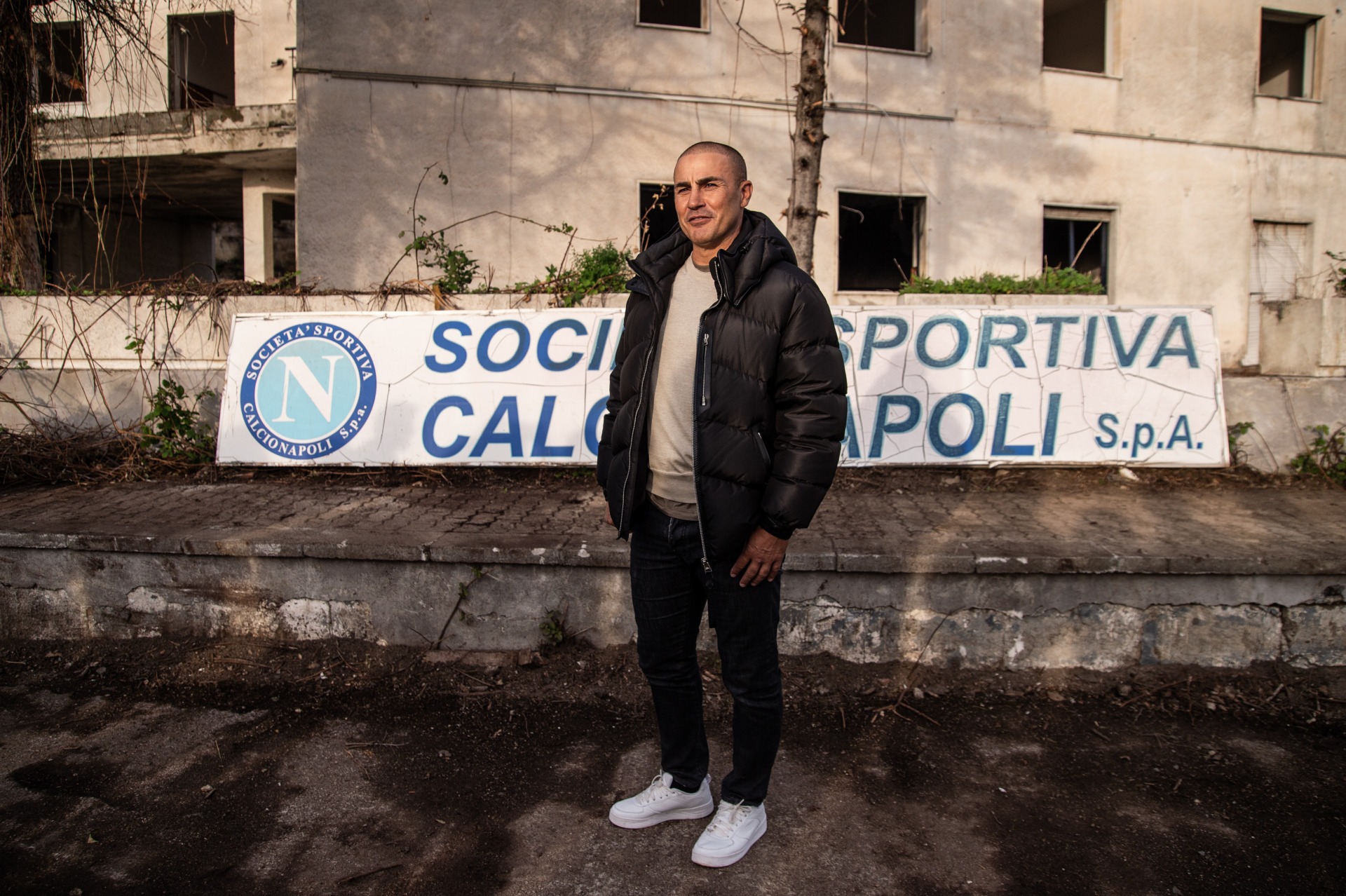
It’s 2023 and Fabio Cannavaro is standing right where it all started. The 2006 World Cup and Ballon d’Or winner was reminiscing about the old days, and wanted to make a change.
“I started here, and I’m sorry to see it so abandoned. A year ago I decided to try and buy it to give it a new life. The important thing is to give young people a structure where they can come and play.”
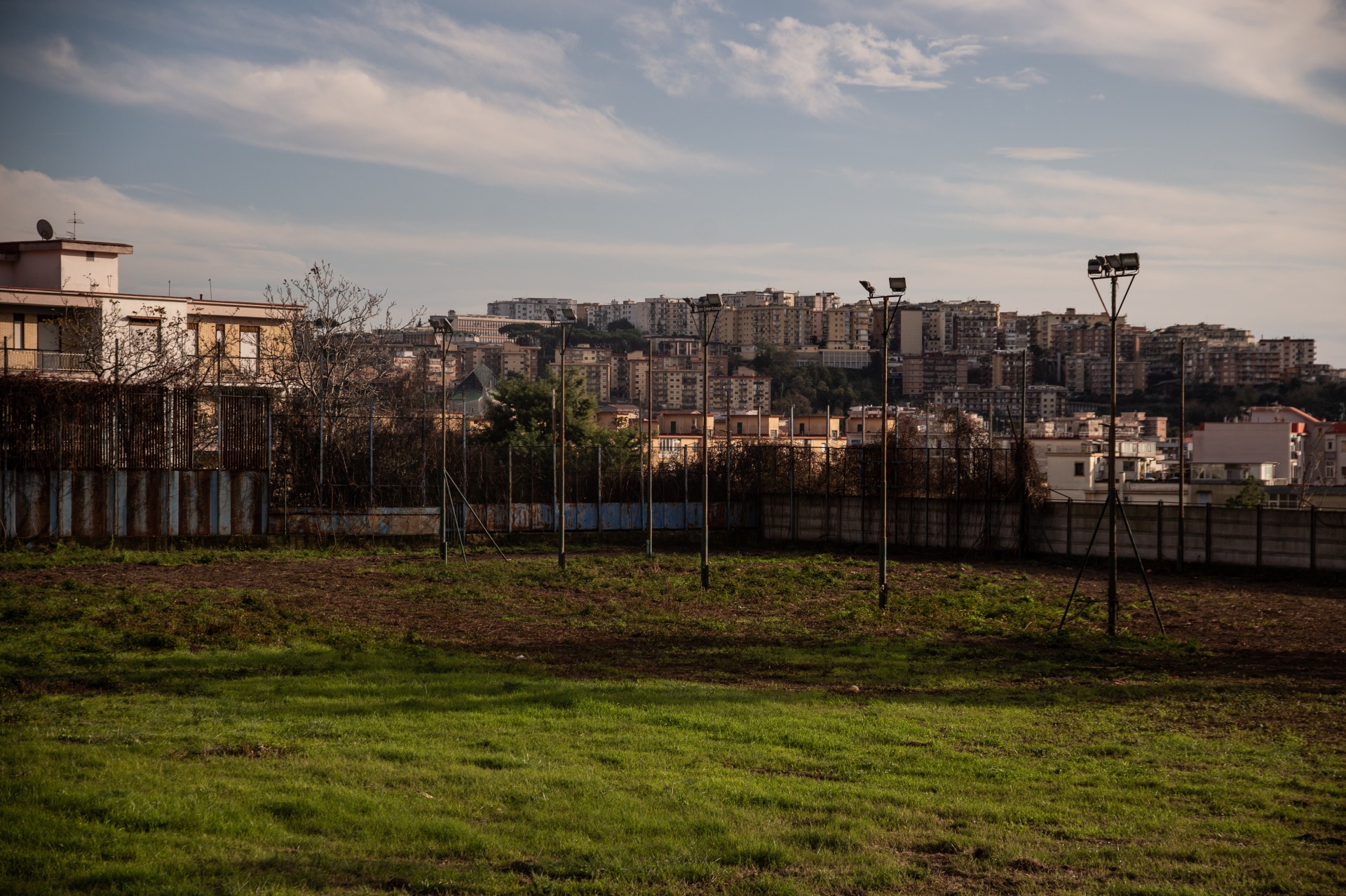
The structure was Napoli’s old training ground, Centro Paradiso, in the Soccavo region in the west of the city.
Centro Paradiso had been Napoli’s training centre since the 1970s and had welcomed players such as Ruud Krol, Careca, Alemao, Gianfranco Zola and of course, Diego Maradona.
It was abandoned after Napoli were declared bankrupt in the summer of 2004. Left exposed, it was vandalised and had become an eyesore. But it was where Cannavaro had worked his way through Napoli’s youth system in the late 1980s and early 90s.
He bought the property in the summer of 2022 and last year told the Guardian: “It’s part of Napoli’s history, Maradona’s history, but it’s also my own story.”
“I arrived there when I was 10, I played the youth competitions there, all the steps with Napoli: we played with the Primavera, I went to the first team, we slept there during training camps. It was my home.”
Cannavaro was born in Rione La Loggetta, a series of buildings within Soccavo that were constructed in the mid-1950s. “This was my place, we played everywhere,” he told DAZN. “The perfect time to play was between 2.30 and 4.30pm so as not to disturb the neighbours.
“It’s different today but in the 1980s this neighbourhood was mostly full of young people playing in every corner. I had a good childhood, beautiful memories. I had a lot of friends and I was lucky to live in a popular area.”
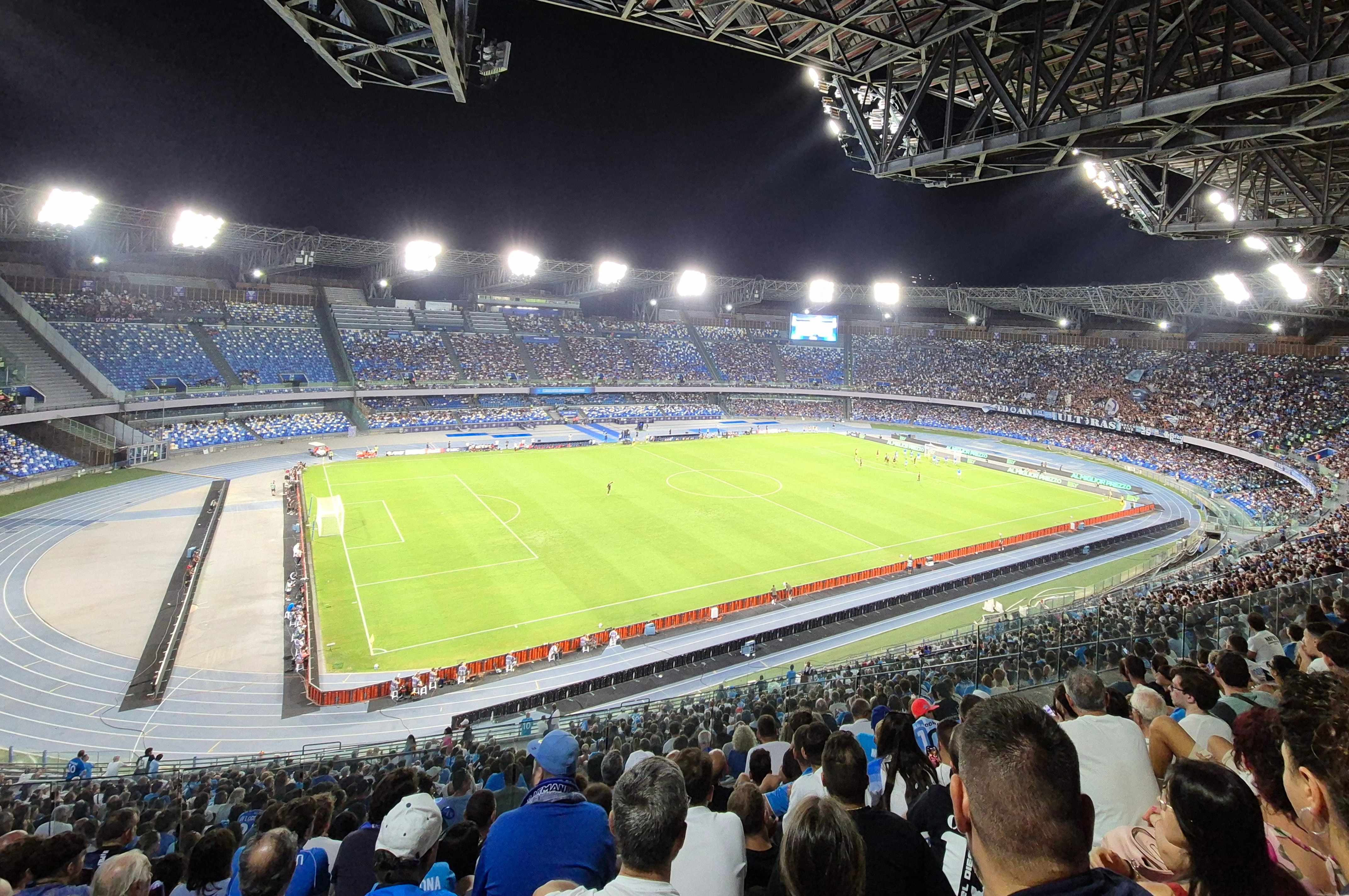
After years of kicking balls on to people’s balconies and having to knock on doors to ask for them back, the future Parma, Inter and Juventus star outgrew Soccavo, and most of his street football was played further south in Fuorigrotta. To be precise, Cannavaro’s playground was in the shadow of the cavernous Stadio San Paolo.
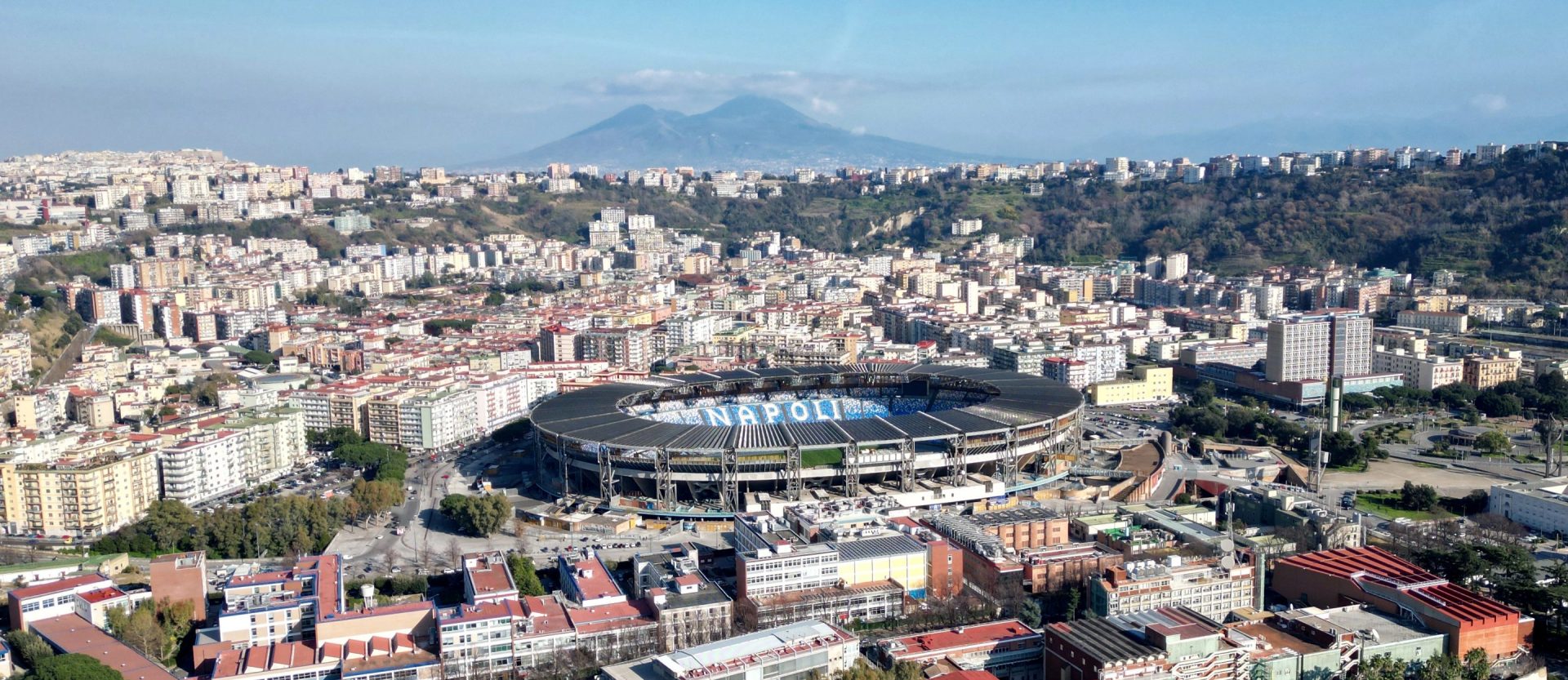
Fuorigrotta is where the stadium stands tall and this lively area is full of places to eat and drink on matchday, including Bella Napoli (for the best pizza) and Caffetteria degli Azzurri where the coffee cups have pictures of Maradona on them and football shirts hang proudly.
With many parts of Naples condensed, houses stacked on top of each other, streets so small cars can’t navigate through, the area surrounding the San Paolo, renamed the Stadio Diego Maradona following his death in 2020, feels like the plains of Montana in comparison.
In truth, not much has changed since Cannavaro’s younger days. Today the area surrounding the stadium has – despite its nice selection of bars and pizzerias – the same vast open spaces that existed when he was young, perfect for playing games of football and cutting your teeth against much older scugnizzi – the Neapolitan slang word for street kid.
As Cannavaro was noticed by Napoli and started his apprenticeship, first by being a ball boy and then graduating into training with the age groups, he eventually got to mingle with the stars of the era, from Ciro Ferrara and Fernando De Napoli to Careca and, eventually, Maradona.
The youngster had posters of the Argentina icon on his wall, and was now facing him in training. As Cannavaro tells the story, one incident could’ve ended his career before it started.
“I’m finally going to train with Maradona,” he excitedly told Ferrara. “No, no, you don’t just go and train with Maradona,” Ferrara shot back. “You don’t just go and tackle Maradona. The ball never leaves his feet.”
“One day, Maradona started to come toward me, the ball tapping off his toes with each dribble,” Cannavaro told The Players Tribune. “Without a thought, I made a move for the ball. Suddenly I felt the eyes of my team-mates and my trainers on me.
“The only person smiling was Maradona. And at the end of training, he walked up to me and handed me his boots.”
Cannavaro became one of the greatest defenders in modern history, yet the scugnizzo inside him never went away.
“In the early years after training with the first team, I’d go and play on the streets with my mates, using rubbish sacks as goalposts,” he told FourFourTwo. “I didn’t want to miss that. It’s a way of playing.”
Fast forward a few decades and Italy’s last World Cup-winning captain is hoping the renovation and eventual reopening of Centro Paradiso can inspire future generations of scugnizzi to follow in his footsteps. From the streets to the Azzurri.
“It has to live again, also to give something back to the city of Naples,” he said in the Guardian interview. “It carries the memories of generations who used to come watch Napoli train. It deserved to be brought back to life.”
Since hanging up his boots he has travelled far and wide as a manager – China, Saudi Arabia, Italy, Croatia – and was in charge of Uzbekistan at the World Cup. He has spoken of his desire to one day take charge of the Azzurri, having pulled on the shirt as a player 136 times.
Yet Cannavaro has never forgotten the area where he first honed his skills. A street footballer who rose to the very top, and who now wants to give back.
And who knows, one day a new Cannavaro might graduate out of Centro Paradiso and play for Napoli.
Related Topics
Related Articles
Related Articles
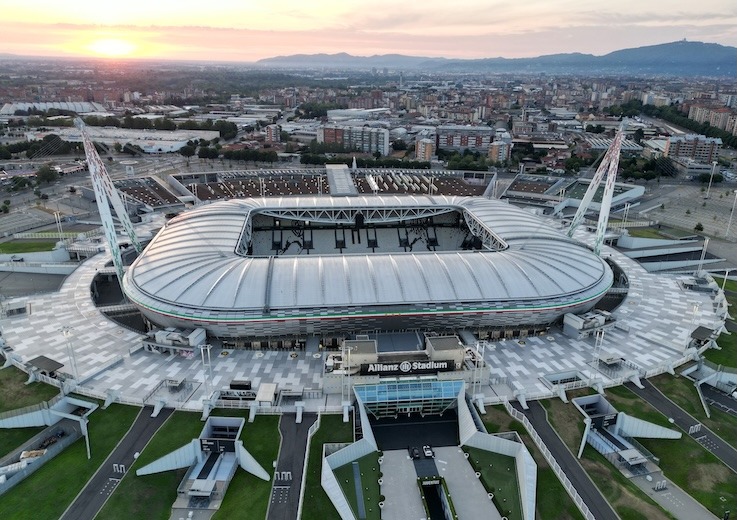
Some of the biggest grounds in the country must be replaced or renovated before the European Championship kicks off.
The Italy team take their home home games to all corners of the country but some of the high-profile destinations have been ignored.
From the Roman Empire to the Renaissance to the modern day, Italy can often seem like a living museum.