
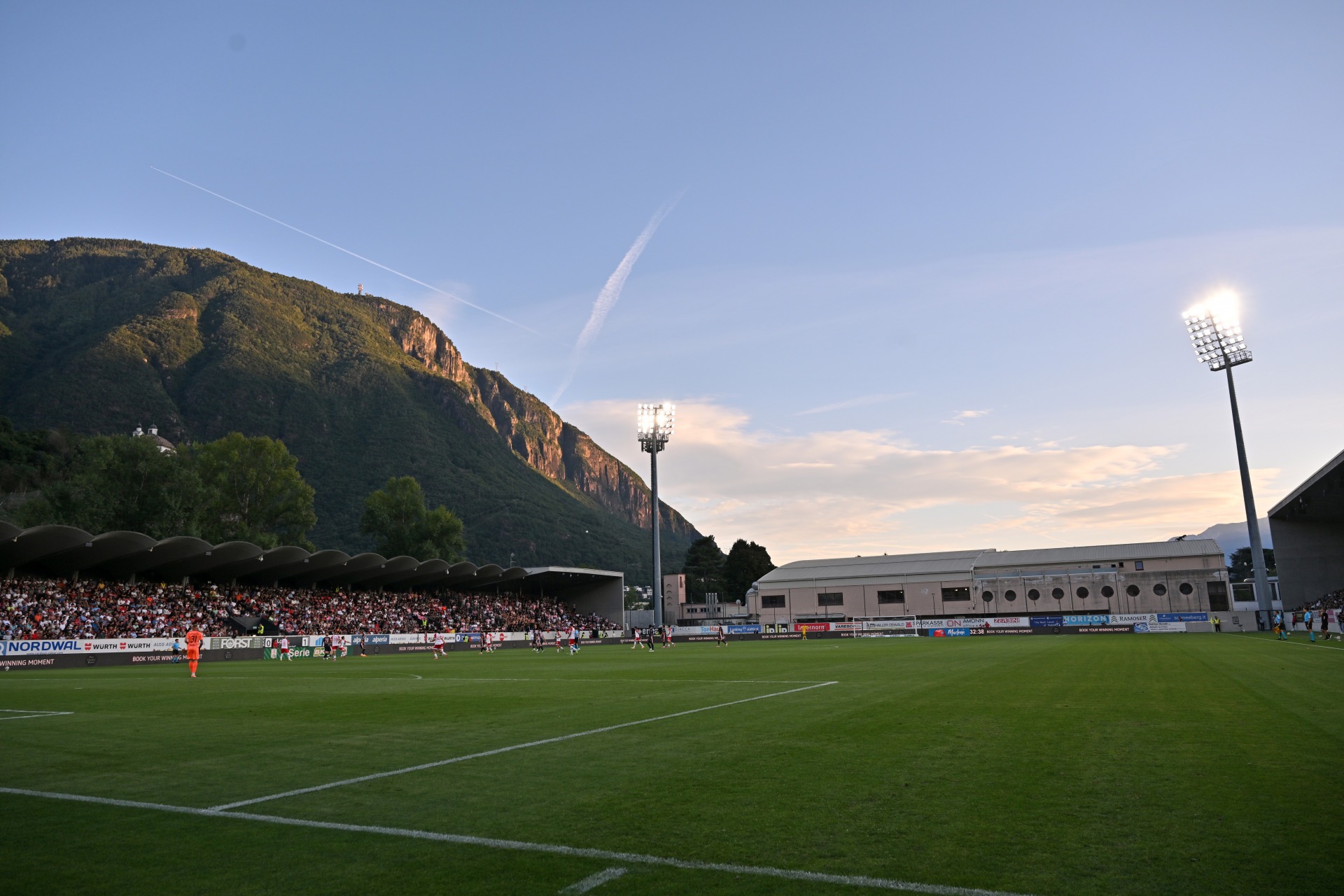
One of Serie B’s oldest grounds, Sudtirol’s Stadio Druso is also one of the smallest, with a capacity just north 5500.
Built in 1936, the ground takes its name from ancient Roman military commander Drusus the Elder, the man responsible for building the first bridge over the Eisack River close to present-day Bolzano.
The ground was used to hold prisoners during World War Two and hardly any structural changes were made after the conflict ended, with the Druso’s slow but steady deterioration – typical of several grounds across Italy – culminating in the closure of the main stand in the 1990s due to safety concerns.
The ground underwent a major overhaul between 2019 and 2021, which saw the pitch moved from its original position, while the main stand was completely rebuilt to increase capacity.
Here is all you need to know.
What Makes It Special?
The location. One of the smallest grounds in Serie B, the Druso doesn’t top anyone’s list when it comes to intimidating atmospheres. But for setting, few stadiums in Italy are more picturesque.
Nestled on the edge of the Eisack River, the ground offers a near-perfect view of the Dolomites, Trentino’s most famous natural feature and one of the most stunning in Europe.
The Druso has two stands, both running along the sidelines and close to the action due to the lack of a running track. The viewing experience, however, is made rather odd by the lack of a stand behind either goal.
The ground was initially revamped in 2000 when Sudtirol’s promotion to Serie C2 – then the fourth tier of Italian football – saw them move from Bressanone to Bolzano.
Sudtirol and FC Bolzano 1996 shared the Druso until the latter merged with Virtus Don Bosco in 2015 to create Virtus Bolzano, who last season won promotion to Serie D, the top tier of non-professional football in Italy.
How To Get There
The Druso is a 15-minute walk from the main train station and a 20-minute walk from Piazza Walther in the old town. Buses stop along Viale Druso and Via Roma on matchdays, and both stops are five minutes from the ground. Tickets are available on board.
The Druso is a five-minute cab ride from Bolzano’s main train station and Piazza Walther, the old town’s main square.
There are three car parks available and they are all about a 10-minute walk from the ground.
Neighbourhood Tips
There are food trucks selling beer and sandwiches on Viale Druso and Viale Trieste, just across the road from the ground. Walk further up the same street and you will find yourself on Via Roma, one of Bolzano’s main thoroughfares with several bars and cafes.
Bar Hollywood on Viale Trieste is the perfect spot for a pre-match drink, while Bar Bocciodromo just down the road behind the ground is the textbook no-frills experience. Expect people spilling onto the road with beers in plastic cups, and the same goes for Bar Firenze on Viale Druso.
If you fancy a bite to eat, head to Braceria Pizzeria Lu on Via Verona, Uniravioli on Viale Trieste or Un Melograno on Via Verona. All of them are about a 10-minute walk to the ground.
You have more pizza options up the road just off Via Zara in the shape of La Veneziana, on the corner with Via Venezia, and Nuova Tortuga in Piazzetta Mazzoni, which specialises in pizza and beers.
Need To Know
The liveliest section of the stadium is the Gradinata Nord – the home of the ultras, at the far end of the Tribuna Canazza. A smaller section of ultras are housed right across the ground in the Tribuna Zanvettor. The away end is in the Settore 6 and is one of the smallest in the division with a capacity of 624.
Tickets
The ticket collection booths are located by the main stand, the Tribuna Zanvettor.
Related Topics
Related Articles
Related Articles
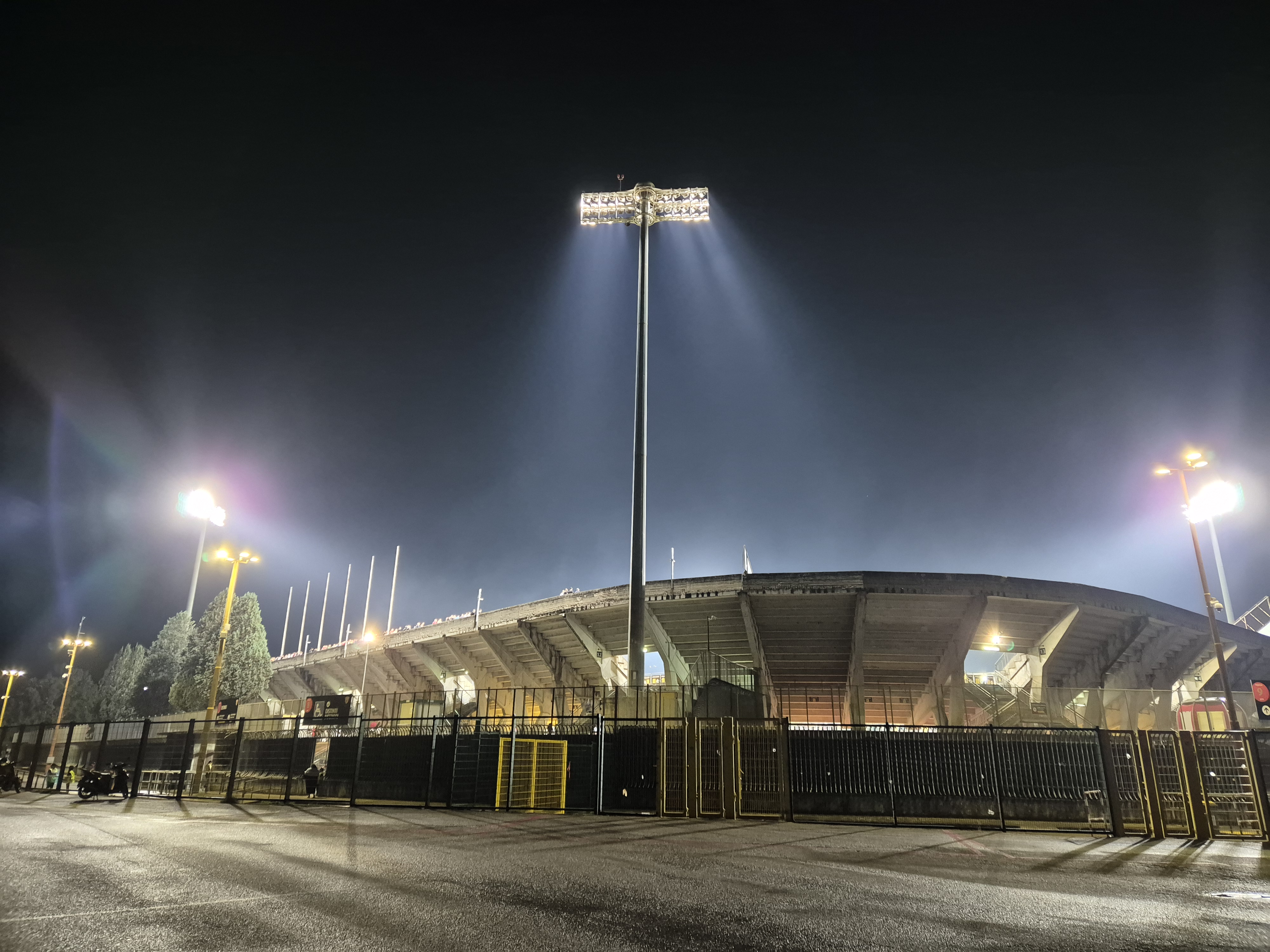
The Vigorito one of the more boisterous stadiums in southern Italy, no matter the division the club find themselves in.
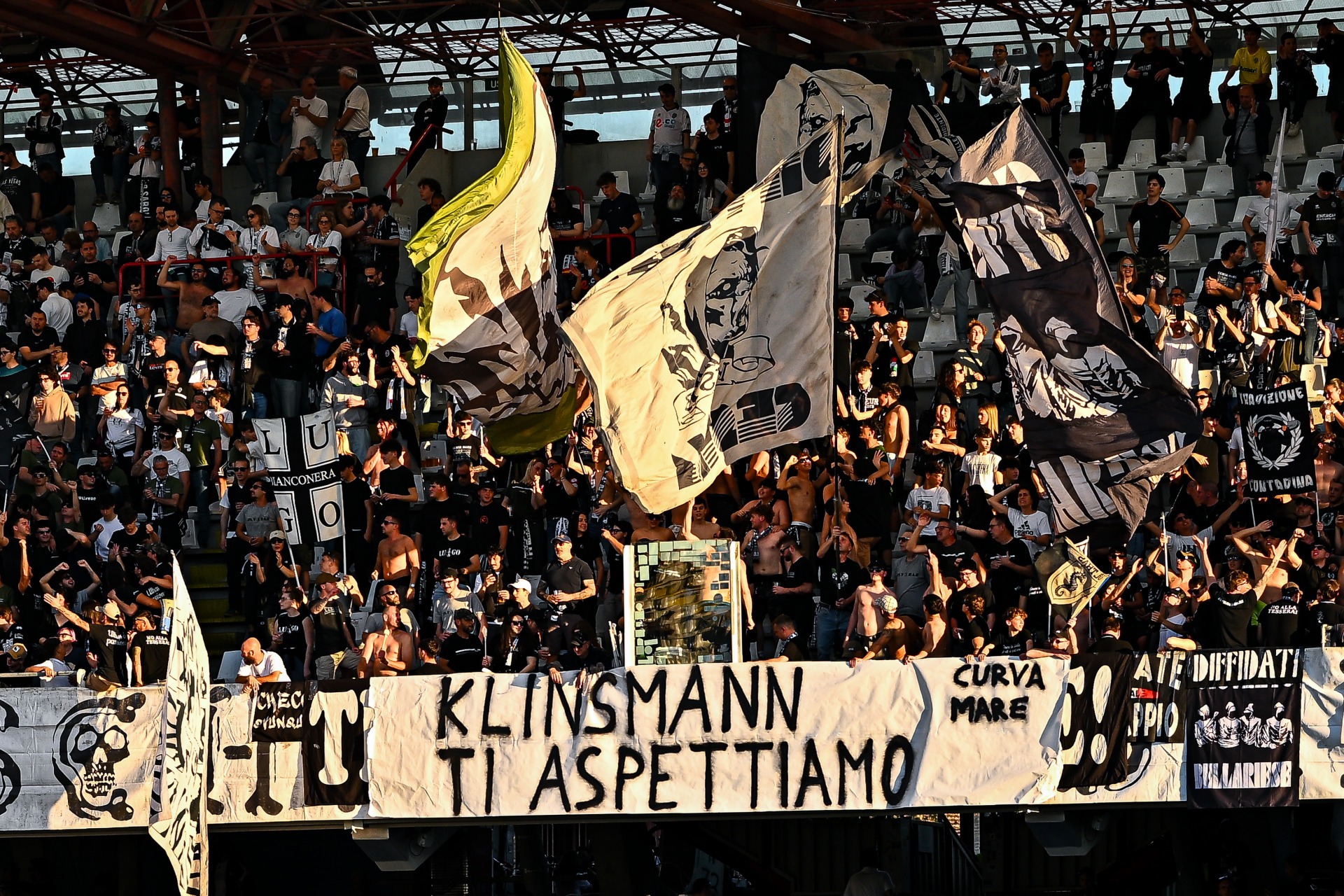
Home to the Seahorses since 1957, the Manuzzi wears its years far better than some newer grounds. Here is all you need to know.

Here is everything you need to know about the impressive little stadium Giana Erminio call home.