

Ravenna is best known for its Byzantine mosaics and as the city where Dante Alighieri is buried.
Football here has a long history too, and since 1966 it has been played at the Stadio Bruno Benelli, in the old Borgo San Mama area south of the centre.
The ground took years to build. Planning began in 1958, and the work went ahead in stages through the early 1960s. The first match, against Carrarese, was played on September 25, 1966 and Ravenna won 1-0. Four days later came the official opening, a friendly against Juventus.
Here is everything you need to know.
What Makes It Special?
The stadium was designed by the Rome architects Cerri and Giorgetti for football alone, with no running track, so the stands sit close to the pitch. It replaced the old Darsena ground, which Ravenna had used since 1931. For its first few years it was simply the Comunale. In 1970 it was named after Bruno Benelli, the mayor of Ravenna between 1963 and 1967.
The big moment came in 1993, when Ravenna reached Serie B and the stadium was expanded with steel stands. A young Christian Vieri led the line in the second tier, scoring 12 goals in 32 games on his way to the top.
The Benelli has been used for more than football. In 1988 it hosted a world middleweight title fight as Sumbu Kalambay beat Robbie Sims, and over the years it has also been a concert venue.
How To Get There
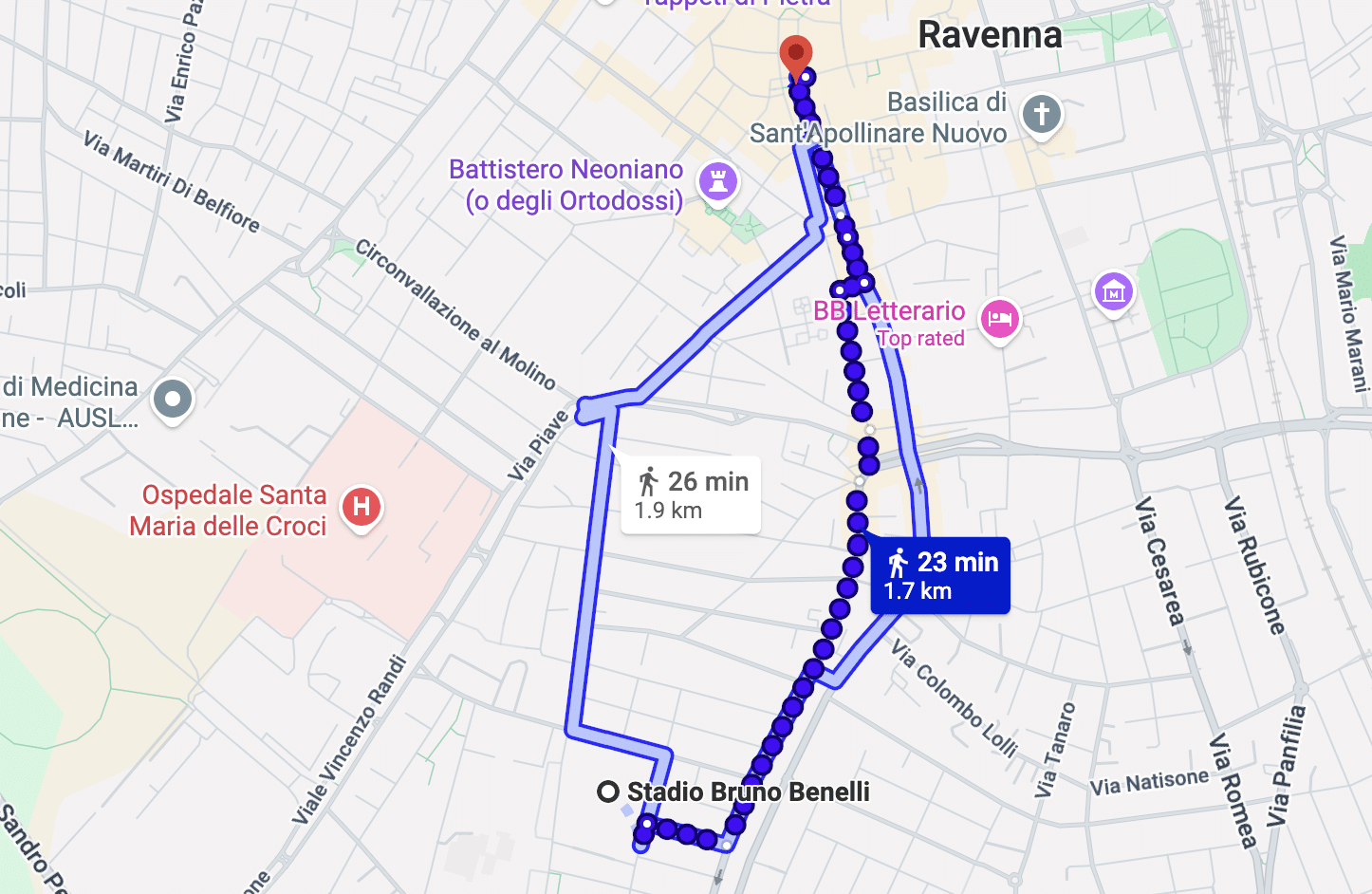
The stadium is on Via Punta Stilo, about a 20-25-minute walk from Piazza del Popolo in the city centre. Ravenna is flat and built for bicycles, and cycling is a good way to reach the ground. If you are driving, follow the SS16 Adriatica and the signs for ‘Stadio’ from the roundabout on Via Ravegnana. Home fans can use the car parks at Piazzale del Commercio and Via Falconieri, near the municipal swimming pool.
Map
Neighbourhood Tips
Bar Rita on Via Ravegnana is a family-run bar that has been there for generations, and a good place for an early coffee on the way to the ground. It is closed on Thursdays. Ravenna is in Romagna, so lunch should be a piadina. La Romagnola, a small kiosk on Via Monfalcone, is said to be the oldest piadineria in the city, and it is between the centre and the stadium. For an evening kick-off, Downtown Pub on Via San Mama is a short walk from the ground and has a beer garden and big burgers. It opens in the evening only.
Need To Know
The home support gathers in the Curva Mero, at the north end of the ground. It is named after Vittorio Mero, a defender who captained Ravenna in the 1990s and helped the club win promotion to Serie B. He died in a car accident in January 2002, aged 27.
The other sectors are the numbered main stand, a side stand and the parterre. The away section is on the Via Punta Stilo side, with its own entrance and car park. The stadium is officially listed as holding around 12,000, but the licensed capacity is much lower: just under 5000 at the start of the 2026-27 season, away sector included. The old steel structures in the Distinti were removed in the summer of 2026, and half of that stand, on the Curva Mero side, is closed while it is rebuilt. When the work finishes, expected in January 2027, capacity will rise to 6293. Big matches sell out quickly, so buy early.
Tickets
Tickets are sold online through the club’s TicketOne page and, when available, at the stadium box office on matchday. Season tickets and the club’s Fidelity Card are handled through the Ravenna FC website.
Related Topics
Related Articles
Related Articles
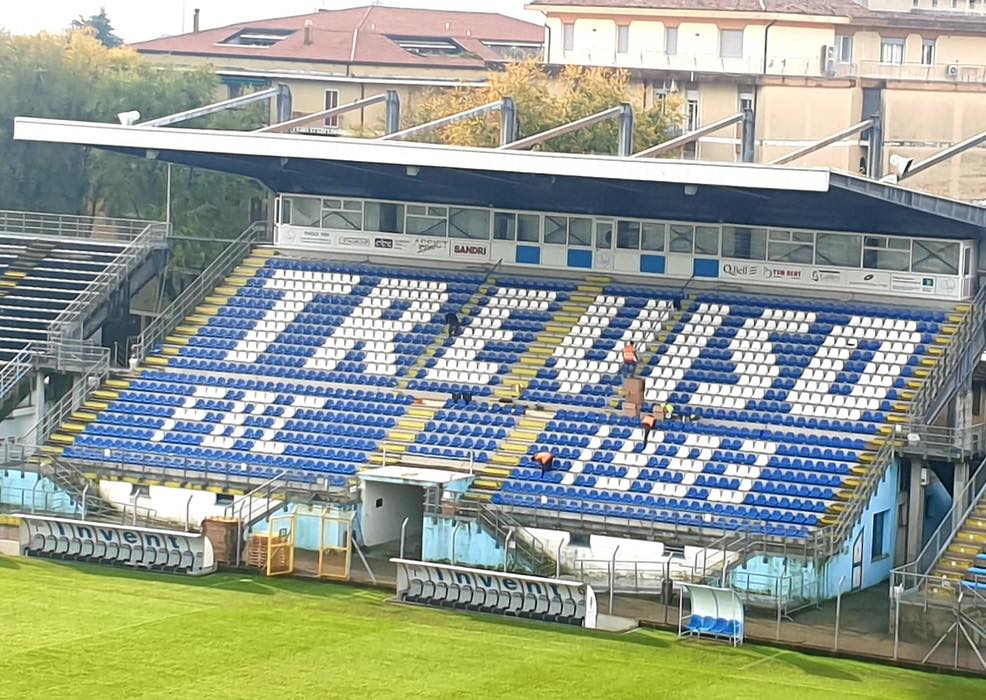
The ground sits just outside the old walls, a short walk from the historic centre, and has been the home of Treviso since 1933.
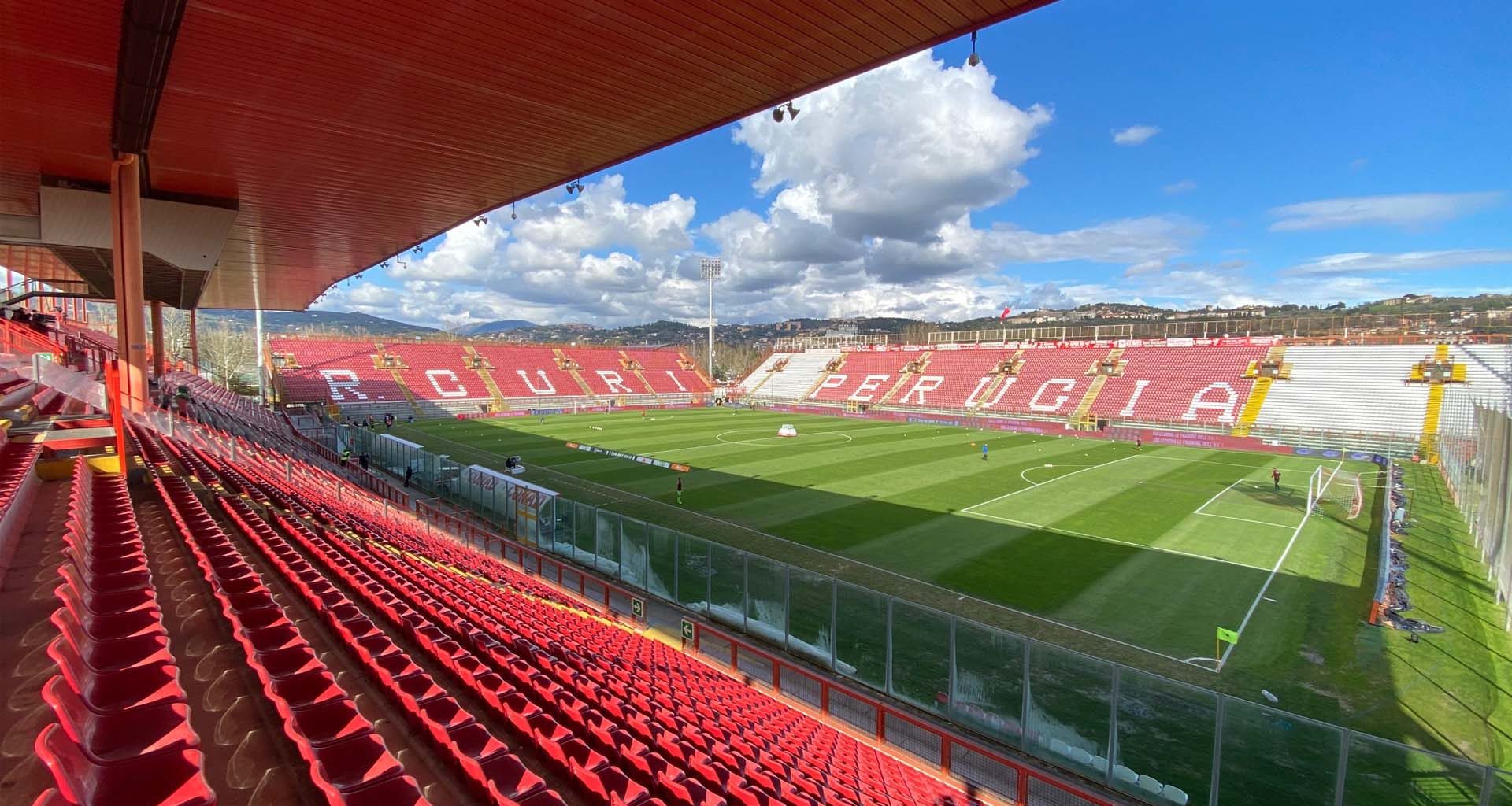
First called the Stadio Comunale di Pian di Massiano, it later took the name of the player the city still remembers above all others.
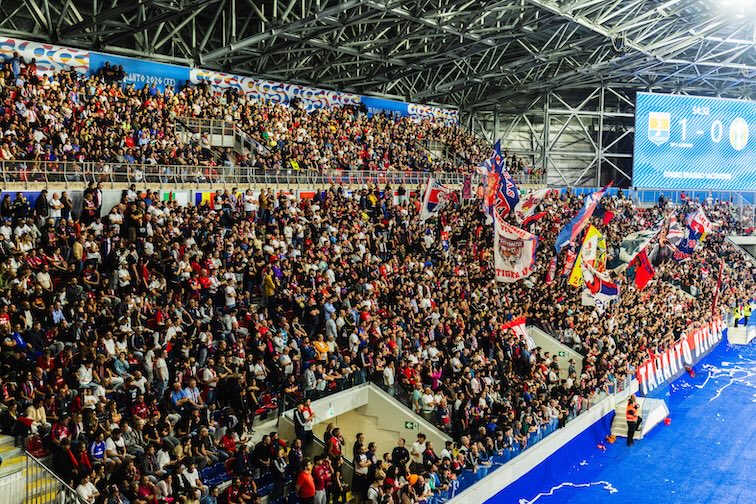
Despite playing in the fifth tier, Taranto now have one of the best grounds in the country, a glistening 20,000-seat arena.