
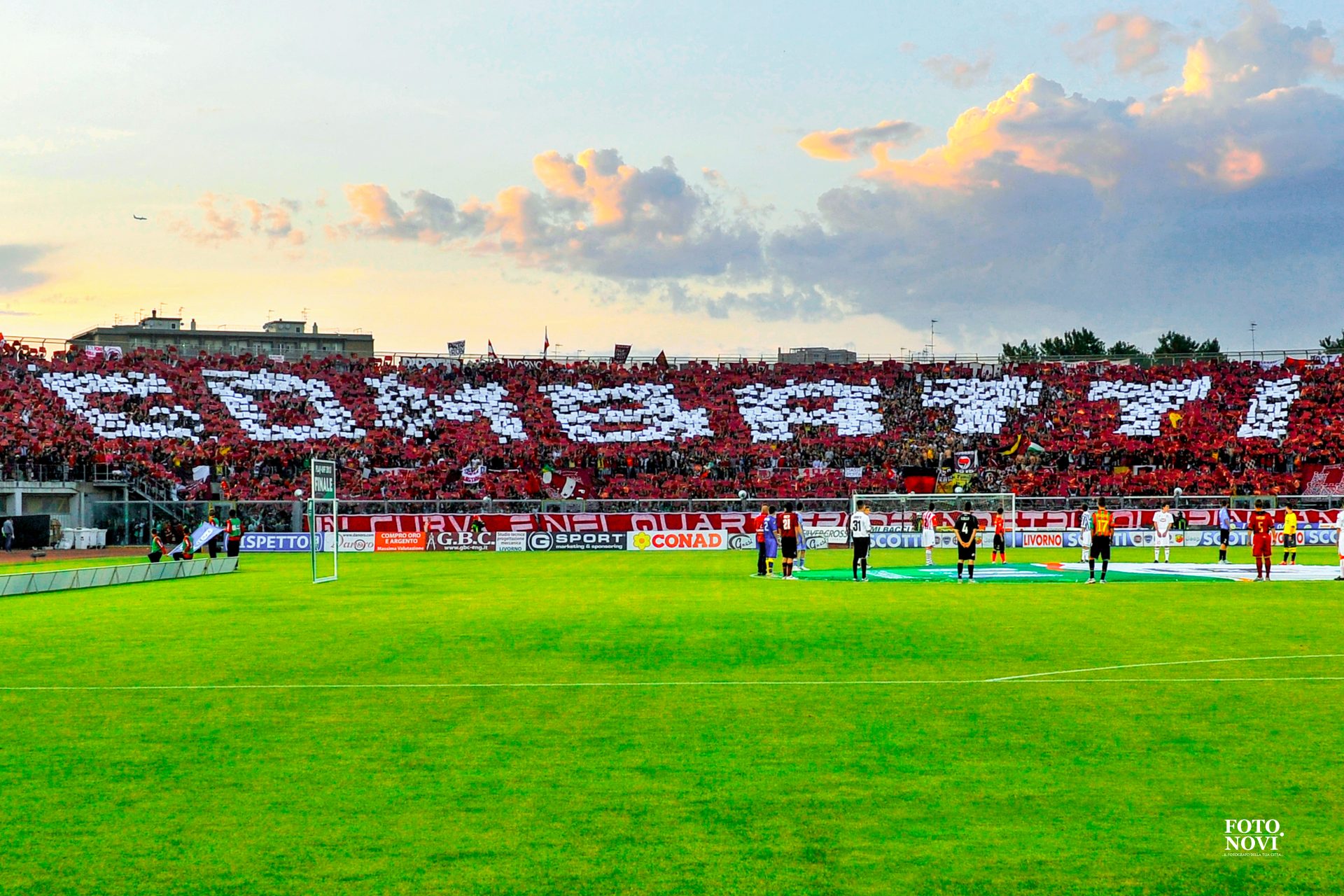
It has had four names. It opened in 1935 as the Stadio Edda Ciano Mussolini, named for the dictator’s daughter; after the War, with the city under Allied occupation, it was known for a period as the Yankee Stadium; then, for decades, simply the Comunale. Since 1990, it has carried the name of Armando Picchi.
Picchi was born in Livorno and took his first steps as a professional in the Amaranto shirt before becoming the sweeper and captain of Herrera’s Grande Inter, winning three league titles, two European Cups and two Intercontinental Cups. He died at 35.
Here is all you need to know.
What Makes It Special?
Before this ground existed, Livorno played at Villa Chayes – a pitch with stands built on a private estate, in the manner of the era, and their home from the 1915 merger until 1933.
The new stadium was commissioned in 1932 on land at the edge of Ardenza, next to the Naval Academy, and it was the first major reinforced-concrete structure in the city. The architect was Raffaello Brizzi.
Ninety years on, you can still read the intent in it: the projecting entrance block on the main stand, the two curved walls that fold back into the building, the five doors under the canopy. It is one of the better preserved 1930s grounds in Italy, even where the concrete is tired.
Its biggest afternoons came almost immediately: in 1942-43 it staged the meeting with the Grande Torino at the height of a title race Livorno would lose only on the final day of the season.
Capacity today is 14,267, all seated – considerably more than Serie C fills, which means the Picchi in the third tier can look sparse and sound enormous at the same time. The ground sits a few hundred metres from the sea.
The sectors carry three names. The Gradinata has been named after Piermario Morosini since April 14, 2013 – one year to the day after the 25-year-old Livorno midfielder collapsed and died on the pitch at Pescara. The Tribuna Centrale carries the name of Mauro Lessi, the defender who held the club’s appearance record until 2022-23. And the Curva Nord is named for Fabio Bettinetti, a Livorno ultra who died of illness in July 2020.
In June 2026, more than 10,000 people filled it in silence for former striker Igor Protti’s coffin. If you want to understand what this ground means to this city, that is the number to hold on to.
How To Get There
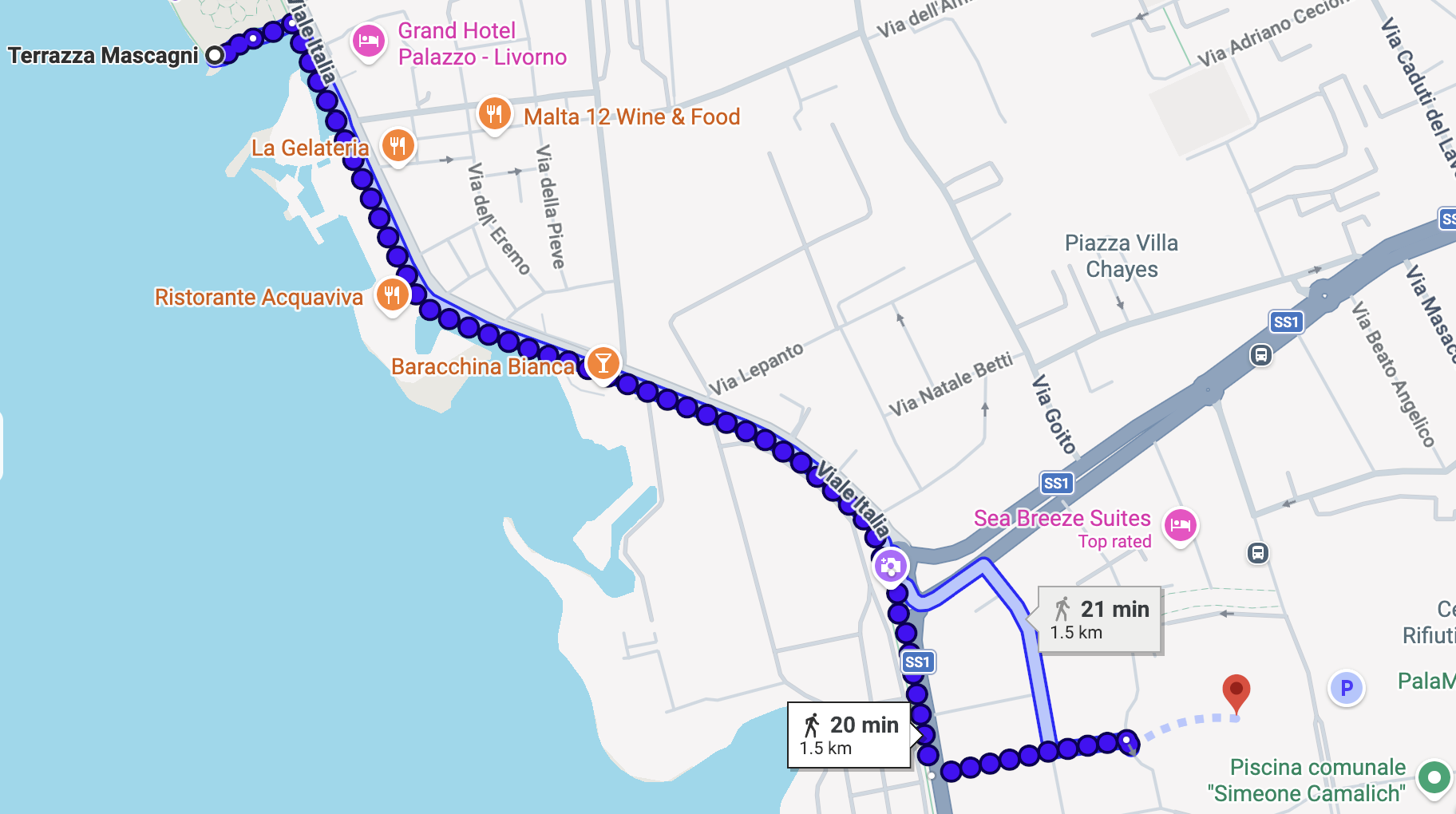
The stadium is at Piazzale Montello, in the Ardenza district, roughly 3km south of the city centre. The nicest way is on foot along the waterfront: from the Terrazza Mascagni it is about 20-25 minutes south along Viale Italia, with the sea on your right the whole way. Otherwise the coastal bus routes from the centre and from Livorno Centrale station drop you within a few minutes’ walk.
Parking in Ardenza is residential and tight on matchdays.
Map
Neighbourhood Tips
Ardenza is a quiet district of two- and three-storey villas, with the floodlight pylons rising above the rooftops – and there are plenty of restaurants and pizzerias in the surrounding streets, which is the sensible place to eat after the final whistle rather than trekking back into the centre.
The Naval Academy is 500 metres away, which gives the area an unexpected formality: officer cadets in uniform on the same pavements as the matchday crowd.
Need To Know
The curva’s traditions are left-wing, in keeping with the city’s. You will see it in the flags and you will hear it in the songs. Its friendships run accordingly: twinnings with Olympique Marseille and AEK Athens, an old bond with Celtic, good relations with Ternana, Empoli, Atalanta and Torino.
For a visiting neutral, what matters in practice is simpler: the Nord is loud, organised, welcoming to guests who come for the football, and the sector any first-timer should choose. The atmosphere is at its fiercest for the fixtures that matter – anything involving Pisa above all.
Tickets
Sold online and at authorised outlets, with the ticket office at the ground on matchdays. Prices in Serie C are modest and availability is generally good outside derby fixtures – but restrictions imposed by the local prefecture are common for higher-risk games, so check the club’s site before you travel.
Related Topics
Related Articles
Related Articles
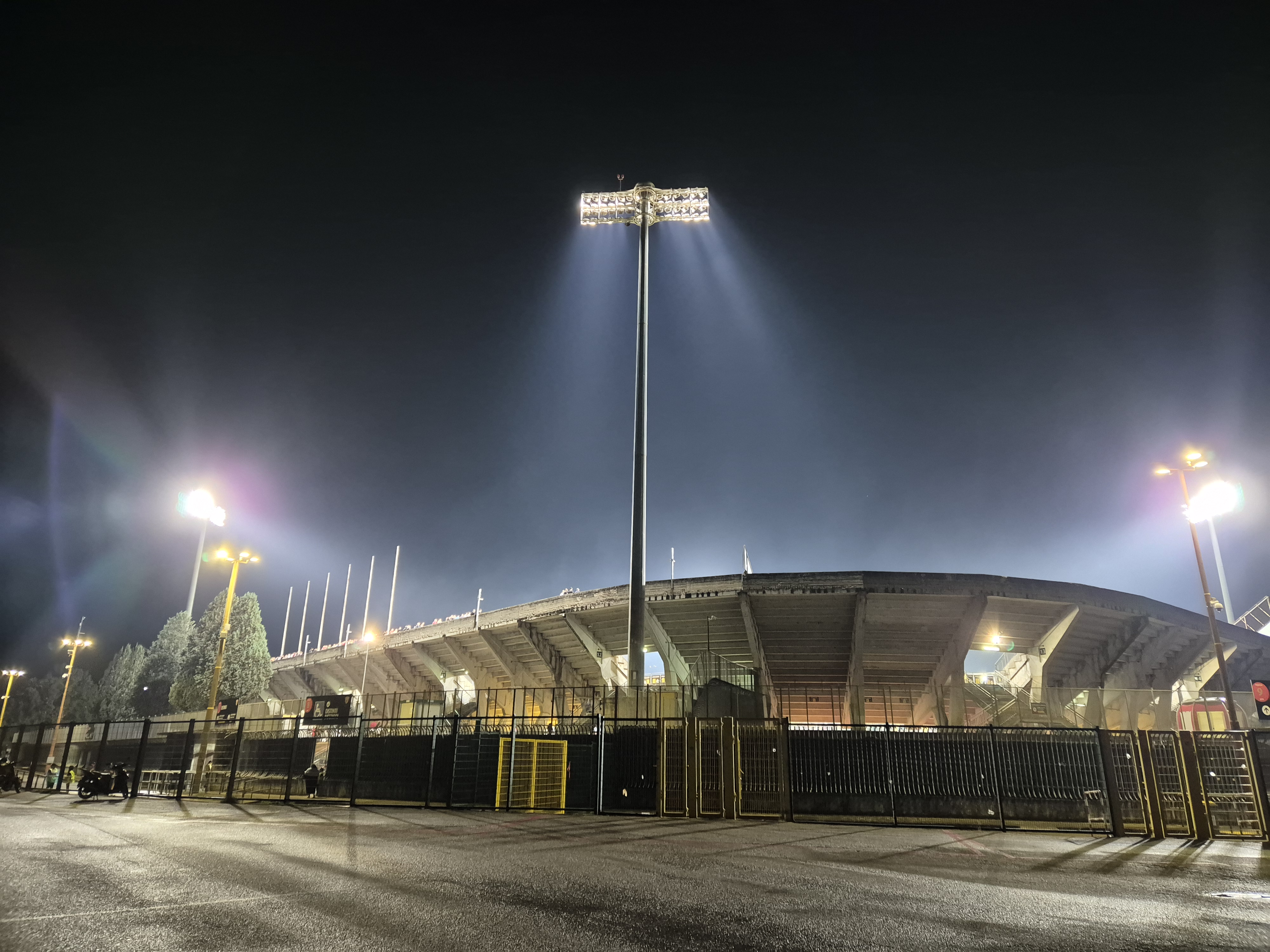
The Vigorito is one of the more boisterous stadiums in southern Italy, no matter the division the club find themselves in.
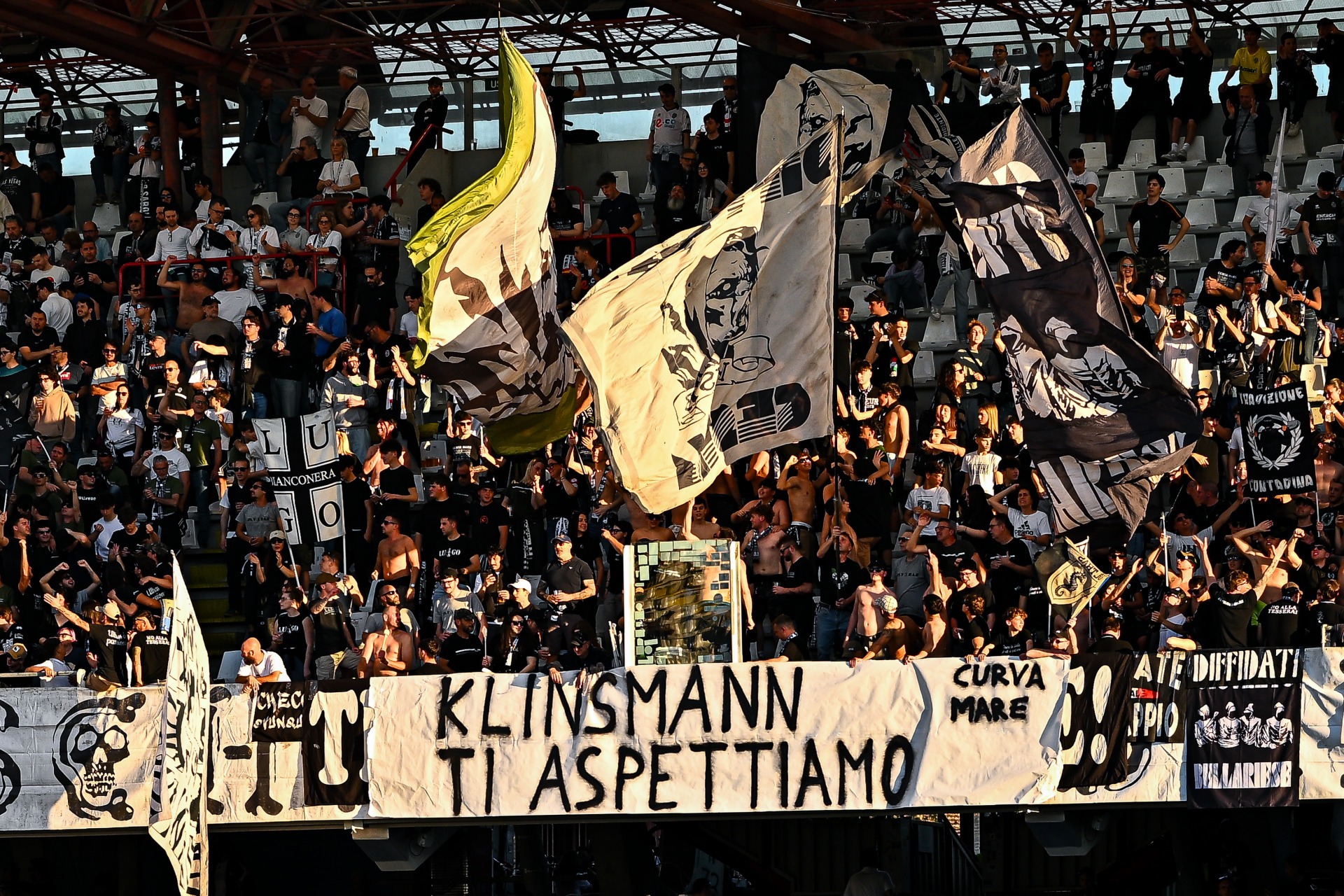
Home to the Seahorses since 1957, the Manuzzi wears its years far better than some newer grounds. Here is all you need to know.

Here is everything you need to know about the impressive little stadium Giana Erminio call home.