
The Magic that Makes Serie A the Perfect Destination for Every Football Tourist
By Dan Cancian
It’s always tempting to look back at Italian football and the glorious era when Serie A was the greatest league in the world.
Those days may be long gone, with the financial muscles of the English Premier League getting bigger every year, but there will always be something special about calcio’s top tier.
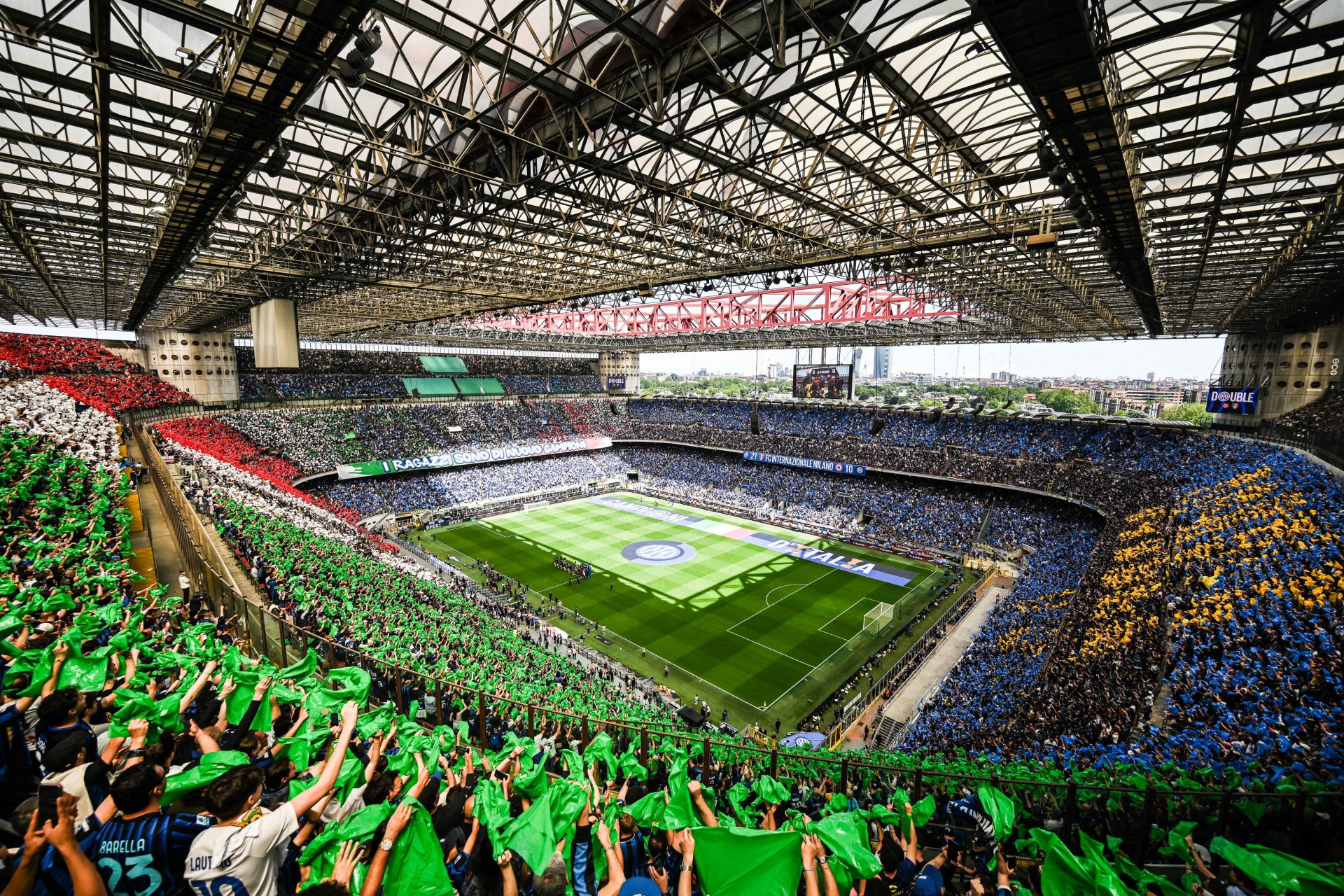
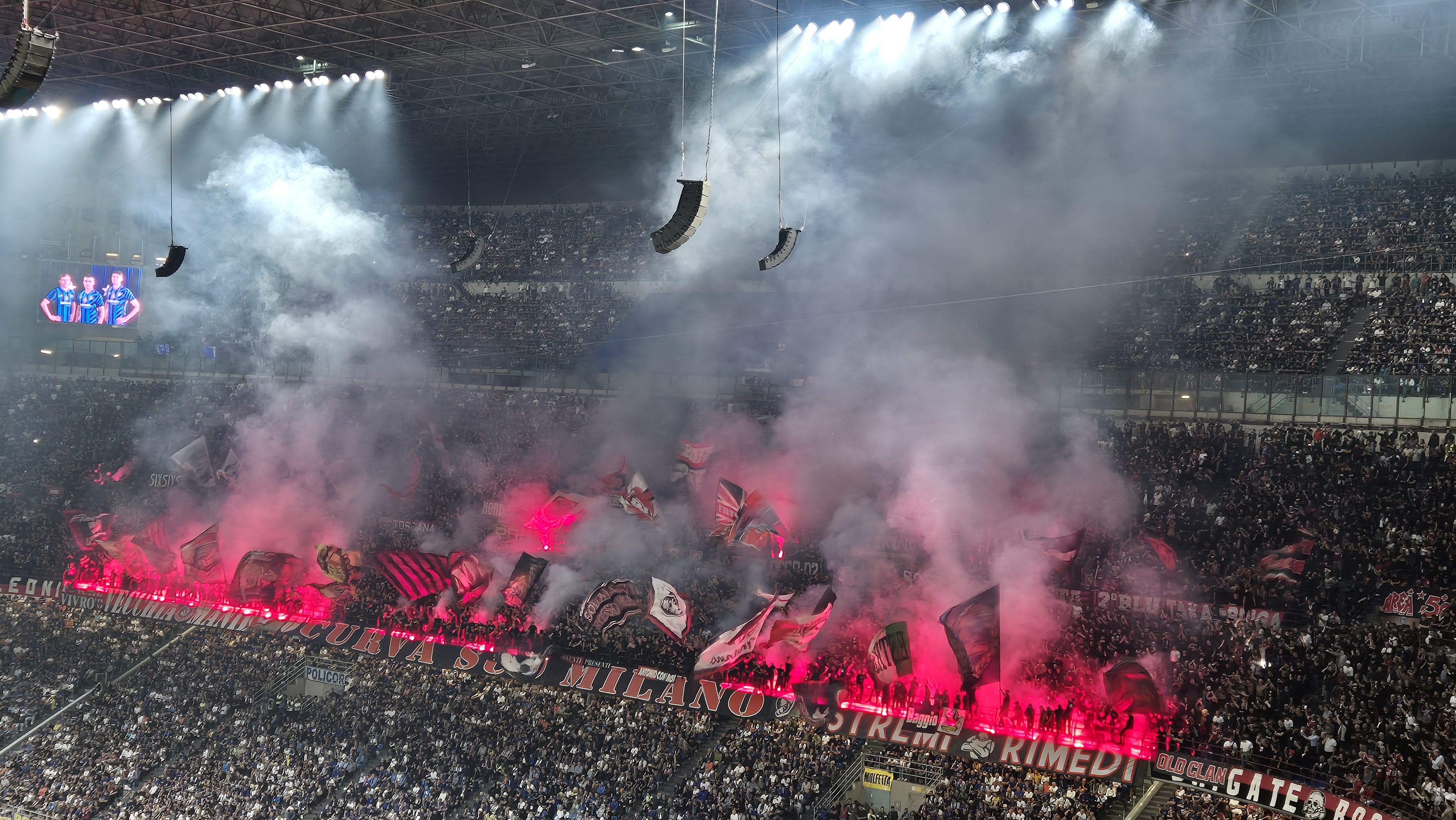
Consider the stadiums, the noise, the flares, the ultras, the beer kiosks, the food trucks and, in a league with something to prove, the excitement and unpredictability.
No club has successfully defended the title since Juventus won their last of nine consecutive crowns in 2020. The likes of Atalanta, Bologna and Como have disrupted the status quo over the past five years, qualifying for the Champions League and, as far as the former two are concerned, lifting a trophy too.
And while the calibre of players may have declined from the levels of its heyday in the 1980s and 1990s, Serie A remains home to some of the best footballers on the planet, such as Inter Milan captain Lautaro Martinez and his team-mate Federico Dimarco, Como starlet Nico Paz and Juventus golden boy Kenan Yildiz.
Then, of course, there are the managers. Serial winners such as Max Allegri and wily old customers Maurizio Sarri and Gian Piero Gasperini trying to keep pace with the great young coaches Cesc Fabregas and Cristian Chivu.
But it’s the stuff off the pitch that makes Serie A truly stand out from the rest. Let’s start with the stadiums.
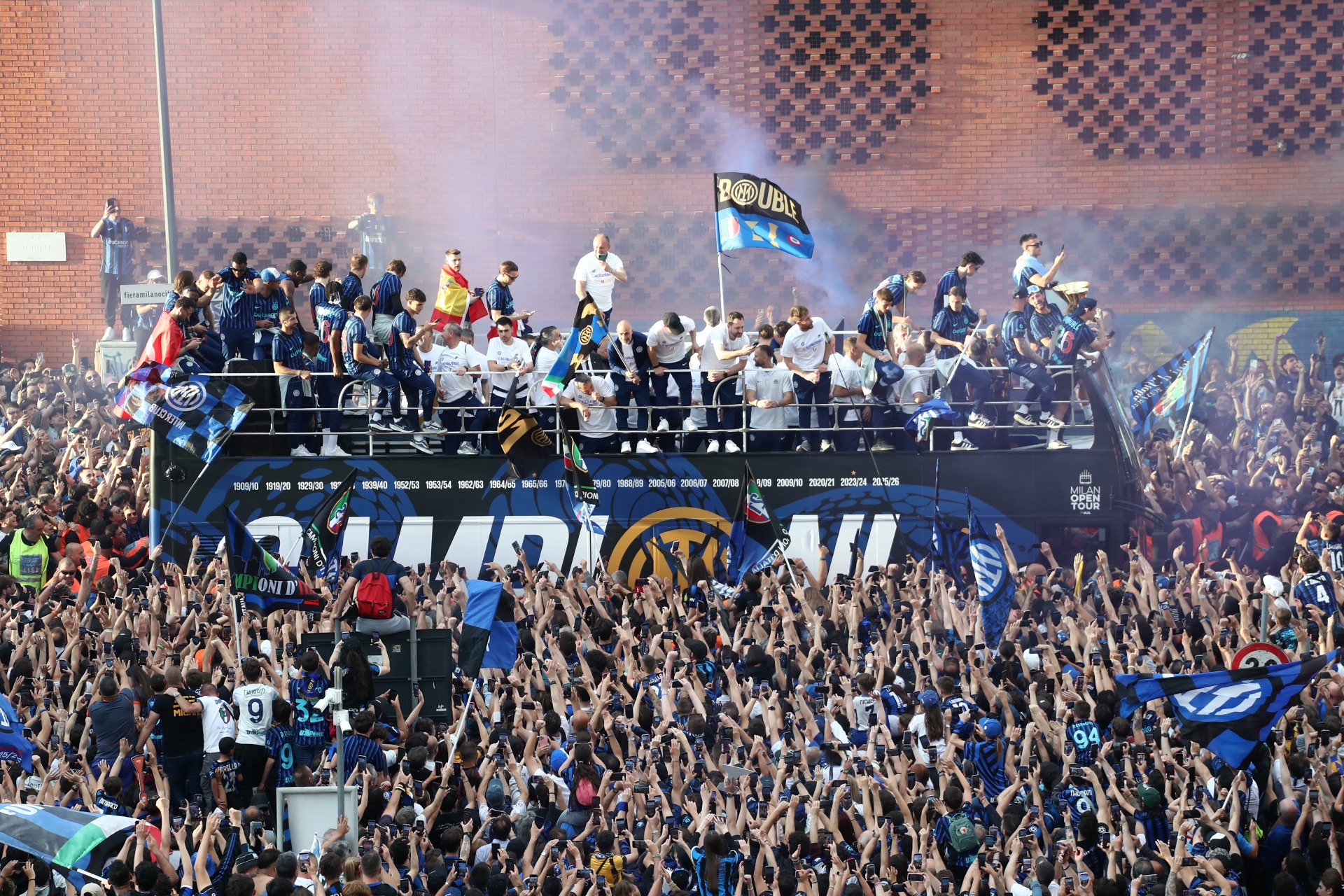
From San Siro to the Stadio Olimpico and from the Maradona to the Luigi Ferraris, watching top-flight football in Italy means you get to visit some of the most iconic venues in football, many of which hosted matches at the Italia 90 World Cup.
Remove the sepia-tinted glasses and with the Allianz Stadium in Turin, New Balance Arena in Bergamo and Bluenergy Stadium in Udine, Serie A boasts some of the most modern grounds across Europe’s top five leagues.
Better still, tickets are easy to come by even for the biggest fixtures and are generally more affordable than in the Premier League.
The cheapest season ticket at Inter Milan this season comes in at €359 (£307), less than a third of the cost of the cheapest season ticket at Arsenal, which will set you back £978.
With San Siro scheduled for demolition in the summer of 2031, the clock is ticking for those wanting to visit one of the great football cathedrals. And the same goes for those wishing to watch a game at the Pier Luigi Penzo in Venice.
The second-oldest stadium in Italy after the Ferraris in Genoa, the Penzo is as unique as Venice itself and, aptly enough, can be reached by boat. It is both a time capsule, a must-visit for ground hoppers and one of the most passionate atmospheres in Italy.
With the Lagunari set to leave what has been their home since 1913 for a new stadium in the Tessera neighbourhood close to the airport next season, now is the time to book a trip to Venice.
Located on the island of Sant’Elena at the southern edge of the city, the Penzo would have a legitimate claim to be the most picturesque stadium in Italy, were it not for the Stadio Sinigaglia in Como.
Nestled on the shores of Lake Como and surrounded by mountains, the Sinigaglia boasts the most scenic backdrop in Serie A. On the pitch, the football has been just as eye-catching under Fabregas, who has piloted the Lariani from Serie B to the Champions League in three years.
European nights may be a thing of the past at Marassi, but watching Genoa at home remains a glorious experience. With its steep English-style ends behind the goals and giant Rossoblu tifo swaying throughout the 90 minutes, the Ferraris is a perfect representation of what still makes Italian football so special.
It may look dated and in need of work, yet it is impossible to escape the feeling of history as you walk through the turnstiles, nor can one remain unmoved by the atmosphere it generates.
The same, of course, can be said of the Stadio Dall’Ara in Bologna, the Stadio Tardini in Parma and the Stadio Artemio Franchi in Florence. Forget about identikit stadiums, these are unique venues in their own right, each with their own idiosyncrasies and traits. And the same goes for the cities.
Travelling across Italy to follow Serie A means exploring vastly different worlds within the same country.
From the history and architectural elegance of Turin to the cosmopolitan vibes of Milan and Rome, all the way to Naples’ Spanish Quarter and open-air shrines to the late Diego Maradona, no two cities are the same.
And then, of course, there is the food. Pizza in Naples, lasagne and tagliatelle in Bologna, agnolotti in Turin, bistecca alla Fiorentina in Florence, cheeses and cold cuts in Carlo Ancelotti’s favourite restaurant in Parma and a spritz in Venice – Serie A may not be what it used to, but Italian football remains as tasty an affair as ever.
That goes for the fixtures too.
In the Derby della Madonnina, the Derby della Capitale and the Derby della Mole, Italy is home to some of the biggest rivalries in world football.
And what of the Derby d’Italia pitting Inter and Juventus, Italy’s two most successful clubs, against each other? Mouthwatering. Want some extra spice this season? How about Allegri returning to San Siro as Napoli manager after his second spell in charge of Milan lasted just one campaign?
Calcio may be many things these days, but it’s never boring.
Related Topics
Related Articles
Related Articles
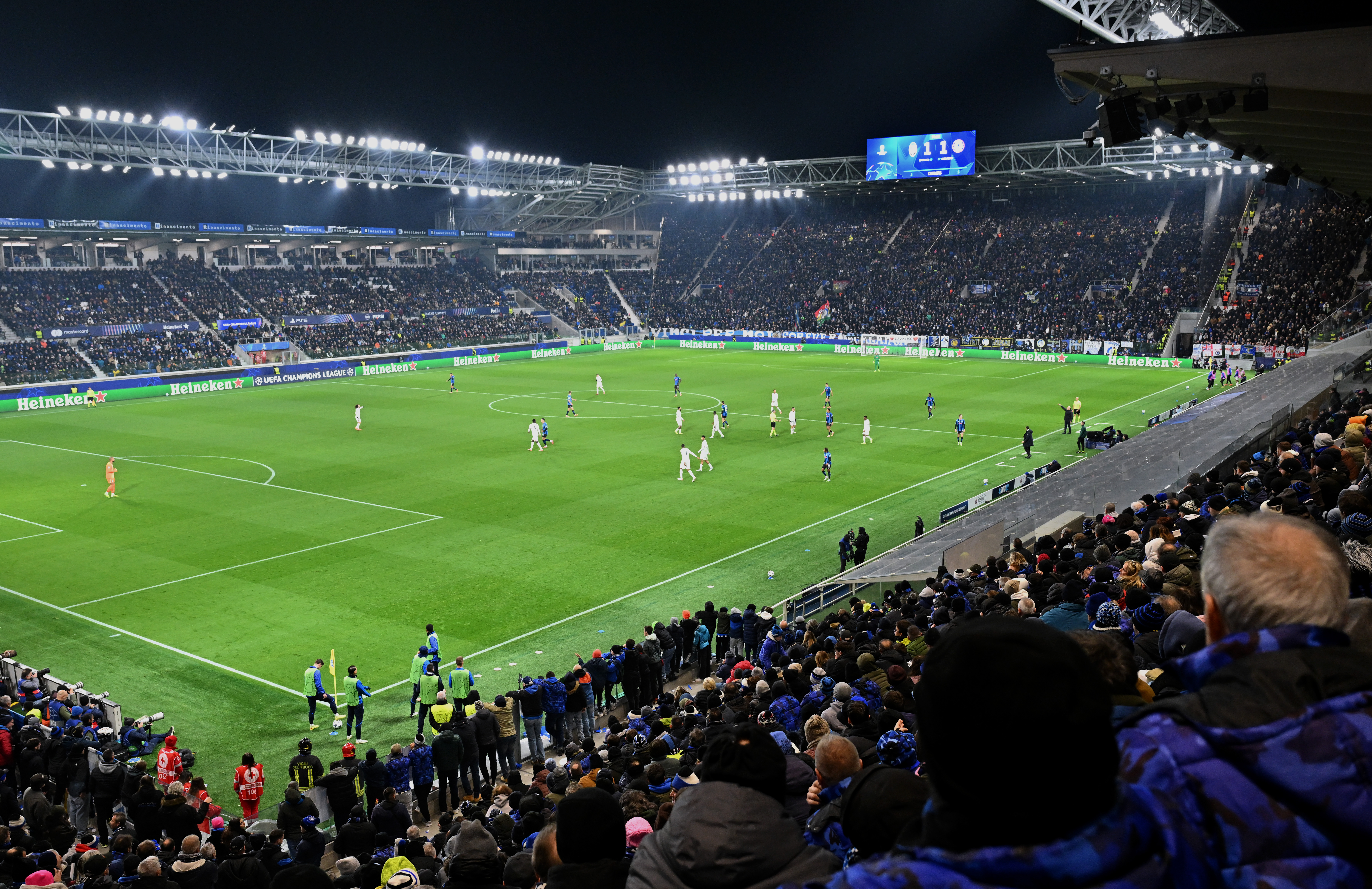
With five representatives in Serie A this season, Lombardy really is a calcio hotbed. Here's how to make the most of your trip.
With the new season up and running, it is the perfect time to start planning a trip to Italy. How about a calcio marathon?

From traditional designs reimagined to some truly spectacular unveilings, check out all 20 Serie A home kits.