
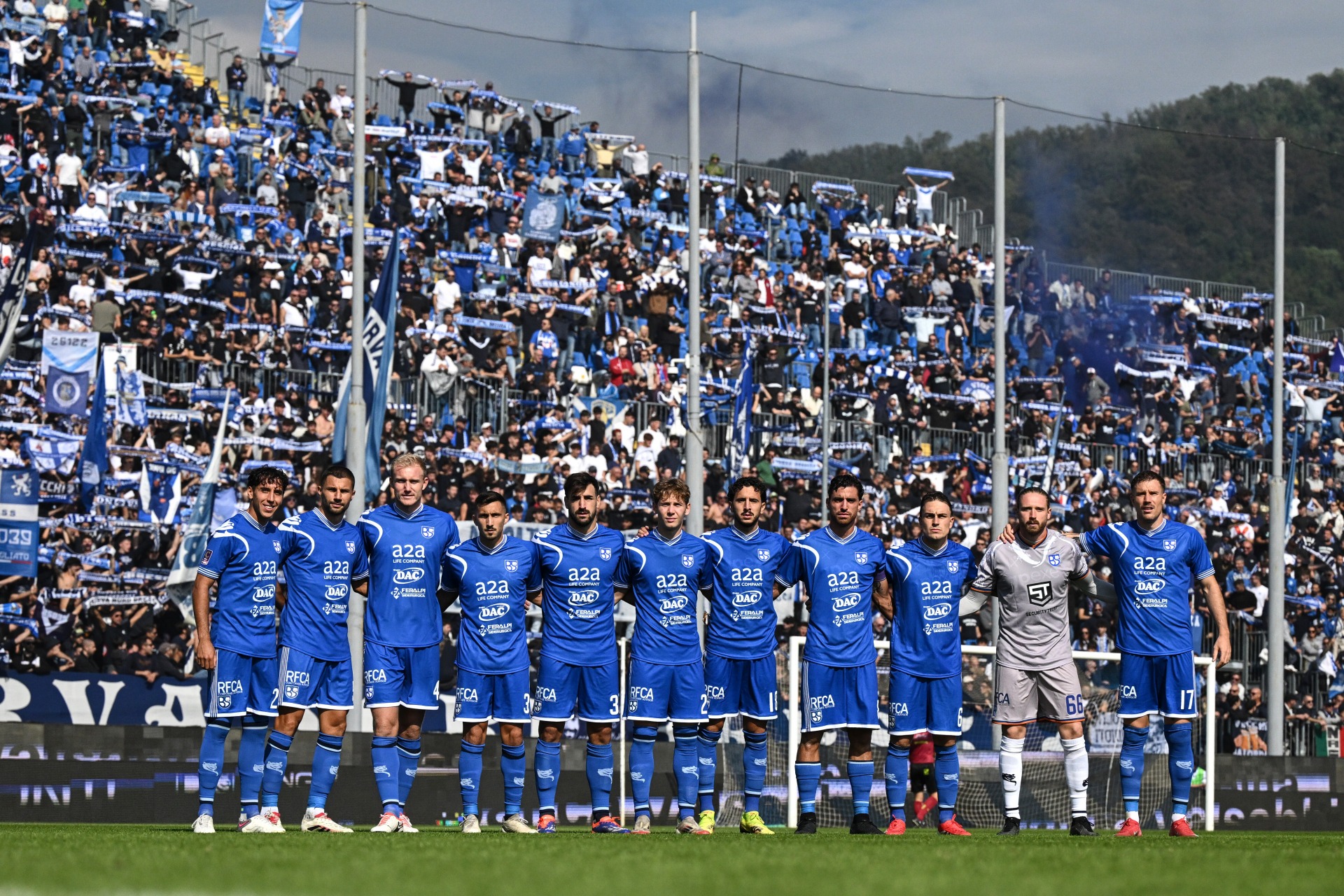
Brescia is not a city that waits quietly for something to happen.
When Brescia Calcio, one of Italian football’s most storied provincial clubs, was excluded from the professional pyramid in the summer of 2025 following financial irregularities, the reaction was almost immediate.
Within weeks, a group of local entrepreneurs led by Giuseppe Pasini transferred the sporting title of Feralpisalo to the city, giving birth to Union Brescia.
The club’s stated mission from day one has been continuity: to keep professional football alive in the city and to rebuild, piece by piece, a bridge to the old identity.
That process reached a milestone in July 2026, exactly a year after the club’s foundation, when Union Brescia won a public auction for the rights to the historic ‘Brescia Calcio 1911’ trademark, previously held by the family of former president Luigi Corioni.
The deal, worth roughly €350,000, brought back the club’s most recognisable symbols: the white V and the heraldic lion, both worn by legends such as Roberto Baggio, Andrea Pirlo and Dario Hübner, and now present again on the 2026-27 shirt.
It is worth understanding this nuance before travelling: Union Brescia is legally a new club, but it now carries the emblems of the old one.
The fans’ response to the rebirth has not been unanimous, and that is part of what makes a visit to the Rigamonti interesting. Curva Nord Brescia, the historic umbrella group formed in 2011 from several older collectives, decided early to back the new project, describing it in an official statement as “the only concrete option” for the city and its supporters, while asking fans not to mock those who felt differently.
A minority did feel differently: the group Brescia 1911, along with a handful of smaller collectives, chose not to recognise Union Brescia as a continuation of the old club and moved to the Gradinata Bassa instead of the Curva Nord, arguing that the sporting title and the club’s 114-year history were lost for good.
Visitors will find the atmosphere at the Rigamonti shaped by this split: the Curva Nord remains loud, organised and central to matchday, but the story behind the songs is more layered than in most Italian stadiums right now.
All of this makes Brescia one of the most compelling stops on the current Italian football map, a place where history, identity and reinvention collide on every matchday.
Where To Stay
DoubleTree by Hilton Brescia is the most practical choice for anyone prioritising proximity to Mompiano and the Stadio Mario Rigamonti as it is an easy walk or short drive from the ground.
Closer to the historic centre, Hotel Ambasciatori offers an elegant base near Brescia’s main squares, while Hotel Master, a four-star property near the Castello, works well for visitors who want to split their time between the old town and the stadium.
Brescia’s historic centre is a UNESCO World Heritage site thanks to its Longobard-era monuments, and a morning is well spent moving between the Capitolium and Roman forum in Piazza del Foro, the Museo di Santa Giulia, the hilltop Castello and the more austere, Rationalist-era Piazza della Vittoria.
Where To Eat
Trattoria Due Stelle, on Via San Faustino in the historic centre, is a reliable starting point, offering an unpretentious, locally loved setting where you can enjoy classic Bresciano dishes such as baccalà and grilled meats.
Osteria Oste Sobrio, in the lively Carmine district on Via Marsala, mixes traditional and Mediterranean cooking and works well for a livelier evening before or after the match.
For something more rustic and unmistakably local, look for one of the city’s long-running osterie serving casoncelli alla bresciana and polenta, dishes that appear on almost every traditional menu in the province.
Where To Drink
Mompiano itself is a residential district rather than a nightlife hub, so the real pre-match ritual at the Rigamonti happens outdoors: the car parks around the stadium fill up hours before kick-off, with supporters grilling, sharing beers and street-food vans setting up alongside them, closer in spirit to a summer sagra than a city aperitivo.
For a more conventional drink, the centre offers the classic Brescia aperitivo circuit around Piazza della Loggia and Corso Zanardelli, with venues such as Amante Lunch, Café & Lounge popular for an early-evening stop before heading towards the stadium.
Visitors with an extra day should head to Franciacorta, roughly 15-20 minutes south-west of the city by car. It is Italy’s leading sparkling wine region, where cellars such as Barone Pizzini and Berlucchi offer tours and tastings, and villages like Bornato and its castle add a slower, rural counterpoint to the football weekend.
Don’t Forget
Tickets usually go on sale about a week before each fixture through Vivaticket, online and at more than 30 authorised outlets across the province, as well as at the Rigamonti box office on Via Giovanni Novagani.
Across a typical league fixture, prices have ranged roughly from €15 in the Curva Nord, €25 to €40 in the Tribuna Laterale, €50 in Tribuna Centrale and around €70 in Tribuna VIP. There are reduced rates for women, over-65s and under-20/25s.
Prices will change from match to match, especially for high-demand fixtures or games with restricted sales for security reasons. Bring a valid ID document and arrive with time to spare, both for parking and for the security checks around the ground.
Union Brescia runs a flagship store inside the Rigamonti itself, stocking match shirts, the club’s limited editions, scarves, hats and other merchandise. It keeps regular weekday hours and is always open on matchday.
Getting There
Milan Bergamo is the closest airport, and from there a direct shuttle bus takes about an hour to get to Brescia.
When heading to the stadium, the Metro is the simplest way in. Get off at the Mompiano stop and walk for 10 minutes, following the signs. Bus lines 7, 10 and 15 also stop close to Via Montini and Via Triumplina, near the ground.
Drivers coming from the A4 motorway should exit at Brescia Ovest; the club operates a paid car park on Via dello Stadio, and street parking is available nearby, though spaces fill up quickly before bigger fixtures.
Need Another Football Fix?
Bergamo and Atalanta sit less than an hour away, and the same trip can easily include a detour to catch AlbinoLeffe in their modern stadium in Zanica for a very different, more intimate Serie C experience. Lumezzane, another professional club rooted in Brescia’s football-mad province, offers a further taste of grassroots Italian football nearby. Milan, with its wider mix of Serie A and Serie C options including San Siro, is under an hour away by car or train, making Brescia a natural base for a longer football-focused trip across Lombardy.
Related Topics
Related Articles
Related Articles
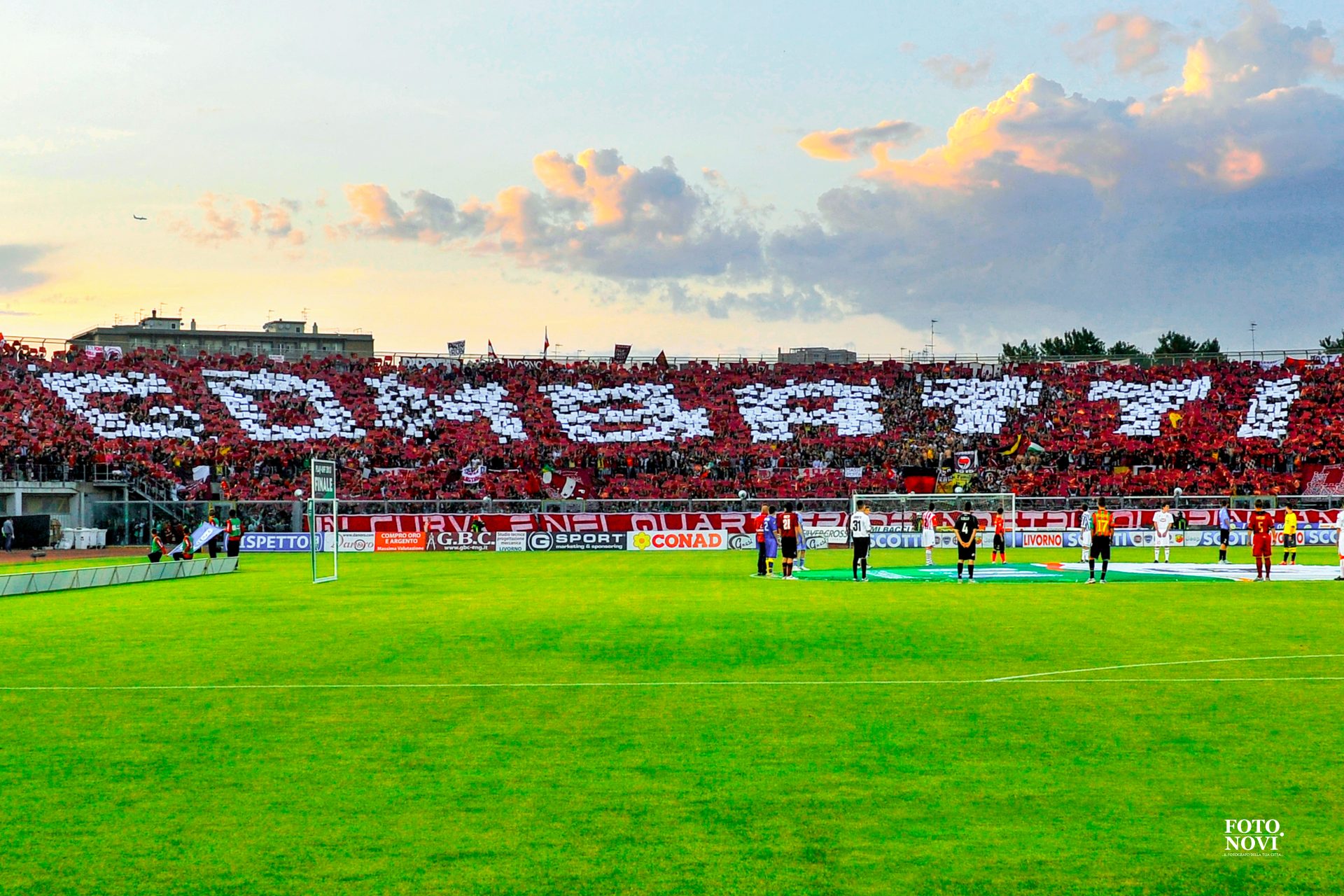
All the information on where and when to buy your tickets to watch Livorno in action in one of the third tier's liveliest atmospheres.
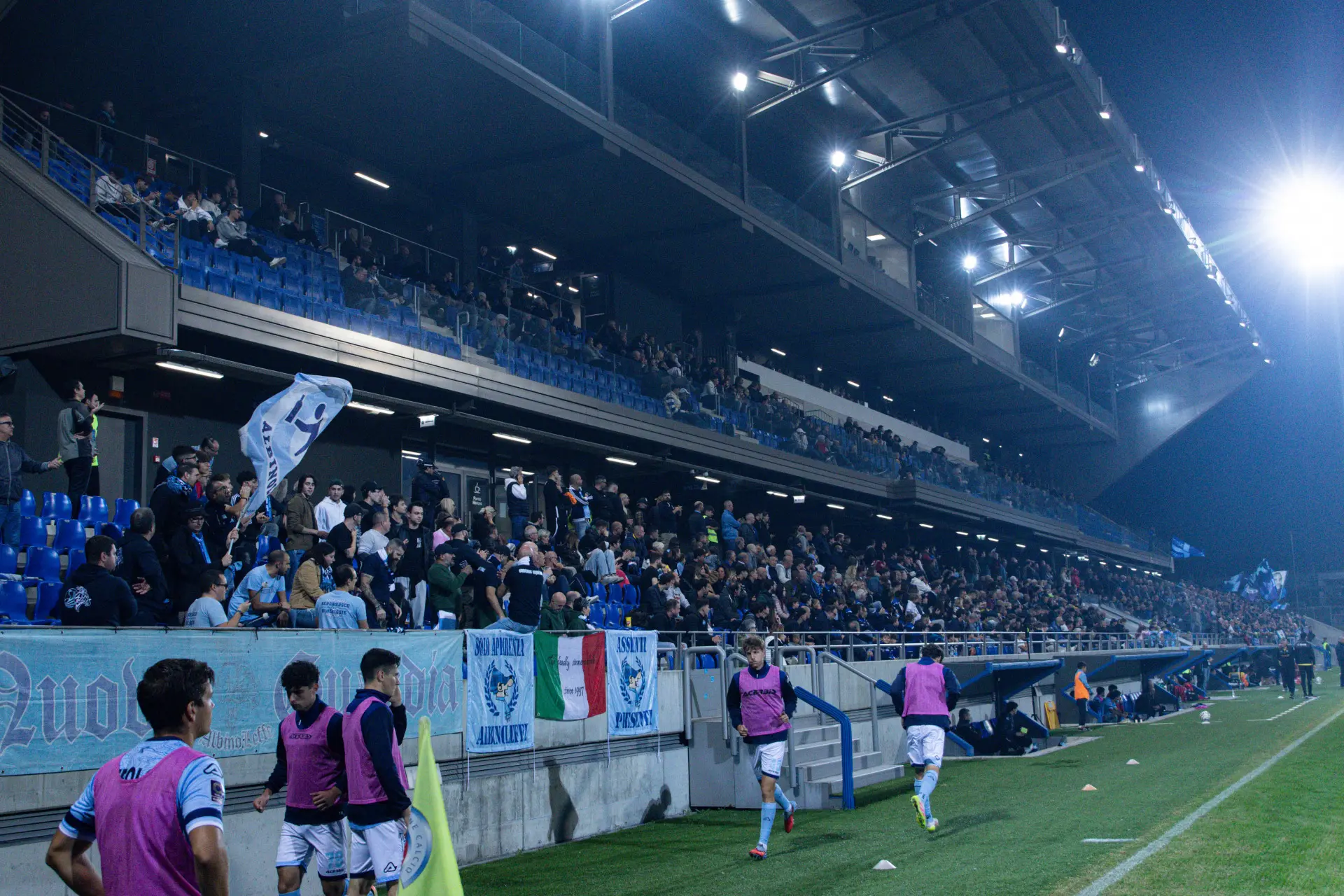
Roberto Mancini’s first game back as Italy boss ended in defeat. For one club near Bergamo, though, the result was almost a footnote.

The three brothers all grew up in Castellammare di Stabia, a city around half an hour's drive from Naples.