
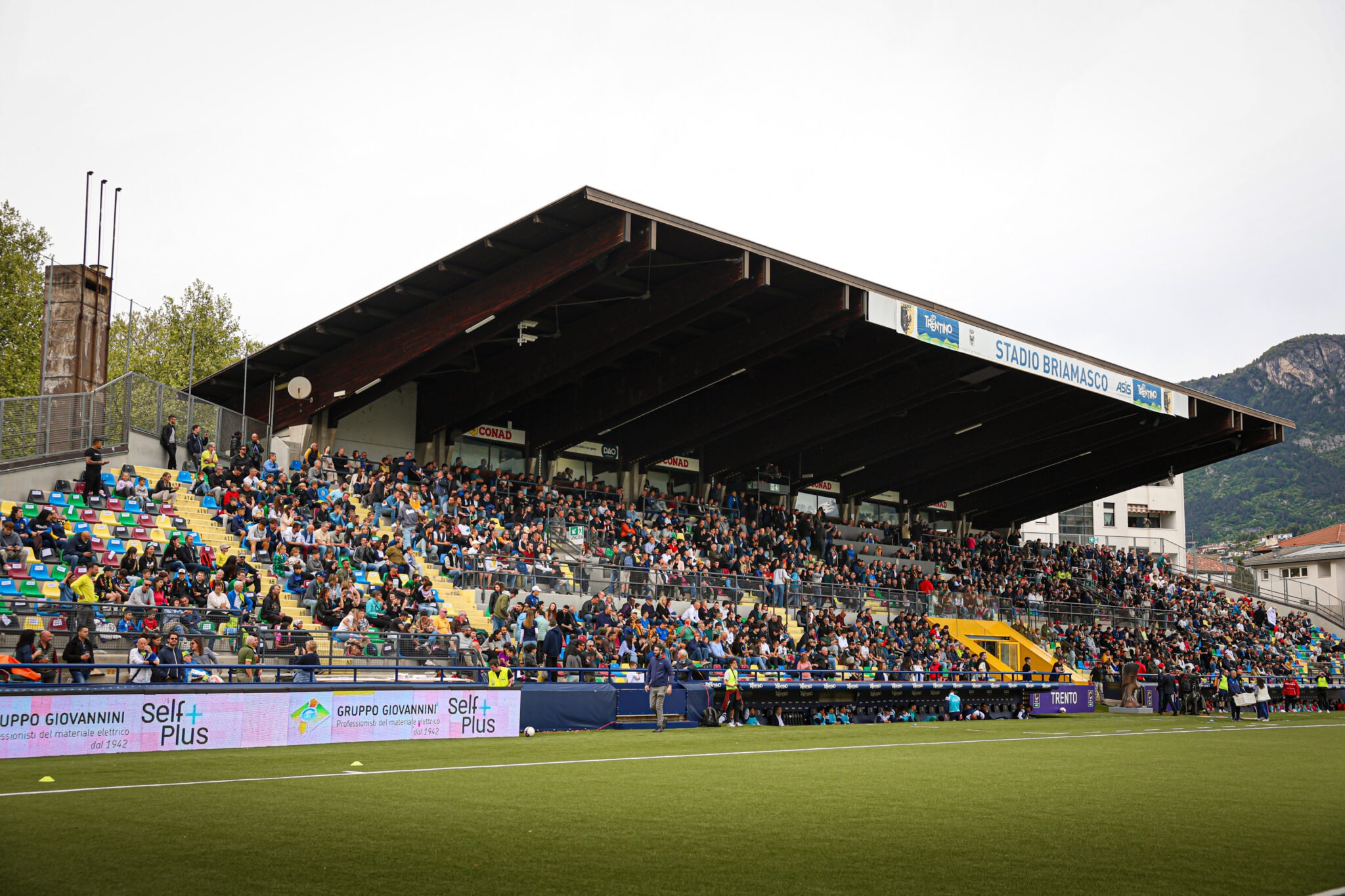
Tucked away in the valleys of the Dolomites in northern Italy, in a region that has long been known for excelling in skiing and volleyball, football has found a passionate home in the quiet city of Trento.
The story of this club embodies three core traits: resilience, community connection, and ambition. It echoes the unique character of the region and reflects the club’s enduring identity.
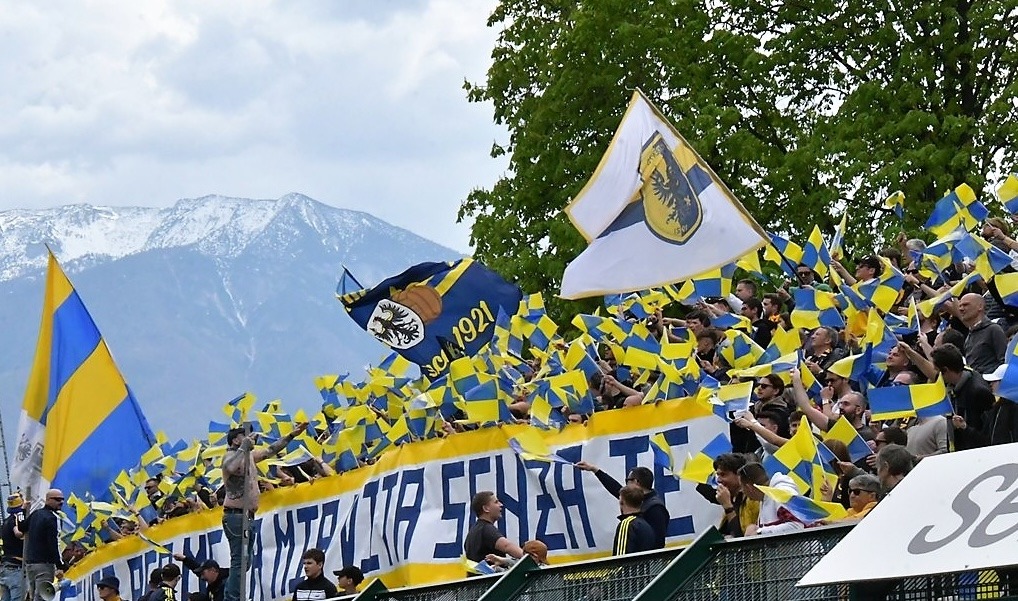
Trento supporters are the Aquilotti (Little Eagles) because the emblem features an eagle over the team’s blue and yellow colours. The symbol is derived from the historic Eagle of Saint Wenceslas, which is deeply connected to the city and province of Trento.
Here is everything you need to know.
Where To Stay
If location is the priority, it is hard to find a better base than Al Cavour 34. Housed inside Palazzo Gallo, a beautifully restored 16th-century building close to Piazza Duomo, this charming B&B combines character with comfort. Breakfast is a highlight here — homemade cakes, local cold cuts, jams and regional products are served each morning. Owners Elisa and Carlo are friendly, the train station is a five-minute walk away, and most of the city’s attractions are within walking distance.
The Place, on Via Mantova, is another option just a short walk from Piazza Duomo and the railway station. Some of the rooms in this boutique accommodation include a small kitchenette and are ideal for longer stays or for travellers who prefer a little extra independence.
Hotel Buonconsiglio is close to Castello del Buonconsiglio, one of Trento’s most important landmarks. The rooms are modern and spacious, and this is another option in an ideal location, close to the station and main attractions.
Where To Eat
The local cuisine taps heavily into German and South Tyrol traditions, so expect lots of meats, butter and cheeses. Polenta is a must and there are several variations made using different types of flour. A visit to Trento must include trying canederli (meatballs made of stale bread, speck, cheese and vegetables) and strangolapreti (similar but made from spinach, stale bread and milk). Apple strudel is the traditional dessert and one thing is certain: Trento cuisine is not light.
Tipico is one of the city’s standout dining experiences. Among the most recommended options are the carne salada, a local cured beef speciality, the potato tortel served with mountain cheeses and cured meats, the house sharing platters with speck and regional cheeses, and grilled meat dishes prepared using Alpine cattle breeds. The brewery-style character of the restaurant is reflected in the choice of beers, while the wine list focuses mainly on Trentino-Alto Adige labels.
Osteria Pazzeria ai Frati is not a spelling mistake. This is not a pizzeria, but a pazzeria. Hidden in a quiet corner just a few minutes from Trento’s historic centre, it is one of the city’s most popular restaurants. In the warmer months, the outdoor terrace is perfect for views of the surrounding hills and mountains.
Tastiko is in Piazza Santa Maria Maggiore and mixes local traditions with contemporary cuisine. The stylish interior is the place to be in winter but on sunny days, the terrace has a fantastic view of one of Trento’s squares. A speciality here is the pastrami while other recommendations include the tortel baita, generous charcuterie and cheese platters, gourmet burgers, and crispy mushroom bites.
Where To Drink
Trento is known for its university, so there is a student population. Nevertheless, the nightlife downtown is not always as lively as you might expect. Late November into December is the best time to visit as the Christmas market and activities create an amazing atmosphere.
There are plenty of places to enjoy a drink before the match and when looking for a tipple after the final whistle, check opening times in advance as some venues in Trento tend to close early compared to other cities.
Forsterbräu on Via Oss Mazzurana is open every day from 9am until 11pm and is one of the city’s most iconic traditional breweries. A true local institution since 1906, this is the place residents usually recommend to first-time visitors looking for an authentic Trentino experience. More than just a bar, Forsterbräu combines local cuisine, history and a welcoming environment, making it an ideal stop before or after a match. You can try homemade pretzels with artisan mustard and classic specialities such as canederli, goulash, wiener schnitzel and a selection of sausages. Portions are generous.
Antica Birreria Pedavena in Piazza Fiera is another historic meeting point for anyone wanting to taste the flavours of Trentino in a relaxed and traditional setting. With its large rooms and friendly service, the brewery is a popular choice for locals and visitors.
For a more elegant and unusual place to enjoy a drink, La Vie En Rose offers a completely different experience from the traditional Alpine breweries. Located in the city centre, this charming cafe and cocktail bar feels like a small corner of 19th-century Paris, with vintage-inspired interiors, artistic details and an atmosphere that makes it stand out among Trento’s nightlife options.
Don’t Forget
Tickets are available from Vivaticket, in the official Trento Store in Piazza S. Maria Maggiore, and at the box office of the Stadio Briamasco on matchday. It is also worth checking in bars, selected tobacconists and newsagents. Prices range from €12 to €27 and there are reductions for under-20s and over-65s.
AC Trento merchandise is available on their official website and in the Trento Store at Piazza S. Maria Maggiore (open Monday to Friday from 10am to 12pm and 3pm to 6pm).
Did You Know?
AC Trento was founded in 1921 through the merger of two clubs, Unione Ginnastica Trento and Sport Pedestre (also known as Pro Trento). The club’s history therefore stretches back more than a century, making it one of the oldest football institutions in the region.
Getting There
Trento is easy to reach from several major airports in northern Italy. The closest is Bolzano but due to its small size, most international visitors arrive at Verona, Venice or Bergamo.
Verona Villafranca Airport is the most convenient, around 90 kilometres south of Trento. From the airport, there is a shuttle bus to Verona Porta Nuova railway station and then trains direct to Trento. The journey is about an hour.
From Venice, visitors can travel by train via Venezia Mestre and Verona or take a scenic two-hour drive through the Veneto countryside before entering the Adige Valley.
Bergamo, popular for travellers flying with budget airlines, is less than two hours by car, or the journey can be made on train or bus.
Once you arrive, Trento’s compact size means that most of the city centre, including Stadio Briamasco, can be reached easily on foot from the railway station.
Need Another Football Fix?
It is just a short trip north to Bolzano, to catch Serie B side Südtirol, the highest-ranked club in the region and one of the most remarkable stories in Italian football. They play at the recently renovated Stadio Druso, a modern venue close to the centre of Bolzano and regarded as a meeting point for the region’s Italian, German and Ladin-speaking supporters.
Getting there from Trento is easy. A train journey through the Adige Valley takes less than an hour and offers spectacular views of vineyards, orchards and Alpine peaks along the way. Once in Bolzano, visitors can combine football with a stroll through the city’s elegant historic centre, explore its blend of Italian and Austrian influences, or enjoy the cafés and mountain scenery that make South Tyrol one of Italy’s most distinctive destinations.
Related Topics
Related Articles
Related Articles
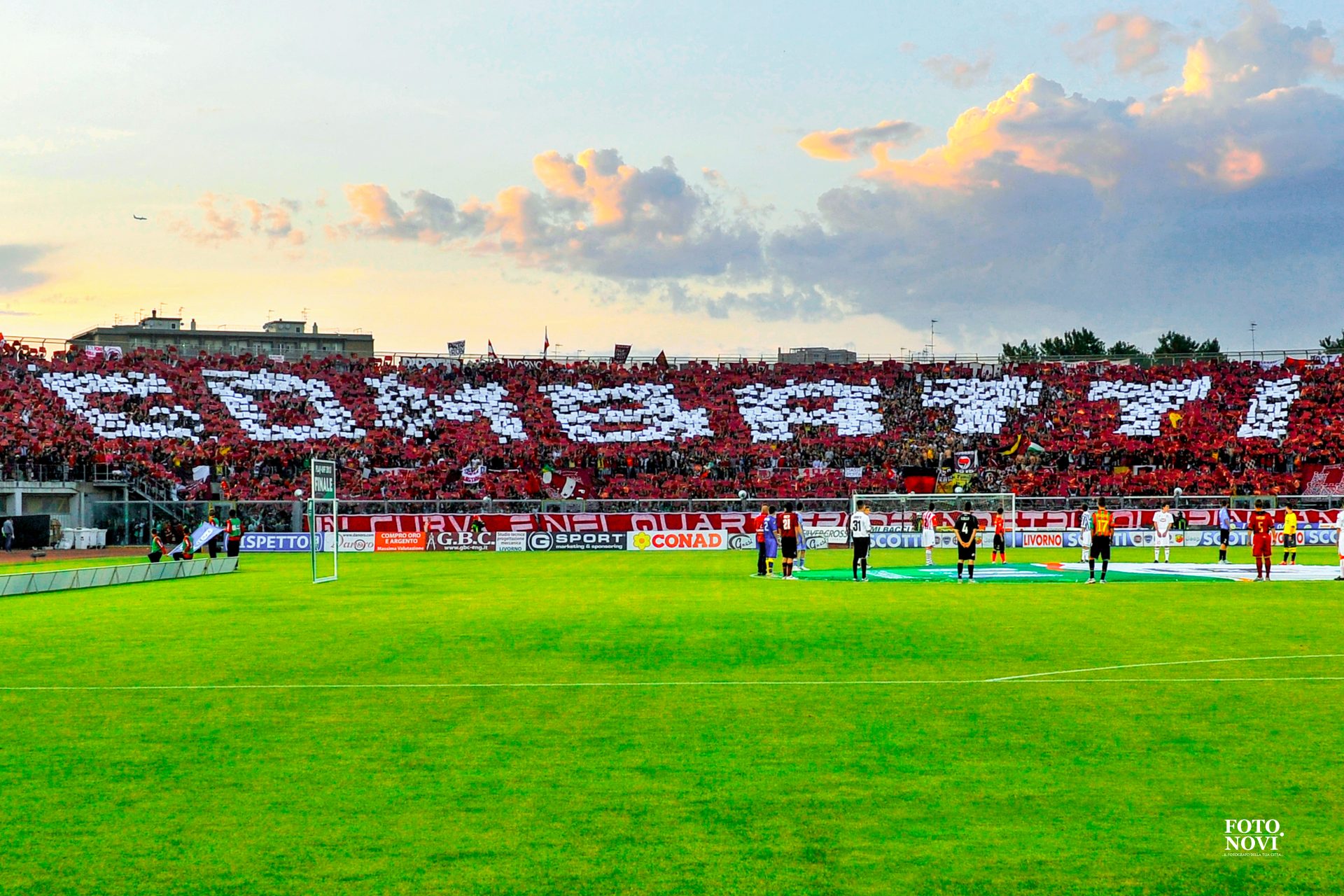
All the information on where and when to buy your tickets to watch Livorno in action in one of the third tier's liveliest atmospheres.
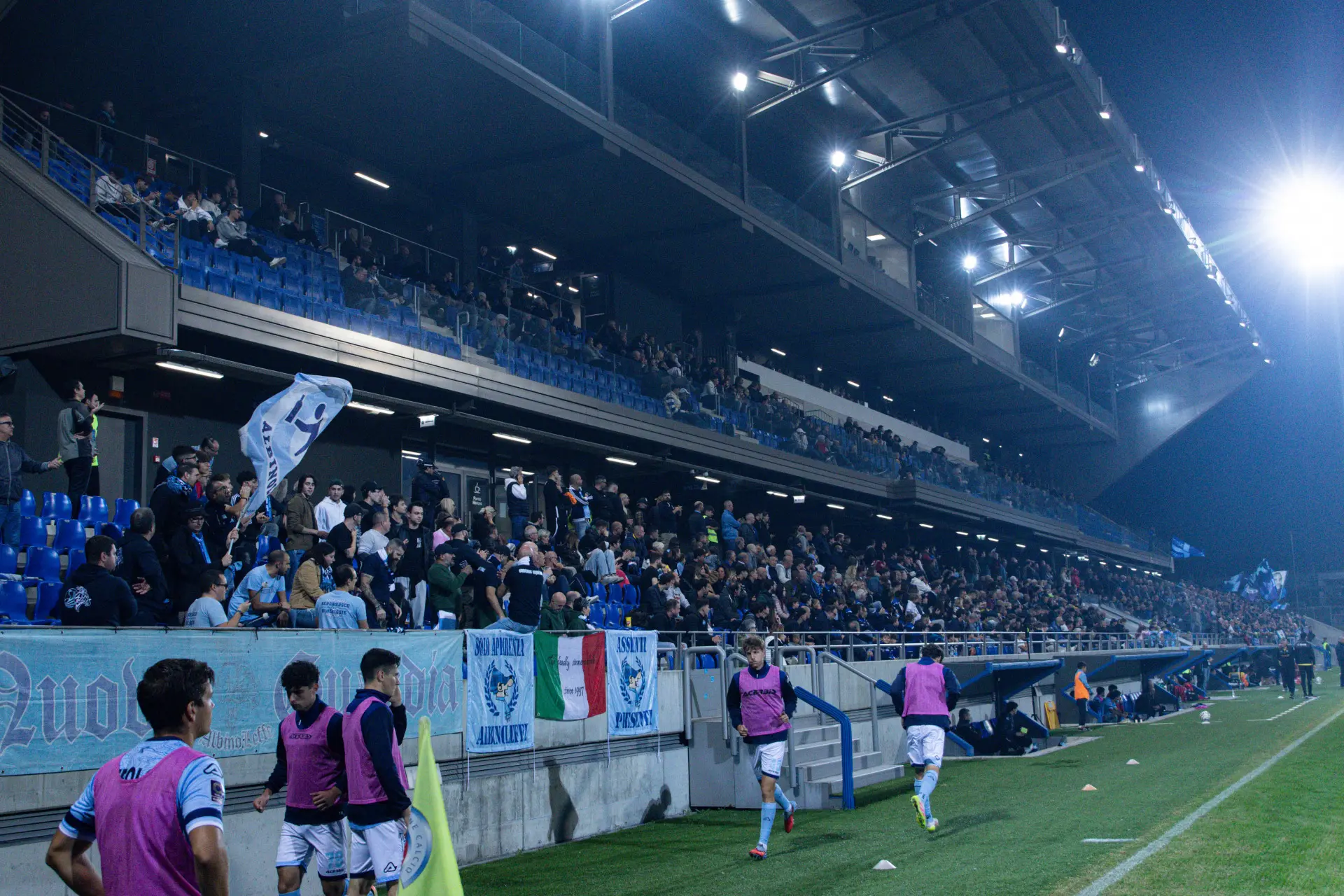
Roberto Mancini’s first game back as Italy boss ended in defeat. For one club near Bergamo, though, the result was almost a footnote.

The three brothers all grew up in Castellammare di Stabia, a city around half an hour's drive from Naples.