My Town, My Team – Reggiana: A Local’s Guide to Reggio Emilia and Life in Serie C
By Brian Lee
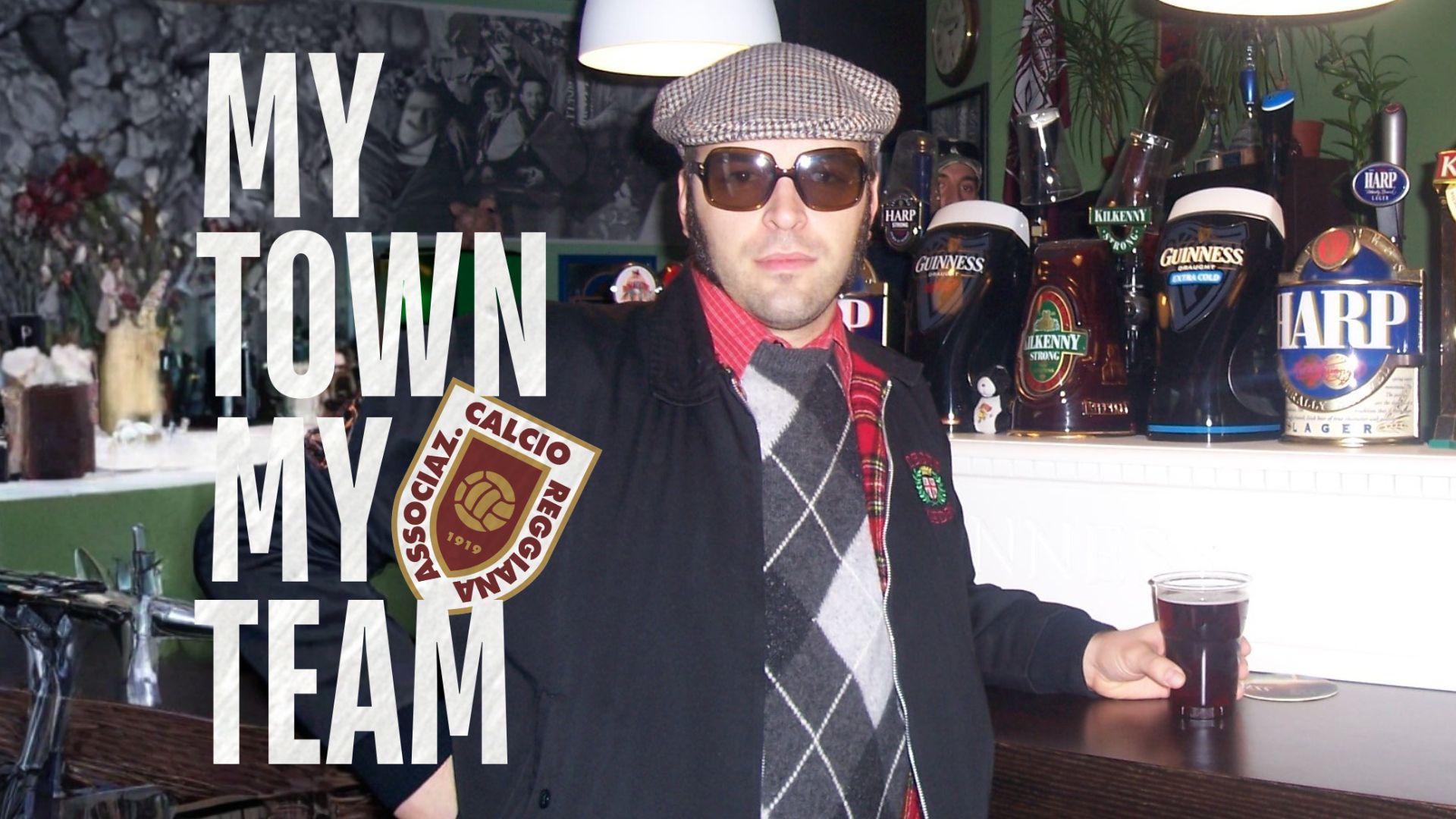
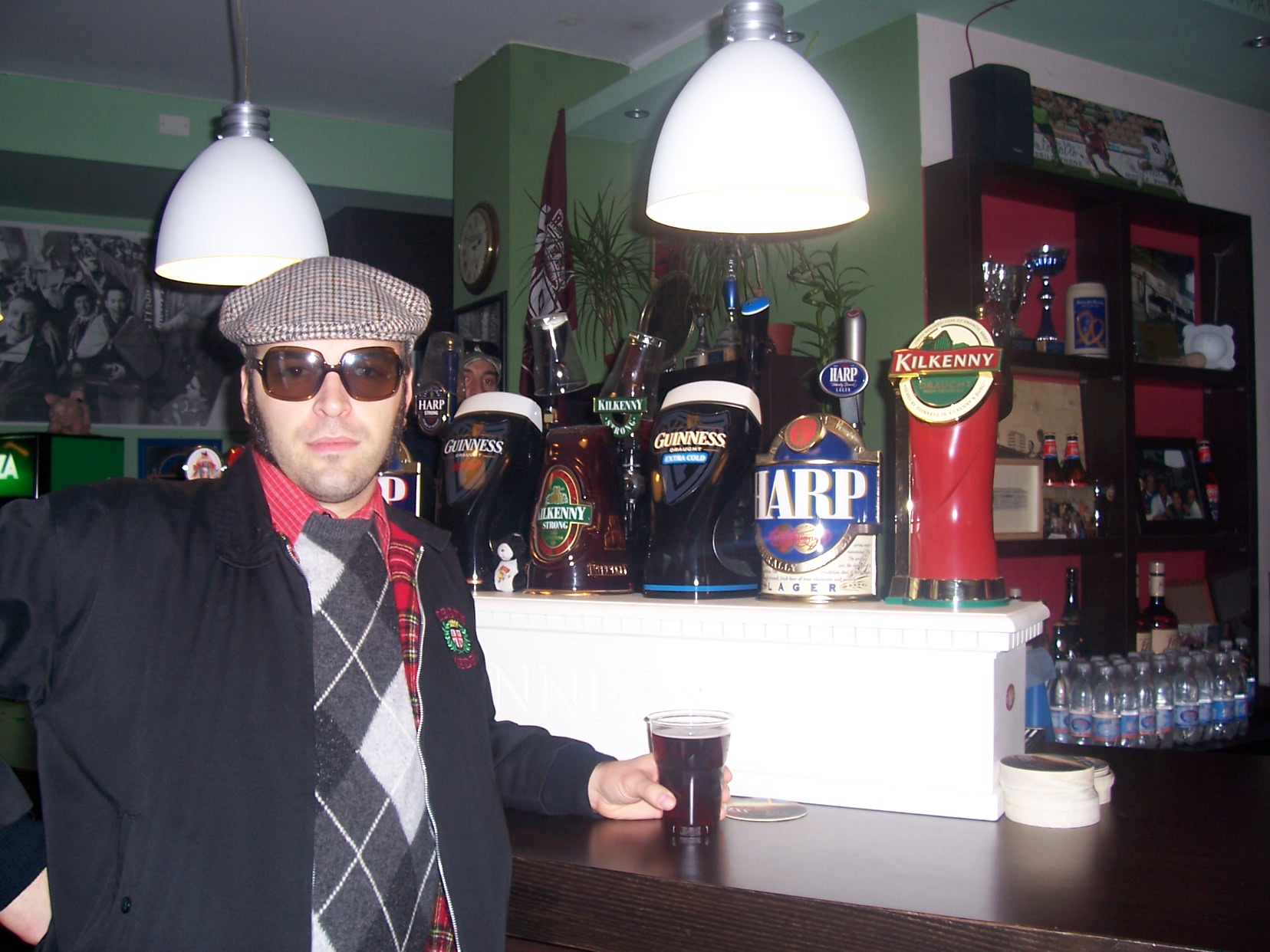
Max Melloni is a 53-year-old architect who sings in a punk band called The Bawbags and follows Reggiana home and away. For our My Town, My Team series, Max told us all about Reggio Emilia, the beautiful countryside around the city, and his hopes for his team now they are back down in Serie C.
Why Reggiana?
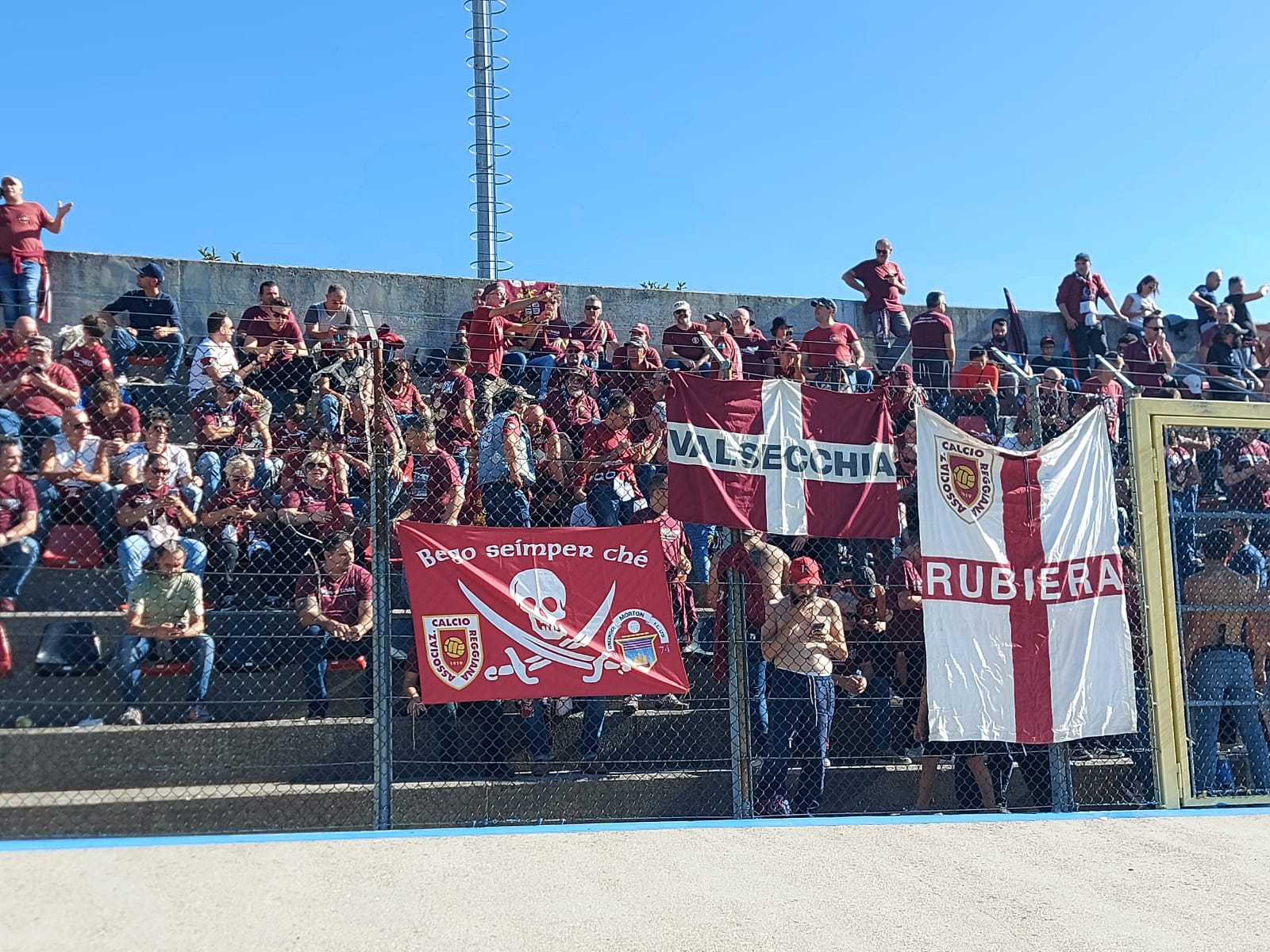
My dad and uncle took me for the first time during the 1980-81 season when they were promoted to Serie B. Back then, Reggiana played at the old Stadio Mirabello. I’ve been going ever since, home, away, cup matches, friendlies. You can spot us behind the Jolly Roger flag with ‘Bego seimper chè’ and the crests of Reggiana and (Scottish Championship side) Greenock Morton because we also support them. The words mean ‘Bego here forever’. Bego was one of our lads who passed away.
Tell us about Reggio Emilia
I live in the country and work in Reggio Emilia. There is a pretty city centre but the main attraction has to be the food. Parmigiano Reggiano cheese (what you wrongly call Parmesan) is from here, and you can also find the best Lambrusco wine. We have a wonderful (and not well known) sparkling white wine called Spergola. Every street and country road brings you to some food or a vineyard with its small winery. Every corner of this province breathes good food.
Outside the city there are beautiful towns – Guastalla, Correggio, Gualtieri and Scandiano. And the Canossa castles form a superb tour in the hills. You can find everything here, except the seaside.
What really makes this place is the people – the Reggiani. Good, reliable and open-minded people. They’re very welcoming, hard-working, and accustomed to sweating for a living. It’s a land of honest people. My grandparents taught me to enjoy life but also to work hard. If you come to see a Reggiana match, you’ll see how stubborn and loyal we are to our club.
It’s well known around the world that the best welcome you can receive in Italy is from the people of Emilia Romagna. Reggio Emilia has always been a town very deep into revolution against power. It’s the city of the tricolour flag, as Reggio Emilia hosted the very first republican council of Italy. The flag was born here in 1797.
Tell us more about the food
If you want the perfect meal in Reggio, start with erbazzone (small pie) and chizze (stuffed doughball), both from here. Then cappelletti in brodo (meat-filled pasta shapes in a soup), then try some tortelli verdi. And have some pork. It is typical to have gnocco fritto with salume. Finish off with zuppa inglese (sponge and custard dipped in a liqueur), dolce mattone (coffee-soaked biscuits with cream) or torta di riso (baked rice cake). These are our desserts.
To try these dishes at their best, Osteria Kilometro Zero and Trattoria Burani do them so well and are near the football ground. Kilometro Zero is very traditional. Burani has been run by the same family for decades and looks as if time stopped in the 1980s.
Ristorante Canossa is in the city centre. Every Reggiano knows it because it’s another one that has been there for many, many years and you can still see the older women working in the kitchen, just like many years ago.
There’s a small, pretty place with a good choice of Lambrusco, La lambruscheria, in a lovely corner of the city. Away from the city, from the mountains to the Po River Valley, there are so many restaurants.
But what really makes this region special across the world is the Parmigiano Reggiano, the king of cheese, born in Bibbiano (where I live), just 12km from Reggio. Go to one of the many dairies and try the Parmigiano Reggiano vacche rosse (red cows). This breed produces a unique milk and a unique cheese.
How has the city changed over the years?
Reggio has changed. There has been a big population increase. In the late 1980s there were 130,000 living in Reggio and now they count about 175,000. More than everything else, the structure of the city changed. In 1995 Reggiana moved home. The old one, Mirabello, is still partly up, next to the town centre.
I remember when we used to go to the matches, then for a stroll in the main street, Via Emilia, to the cinema, shopping or in the sports hall to watch basketball. The sports hall is still inside the old medieval walls but many things have now moved away from the centre.
I still love to walk in the city. The centre has good bars for aperitif but nothing like the bars in the small towns outside the city or the suburbs of Reggio. Out there you will find astonishing characters, people playing cards loudly and serious drinkers at the counter. There you will meet the real Reggiano people.
If we were visiting tomorrow, what should we go and see?
Reggio Emilia is very much a city to be discovered. Tourists are more interested in Bologna, Modena and Parma, but anyone who spends time in Reggio Emilia is left amazed. In the centre, the Madonna della Ghiara basilica is where the first tricolour flag was born, Teatro Municipale is a real jewel of 19th-century architecture, while the Chiostro Piccolo di San Pietro are a must. And the cathedral has 1000 years of history.
Piazza Fontanesi offers space to relax with medieval buildings on all sides of it. The city centre is mainly medieval and you will love the narrow streets running through it. But the countryside of Reggio is the real pearl. Many towns have a lot of history. Visit Guastalla – autumn is the best season – and try tortelli di zucca. The town centre is almost untouched for 600 years.
In the beautiful village of Scandiano there is the Boiardo family fortress. At Quattro Castella, you can see four hills on which Matilde’s four castles were built, one of which, Bianello Castle, can be admired.
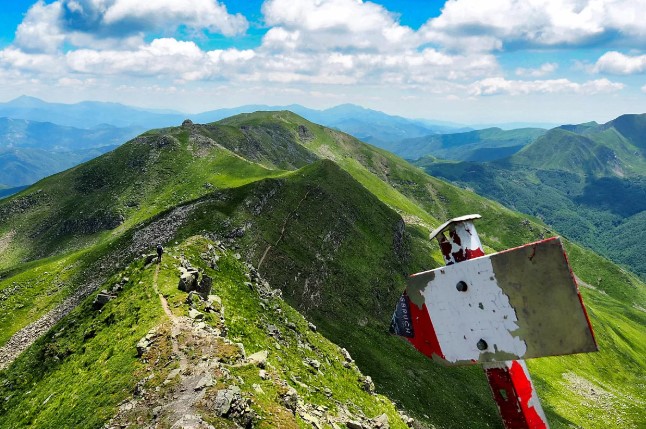
Move towards Ciano and climb to admire Rossena Castle and the ruins of Canossa Castle or continue toward the peaks of the Reggio Emilia Apennines, the most evocative of the entire Apennine chain. It’s great if you enjoy hiking, and if you like mushrooms, don’t miss the many dishes featuring porcini.
Talk us through a typical match day for a home game
For my group of mates, it starts several hours before the match and it lasts several hours after, depending on the kick-off time. We meet at a bar called Malvy, near the ground, about a 20-minute walk away. We chose it because we know the owner and above all, they can serve booze. Next to the ground, due to restrictions, they serve just light beer. Our group changes from match to match, but there will be between 70 and 150 people. Last season at home matches the crowd would be around 10.000, and closer to 18,000-20.000 on the derby days. There is another bar, right behind the stadium, called Pigal, and that is packed with supporters until a minute before kick-off.
What are your favourite away games to go to and why?
I go almost everywhere Reggiana play, but I like the southern matches because of the long trips with friends and the weather, which usually is much warmer. Another reason is that those are opportunities to visit places you’ve never been. In the north, local derbies apart, I like to visit nice grounds or those where we can get a good meal.
Parts of Italy are still fighting hard against violence at football, so sometimes, as away fans it is hard to relax as there are restrictions in place from the police. So, I like to go to the friendly venues where we have a good relationship: Cremona, Vicenza and Genoa are good we have good relations with Carrara and Pisa too.
Now we’re in Serie C, I’m looking forward to Pesaro, Perugia, Pineto, Forlì, Piancastagnaio, Campobasso, Ravenna, Vado, Latina, Sassari, Sambenedettese, Livorno and Ostia. Spezia and Pescara too, if away fans are allowed.
Related Topics
Related Articles
Related Articles

The Blucerchiati are in the second tier for the fourth consecutive campaign. But they remain a huge draw for the calcio tourist.
With five teams across the top two tiers of Italian football, Tuscany is a groundhopper's dream and perfect for a double-header.
Long before Atalanta lifted the Europa League and Como reached the Champions League, Chievo Verona upended Italian football's status quo.