
Kappa Legacy Lives On as One Team Wears Classic Italian Brand at World Cup
By Dan Cancian
There are football kits that define an era as much as players do, perhaps even more so.
Think of the iconic Le Coq Sportif-made Argentina shirt Diego Maradona won the 1986 World Cup in, or the patterns Adidas designed for Sweden, Romania, Bulgaria and Germany four years later.
And what of Brazil’s 2002 World Cup triumph? Ronaldo, Rivaldo and Ronaldinho running riot wearing Nike’s groundbreaking dual-layer technology with the inner mesh designed to mitigate the impact of the oppressing humidity in Japan and South Korea.
And then, of course, there is Kappa. Or more precisely the Kappa Kombat, which was to football what MP3 players were to music. A ubiquitous and seemingly unstoppable phenomenon.
By the end of the 1990s, the tight shorts and shirts that had dominated the previous decade had been replaced by altogether looser kits. Big collars still largely in situ with Adidas, Nike and Umbro and Diadora.
Football shirts still had a very rugby feel to them, at a time when loose kits still dominated both codes in the oval-ball game.
By the turn of the millennium, Kappa dramatically changed the landscape.
The Turin-based company replaced Nike as Italy’s kit manufacturer in 1999 and had a bold vision ahead of the upcoming Euro 2000. Namely a shirt that moved away from the standard of the previous decade and back to the tighter fits of the 1980s, minus the incredibly short shorts.
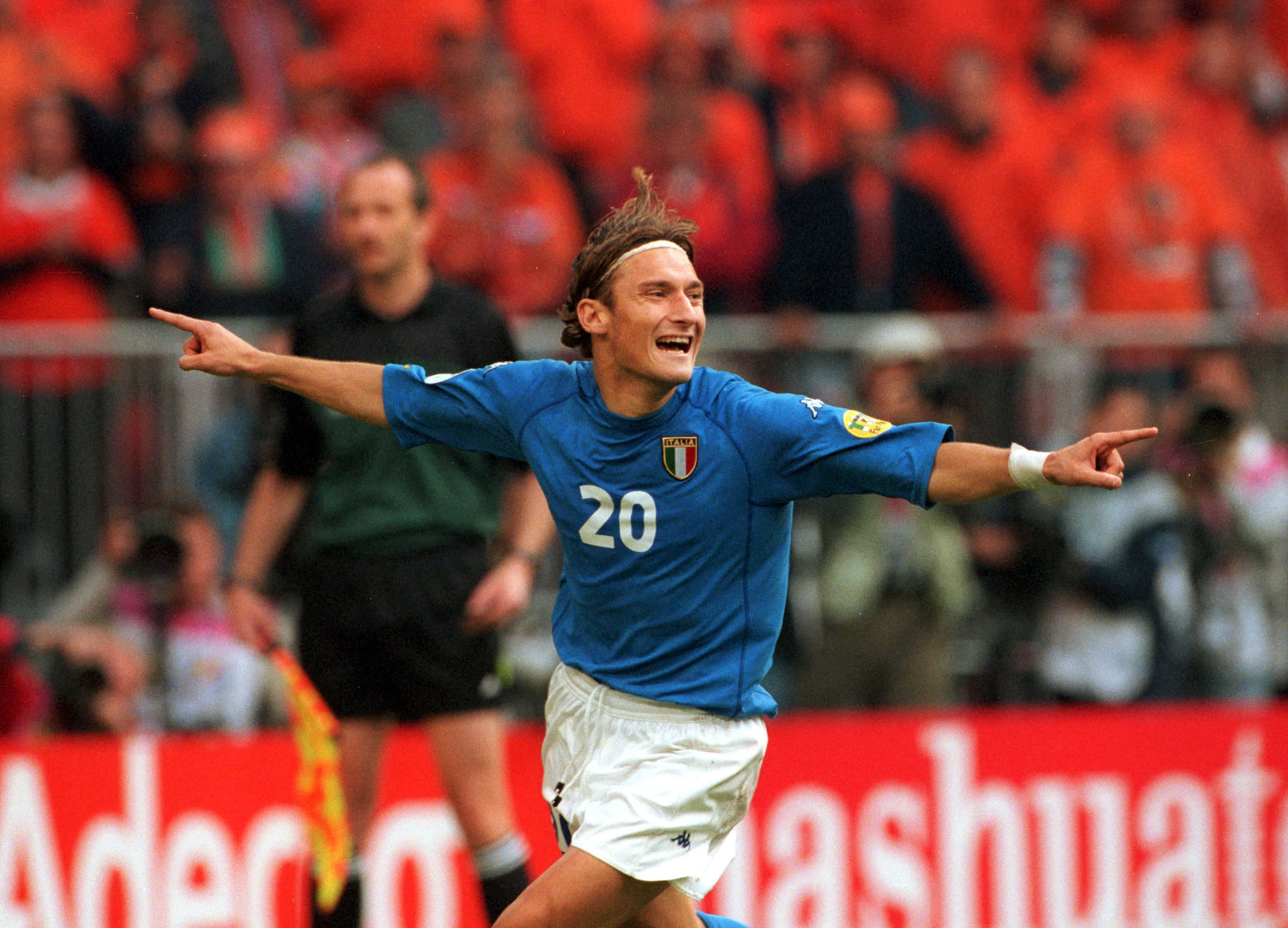
Step forward the Kappa Kombat. The brainchild of designer Emanuele Ostini, the shirt was revolutionary. Built from a highly elastic material that stretched up to 30 centimetres without losing shape, its skin-tight fit was designed to expose shirt-pulling fouls, according to Kappa.
Gone were the oversized jerseys, the Kombat looked more like a cycling shirt. Lycra had taken centre stage and the shirt became an instant icon, from the moment Monaco became the first side to wear it.
Enthusiasm, however, was noticeably absent when Kappa introduced the kit to the Azzurri.
“We had one final piece of the puzzle left: wrapping things up and somehow getting the players on board,” Ostini told Sky Sports Italy last year.
“I headed over to Coverciano (Italy’s training centre) with some colleagues and spent a couple of days living and breathing the environment.
“At one point, after a training session wrapped up, I found myself in the locker room with Francesco Totti, Alessandro Del Piero, (Fabio) Cannavaro… I mean, massive names. I was focused on my job, but still, these were legendary players.
“Some were trying things on, some weren’t. One was trying on the jersey, another the shorts. Del Piero, always a bit reserved and shy, was sitting on a bench saying he didn’t really need to try anything on. At that point, I looked at Cannavaro and said, ‘Let’s have you try on the jersey’.
“Cannavaro put it on and – I’ve repeated this story so many times – I instinctively looked at him and said, ‘You look like Superman’. He was a handsome guy, in incredible shape. And honestly, I think in that moment, he felt like Superman.
“That was pretty much the turning point for the fitting. Right after, Francesco Totti came over and tried his on too.”
Not that every player was completely sold on the new concept. Some of the Azzurri, Del Piero and Filippo Inzaghi chief among them, insisted on wearing a shirt two sizes too big for them.
It didn’t matter, as Italy’s run to the final of Euro 2000 showcased the Kombat on European football’s grandest stage and the die was cast.
Ten months after losing the final to France, Totti won the Scudetto with Roma looking absolutely magnificent in the Kappa Kombat. Teams across Europe followed suit, from Tottenham in the Premier League to Werder Bremen in the Bundesliga, Auxerre in Ligue 1 and Real Betis in La Liga.
By the time Italy wore an evolution of the Kombat in their ill-fated World Cup campaign in 2002 in South Korea and Japan, the shirt was a global phenomenon.
And while the shirt may have made Kappa famous worldwide, the Kombat was far from its first rodeo. Founded in Turin in 1916 as Societa Anonima “Calzificio Torinese”, the brand owes its name and its fame to a manufacturing error, which led to customers returning socks due to a quality issue in 1956.
To address this, the company agreed to implement a stricter quality control procedure, with the new products to be marked with ‘K-Kontroll’, from the German word, to indicate they had been ‘checked’.
Within two years, the products marked K were the best-selling socks and underwear in Italy, leading to a new brand being introduced and trademarked as Kappa – the Greek letter K.
The company’s now iconic logo also happened by chance, as photographer Sergio Druetto captured the image of a naked male and female model sitting back-to-back during a pause in a photoshoot when his camera flash jammed.
By 1979, the brand made its debut in the world of sport, becoming Juventus’ first official kit manufacturer. Since then, Kappa has continued to zig where its biggest and richest rivals have zagged.
These days, the Italian brand may no longer sponsor the likes of Barcelona, Juventus, Manchester City and Napoli, but it continues to produce some absolutely stunning kits.
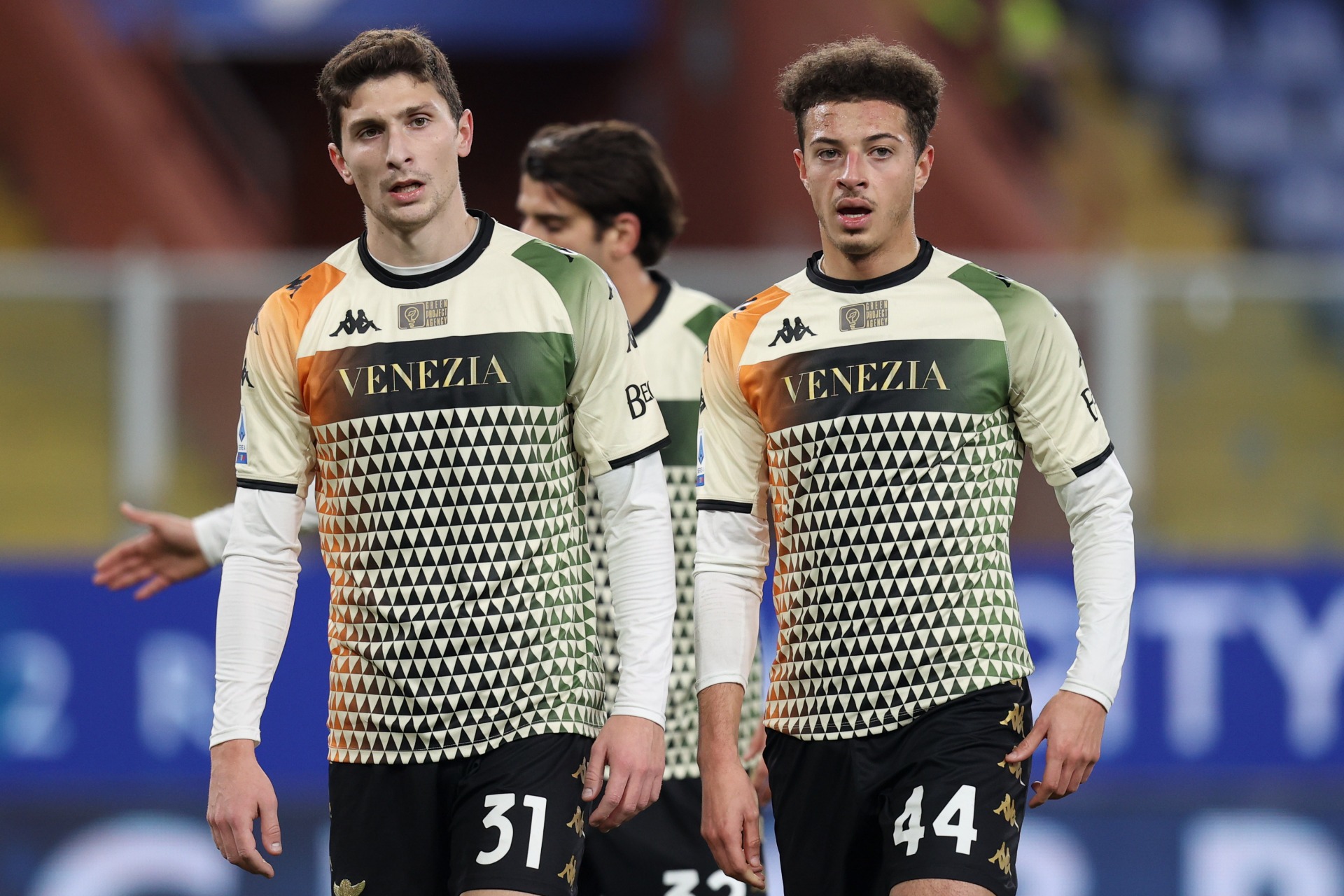
Venezia and Genoa have worn some stone-cold classics over the past few seasons. Think of the Lagunari away kit in the 2021-22 season – a repeating triangle pattern changing shades from orange to black and to green against a white background, underneath the wording VENEZIA.
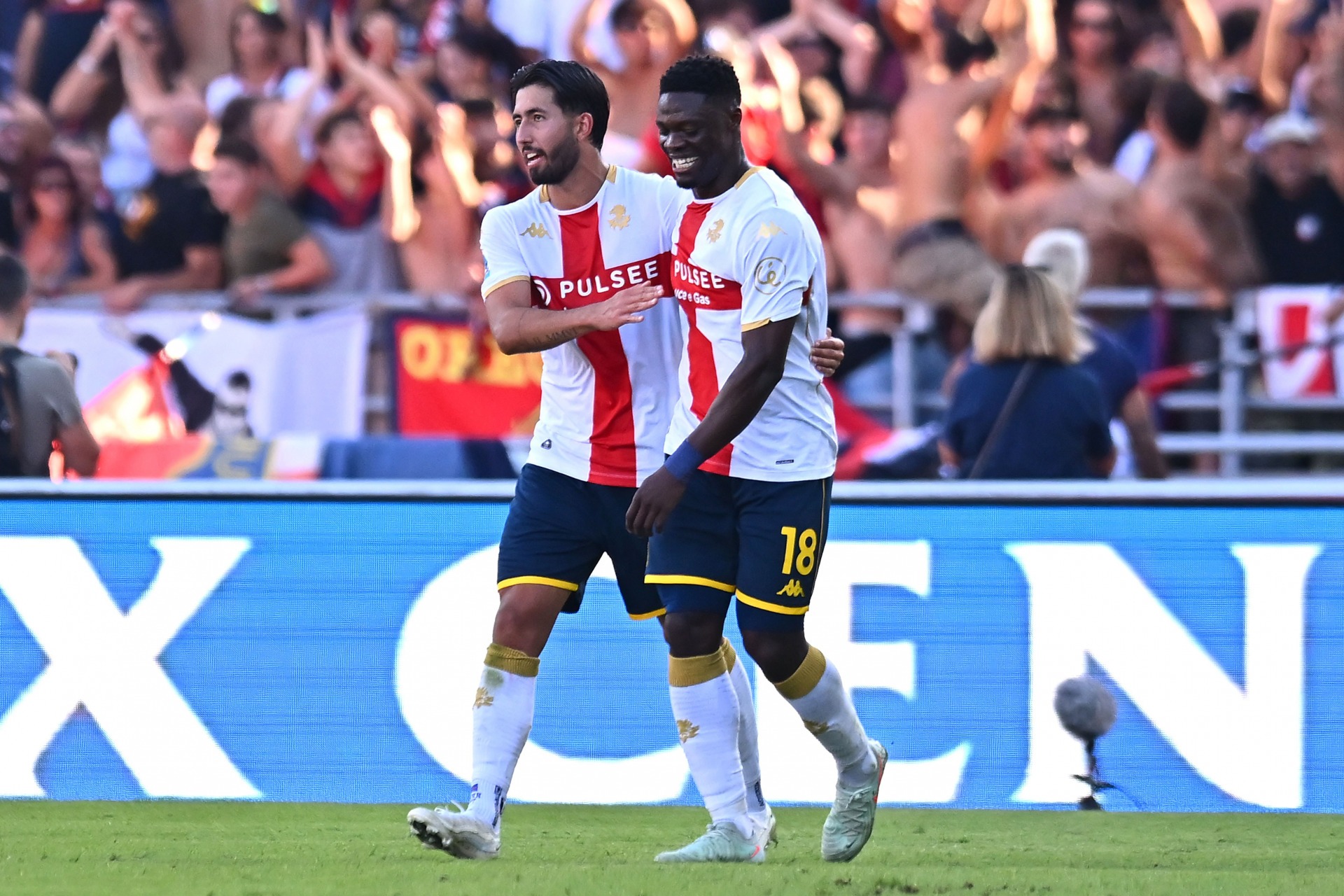
Or of Genoa’s stunning homages to Boca Juniors and to their English roots over the past two campaigns. Bold, innovative, choices that may not have come to pass outside of Italy as Football Kit Italia author Sam Blair told Destination Calcio last year.
“The one thing I like about Serie A is just the divergence of manufacturers,” Blair, a football enthusiast who has collected more than 500 shirts for over three decades, explained.
“Some of the big leagues you fall into a pattern with Nike, Adidas and Puma, whereas I think things are different in Italy.
“Macron are doing some amazing stuff. Kappa and the Genoa shirts… And then all these smaller clubs, like Venezia… they’re all leaning into it.”
Venezia kits are now made by NOCTA – the Nike-affiliated brand co-founded by musician Drake. Last season, buying one at the official Venezia store near the Rialto Bridge yielded free Cynar spritz vouchers. What’s not to like?
Anyway, the World Cup will be dominated by Adidas, Nike and Puma, who together are responsible for producing the kits of 37 of the 48 teams.
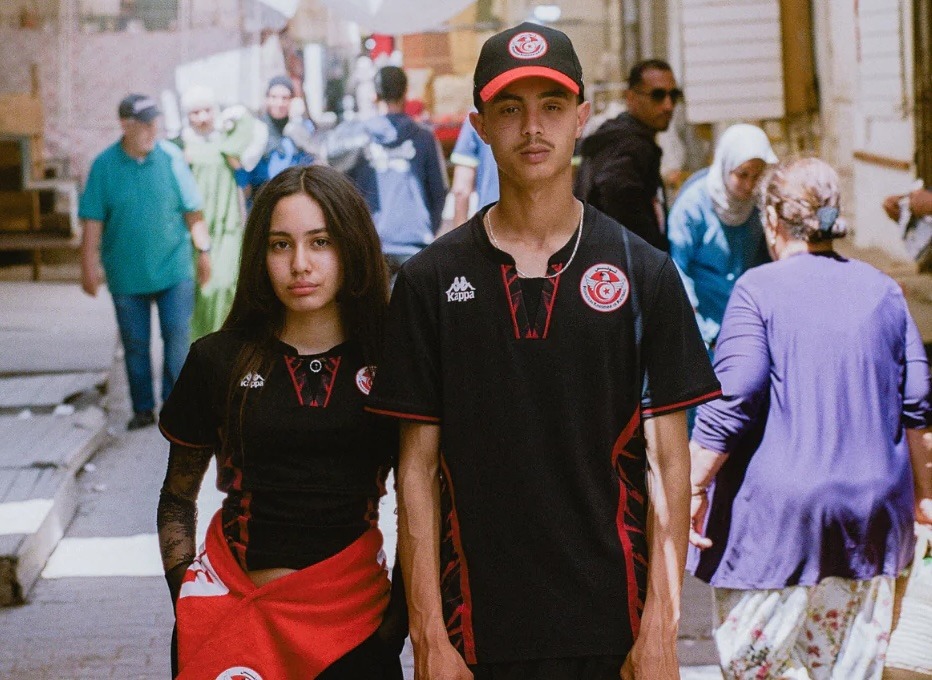
Like in Qatar four years ago, Kappa will be represented by Tunisia, who will be wearing their traditional home white kit and red away kit, which pay homage to Tunisian heritage with a nod to the iconic Eagle of Carthage.
The white kit features feather graphic along the shoulders and sleeves, with the Kappa logo and team crest taking centre stage, while a bold red background is paired with clean white details for the away kit.
The real showstopper, however, is the blackout third kit, which features red contrast panelling that channels an eagle in flight and retro branding on the v-neck collar.
It’s an instant classic. A quarter of a century on from launching the Kombat, you would assume Kappa no longer has to convince players to wear their kits.
Related Topics
Related Articles
Related Articles
Founded from the merger of three historic sides, Dolomiti exists to represent Bellunese football as a whole, rather than one town alone.
Ever fancied two Serie A games in two days while visiting one of the world's food capitals? It's doable in Emilia-Romagna.

The Blucerchiati are in the second tier for the fourth consecutive campaign. But they remain a huge draw for the calcio tourist.