
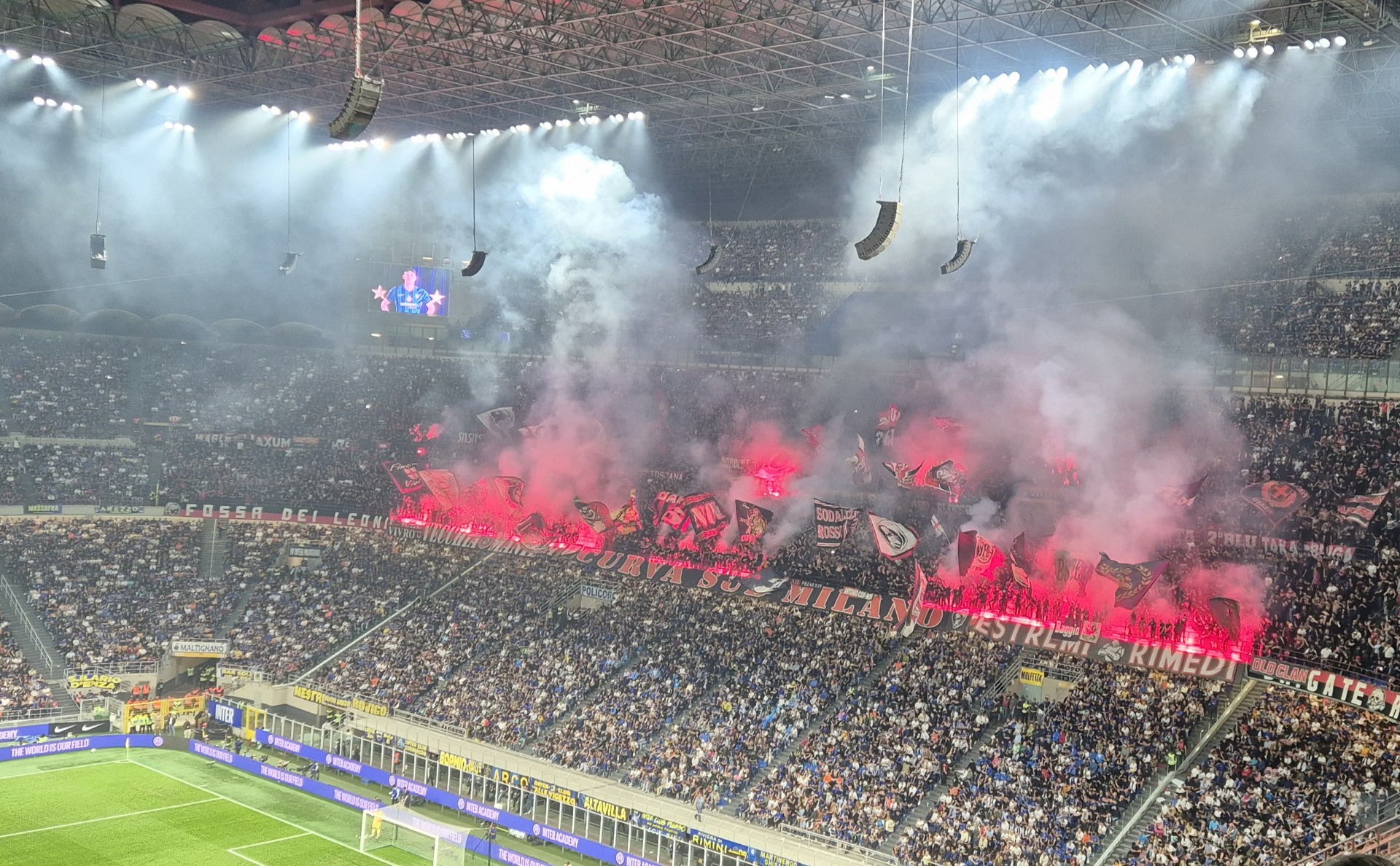
The boardrooms at Serie A meetings have certainly changed over the past 20 years.
In 2006, every club in the top tier was controlled by an Italian owner: from Silvio Berlusconi at AC Milan to Massimo Moratti at Inter, and from the Agnelli dynasty at Juventus to the Pozzo family at Udinese, there was a local flavour to Serie A two decades ago.
Now, 25% of the professional clubs in the Italian game are foreign owned, with the majority of them hailing from the United States.
As many as 13 clubs from Serie A, B and C are owned by US companies, by far and away the largest percentage. Of the teams that finished in the top six of Serie A in 2025-26, half belong to American ownership and only the Premier League has more US owners than Serie A across Europe’s top five leagues.
But why are they investing in Italy?
For many, it’s a decision made not just purely in terms of finance. It can be emotional. The late Rocco Commisso left southern Italy as a young boy, waving goodbye to the town of Marina di Gioiosa Ionica, about 50 miles south-west of Catanzaro, in Calabria. Way down towards the toe of the country, Catanzaro is the nearest team from the top two divisions. When he came back, he looked further north.
Commisso made his fortune in the States and felt the time was right to return and make a contribution to his homeland, buying Fiorentina in 2019.
“(The investment is) mostly passion. I’m not in soccer to make money. I don’t want to lose money, but I’m not here as a businessman to make money,” he said in his first press conference as owner. “I’m here more because it’s my way of giving back to the game and to Italy for what the game has meant to me.”
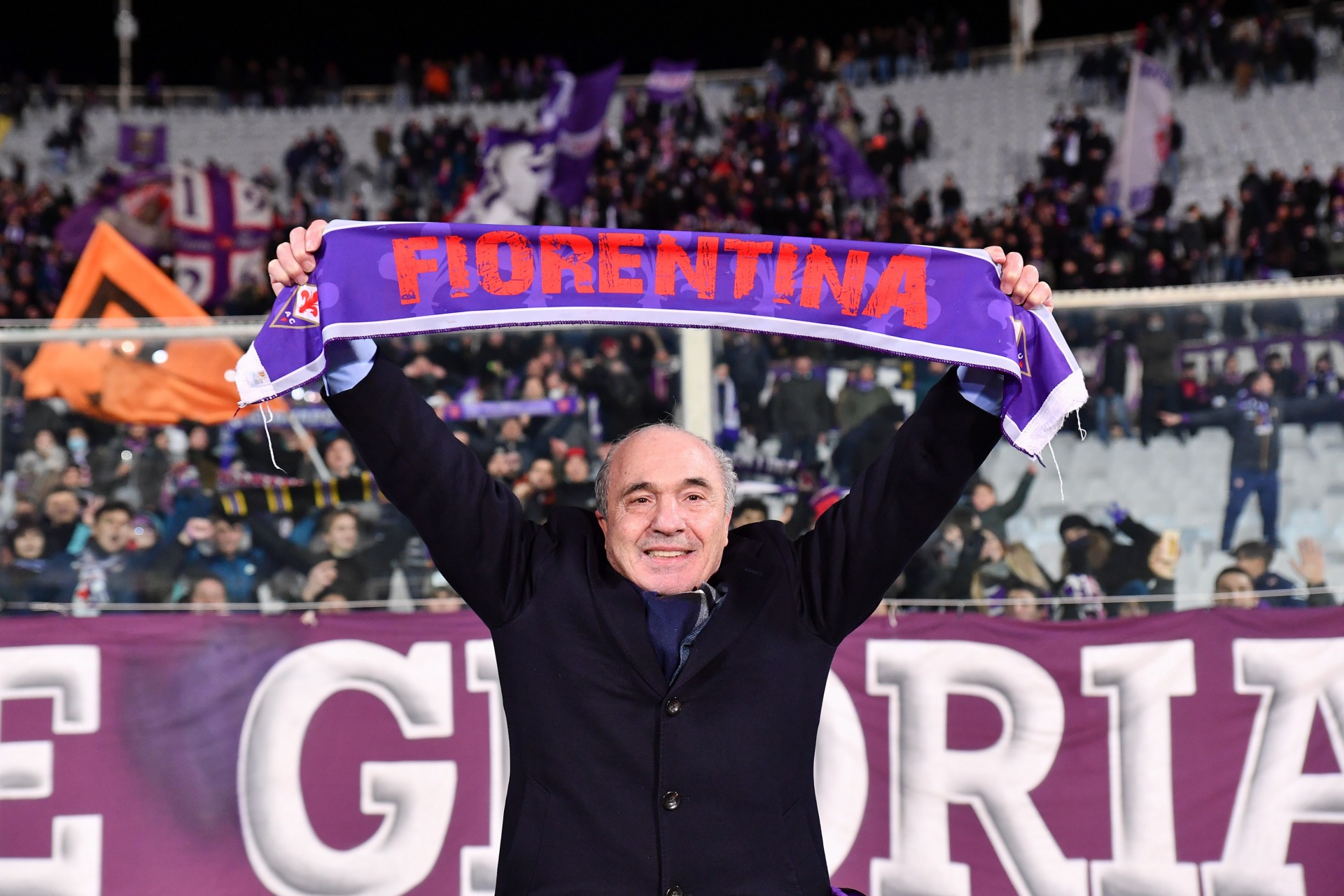
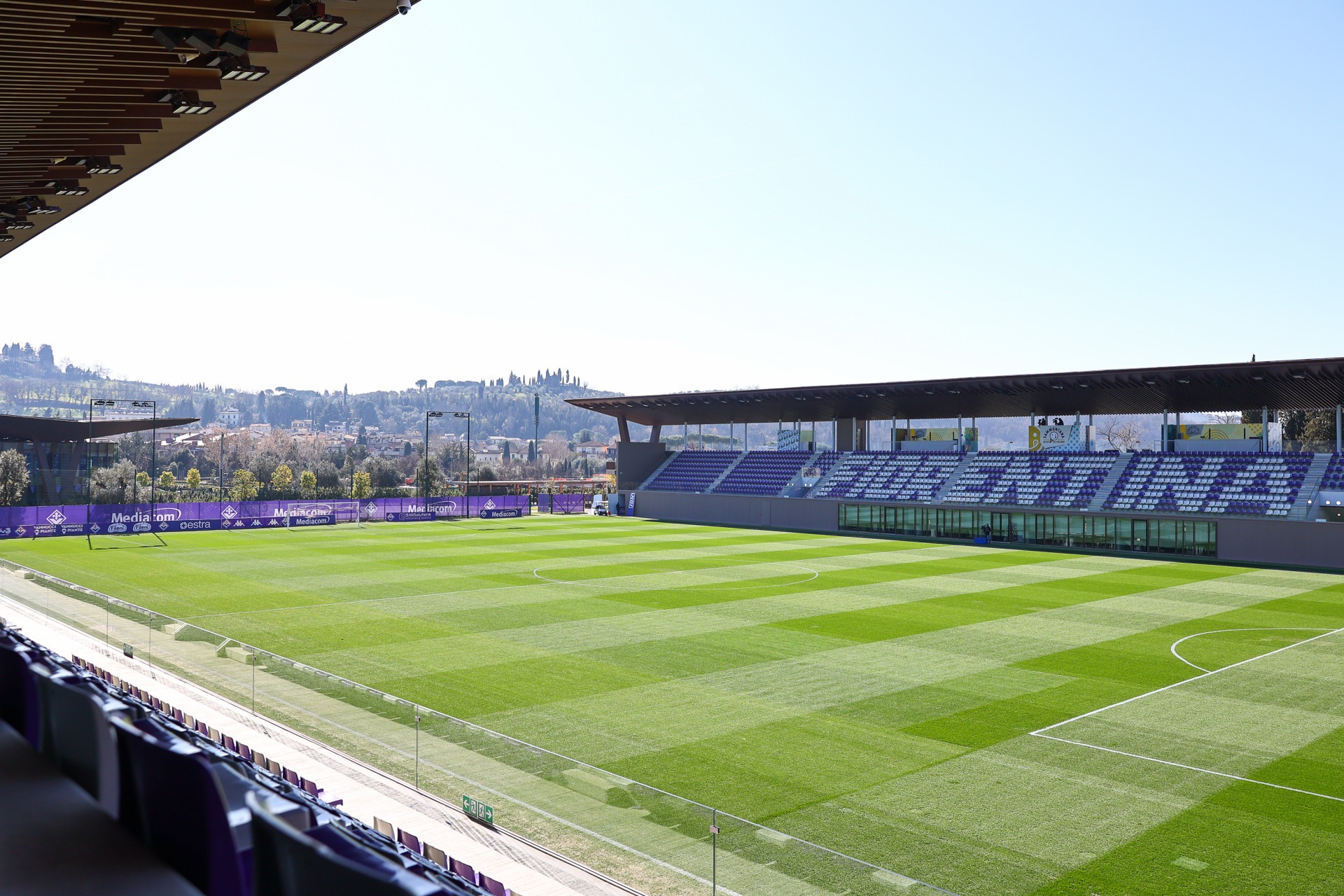
Commisso wanted to make the club self-sufficient and profitable though. He wanted to build a new stadium and a training centre.
In other words, Commisso wanted to build a legacy at Fiorentina. He died earlier this year having only been able to build the new training ground, with the bucolic Viola Park a sprawling €110m testament to a man who was ready to invest his own money into the club. It sits in the hills of Bagno a Ripoli near Florence, houses the men’s women and youth teams and is one of the largest sports centres in Europe.
You can tour the facility and there is a large sports bar on site where fans can get a drink if watching the women’s team or the primavera side.
Commisso, as he so often liked to point out, was the only American investor who was born in Italy. Others have historical ties to the country.
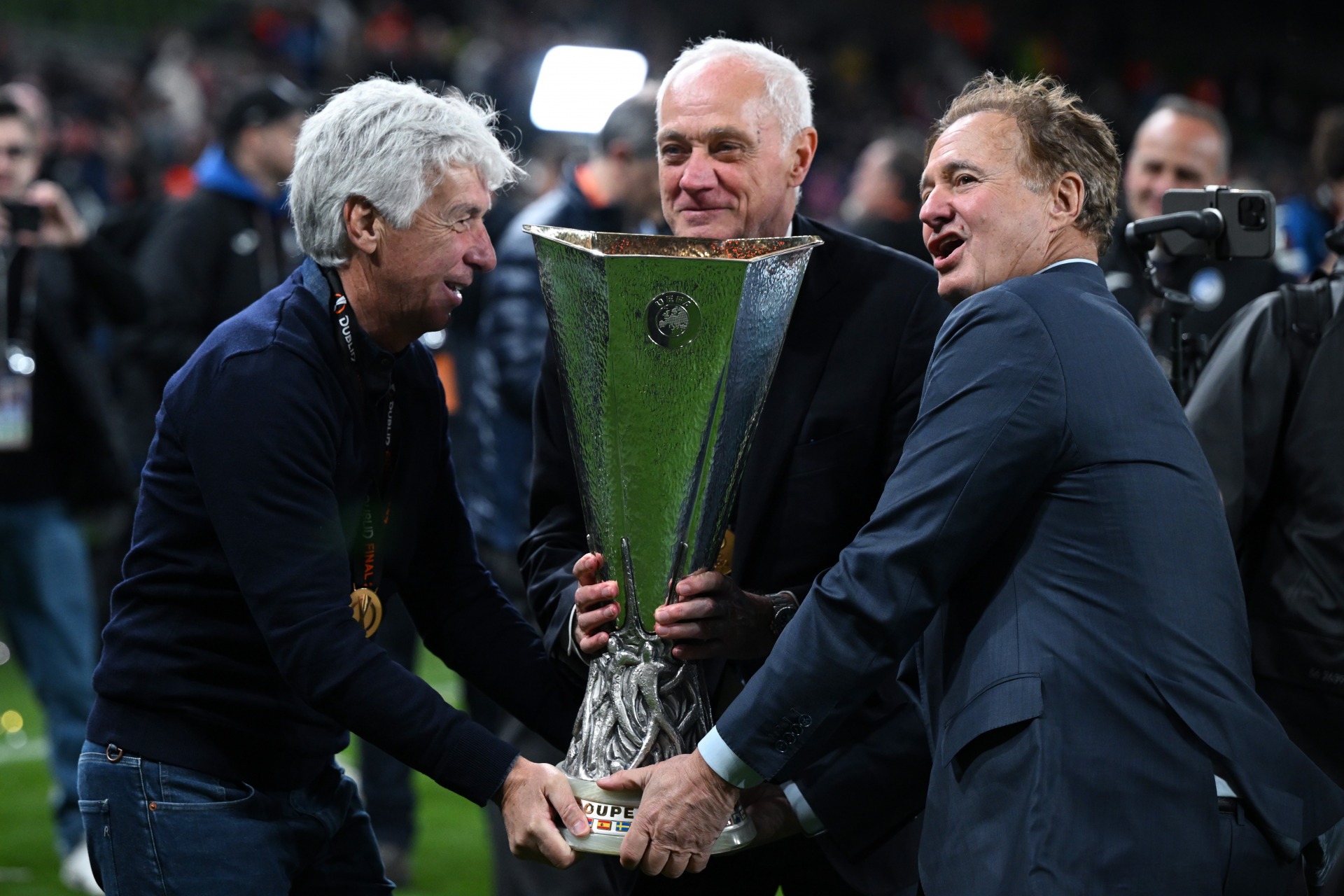
This is the case with Atalanta’s owner, Stephen Pagliuca. La Dea were owned by the Percassi family for decades, but relinquished 55% to a consortium led by Pagliuca in 2022.
Hailing from New York, Pagliuca is a third-generation Italian, with his grandparents immigrating from near Avellino. “I’m very honoured (to be Atalanta’s owner) and it kind of takes me back to my roots where my grandfather came from, and it’s emotional every time I go to Italy, we still have family there.”
For Pagliuca, the great work done by the Percassi family meant investing in Atalanta was a no-brainer. After renovating the rest of the New Balance Arena and on the back of Europa League success in 2024, Pagliuca wants the club to grow.
We recently featured the club in our list of under-the-radar destinations on the wish-list for the 2026-27 season. Bergamo the city has so much to offer while the stadium, with its stands tight to the pitch and fans among the loudest in the league, is a great place to watch football.
“We want to keep growing, year after year, season after season. We bought land in Zingonia next to the training centre to further expand what is already one of the best youth development centres in Europe,” Pagliuca told La Gazzetta dello Sport last year.
He wants to emulate the multi-club model that the City Group instigated, with Atalanta at the top of the pyramid.
Kyle Krause has a similar story at Parma. Originally from Iowa but with roots in Palermo through great grandparents, Krause had been somewhat intrigued by the thought of buying the Rosanero, but decided to invest in the Gialloblu six years ago when they were still in Serie B.
“The Parma opportunity surfaced through networking. I got talking to somebody who had been talking to somebody else. Italians do a great job of introducing you to people,” he told The Athletic when first taking over.
Krause saw the potential in Parma, a one-team city in the heart of the country with a rich cultural history.
On a recent trip to Parma, Destination Calcio sat at the next table to Krause at Sorelle Picchi, a restaurant by the river and a recommendation from the club’s press officer. It lived up to Emilia-Romagna’s reputation as Italy’s culinary hotspot. And while we’re here, Brazil manager and AC Milan legend Carlo Ancelotti, who knows almost as much about food as he does about football, also has a favourite restaurant in the area.
Krause, like other American owners, is determined to either renovate or build a new stadium in the town, raising the club’s economic stability and also boosting their worth in the process. After decades of underinvestment in stadiums and with Serie A’s image blighted by scandals and violence in the stands, American investors believe clubs in Italy are depreciated assets in the big-business world of football.
With Premier League teams costing a fortune to engineer takeovers, buying clubs up and down the peninsula appears to be less of a strain on finances. Bargains are there to be had, goes the thinking. Moreover, with most Italian clubs lacking the infrastructure in modern stadiums and training grounds, there is potential for would-be owners to modernise, in turn raising their profile and eventually selling them for a profit somewhere down the line.
However, some owners found themselves in the position of possessing clubs not through choice. This has been the case for both Milan teams.
Oaktree Capital, a global asset management firm from Los Angeles, took control of Inter in the spring of 2024 after Chinese owner Suning and Steven Zhang defaulted on a €300m loan repayment. As a consequence they took responsibility of the club.
The same story had played out at AC Milan just a few years before. Hong Kong businessman Li Yonghong defaulted on his loan in the summer of 2018, and Elliott Management took over the running of the Rossoneri.
Elliott then rebuilt the club, culminating in an unlikely Scudetto in 2022 before selling it to RedBird, a New York-based private equity firm ran by Gerry Cardinale.
Cardinale has Italian ancestry and vowed to be ‘(Silvio) Berlusconi 2.0’ and make Milan ‘number one again’. In a 2026 interview with the Financial Times, he laid out his future hopes not just for Milan, but for the league as a whole.
He said: “I would like to reach the point where, if I have built enough credibility, I can go to Rome, sit down with (Prime Minister Giorgia) Meloni or whoever else, and say, ‘Let’s build a plan to relaunch Serie A’. Let’s make Serie A one of Italy’s greatest exports.”
Cardinale has, however, suffered in his governance of the Rossoneri, with the argument that Milan is now a club more concerned with balance sheets than winning trophies. As Milan’s form collapsed in the second half of last season, protests against Cardinale and RedBird intensified from an angry fanbase. In a football landscape that is at times very parochial and inward looking, some owners have found it hard to make a connection with supporters.
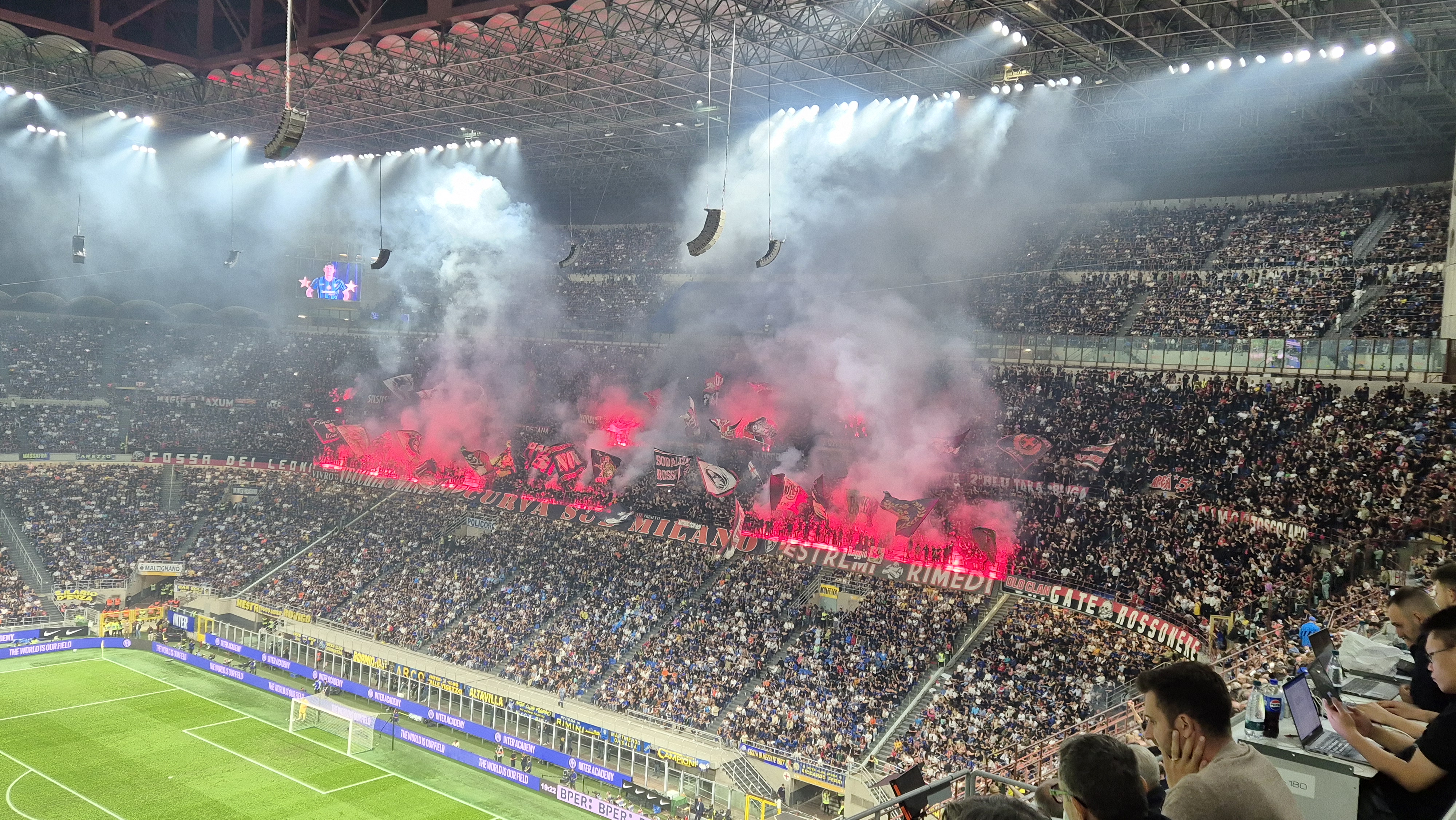
Yet still they come. Milan’s average attendance in the season just finished was more than 73,000 and up almost 2000 from the campaign before. San Siro remains one of the best greatest arenas in sport although its days are numbered, with plans in place to pull it down and build a new stadium. Destination Calcio visited twice in 2025-26 and while large sections of the stadium look their age, it will be a sad day when it goes.
Elsewhere, the Friedkin Group, who bought Roma in the same summer Krause bought Parma, have no connection to Italy, yet saw a massive opportunity to propel a club with one of the biggest and most loyal fanbases in the country to greater heights.
Their statement, when taking control, read: “As one fan wrote recently: ‘Take our iconic club and make it one of the greatest names in world football’. We intend to do just that.”
Six years on and while a European trophy was secured in the shape of the Europa Conference League under Jose Mourinho, the Scudetto remains elusive.
That being said, Roma are close to breaking ground on a new 60,000-seater stadium that would greatly improve their revenue stream and massively increase the Giallorossi’s value going forward.
A combination of financial opportunity, emotional pull and legacy building has seen the number of American owners in calcio swell over the past decade.
With Serie A’s untapped potential still remarkably high for a league that has often mastered the art of self-sabotage, the hope is the league’s many American owners can install the modernisation needed to fulfil that potential.
Related Topics
Related Articles
Related Articles
With five teams across the top two tiers of Italian football, Tuscany is a groundhopper's dream and perfect for a double-header.
From Milan's Athens tribute to another fantastic fashion statement in Venice, here are the kits calcio stars will be wearing on the road.
The excitement boarding the train in the morning, and the prospect of ticking off a new ground. Here are our favourite away days.