How Scrapping in Serie B Prepared Gabriel Batistuta & Co for the World Cup
By Dan Cancian
The Italian top flight was the place to be when the World Cup first landed in the United States way back in 1994.
The greatest players strutting their stuff in some of the best kits the game has ever seen against the background of imposing, majestic stadiums that were just four years removed from hosting a World Cup themselves.
Serie A had it all, including the financial muscle to blow rivals out of the water, with most of the biggest transfer deals being done by Italian clubs.
Success translated beyond Italy’s border. A Serie A side reached the final of the European Cup/Champions League five times in six seasons between 1989 and 1994, with AC Milan winning on three occasions, while there were five Italian winners and an astonishing eight finalists in the UEFA Cup over the same period.
When football’s biggest tournament arrived in the US, there were 41 Serie A-based players at the World Cup – Italy’s 22-man squad plus 19 dotted across the field.
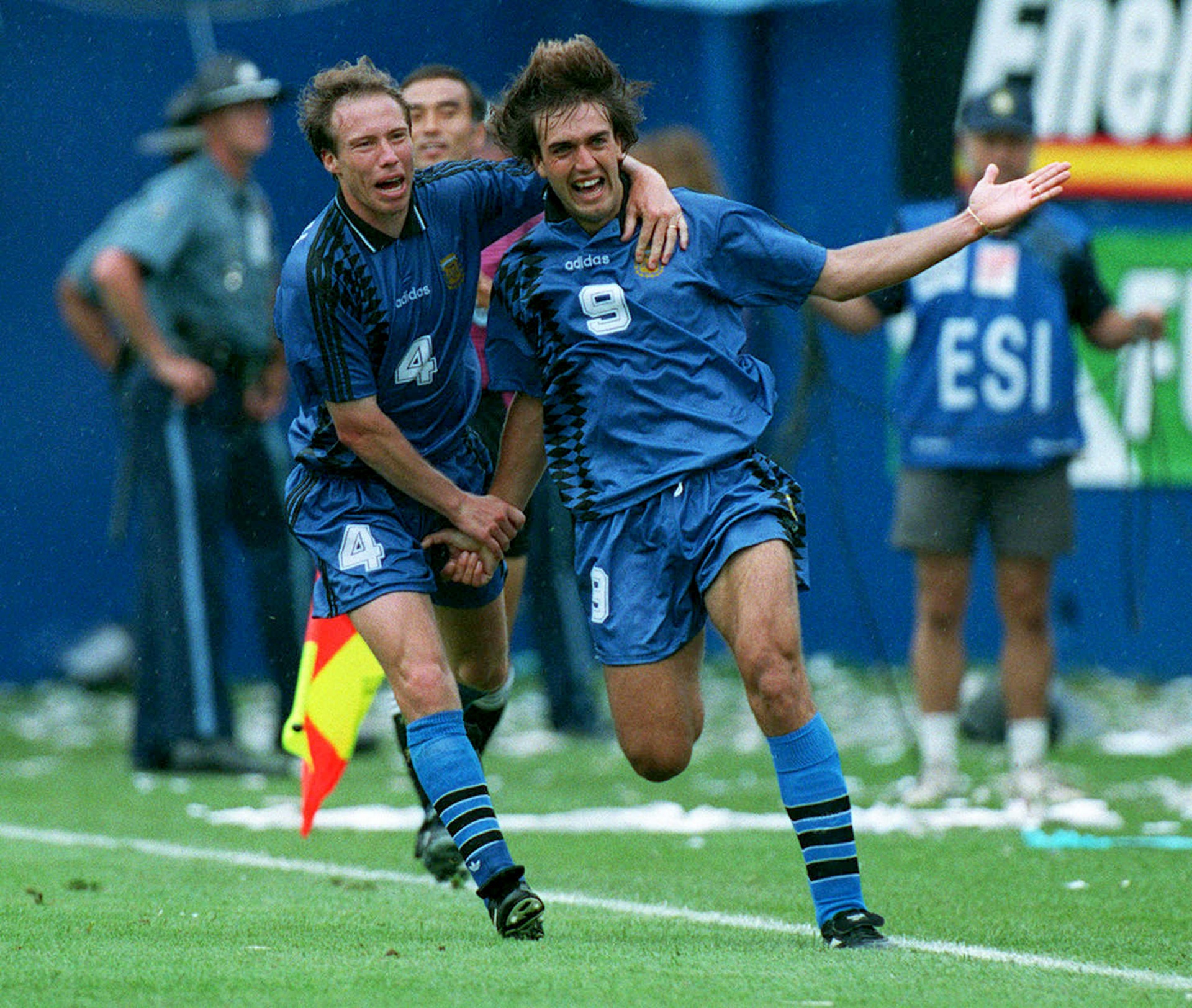
But it was the presence of Gabriel Batistuta, Stefan Effenberg and Gheorghe Hagi which truly underlined the strength of Italian football.
Pillars of Argentina, Germany and Romania respectively, they had just spent the season in Serie B with Fiorentina and Brescia – an unthinkable scenario for players of their calibre these days.
This summer, five players – Dennis Hadzikadunic, John Yeboah, Fares Ghedjemis, Michael Svoboda and Marko Farji – had just finished a Serie B campaign before heading across the Atlantic, but their status can’t be compared to that of the trio.
Having arrived in Florence in the summer of 1991, Batistuta made a steady start to life in Italy, scoring 13 goals in his debut season as Fiorentina finished 12th.
He was joined in Tuscany by Effenberg and Brian Laudrup the following summer as president and movie mogul Mario Cecchi Gori embarked on a spending spree designed to get La Viola to challenge for the European places. His son Vittorio, who would take over the club’s running less than a year later, was even more bullish.
“We’ll turn (Silvio) Berlusconi into a Fiorentina fan,” he quipped.
But while Berlusconi’s Milan romped to a second consecutive title, Fiorentina found themselves in a relegation quagmire which ultimately ended with them slipping into Serie B.
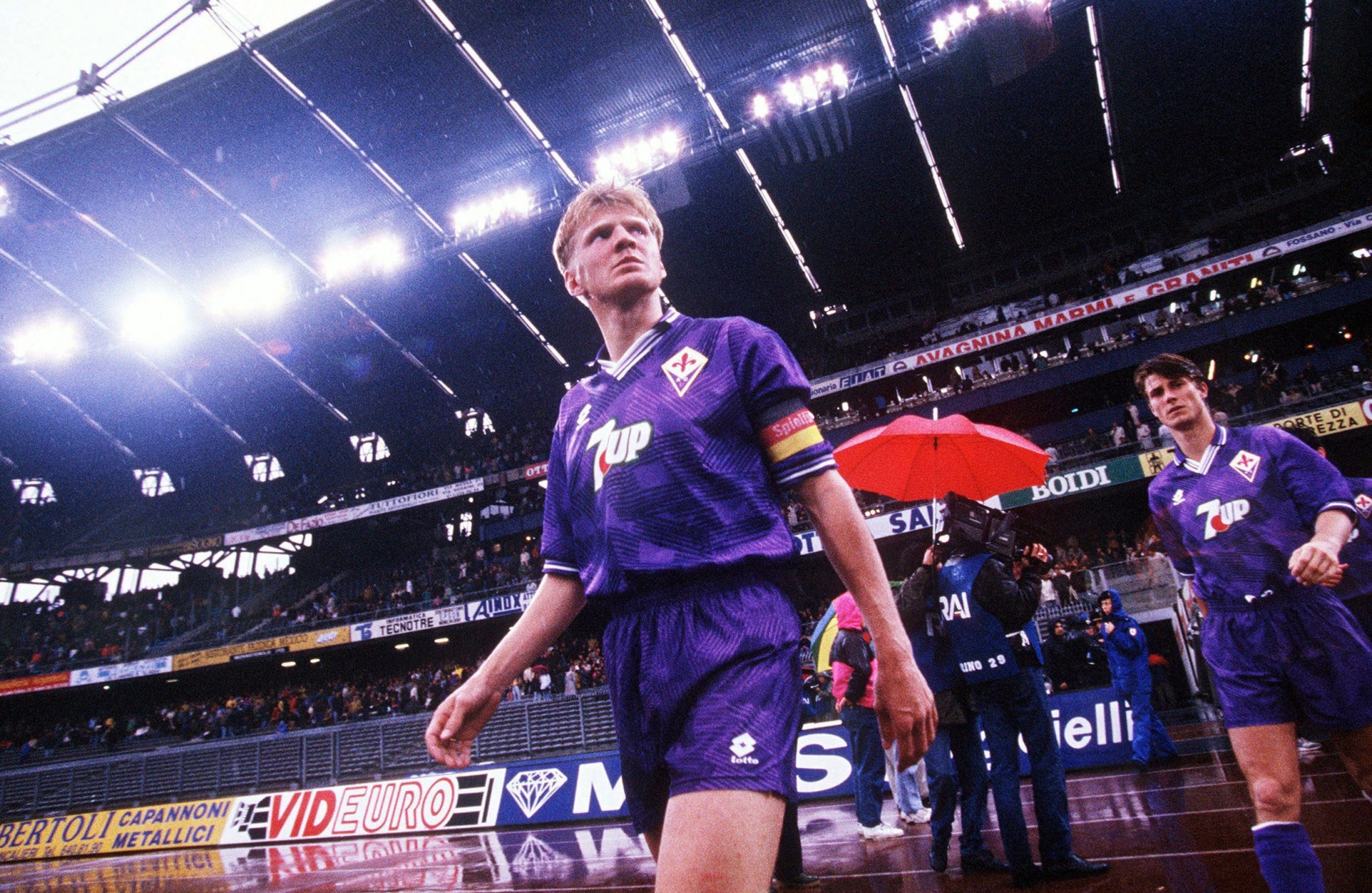
While Laudrup was loaned to Milan, Batistuta and Effenberg stuck around as Claudio Ranieri was appointed manager. As Batistuta admitted himself, it was far from a straightforward decision.
“When I first arrived, the city didn’t really warm to me, and the team was fighting to avoid relegation to Serie B,” he told the Rio Ferdinand Presents podcast back in April.
“Over time, though, I grew to love Florence and the Fiorentina fans. I realised just how desperate they were to win silverware, given how long it had been since their last trophy. It was that exact realisation that pushed me to stay, with the ultimate goal of helping bring success back to the city.”
Batistuta rattled in 16 goals for a second consecutive season and Effenberg chipped in with seven as Fiorentina returned to Serie A at the first time of asking.
The Fiorentina duo were joined at the World Cup by Romania captain Hagi, who had shocked European football by leaving Real Madrid for Brescia in the summer of 1992.
Was swapping the Santiago Bernabeu for a provincial side in Italy a step down? Not according to the Romanian.
“I absorbed a real footballing culture there, especially the meticulous attention to technical detail,” Hagi told La Gazzetta dello Sport years later.
“I learned to pay attention to absolutely everything – nothing was left to chance. Brescia was a massive test for me, marking the toughest period of my career: losing the play-off against Udinese and suffering relegation.”
Relegated at the end of Hagi’s first season in Serie A, Brescia returned to the top flight straight away after finishing third in Serie B, six points behind Fiorentina.
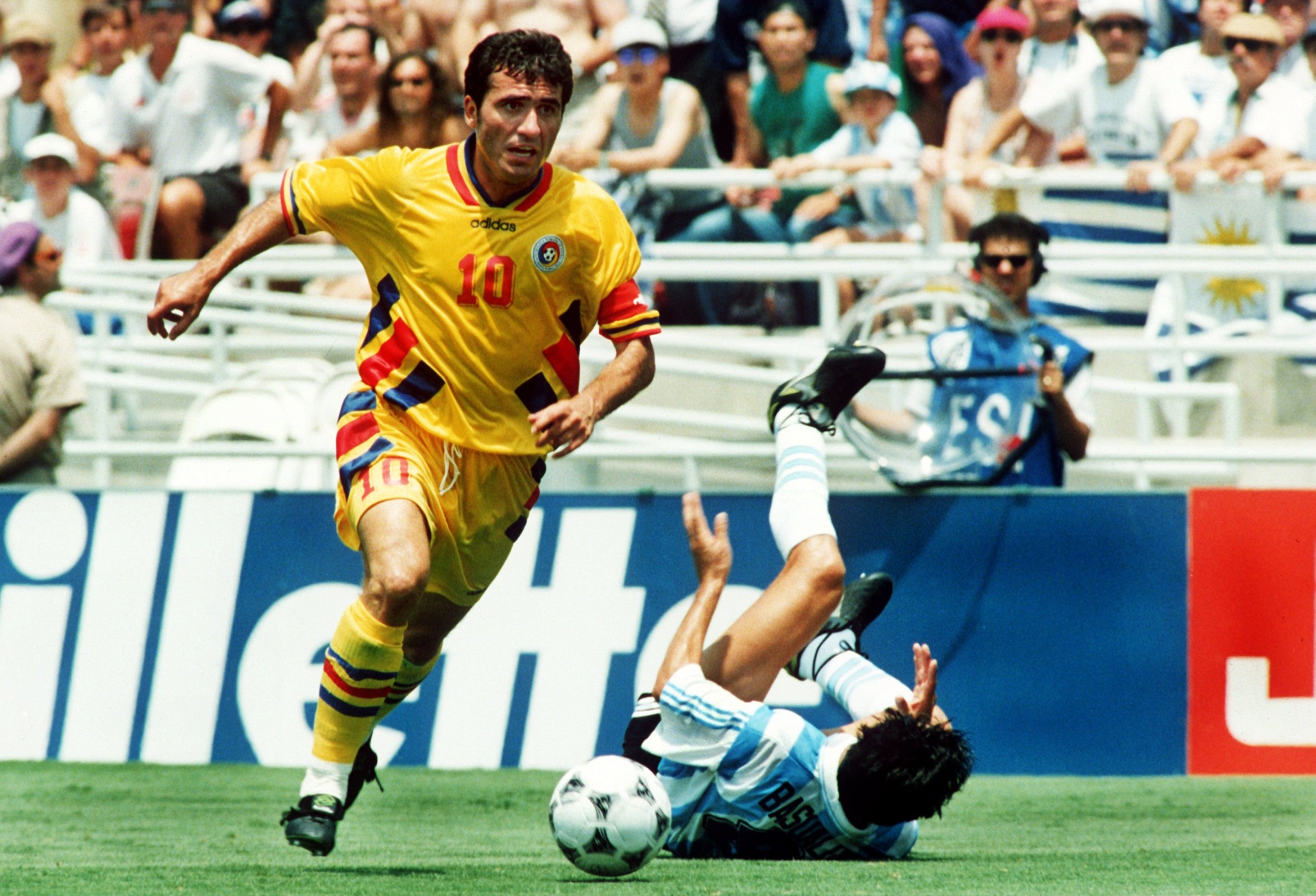
Hagi, who scored nine goals in 30 league appearances and led the Rondinelle to lift the Anglo-Italian Cup at Wembley in the same season, should not have been at Brescia to begin with in the lead up to the World Cup.
The ‘Maradona of the Carpathians’ had been lined up to replace the real Diego in Naples, but Brescia nixed the move.
“To this day, though, I’m still angry with the Brescia directors from back then,” he told La Gazzetta dello Sport. “I can say it now, after all these years, but I had actually received an offer from Napoli to succeed Maradona. The Argentine had just left, and I was supposed to become the new Diego – but Brescia rejected the bid.”
In the US, Batistuta rattled in a hat-trick in Argentina’s 4-0 trouncing of Greece in their opening game, while Hagi netted in Romania’s first two outings – a 3-1 win over Colombia and a 4-1 defeat by Switzerland.
Effenberg, meanwhile, started all three of Germany’s group games, before being dropped by manager Berti Vogts for giving German fans the finger after being substituted against South Korea.
The Fiorentina midfielder would have to wait another four years for his next international cap, while Germany crashed out in the quarter-finals against Bulgaria.
Batistuta and Hagi had no such issues, as Argentina and Romania collided in the round of 16 in Pasadena in what remains one of the greatest World Cup matches ever played.

Romania edged a five-goal thriller and advanced to the quarter-finals where they lost on penalties to Sweden after Milan striker and former Brescia star Florin Raducioiu had bagged a brilliant brace.
Effenberg returned to the Bundesliga after the tournament and signed for Borussia Monchengladbach, while Hagi’s performances at the World Cup convinced Barcelona to bring him back to Spain.
Batistuta, however, stayed in Florence, only leaving for Roma in the summer of 2000 after claiming more than 200 goals in all competitions for La Viola and winning the Coppa Italia and Supercoppa Italiana in 1996.
Florence will always be one of our favourite destinations for a calcio trip. There is something quite special about taking in the view of the city from Piazza Michelangelo then grabbing a beer surrounded by the ultras at Bar Tabacchi Marisa before heading in to the Stadio Artemio Franchi. The old ground has stood the test of time and while renovations have been carried out, the majority of the original stadium still stands, almost 100 years on.
As for Serie B, the 1990s stardust may have disappeared but there are plenty of huge clubs in the second tier, from Sampdoria to Hellas Verona and Palermo, and our guides explain exactly how to go about getting tickets.
The second tier remains a thrilling race each season with two teams promoted automatically, six more battling for one place to join them, and four going down – three straight through the trapdoor and the last one after a play-out.
Destination Calcio TV shows three games live and for free during every round of fixtures so tune in, and who knows, you may discover some of the stars of the 2030 World Cup.
Related Topics
Related Articles
Related Articles
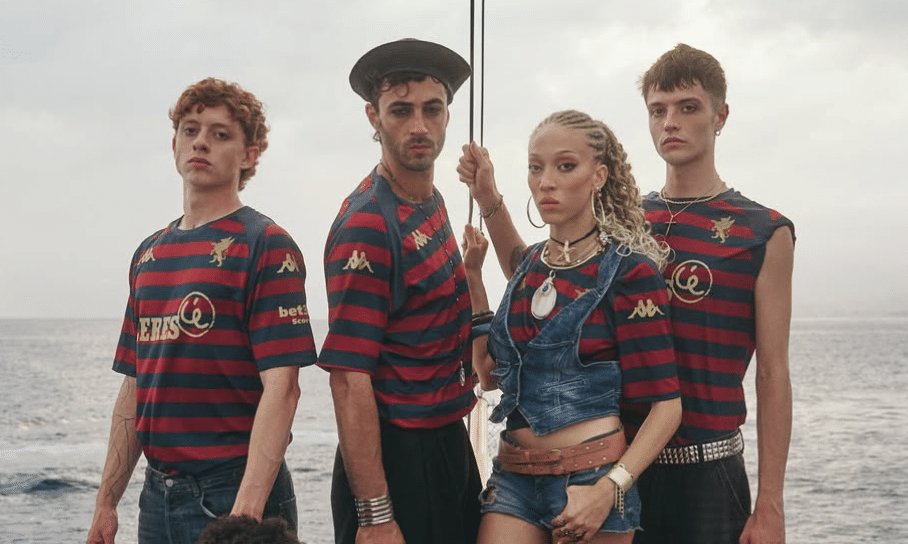
The home kits looked to tradition and the away kits went retro. The third kits are where Serie A clubs take more risks.
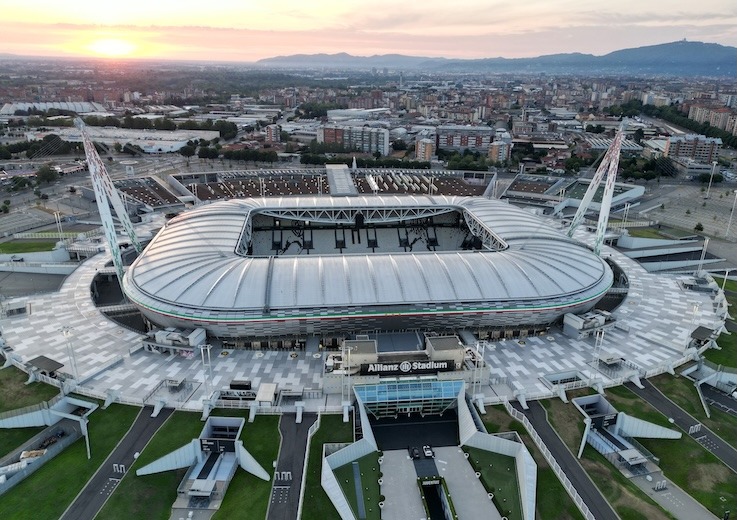
Some of the biggest grounds in the country must be replaced or renovated before the European Championship kicks off.
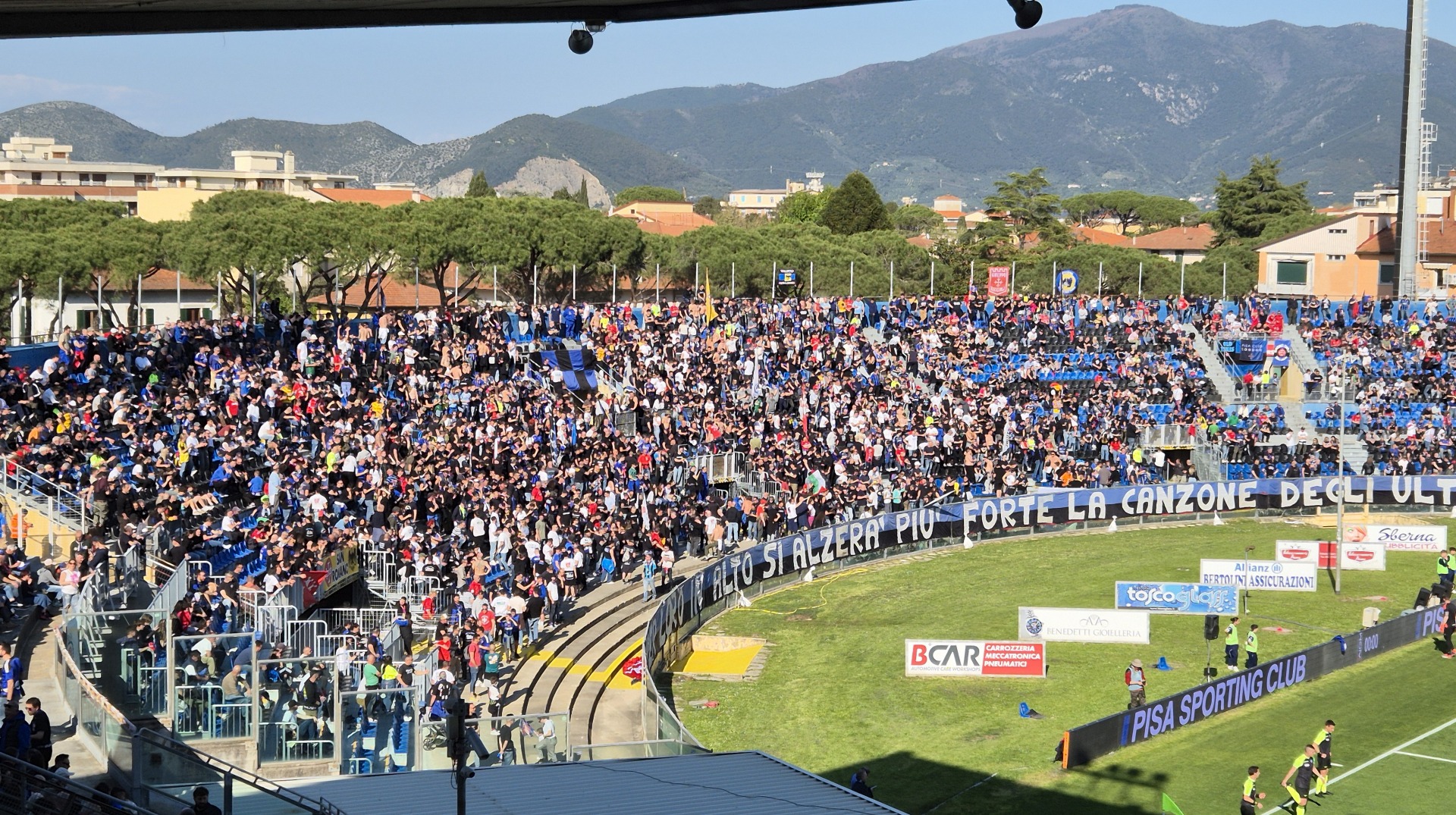
With five teams across the top two tiers of Italian football, Tuscany is a groundhopper's dream and perfect for a double-header.