
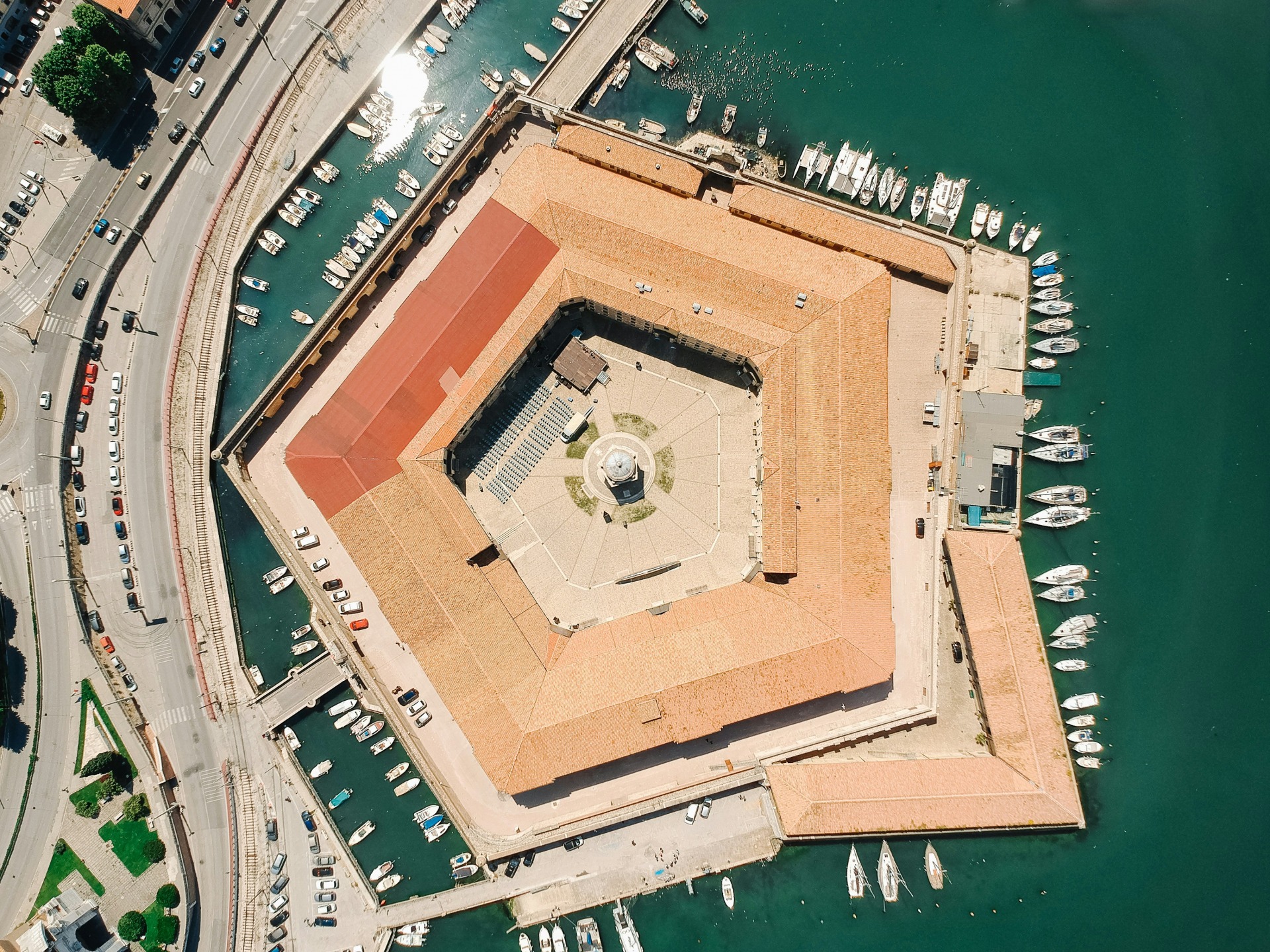
Ancona has spent decades as the workhorse of the Adriatic. For most, it is merely a place to grab a coffee while waiting for a ferry to Croatia or Greece, or a functional port where lorries rumble through the night.
But things are about to change. With the city recently named Italy’s Capital of Culture for 2028, the narrative is shifting from logistics to legacy. The jury’s decision to crown Ancona was unanimous, and their winning bid, titled Ancona. Questo Adesso (Ancona. Here and Now), is a signal that this city is finally ready to show the rest of the country exactly what it has been hiding in plain sight.
The city is a fascinating place and is built on a promontory that sticks out into the sea like a bent elbow – a feature the Greeks noticed when they founded the place over 2400 years ago, calling it Ankon. The skyline is dominated by the Cathedral of San Ciriaco, which sits atop the Guasco hill. It is a striking piece of Romanesque and Byzantine architecture that feels more like a sentinel than a church, looking out over a port that has been the lifeblood of the city since the Romans built the Arch of Trajan back in 115 AD.
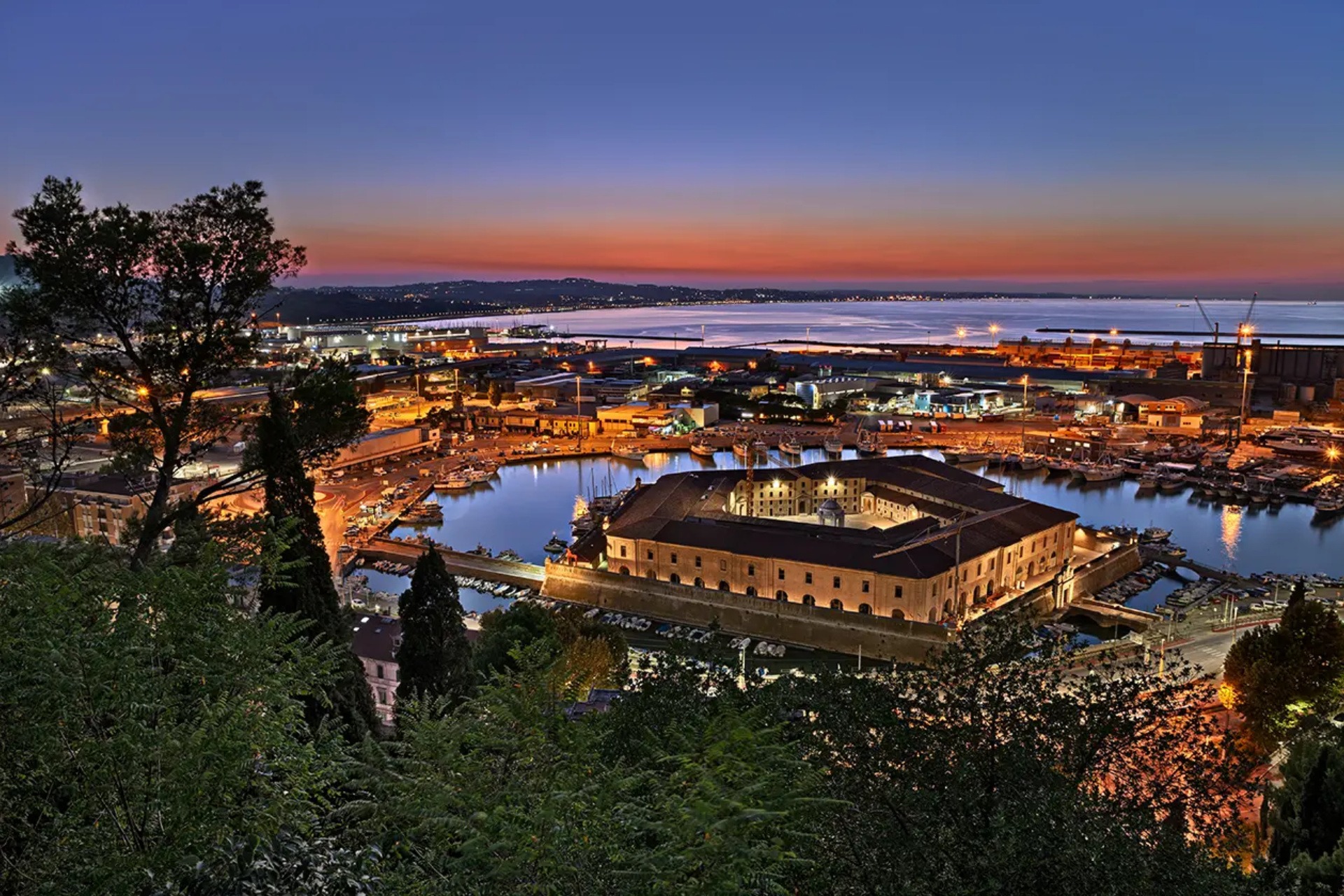
Beyond the ancient stone, there is a grit and character here that you don’t find in the polished tourist traps of Tuscany. Take the Mole Vanvitelliana, an 18th-century pentagonal fortress that sits in the middle of the harbour. Originally a quarantine station, it now acts as the city’s cultural engine, hosting exhibitions and the Omero Museum, which allows visitors to experience art entirely through touch.
Then there is the Passetto area, where you will find the city’s famous war memorial and the peculiar grotti, small caves carved into the cliff face by generations of local fishermen to house their boats. Ancona’s practical, slightly rugged aesthetic defines the city and offers a glimpse into its hardworking past.
The 2028 designation is a big deal, but history shows that winning this title is a bit of a double-edged sword. Towns like Bergamo and Brescia in 2023, or Pesaro this year, have used the funding to spruce up their infrastructure and drag a few forgotten historic sites out of the shadows. It brings in footfall and keeps the local economy ticking.
However, there is always the risk of falling into the trap of superficial window-dressing, focusing on glossy, temporary events to keep the tourists happy for 12 months, only to see the city slide back into the background once the funding dries up. There is also the constant, quiet worry of gentrification, where the very things that make a place authentic get polished away to suit a more transient crowd.
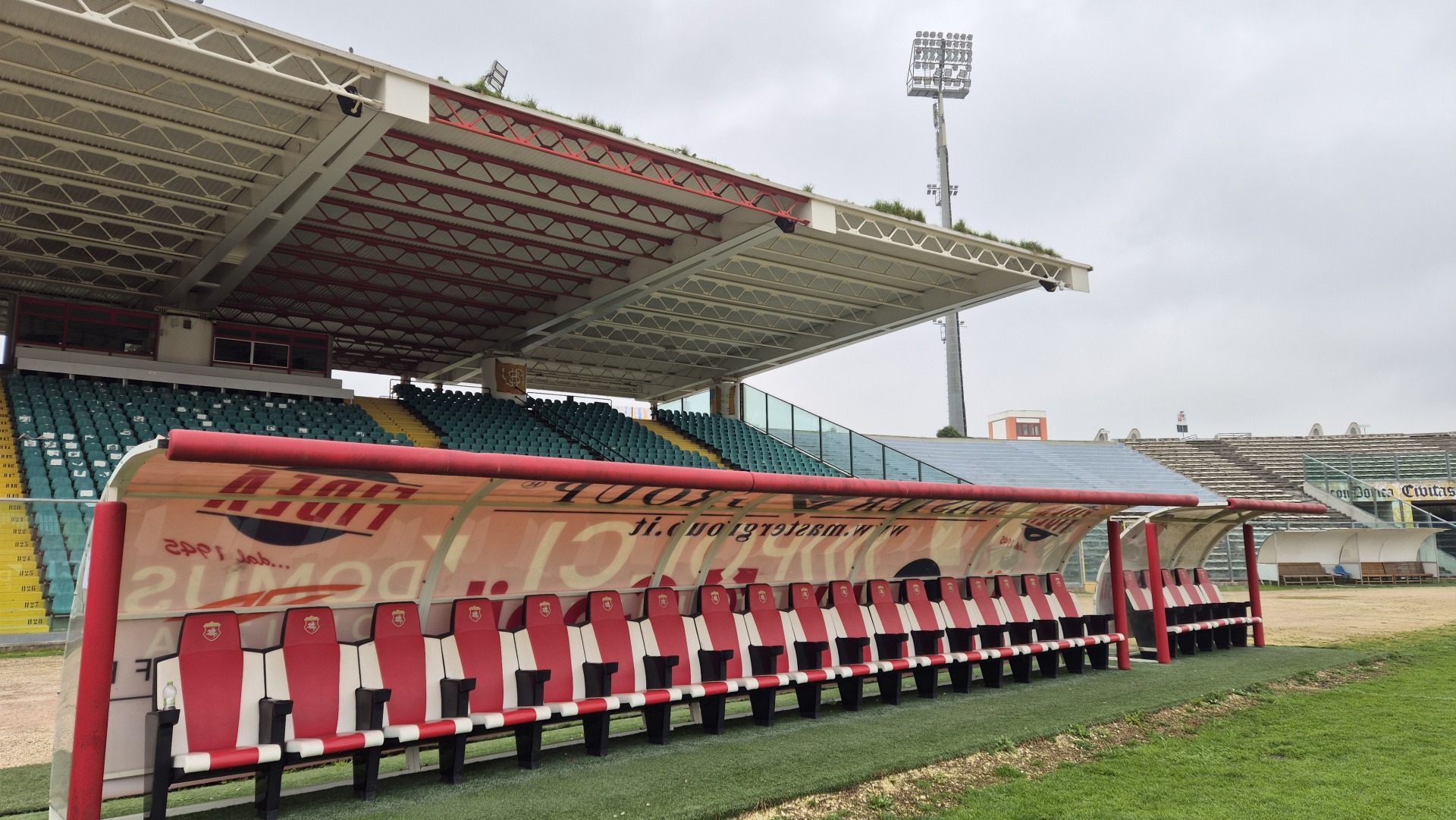
Even so, the city has a pulse that is impossible to ignore, and a huge part of that is the football club. In Italy, the local team is rarely just a business; it is the glue that holds the place together. Ancona is a working city, and the stadium is one of the few places where residents of all ages come together for a common cause. The club has navigated its fair share of turbulent times, but it remains the most visible expression of local identity.
As the city gears up for 2028, the question is whether the official planners will find a way to acknowledge the club’s role in the daily life. The fans have been the constant factor through every administrative or financial stumble, and their loyalty is a form of cultural heritage in itself.
To truly showcase Ancona. Here and Now, the passion in the stands is just as important as the history in the museums. Whether this designation results in a sustainable future for the city or just a fleeting moment in the spotlight remains to be seen, but for the first time in a long time, the focus is firmly on the Adriatic.
Related Topics
Related Articles
Related Articles
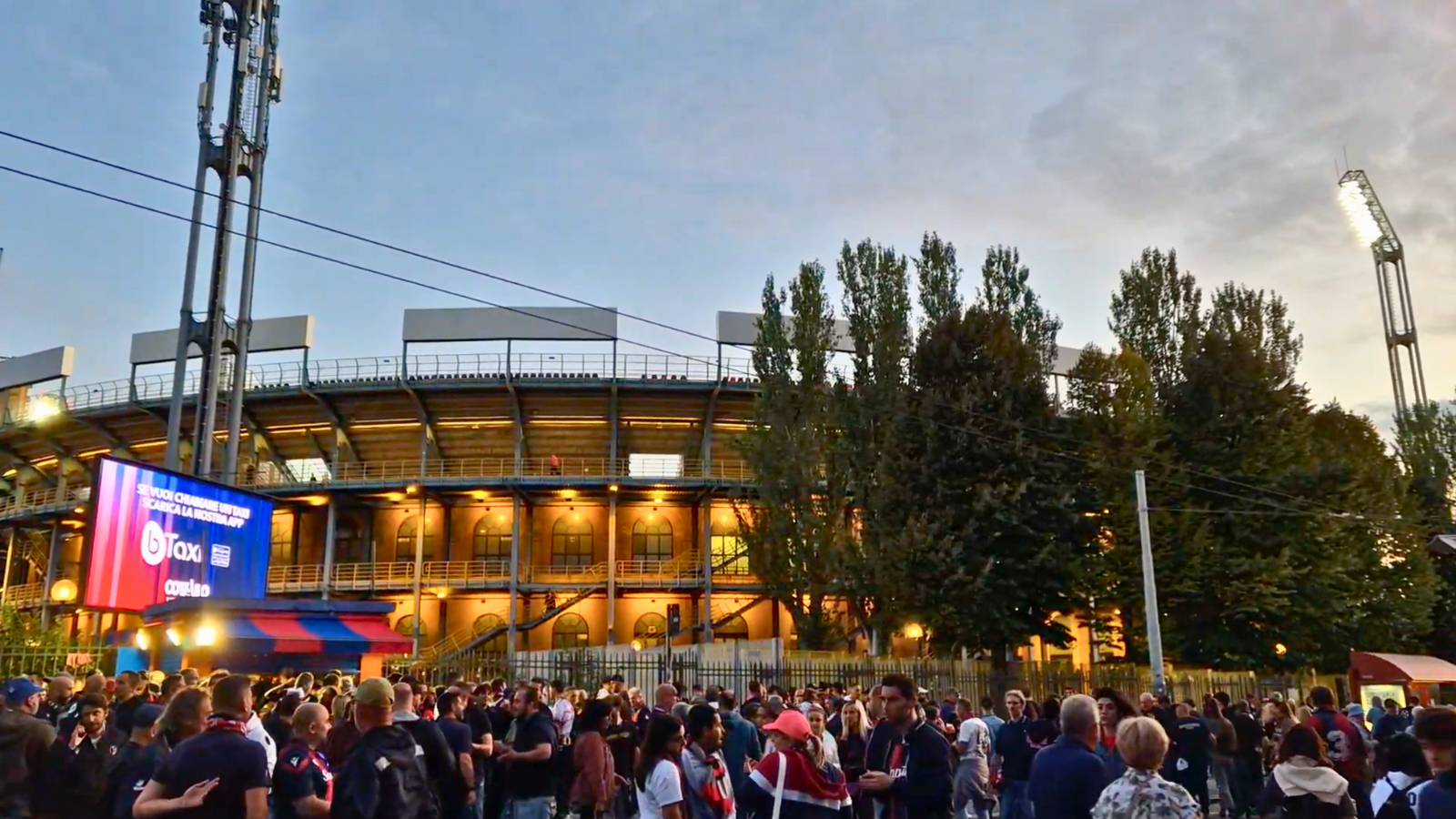
Club football may be on hold when the international breaks kick in but that doesn't mean calcio trips have to be put on the back burner.
We will be showing 18 Serie B matches LIVE and for FREE in October and November between the two international breaks.
Fans of Verona and Palermo are in for a treat after the Destination Calcio TV live Serie B fixtures were announced.