Ronaldinho’s astonishing move to Ravenna last week was a tale of three cities.
The Emilia-Romagna town where the 46-year-old will be “playing at least one game” 11 years after retiring from professional football, and Miami, where he was unveiled by club president Ignazio Cipriani, whose family owns a restaurant in the Magic City.
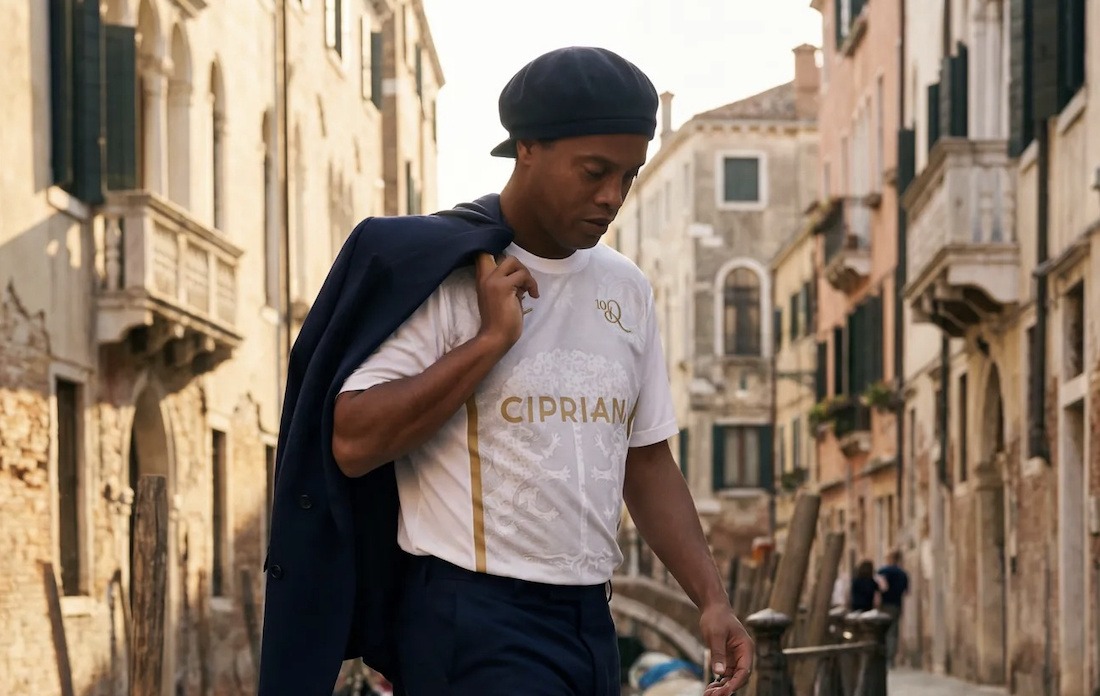
And then there was Venice – the Italian one, not the Florida version – which served as the background for Ronaldinho’s glossy introduction as a Ravenna player and for the launch of the club’s new kits.
Following in the footsteps of Michael Jordan, Ronaldinho is set to launch his own R10 brand in collaboration with Nike. Ravenna will become the first club to feature the R10 logo alongside the iconic Swoosh, mirroring Paris Saint-Germain’s landmark partnership with the Jumpman brand since 2018.
Stylish as the shirt is, it is an unusual move for a club to unveil a new kit in a different city – particularly one with its own football club, two divisions above Ravenna.
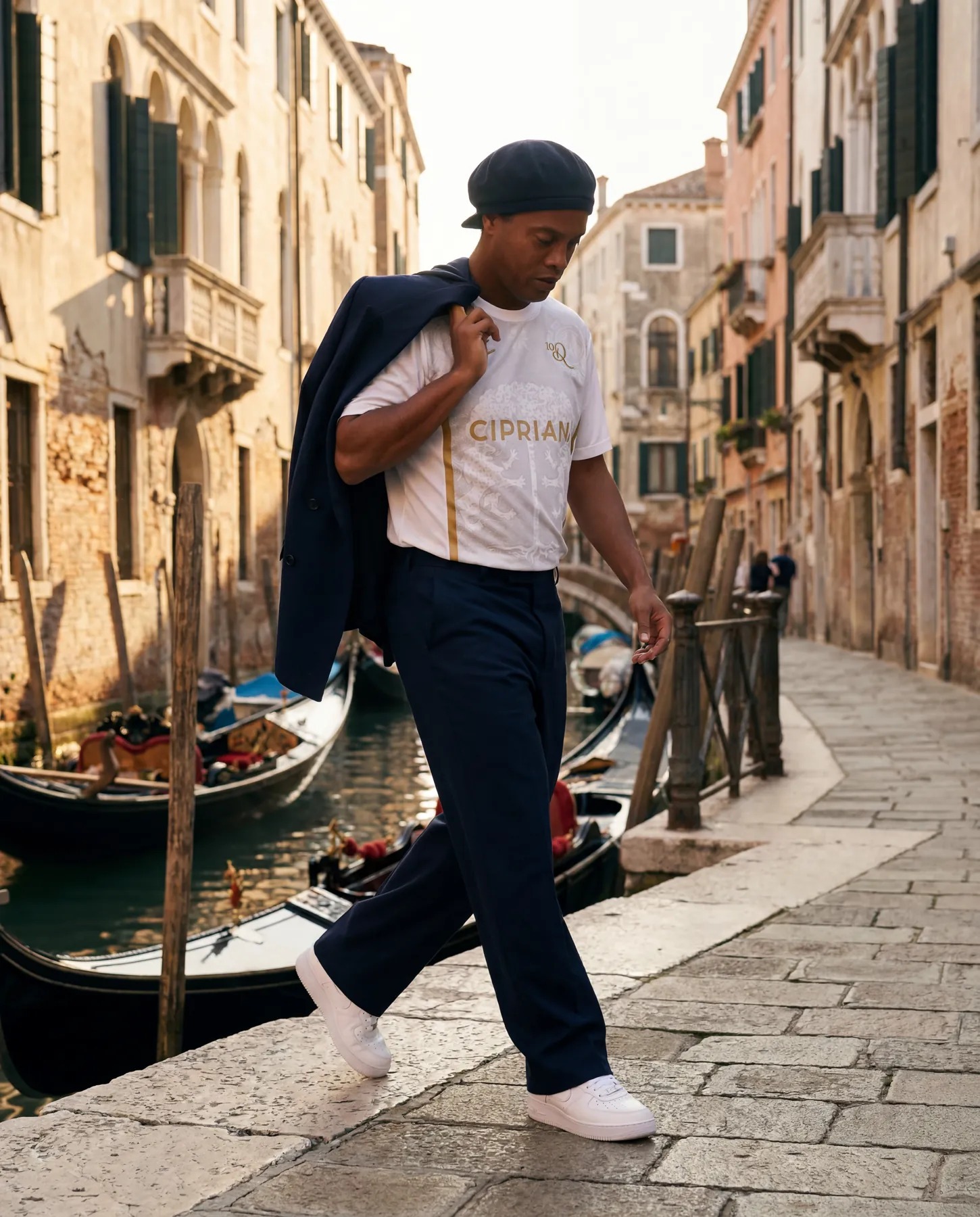
But Venice has long been a special place for Cipriani and his family.
The city was the launch pad for Giuseppe Cipriani Jr – Ignazio’s father – who built a restaurant business that eventually went global, anchoring flagship venues in New York and Miami – the latter being the location of Ronaldinho’s unveiling.
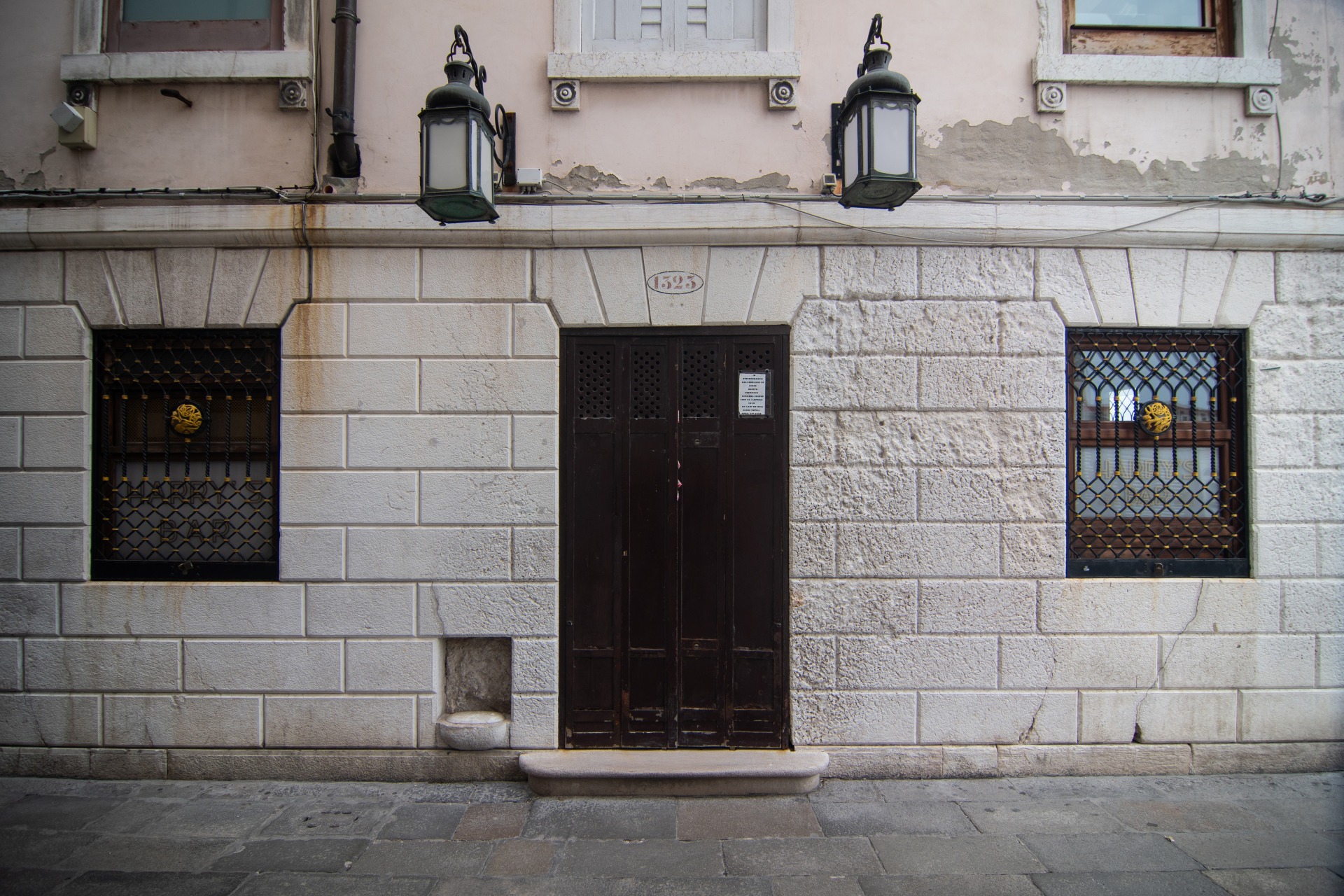
And the family’s legendary status in Venice dates back even further, to 1931 to be precise, when Cipriani’s great-grandfather, Giuseppe Sr, established Harry’s Bar.
Located on the waterfront of the Grand Canal a five-minute walk from the central Piazza San Marco, the venue is a Venetian icon and has been a favourite watering hole for the likes of Ernest Hemingway, Orson Welles, and Aristotle Onassis, Charlie Chaplin, Truman Capote and Peggy Guggenheim.
Woody Allen stopped by for a drink the night before marrying Soon-Yi Previn in Venice back in 1997.
The story of Harry’s Bar is pure hospitality lore. In the late 1920s, Giuseppe Cipriani was bartending at Venice’s Hotel Europa when a young, affluent American named Harry Pickering, who had been a regular guest at the Europa, abruptly stopped showing up.
When Cipriani enquired as to why Pickering had stopped visiting the bar, the Bostonian explained that his family had cut him off over his heavy drinking, leaving him broke.
According to Cipriani company history, Cipriani Sr took a massive leap of faith and loaned the American 10,000 lire – approximately $5,000 at the time – to get back on his feet.
Two years later, Pickering returned to the hotel lounge. He repaid the debt in full, then handed Cipriani a massive bonus, telling him it was time to open their own bar.
“Mr Cipriani, thank you. Here’s the money. And to show you my appreciation, here’s 40,000 lire more, enough to open a bar. We will call it Harry’s Bar,” Pickering said, according to the company’s website.
And so in 1931, Harry’s Bar opened its doors, named in honour of the man who funded it. Seven decades later, it was declared a national landmark by the Ministry of Cultural Affairs as a place of national interest for its pivotal role in 20th century Venice – the only establishment in Italy to have received such an accolade in the last 100 years.
Legend has it it was Cipriani’s wife Giulietta who found the perfect location on Calle Vallaresso, right by the Grand Canal.
“It was the cordage warehouse,” he later reflected.
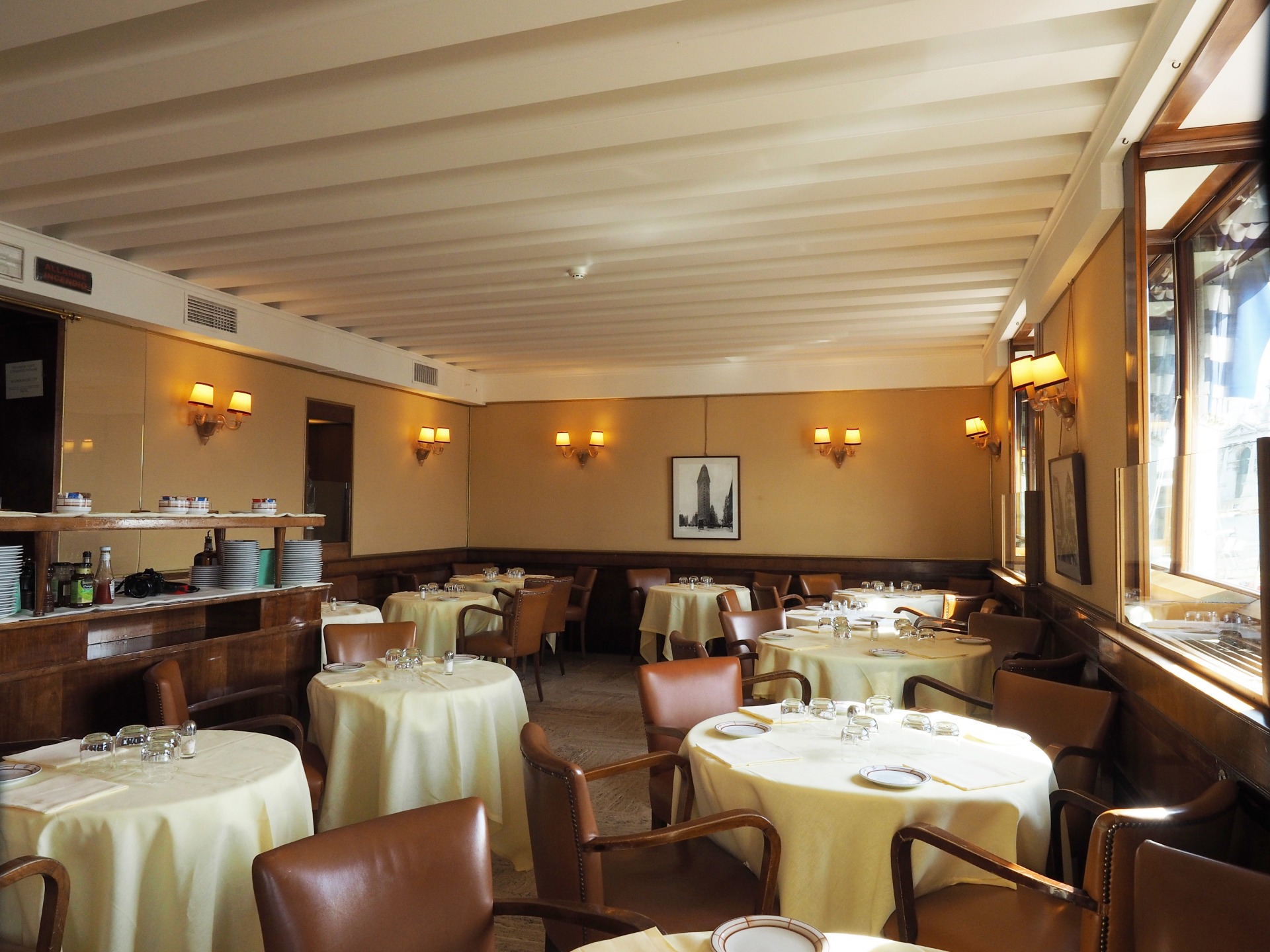
“I liked it at once because it was at the end of a dead-end street. At that time there was no bridge connecting the street to Piazza San Marco. The customers would have to come there on purpose, and couldn’t just stop in as they were passing by.
“I wanted a simple, elegant place with two essential features: the customer must not feel oppressed by the décor and there had to be light.”
Originally conceived as a hotel bar, serving no food, Harry’s was later transformed into a restaurant and became the birthplace of carpaccio, when the ever resourceful Cipriani came up with a new recipe to please Countess Amalia Nani Mocenigo, who had been told by her doctor to maintain a very strict diet and was not allowed to eat cooked meat.
Cipriani was also the man behind the Bellini cocktail, which he created in 1948 by using the peaches he loved so much and of which there was such an abundance in Italy during the summer months.
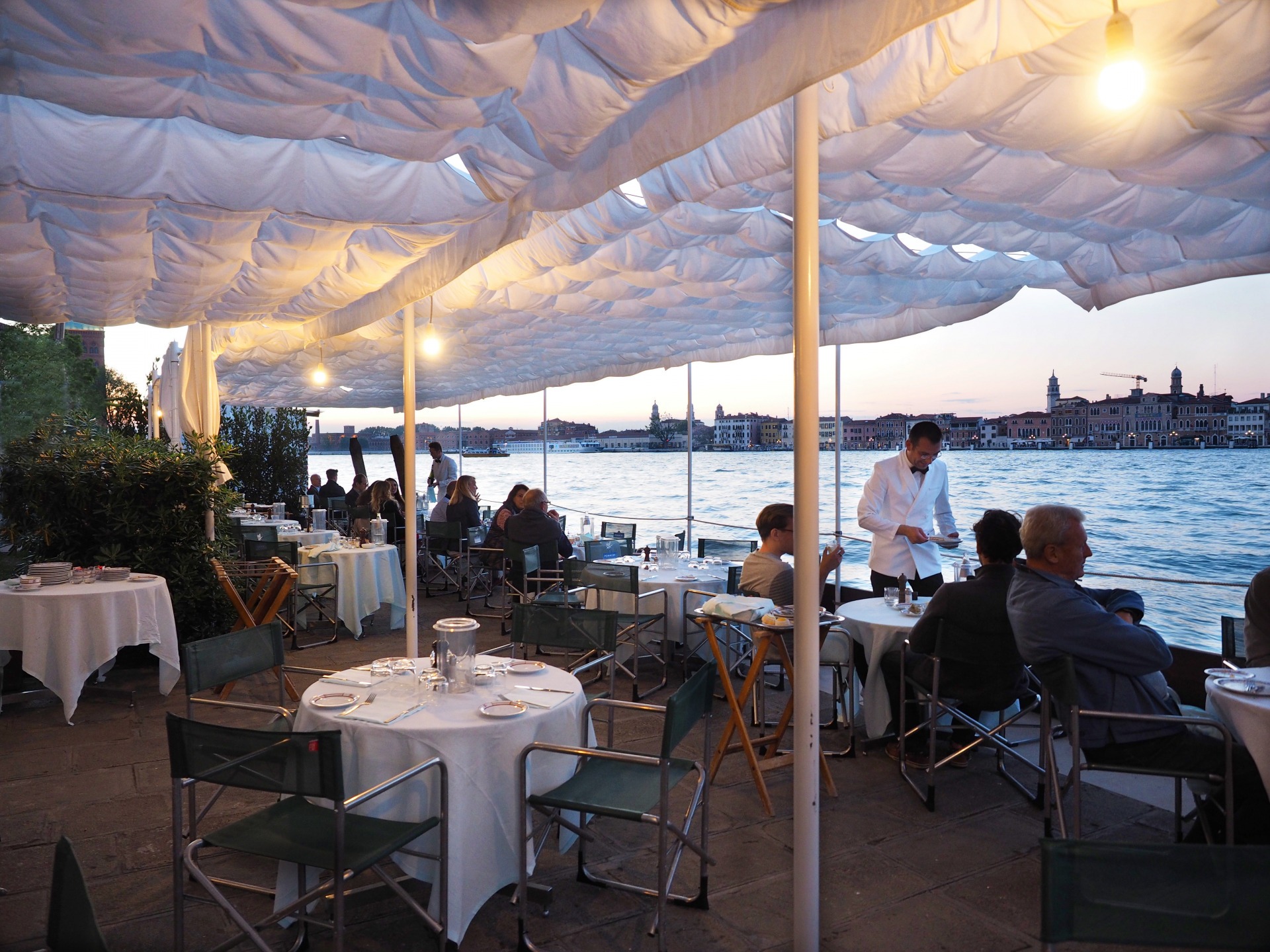
The name of the cocktail was itself a nod to Venice, as it came from Venetian painter Giovanni Bellini.
Cipriani’s legacy lives on through his family. His son Arrigo, Italian for Harry, founded Harry Cipriani on Fifth Avenue in New York in 1985, which was subsequently run by Giuseppe Jr, the father of the current Ravenna president, who also ran Downtown Cipriani, in SoHo.
The family’s US empire has extended to Las Vegas, Miami and Beverly Hills.
Back in Venice, the Ciprianis also run Harry’s Dolci on the island of Giudecca and Locanda Cipriani on the island of Torcello, which first opened its doors in 1936 and was visited by the late Queen Elizabeth.
In 2024 Arrigo famously sued Venice’s city council claiming boats speeding along the Giudecca Canal were leaving customers at Harry’s Dolci with wet feet.
“More and more often those sitting at Harry’s Dolci find themselves with wet feet due to the waves from the Giudecca Canal, which are caused by boats whizzing by without respecting the speed limits,” he told Corriere della Sera.
“It’s a serious problem for those who walk along the banks because they are slippery, for those with a small boat because it is difficult to stay on course, and for those who row because rowing has become increasingly dangerous. The wave swell problem has worsened because leaders do not know the city. Those who break the speed limit should be fined.”
Something for Ronaldinho to be mindful of when he travels to Venice next.
Related Topics
Related Articles
Related Articles
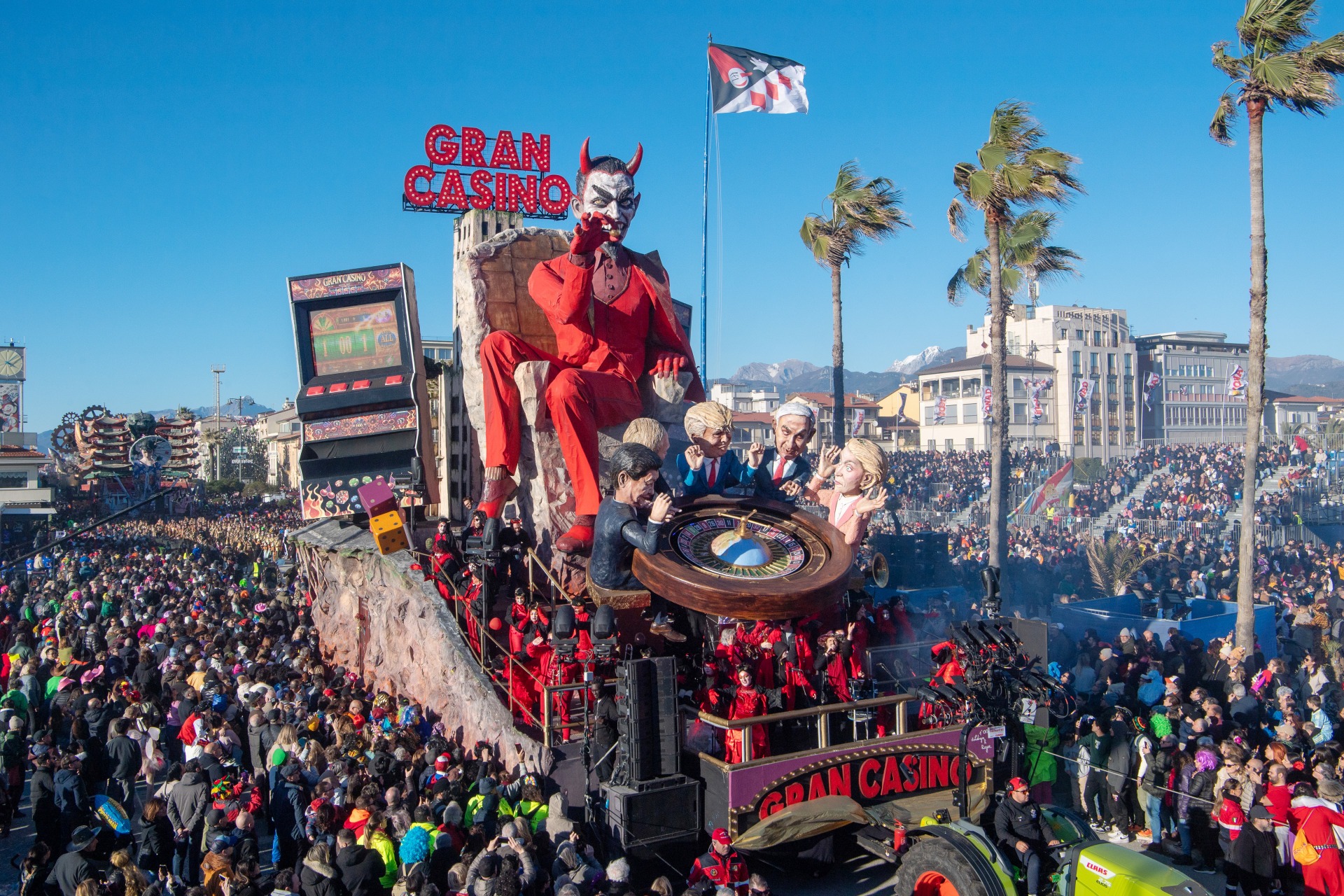
From fruit fights to festivals, check out the wonderful events in the sixth part of our 49 Italian Trips You Must Make series.
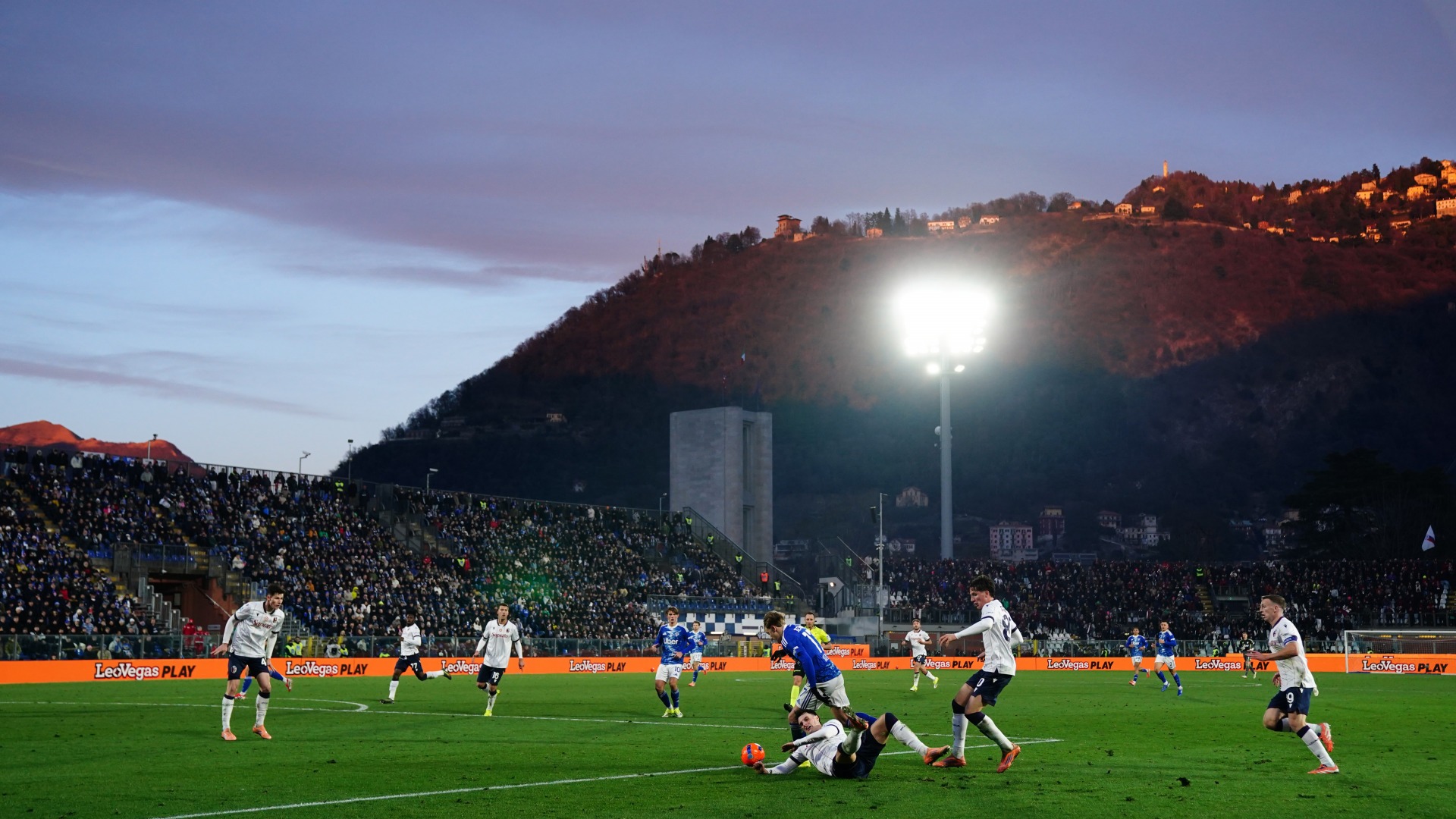
The excitement boarding the train in the morning, and the prospect of ticking off a new ground. Here are our favourite away days.
The stadiums, the noise, the flares, the ultras, the kiosks, the trucks and, of course, the excitement and unpredictability.