
Ahead of Italy’s semi-final against Argentina at Italia 90, Diego Maradona famously questioned why Neapolitans were asked to support their home country.
“The Neapolitans are being asked to be Italians for one night, while the other 364 days of the year they get called terroni (a slur aimed at southern Italians that roughly translates to as bumpkins),” he told reporters.
“I only want respect for the Neapolitans, both my team-mates and I know they are Italians, we cannot ask for them to cheer for us, but the rest of Italy should know the people of Naples are just as Italian as they are.”
Maradona eventually had the last laugh as Argentina knocked Italy out on penalties in Naples to progress to the final, where they would eventually lose to West Germany.
Tongue-in-cheek as they may have been, Maradona’s comments highlighted a long-standing issue for Italy, both the national team and the country. Support for the Azzurri is widespread but not universal in Italy, due to a combination of regional differences, club allegiances and the phenomenon Italians describe as campanilismo – parochialism.
More often than not, however, watching Italy at a major tournament has been a unifying force for Italians. But with the Azzurri watching the World Cup from home for the third consecutive time, who could shoulder the burden of such responsibility over the next four weeks?
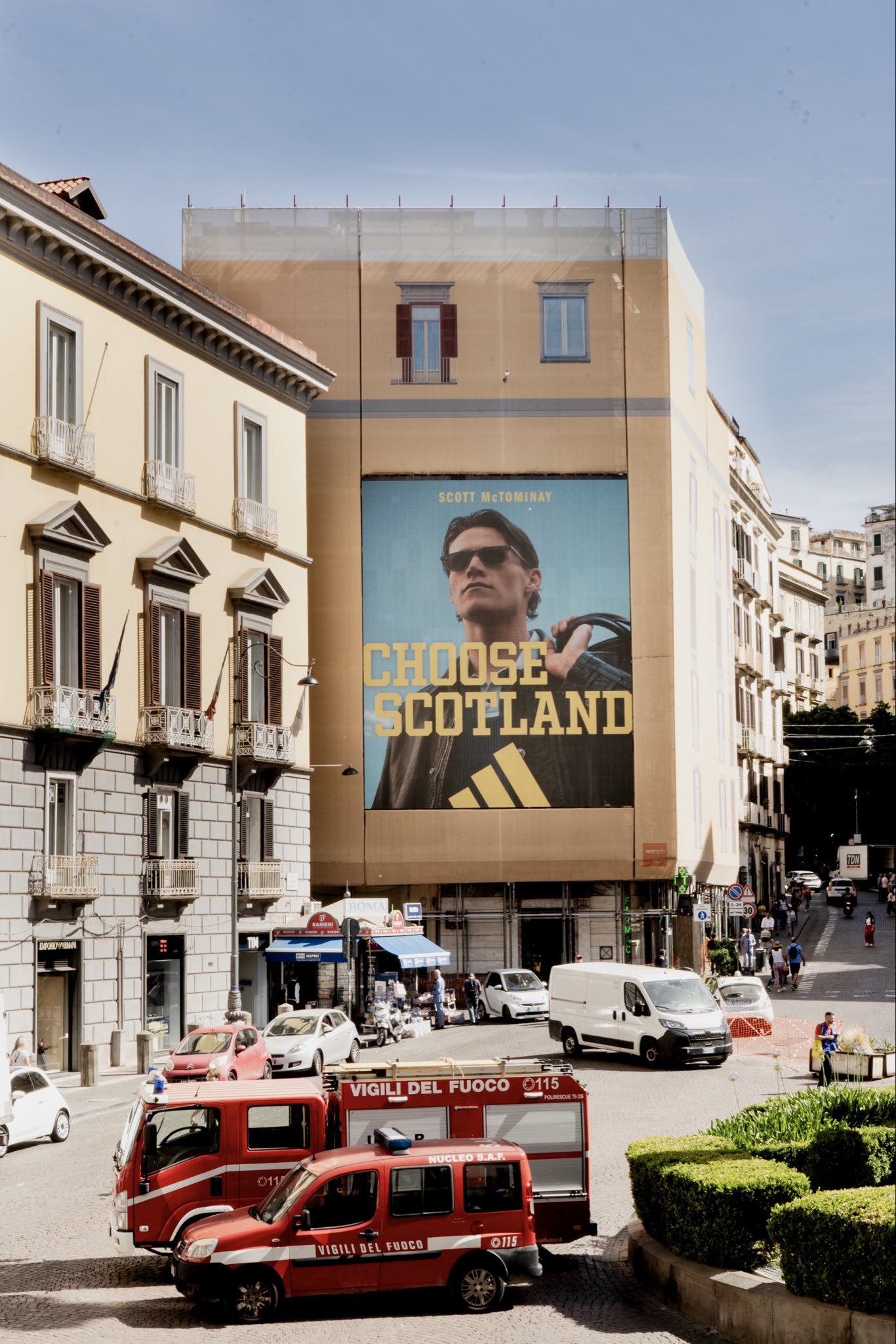
The answer may lie in the Neapolitans’ new favourite son, or rather the country Scott McTominay represents. Adidas took up the Scots’ case in Naples ahead of the tournament, launching a giant billboard urging locals to ‘Choose Scotland’. But the Napoli talisman is far from the only reason that makes the tartan cause appealing.
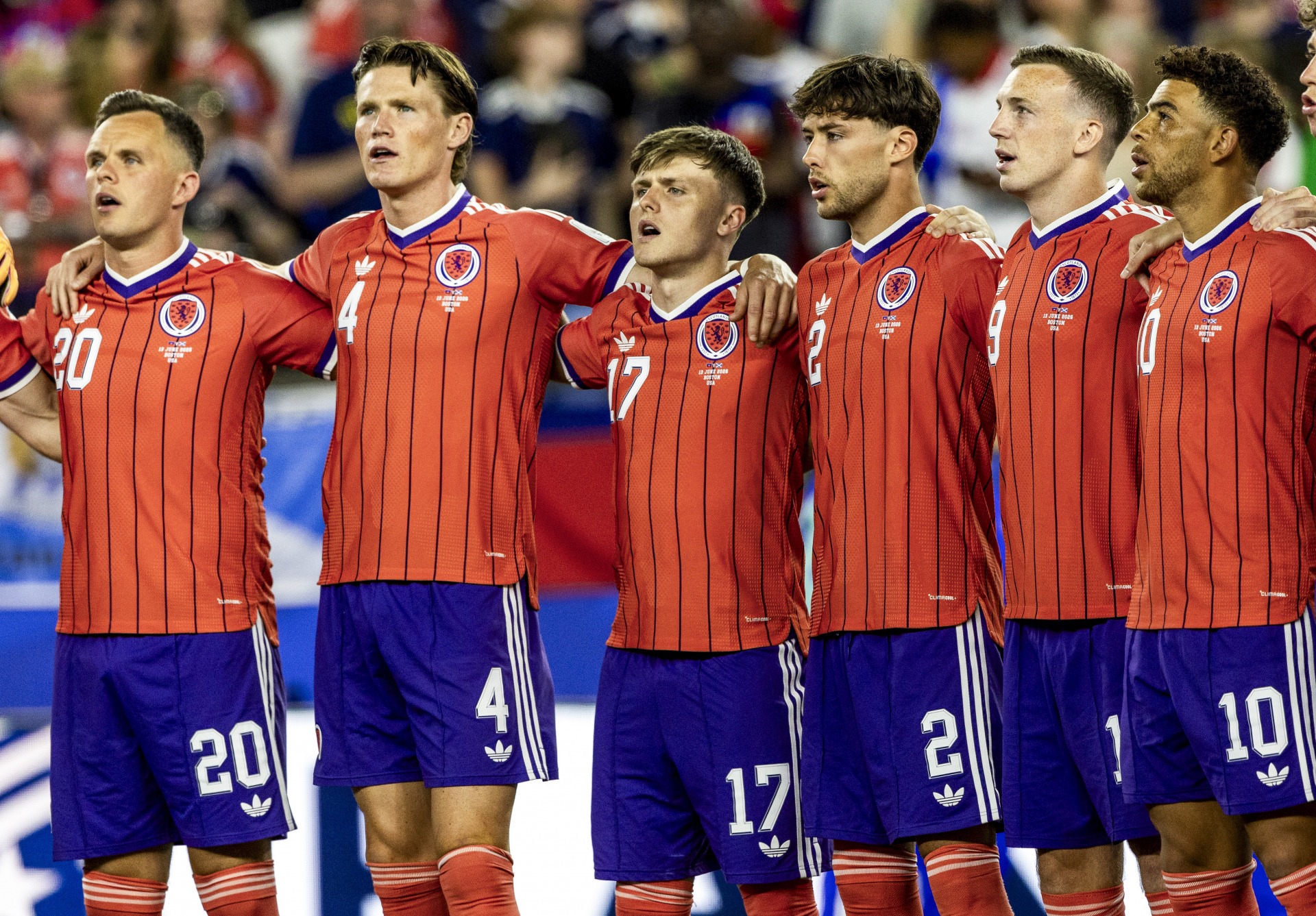
The Scots have everything to be the Italians’ choice of country to support at the World Cup. A bevvy of Scotland internationals call Italy home, from McTominay to Lewis Ferguson, from Che Adams to Josh Doig and all have spoken enthusiastically about the country.
“As soon as I came here, I felt comfortable, I felt at home,” Ferguson told Destination Calcio last year. “It’s a beautiful place to live. It’s good weather, good food, nice people. The city is beautiful. The culture is nice and it’s a relaxed lifestyle.”
Doig, who swapped Verona for Modena since joining Sassuolo two years ago, is also full of praise for his surroundings.
“It’s the place I’ve probably felt most at home,” he told Destination Calcio last month. “I feel like in Verona I was a wee bit up in the air, like it was still all new to me.
“In Modena, being here two-and-a-half years now, I do feel I’m just chilled. I’ve got my routine that I’m in and I’m just relaxed. I just feel very settled here.”
McTominay, meanwhile, has had a pizza named after him since joining Napoli two years ago and has fallen in love with Italian cuisine.
“When I first came people said all the food is incredible and I was like: ‘It’s another myth’,” he told CBS Sports in December.
“But I see it firsthand and it’s incredible.”
Similarly, Ferguson’s process of settling in Bologna was helped by the city’s culinary offerings, which are extraordinarily good even by Italy’s lofty standards.
“I just knew the food in Italy was good,” he told us. “Then when I arrived here, I quickly found out that Bologna is one of the best. It’s beautiful.”
Historically, Italy has been home to two of Scotland’s greatest ever players – Denis Law and Graeme Souness. Meanwhile, from a geographical standpoint, the Scottish contingent is spread evenly across Italy.
From Adams in Turin, to Doig and Ferguson in Emilia-Romagna and McTominay and Billy Gilmour, who missed out on the World Cup due to a late injury, in Naples, Scotland represents Italy almost as well as the Azzurri themselves.
Barga, a town nestled in the Tuscan hills, will be doing just that. Known as “the most Scottish town in Italy,” because at the end of the 19th century hundreds of locals Italians left in search of work in Scotland, it even features an iconic red British telephone box, which now operates as a book exchange.
That’s not the only connection with Britain, as the town hosts a fish and chips festival every year from late July through mid-to-late August.
And then, of course, there is the Tartan Army. England arrived at Italia 90 on the back of a five-year ban for English clubs in Europe following the Heysel disaster, which meant the Three Lions were exiled in Sardinia for their three group stages in a bid to contain the threat of hooliganism.
There were no such qualms with Scotland, however, whose fans descended en masse on Genoa and Turin. Even so no alcohol was sold in Genoa ahead of their opening game against Costa Rica, in which the Scots fell to an embarrassing 1-0 defeat and the ban remained in place for their 2-1 win over Sweden at the Marassi.
But so good was the fans’ behaviour that alcohol was sold in Turin, where Scotland lost to Brazil in their third group game as they exited the tournament at the first hurdle following a late Muller goal.
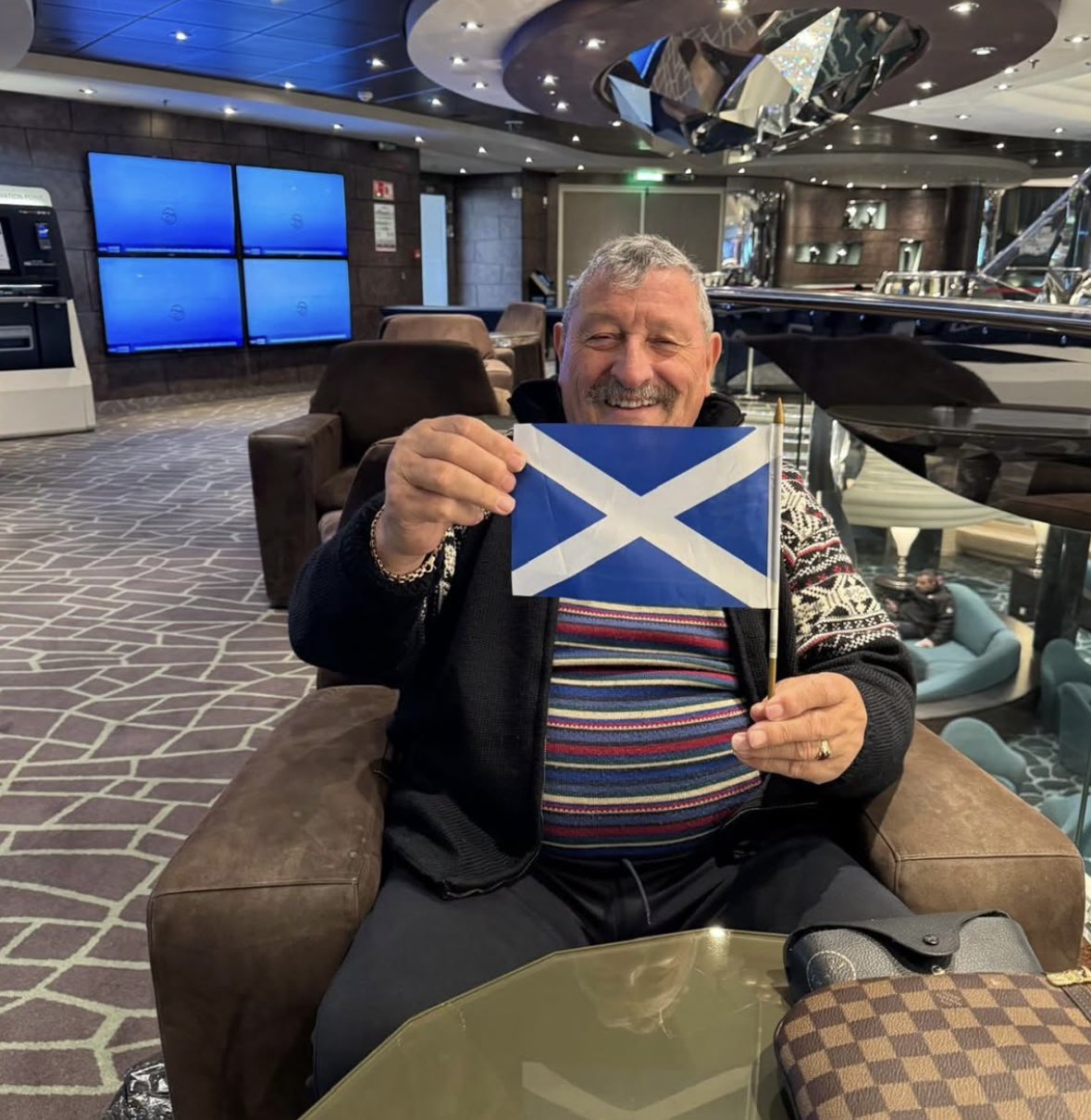
Tommaso Starace, Napoli’s legendary kit man who became a social media sensation for making coffees for the players in the dressing room, shared a picture of himself holding a Scotland flag earlier this week.
As the Tartan Army motto goes, “No Scotland, No Party”. How many Italians will follow Starace’s example?
Related Topics
Related Articles
Related Articles
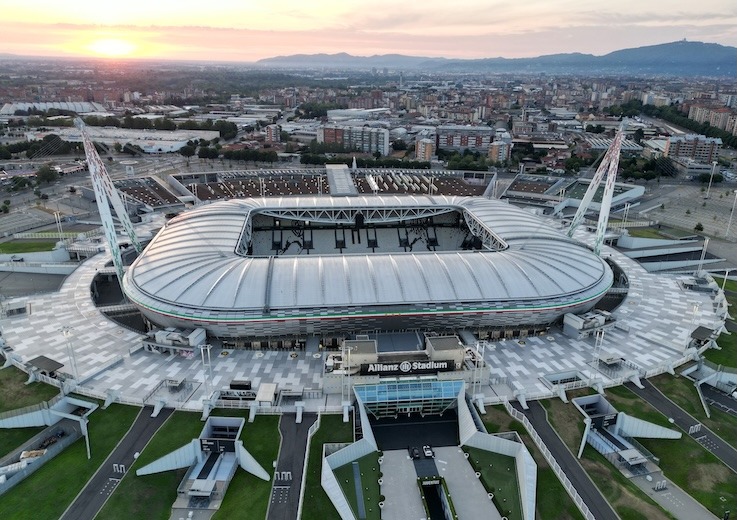
Some of the biggest grounds in the country must be replaced or renovated before the European Championship kicks off.
The Italy team take their home home games to all corners of the country but some of the high-profile destinations have been ignored.
From the Roman Empire to the Renaissance to the modern day, Italy can often seem like a living museum.