A Two-Team Northern Giant, Turin is So Much More Than Fiat and Football
By Emmet Gates
There is no argument about Turin’s status as an industrial powerhouse and one of the wealthiest cities in Italy, standing tall alongside Milan on their side of the north-south divide.
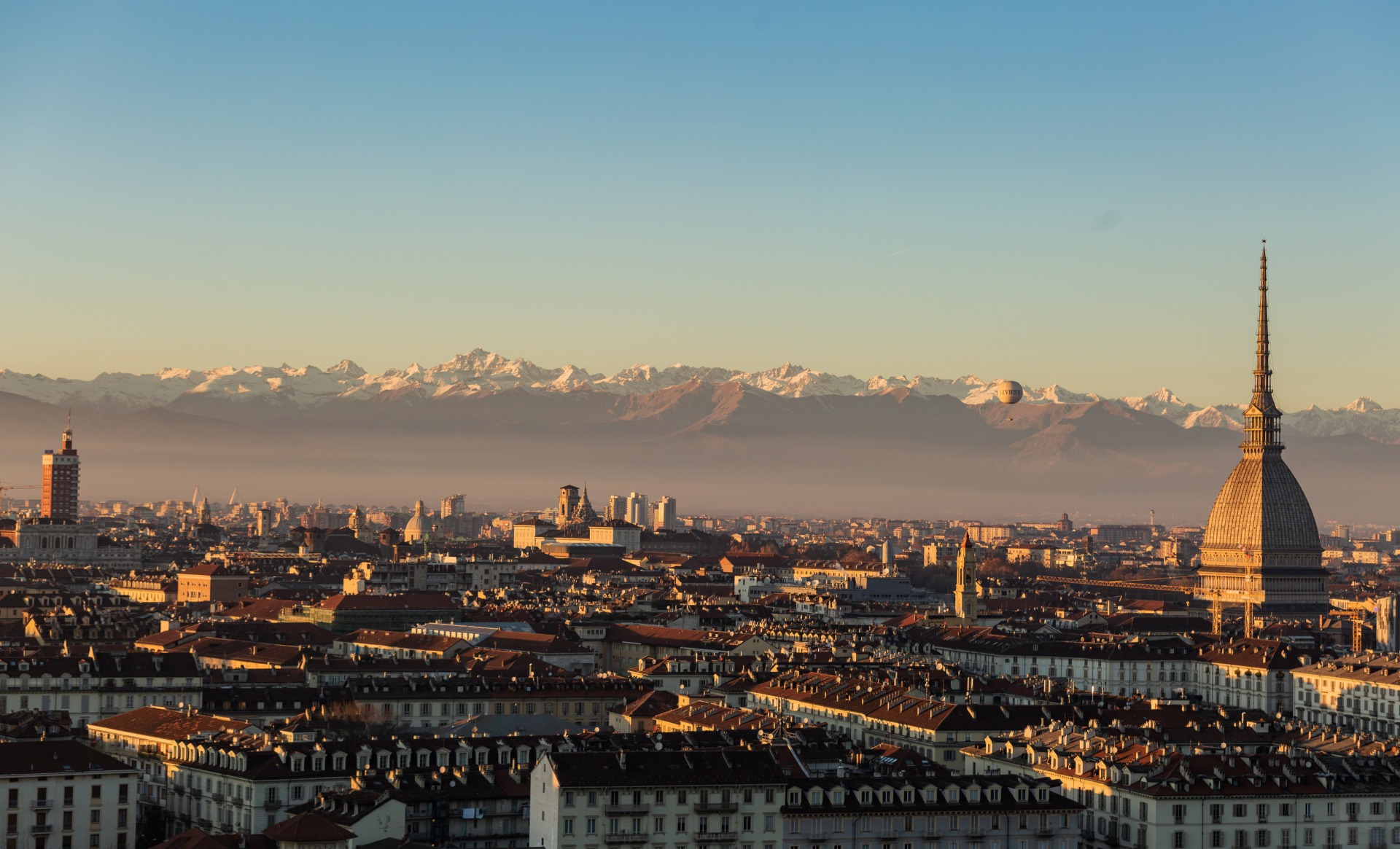
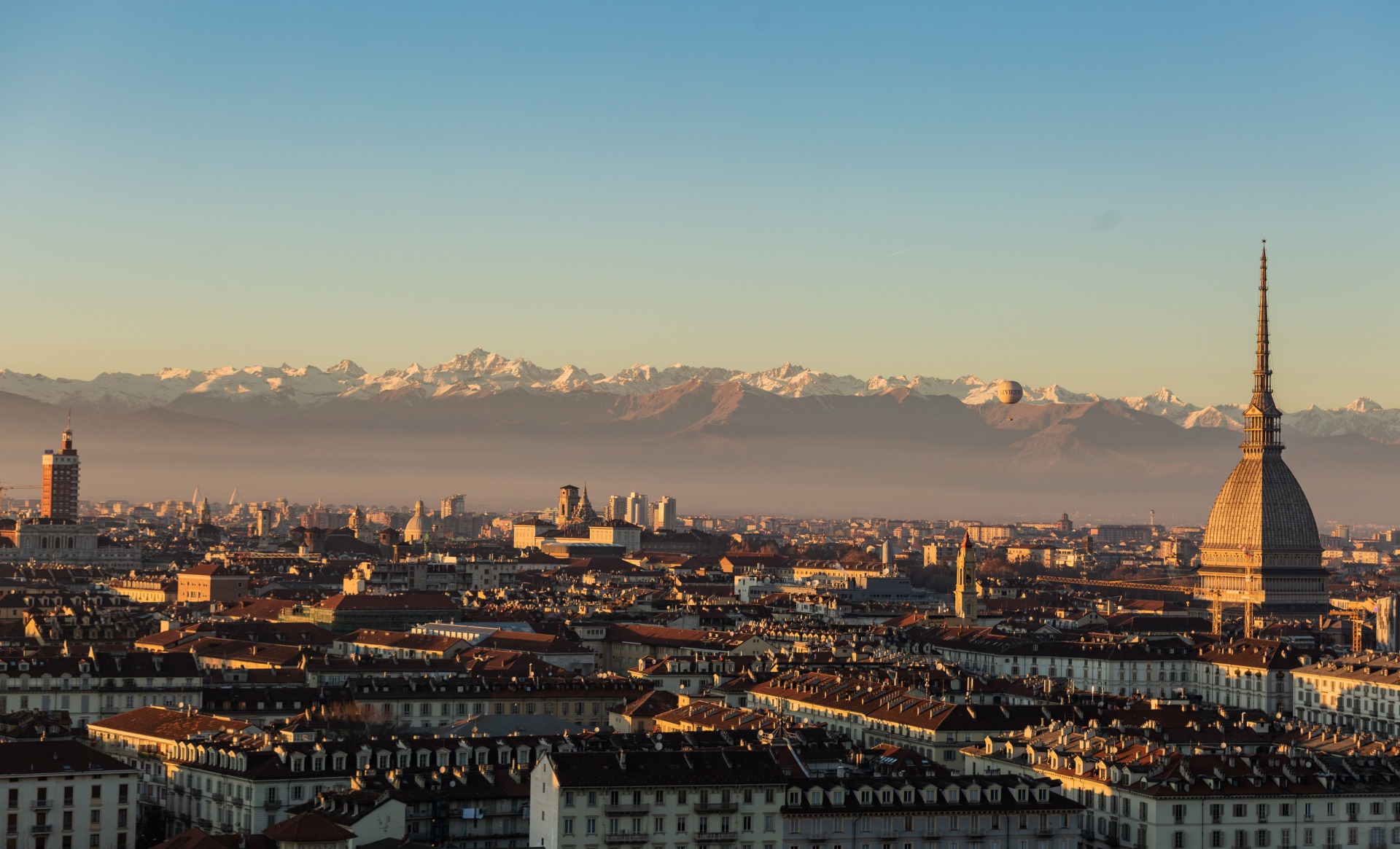
Nestled at the foot of the Alps, and capital of the Piedmont region, Turin has a lot to shout about.
Historically, one area in which it has perhaps punched below its weight is tourism, with Milan, Venice, Verona and even Genoa drawing in the bigger numbers of international arrivals to the north of the peninsula.
For many, Turin has long been characterised by Fiat, industrialisation, grey skies and its football teams.
It may not be as glaringly obvious as in the likes of Naples or Rome, but the spectre of calcio looms large. Juventus – Italy’s biggest and most successful club – and Torino share the town and have played a huge role in shaping it over the decades.
Torino are mostly supported by locals in the centre of the city, with the Filadelfia district being their spiritual home. Yet Toro are weighed down by their enormous history. The legendary Filadelfia Stadium, the setting for so many rampaging victories from the magical Il Grande Torino side of the 1940s, lay derelict for years before being reborn as the club’s training facility in the 2010s.
And it is next to the Filadelfia where visitors will find a real taste of Torino. Across the road from the old stadium sits Sweet Bar, a Toro enclave that is strictly for fans of the Granata. Juve aren’t welcome here, with the walls covered with Torino memorabilia and anti-Juve stickers in the toilet. This is where the ultras meet before every game, creating a great atmosphere before the short walk to the game.
The area around the old ground is modest, there’s nothing fancy. It’s a traditional residential area with people going about their everyday lives, much like the club itself.
Torino haven’t won a Scudetto since 1976 and there is a sense of a club failing to modernise, drifting along from season to season despite having some of the most passionate fans in the country.
The contrast with Juve could not be more stark. Their ultra-modern operation on the outskirts of the city – the museum, the J-Hotel, the Area12 shopping centre and a modern stadium, all coming together in an almost self-contained Juventuslandia. The Old Lady have been at the forefront of Italian modernisation and are the most advanced club in Italy when it comes to facilities and forward thinking.
They are the most recognisable brand in Italy, football or otherwise. They have 60 million followers on Instagram while Gucci have 51m and Ferrari have 32m.
Yet most of Juve’s fanbase comes from around the country and abroad – so football is the branch of tourism here that is huge. It is not uncommon to hear Australian, Chinese or South American accents around the Allianz Stadium on matchdays, so while Juve might be the biggest club, Turin, many would argue, belongs to Torino.
“The signing of Cristiano Ronaldo in 2018 was a boost to Turin’s tourism,” explained Pier Laurenti, a Turin native who has supported Juventus since the mid-1990s. “From a branding standpoint, his arrival brought more eyeballs, with more events and advertisements. However, the real turning point for Turin was the winter Olympics.”
The 2006 Winter Olympic Games was held in Turin, bringing a global visibility that had been lacking. Considering the city lies in the shadow of the mountains, it’s the perfect gateway for a skiing holiday.
However, tourists arriving in Torino to head up to the slopes are now hanging around, exploring what the city has to offer beyond Fiat and Juventus.
“Before 2006 we used to get domestic tourists or people from countries that are close by – France, Switzerland or Austria,” Pier went on. “After the Olympics that changed.”
The legacy is clear. In 2000 Turin’s tourist numbers sat around three million and by 2010 that had doubled. Since then it has remained steady.
What visitors discovered is that Turin is dripping with history, events, culinary delights and stunning baroque architecture.
It is home to the National Cinema Museum, Egyptian Museum, National Museum of Cars, Lavazza Coffee Museum, the Royal Palace of Turin and many others. The Egyptian Museum is generally considered the best in the city.

Also known as the ‘city of parks’, Turin is a great place to bask in the sunshine when the warmer months hit. The park within the grounds of Reggia of Venaria Reale – known as the Versailles of Italy – is the ideal spot for a picnic.
Much of the city is pedestrianised, with porticoes lining streets, making a walk around the centre a pleasant experience, that doesn’t feel claustrophobic or overwhelming.
The Mole Antonelliana is the symbol of this city. It has housed the Cinema Museum since 2000 and claims to be the tallest museum in the world. The elevator with a 360 view takes visitors to the top and delivers stunning views across the city and beyond to the Alps.
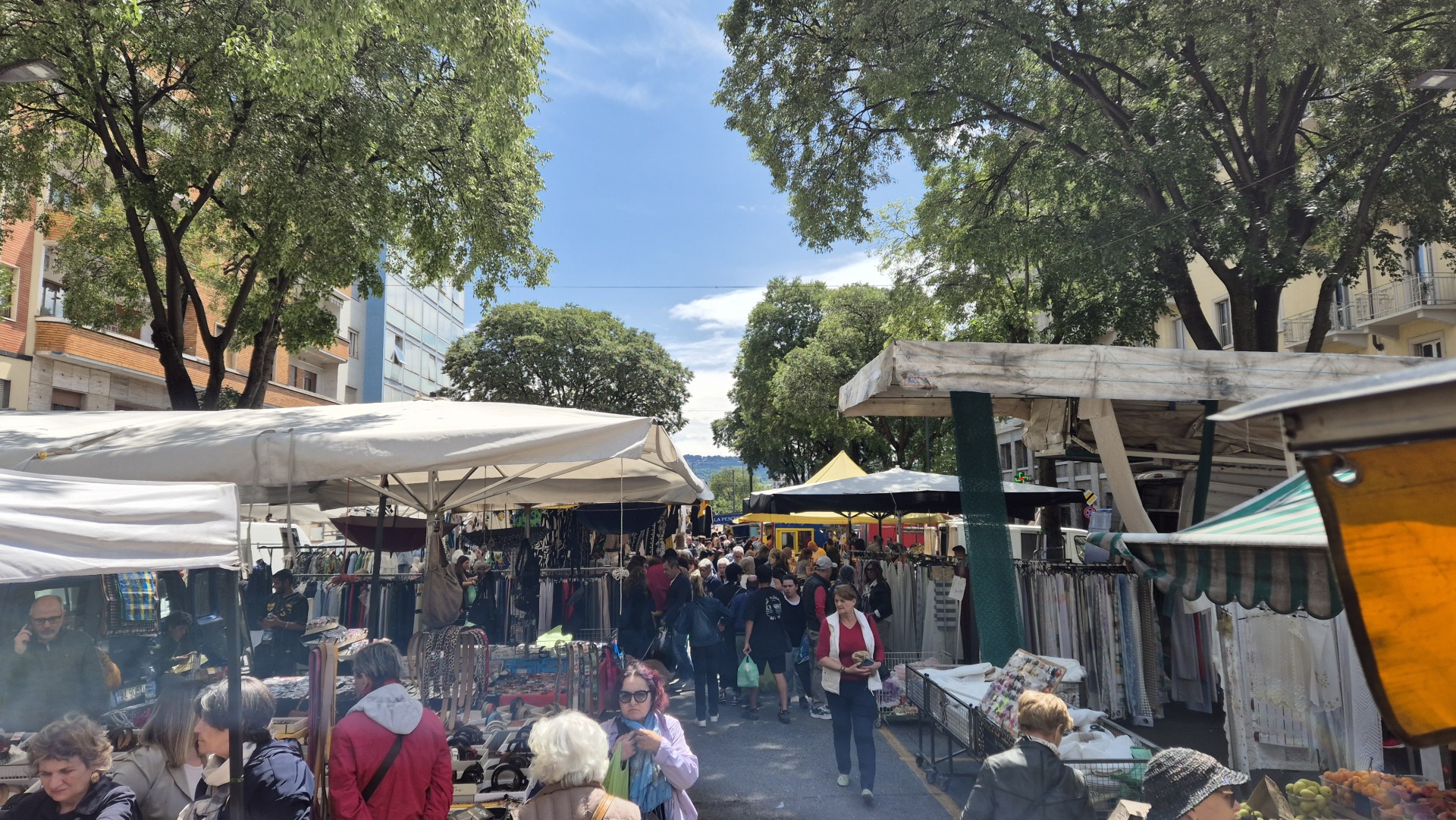
From football and cars to museums and Europe’s largest open-air market in Porta Palazzo, to royal history and mouth-watering dishes such as Agnolotti and Brasato al Barolo, it is a city that has something for everyone.
Yet it’s football that keeps bringing many visitors to Turin.
Related Articles
Related Articles
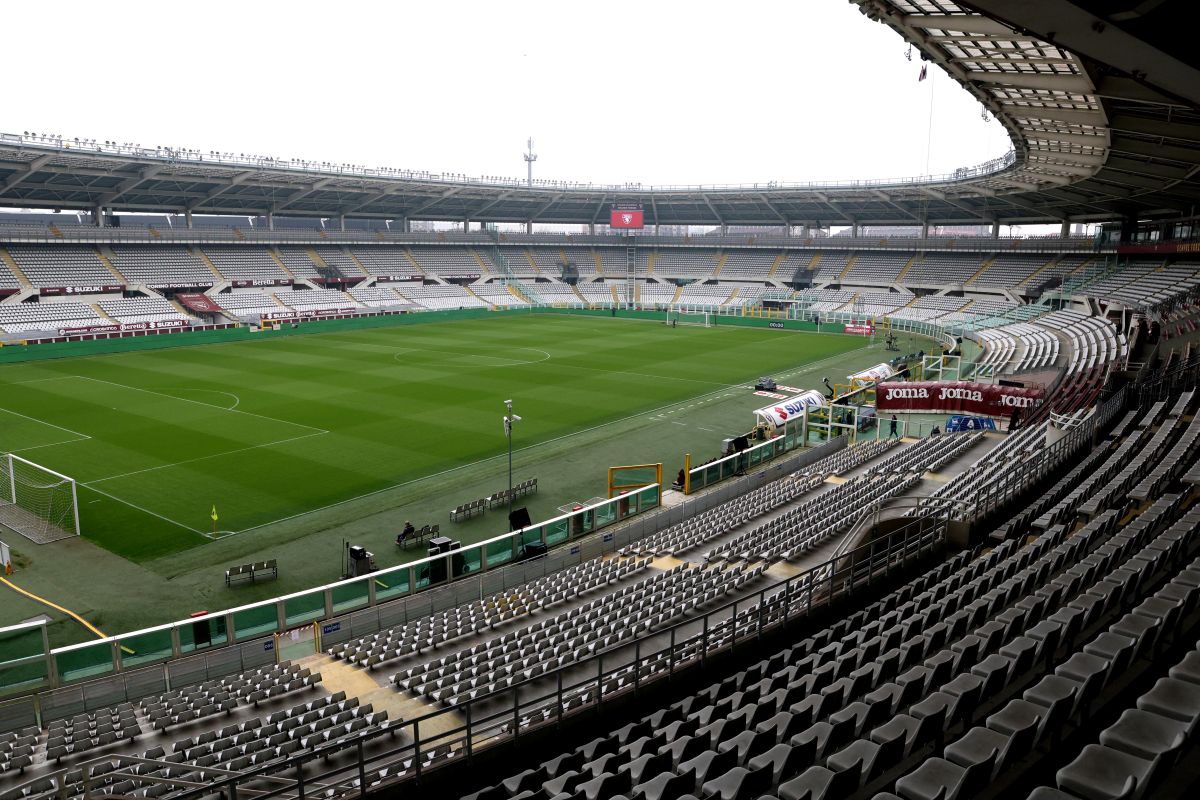
The current iteration of Torino's home opened its doors in 2006 but the history here goes much deeper. Here's all you need to know.

From the outside, Da Angelino in Turin looks a lot like other restaurants in the city. Yet inside is sprinkled with stardust.

We took pointers from a Turin native when searching for somewhere to eat, and the advice we got was spot-on.