
Florence at Easter… Fireworks, Fiorentina and a 900-Year-Old City Ritual
By Dan Cancian
One of the most visited destinations in the world, Florence is a magnet for tourists all year round, welcoming around 11 million annually. Yet, Easter is arguably the ideal time to visit.
The cold winter has made way for balmy spring weather, warm enough to make an outdoor Spritz a perfectly valid option, while the stifling heat that descends on the city in summer is still a few months away.
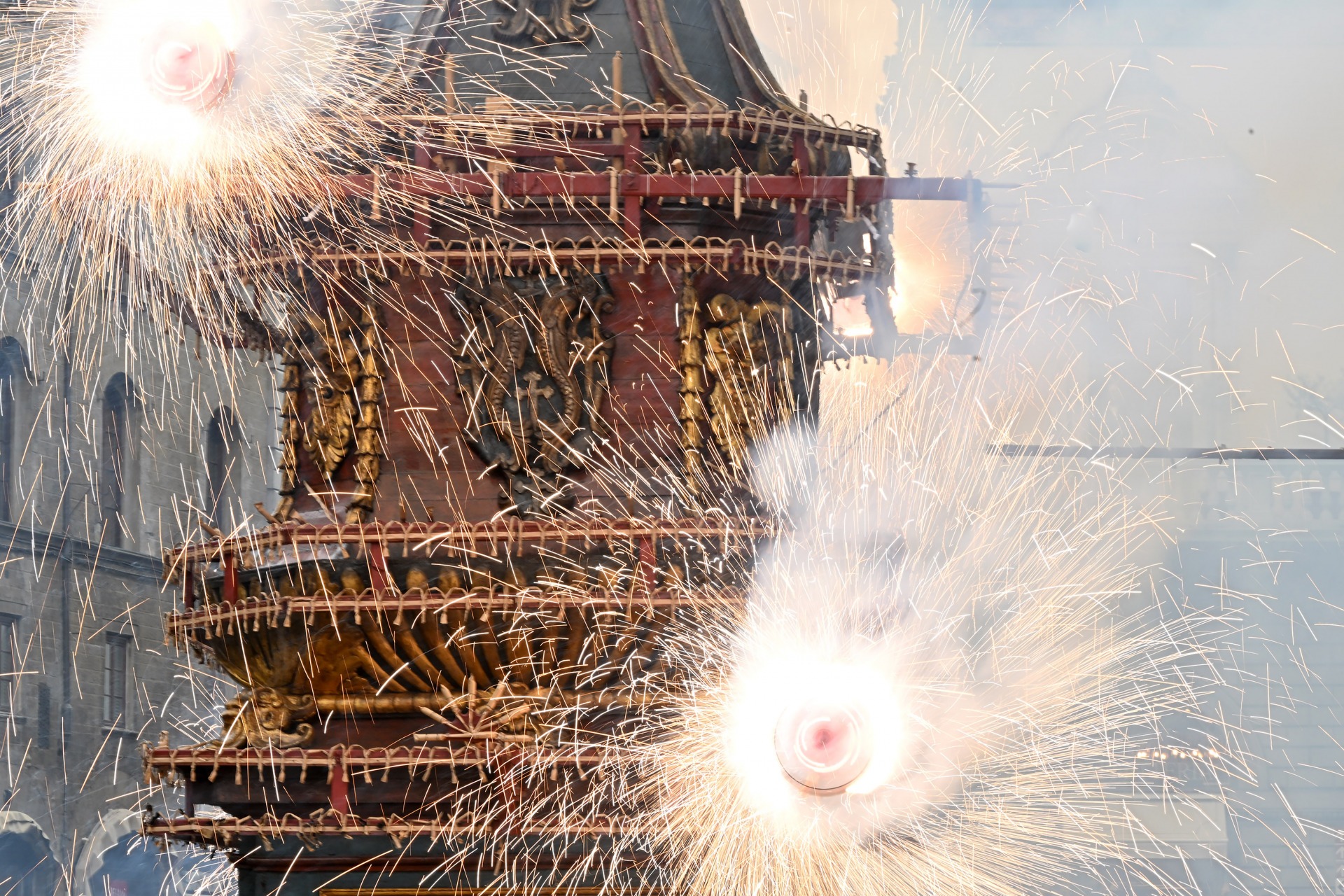
And nowhere in Italy celebrates Easter quite like Florence, which hosts the Scoppio del Carro (Explosion of the Cart), a 900-year-old ritual involving a 30-foot antique wagon, white oxen, and a rocket-powered mechanical dove that is rooted in a mix of medieval history, the Crusades, and some old-fashioned local superstition.
The procession itself has not veered over the centuries – the cattle lead the cart, those providing much of the noise and colour with drums and flags follow on, and the whole thing reaches the Duomo. The dove, lit by the Archbishop, travels along a wire until it reaches the cart and sets of the fireworks.
It should come as no surprise that the Tuscan capital has such a special relationship with Easter. Where else to celebrate resurrection other than the city where the Rinascimento, or Renaissance, began in the 14th century?
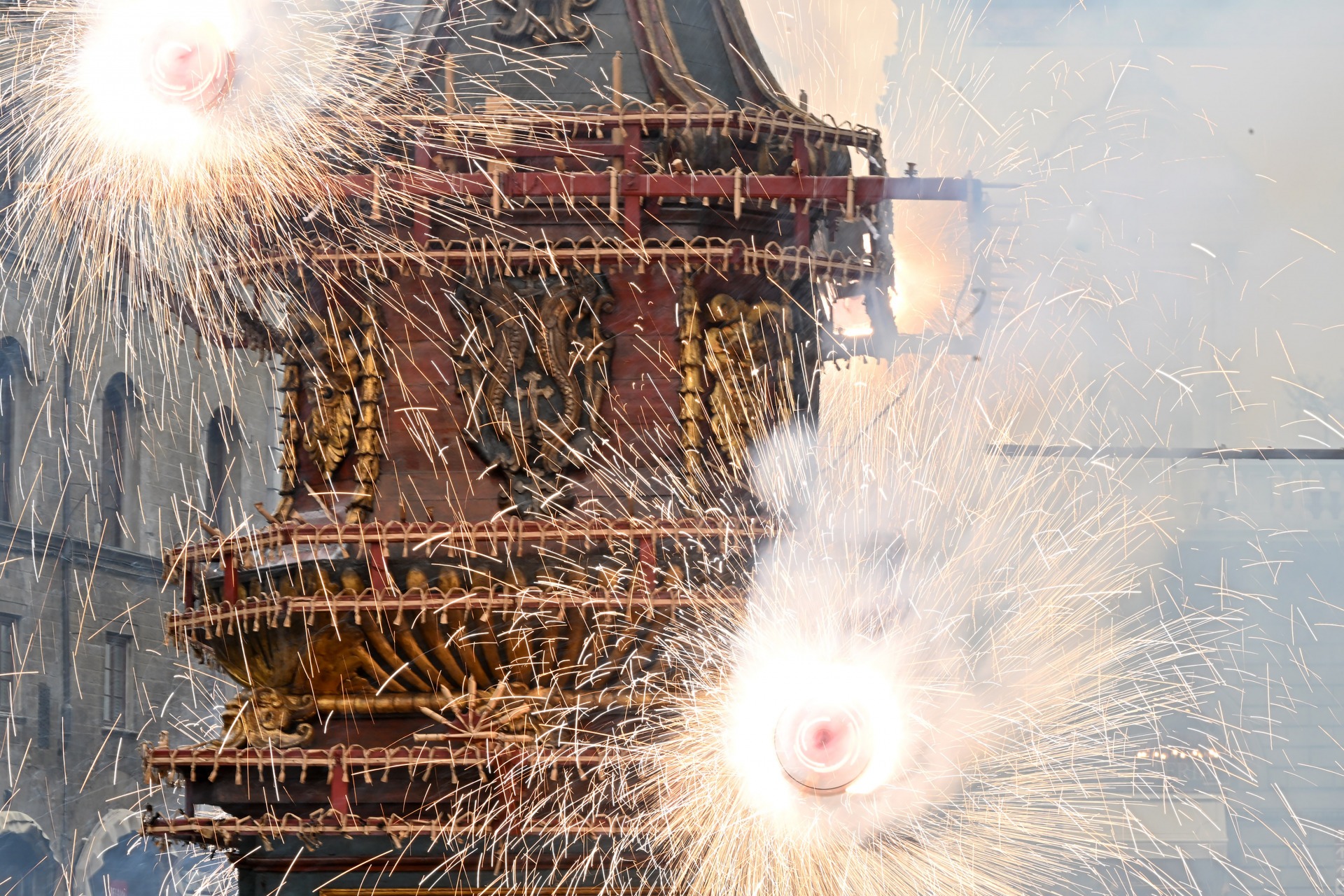
Renaissance translates to rebirth and Florence served as the cradle for the movement, which swept across Europe over the next three centuries courtesy of artists such as Leonardo da Vinci and Michelangelo and scientists, among them Nicolaus Copernicus and Galileo Galilei.
Reminders of Florence’s role in the Renaissance movement are everywhere in the city, from Michelangelo’s David statue to the paintings in the Uffizi Galleries, and from the Basilica of San Lorenzo to the dome of the cathedral in Piazza Duomo, which was built without any supporting scaffolding by using a revolutionary double-shell design and remains a masterpiece of Renaissance engineering.
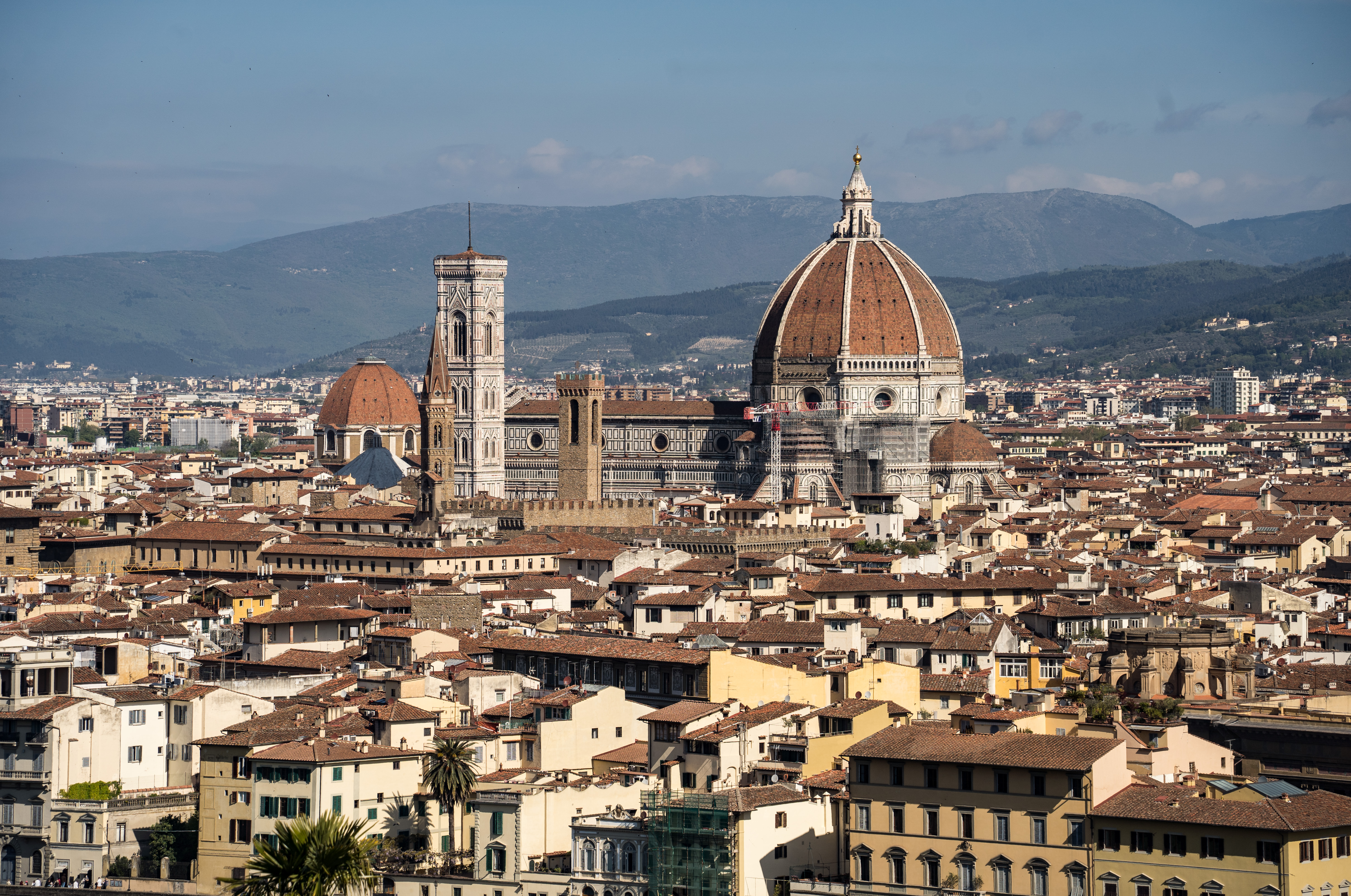
Built during Italy’s fascist regime, the Stadio Artemio Franchi is Florence’s Modernist yin to the Duomo’s Renaissance yang, all reinforced concrete and spiral staircases.
But just like the city itself, the Franchi has witnessed a renaissance of its own. Not structural, where ongoing renovation works are expected to drag out at least until 2030, but on the pitch where Fiorentina rose from the ashes of bankruptcy at the turn of the century to make two European finals in the past three seasons.
One of the powerhouse of Italian football in the late 1990s, they collapsed into administration in 2002 when then-president Vittorio Cecchi Gori’s penchant for playing fast and loose with accounts eventually caught up with him.
La Viola had already lost Gabriel Batistuta and Rui Costa to Roma and AC Milan, and were relegated at the end of the 2001-02 campaign, but its financial turmoil meant they were denied a place in Serie B and effectively ceased to exist.
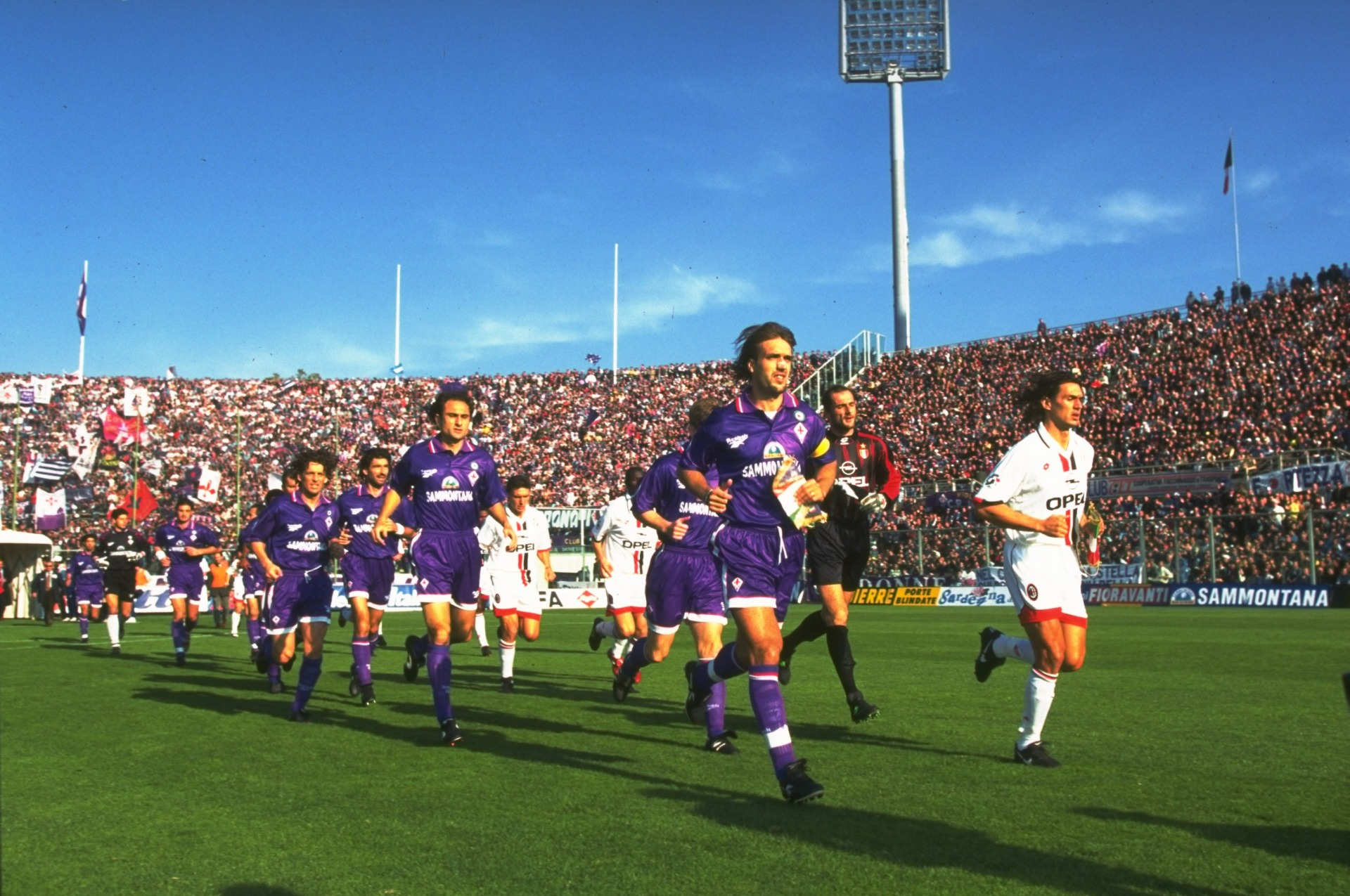
As is commonplace in Italy in such instances, a new club was formed, under the ownership of shoe and leather entrepreneur Diego Della Valle, called Associazione Calcio Fiorentina e Florentia Viola.
A year later, following the path set out by several clubs including Napoli, Parma and Torino among the others, Della Valle bought back the right to use the Fiorentina name and the famous shirt design.
They were now ACF Fiorentina and this was a significant moment for the club, and the city as a whole, where La Viola is something of a religion.
From its most picturesque corners to beyond the postcard-worthy streets, Fiorentina is ubiquitous. A scarf here, a graffiti there. A sticker with the club’s badge on a bar door and a vintage Batistuta shirt framed in a restaurant.
Reminders that this is Fiorentina’s city are everywhere, more common than osteria offering chianti and Bistecca alla Fiorentina – the traditional Florentine steak.
La Viola is as much of a Florentine institution as Dante, Machiavelli, Botticelli and Leonardo.
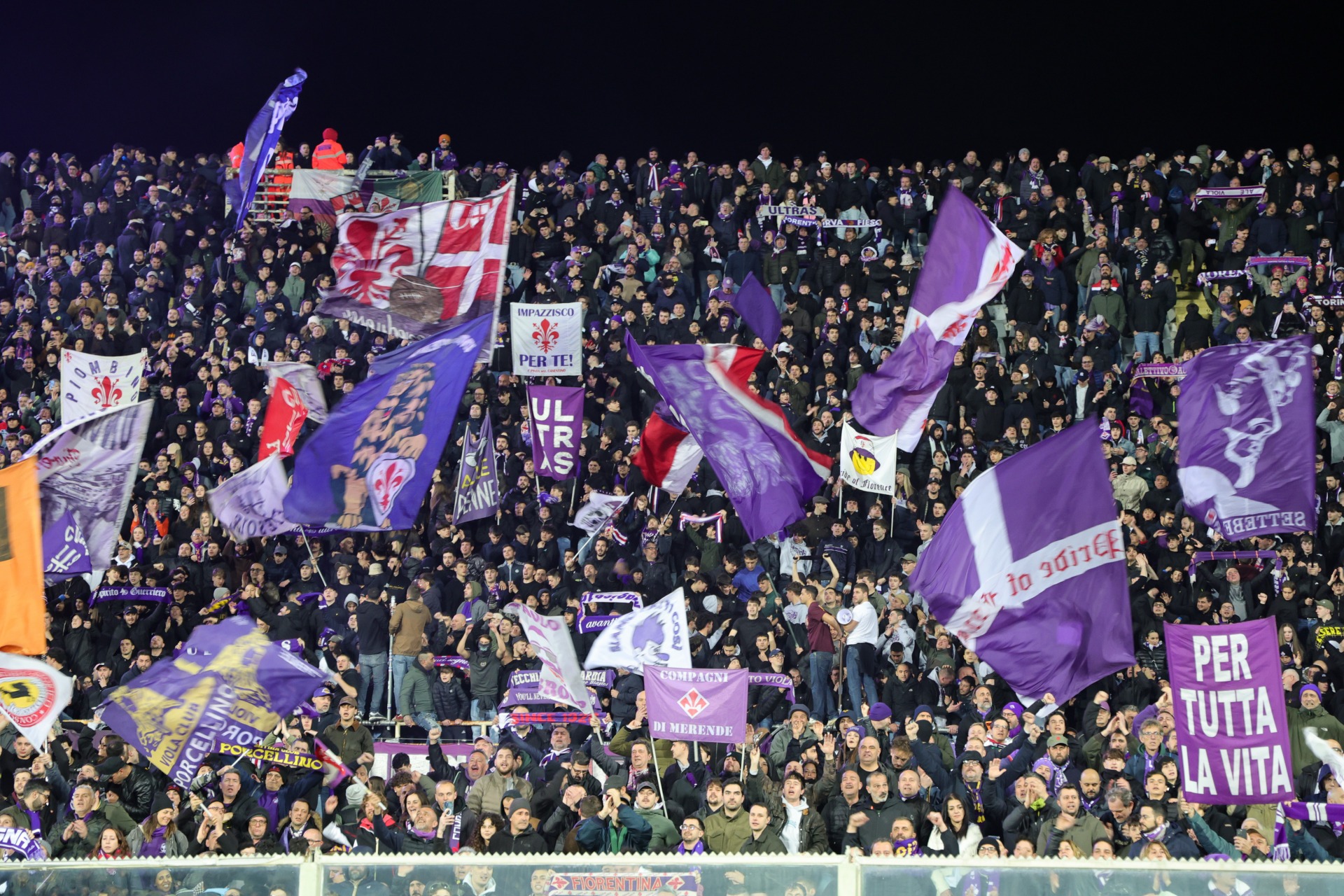
The return of the Fiorentina name in 2004 was accompanied nine months later by promotion to Serie A, where the Tuscans have remained since, reaching the Europa Conference League final in 2023 and 2024 and the semi-final last term.
They are thereabouts again and face Crystal Palace in the quarter-finals of this season’s competition but the glitz and glamour of European nights were barely an afterthought when they were rooted at the bottom of the table from early November until mid-January.
Winless in their first 15 Serie A games of the campaign, Fiorentina looked destined for a return to Serie B when they rolled the dice and replaced Stefano Pioli with Paolo Vanoli in November.
The former Fiorentina defender has steadily turned the club around, picking up six wins and drawing with leaders Inter just before the break, steering his team to calmer waters.
There are eight games left (four at home, so there’s still time to book your trip) and threat of relegation hasn’t been entirely allayed, although a win at second-bottom Verona on Easter Saturday would go a long way towards cementing their Serie A status for another season. After all, Easter seems a fitting time for a team from the cradle of the Renaissance to reinvent itself.
Related Topics
Related Articles
Related Articles
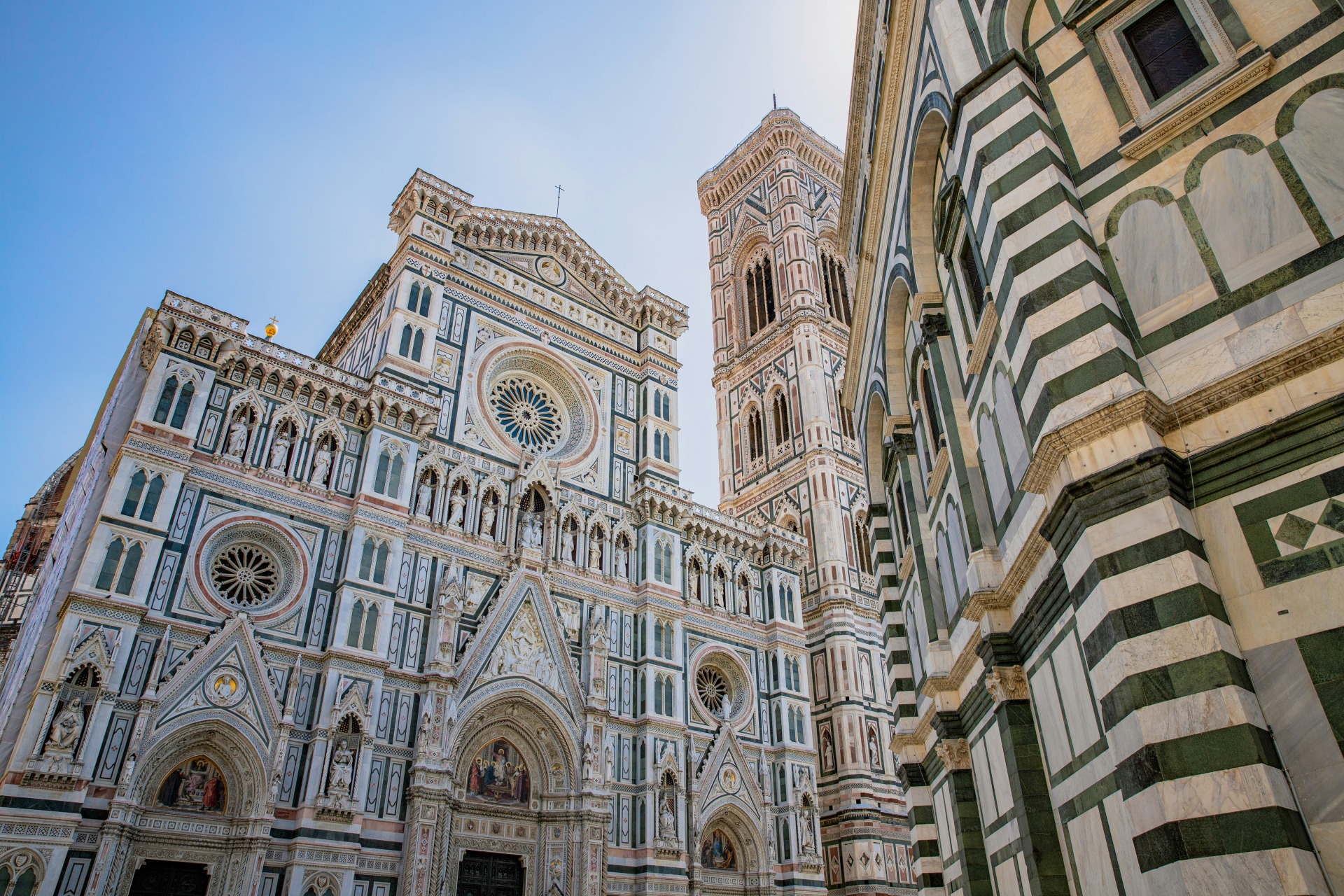
Whether you’re after Renaissance grandeur, local grit, or a bit of both, here’s a look at where to stay in Florence.

Destination Calcio took in the sights as well as some action at Fiorentina’s Stadio Artemio Franchi. Here’s a few pointers before you go.
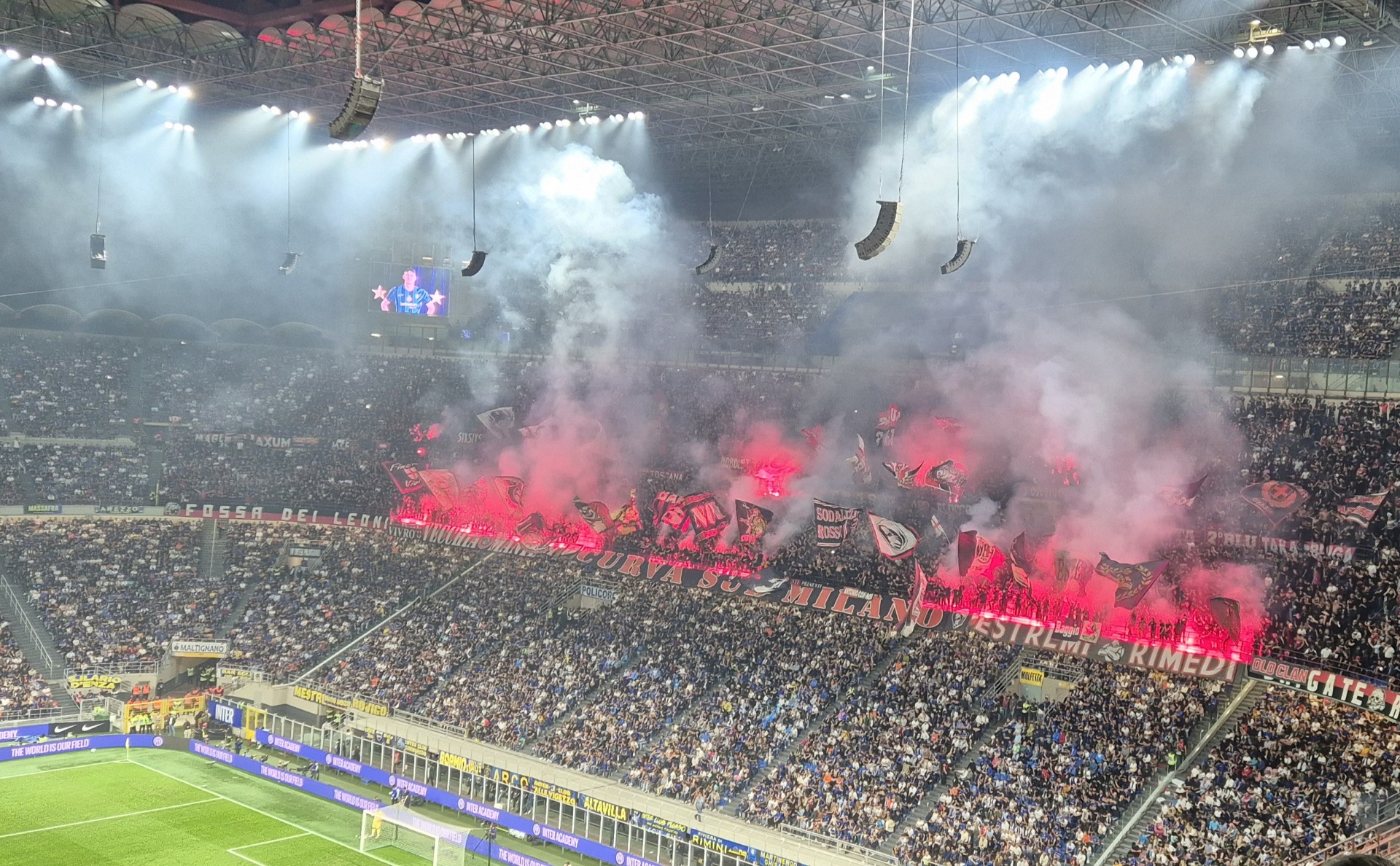
As we edge towards spring, winter lingers in the north, but warm weather emerges in the south, making it a great time to experience Italy.